Key Takeaways
-
Distinguish between TENS (sensory nerve pain relief), NMES (motor nerve muscle activation), and FES (task-synchronized stimulation) to ensure correct modality selection and accurate documentation that directly impacts patient outcomes and reimbursement.
-
Evidence quality varies significantly by condition: high-frequency TENS shows low-certainty benefit for dysmenorrhea, but neuropathic pain and chronic neck pain evidence remains very-low quality and inconclusive, requiring realistic outcome positioning.
-
Treatment parameters including electrode placement, pulse frequency, intensity, and duty cycle critically determine outcomes; stimulation paired with active exercise outperforms passive stimulation used alone for functional rehabilitation.
-
Rigorous safety screening is mandatory before every application: verify FDA contraindications for cardiac pacemakers and implanted devices, check skin integrity, assess sensation ability, and document screening thoroughly for insurance compliance.
-
Position nerve stimulation as one component within multimodal treatment plans that include diagnosis, medication when appropriate, physical therapy, and strengthening rather than promoting it as a standalone cure to maintain clinical credibility.
-
Insurance reimbursement coverage varies by insurer and jurisdiction and does not equate to universal clinical effectiveness; clinics must verify specific coverage criteria for PPO/POS, workers compensation, and auto accident claims before treatment initiation.
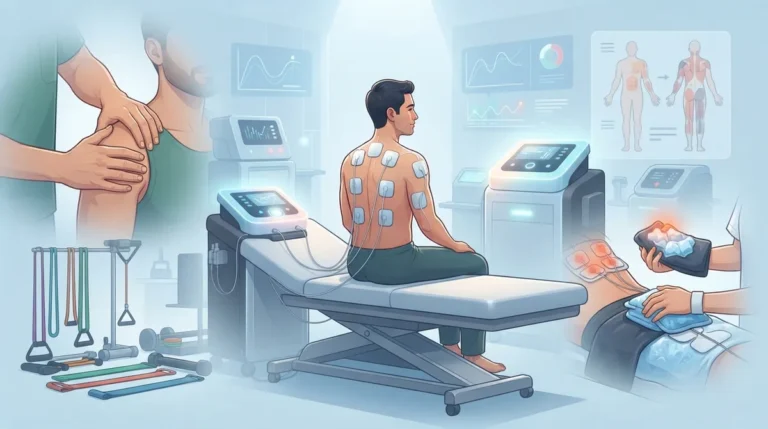
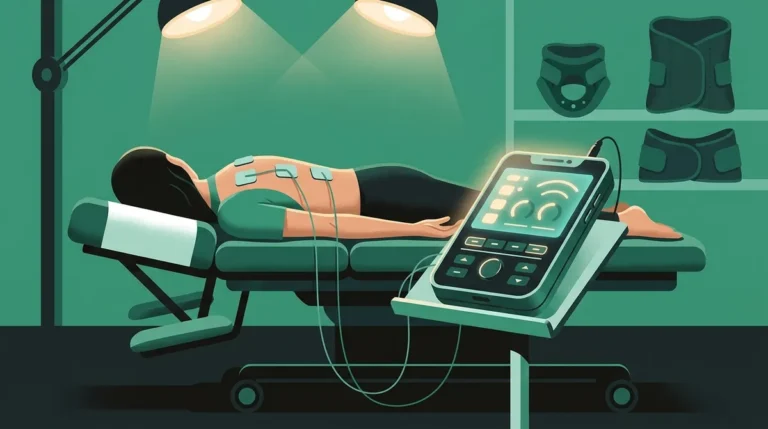
Nerve stimulation has become a cornerstone modality across physical therapy clinics, chiropractic practices, and auto accident injury clinics nationwide. Yet despite its widespread clinical adoption, confusion persists about what nerve stimulation actually does, which technology fits which diagnosis, and how to apply it safely within evidence-based practice. For providers building or refining an electrotherapy program, understanding the distinctions between TENS, NMES, and FES is not optional—it directly affects patient outcomes, documentation accuracy, and insurance reimbursement.
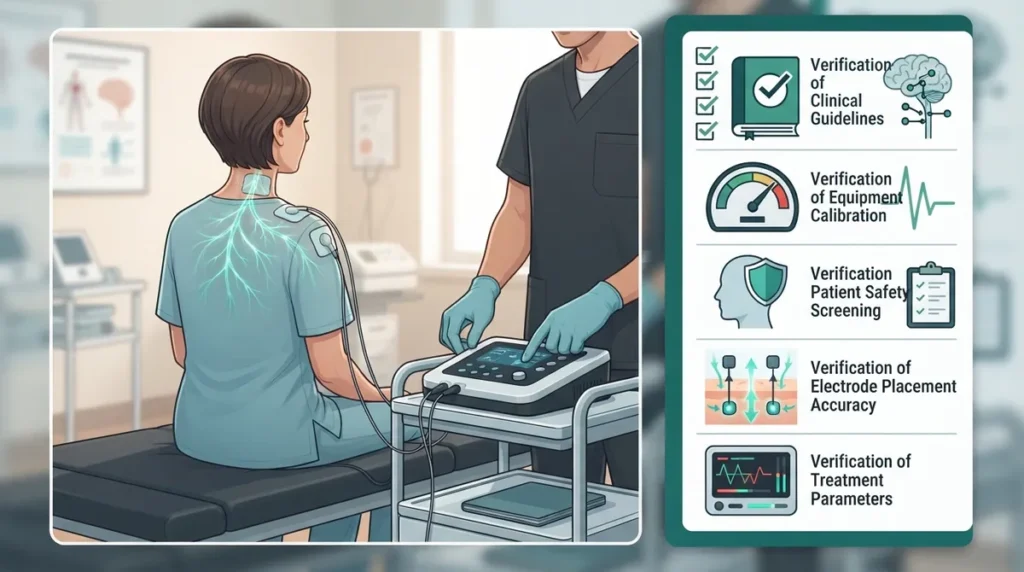
This article breaks down five critical facts every clinic should verify before purchasing or prescribing nerve stimulation equipment. Drawing on current research, including Cochrane reviews and FDA labeling requirements, we outline what the evidence actually supports, where uncertainty remains, and how to select devices that align with clinical goals rather than marketing claims. Whether your practice manages chronic pain, post-surgical rehabilitation, or auto accident injuries, these facts will help you make informed decisions about incorporating nerve stimulation into your treatment protocols.
Fact 1: Nerve Stimulation Is Not One Technology—It’s Three Distinct Modalities
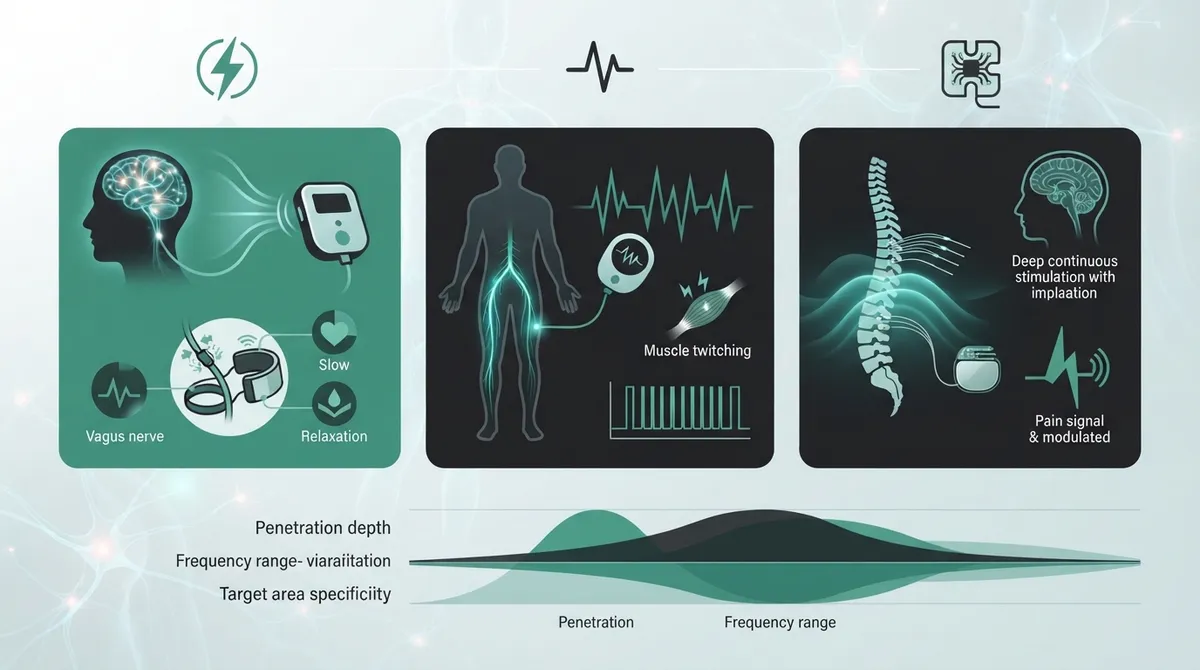
The term “nerve stimulation” often gets used loosely, but clinically it refers to at least three separate approaches, each with different mechanisms, indications, and evidence bases. Transcutaneous electrical nerve stimulation (TENS) applies controlled electrical pulses through surface electrodes to activate sensory nerve fibers, primarily for symptom management and pain modulation. Neuromuscular electrical stimulation (NMES) targets motor nerves to produce repeated muscle contractions, commonly used in rehabilitation to address disuse atrophy or maintain muscle activation when the nerve supply remains intact.
Functional electrical stimulation (FES) synchronizes electrical pulses with a functional task, such as triggering foot dorsiflexion during gait training for patients with neurological impairment. Clinics that fail to distinguish these modalities risk mismatched treatment plans and inaccurate documentation. A physical therapy clinic treating post-surgical quadriceps weakness needs NMES protocols, not TENS parameters designed for pain relief.
| Modality | Primary Target | Common Clinical Use | Evidence Strength |
|---|---|---|---|
| TENS | Sensory nerves | Pain modulation, symptom management | Mixed; indication-specific |
| NMES | Motor nerves | Muscle re-education, disuse atrophy | Supported in selected rehab uses |
| FES | Motor pathways + task | Gait training, functional movement | Supported in select neurological cases |
Understanding this distinction is foundational for any clinic building a credible electrotherapy program. Reviewing resources such as Nerve Stimulators in Electrotherapy: A Clinical Guide for Providers can help staff align device selection with diagnosis-specific protocols.
Fact 2: The Evidence Base Varies Significantly by Condition
One of the most important facts clinics must verify is that nerve stimulation research does not universally support every application. A 2024 Cochrane review examining TENS for primary dysmenorrhea found that high-frequency TENS reduced pain by a mean difference of -1.39 points compared to placebo or no treatment, based on 10 randomized trials involving 345 women, though certainty was rated low with substantial heterogeneity (I²=88%). Low-frequency TENS showed a larger mean difference of -2.04 points across 3 trials involving 645 women, also with low certainty.
In contrast, a Cochrane review of TENS for neuropathic pain reported a post-treatment effect favoring TENS of -1.58 points, but the evidence was rated very low quality, and the review concluded that effectiveness could not be confidently established. A broader Cochrane overview of TENS reviews for chronic pain similarly found evidence too limited and low quality to confidently determine whether TENS improves pain, disability, quality of life, or medication use compared to sham or usual care. A separate Cochrane review of TENS for chronic neck pain found very-low-certainty evidence, with one comparison showing a pain mean difference of only -0.10 on the relevant scale.
- High-frequency TENS shows measurable benefit for dysmenorrhea in low-certainty trials
- Neuropathic pain evidence remains very low quality and inconclusive
- Chronic pain overview reviews found insufficient evidence for confident conclusions
- Chronic neck pain trials showed minimal to no measurable difference
- NMES has stronger support in structured rehabilitation contexts
This is why clinics should avoid guaranteeing outcomes and instead position nerve stimulation as one component of a broader treatment plan. The Cochrane overview of TENS reviews remains one of the most authoritative sources for understanding where evidence is strong versus uncertain.
Fact 3: Treatment Parameters Determine Clinical Outcomes
Nerve stimulation outcomes depend heavily on technical variables, not just the presence of electrical current. Electrode placement, pulse frequency, pulse width, intensity, duty cycle, and treatment duration all influence whether a session produces meaningful pain modulation or muscle activation. Skin condition, nerve and muscle integrity, and the underlying diagnosis further shape results.
Clinics should also recognize that stimulation combined with exercise or task-specific therapy typically outperforms stimulation used in isolation. For example, NMES protocols designed to rebuild quadriceps strength after ACL reconstruction are most effective when paired with progressive resistance exercise, not used as a standalone intervention.
Key Parameters That Influence Results
- Electrode placement: Proper positioning over target nerves or motor points is essential for both TENS and NMES efficacy.
- Pulse frequency and width: These settings determine which nerve fibers are preferentially activated and influence patient comfort.
- Intensity: Should be increased gradually to a level that produces the intended sensory or motor response without causing pain.
- Duty cycle and duration: Session length and rest intervals affect fatigue resistance, particularly in NMES protocols targeting muscle strengthening.
- Integration with exercise: Stimulation paired with active movement or task-specific training generally produces better functional outcomes than passive stimulation alone.
For chiropractic practices and auto accident injury clinics, correctly calibrated parameters are especially important given the variability in soft tissue injuries. Reviewing detailed guidance such as How to Set Your TENS Unit to the Right Intensity Level can help staff standardize protocols across patient populations.
Fact 4: Safety Screening Is Non-Negotiable
Every clinic incorporating nerve stimulation into patient care must maintain rigorous safety screening protocols. U.S. FDA-cleared device labeling commonly warns against use with cardiac pacemakers, implanted defibrillators, or other implanted electronic or metallic devices due to risks including electrical interference, shock, burns, or death. Labeling varies by device, so staff must verify manufacturer instructions before every new patient application.
Additional contraindications and precautions commonly include:
- Stimulation across the chest or front of the neck
- Impaired sensation or inability to report discomfort
- Damaged or broken skin at the application site
- Active infection near the treatment area
- Pregnancy, epilepsy, cancer, or acute medical conditions requiring individualized clinical advice
Potential adverse effects include skin irritation, discomfort, excessive muscle soreness, and burns resulting from poor electrode contact or excessive intensity. Correct electrode contact, gradual intensity increases, routine device inspection, and strict adherence to manufacturer instructions reduce avoidable risks. The FDA has emphasized the importance of non-opioid pain management options, but this support does not eliminate the need for careful patient screening before device use.
Auto accident injury clinics in particular must document safety screening thoroughly, as these cases often involve insurance review and legal scrutiny. Clinics working with TENS Machine Side Effects: What Clinicians Must Know as a reference can strengthen their informed consent and documentation practices.
Fact 5: Nerve Stimulation Complements—Never Replaces—Comprehensive Care
Perhaps the most important fact for clinics to internalize is that nerve stimulation is intended to complement, not replace, diagnosis, medication when appropriate, physical therapy, strengthening, movement retraining, and treatment of the underlying condition. Positioning electrotherapy as a standalone cure undermines both clinical credibility and patient outcomes.
According to the National Institutes of Health, chronic pain affects a substantial portion of the U.S. adult population, underscoring the need for multimodal treatment strategies rather than single-modality reliance. The CDC similarly recommends nonopioid therapies, including electrical stimulation, as part of a broader pain management framework rather than an isolated solution.
A 2025 UnitedHealthcare/Oxford medical policy identified selected medically necessary uses for TENS, NMES, and FES, while considering many other indications insufficiently supported. This reinforces that coverage policy is not the same as universal clinical effectiveness, and reimbursement varies by insurer and jurisdiction. Clinics working with commercial PPO/POS plans, workers compensation, or auto accident claims should verify coverage criteria before assuming reimbursement for every application.
Building a Multimodal Treatment Approach
Physical therapy clinics can strengthen outcomes by pairing NMES with progressive exercise programs, while chiropractic practices often combine TENS with spinal adjustments and back braces for at-home support between visits. Auto accident injury clinics frequently integrate electrotherapy with soft tissue mobilization and structured rehabilitation timelines to document medical necessity for claims processing.
- Conduct a thorough diagnostic evaluation before selecting a stimulation modality
- Match device parameters to the specific condition and treatment goal
- Combine stimulation with active therapy whenever clinically appropriate
- Document patient response and adjust protocols based on measurable progress
- Reassess periodically to confirm continued medical necessity
Clinics seeking devices suited to this multimodal approach can explore Liberty Medical Solutions’ product line, which includes TENS devices, conductive garments, and TheraKnit garments designed to support comprehensive care plans.
Choosing the Right Nerve Stimulation Partner for Your Practice
Selecting electrotherapy equipment involves more than comparing price points. Clinics should evaluate device reliability, manufacturer support, insurance billing compatibility, and whether the supplier understands the regulatory landscape governing commercial PPO/POS plans, workers compensation, and auto accident claims. The Cleveland Clinic notes that TENS therapy works best when tailored to individual patient needs, which reinforces the importance of working with a supplier capable of customizing solutions rather than offering one-size-fits-all devices.
Liberty Medical Solutions has built its reputation on tailoring electrotherapy solutions to the specific needs of chiropractic practices, physical therapy clinics, and auto accident injury clinics across the country. From back braces to cervical traction units and conductive garments, the company works directly with providers to navigate insurance requirements while ensuring patients receive appropriately calibrated devices.
Conclusion
Nerve stimulation remains a valuable tool across physical therapy, chiropractic, and auto accident injury settings, but its effectiveness depends on accurate modality selection, evidence-informed expectations, rigorous safety screening, and integration with broader treatment plans. Clinics that verify these five facts—distinguishing TENS from NMES and FES, understanding condition-specific evidence, optimizing treatment parameters, maintaining safety protocols, and positioning stimulation as a complement to comprehensive care—are better equipped to deliver measurable patient outcomes while satisfying insurance documentation requirements. If your practice is ready to strengthen its electrotherapy program with equipment built for clinical reliability and insurance compatibility, connect with Liberty Medical Solutions today to discuss customized solutions for your patient population.
FAQs
Q: What is nerve stimulation and how does it work in electrotherapy?
A: Nerve stimulation refers to applying controlled electrical pulses to sensory nerves, motor nerves, or neuromuscular pathways through surface electrodes. Depending on the modality—TENS, NMES, or FES—the goal is to modulate pain perception, activate muscle contractions, or coordinate stimulation with functional movement.
Q: What is the difference between TENS, NMES, and FES?
A: TENS primarily targets sensory nerves for pain modulation, NMES activates motor nerves to produce muscle contractions for rehabilitation, and FES synchronizes stimulation with a functional task like walking. Each modality serves a distinct clinical purpose and requires different treatment parameters.
Q: Is electrical nerve stimulation safe for patients with pacemakers?
A: Generally, no. FDA-cleared device labeling commonly warns against use with cardiac pacemakers, implanted defibrillators, or other implanted electronic devices due to risks of electrical interference, shock, or burns. Clinics must verify manufacturer-specific labeling before treating any patient with an implanted device.
Q: Can nerve stimulation replace physical therapy or exercise?
A: No. Nerve stimulation is intended to complement, not replace, diagnosis, medication when appropriate, physical therapy, strengthening, and movement retraining. Combining stimulation with active exercise typically produces better outcomes than stimulation used in isolation.
Q: How strong should nerve stimulation feel during treatment?
A: Intensity should be increased gradually to a level that produces the intended sensory or motor response without causing pain. For TENS, this typically means a comfortable tingling sensation, while NMES protocols intentionally produce visible muscle contractions for rehabilitation purposes.