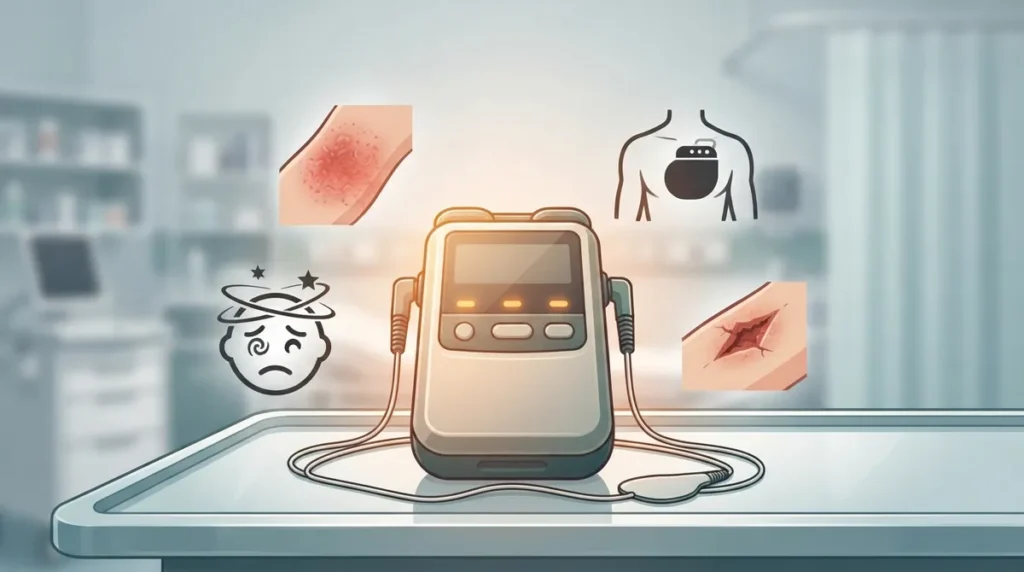
Key Takeaways
-
Skin irritation and adhesive reactions are the most common side effects; rotate electrode placement, replace pads when adhesive declines, and ensure clean, dry skin before application to minimize risk.
-
TENS provides temporary symptom relief, not a cure for underlying conditions; it should complement manual therapy and exercise rather than replace them as a standalone treatment solution.
-
Patients with implanted medical devices like pacemakers, ICDs, cochlear implants, or spinal cord stimulators require medical clearance before TENS use, as electrical stimulation can interfere with these devices.
-
Improper intensity settings or electrode placement can cause uncomfortable sensations including unwanted muscle contractions, burning, dizziness, nausea, or headache; supervised initial sessions and staff training reduce these issues.
-
Never place electrodes on broken skin, eyes, mouth, neck, head, genitals, or areas with active bleeding or suspected tumors; pregnant patients and those with epilepsy require professional guidance on safe use.
-
Unsafe home use—such as operating machinery, driving, bathing, or sleeping while wearing active TENS units—introduces unnecessary risk; clinics must provide written safety instructions with take-home devices.
TENS therapy has become a cornerstone of non-pharmacological pain management in physical therapy clinics, chiropractic practices, and auto accident injury centers across the country. Yet many providers and patients still ask, “Is there any downside to using a TENS unit?” The honest answer is that transcutaneous electrical nerve stimulation carries a strong overall safety record, but it is not entirely without limitations. Understanding these considerations allows clinicians to counsel patients accurately, set realistic expectations, and select the right devices for their practice.
A 2022 systematic review and meta-analysis of 381 studies, published in Pub Med, found no serious adverse events directly attributable to TENS, with most reported issues limited to mild skin irritation, tenderness, or general discomfort. This is reassuring data for providers who recommend TENS as part of a broader pain management protocol. Still, chiropractors, physical therapists, and auto injury specialists need a working knowledge of the specific downsides so they can guide patients toward safe, effective use. This article outlines seven realistic considerations, backed by clinical evidence, that every provider should discuss before recommending a TENS device.
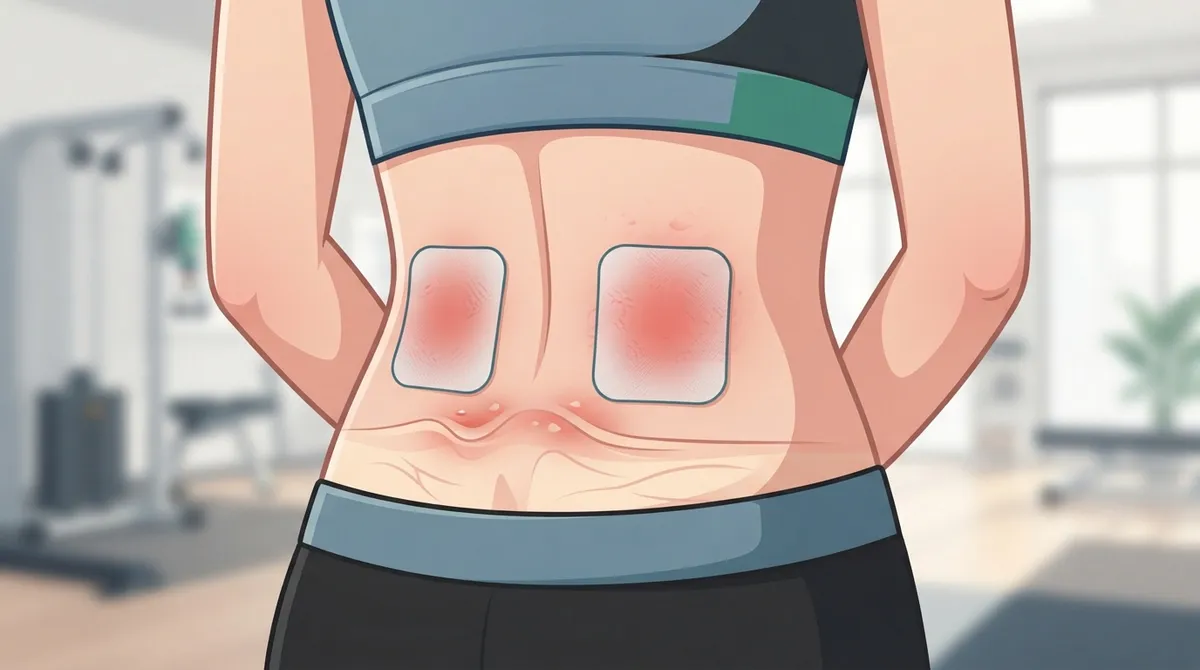
1. Skin Irritation and Adhesive Reactions Are the Most Common Complaint
The most frequently reported downside of TENS therapy involves the skin beneath the electrode pads. Redness, itching, mild burns, or contact dermatitis can develop, particularly when pads are left on too long, reused beyond their intended lifespan, or placed repeatedly on the same patch of skin. According to guidance summarized by the Cleveland Clinic, local skin reactions remain the most consistently documented complication across clinical settings, while more serious harm such as burns is rare when devices are used correctly.
Clinics can minimize this risk by educating patients on proper pad rotation, hygiene, and adhesive quality. Providers sourcing devices and electrode supplies from a reputable manufacturer benefit from consistent adhesive quality and clear instructions that reduce callback visits related to skin complaints.
Practical Steps to Reduce Skin Reactions
- Rotate electrode placement slightly during repeated sessions rather than fixing pads to the exact same spot.
- Replace pads once adhesive quality declines, rather than stretching their usable life.
- Clean and dry skin thoroughly before each application.
- Advise patients to discontinue use and contact the clinic if redness persists beyond a few hours.
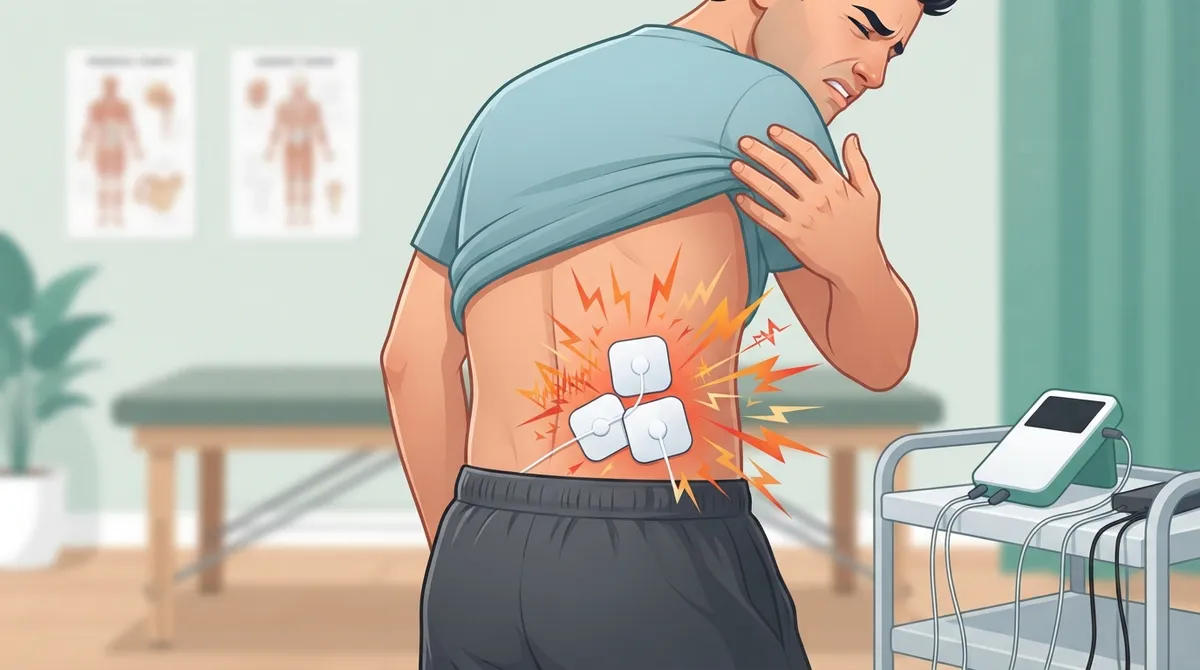
2. Uncomfortable Sensations From Improper Intensity or Placement
Some patients describe the tingling or pulsing sensation of TENS as unpleasant rather than therapeutic, especially during their first few sessions. Excessive intensity settings or poor electrode placement can trigger unwanted muscle contractions, a burning feeling, transient soreness, dizziness, nausea, or headache. This is why proper onboarding and supervised initial sessions matter, particularly in chiropractic and physical therapy settings where patients may be using electrotherapy for the first time.
Clinics that train staff on correct intensity titration and pad placement see fewer complaints and better patient compliance. For guidance on dialing in comfortable, effective settings, providers can reference resources such as How to Set Your TENS Unit to the Right Intensity Level.
3. TENS Provides Temporary Relief, Not a Cure
One limitation that providers must communicate clearly is that TENS does not treat the underlying cause of pain. Relief is often strongest during or immediately after stimulation and may fade once the device is turned off. A 2022 meta-analysis covering 91 randomized comparisons with 4,841 participants found a standardized mean difference of -0.96 in pain intensity during or immediately after TENS compared to placebo, according to findings published in the National Library of Medicine. This is moderate-certainty evidence of short-term benefit, but it underscores that TENS works best as one component of a broader treatment plan rather than a standalone solution.
For auto accident injury clinics treating whiplash or soft tissue damage, this means TENS should complement — not replace — manual therapy, exercise prescription, and ongoing clinical assessment. Chiropractors and physical therapists should set expectations early, explaining that electrotherapy manages symptoms while other interventions address the root cause.
4. Contraindications Involving Implanted Medical Devices
Patients with pacemakers, implantable cardioverter-defibrillators, cochlear implants, spinal cord stimulators, or intrathecal pumps require special caution. Electrical stimulation can potentially interfere with these implanted devices, particularly when electrodes are placed near the chest, torso, or device leads. Clinics should always screen for implanted electronics during intake and obtain medical clearance before initiating TENS therapy for these patients.
This screening step is especially relevant for auto accident injury clinics, where new patients may not volunteer their full medical history unprompted. Building a standardized intake checklist that flags implanted devices helps prevent avoidable complications and protects both patient safety and clinic liability.
5. Pregnancy and Neurological Conditions Require Professional Guidance
Pregnant patients should consult an obstetric clinician before using TENS and should avoid placing electrodes on the abdomen, pelvis, or lower back unless specifically directed by a qualified provider. Similarly, individuals with epilepsy should seek professional advice and avoid stimulation near the head, neck, or shoulders. These are not reasons to avoid TENS altogether, but they highlight the importance of individualized clinical judgment rather than one-size-fits-all application.
Chiropractic practices and physical therapy clinics that serve a broad patient population — including pregnant patients recovering from musculoskeletal strain — benefit from documented protocols addressing these scenarios. Clear internal guidelines reduce ambiguity for front-line staff and reinforce a culture of safety.
6. Restrictions on Where Electrodes Should Never Be Placed
Certain body areas are off-limits for TENS electrode placement unless a qualified clinician specifically directs otherwise. These include broken, infected, or inflamed skin; recently irradiated tissue; numb or severely damaged skin; the eyes, mouth, front or side of the neck, head, and genitals; and areas with active bleeding, thrombosis, or suspected tumor. Improper placement in these zones carries risks ranging from mild irritation to more serious complications.
- Avoid the anterior and lateral neck due to proximity to the carotid sinus and vagus nerve.
- Never place electrodes directly over the eyes or mouth.
- Do not stimulate areas with open wounds, active infection, or recent radiation treatment.
- Skip regions with impaired sensation, since patients may not notice excessive intensity or skin reaction.
- Avoid placement over suspected tumors or areas with vascular compromise, such as thrombosis.
Clinics equipped with conductive garments and properly labeled electrode kits can help standardize safe placement practices across staff members, reducing the chance of user error.
7. Safety Depends on Responsible Use Outside the Clinic
Many downsides associated with TENS units stem not from the technology itself but from improper use once patients take devices home. Operating machinery, driving, bathing, showering, or sleeping while wearing an active TENS unit introduces unnecessary risk unless the device includes a clinician-approved automatic shutoff feature. Clinics that prescribe take-home units for auto accident recovery or post-adjustment chiropractic care should provide written instructions alongside verbal counseling.
A 2023 review of TENS for chronic primary low-back pain noted that adverse-event evidence remains limited in certainty because many trials did not systematically report harms, according to research summarized by the WebMD health library. This gap reinforces why clear, clinic-issued usage guidelines matter more than relying solely on published trial data.
| Reported Issue | Typical Cause | Prevention Strategy |
|---|---|---|
| Skin irritation or adhesive allergy | Prolonged wear, repeated placement, poor adhesive quality | Rotate pads, replace regularly, use quality electrodes |
| Uncomfortable tingling or muscle contraction | Excessive intensity, poor pad placement | Staff-guided intensity titration and placement training |
| Temporary rather than lasting relief | TENS addresses symptoms, not root cause | Combine with manual therapy and exercise prescription |
| Interference with implanted devices | Electrical stimulation near pacemakers or ICDs | Screen patients during intake, obtain medical clearance |
| Unsafe home use | Use while driving, bathing, or sleeping | Provide written safety instructions with take-home units |
Why Clinical-Grade Devices and Guidance Matter
Many of the downsides associated with TENS units are preventable through proper device selection, patient education, and adherence to manufacturer instructions. The FDA has emphasized expanding non-opioid pain management options, and TENS remains one of the most accessible tools available to physical therapy clinics, chiropractic practices, and auto accident injury centers. Choosing well-manufactured, clinically validated equipment reduces the likelihood of adhesive failure, inconsistent output, or user error.
Liberty Medical Solutions works directly with clinics to supply durable, clinically appropriate products, including TENS units, cervical traction equipment, and back braces, while also assisting with insurance verification for commercial PPO/POS plans, workers’ compensation, and auto accident claims. This support helps providers focus on patient outcomes rather than administrative friction. Clinics looking to expand their electrotherapy offerings can also review options such as back braces and TheraKnit garments to complement TENS-based treatment plans.
Balancing Benefits Against Limitations
Given the documented evidence, the downsides of TENS therapy are generally mild, manageable, and outweighed by its benefits when used appropriately. The National Institutes of Health has highlighted the high prevalence of persistent chronic pain among U.S. adults, underscoring the need for accessible, low-risk interventions like TENS within comprehensive care plans. The CDC similarly recognizes non-opioid therapies as a critical component of modern pain management strategy.
For physical therapy clinics, chiropractic practices, and auto accident injury centers, the path forward involves pairing quality equipment with thorough patient education, proper screening for contraindications, and realistic expectations about symptom relief versus underlying treatment. When these elements align, TENS therapy remains one of the safest, most cost-effective tools available for expanding non-drug pain management services.
Moving Forward With Confidence
Understanding the realistic downsides of TENS units — from skin irritation to contraindications involving implanted devices — equips clinical teams to use this technology responsibly and effectively. Rather than viewing these considerations as reasons to avoid electrotherapy, providers should see them as a roadmap for safer implementation and stronger patient outcomes. Clinics ready to strengthen their electrotherapy offerings with quality equipment, insurance support, and clinical guidance are encouraged to get in touch with our team to discuss customized solutions for your practice.
FAQs
Q: What are the most common side effects of using a TENS unit?
A: The most common side effects are mild skin reactions beneath the electrode pads, including redness, itching, irritation, or adhesive allergy. These typically occur when pads are left on too long, reused excessively, or applied with poor contact, and they generally resolve once use is adjusted or discontinued.
Q: Can a TENS unit damage your nerves or cause burns?
A: Serious complications such as nerve damage are rarely reported when TENS units are used according to manufacturer instructions. Burns can occur but are uncommon and are usually linked to excessive intensity, prolonged wear, or poor electrode contact rather than the technology itself.
Q: Who should not use a TENS unit?
A: Individuals with certain implanted electronic devices, epilepsy, or damaged and infected skin should consult a qualified clinician before using TENS. Pregnant patients should also seek professional guidance, particularly regarding electrode placement on the abdomen, pelvis, or lower back.
Q: Can you use a TENS unit if you have a pacemaker or ICD?
A: Patients with pacemakers, ICDs, or other implanted electronic devices should obtain medical clearance before using TENS, since electrical stimulation near the chest or device leads can potentially cause interference. Clinics should always screen for implanted devices during patient intake.
Q: How long can you safely leave a TENS unit on?
A: Session length should follow manufacturer guidelines and clinical direction, as leaving pads on too long increases the risk of skin irritation and reduced adhesive quality. Most clinical protocols recommend limited session durations with breaks between applications rather than continuous all-day wear.