Key Takeaways
-
Electrotherapy device sales reps function as clinical educators who must explain contraindications, treatment protocols, and insurance reimbursement pathways—not just pitch products—to serve as true partners with healthcare providers.
-
Providers should prioritize sales representatives with deep FDA clearance knowledge, ability to navigate workers' compensation and auto injury claim documentation, and commitment to post-sale technical support and staff training.
-
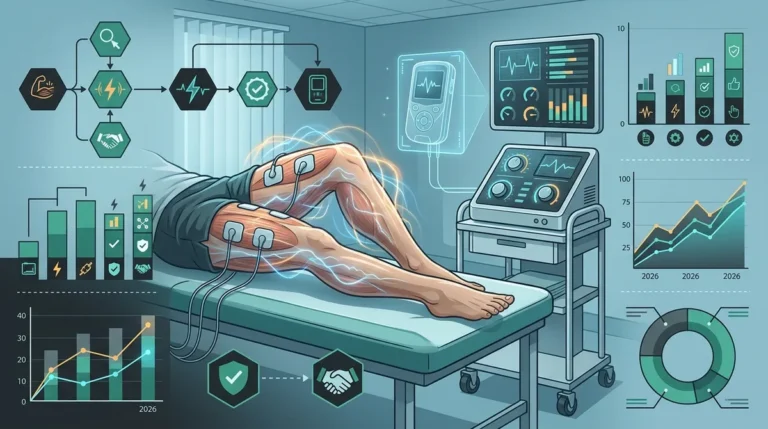
The electrotherapy market is projected to reach $314.96 billion by 2032, creating more options for clinics but requiring a clear evaluation framework based on specific patient populations, clinical workflows, and reimbursement capabilities.
-
Selecting the right TENS units, cervical traction equipment, or conductive garments directly impacts patient outcomes, treatment adherence, clinical efficiency, and revenue cycle management across chiropractic, physical therapy, and auto injury practices.
-
AI is automating provider data analysis to predict equipment needs, but human expertise remains essential for hands-on training, electrode calibration, technical troubleshooting, and relationship-building that clinical settings require.
-
The most successful electrotherapy sales approach treats device procurement as a strategic clinical partnership rather than a transactional purchase, with representatives earning $105,000–$300,000 annually by prioritizing long-term account success.
Medical device sales in the electrotherapy space is a specialized discipline that goes far beyond a simple transaction. For physical therapy clinics, chiropractic practices, and auto accident injury centers, choosing the right partner for TENS units, cervical traction equipment, and conductive garments directly affects patient outcomes, clinical efficiency, and revenue cycle management. Understanding how this sales process works empowers providers to ask better questions, negotiate smarter, and select equipment that truly fits their practice.
With the global medical device market projected to reach $314.96 billion by 2032, competition among manufacturers and distributors continues to intensify. That growth means more options for clinics, but it also means providers need a clear framework for evaluating vendors, understanding clinical value, and navigating insurance reimbursement. This article breaks down eight essential insights into medical device sales within electrotherapy, giving clinic owners and practitioners the knowledge to make confident purchasing decisions.
1. Understanding What Medical Device Sales Means in Electrotherapy
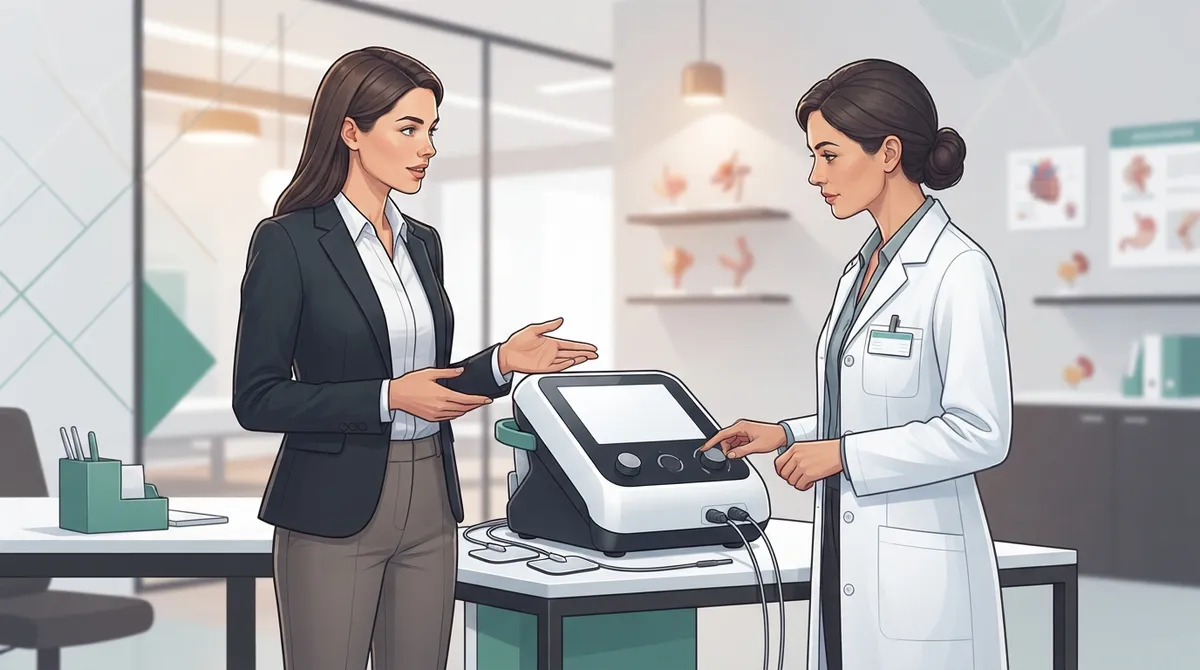
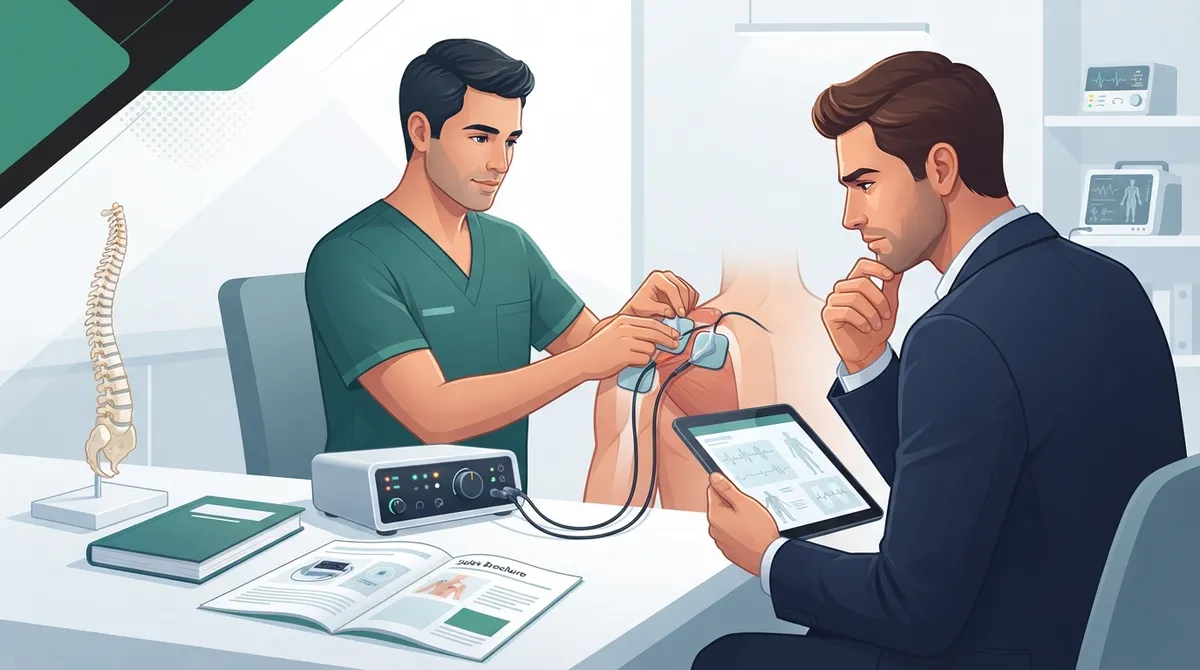
Medical device sales representatives in the electrotherapy sector specialize in product categories such as compression therapy devices, electrical stimulation units, and therapeutic ultrasound systems. Unlike general retail sales, these professionals function as clinical educators who help providers understand device applications, contraindications, and proper usage protocols. This educational role is essential because electrotherapy devices interact directly with patient physiology, requiring precise setup and dosing.
Representatives working with clinics that treat chronic pain, soft tissue injuries, and post-surgical recovery must analyze provider workflows and match equipment to specific patient populations. A chiropractic practice treating spinal misalignments has different device needs than a wound care center, so the sales process is inherently consultative rather than transactional.
2. Why Clinical Expertise Matters More Than a Sales Pitch
The most effective electrotherapy sales professionals combine product knowledge with genuine clinical understanding. This means being able to explain how transcutaneous electrical nerve stimulation interrupts pain signals, or how cervical traction units relieve pressure on compressed spinal discs. Providers should expect their sales representative to speak fluently about indications, contraindications, and treatment protocols.
According to recent workforce data, 82% of medical device sales representatives hold a bachelor’s degree in life sciences, business, or communication, though prior healthcare or sales experience is often valued just as highly. This blend of formal education and practical clinical exposure allows representatives to serve as true partners rather than order-takers.
Key Traits of a Trustworthy Electrotherapy Sales Representative
- Deep familiarity with FDA-cleared device categories and their intended clinical uses
- Ability to explain reimbursement pathways for commercial PPO/POS plans, workers’ compensation, and auto accident claims
- Willingness to provide hands-on training for clinical staff
- Responsiveness to technical support requests after the sale is complete
- Transparent communication about device specifications, warranties, and maintenance requirements
3. The Product Categories Driving Electrotherapy Sales
Understanding the primary product lines helps clinics evaluate which devices best serve their patient base. The table below outlines common electrotherapy categories and their typical clinical applications.
| Product Category | Primary Clinical Use | Common Setting |
|---|---|---|
| TENS Units | Pain modulation via nerve stimulation | Chiropractic, physical therapy, home use |
| Cervical Traction Units | Decompression of cervical spine | Chiropractic, orthopedic clinics |
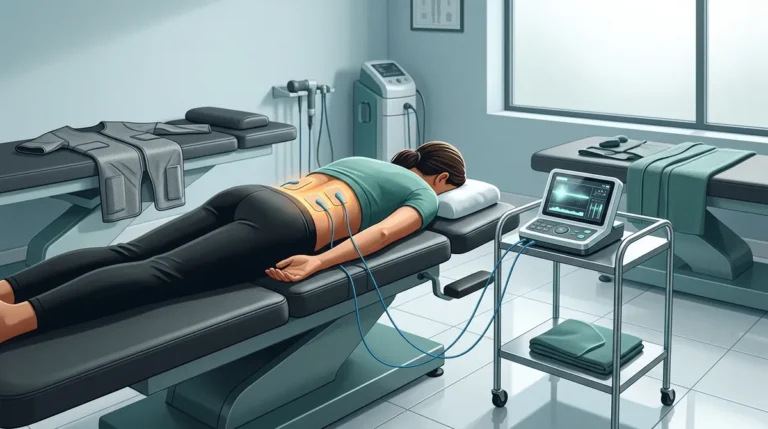
| Conductive Garments | Targeted electrical stimulation delivery | Physical therapy, rehabilitation |
| Back Braces | Spinal support and injury stabilization | Auto accident clinics, chiropractic |
| Electrical Stimulation (EMS) Units | Muscle re-education and recovery | Physical therapy, sports medicine |
Liberty Medical Solutions offers a full range of these products, including TENS devices, back braces, and conductive garments, all tailored to the clinical needs of chiropractors and physical therapy providers.
4. How Sales Reps Demonstrate Clinical Value to Providers
Effective medical device sales representatives don’t just describe features; they present clinical and economic value in ways that resonate with each practice’s goals. This typically involves a structured presentation approach.
- Identifying the primary stakeholders in the purchasing decision, including clinicians, office managers, and billing staff
- Reviewing patient outcome data and evidence supporting electrotherapy interventions for conditions like whiplash or chronic low back pain
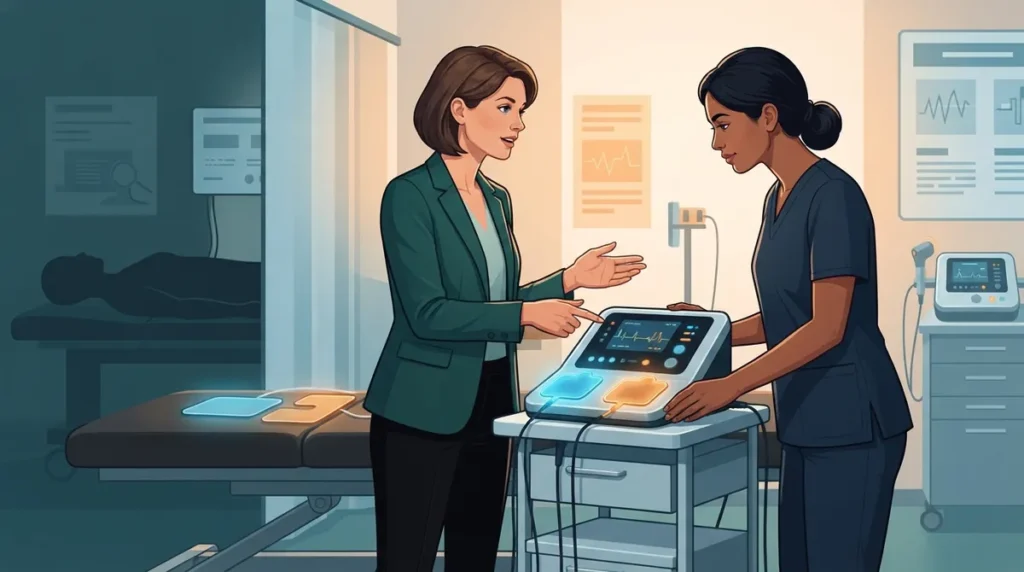
- Demonstrating device usage directly in the clinical setting, including electrode placement and intensity calibration
- Explaining reimbursement processes for insurance-covered patients, including workers’ compensation and auto injury claims
- Providing ongoing technical support and account management after the initial purchase
Research published through the National Library of Medicine continues to support electrical stimulation as an effective non-pharmacological pain management tool, giving sales representatives credible data to share with skeptical providers.
5. Navigating Regulatory and Insurance Complexity
One of the biggest challenges in electrotherapy sales involves navigating a complex regulatory and reimbursement environment. The FDA continues to expand guidance around non-opioid pain management options, which has increased interest in electrotherapy devices as a first-line treatment for chronic pain. However, providers must still confirm that any device they purchase carries appropriate FDA clearance and complies with quality manufacturing standards.
Insurance navigation adds another layer of complexity. Clinics working with PPO insurance and electrotherapy coverage or POS insurance impacts on electrotherapy coverage need a sales partner who understands claim documentation, medical necessity requirements, and out-of-network benefit structures. This is particularly important for auto accident injury clinics managing third-party liability claims, where documentation errors can delay reimbursement significantly.
Common Regulatory Hurdles in Electrotherapy Sales
- Verifying FDA clearance status for each device category
- Ensuring compliance with state-specific durable medical equipment regulations
- Managing documentation for workers’ compensation and auto injury claims
- Addressing HIPAA considerations during patient consultations and demonstrations
6. Building Long-Term Relationships with Chiropractors and Physical Therapists
Successful medical device sales professionals understand that the transaction is only the beginning. Chiropractic practices and physical therapy clinics benefit most when their equipment supplier remains available for ongoing support, replacement parts, and staff training as new team members join the practice.
For chiropractic practices specifically, choosing the right TENS units often depends on how well the device complements spinal adjustment protocols. Practices that provide patients with take-home devices for between-visit pain relief often see improved treatment adherence and satisfaction. Liberty Medical Solutions has published extensive clinical guidance on this topic, including resources like why TENS units are essential for chiropractors and TENS units for chiropractors in Fort Collins.
Physical therapy clinics face similar considerations, particularly around expanding treatment modalities without overburdening staff. Clinics researching reasons physical therapy clinics need TENS units often find that the right device selection improves both clinical outcomes and scheduling efficiency, since patients can continue therapy at home between in-clinic sessions.
7. Compensation and Career Trends in Electrotherapy Device Sales
Understanding compensation trends in medical device sales offers useful context for providers evaluating the professionalism and stability of their sales contacts. The table below summarizes recent industry compensation data.
| Compensation Metric | Reported Figure | Source |
|---|---|---|
| Median Base Salary | $105,000 | MedReps 2021 Report |
| Average Total Compensation | $173,000 | MedReps 2021 Report |
| Top Earner Compensation | Up to $300,000 annually | MedTech Compensation Guide |
| Reported Salary Range (2024) | $133,000–$247,000 | Glassdoor |
These figures reflect a competitive, performance-driven field where representatives who build genuine clinical trust tend to outperform those relying solely on transactional selling. For clinics, this means the right sales partner is often deeply invested in long-term account success rather than one-time purchases.
8. How AI Is Changing Medical Device Sales in Electrotherapy
Artificial intelligence tools are increasingly used to analyze provider data, predict equipment needs, and streamline account management within medical device sales organizations. These tools can help representatives identify which practices might benefit most from specific electrotherapy modalities based on patient volume and specialty focus.
However, AI cannot replace the relationship-building, hands-on training, and technical troubleshooting that clinical providers require. A chiropractor calibrating a new cervical traction unit or a physical therapist adjusting electrode placement for a wound care patient still needs a knowledgeable human resource available for support. The most effective electrotherapy sales approach blends data-driven insights with genuine clinical partnership.
Studies from the National Institutes of Health reveal that chronic pain affects a substantial portion of U.S. adults, underscoring the ongoing demand for accessible, evidence-based pain management tools like electrotherapy. As demand grows, providers benefit from working with a sales partner who prioritizes clinical education over aggressive upselling.
Choosing the Right Electrotherapy Sales Partner for Your Practice
Whether you operate a chiropractic practice, a physical therapy clinic, or an auto accident injury center, the sales partner you choose should function as an extension of your clinical team. Look for representatives who understand insurance reimbursement complexities, provide hands-on training, and remain available long after the initial purchase. Reviewing resources like what makes the best TENS machine for clinical use can help your team develop informed purchasing criteria before engaging with any vendor.
Auto accident injury clinics in particular should prioritize suppliers experienced in navigating electrotherapy for auto accident treatment and third-party liability claims, since documentation and billing accuracy directly affect reimbursement timelines. Providers can also explore condition-specific guidance such as TENS therapy for back pain to reinforce clinical decision-making with patients.
Liberty Medical Solutions has built its reputation on this consultative approach, working directly with clinics to match electrotherapy devices to specific patient populations while supporting commercial PPO/POS plans, workers’ compensation, and auto accident claims. This combination of clinical expertise and insurance navigation makes the sales relationship far more valuable than a simple product purchase.
Final Thoughts on Medical Device Sales for Electrotherapy Providers
Medical device sales in the electrotherapy field is fundamentally about partnership, education, and long-term clinical support. Providers who understand this dynamic are better equipped to evaluate potential vendors, ask informed questions, and select equipment that genuinely improves patient outcomes. As the electrotherapy market continues expanding, the clinics that thrive will be those that treat device procurement as a strategic clinical decision rather than a simple purchase order.
If your practice is ready to explore customized electrotherapy solutions backed by knowledgeable clinical support and insurance expertise, reach out to our team today to discuss the right devices for your patients.
FAQs
Q: What types of electrotherapy devices are most commonly sold by medical device representatives?
A: Representatives most commonly sell TENS units, electrical muscle stimulation devices, cervical traction units, conductive garments, and back braces. These categories address a wide range of clinical needs, from chronic pain management to post-injury rehabilitation and spinal support.
Q: How do electrotherapy sales reps demonstrate clinical value to wound care and rehabilitation providers?
A: Representatives typically provide hands-on demonstrations, share clinical outcome data, and explain how specific devices integrate into existing treatment protocols. They also assist with reimbursement documentation to show the economic value alongside the clinical benefit.
Q: What qualifications are needed to become a medical device sales representative in electrotherapy?
A: While requirements vary, approximately 82% of representatives hold a bachelor’s degree in life sciences, business, or communication. Prior healthcare or sales experience is often equally valued, since strong clinical communication skills are essential to the role.
Q: What is the average compensation for an electrotherapy sales representative in 2026?
A: Recent industry data shows median base salaries around $105,000, with average total compensation near $173,000. Top performers in the field can earn upwards of $300,000 annually, according to MedTech compensation reports.
Q: How is AI changing the role of medical device sales in the electrotherapy industry?
A: AI tools help representatives analyze provider data and identify practices likely to benefit from specific electrotherapy devices. However, AI cannot replace the hands-on training, technical support, and relationship-building that clinical providers depend on.