Key Takeaways
-
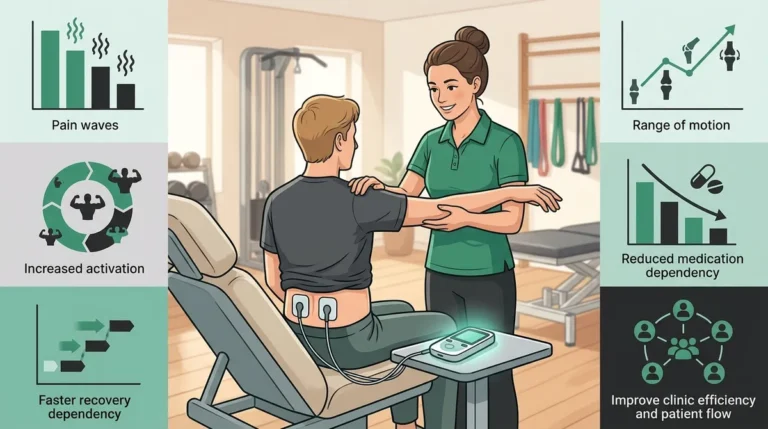
Home TENS units cost as little as $25 one-time versus $100 per hour for in-clinic sessions, making prescribed take-home devices dramatically more cost-effective for long-term chronic pain management.
-
TENS therapy and H-Wave devices are evidence-based, drug-free alternatives that the CDC recommends as first-line interventions for chronic pain conditions, reducing reliance on opioids and improving patient compliance.
-
Prescribed clinical-grade electrotherapy devices have stronger insurance reimbursement likelihood under workers' compensation and auto accident claims compared to over-the-counter units, especially with proper medical necessity documentation.
-
Conductive garments and wearable electrotherapy options improve patient compliance by integrating into daily wear, providing cost-effective treatment for widespread pain conditions like fibromyalgia and soft tissue injuries.
Rising treatment costs and tightening reimbursement rates have made affordable pain management a top priority for clinics across the country. Physical therapists, chiropractors, and auto accident injury providers are all facing the same challenge: patients need consistent, effective pain relief, but clinical session costs and pharmaceutical alternatives are often out of reach. Electrotherapy, particularly TENS (Transcutaneous Electrical Nerve Stimulation), has emerged as a proven, budget-conscious solution that bridges this gap.
Unlike opioid-based pain management or repeated in-office procedures, electrotherapy devices offer a drug-free, non-invasive approach that patients can use both in-clinic and at home. According to the National Institutes of Health, chronic pain affects a substantial percentage of U.S. adults, underscoring the need for accessible, sustainable treatment options. This article explains how clinics can implement affordable pain management strategies using electrotherapy, what the costs look like, and why partnering with a trusted supplier like Liberty Medical Solutions makes a measurable difference for both providers and patients.
Why Affordable Pain Management Matters for Clinical Practices
Clinical pain management sessions using electrical stimulation typically cost around $100 per hour, a figure that can quickly strain patients without robust insurance coverage. For providers, this creates a dilemma: how do you deliver consistent care without pricing out the patients who need it most? The answer lies in extending treatment beyond the clinic walls through affordable, prescribed home-use devices.
Home TENS units are available starting around $25, making them dramatically more cost-effective than repeated clinical visits. This affordability allows physical therapy clinics, chiropractic practices, and auto injury centers to prescribe take-home devices that reinforce in-office treatment, improve compliance, and reduce the total cost of care over the patient’s recovery timeline.
The Cost Gap Between Clinical and Home Electrotherapy
Understanding the cost differential helps providers make informed recommendations. The table below illustrates the general pricing landscape for electrotherapy-based pain management.
| Treatment Type | Typical Cost | Frequency | Best Use Case |
|---|---|---|---|
| In-clinic electrical stimulation session | ~$100 per hour | 2-3x per week | Acute injury management, supervised care |
| Home TENS unit (basic) | $25-$60 | One-time purchase | Daily maintenance, chronic pain |
| Home TENS unit (advanced/clinical-grade) | $75-$250 | One-time purchase | Multi-condition treatment, customizable programs |
| H-Wave device stimulation unit | $200-$500 | One-time purchase | Chronic pain, reduced medication reliance |
| Scrambler therapy | Variable, insurance rarely covers | Multiple sessions | Severe chronic neuropathic pain |
As shown, home-use TENS devices represent a significant cost advantage for patients managing chronic conditions long-term. This is particularly relevant for physical therapy clinics working with patients who require ongoing pain control beyond the scope of scheduled visits.
How TENS Therapy Delivers Affordable, Evidence-Based Relief
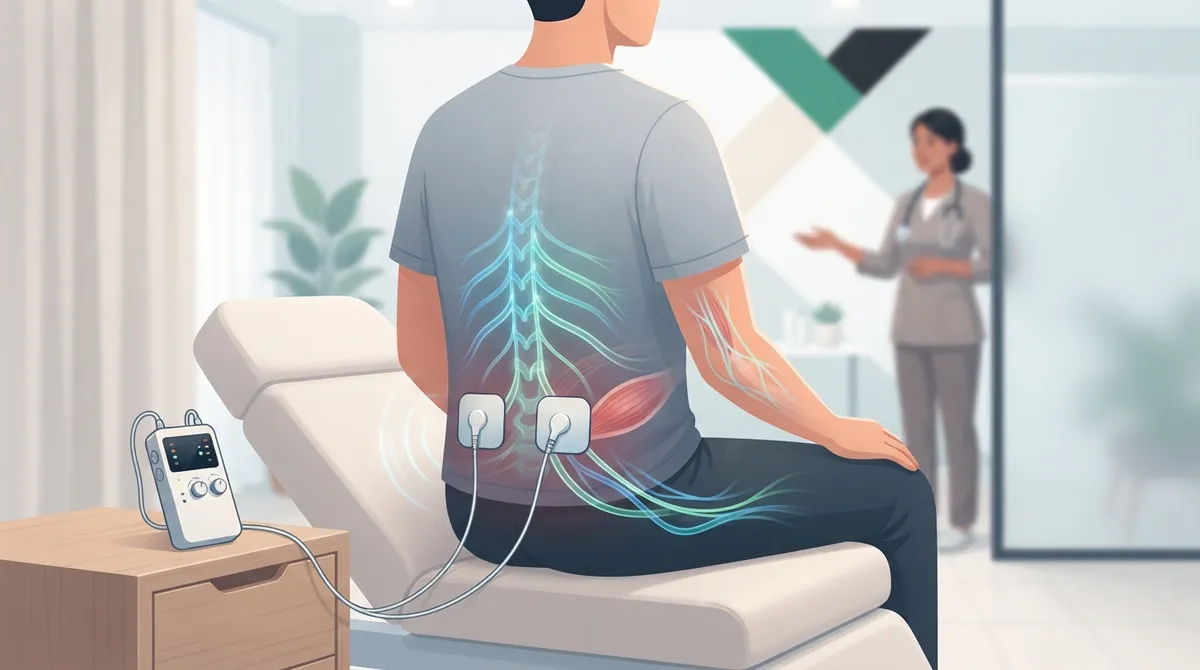
TENS therapy works by delivering low-voltage electrical currents through electrodes placed on the skin near the source of pain. This stimulation interrupts pain signals traveling to the brain and can also promote the release of endorphins, the body’s natural pain-relieving chemicals. The Cleveland Clinic confirms that TENS is widely used for muscle and joint pain, arthritis, and post-surgical recovery, making it a versatile tool across multiple specialties.
Electrotherapy devices are effective for a range of chronic pain conditions, including:
- Diabetic peripheral neuropathy
- Fibromyalgia-related muscle and joint pain
- Chronic lower back and neck pain
- Migraine and tension headaches
- Post-surgical wound healing support
- Whiplash and soft tissue injuries from auto accidents
Because many electrotherapy devices are available over the counter without a prescription, patients often have more flexibility in acquiring affordable pain management tools. However, clinical-grade units prescribed through a provider typically offer more precise waveform control, higher build quality, and better documentation for insurance purposes.
H-Wave Therapy as a Cost-Effective Alternative
H-Wave® device stimulation (HWDS) has demonstrated moderate-quality evidence for reducing pain and decreasing medication use in both acute and chronic pain populations. Clinical trials have consistently shown meaningful improvements in pain scores and functional outcomes, according to findings published through the National Library of Medicine. For clinics managing workers’ compensation or auto accident injury cases, HWDS offers a relatively cost-effective option that can reduce reliance on prescription pain medication while supporting long-term recovery.
Step-by-Step: Implementing Affordable Electrotherapy in Your Practice
For physical therapy clinics, chiropractic practices, and auto injury centers looking to integrate cost-effective electrotherapy solutions, the following steps outline a practical approach:
- Assess patient pain profiles. Determine which patients are candidates for at-home TENS therapy versus those requiring supervised clinical sessions or advanced modalities like HWDS.
- Select appropriate devices. Choose from a range of electrotherapy products, including portable TENS units, cervical traction devices, and conductive garments tailored to specific injury types.
- Verify insurance and billing pathways. Confirm whether the patient’s plan includes commercial PPO/POS coverage, workers’ compensation, or auto accident claims, since this affects device affordability and reimbursement.
- Provide patient education. Train patients on proper electrode placement, intensity settings, and session duration to maximize safety and therapeutic benefit.
- Monitor outcomes and adjust. Track pain scores, medication usage, and functional improvements to refine the treatment plan over time.
Clinics that follow this structured approach often see improved patient adherence and satisfaction, since patients gain a sense of control over their pain management outside of scheduled appointments.
Comparing Device Options by Practice Type
| Practice Type | Recommended Devices | Primary Benefit |
|---|---|---|
| Physical Therapy Clinics | TENS units, cervical traction equipment | Extends rehabilitation between visits |
| Chiropractic Practices | TENS units, back braces | Supports spinal adjustments with at-home relief |
| Auto Accident Injury Clinics | TENS units, conductive garments | Treats whiplash and soft tissue damage cost-effectively |
Insurance Considerations for Affordable Electrotherapy
One of the most common questions among providers and patients alike concerns insurance coverage. Devices sold over the counter without a prescription are often not covered by insurance, though patients may apply health savings account (HSA) funds toward the purchase. Prescribed, clinical-grade devices billed through a provider have a stronger likelihood of partial reimbursement, particularly under workers’ compensation or auto accident claims where documentation of medical necessity is established.
The FDA has actively encouraged the expansion of non-opioid pain management options, which has helped drive broader acceptance of electrotherapy within insurance frameworks. Additionally, the CDC recommends non-opioid therapies, including TENS, as first-line interventions for many chronic pain conditions, further supporting insurance-backed adoption in clinical settings.
Liberty Medical Solutions works directly with commercial PPO/POS plans, workers’ compensation, and auto accident claims to help streamline this process for both providers and patients. This reduces administrative burden on clinic staff while ensuring patients receive the devices they need without unnecessary financial strain.
Conductive Garments and TheraKnit: Expanding Affordable Options
Beyond standard TENS units, conductive garments and TheraKnit garments provide an additional layer of affordable, wearable electrotherapy. These products distribute electrical stimulation across larger treatment areas, making them particularly useful for patients with widespread pain from fibromyalgia or extensive soft tissue injury following an auto accident. Because they integrate directly into daily wear, compliance tends to improve, which supports better long-term outcomes at a manageable cost.
Safety and Proper Use of Home Electrotherapy Devices
While TENS units are generally safe for home use, proper training remains essential to avoid skin irritation, improper electrode placement, or overuse. Clinics should provide clear written instructions alongside verbal training during the initial fitting. According to WebMD, most side effects are mild and related to skin sensitivity at the electrode site, and these can typically be managed by adjusting pad placement or intensity settings.
Providers should also review contraindications with patients, including those with pacemakers or certain cardiac conditions, before recommending home-use devices. Research published via Pub Med supports the overall safety profile of TENS therapy when used according to manufacturer and clinical guidelines, reinforcing its role as a low-risk, affordable pain management tool.
Choosing a Reliable Electrotherapy Partner
Selecting the right supplier is just as important as selecting the right device. Clinics benefit from working with a partner that understands insurance billing complexities, offers ISO-certified equipment, and provides ongoing support for device fitting and patient education. Liberty Medical Solutions has built its reputation on customizing electrotherapy solutions for chiropractors, physical therapists, and auto injury clinics, ensuring that affordability never comes at the expense of clinical quality.
Whether your practice needs cervical traction units, back braces, or advanced conductive garments, having a knowledgeable partner simplifies the process of matching patients with the right device at the right price point. This is particularly valuable for smaller practices without dedicated billing staff to navigate the nuances of commercial PPO/POS plans or third-party liability cases.
Conclusion: Building a Sustainable Pain Management Program
Affordable pain management through electrotherapy is not simply about lowering costs; it is about creating sustainable, evidence-based treatment pathways that keep patients engaged in their own recovery. By combining clinical expertise with accessible home-use devices, physical therapy clinics, chiropractic practices, and auto accident injury centers can deliver measurable results without overburdening patients financially. To explore customized electrotherapy solutions tailored to your practice’s needs, Contact Liberty Medical Solutions today and discover how the right device can transform patient outcomes while keeping treatment costs manageable.
FAQs
Q: What is the most affordable electrotherapy device for home pain management?
A: Basic home TENS units starting around $25 offer the most affordable entry point for patients seeking drug-free pain relief. These devices are effective for managing muscle and joint pain, though clinical-grade units may provide more customizable programs for complex conditions.
Q: How does TENS therapy compare in cost to clinical pain management sessions?
A: Clinical electrical stimulation sessions typically cost around $100 per hour, while home TENS units are a one-time purchase starting at approximately $25. This makes home-use devices significantly more cost-effective for ongoing, long-term pain management.
Q: Are over-the-counter electrotherapy devices covered by insurance?
A: Devices purchased over the counter without a prescription are generally not covered by insurance, though patients may use health savings account funds toward the cost. Prescribed, clinical-grade devices billed through a provider have a higher likelihood of partial reimbursement.
Q: What chronic pain conditions can be treated with affordable electrotherapy?
A: Electrotherapy effectively addresses diabetic neuropathy, fibromyalgia, chronic back and neck pain, migraines, and whiplash from auto accidents. It also supports wound healing and post-surgical recovery in many clinical settings.
Q: Can health savings accounts be used to purchase home electrotherapy devices?
A: Yes, health savings account (HSA) funds can typically be applied toward the purchase of home electrotherapy devices, even those sold without a prescription. Patients should confirm eligibility with their HSA administrator before purchasing.