Key Takeaways
-
EMS equipment directly stimulates motor nerves to produce muscle contractions for treating muscle weakness and atrophy, making it clinically distinct from TENS units which target sensory nerves for pain relief only.
-
Combo TENS/EMS units reduce equipment costs and storage needs while allowing clinics to address both pain management and muscle strengthening across different recovery phases with a single device.
-
Portable EMS units with intuitive controls and pre-programmed protocols significantly improve patient compliance by enabling prescribed muscle stimulation at home, reinforcing in-clinic treatment gains.
-
Customizable intensity and frequency settings are essential for tailoring EMS treatment to individual patient tolerance, muscle groups, and recovery stages, improving both safety and therapeutic outcomes.
-
EMS equipment improves local blood flow and circulation to injured tissues, accelerating oxygen delivery and waste removal while supporting insurance documentation for auto accident and workers' compensation claims.
-
Safety features including auto-shutoff, clear intensity displays, and preset protocols prevent overstimulation, while high-quality electrodes and conductive garments ensure consistent treatment effectiveness in clinical and home settings.
Muscle weakness, disuse atrophy, and delayed neuromuscular recovery remain persistent challenges for physical therapists, chiropractors, and auto accident injury providers alike. While TENS devices have long dominated conversations about electrotherapy, EMS equipment deserves equal attention for its ability to directly stimulate motor nerves and produce visible, measurable muscle contractions. For clinics treating post-surgical patients, immobilized joints, or athletes recovering from injury, EMS equipment is not a luxury—it is a clinical necessity backed by strong evidence.
This article breaks down five essential categories of EMS equipment every clinic should evaluate in 2026, along with the clinical rationale, key features, and insurance considerations that matter most to physical therapy clinics, chiropractic practices, and auto accident injury clinics. Whether you are expanding your treatment modalities or replacing outdated units, understanding what separates effective EMS equipment from underperforming devices will directly impact patient outcomes and practice efficiency.
Understanding EMS Equipment and Its Clinical Role
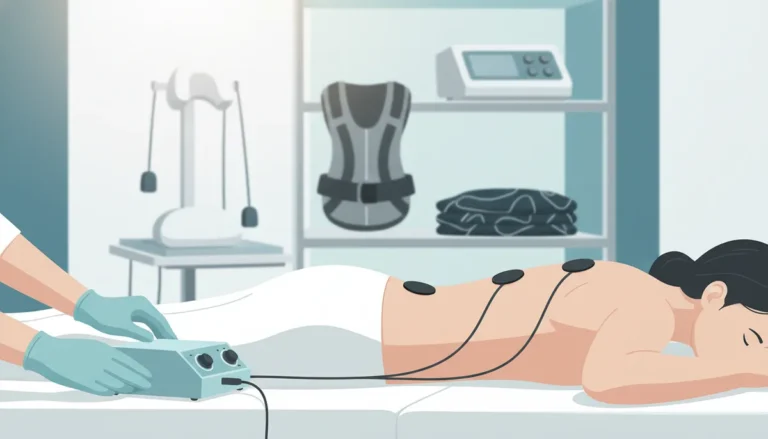
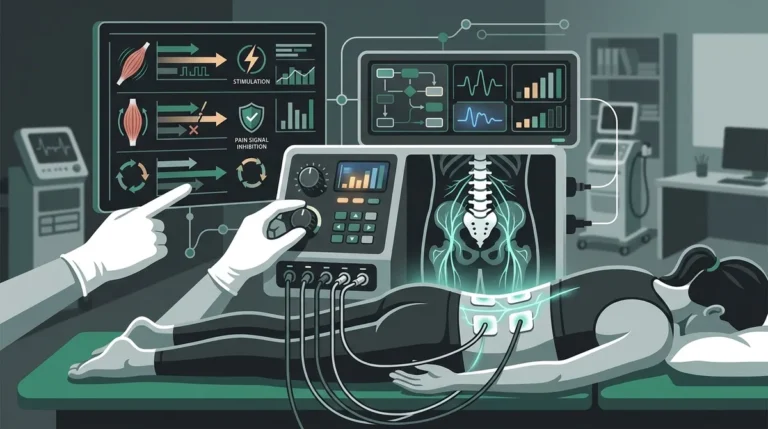
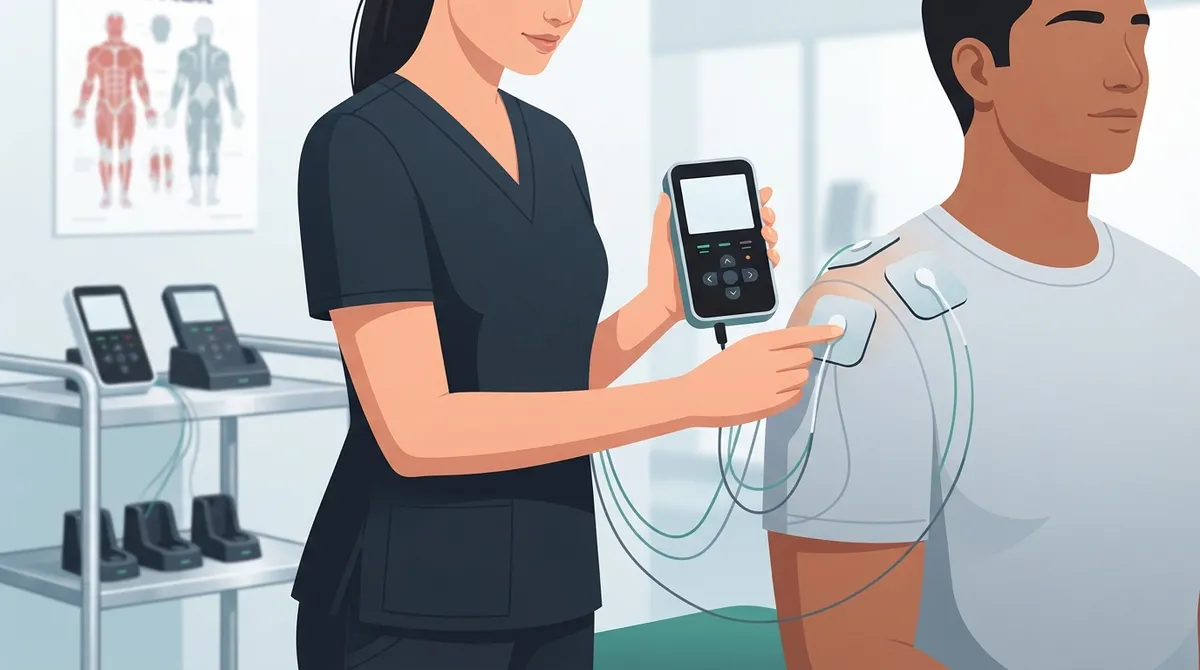
EMS, or Electrical Muscle Stimulation, equipment works by delivering electrical impulses that stimulate motor nerves, causing the muscle fibers to contract repeatedly. Unlike TENS units, which primarily target sensory nerves for pain relief, EMS equipment is indicated for muscle weakness, disuse atrophy, and neuromuscular re-education following injury or surgery. This distinction matters significantly when building a treatment plan, since the clinical goals of pain modulation and muscle strengthening require different electrical parameters and protocols.
According to research summarized by Longest Medical, EMS shows strong evidence for preventing muscle atrophy in post-operative and immobilized patients, while TENS demonstrates moderate evidence primarily for symptomatic pain relief. For clinics managing patients recovering from orthopedic surgery, whiplash-related muscle guarding, or prolonged immobilization after an auto accident, this evidence base makes EMS equipment a critical addition to any rehabilitation protocol.
Why EMS Matters for Muscle Re-Education
Neuromuscular re-education is particularly relevant for patients who have experienced nerve impingement, post-surgical inhibition, or prolonged bracing. EMS equipment helps re-establish the connection between the nervous system and muscle fibers, encouraging proper firing patterns that may have been disrupted by injury. This is especially valuable for auto accident injury clinics treating patients with soft tissue damage and whiplash-associated muscle weakness.
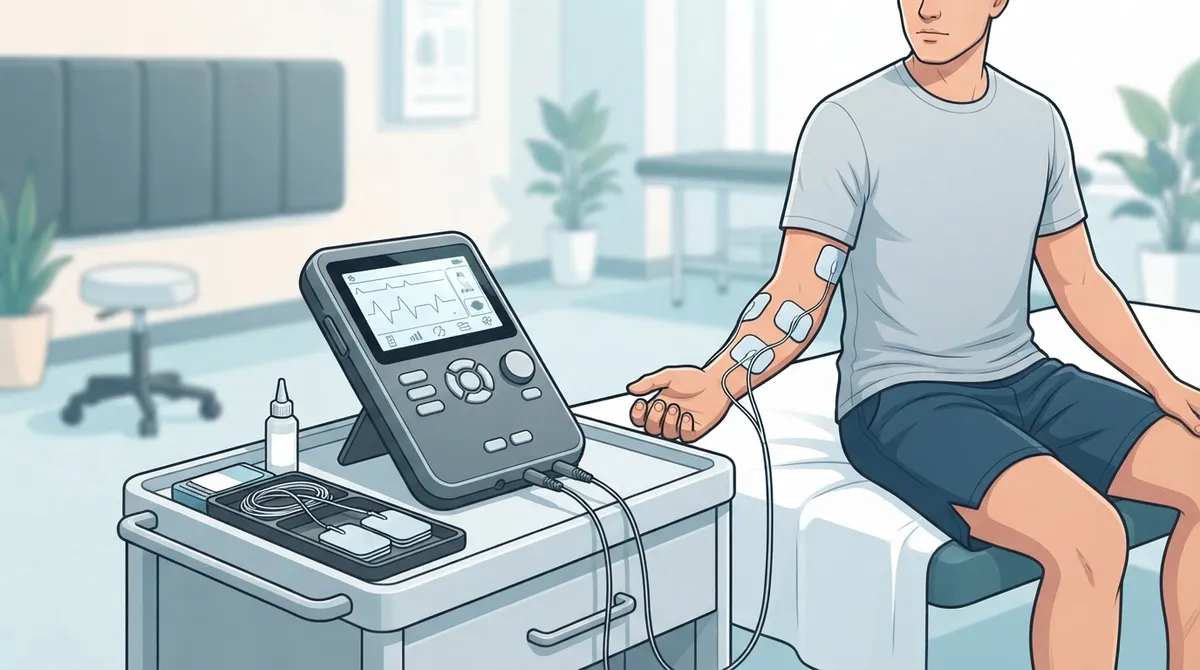
1. Combo TENS/EMS Units for Versatile Clinical Use
Modern electrotherapy devices increasingly combine both TENS and EMS functions into a single unit, allowing clinics to address pain relief and muscle strengthening without purchasing separate machines. According to RehabMart, these combo units have become a cost-effective solution for clinics that need flexibility across diverse patient populations.
For physical therapy clinics and chiropractic practices operating on tight equipment budgets, a combo unit reduces the need for redundant purchases while giving providers the flexibility to switch between modalities depending on the treatment phase. Early-stage patients dealing with acute pain may benefit from TENS settings, while those transitioning into strengthening phases can shift to EMS protocols using the same device. Reviewing our Devices collection can help clinics identify combo units suited to their specific caseload.
Key Advantages of Combo Units
- Single device serves both pain management and muscle strengthening needs
- Reduces equipment costs and storage space in busy clinics
- Allows providers to adjust treatment as patients progress through recovery phases
- Simplifies staff training since one device covers multiple protocols
- Supports better documentation and billing consistency across treatment types
2. Portable EMS Units for Home Compliance
Patient compliance outside the clinic setting significantly influences recovery timelines. Portable EMS equipment allows patients to continue prescribed muscle stimulation protocols at home, reinforcing the gains made during in-clinic sessions. This is particularly valuable for chiropractic practices managing patients with chronic muscle weakness or physical therapy clinics discharging patients who still require ongoing neuromuscular support.
When evaluating portable EMS units for home use, clinics should prioritize devices with intuitive controls, since patients using equipment independently need clear guidance without constant clinical supervision. Key features include:
- Adjustable intensity levels that patients can safely control within prescribed ranges
- Pre-programmed protocols designed for common conditions like disuse atrophy
- Rechargeable battery systems for consistent, reliable use
- Compact design for easy transport and storage
- Clear digital displays showing session duration and settings
3. EMS Equipment with Customizable Intensity and Frequency Settings
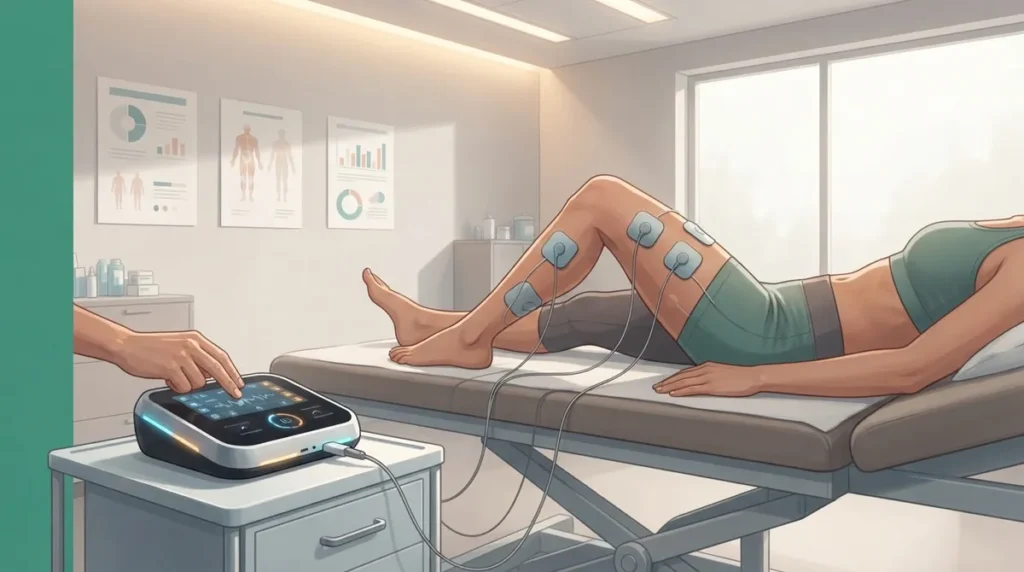
Not all patients respond identically to electrical stimulation, which makes customizable settings a non-negotiable feature for clinical-grade EMS equipment. Adjustable intensity, frequency, and pulse duration allow providers to tailor treatment to each patient’s tolerance, muscle group, and recovery stage. A post-operative knee patient, for example, requires different parameters than an athlete undergoing performance-focused strengthening.
Research referenced by Orthobracing emphasizes that customizable settings improve both safety and therapeutic outcomes, since providers can fine-tune stimulation levels to match individual patient thresholds. This flexibility is essential for chiropractic practices treating a wide range of musculoskeletal presentations, from acute strains to chronic postural weakness.
Comparing EMS Equipment Features
| Feature | Clinical Benefit | Best Suited For |
|---|---|---|
| Adjustable Intensity | Matches stimulation to patient tolerance and muscle size | All patient populations |
| Variable Frequency | Targets specific muscle fiber types for strength or endurance | Athletes, post-surgical patients |
| Auto Shut-Off | Prevents overstimulation and enhances safety | Home-use patients |
| Portability | Enables at-home compliance between clinic visits | Discharged or transitional patients |
| Combo TENS/EMS Mode | Addresses both pain and muscle weakness in one device | Multi-modality clinics |
4. EMS Equipment for Circulation and Tissue Healing
Beyond muscle strengthening, EMS equipment plays a meaningful role in improving local blood flow and circulation, which supports the healing process in injured tissues. This benefit is particularly relevant for auto accident injury clinics treating patients with soft tissue damage, bruising, or delayed healing due to reduced mobility following a collision.
Improved circulation accelerates the delivery of oxygen and nutrients to damaged tissue while assisting in the removal of metabolic waste products that can prolong inflammation. For patients working through workers’ compensation or auto accident claims, demonstrating measurable improvements in circulation and muscle function can also support documentation required for insurance review. Liberty Medical Solutions works with commercial PPO/POS plans, workers’ compensation, and auto accident claims to help make this technology accessible to patients navigating these processes.
EMS for Post-Surgical and Immobilized Patients
Patients recovering from surgery or extended immobilization frequently experience rapid muscle atrophy due to disuse. According to findings referenced by Longest Medical, EMS demonstrates strong evidence for preventing this type of atrophy, making it a valuable tool for physical therapy clinics managing post-operative rehabilitation timelines. Early intervention with EMS can help preserve muscle mass and function during periods when active exercise is not yet possible.
5. EMS Equipment for Athletic Performance and Strength Enhancement
While EMS is often associated with rehabilitation, its application extends to performance enhancement for athletic populations. Research cited by RehabMart indicates that EMS has been shown to significantly enhance strength parameters in trained athletes, making it a valuable addition for sports medicine-oriented clinics and chiropractic practices serving active patient populations.
For clinics working with athletes recovering from minor injuries or seeking supplemental strength training, EMS equipment offers a way to target specific muscle groups without the joint stress associated with heavy resistance training. This makes it particularly useful during return-to-play protocols where full-intensity exercise may not yet be appropriate.
Selecting the Right EMS Equipment for Your Patient Population
Choosing appropriate EMS equipment requires a clear understanding of your clinic’s primary patient base. The following considerations can help guide equipment decisions:
- Post-surgical rehabilitation clinics should prioritize devices with gentle ramp-up settings to avoid overstimulation
- Chiropractic practices benefit from combo units that address both pain and muscle weakness in a single device
- Auto accident injury clinics need equipment that supports clear documentation for insurance and claims purposes
- Sports-focused practices should look for higher-intensity capable units designed for trained muscle tissue
- All clinics should verify that devices include safety features such as auto-shutoff and clear intensity indicators
Safety Features That Matter in Clinical EMS Equipment
Patient safety remains paramount when incorporating EMS equipment into any treatment plan. Devices used in clinical or home settings should include automatic shutoff features, clear intensity displays, and pre-set protocols that prevent accidental overstimulation. According to the FDA, non-opioid pain management tools, including electrotherapy devices, continue to receive regulatory attention as viable alternatives for pain and rehabilitation management, underscoring the importance of selecting equipment that meets established safety and manufacturing standards.
Clinics should also consider electrode quality and placement guidance, since improper electrode contact can reduce treatment effectiveness or cause skin irritation. Pairing high-quality EMS units with reliable conductive garments can improve consistency of electrode placement, particularly for patients requiring repeated at-home sessions.
Insurance Considerations for EMS Equipment
Navigating insurance coverage for EMS equipment can be complex, particularly for auto accident injury clinics and practices managing workers’ compensation claims. Understanding how commercial PPO/POS plans, out-of-network benefits, and third-party liability cases apply to electrotherapy equipment is essential for minimizing billing delays and denials.
| Insurance Type | Common Consideration | Clinical Impact |
|---|---|---|
| Commercial PPO/POS | Out-of-network benefits may apply | Requires clear documentation of medical necessity |
| Workers’ Compensation | Coverage tied to work-related injury claims | Supports rehabilitation equipment for disuse atrophy |
| Auto Accident Claims | Third-party liability often involved | EMS supports documented soft tissue and muscle recovery |
Given the complexity of these processes, working with a supplier experienced in navigating insurance requirements can significantly streamline equipment acquisition. Liberty Medical Solutions has extensive experience working with commercial PPO/POS plans, workers’ compensation, and auto accident claims, helping clinics reduce administrative burden while ensuring patients receive necessary EMS equipment without unnecessary delays.
Building a Comprehensive Electrotherapy Program
EMS equipment works best as part of a broader electrotherapy strategy that may include TENS units, back braces, and other supportive devices tailored to each patient’s condition. Clinics that integrate multiple modalities often see improved patient satisfaction and outcomes, since treatment plans can be adjusted as patients progress from acute pain management to active strengthening.
According to the National Institutes of Health, chronic pain affects a substantial portion of the adult population, reinforcing the need for accessible, evidence-based, non-pharmacological treatment options like electrotherapy. Clinics that can offer comprehensive, insurance-compatible electrotherapy solutions position themselves as valuable resources for patients seeking alternatives to long-term medication use.
Why Provider Support Matters
Selecting EMS equipment is only part of the equation. Clinics also benefit from ongoing support related to warranty registration, supply replenishment, and troubleshooting. Exploring our full range of products can help clinics identify complementary equipment, including TheraKnit garments, that enhance overall treatment delivery and patient comfort.
Final Thoughts on Choosing EMS Equipment
Selecting the right EMS equipment requires balancing clinical evidence, patient population needs, safety features, and insurance considerations. Physical therapy clinics, chiropractic practices, and auto accident injury clinics each face distinct challenges, but all share the common goal of restoring muscle function efficiently and safely. Prioritizing combo units, portable options, customizable settings, circulation-focused devices, and performance-oriented equipment ensures your clinic is equipped to handle diverse patient needs in 2026 and beyond.
If your clinic is ready to expand its electrotherapy offerings with reliable, insurance-compatible EMS equipment, our team can help you identify the right solutions for your patient population. Contact Our Team to discuss customized EMS equipment options tailored to your practice’s clinical and administrative needs.
FAQs
Q: What is the difference between EMS and TENS equipment in electrotherapy?
A: EMS equipment stimulates motor nerves to produce visible muscle contractions, primarily used for muscle strengthening and preventing atrophy. TENS units target sensory nerves for pain relief and do not typically produce muscle contractions, making the two modalities complementary rather than interchangeable.
Q: How does EMS equipment help with muscle atrophy?
A: EMS equipment generates repeated muscle contractions that help maintain muscle fiber activation during periods of immobilization or disuse. Clinical evidence shows strong support for EMS in preventing atrophy in post-operative and immobilized patients, making it a valuable early-intervention tool.
Q: Can one electrotherapy device perform both TENS and EMS functions?
A: Yes, many modern electrotherapy devices are designed as combo units that offer both TENS and EMS modes within a single machine. This allows clinics to address pain relief and muscle strengthening needs without purchasing separate equipment, improving cost efficiency and treatment flexibility.
Q: Is EMS equipment recommended for post-surgery rehabilitation?
A: EMS equipment is commonly recommended for post-surgical rehabilitation because it helps prevent muscle atrophy and supports neuromuscular re-education during periods when active exercise may not be possible. Providers typically integrate EMS gradually as part of a broader recovery protocol.
Q: What safety features should EMS equipment have?
A: Effective EMS equipment should include automatic shutoff features, adjustable intensity controls, clear digital displays, and pre-programmed protocols to prevent overstimulation. These features are especially important for devices used by patients independently at home.