
Key Takeaways
-
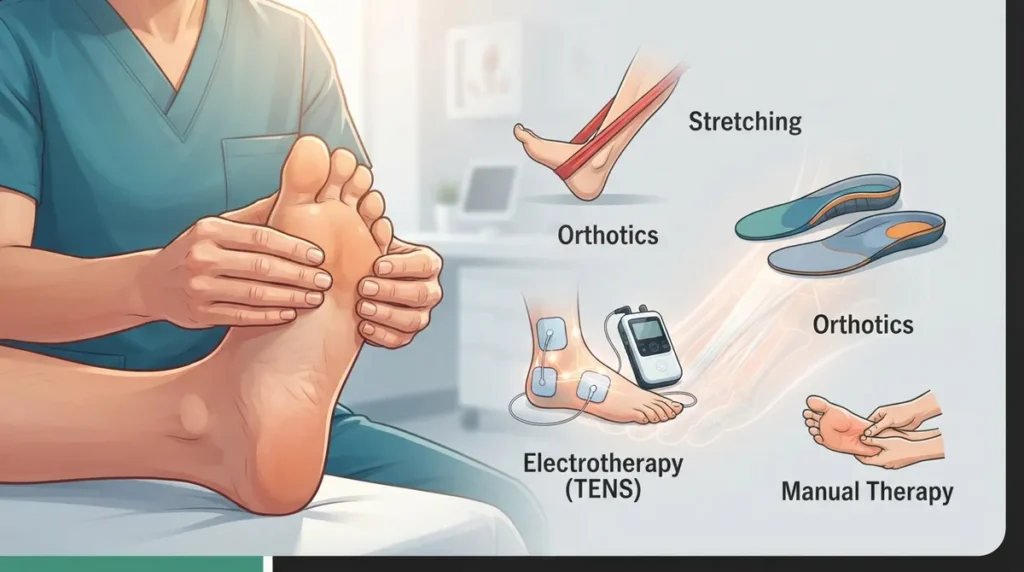
Accurate diagnosis is essential before treatment: foot pain stems from multiple causes (plantar fasciitis, tendinopathy, nerve compression, arthritis, trauma), and clinicians must assess pain location, duration, triggers, and red flags to select appropriate interventions.
-
Electrotherapy is adjunctive, not primary: the 2023 clinical practice guideline positions TENS, interferential current, and iontophoresis as second-line options; plantar-fascia stretching, manual therapy, and foot orthoses remain first-line treatments for lasting outcomes.
-
Stretching and manual therapy deliver superior long-term results: plantar-fascia-specific stretching, gastrocnemius/soleus stretching, and manual therapy have strong evidence for both short- and long-term pain reduction and functional improvement.
-
Select electrotherapy modalities strategically based on clinical context: TENS offers limited short-term pain relief; interferential current and iontophoresis may help acute flare-ups; NMES supports muscle re-education; low-level laser complements broader programs.
-
Build multimodal treatment plans with regular reassessment: combine diagnosis-specific exercise, footwear/orthotic modifications, adjunctive electrotherapy for symptom control, gradual activity return, and ongoing monitoring rather than relying on any single modality.
-
Document objectively and screen for contraindications: record baseline and follow-up measurements, functional goals, and patient outcomes for insurance purposes; avoid electrotherapy over infected areas, with pacemakers, or in patients with impaired sensation.
Foot pain sends more patients into physical therapy clinics, chiropractic offices, and auto accident injury centers than almost any other musculoskeletal complaint. Yet foot pain is not a diagnosis in itself; it is a symptom with many possible causes, ranging from plantar fasciitis and Achilles tendinopathy to nerve compression, arthritis, and post-traumatic injury following a motor vehicle collision. For clinicians evaluating foot pain treatment options, understanding where electrotherapy fits within a broader, evidence-based rehabilitation plan is essential to setting realistic patient expectations and achieving measurable outcomes.
This article examines the current clinical evidence on electrotherapeutic modalities for foot pain, including TENS, interferential current, NMES, FES, and low-level laser therapy, and explains how these tools work best as adjuncts rather than stand-alone cures. Whether you run a physical therapy practice, a chiropractic clinic, or an auto injury center working through insurance claims, this guide will help you build a defensible, patient-centered approach to foot pain management.
Understanding Foot Pain Before Choosing a Treatment
Effective treatment starts with accurate assessment. Because foot pain can stem from mechanical overload, systemic disease, neurological compromise, or trauma, clinicians should evaluate pain location, duration, onset triggers, footwear habits, activity level, neurological symptoms, diabetes status, and red flags before selecting any intervention.
Common Underlying Causes
- Plantar heel pain or plantar fasciitis, the most frequently diagnosed cause of chronic foot pain in outpatient settings
- Achilles and other tendinopathies related to overuse or biomechanical strain
- Osteoarthritis or inflammatory arthritis affecting the midfoot and forefoot joints
- Stress fractures or bony stress injuries, particularly in athletic populations
- Peripheral nerve compression or neuropathy, including diabetic neuropathy
- Traumatic injury following falls, workplace incidents, or auto accidents
According to the National Institutes of Health, chronic pain affects a substantial share of the adult population, underscoring why clinics need reliable, evidence-supported tools for long-term pain management rather than temporary fixes alone.
What the 2023 Clinical Practice Guideline Recommends
The 2023 revision of the Heel Pain–Plantar Fasciitis clinical practice guideline, published jointly by the Academy of Orthopaedic Physical Therapy and the American Physical Therapy Association, remains the most authoritative resource for plantar heel pain management. It prioritizes plantar-fascia-specific stretching, gastrocnemius and soleus stretching, manual therapy, and appropriately selected foot orthoses for short- and long-term pain reduction and functional improvement.
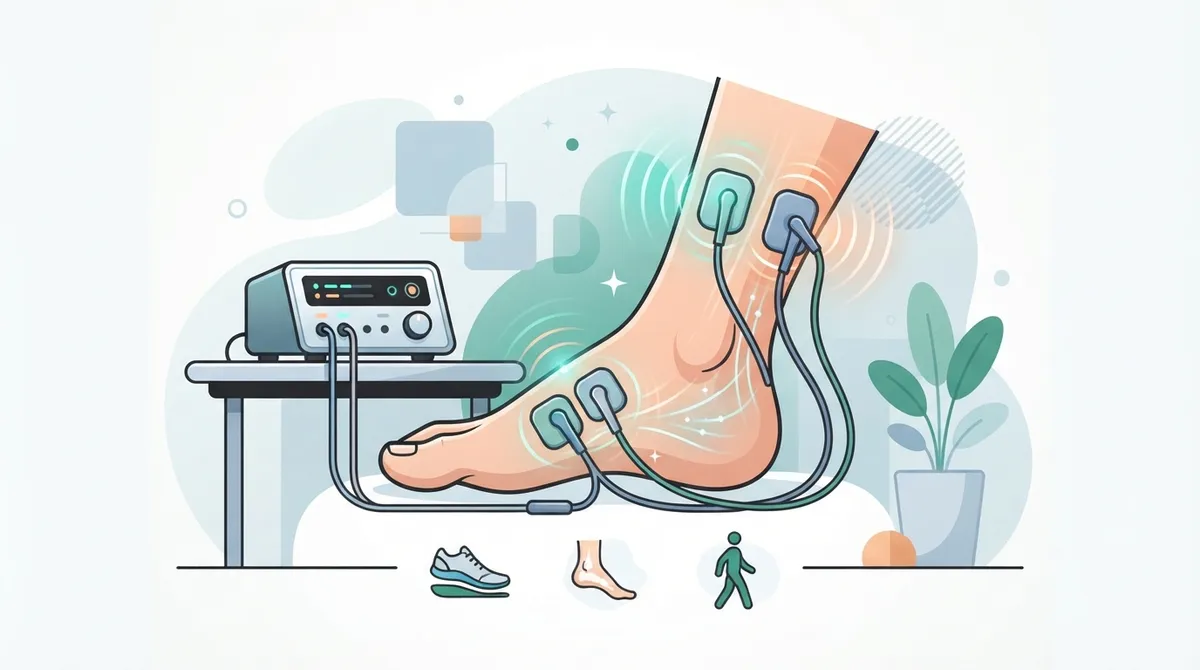
Electrotherapeutic modalities are not excluded from the guideline, but they are generally positioned as second-line or adjunctive options rather than primary interventions. Iontophoresis and premodulated interferential current are specifically mentioned as possible second-line choices in select cases, while manual therapy, stretching, and orthotic management remain favored for intermediate- and long-term outcomes.
Where Electrotherapy Fits in the Treatment Hierarchy
| Treatment Category | Role in Foot Pain Management | Evidence Strength |
|---|---|---|
| Plantar-fascia and calf stretching | First-line, foundational | Strong for short- and long-term outcomes |
| Manual therapy | First-line, adjunct to exercise | Moderate to strong |
| Foot orthoses | First-line for biomechanical cases | Moderate to strong |
| Iontophoresis / interferential current | Second-line, selected cases | Limited to moderate |
| TENS | Adjunct for short-term pain modulation | Limited, mixed certainty |
| Low-level laser therapy | Adjunct within broader program | Limited, short-term benefit |
| Therapeutic ultrasound (with stretching) | Not recommended | Guideline advises against |
How Electrotherapy Modalities Work for Foot Pain
Clinics offering TENS and related electrotherapy devices should understand the distinct mechanisms and appropriate applications of each modality before recommending it to patients with foot pain.
Transcutaneous Electrical Nerve Stimulation (TENS)
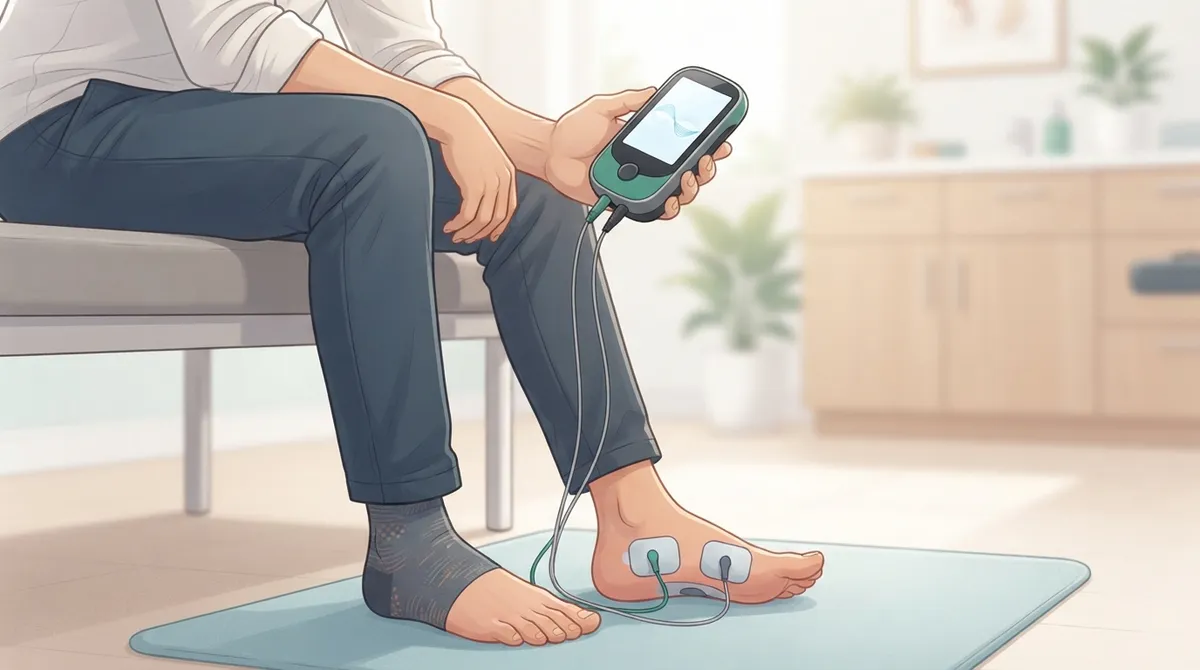
TENS delivers low-voltage electrical current through surface electrodes to stimulate sensory nerve fibers, which may modulate pain signals traveling to the spinal cord and brain. A 2019 overview of Cochrane reviews found insufficient evidence to confidently determine whether TENS improves chronic pain control, disability, or quality of life, though more recent analyses suggest a possible short-term benefit. Reviews summarized in the available literature report that adverse events from TENS are infrequent and generally mild, with skin irritation and discomfort remaining the primary practical concerns, as noted by the Cleveland Clinic.
Interferential Current (IFC)
Interferential current uses two medium-frequency currents that intersect at the treatment site, theoretically allowing deeper tissue penetration with less surface discomfort than traditional TENS. The 2023 heel pain guideline lists premodulated interferential current among possible second-line options for plantar heel pain, though manual therapy and stretching remain preferred for durable outcomes.
Iontophoresis
Iontophoresis uses a small electrical current to drive anti-inflammatory medication, such as dexamethasone, through the skin directly into inflamed tissue. This approach may offer short-term relief for acute plantar fasciitis flare-ups and is best used under clinician guidance as part of a broader treatment plan.
Neuromuscular Electrical Stimulation (NMES)
NMES is designed primarily to stimulate muscle contraction and support muscle re-education following weakness or disuse atrophy. A 2023 review of electrical stimulation modalities found moderate-quality support for NMES in specific rehabilitation contexts such as stroke and nerve dysfunction, but it should not be marketed as a general foot pain treatment. It may still play a supportive role when intrinsic foot muscle weakness or impaired motor control contributes to a patient’s symptoms.
Functional Electrical Stimulation (FES)
FES is used mainly in neurological rehabilitation, including selected cases of foot drop caused by peroneal nerve dysfunction. It can improve gait-related function in appropriate patients, but current evidence does not support presenting FES primarily as a pain-relief treatment for general foot pain complaints.
Low-Level Laser Therapy
Low-level laser therapy may reduce short-term pain in acute or chronic plantar fasciitis when incorporated into a broader rehabilitation program that includes stretching and load management. It is not a substitute for active rehabilitation but can complement it in select patients.
Building an Evidence-Based Foot Pain Treatment Plan
A safe and effective plan combines several elements rather than relying on any single modality. Clinicians should structure care around the following sequence:
- Confirm the underlying diagnosis through history, physical examination, and imaging when indicated
- Initiate diagnosis-specific exercise, such as plantar-fascia and calf stretching for heel pain
- Recommend footwear modifications or orthoses when biomechanical factors are contributing to symptoms
- Introduce electrotherapy as an adjunct for short-term symptom control, selecting the modality that matches the clinical presentation
- Guide a gradual return to loading and activity, monitoring for symptom recurrence
- Reassess regularly and refer for further workup if pain persists beyond expected timelines
A 2023 review of electrical stimulation devices found that 10 of 13 forms of electrical stimulation had only limited-quality evidence for clinically significant pain or functional improvement across populations, reinforcing why electrotherapy should complement, not replace, active rehabilitation strategies. This is well documented in the National Library of Medicine database of clinical reviews.
Special Considerations for Auto Accident and Workers’ Compensation Cases
Auto accident injury clinics frequently encounter foot and ankle trauma resulting from collisions, including fractures, ligamentous injuries, and post-traumatic nerve irritation. In these cases, electrotherapy can support pain management and muscle re-education during the recovery phase, particularly when combined with structured physical therapy.
Liberty Medical Solutions works directly with commercial PPO/POS insurance plans, workers’ compensation programs, and auto accident claims, helping clinics integrate electrotherapy products into patient care without adding administrative burden. This insurance familiarity is especially valuable for auto injury clinics managing third-party liability claims where documentation and billing accuracy directly affect reimbursement.
Documentation Tips for Insurance-Backed Foot Pain Cases
- Record objective findings, including range of motion, strength testing, and pain scale scores at baseline and follow-up visits
- Document the specific electrotherapy modality used, electrode placement, and stimulation parameters
- Note functional goals tied to the treatment plan, such as return to weight-bearing activity or occupational duties
- Track patient-reported outcomes over time to demonstrate progress for claims adjusters
Safety Screening and Contraindications
Before initiating any electrotherapy modality for foot pain, clinicians should screen for contraindications and red flags. The FDA has emphasized expanding non-opioid pain management options, including electrical stimulation devices, but proper patient selection remains critical to safety and efficacy.
When to Refer for Prompt Medical Evaluation
- Severe or sudden-onset foot pain, especially after trauma
- Inability to bear weight on the affected foot
- Suspected fracture, infection, or open wound
- Marked swelling, redness, or warmth in the affected area
- Progressive numbness, tingling, or weakness
- Foot pain occurring alongside diabetes or known poor circulation
Electrical stimulation is generally contraindicated over areas with active infection, malignancy, or impaired sensation, and caution is warranted in patients with pacemakers, implanted defibrillators, or during pregnancy. Clinicians should always follow device-specific instructions and manufacturer guidelines when selecting electrode placement, intensity, and treatment duration.
Choosing the Right Electrotherapy Equipment for Your Practice
Physical therapy clinics and chiropractic practices evaluating electrotherapy devices for foot pain management should prioritize equipment that offers adjustable parameters, reliable electrode contact, and clear clinical guidance for practitioners and patients alike. The TENS units and related devices available through Liberty Medical Solutions are designed with clinical customization in mind, supporting a range of applications from plantar heel pain to post-traumatic recovery following auto accidents.
Clinics can also explore conductive garments for lower extremity applications, which allow more consistent electrode placement over larger treatment areas, an advantage when treating diffuse foot or ankle pain. For chiropractic practices integrating electrotherapy alongside spinal adjustments, understanding what makes a TENS machine suitable for clinical use can help streamline equipment selection and improve patient compliance.
Key Features to Evaluate
| Feature | Why It Matters for Foot Pain Care |
|---|---|
| Adjustable frequency and intensity | Allows customization for acute versus chronic presentations |
| Multiple channel outputs | Supports simultaneous treatment of bilateral foot pain or multiple sites |
| Portability | Enables home-use prescriptions between in-clinic visits |
| Insurance documentation support | Simplifies billing for PPO/POS, workers’ comp, and auto claims |
| Electrode compatibility | Ensures consistent contact on smaller foot and heel surfaces |
Research published in Pub Med continues to refine parameter guidelines for electrical stimulation in musculoskeletal pain, and staying current with this evidence helps clinics justify treatment choices to both patients and insurance reviewers. Additional coverage guidance is available through resources on PPO insurance and electrotherapy coverage, which is particularly relevant for practices serving commercial insurance populations.
Integrating Electrotherapy into a Multimodal Recovery Program
The most successful foot pain outcomes occur when electrotherapy is layered into a broader recovery framework rather than used in isolation. Patient education about the expected role of electrical stimulation, realistic timelines for improvement, and the importance of continuing home exercise programs all contribute to better long-term results.
The CDC continues to encourage non-pharmacological pain management strategies, including electrical stimulation, as part of a comprehensive approach to reducing reliance on opioid medications. For clinics, this creates an opportunity to position electrotherapy services as both clinically sound and aligned with public health priorities.
Conclusion
Foot pain treatment options span a wide spectrum, from foundational stretching and manual therapy to targeted electrotherapy modalities used as clinical adjuncts. TENS, interferential current, iontophoresis, NMES, and low-level laser therapy each have distinct mechanisms and appropriate use cases, but none should be marketed as a stand-alone cure for foot pain. Clinics that combine accurate diagnosis, evidence-based rehabilitation, and properly selected electrotherapy tools are best positioned to deliver measurable, lasting results for their patients.
Liberty Medical Solutions supports physical therapy clinics, chiropractic practices, and auto accident injury centers with customized electrotherapy equipment and insurance-savvy service, helping providers expand their treatment offerings with confidence. To explore which devices and garments fit your practice’s foot pain management needs, reach out to our team today.
FAQs
Q: What is the best treatment for plantar fasciitis and heel pain?
A: The 2023 clinical practice guideline prioritizes plantar-fascia-specific stretching, calf stretching, manual therapy, and appropriately selected foot orthoses as first-line treatments. Electrotherapy modalities such as interferential current or iontophoresis may serve as second-line adjuncts in select cases under clinician guidance.
Q: Can TENS help relieve foot pain at home?
A: TENS may provide short-term pain modulation by stimulating sensory nerves, and it is generally well tolerated with mild, infrequent side effects such as skin irritation. However, evidence for durable improvements in function and quality of life remains limited, so it works best alongside active rehabilitation rather than as a stand-alone solution.
Q: Does electrical stimulation work for neuropathy or burning feet?
A: Evidence for electrical stimulation in neuropathic foot pain is mixed, with some reviews reporting short-term reductions in burning pain, allodynia, and shooting pain. Long-term benefit remains unclear, and patients with diabetic neuropathy should be evaluated by a clinician before starting any electrotherapy program.
Q: What is the difference between TENS, NMES, interferential current, and FES?
A: TENS targets sensory nerves for pain modulation, while NMES stimulates muscle contraction to address weakness or disuse atrophy. Interferential current uses intersecting medium-frequency currents for deeper tissue treatment, and FES is primarily used in neurological rehabilitation, such as managing foot drop from peroneal nerve dysfunction.
Q: Is electrical stimulation safe for people with pacemakers or during pregnancy?
A: Electrical stimulation is generally contraindicated for patients with pacemakers or implanted defibrillators unless cleared by a physician, and caution is advised during pregnancy. Clinicians should always screen for contraindications and follow device-specific safety guidelines before initiating treatment.