Key Takeaways
-
Choose dual-channel clinical-grade TENS units with 100+ mA intensity and 1-150 Hz adjustable frequencies to treat multiple patient conditions effectively and ensure superior outcomes compared to consumer-grade devices.
-
Integrate TENS therapy into your treatment protocol by using it before adjustments to relax muscles and after adjustments to reduce discomfort, while prescribing take-home units to extend pain relief between appointments.
-
Work with suppliers offering insurance billing coordination for commercial PPO/POS plans, workers' compensation, and auto accident claims to reduce patient cost barriers and improve take-home device compliance.
-
Match TENS modes to specific conditions: use low-frequency for chronic pain and sciatica, high-frequency for acute pain and arthritis, and burst or modulation modes for broader therapeutic effects across varied patient presentations.
-
Educate patients on proper electrode placement and pair prescribed TENS units with complementary products like back braces or cervical traction to create comprehensive home care packages that maximize clinical outcomes.
-
Select suppliers with FDA-cleared devices, responsive customer service, patient education resources, and a full product range to ensure consistent clinical effectiveness and seamless practice operations.
Pain management in chiropractic care has evolved significantly over the past decade, and electrotherapy has become one of the most trusted clinical tools available to providers across New York. For chiropractors in Albany, selecting the right TENS units for chiropractors in Albany is a decision that directly affects patient outcomes, practice efficiency, and long-term clinical credibility. Whether you are establishing a new practice or looking to upgrade your current equipment, understanding what makes a TENS unit effective—and how to source it correctly—is essential knowledge for any modern chiropractic provider.
This guide walks you through everything you need to know: how TENS therapy works, what specifications to look for in clinical-grade devices, how to match equipment to common patient conditions, and how to ensure your patients can continue treatment at home with properly prescribed units. By the end, you will have a clear framework for making informed decisions about electrotherapy equipment that serves both your patients and your practice goals.
Understanding How TENS Therapy Works in a Chiropractic Setting
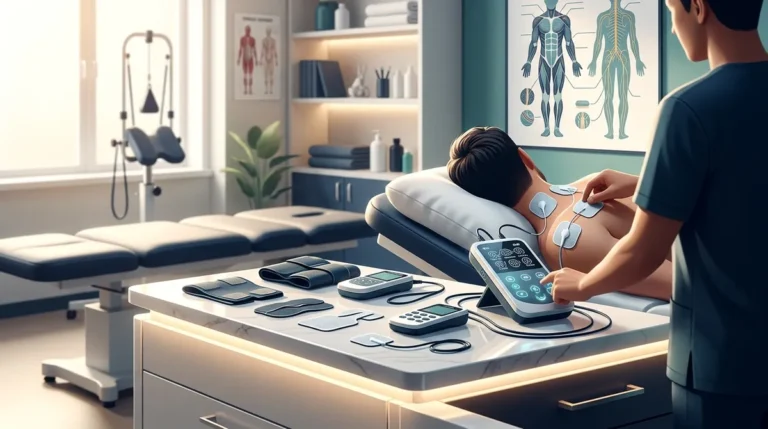
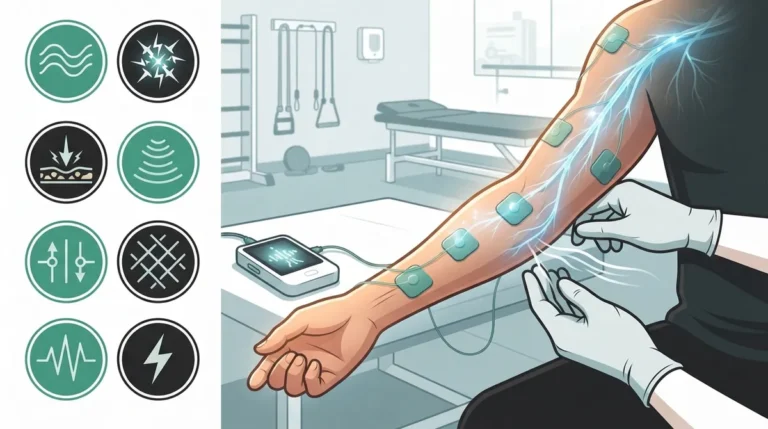
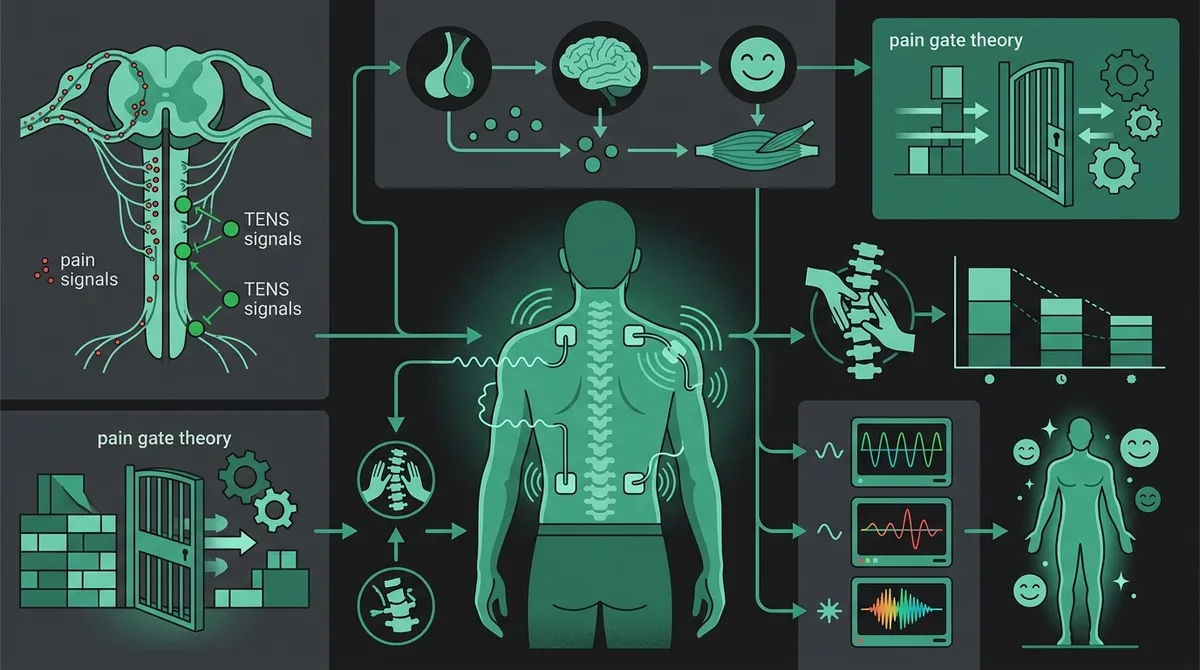
Transcutaneous Electrical Nerve Stimulation (TENS) works by delivering low-voltage electrical impulses through electrodes placed directly on the patient’s skin. These impulses stimulate sensory nerve fibers, effectively interrupting the transmission of pain signals to the brain. According to the Cleveland Clinic, TENS therapy is a well-established, non-invasive treatment modality that complements manual therapies such as spinal adjustments remarkably well.
In a chiropractic context, TENS therapy serves a dual function. First, it provides immediate pain relief during in-office treatment sessions. Second, when patients are prescribed take-home TENS devices, it extends the therapeutic benefit between appointments, which is critical for managing chronic pain conditions effectively.
TENS units operate in two primary modes:
- Low-frequency mode (1–10 Hz): Targets sensory nerves to produce pain-relieving effects, often used for chronic pain management.
- High-frequency mode (50–150 Hz): Produces more rapid stimulation and is typically used for acute pain or muscle re-education.
- Burst mode: Alternates between high and low frequencies, providing a combined therapeutic effect suitable for a broader range of patient presentations.
- Modulation mode: Varies frequency, pulse width, and intensity automatically to prevent nerve accommodation during longer sessions.
The WebMD confirms that TENS therapy can provide pain relief lasting several hours for chronic pain patients and may significantly reduce dependence on pharmaceutical pain management. This is a compelling value proposition for chiropractic practices that position themselves as holistic, drug-free healthcare providers.
Key Specifications to Evaluate When Selecting TENS Units
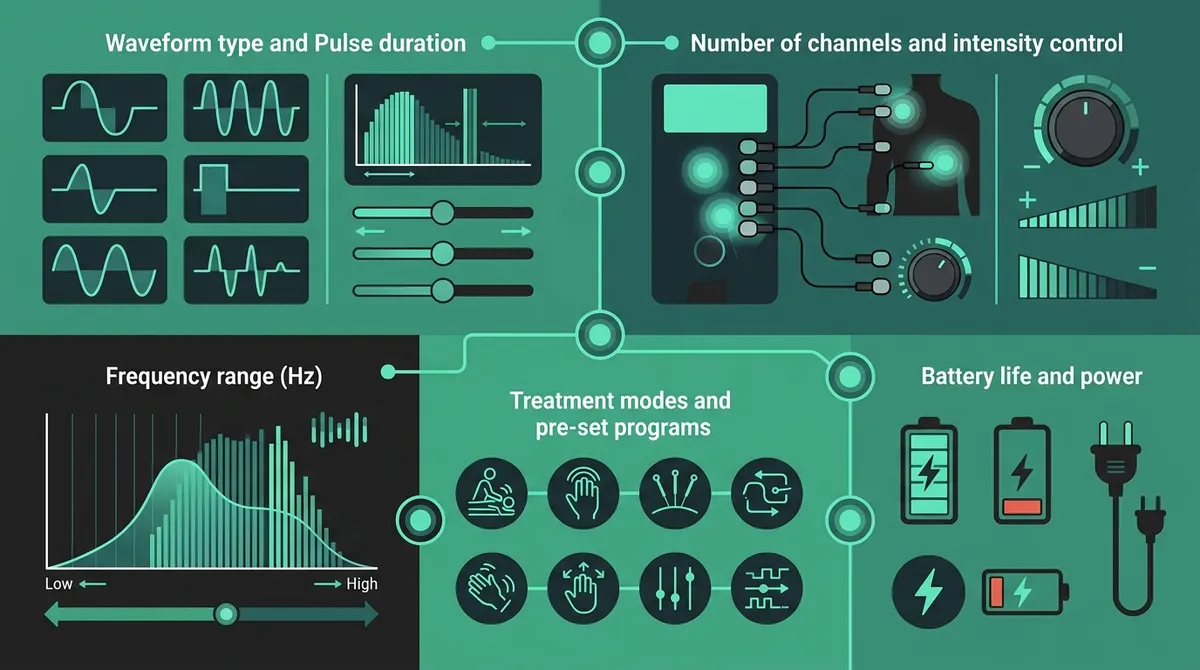
Not all TENS units are created equal, and clinical settings demand higher standards than consumer-grade devices. When evaluating units for your Albany chiropractic practice, consider the following technical specifications carefully.
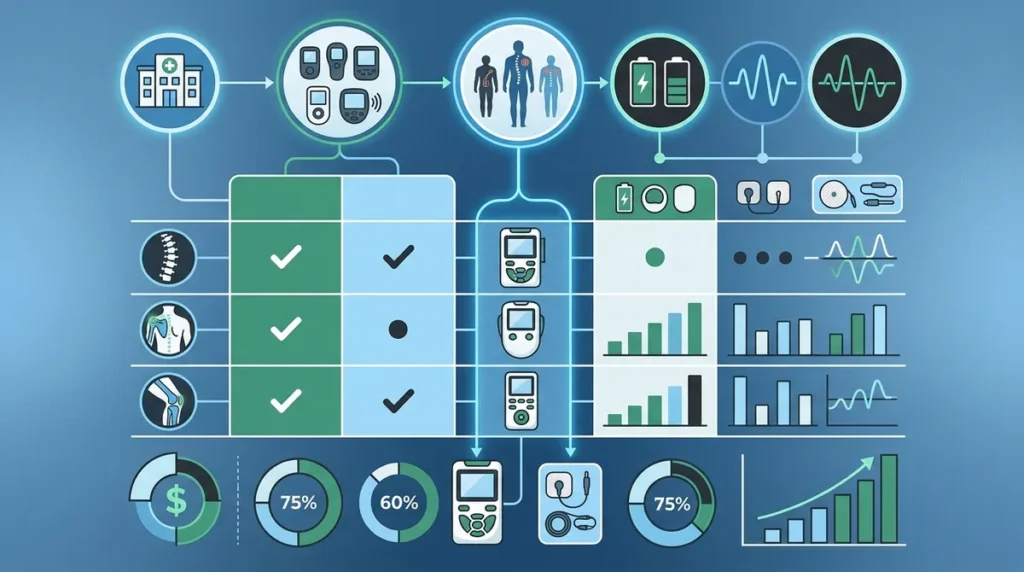
| Specification | Entry-Level Devices | Clinical-Grade Devices |
|---|---|---|
| Maximum Intensity | Up to 60–80 mA | Up to 100 mA or higher |
| Frequency Range | Fixed or limited | 1–150 Hz adjustable |
| Channels | Single channel | Dual channel or multi-channel |
| Waveform Options | One fixed waveform | Multiple waveform modes |
| Timer Function | Basic | Programmable with auto shut-off |
| Battery Life | Standard | Extended, rechargeable options |
For clinical use, dual-channel devices are strongly recommended. Dual channels allow the clinician to treat two separate areas simultaneously or to create a crossfire stimulation pattern across a single region, improving coverage and effectiveness. Devices that deliver up to 100 mA intensity—compared to standard devices that max out at 80 mA—provide greater flexibility when working with patients who have higher stimulation thresholds.

Conditions Commonly Treated with TENS Therapy in Chiropractic Care
Albany chiropractors prescribe TENS therapy for a wide range of musculoskeletal and neurological pain conditions. Understanding the scope of treatable conditions helps you determine the right device features and electrode configurations for your patient population.
| Condition | Primary Treatment Area | Recommended TENS Mode |
|---|---|---|
| Lower back pain | Lumbar spine, paraspinal muscles | Low or burst frequency |
| Neck pain / whiplash | Cervical spine, trapezius | High frequency |
| Sciatica | Lumbar, gluteal, posterior leg | Low frequency |
| Arthritis | Affected joints | High frequency |
| Carpal tunnel syndrome | Wrist, forearm | High or burst frequency |
| Fibromyalgia | Multiple pain sites | Modulation mode |
| Tendinitis / bursitis | Shoulder, elbow, knee | High frequency |
The National Institutes of Health has documented high rates of persistent chronic pain among U.S. adults, reinforcing the critical demand for effective, non-invasive pain management solutions like TENS therapy in chiropractic practices. Practices that treat auto accident injury patients will find TENS therapy particularly valuable for whiplash and soft tissue damage, both of which respond well to electrotherapy protocols.
How to Integrate TENS Units into Your Chiropractic Treatment Protocol
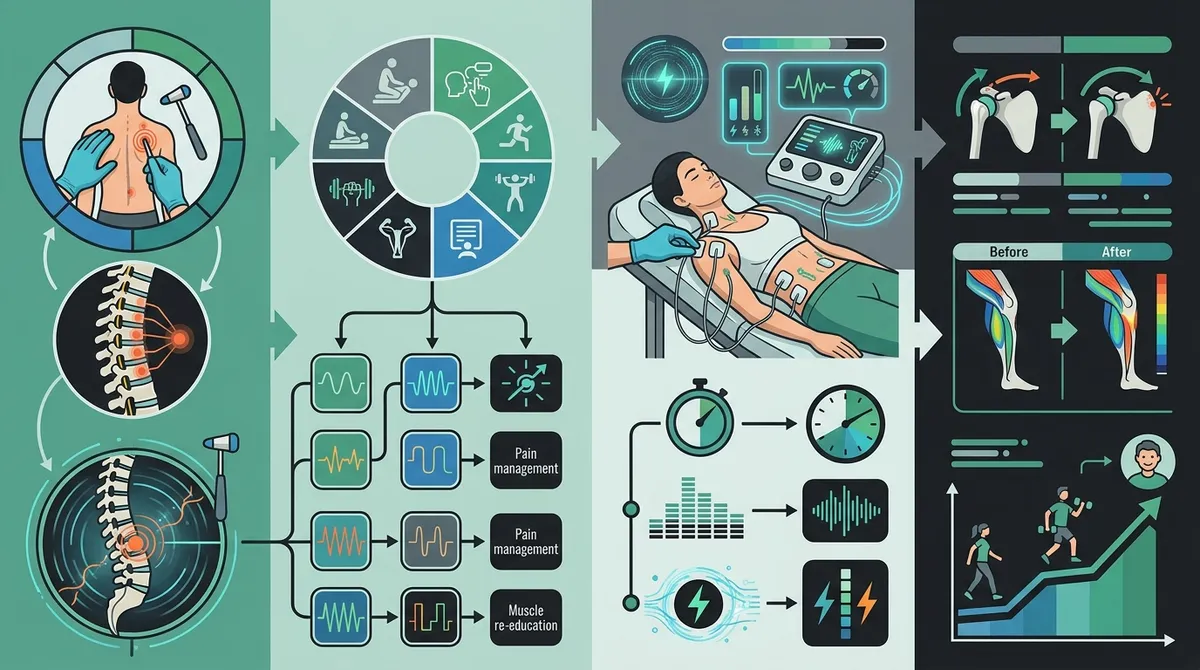
Successfully incorporating TENS therapy into your practice requires more than simply purchasing devices. A structured clinical approach ensures consistency, safety, and measurable patient outcomes. Follow these steps to build an effective TENS therapy protocol:
- Conduct a thorough patient assessment: Identify contraindications such as pacemakers, pregnancy, or active malignancy before initiating TENS therapy. Document baseline pain levels using a standardized scale.
- Develop a personalized treatment prescription: Based on the patient’s condition, select appropriate frequency settings, pulse width, intensity levels, and electrode placement sites. Do not rely on a one-size-fits-all approach.
- Educate patients on proper electrode placement: Poor electrode positioning is one of the most common reasons patients report inadequate pain relief. Provide clear written and visual guides.
- Integrate TENS with spinal adjustments: Using TENS therapy prior to a spinal adjustment can relax musculature and improve patient tolerance. Post-adjustment application can reduce residual discomfort and support recovery.
- Prescribe take-home units with training: Patients who continue TENS therapy at home experience more consistent outcomes. Ensure they understand device settings, safety protocols, and when to seek follow-up care.
- Monitor and adjust protocols at follow-up appointments: Re-assess patient response to TENS therapy at each visit and modify frequency, intensity, or electrode placement as needed based on clinical progress.
Electrode Placement and Accessory Considerations for Chiropractic Providers
The effectiveness of any TENS therapy protocol is heavily influenced by electrode quality and placement accuracy. Standard self-adhesive electrodes work well for most applications, but specialty options can significantly improve patient comfort and treatment outcomes in specific scenarios.
For patients with spinal pain or broad treatment areas, conductive garments offer an innovative alternative to traditional electrode pads. These garments distribute electrical stimulation more evenly across larger body areas, making them especially useful for patients with diffuse lumbar pain or full-back presentations. Similarly, TheraKnit Garments provide a comfortable, wearable option that encourages patient compliance with home treatment programs.
When stocking electrode accessories, consider maintaining inventory of the following:
- Standard 2″ x 2″ self-adhesive electrode pads for general use
- Larger 2″ x 4″ electrodes for treating the lumbar spine and thigh regions
- Pre-cut specialty shapes for joint areas such as knees and shoulders
- Lead wires and connector adaptors to ensure device compatibility
- Conductive gel for patients with skin sensitivities to adhesive pads
Insurance Billing and Patient Access for TENS Equipment
One of the most significant barriers to patient adoption of take-home TENS therapy is cost. Albany chiropractors can dramatically improve patient compliance by working with suppliers that facilitate insurance billing for prescribed electrotherapy equipment. The FDA has increasingly supported non-opioid pain management alternatives, which has contributed to broader insurance recognition of TENS therapy as a reimbursable modality.
Liberty Medical Solutions specializes in making electrotherapy devices accessible to patients by working directly with commercial PPO/POS plans, workers’ compensation cases, and auto accident injury claims. This is particularly advantageous for Albany chiropractic practices that serve patients recovering from workplace injuries or motor vehicle accidents, where third-party billing is the norm rather than the exception.
| Insurance Type | Typical Coverage Considerations | Documentation Required |
|---|---|---|
| Commercial PPO/POS | Often covers TENS with out-of-network benefits | Physician prescription, diagnosis codes |
| Workers’ Compensation | Strong coverage for work-related injuries | Injury report, treatment plan, authorization |
| Auto Accident Claims | Covers electrotherapy for soft tissue injuries | Accident report, clinical notes, PIP documentation |
| Third-Party Liability | Case-by-case determination | Legal and medical documentation |
Supporting Patient Home Therapy with Complementary Products
TENS units are most effective when used as part of a broader home care strategy. Chiropractors in Albany can increase patient outcomes and practice revenue by recommending complementary products alongside prescribed TENS devices. Back braces are a natural complement to TENS therapy for lumbar pain patients, providing structural support between treatment sessions. Cervical traction units can similarly extend the benefits of in-office neck adjustments when patients use them correctly at home.
Offering a curated selection of electrotherapy and rehabilitation products through your practice not only improves clinical outcomes but also positions your chiropractic office as a comprehensive resource for musculoskeletal health. Patients appreciate the convenience of receiving all their care and equipment recommendations from a single trusted provider.
Consider building home care packages that include:
- A prescribed TENS unit with appropriate lead wires and electrode pads
- A supportive back or cervical brace matched to the patient’s condition
- Written instructions with electrode placement diagrams
- A follow-up schedule tied to home therapy milestones
Evaluating Suppliers: What Albany Chiropractors Should Look For
Selecting a reliable equipment supplier is as important as selecting the right device. Albany chiropractic practices should evaluate potential suppliers based on the following criteria:
- Clinical-grade product quality: Ensure all devices meet FDA clearance standards and are appropriate for professional clinical use, not just consumer retail markets.
- Insurance billing support: A supplier that handles billing coordination for workers’ compensation, auto insurance, and commercial plans removes significant administrative burden from your staff.
- Customization and product range: Look for suppliers offering a full spectrum of electrotherapy solutions, including TENS devices, conductive garments, and orthopedic supports, so you can meet diverse patient needs through a single relationship.
- Patient support services: Suppliers that provide patient education resources, warranty registration, and replacement supply ordering help ensure patients remain compliant with home therapy programs.
- Responsive customer service: Equipment issues or supply shortages in a clinical setting can disrupt patient care. Prioritize suppliers with proven responsiveness and dedicated provider support channels.
Conclusion
Selecting and implementing the right TENS units for chiropractors in Albany is a multifaceted process that requires attention to device specifications, clinical protocols, electrode accessories, insurance considerations, and supplier reliability. When done correctly, TENS therapy becomes a powerful pillar of a chiropractic practice’s pain management offerings—delivering measurable patient outcomes while differentiating your practice in a competitive healthcare environment.
From dual-channel clinical devices to take-home TENS units supported by insurance billing, the right electrotherapy strategy strengthens the patient-provider relationship and supports long-term practice growth. Complementary products such as conductive garments, back braces, and cervical traction units further enhance your capacity to deliver whole-person musculoskeletal care.
If you are ready to explore customized electrotherapy solutions for your Albany chiropractic practice, connect with the team at Liberty Medical Solutions to discuss your specific clinical needs and discover how the right equipment and billing support can elevate your patient care programs.
FAQs
Q: How do TENS units work for pain relief in chiropractic treatment?
A: TENS units deliver low-voltage electrical impulses through skin-surface electrodes, stimulating sensory nerve fibers and interrupting the transmission of pain signals to the brain. In a chiropractic setting, TENS therapy is commonly used both during in-office sessions to prepare muscles for spinal adjustment and as a prescribed take-home modality to extend pain relief between appointments.
Q: What conditions can Albany chiropractors treat with TENS therapy?
A: Albany chiropractors routinely use TENS therapy to manage a wide range of musculoskeletal conditions, including lower back pain, neck pain, sciatica, arthritis, carpal tunnel syndrome, fibromyalgia, tendinitis, and bursitis. TENS therapy is particularly effective for patients recovering from auto accident injuries such as whiplash and soft tissue damage, making it a valuable tool in multi-disciplinary injury clinics.
Q: What specifications should chiropractors prioritize when selecting clinical TENS units?
A: Clinical-grade TENS units should offer a minimum intensity of 100 mA, dual-channel output for simultaneous multi-site treatment, adjustable frequency ranges from 1 to 150 Hz, multiple waveform modes including burst and modulation, and a programmable timer with auto shut-off. These features provide the flexibility needed to address diverse patient conditions and optimize therapeutic outcomes across a chiropractic patient population.
Q: Can TENS therapy prescribed by Albany chiropractors be covered by insurance?
A: Yes, prescribed TENS units are frequently covered under commercial PPO/POS plans with out-of-network benefits, workers’ compensation policies, and auto accident injury claims. Chiropractors should work with an electrotherapy supplier that offers billing coordination services to reduce administrative burden and ensure patients can access equipment without prohibitive out-of-pocket costs.
Q: How long does pain relief from TENS therapy typically last for chiropractic patients?
A: The duration of pain relief from TENS therapy varies depending on the patient’s condition, the treatment parameters used, and individual physiological response. Research indicates that chronic pain patients may experience several hours of relief following a single TENS session, and regular use as part of a structured home care program can contribute to cumulative, sustained pain reduction over time.