Key Takeaways
-
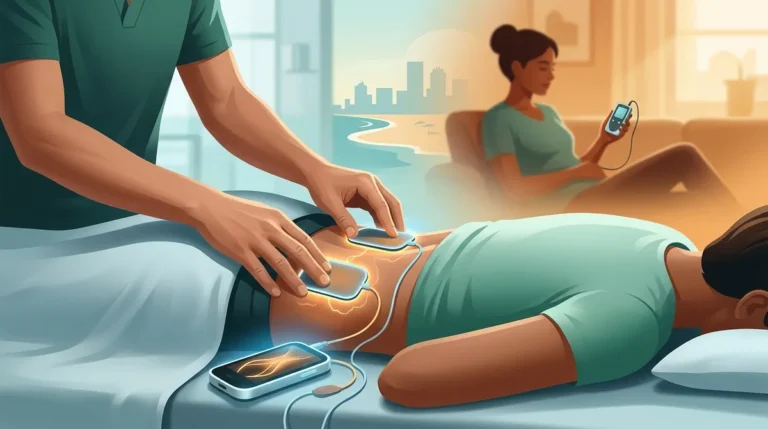
Professional-grade TENS units (up to 100 mA output) complement chiropractic adjustments by addressing nerve pain and muscle tension while adjustments correct structural misalignments, creating more comprehensive treatment outcomes for chronic pain and injuries.
-
TENS therapy is covered by commercial PPO/POS plans, workers' compensation, and auto accident insurance in Greeley, making it a reimbursable treatment option that reduces patient out-of-pocket costs and increases clinic revenue.
-
Combination electrotherapy units integrating TENS, EMS, interferential, and microcurrent modalities provide greater clinical flexibility than single-function devices, treating a broader range of conditions while reducing equipment costs and staff training complexity.
-
Wireless TENS models eliminate lead-wire inconvenience, improving patient comfort and setup efficiency—particularly beneficial for elderly patients or those with limited mobility, reducing overall treatment time per session.
-
Home TENS device prescriptions extend treatment benefits outside clinic hours, improve patient adherence, reduce clinic dependency, and are often insurance-covered, demonstrating commitment to comprehensive whole-patient pain management.
-
Working with specialized electrotherapy suppliers rather than general medical distributors provides deeper product knowledge, better clinical guidance, and stronger support for insurance billing and reimbursement processes.
Chiropractic clinics in Greeley, Colorado, are increasingly integrating electrotherapy into their standard treatment protocols — and for good reason. TENS units for chiropractors in Greeley offer a proven, drug-free method for managing chronic pain, accelerating recovery, and enhancing the results of spinal adjustments. As patient demand for non-opioid pain relief grows, electrotherapy devices have become essential tools in any modern chiropractic practice. According to the National Institutes of Health, chronic pain affects a significant portion of U.S. adults, making effective, accessible solutions more critical than ever.
Whether you operate a solo chiropractic practice or a multi-provider clinic, selecting the right TENS devices can meaningfully impact patient outcomes and clinic efficiency. This guide covers how TENS technology works, which device features matter most in a clinical environment, and how to source professional-grade equipment through trusted suppliers. From understanding pulse width parameters to comparing device modes, this resource is designed to support Greeley chiropractors in making well-informed procurement decisions.
How TENS Technology Supports Chiropractic Care
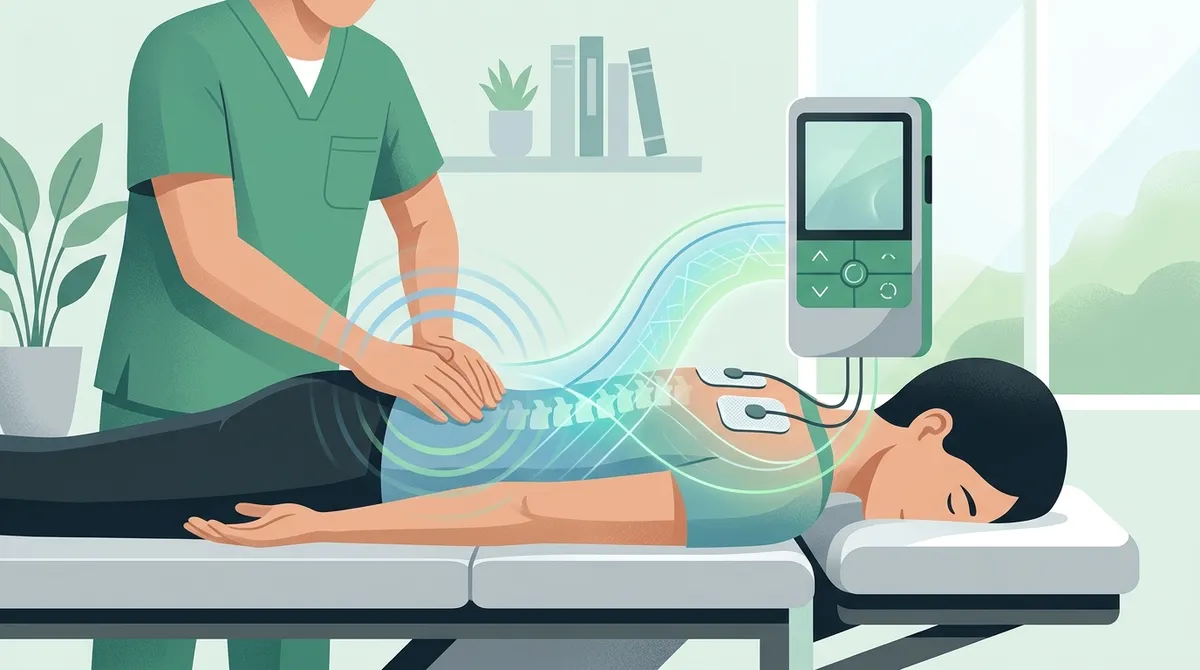
Transcutaneous Electrical Nerve Stimulation (TENS) works by delivering low-voltage electrical impulses through electrode pads placed on the skin. These impulses stimulate sensory nerves, triggering two primary pain-relief mechanisms: the gate control theory, which blocks pain signals from reaching the brain, and endorphin release, which promotes the body’s natural analgesic response. The Cleveland Clinic recognizes TENS as a validated non-invasive therapy for a wide range of musculoskeletal conditions.
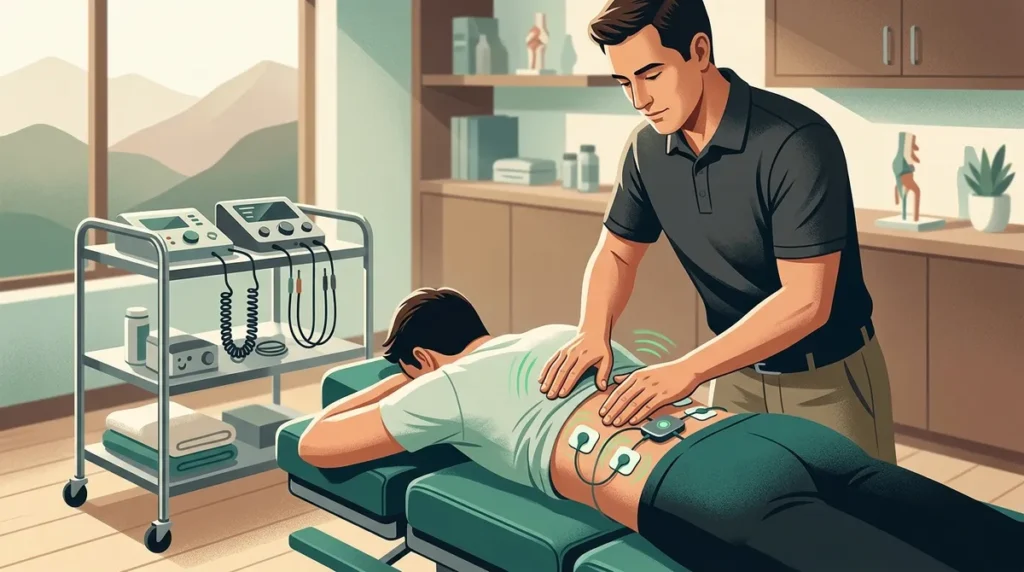
For chiropractors, TENS therapy is a natural complement to spinal manipulation. While adjustments correct structural misalignments, TENS addresses the accompanying nerve pain and muscle tension, creating a more complete treatment experience. Patients suffering from sciatica, cervical strain, lumbar disc issues, and post-trauma soft tissue injuries often respond well to combined chiropractic and electrotherapy treatment plans.
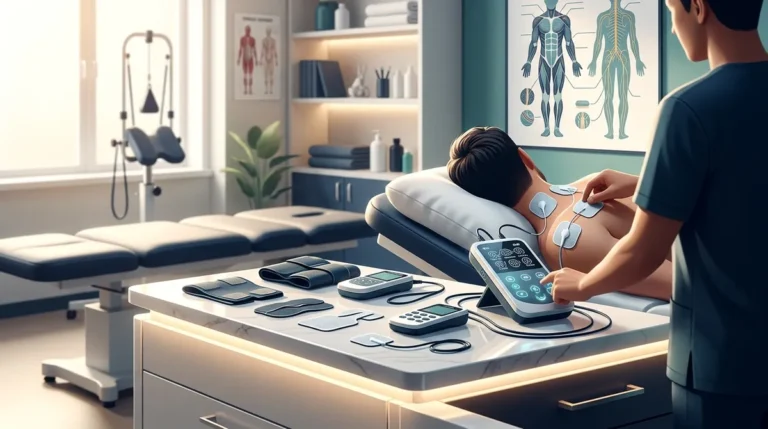
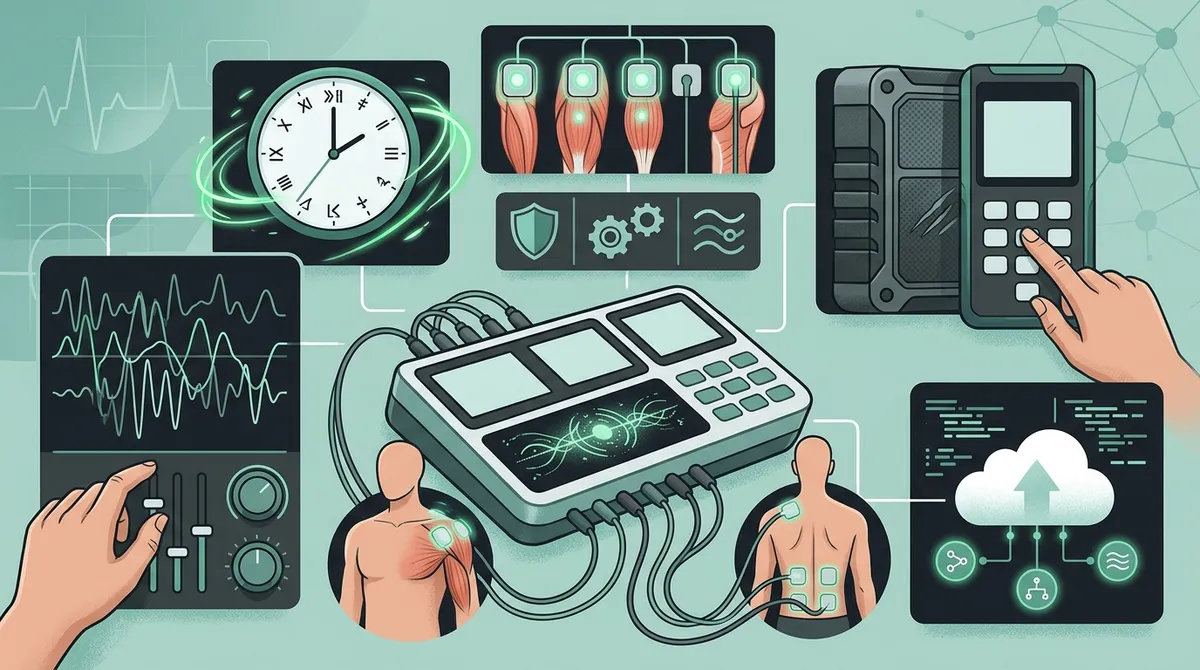
TENS units are also highly practical from an operational standpoint. They are lightweight, battery-powered, and require minimal setup time. Most clinical models offer adjustable pulse width (50–300 μs), frequency (1–150 Hz), and programmable timers (15–60 minutes), giving practitioners precise control over treatment parameters. Explore the full range of electrotherapy devices available for clinical use to find options that align with your practice’s specific treatment goals.
Key Features to Look for in Professional TENS Units
Not all TENS devices are created equal. Clinical-grade units designed for chiropractic offices differ meaningfully from consumer products in terms of output intensity, programmability, and durability. Understanding which specifications matter most will help you invest wisely and deliver consistent therapeutic results.
Professional TENS units typically deliver up to 100 mA of output intensity, compared to the 80 mA ceiling found in most consumer-grade devices. This additional power allows practitioners to treat deeper tissue and address more severe pain presentations effectively. Dual-channel functionality enables simultaneous treatment of two body areas, making sessions more time-efficient.
- Dual-channel output: Treat two areas simultaneously for greater clinical efficiency
- Multiple therapy modes: Burst, modulation, and continuous modes allow customized treatment protocols
- High intensity output: Up to 100 mA supports deeper tissue stimulation
- Programmable timers: 15–60 minute sessions with automatic shutoff for patient safety
- Adjustable parameters: Pulse width (50–300 μs) and frequency (1–150 Hz) fine-tuning
- Wireless options: Lead-wire-free devices improve patient comfort and treatment flexibility
Wireless TENS units represent a growing segment of the professional market. Models that use remote-controlled electrode receivers eliminate the inconvenience of lead wires, reducing setup time and improving patient comfort — particularly for elderly patients or those with limited mobility. These systems use snap electrodes and intuitive remote controls, making in-office treatment more streamlined.
Top TENS Unit Models Suitable for Greeley Chiropractic Clinics
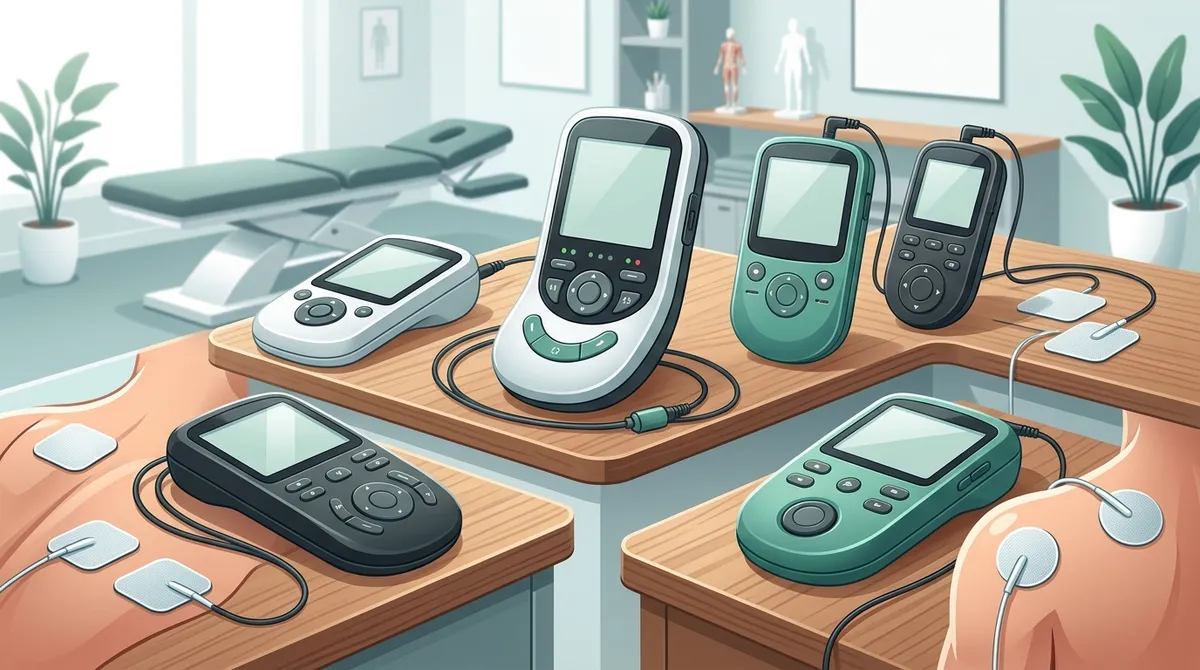
Selecting the right device model depends on your clinical priorities, patient demographics, and budget. The following table outlines the key specifications of professional TENS units commonly used in chiropractic settings:
| Model | Channels | Max Intensity | Modes | Key Feature |
|---|---|---|---|---|
| TENS 7000 | Dual | 100 mA | 8 modes | Over 2 million units sold; trusted globally |
| InTENSity 10 | Dual | 100 mA | 10 presets | Treats two separate body areas simultaneously |
| Ultima 5 | Dual | 80 mA | Multiple | LCD display and integrated timer |
| InTENSity Select Combo | Dual | 100 mA | TENS/EMS/IF/Microcurrent | Multimodal therapy in a single device |
| Pain Remedy Plus | Wireless | Variable | Multiple | No lead wires; remote-controlled receivers |
The TENS 7000 remains a benchmark device for professional use. With dual channels, eight therapy modes, and 100 mA output, it has earned the trust of chiropractors and physical therapists across the country — with over 2 million units sold since 2008. For practices seeking greater versatility, combination units like the InTENSity Select Combo integrate TENS, EMS, interferential (IF), and microcurrent therapies into a single platform, supporting a broader range of musculoskeletal conditions without requiring multiple devices.
Conditions Treated with TENS in Chiropractic Practice
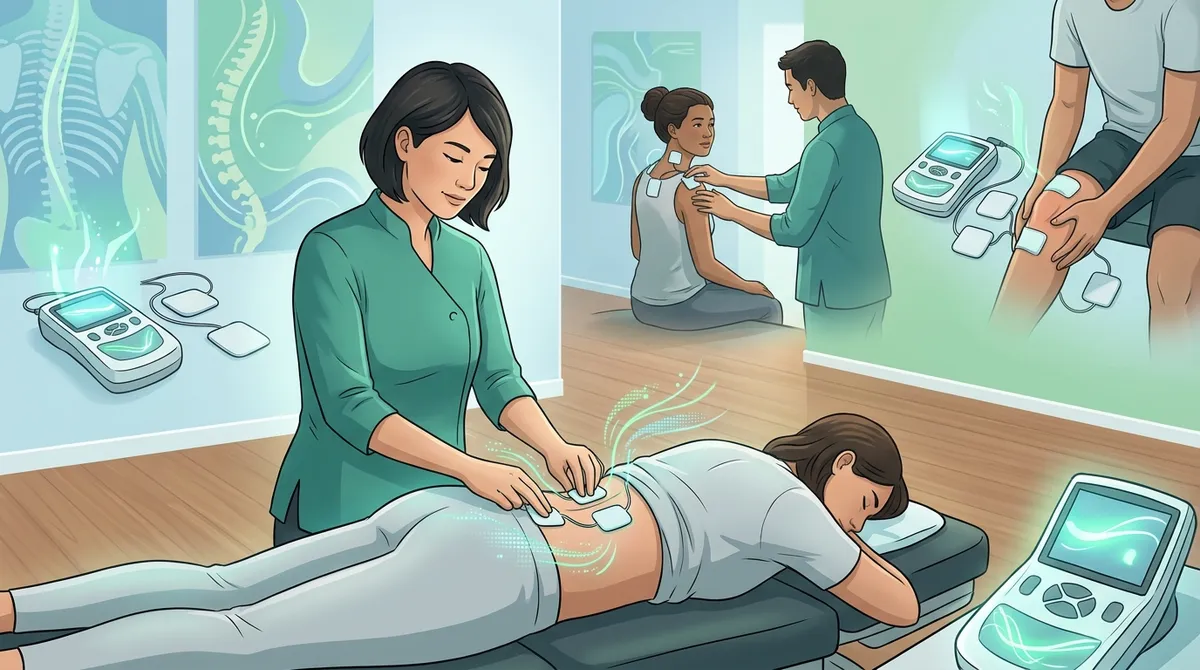
Greeley chiropractors treat a diverse patient population, including workers with occupational injuries, auto accident victims, and individuals managing chronic degenerative conditions. TENS therapy addresses a wide spectrum of these presentations, providing measurable pain relief without pharmaceutical intervention. The CDC actively supports the expansion of non-opioid therapies like electrotherapy as part of responsible pain management guidelines.
Conditions routinely treated with TENS in chiropractic settings include:
- Lumbar disc herniation and lower back pain — TENS applied to the lumbar region reduces acute and chronic pain signals, complementing spinal decompression therapies
- Sciatica — Electrode placement along the sciatic nerve pathway provides targeted relief for radiating leg pain
- Cervical strain and neck pain — Particularly relevant for whiplash injuries sustained in auto accidents, often paired with cervical traction units and other electrotherapy products
- Arthritis and joint pain — Reduces inflammation-related discomfort in the knees, hips, and shoulders
- Post-surgical recovery — Supports tissue healing and minimizes opioid dependency during rehabilitation
- Elbow and foot pain — Addresses conditions like tennis elbow and plantar fasciitis with localized stimulation
For clinics treating auto accident patients, TENS units are especially valuable. Soft tissue injuries from collisions respond well to electrotherapy, and many insurance plans — including workers’ compensation and auto accident claims — cover electrotherapy devices as part of a comprehensive treatment plan. Liberty Medical Solutions works directly with commercial PPO/POS plans, workers’ compensation, and auto accident claims to help clinics and patients access the equipment they need.
Comparing TENS, EMS, and Combination Electrotherapy Units
Chiropractors often face the decision of whether to invest in dedicated TENS devices or broader combination units. Understanding the distinctions between modalities helps practices select equipment that delivers the most value across their patient base.
| Modality | Primary Function | Best Use Case | Electrode Placement |
|---|---|---|---|
| TENS | Pain relief via nerve stimulation | Chronic and acute pain management | Around or near pain site |
| EMS | Muscle contraction and strengthening | Rehabilitation and muscle re-education | Over target muscle belly |
| Interferential (IF) | Deep tissue stimulation | Deeper musculoskeletal pain | Crossing pattern around pain site |
| Microcurrent | Cellular repair and tissue healing | Post-surgical and soft tissue recovery | Around wound or injury site |
Combination units that integrate all four modalities provide exceptional clinical flexibility. Rather than purchasing separate devices for each therapy type, a single multimodal unit can address pain relief, muscle rehabilitation, deep tissue stimulation, and cellular recovery within one platform. This approach reduces equipment costs, simplifies staff training, and allows more individualized patient treatment protocols.
Electrode and Accessory Selection for Clinical Settings
The effectiveness of any TENS treatment depends heavily on electrode quality and proper accessory selection. Clinical practices require a reliable supply of compatible electrodes, lead wires, and batteries to maintain uninterrupted patient care. Purchasing accessories through a professional supplier ensures compatibility with your devices and consistent conductivity performance.
For patients with sensitive skin or complex anatomical treatment areas, conductive garments offer a practical alternative to standard adhesive electrodes. These specialized garments maintain consistent electrode contact across larger surface areas, reducing skin irritation and improving treatment uniformity. Similarly, TheraKnit garments are engineered to deliver electrotherapy with enhanced comfort for patients requiring extended treatment sessions.
Wholesale purchasing arrangements are especially advantageous for chiropractic clinics with high patient volumes. Professional suppliers offer tiered pricing on electrodes, batteries, and lead wires, reducing per-patient supply costs significantly. When evaluating suppliers, prioritize those who offer dedicated clinical account support, consistent stock availability, and a clear replacement warranty process.
Supplementary Equipment That Enhances TENS Therapy Outcomes
TENS units rarely operate in isolation within a comprehensive chiropractic treatment plan. Several complementary devices and supports amplify therapeutic outcomes and extend the benefits of electrotherapy between clinic visits.
- Back braces: Orthopedic back braces provide structural support and pain relief between sessions, helping patients maintain the gains achieved during in-office TENS treatment
- Cervical traction units: Decompress cervical discs and relieve nerve root pressure, complementing TENS for neck and upper extremity pain
- Home TENS devices: Prescribing patients with a home-use unit extends therapeutic continuity outside clinic hours
- Conductive garments: Enable consistent electrode placement for recurring treatment areas without repeated adhesive application
Providing patients with take-home electrotherapy solutions is increasingly recognized as a best practice in pain management. It promotes treatment adherence, reduces clinic dependency for routine symptom management, and demonstrates a commitment to whole-patient care. For clinics managing insurance-covered cases, home TENS devices are often eligible for coverage under commercial PPO/POS plans, workers’ compensation, and auto accident insurance.
Sourcing TENS Units: What Greeley Chiropractors Should Know
Sourcing professional-grade TENS equipment requires working with suppliers who understand the specific needs of clinical environments. Pricing, product quality, insurance billing compatibility, and after-sales support all factor into the total value of a supplier relationship. Practices that purchase through established electrotherapy solution providers typically benefit from more consistent product availability and better alignment with clinical reimbursement processes.
When evaluating suppliers, consider the following criteria:
- Product range: Does the supplier offer multiple device types, including combination units and wireless options?
- Clinical account support: Is there a dedicated team to assist with device selection, ordering, and troubleshooting?
- Insurance coordination: Can the supplier assist with insurance billing documentation for workers’ comp and auto accident claims?
- Wholesale pricing: Are volume discounts available for high-use consumables like electrodes and batteries?
- Accessory compatibility: Does the supplier stock complementary products such as braces, traction units, and conductive garments?
Chiropractic clinics in Greeley benefit from aligning with suppliers who specialize exclusively in electrotherapy solutions rather than general medical equipment distributors. Specialized providers offer deeper product knowledge and more relevant clinical guidance. To learn more about available clinical-grade products and insurance-compatible solutions, reach out to the team at Liberty Medical Solutions for personalized support tailored to your practice’s needs.
Conclusion
TENS units for chiropractors in Greeley represent a high-value investment in both clinical capability and patient satisfaction. These devices extend the reach of chiropractic care into non-invasive pain management, reduce reliance on pharmaceuticals, and support a broad range of musculoskeletal conditions from lumbar injuries to post-accident soft tissue damage. With professional-grade devices offering up to 100 mA output, multimodal therapy capabilities, and wireless convenience, today’s clinical TENS technology is more powerful and versatile than ever.
Equipping your Greeley chiropractic practice with the right electrotherapy devices, accessories, and complementary supports positions your clinic as a comprehensive pain management provider. Whether you are expanding your current electrotherapy offerings or building a new treatment protocol from the ground up, selecting the right supplier is essential. Connect with Liberty Medical Solutions today to explore clinical-grade TENS devices, conductive garments, back braces, and insurance-compatible electrotherapy solutions designed for chiropractic professionals.
FAQs
Q: What are the best TENS units for chiropractors in Greeley?
A: Clinical-grade units such as the TENS 7000, InTENSity 10, and InTENSity Select Combo are among the most effective choices for chiropractic practices. These devices offer dual-channel output, multiple therapy modes, and up to 100 mA intensity, making them well-suited for treating diverse musculoskeletal conditions in a professional setting.
Q: How do TENS units complement chiropractic adjustments?
A: TENS therapy addresses nerve pain and muscle tension that often accompany spinal misalignments, creating a more comprehensive treatment outcome when combined with chiropractic adjustments. While the adjustment corrects structural issues, TENS stimulates the nervous system to reduce pain signals and promote the body’s natural endorphin response.
Q: Can chiropractors in Greeley bill insurance for TENS unit prescriptions?
A: Yes, TENS units and related electrotherapy equipment are frequently covered under commercial PPO/POS plans, workers’ compensation, and auto accident insurance claims. Working with a specialized supplier like Liberty Medical Solutions can streamline the insurance documentation and billing process for eligible patients.
Q: What is the difference between TENS and EMS for chiropractic use?
A: TENS (Transcutaneous Electrical Nerve Stimulation) targets sensory nerves to block pain signals, making it primarily a pain management tool. EMS (Electrical Muscle Stimulation) induces muscle contractions for rehabilitation and strengthening purposes. Many professional-grade combination units integrate both modalities, along with interferential and microcurrent therapy, within a single device.
Q: Are wireless TENS units appropriate for clinical chiropractic settings?
A: Wireless TENS units are well-suited for clinical use, particularly for patients who have difficulty managing lead wires or require treatment in positions where wires cause discomfort. These devices use remote-controlled receivers with snap electrodes, improving patient comfort and allowing practitioners to adjust settings without interrupting treatment.