Key Takeaways
-
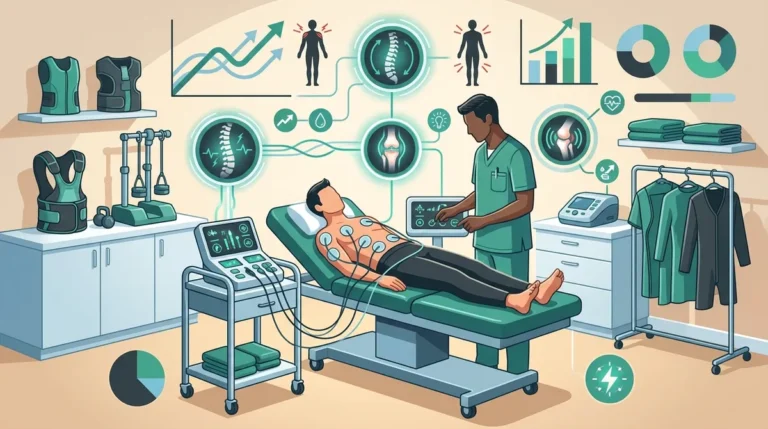
TENS units complement chiropractic adjustments by addressing pain's neurological dimension while manual manipulation targets structural alignment; pre-adjustment TENS relaxes muscles for more effective adjustments, while post-adjustment sessions reduce inflammation and accelerate tissue recovery.
-
Modern clinical-grade TENS devices combine TENS and EMS functionality in multi-channel units, allowing simultaneous treatment of multiple pain sites and reducing session time while offering adjustable intensity, frequency, and specialized protocols for personalized patient care.
-
TENS equipment is often covered by commercial PPO/POS insurance, workers' compensation, and auto accident claims; practices partnering with experienced billing suppliers can reduce patient out-of-pocket costs while generating additional revenue streams.
-
Portable TENS units enable at-home patient compliance between chiropractic visits, directly correlating with better long-term outcomes and higher patient satisfaction scores while supporting the FDA-backed shift toward non-opioid pain management strategies.
-
TENS devices are evidence-based and versatile, treating chronic back pain, cervical tension, muscle spasms, fibromyalgia, tendinitis, and post-injury recovery; this versatility maximizes clinical utility and ROI across diverse patient demographics within a single practice.
-
Practice integration requires assessing patient caseload, training staff on electrode placement and safety, establishing home-use programs, verifying insurance coverage, and systematically documenting pain and functional improvements to build an internal evidence base for continued investment.
Chiropractic care in Westminster continues to evolve, and electrotherapy has become a cornerstone of modern pain management protocols. Among the most widely adopted technologies in chiropractic practices today, TENS units for chiropractors in Westminster represent a powerful, non-invasive tool that complements spinal adjustments and soft tissue therapies. Whether a practice is treating patients recovering from auto accidents, managing chronic back pain, or helping athletes bounce back faster, TENS therapy delivers measurable results that both providers and patients can appreciate.
As healthcare providers face increasing pressure to reduce reliance on opioid-based pain management, electrotherapy solutions like TENS have moved from supplemental to essential. The FDA has issued guidance expanding non-opioid options for chronic pain, making TENS devices a clinically and regulatory-supported choice. This article outlines 11 compelling reasons why Westminster chiropractors should prioritize TENS units in their treatment offerings—and how to select the right equipment for their practice.

What Is TENS Therapy and How Does It Work?
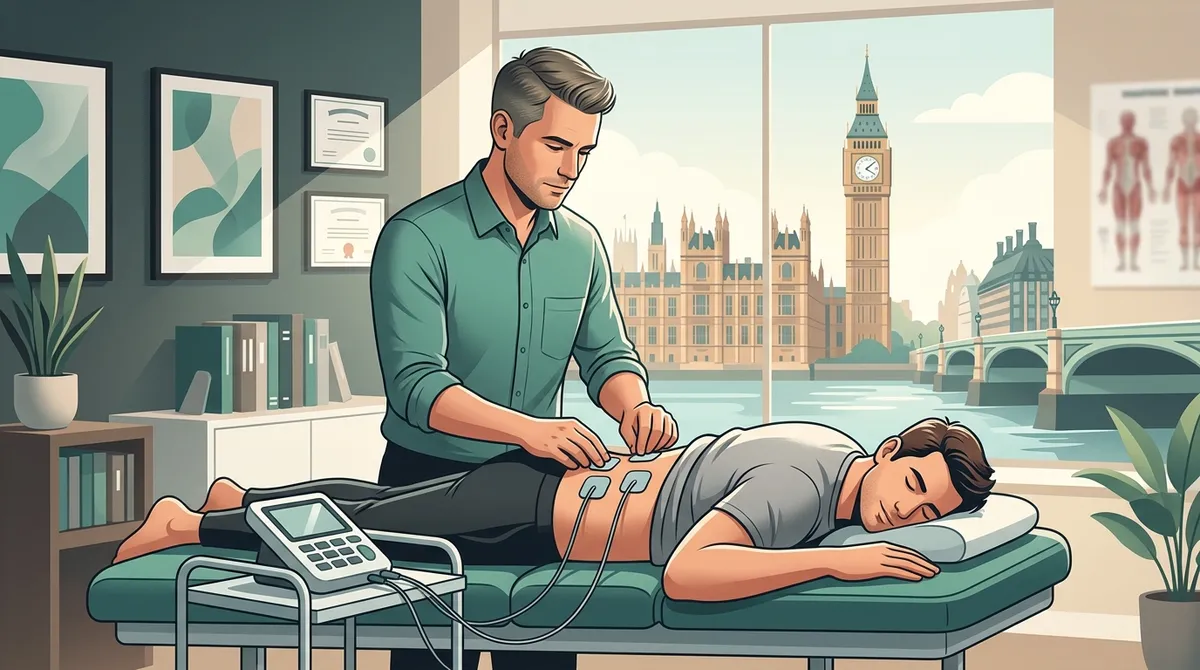
Transcutaneous electrical nerve stimulation (TENS) involves placing electrodes on the skin near pain sites to emit low-voltage electrical currents. These currents stimulate the surrounding nerves and may interrupt pain signals before they reach the brain. According to the Cleveland Clinic, TENS is a well-established, non-pharmacological approach to pain relief used across a wide range of musculoskeletal conditions.
For chiropractic practices, TENS units serve as a natural complement to manual adjustments. While spinal manipulation addresses structural alignment, TENS therapy manages the neurological dimension of pain—offering patients a dual approach that often yields superior outcomes compared to either modality alone.
11 Reasons TENS Units Are Essential for Westminster Chiropractors
1. Non-Invasive Pain Relief That Patients Trust
TENS therapy requires no needles, no medication, and no recovery time. Patients in Westminster chiropractic clinics can receive treatment and return to daily activities immediately. This non-invasive profile makes TENS particularly appealing to patients who are cautious about pharmaceutical interventions or surgical options.
2. Effective for a Wide Range of Conditions
TENS units are not limited to a single condition or body part. Westminster chiropractors use them to treat:
- Chronic and acute back pain
- Neck pain and cervical tension
- Muscle spasms and tightness
- Tendinitis and bursitis
- Fibromyalgia and widespread musculoskeletal pain
- Post-workout recovery and sports injuries
This versatility allows a single device to serve multiple patient demographics within the same practice, maximizing clinical utility and return on investment.
3. Seamless Integration with Chiropractic Adjustments
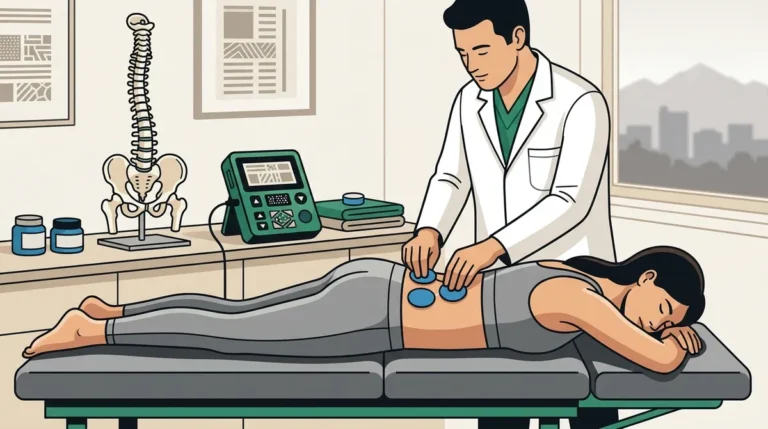
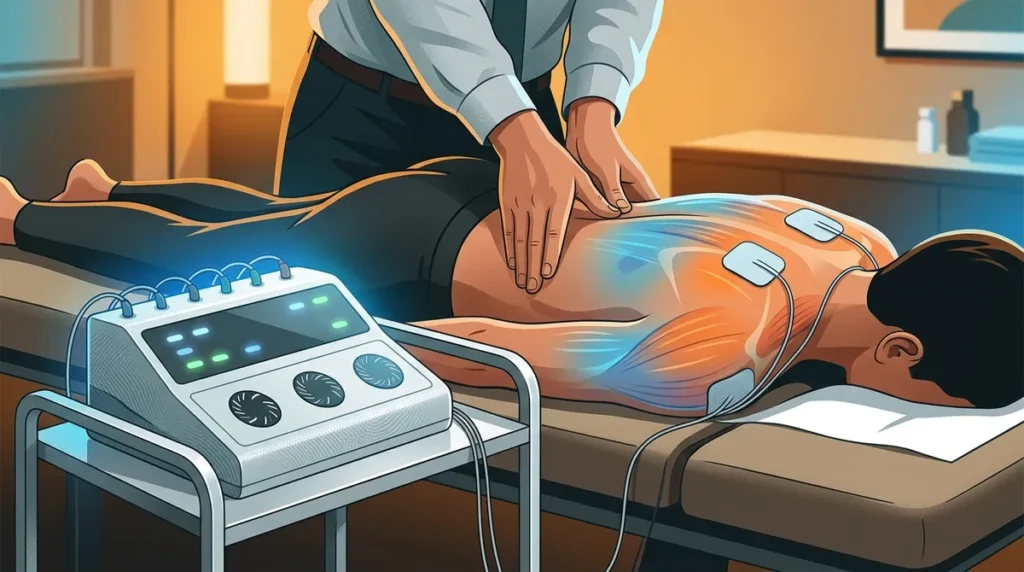
TENS therapy works best when integrated into a broader treatment plan. Applying TENS before a chiropractic adjustment can relax surrounding musculature, making manipulation more effective and comfortable for the patient. Post-adjustment TENS sessions can also reduce inflammation and promote faster tissue recovery.
4. Multi-Channel Units Treat Multiple Areas Simultaneously
Modern TENS units designed for clinical use often feature multiple channels, allowing chiropractors to address several pain sites in a single session. For a patient with both cervical tension and lumbar strain, this capability significantly reduces total treatment time without sacrificing therapeutic depth.
5. Adjustable Settings for Personalized Care
High-quality TENS devices offer adjustable intensity, pulse frequency, and specialized modes such as Shiatsu simulation and acupuncture-inspired protocols. This level of customization enables Westminster chiropractors to tailor every session to the individual patient’s tolerance, condition severity, and treatment goals.
6. Dual Functionality: TENS and EMS Combined
Many clinical-grade devices now combine TENS with Electrical Muscle Stimulation (EMS). While TENS targets nerve pain signals, EMS induces controlled muscle contractions to reduce swelling, improve circulation, and accelerate tissue recovery. This dual functionality is especially valuable when treating back and neck musculature in Westminster chiropractic settings, where muscle guarding and spasm are common presentations.
| Feature | TENS | EMS |
|---|---|---|
| Primary Target | Sensory nerves (pain signals) | Motor nerves (muscle fibers) |
| Primary Goal | Pain relief and signal interruption | Muscle contraction and recovery |
| Common Uses | Back pain, neck pain, fibromyalgia | Swelling reduction, muscle rehab |
| Session Duration | 15–45 minutes | A few minutes per targeted muscle group |
| Best Used | During and between chiropractic sessions | Post-adjustment for muscle support |
7. Supports At-Home Patient Compliance
One of the greatest advantages of portable TENS units is that patients can continue therapy between chiropractic visits. Westminster chiropractors who prescribe professional-grade TENS devices for home use empower patients to maintain treatment consistency, which directly correlates with better long-term outcomes and higher patient satisfaction scores.
8. Insurance Reimbursement Opportunities
TENS units are often covered under commercial PPO/POS insurance plans, workers’ compensation policies, and auto accident claims. For Westminster chiropractic clinics treating patients involved in motor vehicle accidents or workplace injuries, offering TENS therapy and related equipment through insurance channels reduces out-of-pocket expenses for patients while generating an additional revenue stream for the practice.
9. Evidence-Based Support for Patient Education
Westminster chiropractors can leverage robust clinical evidence when educating patients about TENS therapy. Research published through the National Library of Medicine via PubMed supports TENS as a viable modality for musculoskeletal pain management. Having access to credible science strengthens patient trust and helps clinicians justify treatment recommendations with confidence.
10. Compatibility with Conductive Garments and Accessories
TENS technology has expanded beyond traditional electrode pads. Conductive garments and TheraKnit garments now allow for targeted electrotherapy delivery through wearable textiles. This innovation is particularly relevant for Westminster chiropractors treating patients with spinal conditions, as garments can conform to complex anatomical areas that standard electrode pads may not cover effectively.
11. Scalable Solutions for Practices of All Sizes
Whether a Westminster chiropractic office operates as a solo practitioner or a multi-provider clinic, TENS solutions can be scaled to match practice volume and budget. Entry-level clinical units serve smaller offices efficiently, while advanced multi-channel systems with diverse accessories meet the demands of high-volume clinics treating complex injury cases.

Conditions Most Commonly Treated with TENS in Westminster Chiropractic Clinics
| Condition | TENS Application | Typical Treatment Goal |
|---|---|---|
| Lumbar Back Pain | Electrode placement along lumbar spine | Reduce pain intensity and muscle guarding |
| Cervical Neck Pain | Cervical and upper trapezius regions | Decrease tension and improve range of motion |
| Fibromyalgia | Distributed electrode placement | Manage widespread chronic pain |
| Tendinitis | Localized to affected tendon area | Reduce inflammation and localized pain |
| Post-Auto Accident Injuries | Whiplash zones, lower back | Accelerate soft tissue recovery |
| Muscle Spasms | Targeted muscle belly placement | Interrupt spasm cycle and promote relaxation |
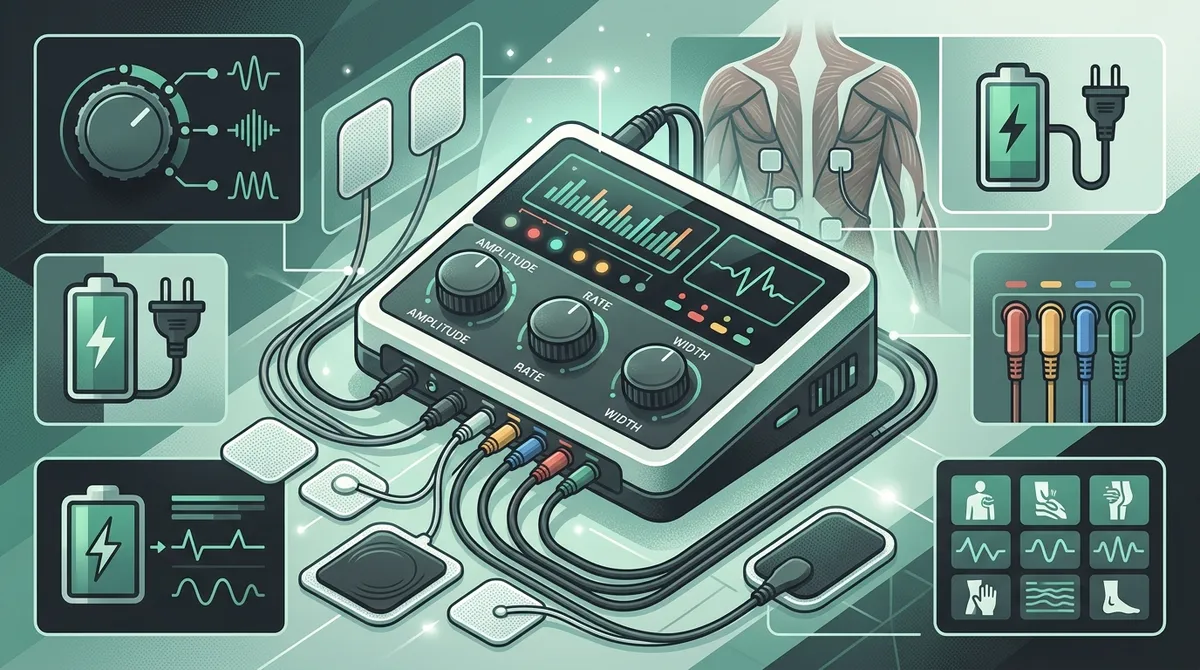
Key Features to Look for in Clinical TENS Units
Not all TENS devices are created equal. Westminster chiropractors sourcing equipment for their practices should evaluate units based on the following criteria:
- Number of channels: Multi-channel units allow simultaneous treatment of multiple pain sites, improving session efficiency.
- Intensity and frequency range: A broad range of adjustable settings ensures the device can accommodate diverse patient needs and conditions.
- Preset protocols: Built-in treatment programs for common conditions reduce setup time and standardize care delivery.
- Electrode pad adhesion quality: High-adhesion pads maintain consistent contact, particularly during longer sessions or when treating mobile anatomical regions.
- Durability and warranty: Clinical devices face heavier use than consumer-grade units; commercial-grade construction and warranty coverage are essential investments.
- Compatibility with accessories: Units that support conductive garments, back braces, and specialized electrodes provide greater clinical flexibility.
TENS Unit Selection Guide for Westminster Chiropractic Practices
| Practice Type | Recommended Unit Type | Key Priority |
|---|---|---|
| Solo Chiropractic Office | Dual-channel TENS/EMS combo unit | Affordability and ease of use |
| Multi-Provider Clinic | Multi-channel clinical-grade device | Throughput and durability |
| Auto Accident Injury Clinic | Insurance-compatible TENS system with home-use option | Insurance billing and patient compliance |
| Physical Therapy Integration | Advanced TENS with EMS and accessory compatibility | Clinical versatility and outcome tracking |
How Liberty Medical Solutions Supports Westminster Chiropractors
Sourcing the right electrotherapy equipment requires a partner who understands both the clinical and administrative demands of chiropractic practice. Liberty Medical Solutions provides Westminster chiropractors with customized TENS devices, conductive garments, cervical traction units, and complementary back braces—all tailored to the specific needs of each practice and patient population. The company works directly with commercial PPO/POS insurance plans, workers’ compensation carriers, and auto accident claims to simplify the billing process for providers and reduce barriers to access for patients.
The full product catalog from Liberty Medical Solutions includes options suited for both in-clinic use and patient home therapy programs, making it straightforward for Westminster practices to establish a cohesive electrotherapy protocol from the clinic floor to the patient’s living room.
Addressing the Broader Pain Management Challenge
The scale of chronic pain in the United States makes the case for electrotherapy solutions more compelling than ever. The National Institutes of Health has documented high rates of persistent chronic pain among U.S. adults, underscoring the need for effective, non-pharmacological treatment options. Westminster chiropractors who incorporate TENS therapy into their practices are directly addressing this public health challenge while differentiating their services in a competitive healthcare market.
Additionally, guidance from the CDC on non-opioid therapies for pain management continues to encourage healthcare providers to expand their non-pharmaceutical treatment repertoire. TENS therapy sits squarely within this framework, providing clinicians with a credible, evidence-supported modality they can recommend with confidence.
Practical Tips for Integrating TENS into Your Chiropractic Workflow
Successfully incorporating TENS units into a Westminster chiropractic practice requires thoughtful planning. The following steps can help streamline adoption:
- Assess patient caseload: Identify the most common conditions presenting in the practice to select TENS devices with the most relevant preset protocols and accessories.
- Train clinical staff: Ensure all providers and support staff understand electrode placement protocols, device settings, and safety contraindications before implementing TENS therapy.
- Establish a home-use program: Partner with a trusted supplier to offer patients portable TENS units for between-visit use, improving adherence and outcomes.
- Verify insurance coverage: Work with an electrotherapy solutions provider experienced in insurance billing to confirm which plans cover TENS equipment and accessories for your patient population.
- Document outcomes systematically: Track pain scores and functional improvements across patients receiving TENS therapy to build an internal evidence base that supports continued investment in the modality.
Conclusion
TENS units for chiropractors in Westminster are no longer optional additions to a modern practice—they are clinical essentials that enhance patient outcomes, broaden treatment capabilities, and support practice growth. From managing chronic back pain and cervical tension to accelerating recovery after auto accidents, TENS therapy delivers tangible value across the full spectrum of chiropractic care. When paired with complementary technologies such as EMS devices, conductive garments, and supportive back braces, electrotherapy becomes a comprehensive, integrated system that positions Westminster chiropractic clinics at the forefront of non-pharmacological pain management.
If your Westminster chiropractic practice is ready to expand its electrotherapy capabilities, our team is here to help you identify the right solutions for your clinical needs and patient population. Reach out to our electrotherapy specialists today to learn how Liberty Medical Solutions can support your practice with customized TENS devices, insurance billing assistance, and a full range of electrotherapy accessories.
FAQs
Q: How do TENS units complement chiropractic adjustments in Westminster clinics?
A: TENS units work alongside chiropractic adjustments by addressing the neurological dimension of pain while manual manipulation targets structural alignment. Applying TENS therapy before an adjustment can relax surrounding musculature, making the adjustment more effective, while post-adjustment TENS sessions help reduce inflammation and support faster tissue recovery.
Q: What is the difference between TENS and EMS in chiropractic electrotherapy?
A: TENS (Transcutaneous Electrical Nerve Stimulation) targets sensory nerves to block or reduce pain signals, while EMS (Electrical Muscle Stimulation) targets motor nerves to induce controlled muscle contractions that reduce swelling and promote muscle rehabilitation. Many clinical-grade devices combine both modalities, offering Westminster chiropractors greater treatment versatility within a single unit.
Q: Are TENS units covered by insurance for chiropractic patients in Westminster?
A: TENS units and related electrotherapy equipment are often covered under commercial PPO/POS insurance plans, workers’ compensation policies, and auto accident claims. Westminster chiropractic practices that work with an electrotherapy supplier experienced in insurance billing can help patients access these devices with minimal out-of-pocket expense.
Q: What conditions do Westminster chiropractors commonly treat with TENS therapy?
A: Westminster chiropractors use TENS therapy to treat a broad range of musculoskeletal conditions, including chronic and acute back pain, cervical neck pain, muscle spasms, tendinitis, bursitis, fibromyalgia, and soft tissue injuries resulting from auto accidents. The versatility of TENS devices allows a single unit to serve diverse patient populations within the same chiropractic practice.
Q: Can chiropractic patients use TENS units at home between clinic visits?
A: Yes, portable TENS units are designed for both clinical and home use, enabling patients to continue therapy between chiropractic appointments. Westminster chiropractors who incorporate a home-use TENS program into their treatment plans often see improved patient compliance and better long-term pain management outcomes, particularly for chronic conditions.