Key Takeaways
-
Professional-grade TENS units deliver up to 100mA intensity with programmable parameters (frequency, pulse width, duration), making them superior to consumer devices for treating chronic pain, sciatica, whiplash, and post-injury muscle dysfunction in chiropractic settings.
-
Integrate TENS into a four-step protocol: patient assessment with contraindication screening, electrode placement planning, 20–40 minute in-clinic sessions before/after adjustment, and home-use prescription for sustained therapeutic gains between visits.
-
TENS works via two mechanisms—high frequencies block pain signals through gate control theory, while low frequencies stimulate endorphin release—making it uniquely versatile for overlapping musculoskeletal and neurological pain patterns common in chiropractic patients.
-
Professional TENS units like TENS 7000 and InTENSity Select Combo offer multi-modality capabilities (TENS, EMS, Interferential, Microcurrent) enabling treatment of diverse diagnoses within single devices and expanding clinical versatility.
-
Many commercial PPO/POS plans, workers' compensation, and auto accident claims cover TENS units when medically prescribed; partnering with specialized suppliers like Liberty Medical Solutions streamlines insurance navigation and removes administrative burden.
-
Complement TENS therapy with conductive garments, premium self-adhesive electrodes, and cervical traction units to enhance current distribution, patient adherence, and clinical outcomes while maintaining strict screening for absolute contraindications like pacemakers and pregnancy.
Chiropractic care has evolved well beyond manual spinal adjustments. Today, leading practices in Lakewood integrate electrotherapy modalities — particularly Transcutaneous Electrical Nerve Stimulation (TENS) — to deliver more comprehensive, outcome-driven care. For clinics treating patients with chronic back pain, whiplash, sciatica, or post-injury muscle dysfunction, TENS units for chiropractors in Lakewood represent one of the most effective and non-invasive tools available. These devices deliver targeted electrical impulses through skin-placed electrodes, disrupting pain signal transmission and stimulating the body’s natural endorphin release. The result is measurable, drug-free pain relief that complements spinal manipulation and physical rehabilitation. As demand for non-opioid pain management continues to grow — a priority endorsed by both the FDA and leading health agencies — chiropractors who invest in professional-grade electrotherapy equipment position their practices at the forefront of patient-centered care.
What Is TENS Therapy and How Does It Work?
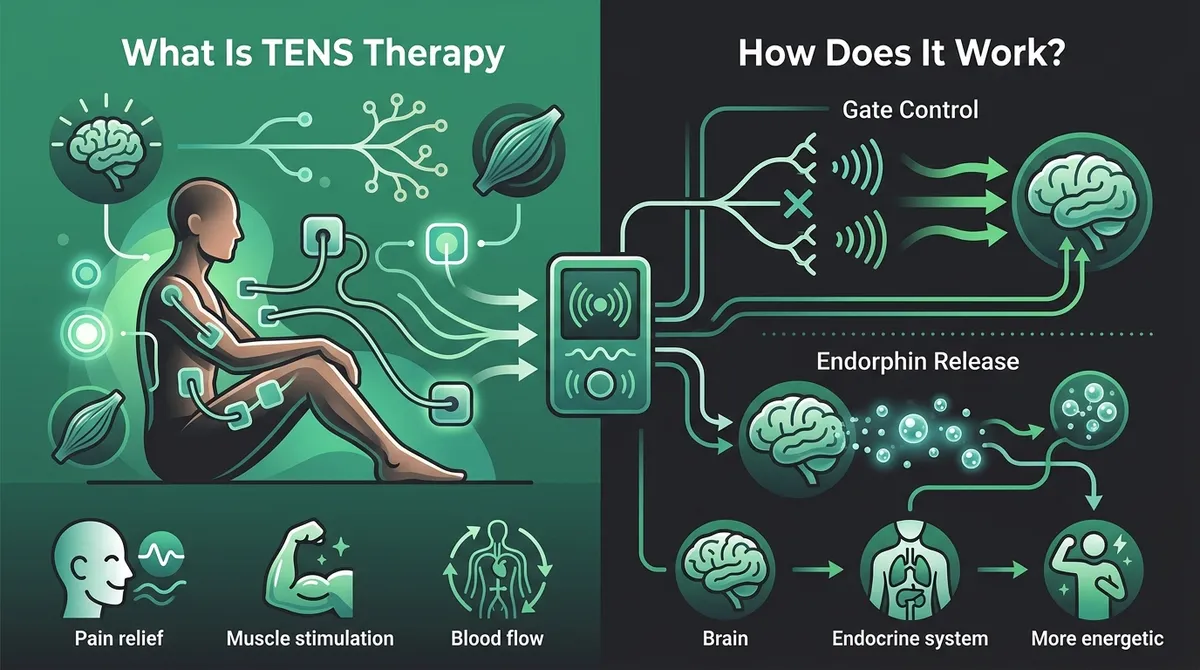
TENS stands for Transcutaneous Electrical Nerve Stimulation. It is an FDA-cleared electrotherapy modality that delivers low-voltage electrical pulses through electrode pads placed on the skin’s surface. These pulses travel along sensory nerve pathways, effectively blocking pain signals before they reach the brain — a mechanism often referred to as the “gate control theory” of pain. According to the Cleveland Clinic, TENS therapy is widely used to manage both acute and chronic pain conditions in clinical settings.
At higher frequencies, TENS activates large-diameter nerve fibers that inhibit pain transmission. At lower frequencies, it stimulates the production of endorphins — the body’s natural analgesic compounds. This dual mechanism makes TENS uniquely versatile for chiropractic applications, where patients often present with overlapping musculoskeletal and neurological pain patterns.
Professional TENS units used in chiropractic settings differ substantially from consumer-grade devices. Clinical units typically deliver intensities up to 100mA, compared to the 80mA ceiling found in most over-the-counter devices. They also feature programmable parameters including frequency, pulse width, and treatment duration — all critical for tailoring therapy to individual patient presentations.
Conditions Chiropractors in Lakewood Treat with TENS
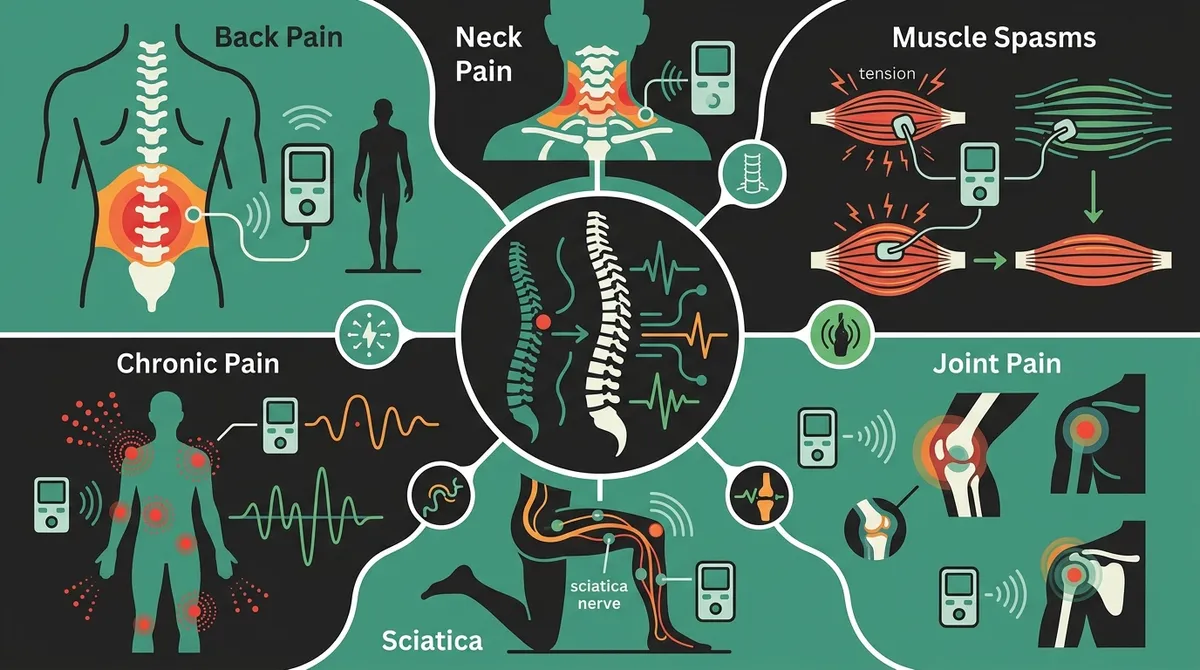
The clinical utility of TENS therapy spans a wide range of musculoskeletal and neurological conditions commonly seen in chiropractic practices. Lakewood clinics treating diverse patient populations benefit from having a device capable of addressing multiple diagnoses within a single treatment session.
- Chronic low back pain: One of the most prevalent complaints in chiropractic practice, low back pain responds well to TENS when combined with spinal manipulation and rehabilitative exercise.
- Sciatica: Radicular pain along the sciatic nerve pathway can be temporarily relieved through targeted electrode placement along the lumbar spine and posterior leg.
- Neck pain and cervical strain: Particularly relevant for auto accident injury patients, cervical TENS application reduces muscle spasm and pain associated with whiplash injuries.
- Arthritis and joint pain: Both osteoarthritis and rheumatoid arthritis patients report reduced pain and improved mobility following consistent TENS treatment.
- Fibromyalgia: The National Institutes of Health recognizes chronic pain as a significant public health issue, and fibromyalgia patients benefit considerably from TENS as part of a multimodal pain management protocol.
- Carpal tunnel syndrome: Wrist and forearm electrode placement can reduce neuropathic pain and improve hand function in affected patients.
- Muscle strains and sports injuries: TENS accelerates recovery by reducing acute inflammation and restoring neuromuscular activation patterns disrupted by injury.
Key Features to Evaluate in Professional TENS Units
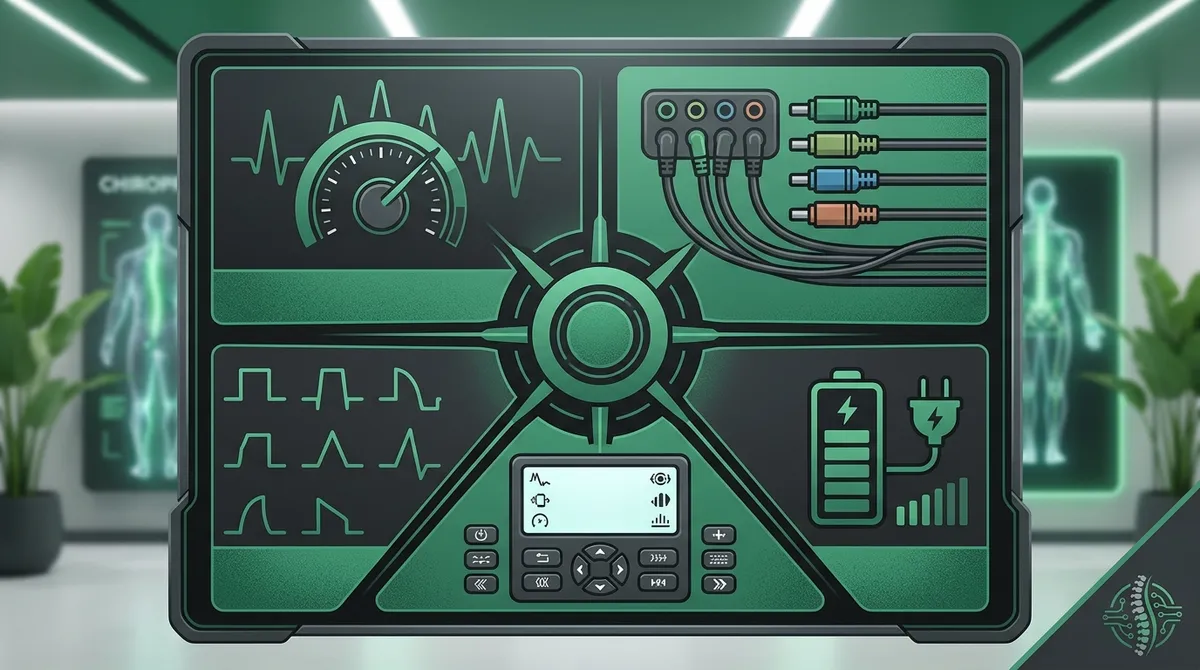
Not all TENS devices are created equal. For chiropractic practices in Lakewood seeking to maximize clinical outcomes and patient satisfaction, the following features should guide purchasing decisions.
| Feature | Why It Matters for Chiropractors | Clinical Standard |
|---|---|---|
| Output Intensity | Higher intensity reaches deeper tissue layers for more effective treatment | Up to 100mA |
| Frequency Range | Broad frequency options allow treatment of both acute and chronic pain | 1–150 Hz |
| Pulse Width | Adjustable pulse width improves patient comfort and clinical precision | 50–300 μs |
| Number of Channels | Dual channels allow simultaneous treatment of two body regions | 2 channels minimum |
| Therapy Modes | Multiple modes (TENS, EMS, IF, Microcurrent) expand treatment versatility | 4+ modes preferred |
| Programmable Timers | Automated session timing ensures consistent treatment delivery | 10–60 minute range |
| Portability | Compact units enable home-use prescription for between-session relief | Lightweight, battery-operated |
Top Professional TENS Models for Chiropractic Practices
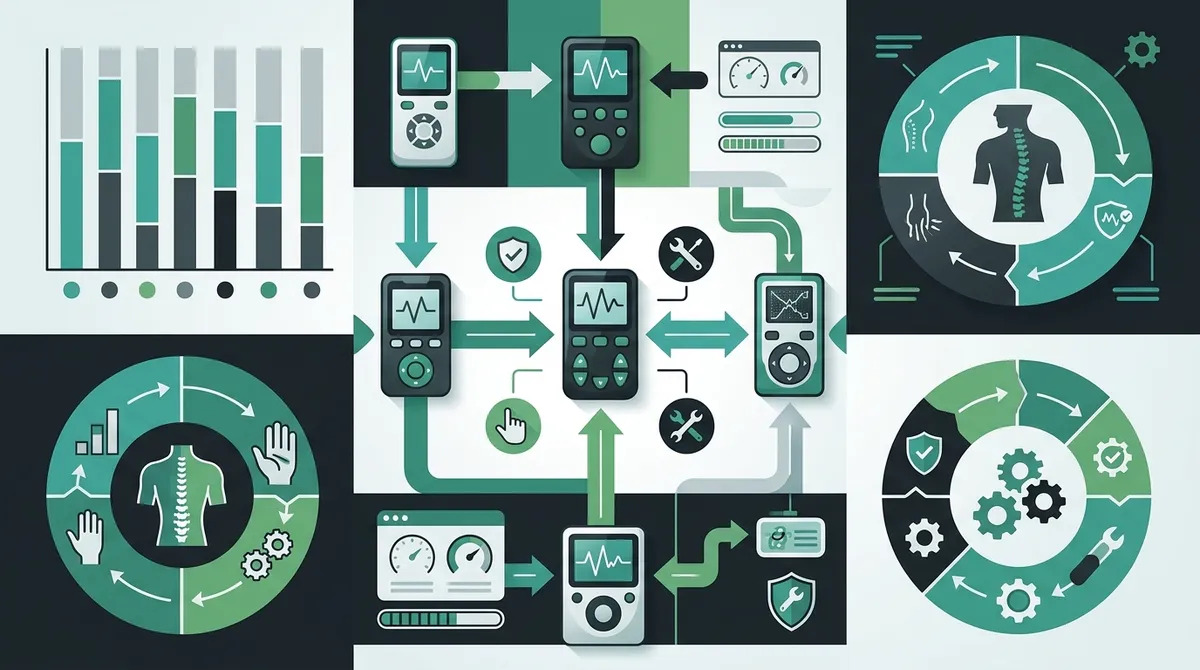
Selecting the right device for your clinic requires understanding the clinical strengths of available professional-grade models. The following table compares units that have earned significant trust in the chiropractic and electrotherapy space.
| Model | Therapy Modes | Max Intensity | Best For |
|---|---|---|---|
| TENS 7000 | TENS (5 modes) | 100mA | General chiropractic pain management; trusted since 2008 with over 2 million units sold worldwide |
| InTENSity Select Combo | TENS, EMS, Interferential, Microcurrent | 100mA | Multi-modality clinics needing one device for diverse patient presentations |
| Ultima 5 | 5 TENS modes | Adjustable pulse width | Cost-effective option for clinics starting or expanding electrotherapy programs |
| Pain Remedy Plus (Wireless) | TENS (wireless) | Variable | In-clinic and home-use programs requiring wireless electrode convenience |
Integrating TENS into Your Chiropractic Treatment Protocol
The most effective chiropractic practices do not use TENS as a standalone treatment. Instead, they integrate it as part of a sequenced care protocol designed to maximize each patient visit. Clinics in Lakewood that incorporate TENS alongside spinal manipulation, soft tissue therapy, and corrective exercise report improved patient satisfaction and faster return-to-function outcomes.
Below is a recommended four-step integration protocol for chiropractors introducing or expanding TENS therapy in their practice:
- Patient Assessment: Conduct a thorough intake evaluation to identify pain location, duration, severity, and contraindications. Screen for pacemakers, epilepsy, pregnancy, or open skin lesions, which preclude TENS use.
- Electrode Placement Planning: Based on the diagnosis, select appropriate electrode placement sites. Use pre-programmed body-area presets available on professional units to streamline setup and ensure consistent delivery.
- In-Clinic TENS Session: Administer a 20–40 minute TENS session prior to or following chiropractic adjustment, depending on the treatment goal. Pre-adjustment TENS reduces muscle guarding; post-adjustment application can extend pain relief.
- Home-Use Program: Prescribe a portable TENS unit for patients with chronic conditions or those recovering from auto accident injuries. Home use between clinic visits sustains therapeutic gains and improves compliance. Explore professional TENS devices designed for both clinical and home settings.
TENS vs. EMS: Understanding the Difference for Chiropractic Applications
A common question among chiropractors new to electrotherapy involves the distinction between TENS and EMS (Electrical Muscle Stimulation). While both modalities use electrical current, they serve fundamentally different physiological purposes and are not interchangeable in clinical practice.
| Parameter | TENS | EMS |
|---|---|---|
| Primary Goal | Pain relief and nerve stimulation | Muscle contraction and strengthening |
| Target Tissue | Sensory nerve fibers | Motor nerve fibers and muscle tissue |
| Frequency | High frequency for acute pain; low for chronic | Lower frequencies to produce rhythmic contractions |
| Ideal Patient | Chronic pain, post-injury pain, neuropathy | Post-surgical rehab, muscle atrophy, sports recovery |
| Chiropractic Use | Pain management before/after adjustment | Muscle re-education and core stabilization |
Many advanced clinical units, such as the InTENSity Select Combo, combine TENS and EMS capabilities within a single device. This approach is particularly valuable for chiropractic practices treating auto accident injury patients who may require both pain control and muscle rehabilitation during the same course of care. Pairing TENS devices with supportive equipment such as back braces and conductive garments further enhances treatment delivery and patient comfort.
Insurance Coverage for TENS Units in Lakewood Chiropractic Clinics
One of the most significant barriers to expanding electrotherapy services is navigating insurance coverage for TENS equipment. Chiropractors in Lakewood working with diverse patient populations — including workers’ compensation and auto accident claimants — should understand the coverage landscape to guide their patients effectively.
Key insurance and coverage considerations include:
- Commercial PPO/POS plans: Many group and individual commercial plans with out-of-network benefits cover TENS units when medically prescribed for documented chronic pain conditions.
- Workers’ Compensation: Patients injured on the job often qualify for TENS units as part of their treatment plan. Proper diagnosis codes and clinical documentation are essential for approval.
- Auto Accident Claims: Patients involved in motor vehicle accidents may have TENS coverage through personal injury protection (PIP) or third-party liability claims, particularly for whiplash and soft tissue injuries.
- HSA/FSA Eligibility: TENS units purchased for documented medical use are generally HSA and FSA eligible, making them accessible to a wider patient population.
Liberty Medical Solutions works directly with commercial PPO/POS plans, workers’ compensation carriers, and auto accident claims to facilitate equipment access for both clinics and their patients. This streamlines the administrative process for busy chiropractic practices that want to offer TENS therapy without the burden of complex insurance negotiations.
Conductive Garments and Accessories That Enhance TENS Outcomes
Professional TENS therapy extends beyond the device itself. Electrode quality, placement precision, and complementary wearable technologies all influence clinical results. Chiropractors who invest in premium accessories consistently report better patient adherence and more predictable outcomes.
Recommended accessories and complementary products for chiropractic TENS programs include:
- Conductive garments: Conductive garments provide even distribution of electrical current across larger body surface areas, improving consistency of TENS delivery for back and lower extremity treatment.
- TheraKnit garments: TheraKnit garments combine compression therapy with electrotherapy conductivity, offering a dual-function wearable ideal for post-injury and chronic pain patients.
- Cervical traction units: For neck pain patients, combining TENS with cervical traction provides decompression and pain relief simultaneously, addressing both structural and neurological components of cervical dysfunction.
- Self-adhesive electrodes: High-quality, reusable electrode pads maintain consistent skin contact, reducing impedance and ensuring reliable current delivery across sessions.
Research published in PubMed supports the use of TENS as part of multimodal pain management strategies, reinforcing its value as a core modality within comprehensive chiropractic care programs.
Safety Considerations and Contraindications for Clinical Use
While TENS is a safe and well-tolerated modality for the majority of chiropractic patients, responsible clinical practice requires thorough screening and patient education. Practitioners should establish a standardized intake protocol that identifies absolute and relative contraindications before initiating TENS therapy.
Absolute contraindications for TENS use include:
- Implanted cardiac pacemakers or defibrillators
- Active epilepsy or seizure disorders
- Pregnancy (particularly over the abdomen or lower back)
- Placement near the eyes or genitals
- Use while operating vehicles or heavy machinery
- Application over open wounds, rashes, or compromised skin integrity
Patients with relative contraindications — including cancer, deep vein thrombosis, or impaired sensation — should receive TENS only under close clinical supervision with modified parameters. Clear patient education materials, informed consent documentation, and ongoing monitoring are all essential components of a responsible electrotherapy program.
Why Partner with a Specialized Electrotherapy Supplier
Chiropractic practices in Lakewood benefit enormously from working with a supplier who understands both the clinical and administrative dimensions of electrotherapy. A specialized provider offers more than just equipment — they deliver product expertise, insurance navigation support, and customized solutions tailored to each practice’s patient population.
Liberty Medical Solutions, based in Tampa, Florida, is a dedicated electrotherapy solutions provider serving chiropractors, physical therapy clinics, and auto accident injury providers nationwide. Their full product range — including professional-grade TENS devices, back braces, cervical traction units, and conductive garments — is designed to support comprehensive, patient-centered care programs. The company’s expertise in insurance billing across commercial, workers’ compensation, and auto accident channels removes a significant administrative burden from clinical staff.
Conclusion: Elevating Chiropractic Care with TENS Therapy in Lakewood
TENS units for chiropractors in Lakewood represent far more than a supplemental treatment option — they are a clinically validated, patient-preferred modality that enhances the effectiveness of every chiropractic care plan. From chronic low back pain and sciatica to whiplash recovery and fibromyalgia management, professional-grade TENS therapy delivers measurable results without pharmaceutical intervention. As the healthcare landscape continues to shift toward non-opioid pain management, practices that offer comprehensive electrotherapy programs will distinguish themselves as leaders in patient-centered, evidence-based care.
Whether you are building a new electrotherapy program or expanding an existing one, selecting the right devices, accessories, and supplier partner makes all the difference. To explore customized electrotherapy solutions for your chiropractic practice, reach out to our team at Liberty Medical Solutions and discover how we can help you deliver superior patient outcomes with industry-leading equipment and insurance support.
FAQs
Q: What is a TENS unit and how does it work for chiropractic patients?
A: A TENS unit delivers low-voltage electrical pulses through skin-placed electrodes to block pain signals and stimulate endorphin production. In chiropractic settings, it is used to reduce muscle guarding, manage chronic pain, and support recovery from musculoskeletal injuries without pharmaceutical intervention.
Q: Are TENS units safe for all chiropractic patients in Lakewood?
A: TENS therapy is safe for the majority of patients, but it is contraindicated for individuals with implanted pacemakers, epilepsy, or who are pregnant. Chiropractors should conduct a thorough intake screening to identify contraindications before initiating any electrotherapy protocol.
Q: What is the difference between TENS and EMS for chiropractic use?
A: TENS targets sensory nerve fibers to relieve pain, while EMS targets motor nerve fibers to stimulate muscle contractions for rehabilitation. Chiropractors often use TENS for pain management before or after adjustments and EMS for muscle re-education and core stabilization during rehabilitation programs.
Q: Can patients use TENS units at home after chiropractic sessions?
A: Yes, portable TENS units are frequently prescribed for home use to sustain the pain relief achieved during in-clinic chiropractic treatment. Home-use programs are particularly beneficial for chronic pain patients and those recovering from auto accident injuries who require consistent between-visit therapy.
Q: Does insurance cover TENS units prescribed by chiropractors in Lakewood?
A: Coverage depends on the patient’s plan, but many commercial PPO/POS plans, workers’ compensation policies, and auto accident insurance claims include TENS unit benefits when medically necessary and properly documented. Working with a specialized electrotherapy supplier like Liberty Medical Solutions can simplify the insurance process for chiropractic clinics.