Key Takeaways
-
Professional-grade TENS units deliver up to 100 milliamps of intensity with dual-channel capability, allowing simultaneous treatment of bilateral pain presentations and significantly outperforming consumer models in therapeutic efficacy.
-
Fort Collins chiropractors can bill TENS therapy to commercial PPO/POS plans, workers' compensation, auto insurance (PIP/MedPay), and third-party liability cases when properly documented as medically necessary.
-
Combination electrotherapy units integrating TENS, EMS, interferential, and microcurrent therapies in one device reduce equipment costs, simplify staff training, and allow seamless modality transitions within single patient visits.
-
Conductive garments provide superior coverage for diffuse pain presentations like bilateral sciatica and widespread neuropathy, improving patient compliance with prescribed home-use protocols between clinic visits.
-
TENS therapy effectively complements spinal adjustments for treating sciatica, herniated discs, cervical strain, post-surgical rehabilitation, and peripheral neuropathy by reducing muscle guarding and improving patient tolerance.
-
Implementing home-use TENS prescriptions creates an additional revenue stream through durable medical equipment (DME) provision while accelerating patient recovery and satisfaction between clinic visits.
Chiropractic care in Fort Collins has evolved well beyond manual spinal adjustments. In 2026, leading clinics in the area are integrating advanced electrotherapy solutions into their treatment protocols to deliver faster, more measurable results for patients dealing with chronic pain, musculoskeletal injuries, and neurological conditions. Among the most versatile and clinically proven tools available, TENS units stand out as a cornerstone technology for modern chiropractic practice. Whether you are managing a busy multi-provider clinic or a boutique practice focused on individualized care, understanding how to select, deploy, and maximize professional-grade TENS equipment is essential. This guide explores everything Fort Collins chiropractors need to know about electrotherapy devices, from technical specifications to insurance billing considerations, helping practices make informed purchasing decisions that elevate patient outcomes and clinical efficiency.
What Are TENS Units and How Do They Work in Chiropractic Care?
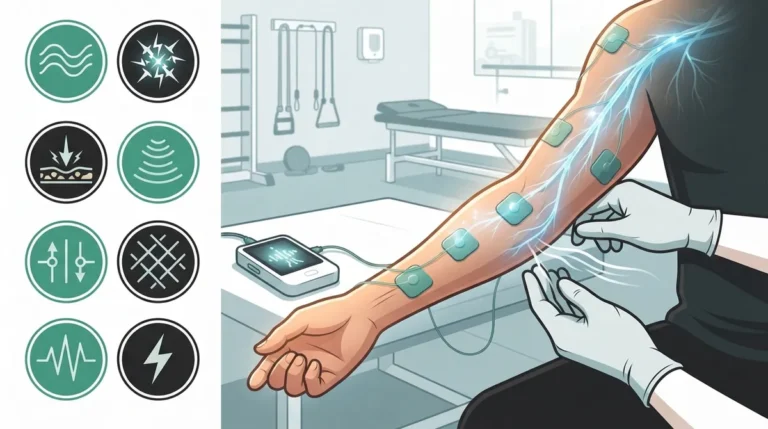
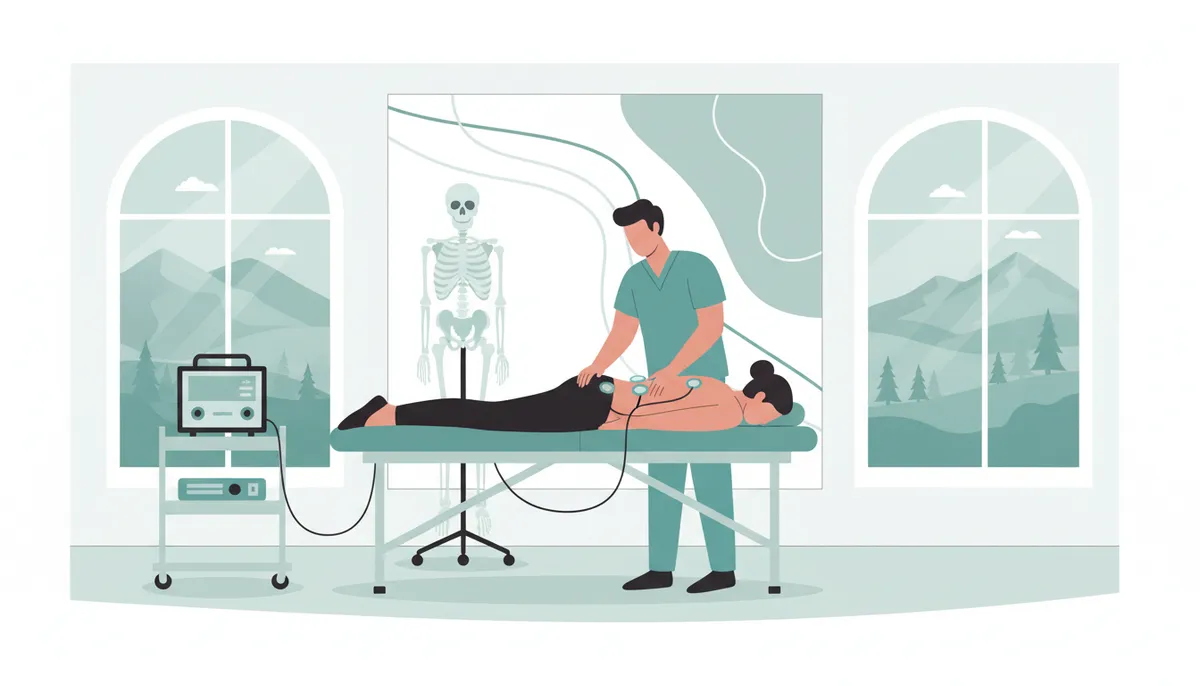
Transcutaneous Electrical Nerve Stimulation (TENS) delivers low-voltage electrical impulses through electrodes placed on the skin, targeting peripheral nerves to interrupt pain signals before they reach the brain. According to the Cleveland Clinic, TENS therapy is a well-established, non-invasive modality used across physical therapy and chiropractic disciplines for managing both acute and chronic pain conditions. The therapy operates on two primary mechanisms: high-frequency stimulation that activates gate control pathways to block pain transmission, and low-frequency stimulation that triggers endorphin release for longer-lasting relief.
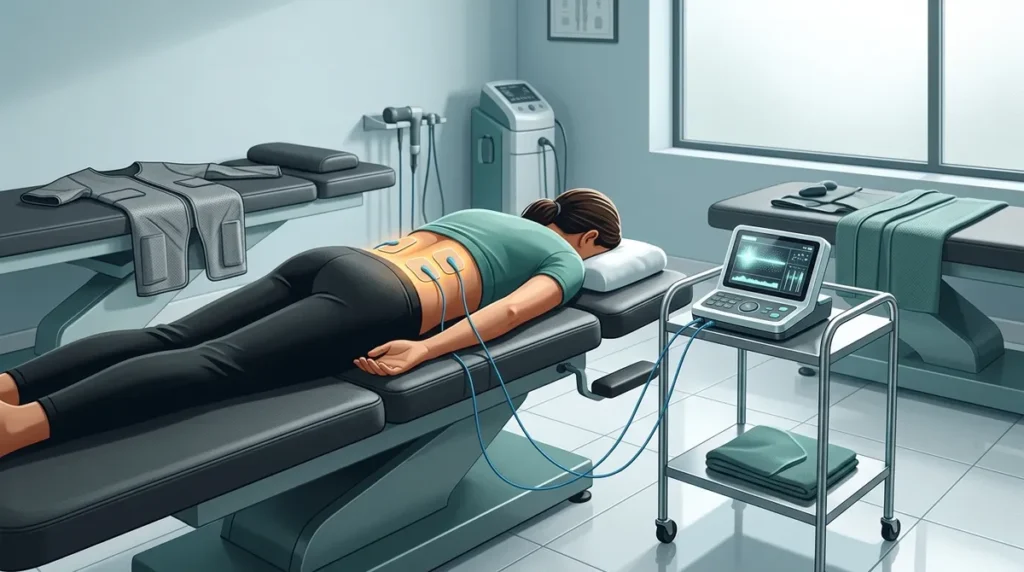
For Fort Collins chiropractors, TENS units complement spinal manipulation by reducing muscle guarding, decreasing inflammation, and improving patient tolerance during and after adjustments. The modality is particularly effective when incorporated into treatment plans for conditions such as sciatica, herniated discs, cervical strain, and post-surgical rehabilitation. Professional-grade units used in clinical settings deliver up to 100 milliamps of intensity, a significant advantage over the 80 milliamps typically found in consumer models, providing the therapeutic depth required for meaningful clinical outcomes.

Clinical Conditions Treated with TENS in Fort Collins Chiropractic Practices
The range of conditions that respond well to TENS therapy aligns closely with the patient populations served by Fort Collins chiropractic clinics. Local practices, including those focused on peripheral neuropathy and injury rehabilitation, routinely use electrical stimulation as part of integrated treatment protocols. The National Institutes of Health has documented high rates of persistent chronic pain among U.S. adults, underscoring the growing demand for non-pharmacological interventions like TENS therapy in community healthcare settings.
- Back and Spinal Pain: TENS effectively reduces both acute and chronic lumbar pain, making it a natural adjunct to chiropractic spinal adjustments for disc-related and muscular conditions.
- Sciatica and Radiculopathy: Targeted electrode placement along the sciatic nerve pathway provides significant pain modulation for patients with radiating lower extremity pain.
- Cervical Strain and Whiplash: Auto accident injury patients frequently present with cervical muscle spasm and nerve irritation, conditions highly responsive to TENS combined with supportive back braces and cervical traction.
- Peripheral Neuropathy: Chiropractors treating diabetic or idiopathic neuropathy patients use TENS to manage pain and improve sensory function in the extremities.
- Arthritis and Joint Pain: TENS provides localized pain relief for patients with osteoarthritis, reducing reliance on anti-inflammatory medications.
- Post-Injury Muscle Rehabilitation: When combined with electrical muscle stimulation (EMS), TENS aids in restoring neuromuscular function following sports or occupational injuries.
Key Technical Specifications: What Fort Collins Chiropractors Should Look For
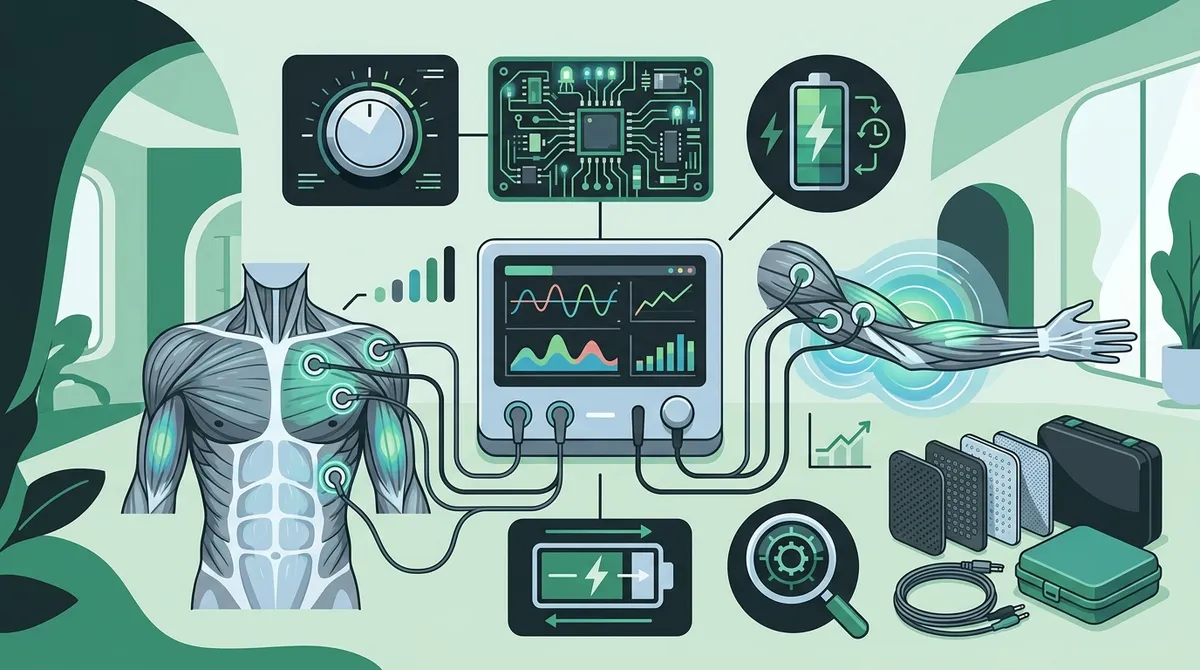
Selecting the right TENS unit for a chiropractic clinic requires evaluating technical parameters that directly influence therapeutic efficacy and clinical versatility. Professional chiropractors in Fort Collins should prioritize devices that accommodate the diverse patient presentations encountered in daily practice.
| Specification | Consumer-Grade Units | Professional Clinical Units |
|---|---|---|
| Maximum Intensity | Up to 80 mA | Up to 100 mA |
| Frequency Range | 2–80 Hz | 1–150 Hz |
| Pulse Width | Fixed or limited | 50–300 μs (adjustable) |
| Output Channels | Single channel | Dual channel (independent) |
| Treatment Modes | 2–4 modes | 8+ modes |
| Timer Options | Up to 30 minutes | Up to 60 minutes |
| Display | Basic LED | LCD with full parameter display |
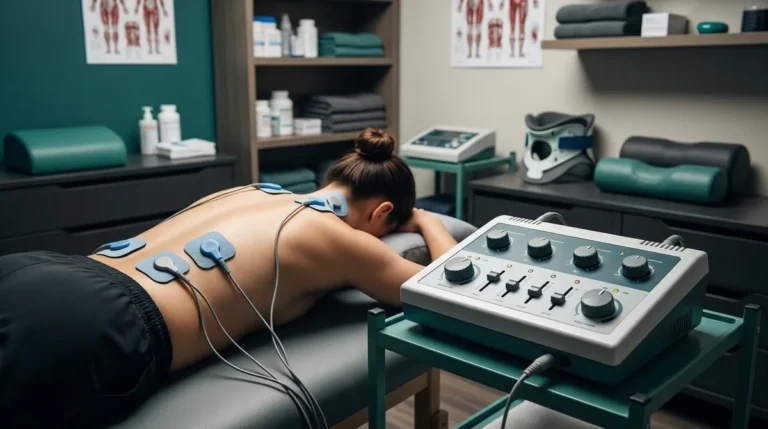
Dual-channel capability is particularly important for chiropractic practices because it allows simultaneous treatment of bilateral pain presentations — for instance, addressing both left and right paraspinal musculature during a single session. The TENS 7000, a leading professional digital unit that has sold over two million units worldwide since 2008, exemplifies these clinical-grade features with its eight programmable modes and high-intensity output, making it a trusted choice among chiropractors and physical therapists nationwide.
TENS vs. EMS vs. Interferential Therapy: Choosing the Right Modality
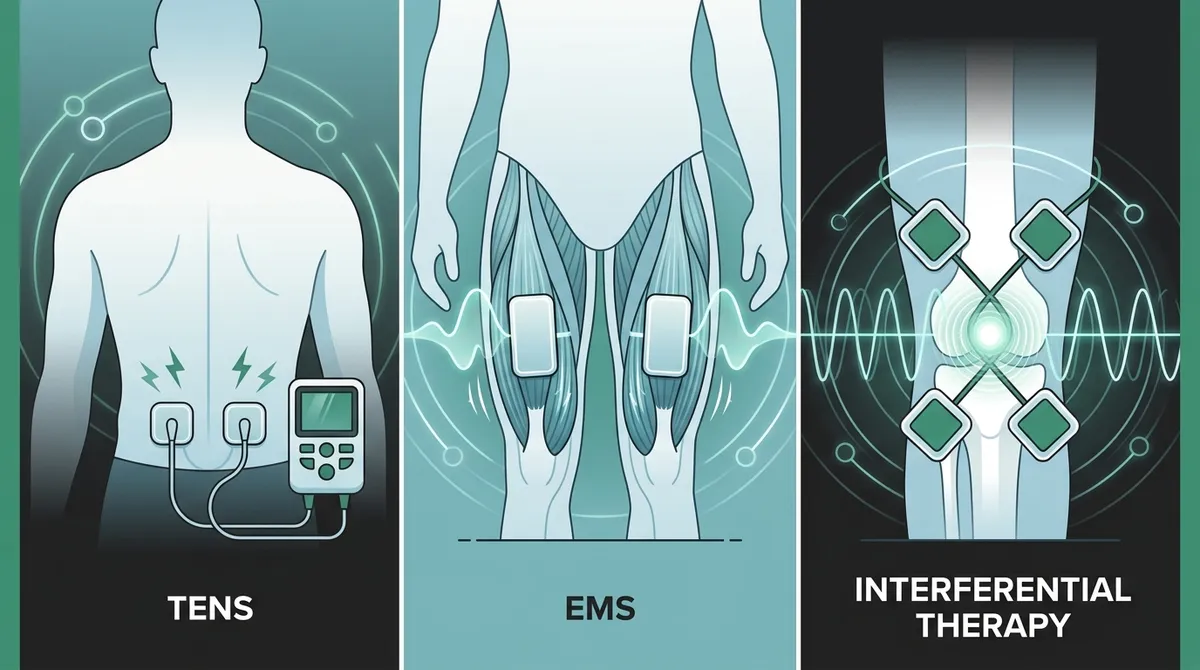
Fort Collins chiropractors frequently need to distinguish between related electrotherapy modalities to select the most appropriate treatment for each patient presentation. Understanding the differences between TENS, EMS, and interferential (IF) therapy enables clinicians to make precise therapeutic decisions and justify treatment selection in clinical documentation.
| Modality | Primary Mechanism | Frequency Range | Best Applications |
|---|---|---|---|
| TENS | Pain signal interruption via nerve stimulation | 1–160 Hz | Chronic pain, neuropathy, post-adjustment relief |
| EMS | Muscle contraction via motor nerve stimulation | 1–100 Hz | Muscle re-education, spasm reduction, atrophy prevention |
| Interferential (IF) | Deep tissue stimulation via crossed currents | ~4,000 Hz | Deep musculoskeletal pain, edema reduction, neurological conditions |
| Microcurrent (MC) | Cellular repair via sub-sensory current | 0.1–1,000 Hz | Tissue healing, inflammation, wound repair |
Interferential therapy, which operates at approximately 4,000 Hz, penetrates tissue more deeply than standard TENS at 160 Hz or lower, making it particularly effective for treating deep musculoskeletal structures common in chiropractic presentations. Combination units that integrate TENS, EMS, interferential, and microcurrent therapies in a single portable device offer Fort Collins chiropractors exceptional versatility, allowing them to adapt treatment protocols to individual patient needs without requiring multiple pieces of equipment.
Combination Electrotherapy Units for Multi-Modality Chiropractic Clinics
For chiropractic practices seeking to expand their therapeutic capabilities without significant capital investment, combination electrotherapy units represent an excellent solution. These devices consolidate TENS, EMS, interferential, and microcurrent therapies into one compact, portable platform. Many combination units feature frequencies up to 150 Hz and programmable timers extending to 60 minutes, accommodating both brief in-office applications and extended treatment sessions.
The practical advantages for Fort Collins chiropractors are considerable. A single combination unit reduces equipment clutter, simplifies staff training, and allows for seamless transitions between modalities within a single patient visit. For example, a clinician might begin with interferential stimulation to address deep tissue inflammation following a motor vehicle accident, then transition to standard TENS for surface-level pain management, and conclude with EMS to re-educate muscles affected by prolonged spasm. Explore the full range of electrotherapy products available through Liberty Medical Solutions to identify combination units that align with your clinic’s specific treatment protocols.
Conductive Garments and Electrode Accessories for Enhanced Treatment
The effectiveness of any TENS unit depends significantly on electrode placement and the quality of conductive accessories used during treatment. For chiropractors in Fort Collins treating patients with large surface area pain — such as diffuse lumbar pain, bilateral sciatica, or widespread neuropathy — standard electrode pads may not provide adequate coverage or consistent current distribution.
Conductive garments represent an advanced solution to this challenge, integrating conductive fibers directly into wearable garments that conform to the body’s contours. These specialized accessories, including TheraKnit garments, deliver current uniformly across larger anatomical areas while providing the comfort and ease of use that encourages patient compliance with home-use protocols prescribed by their chiropractor. For auto accident injury clinics in Fort Collins, conductive garments are particularly valuable for patients with widespread soft tissue injuries who require consistent electrotherapy between clinic visits.
Steps for Optimizing Electrode Placement in Chiropractic Practice
- Conduct a thorough patient assessment to identify primary and secondary pain sites, noting any contraindications such as pacemakers, implanted devices, or active malignancy.
- Select the appropriate electrode size and type based on the treatment area — smaller electrodes for localized pain, larger pads or conductive garments for diffuse presentations.
- Clean and dry the skin at electrode placement sites to ensure optimal conductivity and prevent skin irritation during extended treatment sessions.
- Position electrodes according to evidence-based protocols, placing them proximally and distally to the pain site or directly over motor points for EMS applications.
- Begin at the lowest intensity setting and gradually increase to the therapeutic threshold, ensuring patient comfort throughout the session.
- Document all treatment parameters including frequency, pulse width, intensity, duration, and electrode placement for accurate clinical records and insurance billing compliance.
Insurance Billing for TENS Therapy in Fort Collins Chiropractic Clinics
Understanding insurance coverage for electrotherapy services is critical for Fort Collins chiropractic practices looking to integrate TENS units into their revenue model. The FDA has issued guidance actively supporting the expansion of non-opioid pain management options, which has positively influenced insurance coverage decisions for electrotherapy modalities. Many commercial PPO/POS plans now cover TENS therapy when properly documented as medically necessary for specific diagnoses.
The following insurance categories commonly apply to chiropractic TENS billing in the Fort Collins region:
- Commercial/Group PPO and POS Plans: Most major commercial insurers cover in-office TENS application and, in some cases, durable medical equipment (DME) provision of home-use units when prescribed by a licensed chiropractor.
- Workers’ Compensation: Colorado workers’ compensation plans frequently authorize electrotherapy for occupational injuries involving back pain, repetitive strain, and nerve damage, making TENS a billable service in these cases.
- Auto Accident Claims: Personal injury protection (PIP) and medical payment (MedPay) coverage under auto insurance policies typically covers TENS therapy for whiplash and soft tissue injuries sustained in motor vehicle accidents.
- Third-Party Liability Cases: When a third party is liable for a patient’s injuries, electrotherapy services including TENS can be included in the treatment documentation supporting the claim.
Sourcing Professional TENS Units for Your Fort Collins Chiropractic Practice
Purchasing professional-grade TENS equipment requires working with a supplier who understands the clinical demands of chiropractic practice and can provide not just the devices, but the accessories, support, and insurance coordination expertise that practices need to succeed. When evaluating suppliers, Fort Collins chiropractors should assess product quality, warranty terms, accessory availability, and the supplier’s experience working within healthcare billing environments.
Liberty Medical Solutions, based in Tampa, Florida, specializes in providing customized electrotherapy solutions to chiropractic practices, physical therapy clinics, and auto injury centers across the country. With a product portfolio that includes professional TENS devices, back braces, cervical traction units, and conductive garments, Liberty Medical Solutions is positioned to serve as a comprehensive electrotherapy partner for Fort Collins chiropractic practices seeking to expand their clinical capabilities and improve patient outcomes.
What to Evaluate When Choosing an Electrotherapy Equipment Supplier
- Clinical-grade product specifications that meet the intensity, frequency, and mode requirements of professional chiropractic applications.
- Accessory and consumable availability, including replacement electrodes, lead wires, and conductive garments that support ongoing patient care.
- Insurance and billing support to help practices navigate DME coverage, prior authorization requirements, and documentation standards.
- Warranty and technical support to minimize equipment downtime and protect the practice’s investment in electrotherapy technology.
Building an Effective Electrotherapy Program in Your Fort Collins Clinic
Implementing a successful TENS-based electrotherapy program requires more than simply purchasing the right equipment. Fort Collins chiropractors should develop standardized treatment protocols that specify device settings, treatment durations, and electrode configurations for each major diagnostic category. Staff training ensures consistent application across all providers, while patient education programs help individuals continue their recovery at home with prescribed TENS units.
Home-use prescriptions represent a significant opportunity for Fort Collins chiropractic clinics. When chiropractors prescribe take-home TENS units as part of a comprehensive pain management plan, patients receive continuous therapeutic benefit between clinic visits, accelerating recovery timelines and improving overall satisfaction. This model also creates an additional revenue stream for the practice through DME provision, supported by insurance billing when proper documentation is maintained. Research published in the National Library of Medicine supports the clinical efficacy of TENS for chronic musculoskeletal pain, providing a strong evidence base for chiropractors to reference when justifying electrotherapy prescriptions to insurers and patients alike.
Conclusion
TENS units represent one of the most versatile, evidence-supported, and cost-effective tools available to chiropractors in Fort Collins seeking to deliver comprehensive pain management care. From treating acute auto accident injuries and chronic back pain to managing peripheral neuropathy and post-surgical rehabilitation, professional-grade electrotherapy devices enhance the clinical value of every chiropractic practice that deploys them thoughtfully. By selecting clinical-grade equipment with the right technical specifications, integrating complementary modalities like EMS and interferential therapy, and working with an experienced electrotherapy supplier, Fort Collins chiropractic clinics can build programs that deliver measurable patient outcomes and sustainable practice growth.
If you are ready to expand your clinic’s electrotherapy capabilities with professional TENS units and customized solutions tailored to chiropractic practice, reach out to our team at Liberty Medical Solutions to discuss your specific needs and explore the full range of devices and accessories available to support your patients’ recovery.
FAQs
Q: What are the best TENS units for chiropractors treating back pain in Fort Collins?
A: Professional-grade dual-channel TENS units with adjustable frequencies between 1–150 Hz, intensities up to 100 mA, and multiple programmable modes are best suited for clinical chiropractic use. Models with LCD displays, extended timer settings up to 60 minutes, and compatibility with conductive garments provide the versatility required for diverse back pain presentations encountered in Fort Collins chiropractic practices.
Q: How do TENS units differ from EMS and interferential therapy in chiropractic care?
A: TENS targets sensory nerves to interrupt pain signals and operates at frequencies up to 160 Hz, while EMS stimulates motor nerves to produce muscle contractions for rehabilitation and spasm reduction. Interferential therapy uses crossed currents at approximately 4,000 Hz to penetrate deeper tissues, making it ideal for addressing deep musculoskeletal pain that standard TENS cannot reach as effectively.
Q: Can Fort Collins chiropractors bill insurance for TENS therapy and home-use unit prescriptions?
A: Yes, many commercial PPO/POS plans, workers’ compensation policies, and auto accident insurance claims cover in-office TENS therapy and, in documented cases, home-use TENS unit prescriptions when provided as durable medical equipment. Proper clinical documentation of medical necessity and accurate coding are essential for successful reimbursement.
Q: Are combination TENS/EMS units practical for chiropractic clinics treating multiple patient conditions?
A: Combination units integrating TENS, EMS, interferential, and microcurrent therapies in a single device are highly practical for chiropractic clinics because they reduce equipment investment and simplify staff training. These devices allow clinicians to transition seamlessly between modalities within a single patient session, accommodating the varied presentations common in chiropractic practice without requiring multiple separate units.
Q: What accessories do Fort Collins chiropractors need to maximize TENS unit effectiveness?
A: In addition to a professional-grade TENS unit, chiropractors should stock replacement self-adhesive electrode pads in multiple sizes, lead wires, and conductive garments for patients with large-area or diffuse pain presentations. TheraKnit and other specialty conductive garments enhance current distribution, improve patient comfort, and support compliance with home-use electrotherapy protocols prescribed between clinic visits.