Key Takeaways
-
Denver chiropractors can increase per-visit revenue by $35–50 by adding insurance-billable TENS therapy, positioning electrotherapy as both clinically sound and financially strategic for non-opioid pain management.
-
TENS units must be evaluated for dual-channel capability, frequency ranges of 2–150Hz, adjustable pulse width (60–300µs), and amplitude controls (0–80mA+) to safely treat diverse patient populations in clinical settings.
-
Pre-adjustment TENS application for 8–10 minutes at sensory-level intensity reduces muscle guarding and improves tissue mobility, enhancing spinal adjustment effectiveness particularly within Chiropractic BioPhysics protocols.
-
CPT codes 97014 (unattended) and 97032 (attended) require thorough documentation including baseline measures, treatment plans with measurable goals, and SOAP notes to maximize reimbursement from commercial, workers' compensation, and auto accident insurers.
-
Local Denver suppliers like ChiroPTSupply (East Hampden Ave) and Integrated Medical (Centennial) provide bulk electrode purchasing, wholesale pricing, and account support that reduce consumable costs and ensure clinical continuity.
-
Compliance meters in home TENS units track actual usage data required by payers for workers' compensation and auto accident claims, while equipment leasing through providers like Liberty Medical Solutions preserves practice capital without sacrificing clinical-grade equipment access.
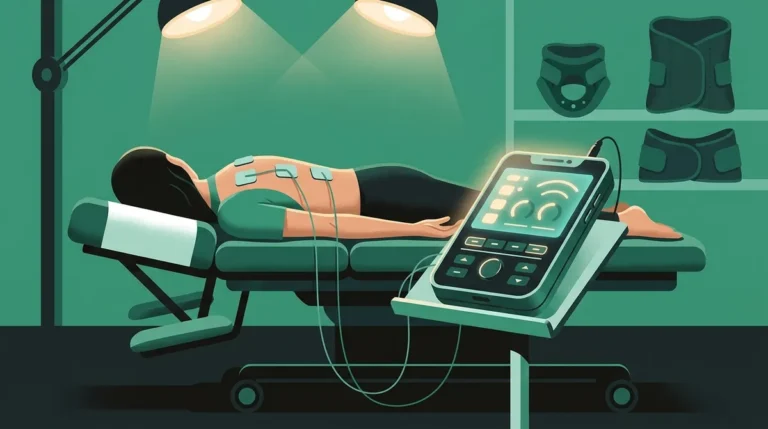
Denver chiropractors are discovering that adding TENS therapy to their practice not only enhances patient outcomes but also increases per-visit revenue by an average of $35–50 through insurance-billable modalities. As non-opioid pain management continues to gain momentum — validated by both the FDA and growing patient demand — electrotherapy has become a clinically sound, financially strategic addition to chiropractic protocols. Transcutaneous electrical nerve stimulation (TENS) delivers targeted, drug-free pain relief that integrates seamlessly with spinal adjustments, manual therapy, and rehabilitative care.
For Denver chiropractic practices, selecting the right TENS units involves more than simply purchasing a device. Practitioners must evaluate technical specifications, clinical versatility, local supplier relationships, insurance billing requirements, and long-term equipment support. Whether you serve patients recovering from workplace injuries, auto accidents, or chronic musculoskeletal conditions, the right electrotherapy setup can transform your treatment offerings. This guide provides the practical selection criteria and local resource information Denver chiropractors need to integrate professional-grade TENS devices into their existing protocols with confidence and compliance.
Understanding TENS Technology in Chiropractic Care
How TENS Complements Spinal Adjustments
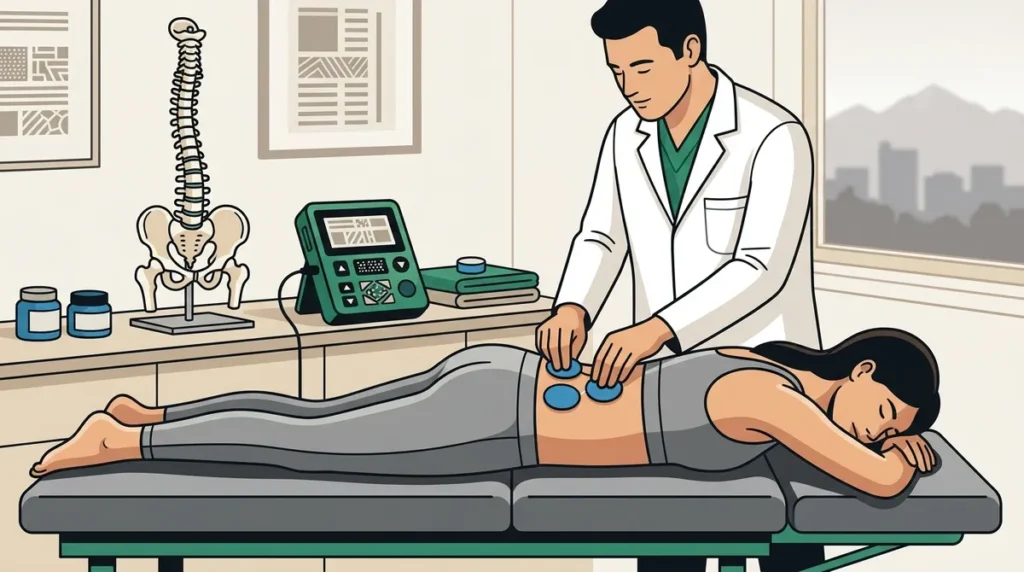
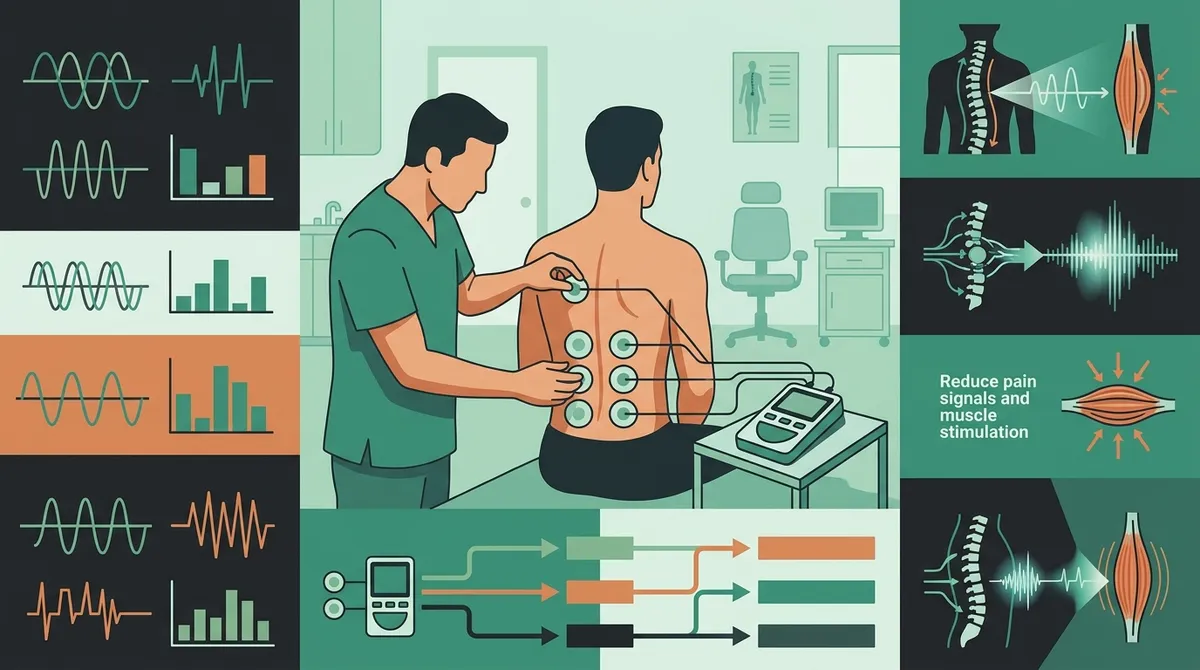
TENS therapy works by delivering low-level electrical impulses through surface electrodes placed on the skin. These impulses serve two primary mechanisms: blocking pain signals before they reach the brain (the gate control theory) and stimulating the release of endorphins — the body’s natural analgesics. When administered before or after a chiropractic adjustment, TENS reduces muscle guarding, eases tension, and improves tissue mobility, allowing for more effective spinal manipulation with less patient discomfort.
Difference Between TENS, EMS, and Interferential Current
Understanding the distinctions between electrotherapy modalities is essential for clinical decision-making. TENS operates at frequencies of 2–150Hz and targets sensory nerve fibers to manage pain. Electrical muscle stimulation (EMS) contracts muscle tissue directly and is used for strength building and reducing atrophy. Interferential current (IFC) operates at approximately 4,000Hz, allowing the electrical current to penetrate deeper into tissue for profound musculoskeletal relief. Many modern combo units combine all three modalities, along with microcurrent, into a single platform.
Clinical Applications for Back, Neck, and Shoulder Pain
TENS units for chiropractors in Denver are most frequently applied for back pain, cervical spine discomfort, hip pain, and shoulder conditions. Patients presenting with nerve-related pain, sciatica, herniated disc symptoms, or chronic muscle spasm respond particularly well to TENS protocols. The Cleveland Clinic recognizes TENS as an effective non-pharmacological pain management option for a broad range of musculoskeletal complaints.
Integration with Chiropractic BioPhysics Protocols
Practitioners following Chiropractic BioPhysics (CBP) protocols often administer TENS for 8–10 minutes prior to adjustments to prepare soft tissue. This pre-treatment window reduces muscle spasm, improves segmental mobility, and enhances the precision and effectiveness of corrective spinal care. TENS also complements cervical traction — another modality offered by Liberty Medical Solutions — creating a comprehensive, layered approach to postural correction and pain relief.
Essential Features for Chiropractic TENS Units
Dual Channel Capabilities and Frequency Ranges
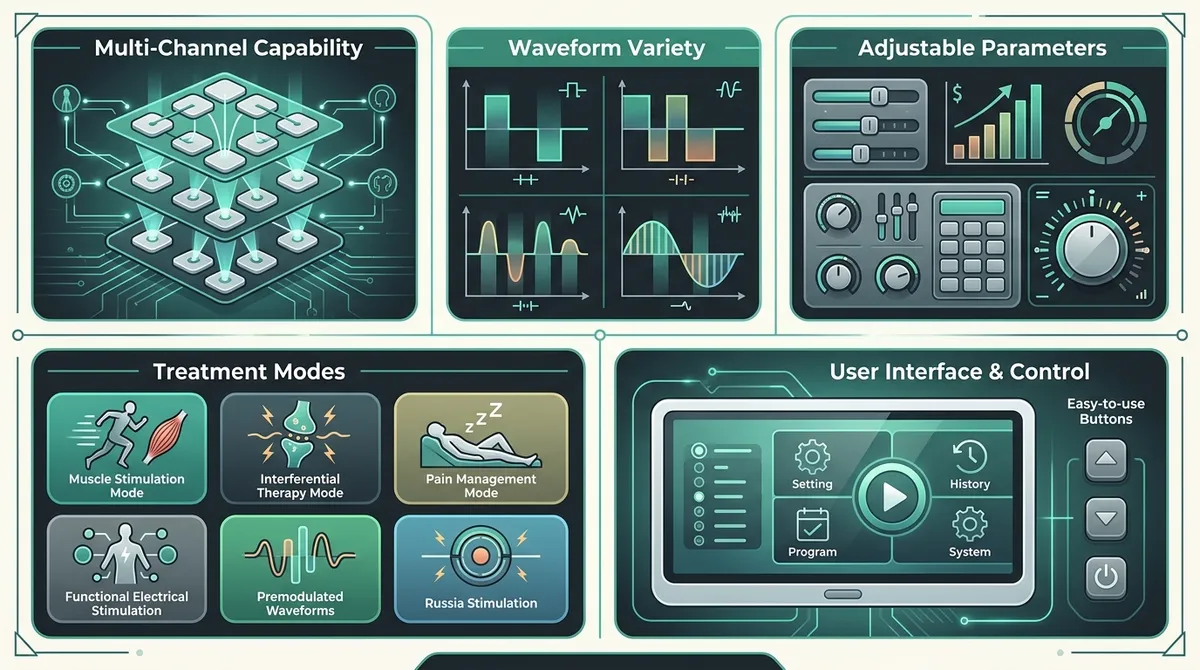
Professional-grade TENS units should offer at minimum two independent channels, allowing simultaneous treatment of multiple muscle groups or bilateral conditions. Frequency ranges of 2–150Hz cover the full clinical spectrum, from low-frequency endorphin-stimulating modes to high-frequency sensory blocking. Units with adjustable frequency settings give clinicians the flexibility to tailor treatments to individual patient presentations and pain profiles.
Pulse Width and Amplitude Specifications
Phase duration (pulse width) typically ranges from 60–300 microseconds in quality clinical units. Shorter pulse widths target sensory fibers for pain modulation, while wider pulse widths engage motor fibers for muscle re-education. Amplitude controls, ideally ranging from 0–80mA or higher, allow precise titration of stimulation intensity. These adjustable parameters are critical for safely treating diverse patient populations in a busy Denver chiropractic clinic.
| Feature | Basic Clinical Units | Advanced Combo Units |
|---|---|---|
| Channels | 2 | 2–4 |
| Frequency Range | 2–80Hz | 1–150Hz |
| Pulse Width | 60–250µs | 50–300µs |
| Amplitude | 0–80mA | 0–100mA |
| Modalities | TENS only | TENS, EMS, IFC, Microcurrent |
Timer Functions and Treatment Modes
Clinically appropriate timers ranging from 15–60 minutes ensure consistent, protocol-driven treatments. Look for units offering burst, modulation, and continuous modes. Burst mode mimics low-frequency stimulation while delivering comfort at higher carrier frequencies. Modulation mode automatically varies parameters to prevent nerve accommodation — a common issue during extended sessions. These features support evidence-based, outcome-focused care.
Portability Versus Clinical Station Models
Portable battery-powered units weighing as little as 5.3 ounces are ideal for patient take-home programs and field use. Clinical station models, though less portable, offer expanded controls, larger displays, and higher output capacity for multi-patient environments. Denver practices often benefit from maintaining both formats — station units for in-clinic treatment tables and portable units available for patient home rental or purchase through insurance channels.
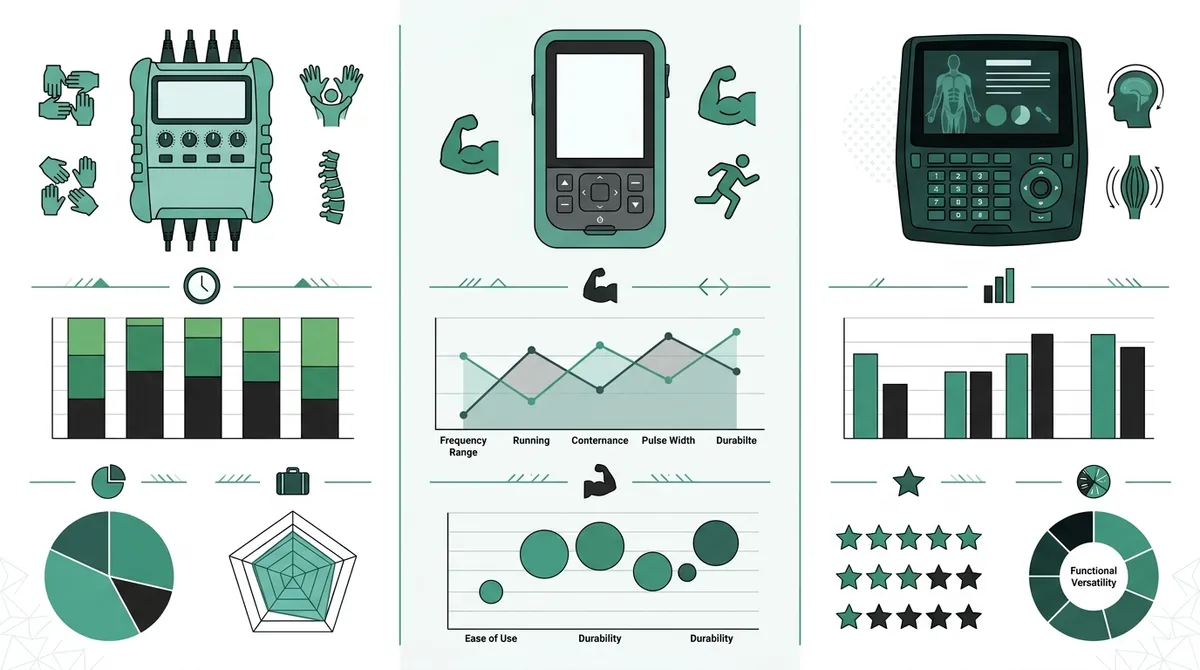
Top TENS Models for Denver Chiropractors
InTENSity Select Combo Features and Pricing
The InTENSity Select Combo is a top-tier choice for Denver chiropractic practices seeking versatility. This unit delivers TENS, EMS, interferential current, and microcurrent therapy from a single device. Its specifications include a frequency range of 1–150Hz, pulse width of 50–300µs, current output of 0–100mA per channel, and a programmable timer of 1–60 minutes. This multi-modality capability allows chiropractors to expand clinical offerings without purchasing multiple separate devices.
Digital TENS 7000 for Basic Applications
The Digital TENS 7000 is one of the most widely used units in clinical settings due to its reliability, ease of use, and affordability. Weighing just 5.3 ounces, it delivers two independent channels with adjustable frequency and intensity controls. It is an excellent entry-level option for practices just beginning to incorporate TENS therapy or for use as a patient take-home device following in-clinic treatment. Basic units in this category typically range from $15–75 depending on configuration.
Ultima 5 for Advanced Protocols
The Ultima 5 offers a programmable timer of 15–60 minutes and is well-suited for advanced clinical protocols involving longer treatment sessions. It supports multiple modes and delivers consistent output, making it appropriate for managing complex, chronic pain cases. Its intuitive interface reduces training time for new clinical staff, which is a practical consideration for growing Denver practices adding electrotherapy to their service menu.
| Model | Modalities | Timer | Best Use Case | Price Range |
|---|---|---|---|---|
| InTENSity Select Combo | TENS, EMS, IFC, Microcurrent | 1–60 min | Full-service clinics | Mid–High |
| Digital TENS 7000 | TENS | Standard | Entry-level / home use | $15–75 |
| Ultima 5 | TENS | 15–60 min | Chronic pain protocols | Mid-range |
| INTELECT TENS | TENS | Adjustable | Clinical-grade reliability | Mid–High |
Comparison of Warranty and Support Options
When evaluating TENS units for chiropractors in Denver, warranty coverage and manufacturer support are critical long-term considerations. Clinical-grade units typically offer one to two year warranties covering defects in materials and workmanship. Practices should prioritize vendors offering responsive technical support, replacement parts availability, and loaner programs to minimize downtime. Reviewing warranty terms before purchase protects your investment and ensures uninterrupted patient care.

Local Denver Suppliers and Wholesale Options
ChiroPTSupply on East Hampden Avenue
ChiroPTSupply, located at 7535 East Hampden Avenue, Denver, CO 80231, serves as a local wholesale source for TENS units, electrodes, and combination electrotherapy devices. Their inventory is tailored to chiropractic and physical therapy practice needs, offering competitive pricing on bulk electrode orders and accessory packages. Establishing a local supplier relationship provides the advantage of faster restocking, in-person product demonstration, and personalized account support.
Integrated Medical in Centennial
Integrated Medical, based in nearby Centennial, CO, provides Denver-area chiropractors with access to a broad range of electrotherapy equipment including combo TENS/EMS units and clinical accessories. Their wholesale model supports practices managing multiple treatment rooms and high patient volumes. Building relationships with regional distributors like Integrated Medical ensures your clinic benefits from volume pricing, timely deliveries, and dedicated account representatives who understand the Colorado healthcare landscape.
Bulk Electrode and Accessory Purchasing
Electrodes are a recurring consumable cost in any electrotherapy program. Purchasing in bulk — typically in lots of 40–100 pairs — reduces per-unit cost significantly and ensures clinical continuity. Consider the following when sourcing electrodes:
- Compatibility with your specific TENS unit connectors (2mm pin, snap, or pigtail)
- Reusability ratings (most quality electrodes are rated for 20–30 uses per pair)
- Hypoallergenic adhesive options for patients with sensitive skin
- Carbon-film versus silver mesh construction for conductivity and longevity
Service Agreements and Equipment Leasing
For practices managing capital expenditure carefully, equipment leasing and service agreements offer a structured alternative to outright purchase. Monthly leasing arrangements allow Denver chiropractors to access clinical-grade equipment while preserving working capital. Service agreements covering preventive maintenance, calibration, and emergency repair reduce unexpected costs and support regulatory compliance. Providers such as Liberty Medical Solutions can guide practices through equipment selection and financing options that align with their clinical and budgetary goals. You are encouraged to reach out to our team for a customized equipment consultation.
Insurance Billing and Compliance Requirements
CPT Codes for TENS Therapy
Accurate CPT code assignment is essential for maximizing reimbursement and maintaining compliance. TENS therapy in a chiropractic setting is most commonly billed under CPT code 97014 (electrical stimulation, unattended) or CPT code 97032 (electrical stimulation, attended), depending on whether a clinician is present during treatment. Practices billing for therapeutic procedures must ensure documentation supports the medical necessity of each modality applied during the visit.
Documentation Requirements for Reimbursement
Payers — including commercial PPO/POS plans, workers’ compensation carriers, and auto accident insurers — require thorough documentation to process electrotherapy claims. Key documentation elements include:
- Initial evaluation with functional outcome measures establishing baseline pain and mobility
- Treatment plan specifying modalities, frequency, and goals with measurable endpoints
- Daily SOAP notes documenting patient response and any parameter adjustments
- Progress reports at defined intervals demonstrating functional improvement
- Compliance meter data where required by payer policy for home TENS unit programs
Workers Compensation and Auto Accident Claims
Denver chiropractors treating patients injured in workplace accidents or motor vehicle collisions have significant billing opportunities through workers’ compensation and auto accident claims. These payer categories often cover both in-clinic TENS treatments and take-home unit prescriptions. Understanding Colorado-specific workers’ compensation fee schedules and auto insurer billing requirements is critical. Partnering with a knowledgeable electrotherapy supplier ensures your practice has the equipment, documentation support, and compliance infrastructure necessary to serve these patient populations effectively. The CDC supports non-opioid therapies like TENS as preferred treatment options in injury recovery settings.
Compliance Meters and Treatment Tracking
When prescribing home TENS units to patients, compliance meters embedded in select devices record actual usage data — including session duration and frequency. This data satisfies payer documentation requirements and provides clinicians with objective insight into patient adherence. Compliance tracking is particularly relevant for workers’ compensation and auto accident claims, where insurers may audit home unit usage as part of the reimbursement process.
Clinical Protocols and Treatment Integration
Pre-Adjustment TENS Application Techniques
The most effective pre-adjustment TENS protocols involve placing electrodes along the paravertebral musculature adjacent to the primary complaint region. For lumbar conditions, electrodes are positioned bilaterally at L1–L5 or over the involved musculature. Cervical protocols place electrodes at the upper trapezius or cervical paraspinals. Treatment is administered for 8–10 minutes at a comfortable, sub-motor sensory intensity before the adjustment is performed, allowing tissue relaxation and improved segmental responsiveness.
Optimal Treatment Duration and Frequency Settings
Evidence-based TENS protocols for chiropractic applications recommend the following parameter guidelines:
- Acute pain: High frequency (80–150Hz), low intensity, continuous mode, 15–20 minutes
- Chronic pain: Low frequency (2–10Hz), higher intensity, burst mode, 20–30 minutes
- Post-adjustment muscle fatigue: Modulation mode, mid-range frequency (40–80Hz), 15 minutes
- Pre-adjustment preparation: Sensory-level intensity, 80–100Hz, 8–10 minutes
Combining TENS with Manual Therapy
TENS therapy achieves its greatest clinical impact when integrated within a comprehensive manual therapy framework. The National Institutes of Health has documented high rates of persistent chronic pain among adults, underscoring the need for multimodal approaches. Combining TENS with soft tissue manipulation, therapeutic exercise, and chiropractic adjustments produces superior functional outcomes compared to any single modality applied in isolation. Coordinate TENS scheduling within your patient flow to maximize clinical efficiency across multiple treatment tables.
Patient Education and Home Unit Recommendations
Educating patients about home TENS use extends the therapeutic benefit between clinic visits and strengthens patient engagement. Prescribing a quality portable TENS device for home use — supported by written electrode placement guides and parameter instructions — improves adherence and accelerates recovery timelines. Pair home TENS recommendations with supportive products such as conductive garments or back braces to create a complete at-home pain management program tailored to each patient’s condition.
Safety Considerations and Contraindications
Patient Screening for Pacemakers and Implants
Prior to initiating TENS therapy, all patients must be screened for cardiac pacemakers, implantable cardioverter-defibrillators (ICDs), and other electronic implants. TENS is absolutely contraindicated in patients with demand-type pacemakers due to the risk of electrical interference. Similarly, electrode placement directly over metal implants or spinal cord stimulators should be avoided. Document screening results in the patient’s intake record before proceeding with any electrotherapy modality.
Pregnancy and Cancer Precautions
TENS is contraindicated over the abdomen or lower back during pregnancy, particularly in the first trimester. Application over known or suspected malignant tissue is also contraindicated, as electrical stimulation may theoretically promote cellular proliferation in cancerous tissue. Exercise caution with patients undergoing active chemotherapy or radiation therapy, and obtain medical clearance from the patient’s oncologist before initiating any electrotherapy protocol.
Proper Electrode Placement Guidelines
Safe electrode placement avoids the following anatomical regions:
- Eyes and surrounding facial tissues
- Anterior neck and carotid sinus areas
- Chest (transthoracic application)
- Open wounds, broken skin, or active dermatitis
- Directly over the spinal cord in patients with spinal cord injuries
Managing Skin Sensitivity and Allergic Reactions
Some patients experience localized skin irritation, redness, or contact dermatitis related to electrode adhesive materials. Hypoallergenic electrodes are available for sensitive patients and should be stocked as a standard clinic supply. Inspect skin before and after each treatment, document any reactions, and discontinue use in the affected area if irritation persists. Rotating electrode placement sites between sessions also reduces cumulative skin stress and maintains adhesive effectiveness.
Conclusion
Selecting the right TENS units for chiropractors in Denver requires a deliberate, well-informed approach that balances clinical capability, technical specifications, local supplier access, and billing compliance. From understanding the differences between TENS, EMS, and interferential current to establishing bulk electrode purchasing relationships and documenting treatments for workers’ compensation claims, every decision shapes the financial and clinical performance of your electrotherapy program. Practices that invest in quality equipment, rigorous protocols, and proper patient education consistently achieve stronger outcomes and greater revenue per visit.
Explore the full range of professional electrotherapy products — including TENS devices, TheraKnit garments, cervical traction units, and supportive bracing — designed specifically for chiropractic and physical therapy practices. To build a customized electrotherapy program that meets your Denver practice’s clinical and compliance needs, connect with the Liberty Medical Solutions team today.
FAQs
Q: What is the typical return on investment for adding TENS therapy to a Denver chiropractic practice?
A: Most Denver chiropractic practices report an increase of $35–50 in per-visit revenue when TENS therapy is added as an insurance-billable modality under CPT codes 97014 or 97032. Given the relatively low equipment cost — with basic units starting at $15–75 — the initial investment is typically recovered within the first month of consistent clinical use. Practices treating workers’ compensation and auto accident patients may see even faster ROI due to broader coverage for electrotherapy modalities under these payer categories.
Q: Can patients rent TENS units for home use between chiropractic visits?
A: Yes, many Denver chiropractic practices offer home TENS unit rental or prescription programs to extend therapeutic benefits between in-clinic visits. Portable units are lightweight, easy to operate, and can be billed through commercial PPO/POS plans, workers’ compensation carriers, or auto accident claims when accompanied by proper documentation of medical necessity. Including compliance-meter-equipped units ensures payer documentation requirements are met and patient adherence can be tracked objectively.
Q: How do Colorado state regulations affect TENS unit usage by chiropractors?
A: Colorado chiropractors are authorized to use and prescribe TENS therapy within their scope of practice under state licensing guidelines established by the Colorado State Board of Chiropractic Examiners. Practitioners must maintain current licensure and adhere to documentation standards required by both state regulations and individual payer policies. Staying current with Colorado workers’ compensation fee schedule updates is particularly important for practices billing electrotherapy services to injured worker cases.
Q: What training or certification is required for chiropractors to use TENS units?
A: Licensed chiropractors in Colorado are trained in electrotherapy modalities as part of their Doctor of Chiropractic (DC) degree curriculum, which satisfies the core competency requirements for TENS unit application. No separate state certification is required beyond the DC license, though continuing education courses in electrotherapy are strongly recommended for practitioners implementing advanced combo units or interferential current protocols. Staff administering TENS under chiropractic supervision should receive documented in-office training covering device operation, electrode placement, and contraindication screening.
Q: How do TENS units compare to cold laser therapy for chiropractic pain management?
A: TENS units and cold laser therapy (low-level laser therapy) are both non-invasive, drug-free pain management modalities, but they operate through entirely different mechanisms and serve complementary clinical roles. TENS modulates pain through electrical stimulation of nerve pathways and endorphin release, making it particularly effective for acute and chronic musculoskeletal pain with immediate symptom relief. Cold laser therapy uses photobiomodulation to promote cellular repair and reduce inflammation at a tissue level, and is better suited for soft tissue healing and conditions involving inflammation or nerve regeneration; many Denver chiropractic practices incorporate both modalities to address different phases of patient recovery.