Key Takeaways
-
Sacramento chiropractors should select clinical-grade TENS units with dual-channel capability, up to 100mA intensity, and adjustable timers to treat multiple body areas simultaneously and address complex pain presentations more effectively than consumer-grade alternatives.
-
TENS units are commonly covered under commercial PPO/POS plans, workers' compensation, and auto accident claims; partnering with experienced suppliers like Liberty Medical Solutions streamlines insurance billing and reduces administrative burden for chiropractic clinics.
-
TENS therapy is most effective when applied pre-adjustment to relax muscle guarding and enhance manipulation effectiveness, and post-adjustment to manage soreness and support recovery in typical 20-30 minute sessions up to four times daily.
-
Understanding the distinction between TENS (sensory nerve targeting for pain relief) and EMS (motor nerve targeting for muscle strengthening) allows chiropractors to select appropriate modalities; combination units offer versatility for comprehensive rehabilitation without multiple devices.
-
Pairing TENS units with complementary products—such as back braces, cervical traction units, conductive garments, and TheraKnit garments—creates a comprehensive musculoskeletal care model that improves patient outcomes and increases clinical revenue.
-
Sacramento chiropractors can prescribe TENS units directly and should educate patients on proper electrode placement, initial intensity settings, session duration, and mode selection to maximize therapeutic outcomes and ensure proper device usage.
Sacramento chiropractors are consistently seeking evidence-based tools that complement spinal adjustments, reduce recovery time, and deliver measurable pain relief for their patients. Among the most trusted and clinically validated tools in today’s chiropractic setting, TENS units for chiropractors in Sacramento have become a cornerstone of modern electrotherapy protocols. Whether treating acute injuries from auto accidents, chronic low back pain, or post-adjustment muscle tension, transcutaneous electrical nerve stimulation (TENS) provides a non-invasive, drug-free option that integrates seamlessly into clinical workflows. As pain management demands grow and patients seek alternatives to opioid-based therapies, understanding how TENS technology works—and how to source the right devices—has never been more important for chiropractic and physical therapy practices in the Sacramento region.
What Is a TENS Unit and How Does It Work?
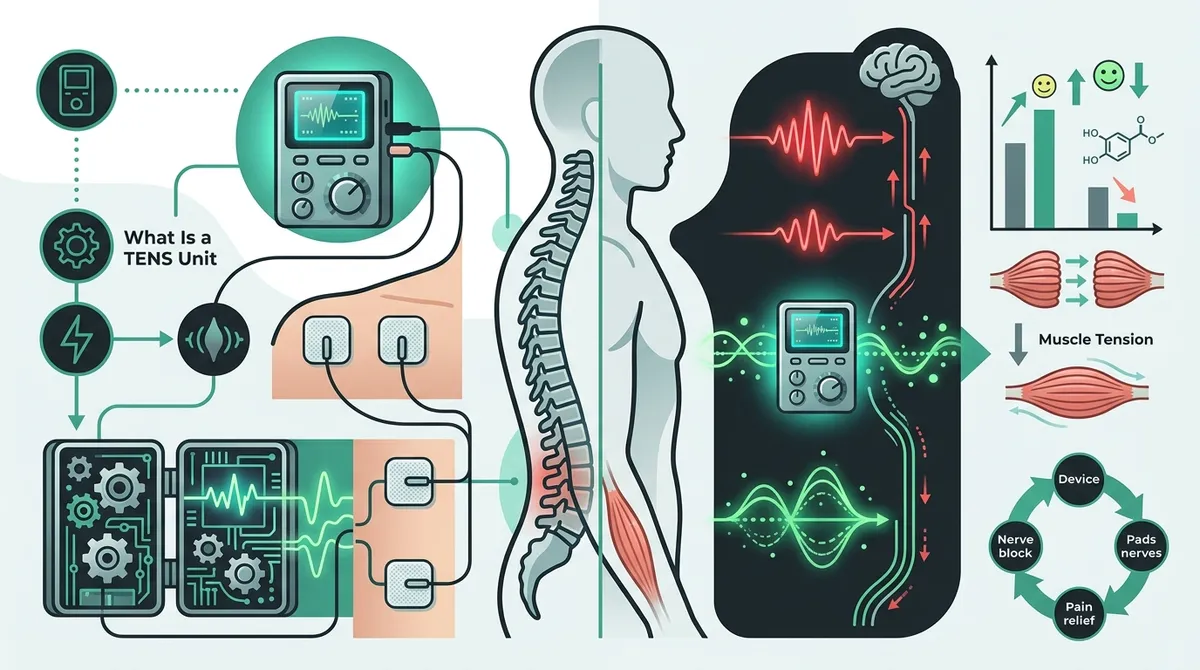
A TENS unit is a battery-operated device that delivers low-voltage electrical currents through electrodes placed on the skin. These electrical impulses travel along the nerve pathways and work according to the gate control theory of pain: by stimulating large-diameter nerve fibers, the device effectively “closes the gate” on pain signals transmitted by smaller nerve fibers, reducing the perception of pain at the brain level. The Cleveland Clinic recognizes TENS as a well-established modality for managing both acute and chronic pain conditions.
Clinical applications typically involve sessions of 20 to 30 minutes, administered up to four times daily, with electrode placement and intensity settings customized to the patient’s condition and tolerance. Sensations during treatment typically include tingling or mild muscle contractions, which patients generally find comfortable and therapeutic.
How Sacramento Chiropractors Integrate TENS Into Practice
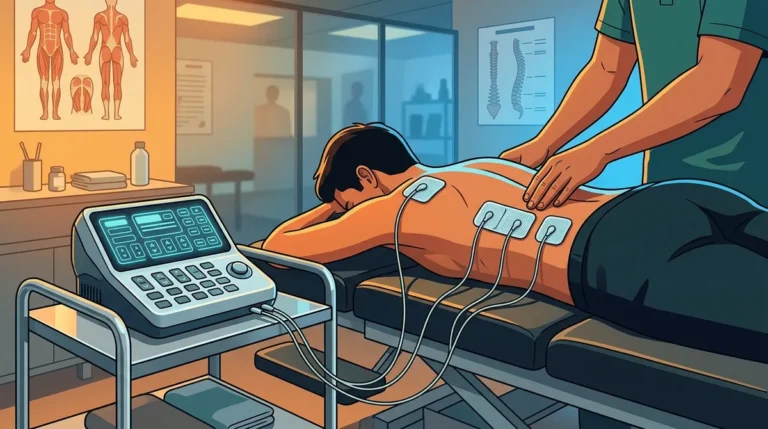
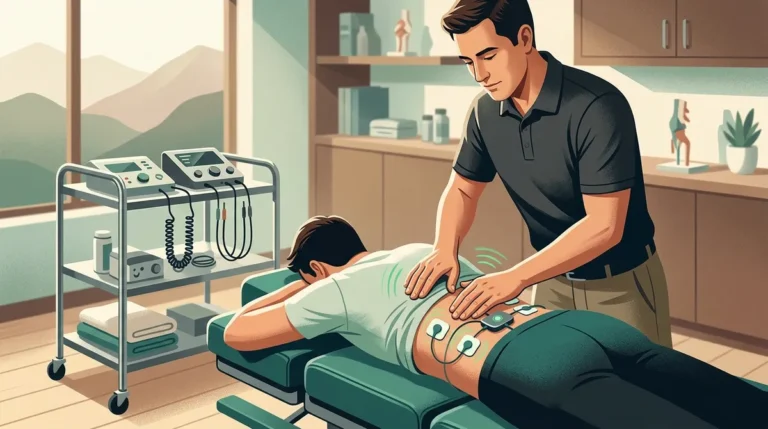
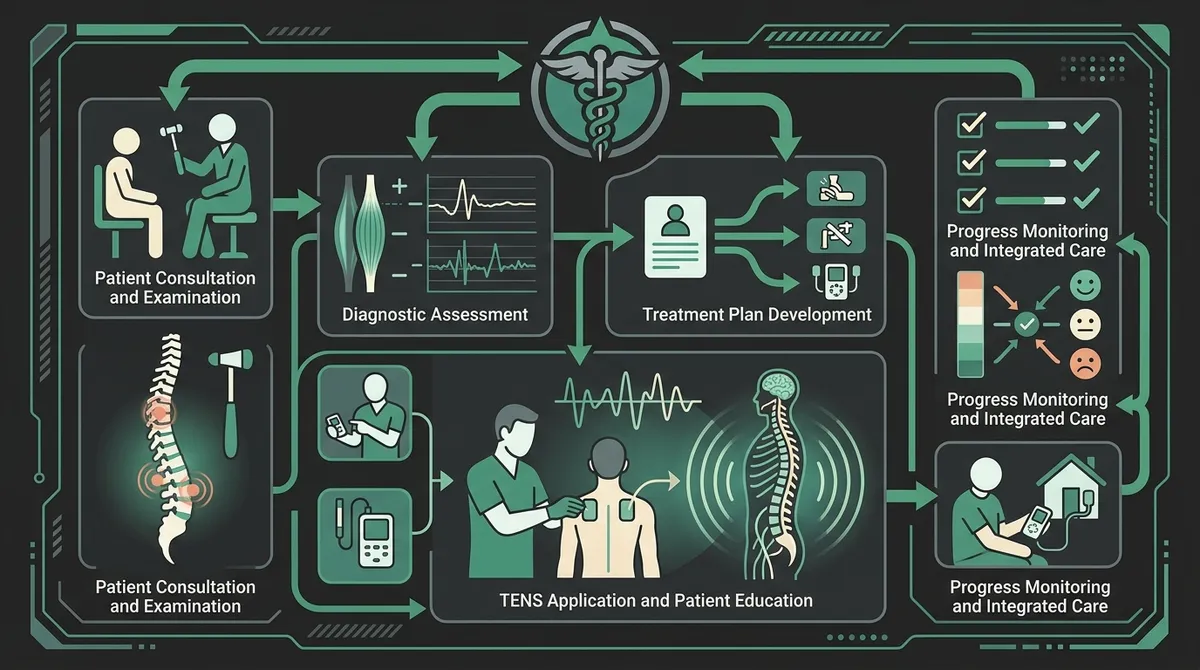
Chiropractic practices throughout Sacramento—from Midtown clinics to suburban wellness centers—have embraced electrical stimulation as a preparatory or complementary therapy alongside spinal adjustments. TENS is commonly applied before manipulation to relax muscle guarding and reduce pain sensitivity, allowing the chiropractor to perform adjustments more effectively. It is also used post-adjustment to manage residual soreness and support muscle recovery.
Common conditions treated with TENS in chiropractic settings include:
- Chronic low back pain and lumbar strain
- Cervical pain and whiplash injuries from auto accidents
- Sciatica and radiating nerve pain
- Muscle spasms and tension-related headaches
- Post-surgical rehabilitation and soft tissue recovery
For auto accident injury clinics, TENS is particularly valuable. Patients presenting with whiplash, soft tissue damage, and back injuries benefit from early-stage electrical stimulation that reduces swelling and promotes healing. The FDA has actively supported the expansion of non-opioid therapies like TENS, making it an increasingly preferred choice for providers working within personal injury and workers’ compensation frameworks.

Key Features to Look for in Clinical-Grade TENS Units
Not all TENS units are created equal. For chiropractic and physical therapy clinics that rely on these devices daily, the specifications and build quality matter significantly. Below is a comparison of essential features that distinguish professional-grade TENS units from consumer-grade alternatives.
| Feature | Consumer-Grade TENS | Clinical/Professional-Grade TENS |
|---|---|---|
| Channels | Single channel | Dual channel or multi-channel |
| Intensity Range | Up to 60mA | Up to 100mA |
| Treatment Modes | 2-3 basic modes | Multiple modes: Burst, Normal, EMS, Modulation |
| Timer Control | Fixed sessions | Adjustable up to 60+ minutes |
| Electrode Compatibility | Limited | Compatible with conductive garments and specialty pads |
| Durability | Light use design | Heavy-duty clinical construction |
Professional TENS units, such as those with dual-channel capability, allow chiropractors to treat two distinct body areas simultaneously, improving efficiency during patient sessions. Models with up to 100mA intensity give clinicians greater flexibility to target deep muscle groups and address more complex pain presentations. Devices like the TENS 7000, which has sold over two million units worldwide since 2008, are widely trusted by both chiropractors and physical therapists for their reliability and adjustable settings.
TENS Versus EMS: Understanding the Difference
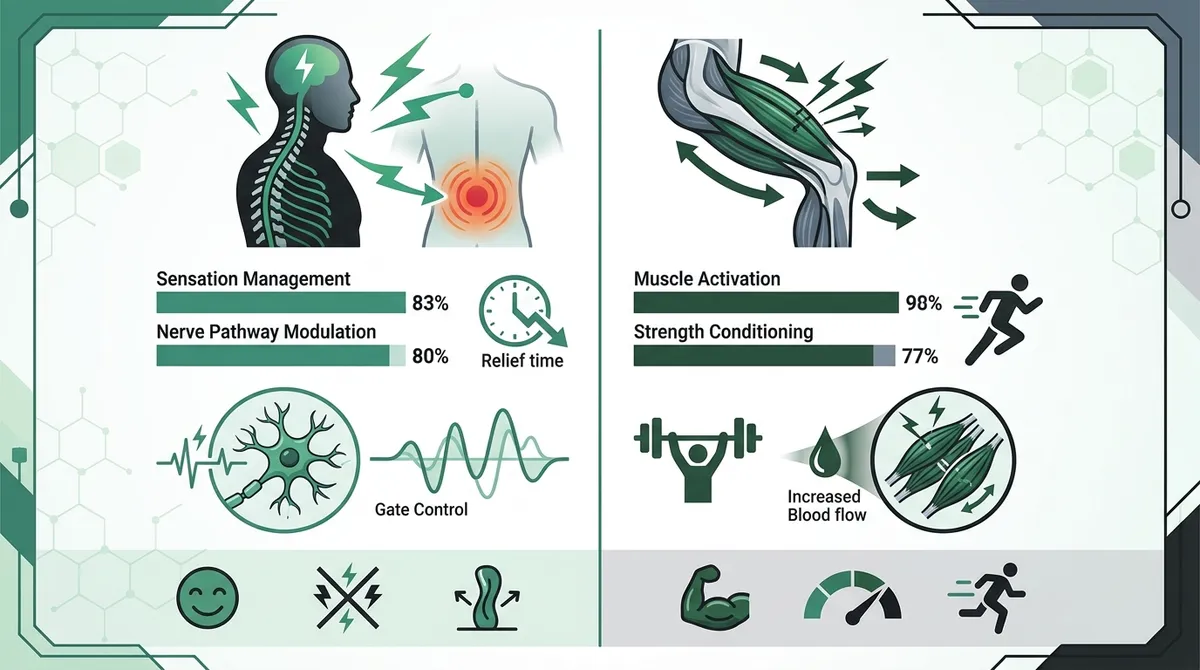
A common source of confusion among practitioners and patients alike is the distinction between TENS and EMS (Electrical Muscle Stimulation). While both modalities use electrical currents, their mechanisms and clinical goals differ considerably. Understanding these differences helps chiropractors select the most appropriate technology for each patient’s needs.
| Modality | Primary Target | Clinical Goal | Typical Use Case |
|---|---|---|---|
| TENS | Sensory nerve fibers | Pain modulation and relief | Chronic pain, acute injuries, post-adjustment recovery |
| EMS | Motor nerve fibers and muscles | Muscle contraction and strengthening | Muscle atrophy prevention, rehabilitation |
| Combination Units | Both sensory and motor fibers | Pain relief and muscle rehabilitation | Multi-stage injury recovery |
Many modern professional devices combine both TENS and EMS capabilities in a single unit, offering chiropractors in Sacramento the versatility to address a broader spectrum of patient conditions without requiring multiple devices. This is particularly advantageous for clinics managing high patient volumes or offering comprehensive rehabilitation services.
Advanced Electrotherapy Beyond Traditional TENS
While traditional TENS remains highly effective for many pain conditions, Sacramento practitioners treating more complex neurological cases—such as peripheral neuropathy—may require advanced electrotherapy modalities. According to the National Institutes of Health, chronic pain affects a substantial portion of U.S. adults, and over 20 million Americans live with peripheral neuropathy, a condition that often responds poorly to standard TENS protocols alone.
Advanced electrotherapy systems offer multi-parameter stimulation, combining varying frequencies, waveforms, and intensities to achieve nerve regeneration and more comprehensive therapeutic outcomes. For chiropractors working with neuropathy patients or complex injury cases, these systems represent the next evolution in electrotherapy care. When evaluating TENS devices and advanced electrotherapy units, chiropractors should consider the full range of conditions they treat and select equipment accordingly.
Insurance Coverage and Billing for TENS in Chiropractic Practice
One practical consideration that Sacramento chiropractors frequently encounter is how TENS therapy integrates with insurance billing and patient coverage. TENS units are commonly covered under:
- Commercial PPO/POS plans with out-of-network benefits, allowing patients to receive devices through their existing insurance coverage
- Workers’ compensation claims, where patients injured on the job are often entitled to therapeutic devices as part of their recovery plan
- Auto accident and personal injury claims, where TENS units are prescribed as part of a documented treatment protocol for whiplash or soft tissue injuries
- Third-party liability cases, where medical necessity is established through clinical documentation
Liberty Medical Solutions, based in Tampa, Florida, specializes in working directly with chiropractic practices and physical therapy clinics to facilitate the insurance process for TENS unit prescriptions. Their expertise in navigating commercial, workers’ compensation, and auto accident claims ensures that patients receive the equipment they need with minimal administrative burden on the clinic.
Prescribing and Demonstrating TENS Units to Patients
Sacramento chiropractors have the authority to prescribe specific TENS units directly from their office, which provides a significant advantage in ensuring patients receive properly fitted, clinically appropriate devices. Proper patient education is essential for maximizing therapeutic outcomes. A recommended patient instruction protocol includes:
- Demonstrate correct electrode placement for the patient’s specific condition (e.g., lumbar, cervical, or peripheral joints)
- Set the initial intensity to a comfortable, low-to-mid range and gradually increase based on patient feedback
- Instruct the patient on session duration—typically 20 to 30 minutes, up to four times daily
- Review the different modes available on the device, such as Burst or Normal mode, and explain when each is appropriate
- Schedule a follow-up to assess device effectiveness and adjust settings as the patient progresses
For chronic pain areas such as the low back and cervical spine, alternating current TENS applied for 8 to 10 minutes in combination with standard sessions has shown clinically meaningful results in reducing pain perception and improving mobility.
Complementary Electrotherapy Products for Chiropractic Clinics
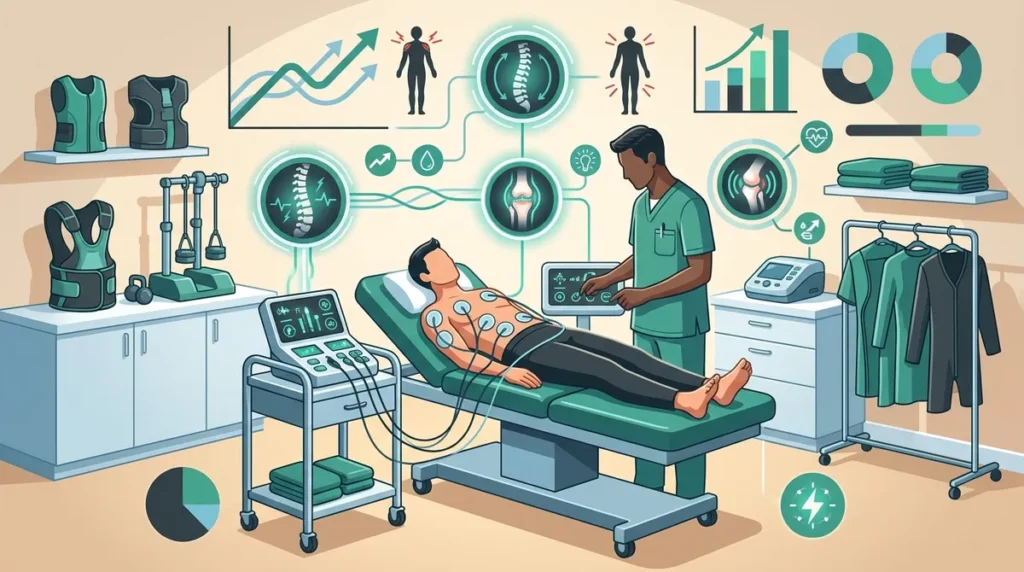
TENS units are most effective when used as part of a broader electrotherapy and musculoskeletal support strategy. Chiropractic practices in Sacramento can enhance patient outcomes by pairing TENS therapy with complementary products and modalities.
- Back braces: Lumbar and spinal support braces reduce strain between chiropractic visits and support proper posture. Back braces from reputable electrotherapy providers are designed to work alongside TENS therapy for comprehensive spinal support.
- Conductive garments: These specialized garments deliver electrical stimulation across a larger surface area, improving therapeutic coverage for conditions like widespread muscle tension. Conductive garments are particularly useful for patients who require full-coverage electrotherapy.
- TheraKnit garments: Designed for comfort and clinical precision, TheraKnit garments integrate seamlessly with TENS devices, providing targeted stimulation with superior patient compliance.
- Cervical traction units: For patients presenting with cervical disc issues or post-whiplash tension, cervical traction complements TENS therapy by addressing structural decompression alongside pain management.
Offering a curated selection of these products positions chiropractic clinics as full-service musculoskeletal care providers, increasing patient retention and clinical revenue. To explore the full range of electrotherapy solutions available for clinical use, visit the products page at Liberty Medical Solutions.
Choosing the Right TENS Unit Supplier for Your Sacramento Practice
Selecting a reliable supplier is as important as selecting the right device. Sacramento chiropractors should evaluate suppliers based on product quality, insurance billing support, clinical expertise, and the range of complementary devices available. Key criteria include:
- Access to FDA-cleared devices with documented clinical efficacy
- Support for workers’ compensation, auto accident, and commercial insurance claims
- Availability of customized electrotherapy solutions tailored to clinic-specific needs
- Responsive customer service and warranty registration support
- A comprehensive catalog that includes TENS units, back braces, conductive garments, and cervical traction equipment
WebMD notes that TENS therapy is well-supported by clinical evidence for back pain management, reinforcing the value of integrating high-quality devices into practice protocols. Partnering with a knowledgeable supplier ensures that Sacramento chiropractors can access the latest electrotherapy technology while maintaining compliance with clinical and insurance standards.
Conclusion
TENS units for chiropractors in Sacramento represent one of the most practical, evidence-supported, and patient-accepted tools available in modern chiropractic and physical therapy practice. From pre-adjustment muscle relaxation to post-injury rehabilitation and chronic pain management, TENS technology delivers consistent, measurable results across a wide range of clinical presentations. When combined with complementary tools such as back braces, conductive garments, and cervical traction units, TENS therapy becomes part of a comprehensive, patient-centered care model that sets practices apart in a competitive healthcare environment.
If you are ready to elevate the electrotherapy offerings at your Sacramento chiropractic or physical therapy clinic, connect with the team at Liberty Medical Solutions to discuss customized solutions, insurance billing support, and the full range of professional-grade devices available for your practice.
FAQs
Q: Can chiropractors in Sacramento prescribe TENS units directly to patients?
A: Yes, chiropractors in Sacramento are authorized to prescribe specific TENS units directly from their office. They can demonstrate proper electrode placement, recommend appropriate settings, and ensure patients receive clinically suitable devices for their individual conditions.
Q: How long should a TENS session last in a chiropractic setting?
A: Standard TENS sessions in chiropractic practice typically last 20 to 30 minutes and may be administered up to four times daily. For chronic pain areas such as the lumbar spine or cervical region, alternating current TENS applied for 8 to 10 minutes per area within a session can yield effective results.
Q: Are TENS units covered by insurance for chiropractic patients in Sacramento?
A: TENS units are commonly covered under commercial PPO/POS plans with out-of-network benefits, workers’ compensation claims, and auto accident or personal injury cases. Working with a supplier experienced in insurance billing—such as Liberty Medical Solutions—ensures that patients can access devices with minimal financial barriers.
Q: What is the difference between TENS and EMS in chiropractic care?
A: TENS (Transcutaneous Electrical Nerve Stimulation) targets sensory nerve fibers to modulate and reduce pain signals, while EMS (Electrical Muscle Stimulation) targets motor nerve fibers to induce muscle contractions and support rehabilitation. Many professional-grade devices combine both modalities, giving chiropractors greater flexibility in treating diverse patient conditions.
Q: What complementary products pair well with TENS therapy in a chiropractic clinic?
A: Back braces, cervical traction units, conductive garments, and TheraKnit garments all complement TENS therapy by providing structural support and broader electrotherapy coverage. Together, these products create a comprehensive musculoskeletal care protocol that improves patient outcomes and enhances the clinical value of a chiropractic practice.