Key Takeaways
-
Professional-grade TENS units with adjustable frequency, multiple channels, and combination modality capabilities (TENS, EMS, interferential, microcurrent) allow San Francisco chiropractors to treat diverse patient conditions efficiently without purchasing separate devices, reducing overhead costs.
-
TENS therapy works by targeting nerve pathways to interrupt pain signals via gate control theory, making it particularly effective for chronic pain, joint sensitivity, and nerve-related discomfort commonly seen in chiropractic practice when integrated with spinal adjustments.
-
Absolute contraindications for TENS include patients with cardiac pacemakers, pregnant women, seizure history, active malignancy at treatment sites, and application over face, anterior neck, chest, or spinal column—requiring thorough patient screening before treatment.
-
Pre-adjustment TENS application reduces muscle guarding and improves patient comfort, while post-adjustment use manages residual soreness and promotes recovery, making it an effective adjuvant rather than standalone therapy in chiropractic treatment protocols.
-
For auto accident injury clinics, TENS therapy aligns with insurance billing for workers' compensation and auto claims, while conductive garments and TheraKnit options improve treatment consistency and patient compliance compared to standard adhesive pads.
-
Offering comprehensive electrotherapy services differentiates chiropractic practices in competitive markets, improves patient retention and satisfaction scores, and supports essential insurance claim documentation for injury cases.
Pain management in chiropractic care has evolved considerably over the past decade, and electrotherapy has emerged as one of the most reliable, non-pharmacological tools available to modern practitioners. For chiropractors operating in San Francisco’s competitive healthcare landscape, TENS units have become indispensable adjuncts to spinal adjustment and rehabilitative care. Whether you are treating a patient recovering from a workplace injury, managing chronic low back pain, or addressing soft tissue damage from an auto accident, TENS therapy offers a proven, evidence-based approach to pain relief that integrates seamlessly into a chiropractic treatment plan. Understanding how these devices work, what professional-grade options are available, and how to source and implement them effectively can make a measurable difference in patient outcomes and practice efficiency. This article provides a thorough guide for San Francisco chiropractors, physical therapy clinics, and auto accident injury providers seeking to elevate their electrotherapy protocols.
What Are TENS Units and How Do They Work?
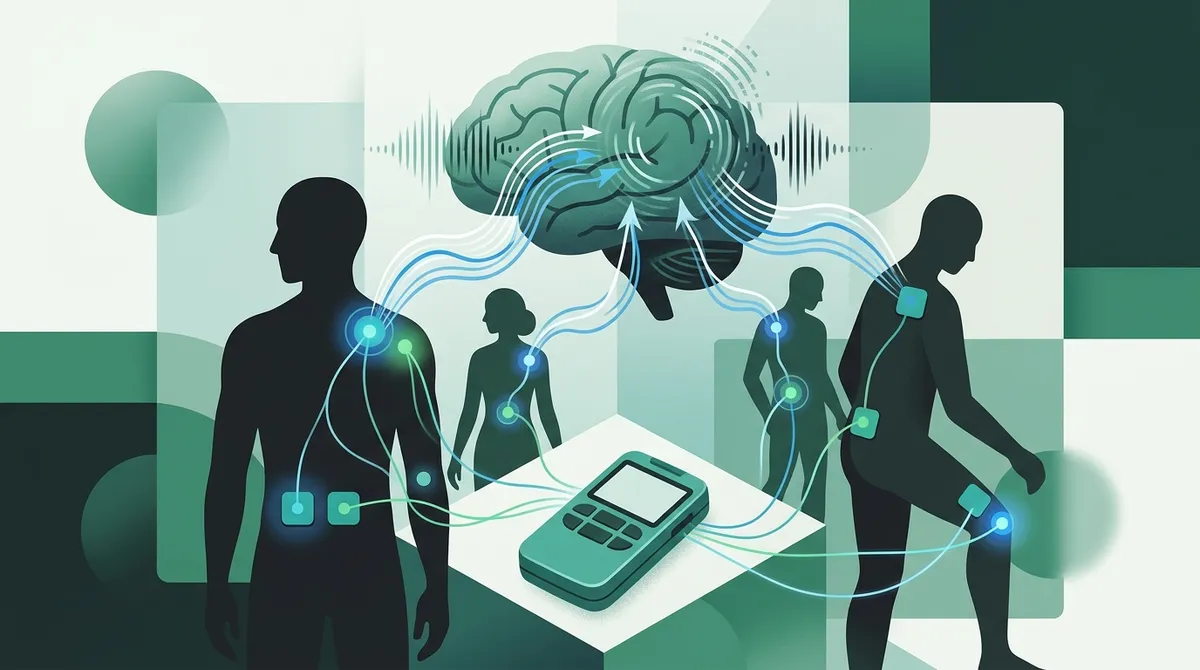
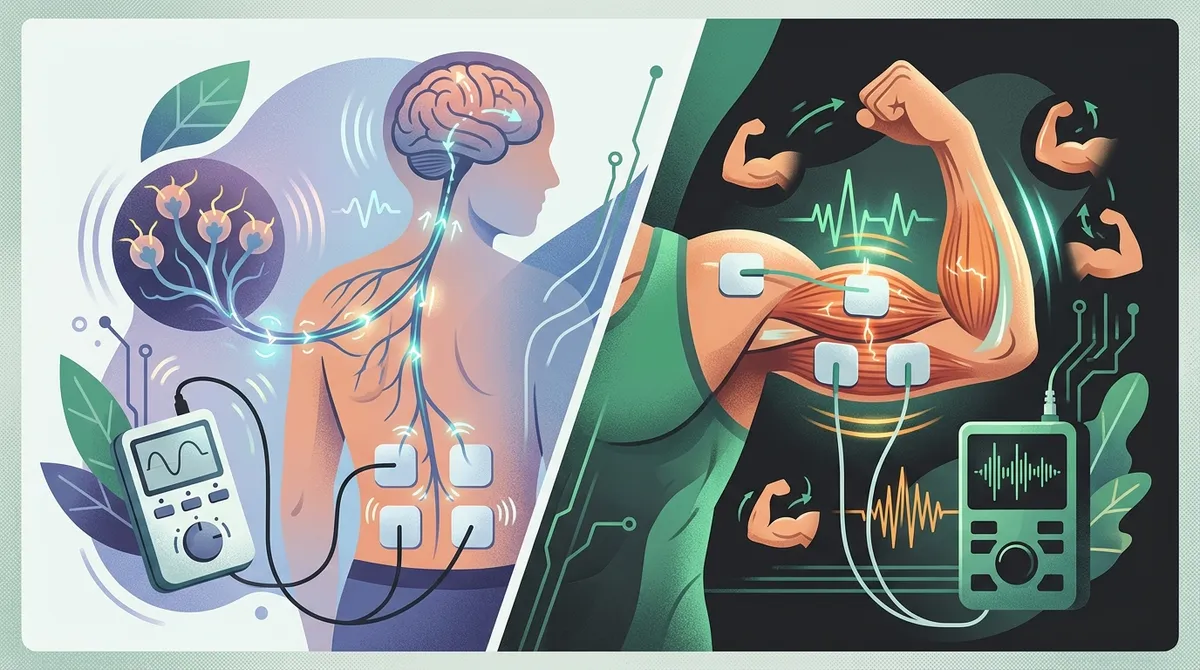
Transcutaneous Electrical Nerve Stimulation, commonly known as TENS, is a therapeutic modality that uses low-voltage electrical impulses delivered through surface electrodes placed on the skin. Unlike Electrical Muscle Stimulation (EMS), which directly contracts muscle tissue, TENS works by targeting nerve pathways to interrupt or modulate pain signals before they reach the brain. This distinction is important for chiropractors who must select the appropriate modality based on each patient’s specific condition and treatment goals.
The primary mechanism behind TENS therapy aligns with the gate control theory of pain, which proposes that non-painful sensory input can effectively “close the gate” to painful signals traveling through the nervous system. When electrodes are placed at or near pain sites or trigger points, the electrical current stimulates sensory nerves, creating a competing signal that reduces the perception of pain. According to the Cleveland Clinic, TENS therapy is particularly effective for chronic pain, joint sensitivity, and nerve-related discomfort—all conditions commonly seen in chiropractic practice.
Professional-grade TENS units allow practitioners to adjust key parameters such as frequency, pulse width, and intensity, providing a highly customizable treatment experience tailored to individual patient needs.
TENS vs. EMS: Understanding the Clinical Difference
A frequent point of confusion among both providers and patients is the distinction between TENS and EMS. While both modalities rely on electrical stimulation, their therapeutic targets and applications differ significantly. The table below outlines the key differences to help chiropractors make informed treatment decisions.
| Feature | TENS (Transcutaneous Electrical Nerve Stimulation) | EMS (Electrical Muscle Stimulation) |
|---|---|---|
| Primary Target | Nerve pathways | Muscle tissue |
| Main Purpose | Pain relief and signal modulation | Muscle strengthening and rehabilitation |
| Sensation | Tingling, buzzing | Muscle contraction |
| Frequency Range | 1–150 Hz (variable) | Typically 20–80 Hz |
| Clinical Use | Chronic pain, post-injury nerve discomfort | Muscle atrophy, post-surgical recovery |
Many advanced combination units now integrate both TENS and EMS capabilities in a single device, allowing practitioners greater flexibility in addressing a broader range of patient conditions within a single treatment session.
Professional-Grade TENS Units: Key Features to Consider
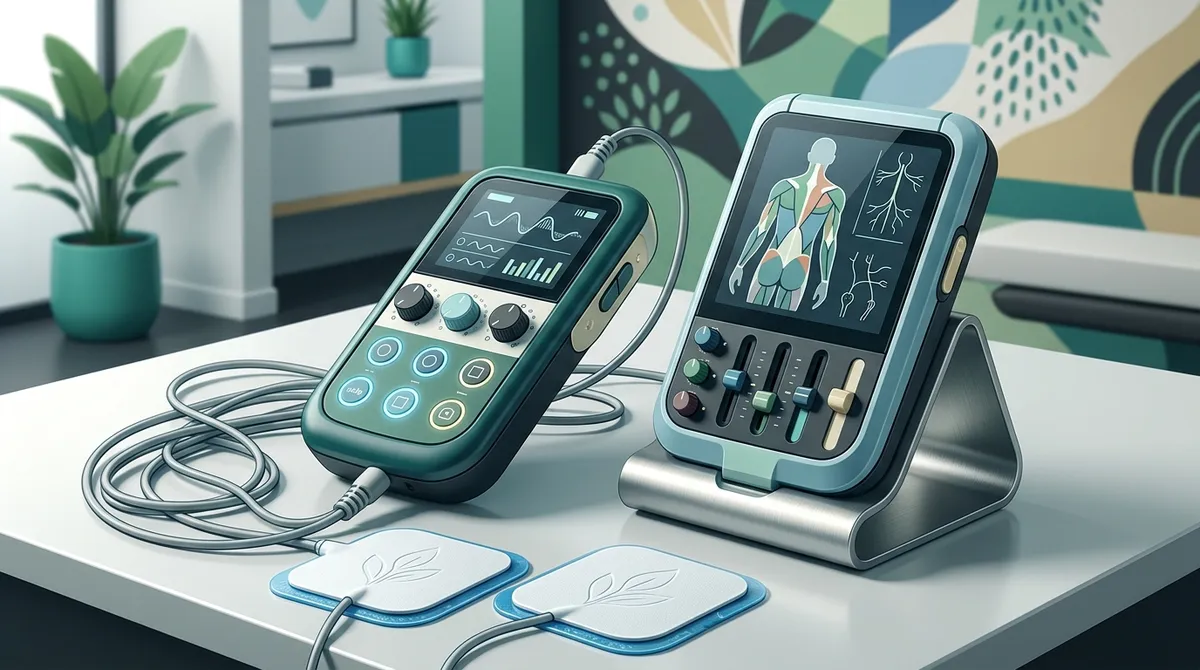
Not all TENS devices are created equal. Consumer-grade over-the-counter units and professional-grade clinical devices differ substantially in terms of functionality, precision, and therapeutic range. San Francisco chiropractors should evaluate several key features when selecting equipment for their practices.
Essential Features for Clinical TENS Units
- Adjustable frequency and pulse width: Clinical units must offer a wide range of programmable settings to accommodate diverse patient presentations.
- Multiple channel outputs: Dual or quad-channel devices allow simultaneous treatment of multiple body regions, improving session efficiency.
- Combination modality capability: Units that integrate TENS, EMS, interferential (IF), and microcurrent (MC) technologies—such as advanced combo devices—provide comprehensive treatment options from a single platform.
- Durable, portable design: Battery-powered, hand-held units support both in-clinic and prescribed at-home use.
- Electrode compatibility: Compatibility with a range of electrode pads, including conductive garments and specialized electrode types, expands treatment versatility.
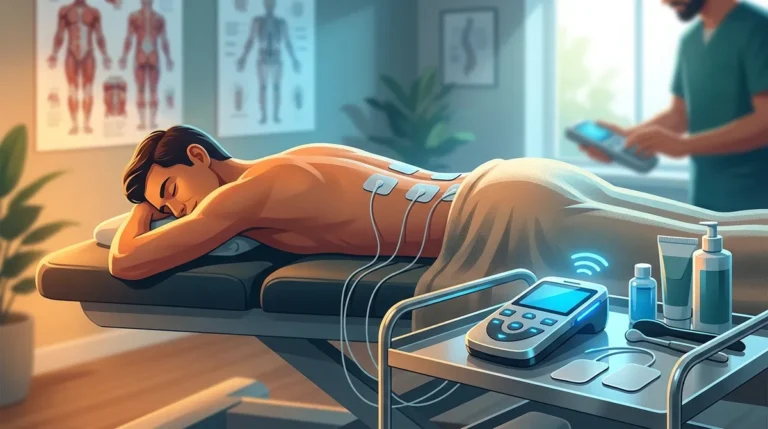
Advanced combo units that combine TENS, EMS, interferential, and microcurrent technologies in a single device allow chiropractors to customize treatment approaches without investing in multiple separate devices. This integration reduces overhead costs while expanding the range of therapeutic protocols available in a single session.
Professional vs. Consumer TENS Units
| Attribute | Professional-Grade Units | Consumer OTC Units |
|---|---|---|
| Parameter Control | Fully programmable by licensed provider | Limited preset modes |
| Output Range | Wide therapeutic range | Narrow, lower-intensity output |
| Electrode Options | Diverse sizes, shapes, and garment styles | Standard pads only |
| Modality Integration | TENS, EMS, IF, MC in one device | TENS only |
| Typical Price Range | $65 and above | $20–$50 |
| Intended User | Licensed healthcare providers | General consumers |
Safety Protocols and Contraindications for TENS Therapy
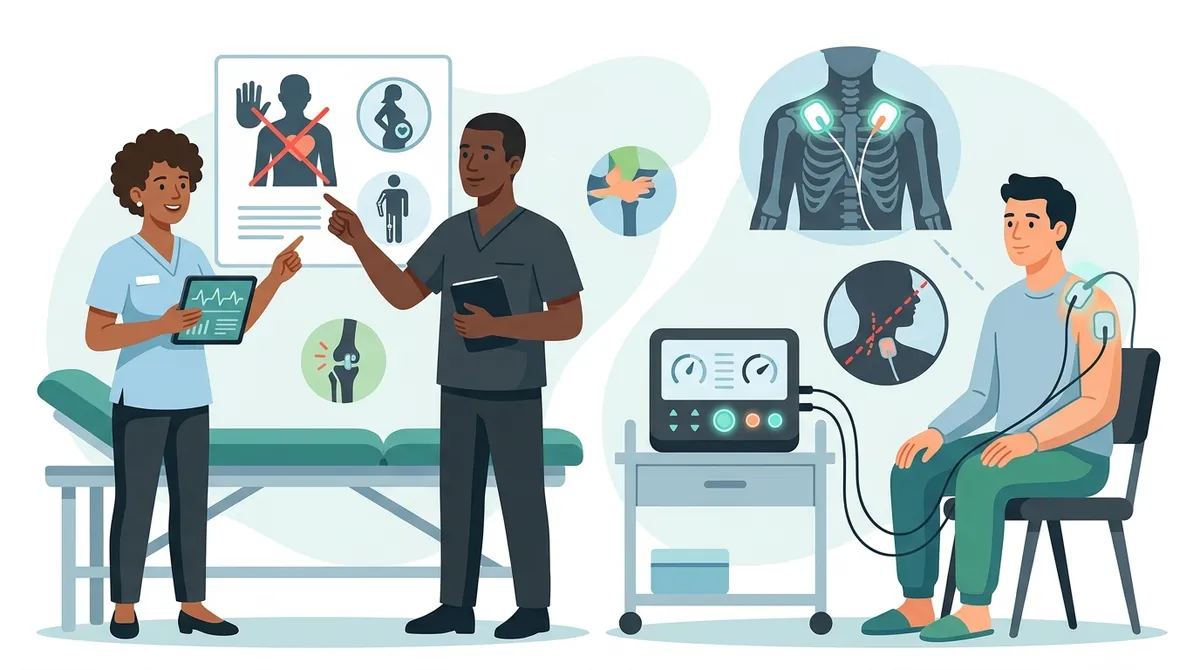
Responsible application of TENS therapy requires a thorough understanding of contraindications and patient screening protocols. The FDA recognizes TENS as a regulated medical device, and its clinical application demands adherence to established safety guidelines.
Absolute Contraindications
Chiropractors must screen all patients before initiating TENS therapy. The following patient populations and anatomical regions represent absolute contraindications:
- Patients with cardiac pacemakers or implantable defibrillators — electrical current may interfere with device function.
- Pregnant patients — TENS should not be applied over the abdomen or lower back during pregnancy.
- Patients with a history of seizures or epilepsy — electrical stimulation may trigger seizure activity.
- Active malignancy at the treatment site — stimulation should not be applied directly over cancerous tissue.
- Sensitive anatomical regions — application over the face, anterior neck, chest, or directly over the spinal column is contraindicated.
Beyond contraindications, chiropractors must also maintain strict infection control practices. Electrode pads should be sanitized or replaced between patients, and proper skin preparation should be performed prior to each treatment session to ensure both hygiene and optimal electrical conductivity.
Integrating TENS Therapy Into Chiropractic Practice in San Francisco
San Francisco chiropractors serve a diverse and health-conscious patient population that increasingly seeks non-pharmacological, integrative solutions for pain management. According to the National Institutes of Health, high rates of persistent chronic pain among U.S. adults underscore the critical need for accessible, evidence-based alternatives to opioid medication—a need that TENS therapy is well-positioned to address.
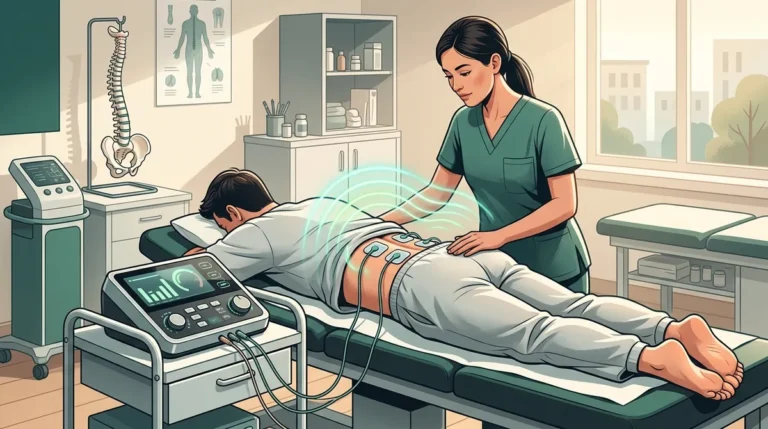
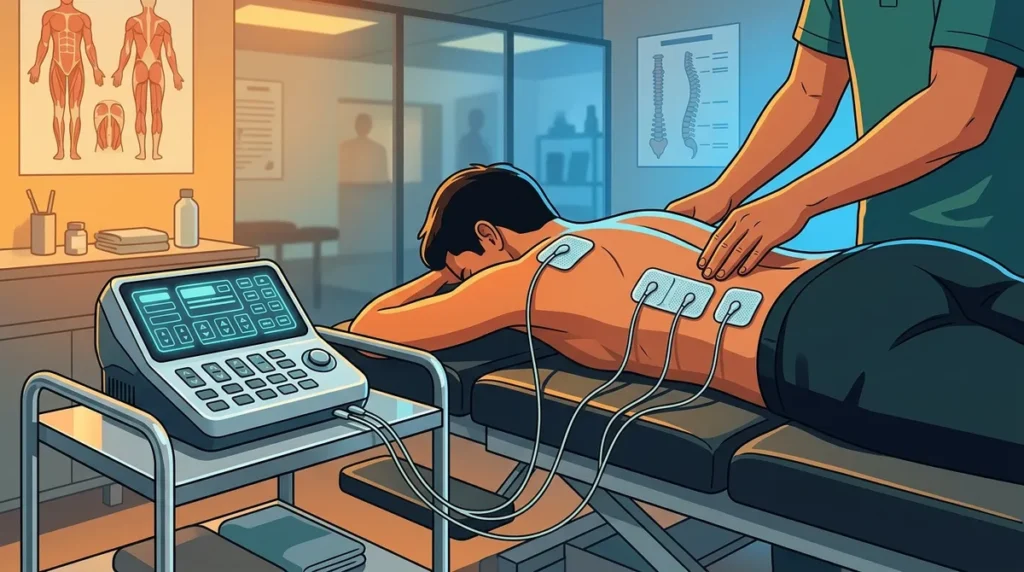
TENS units for chiropractors in San Francisco serve multiple clinical roles within an integrated treatment protocol. As an adjuvant therapy, TENS is most effective when used alongside spinal manipulation, therapeutic exercise, and rehabilitative procedures rather than as a standalone treatment. Incorporating TENS pre-adjustment can reduce muscle guarding and improve patient comfort during spinal mobilization, while post-adjustment application helps manage residual soreness and promote tissue recovery.
Key Clinical Applications in Chiropractic Settings
- Chronic low back pain management — one of the most prevalent conditions presenting in chiropractic offices, effectively addressed with targeted TENS electrode placement.
- Cervical pain and whiplash — particularly relevant for auto accident injury clinics managing soft tissue damage from motor vehicle collisions.
- Joint sensitivity and osteoarthritis — TENS provides effective non-pharmacological relief for patients with degenerative joint conditions.
- Nerve-related discomfort — sciatica, radiculopathy, and peripheral neuropathy respond well to TENS modalities.
- Post-procedural pain management — supporting recovery following chiropractic adjustments or physical therapy interventions.
For auto accident injury clinics in particular, TENS therapy aligns well with insurance billing protocols for workers’ compensation and auto accident claims, making it both clinically effective and financially viable for practice integration.
Sourcing TENS Units and Electrotherapy Equipment
San Francisco chiropractors have access to several sourcing channels for professional-grade TENS units and supporting electrotherapy equipment. Local medical supply options exist within the city, providing convenience for urgent procurement needs. However, for practices seeking customized electrotherapy solutions, dedicated specialized providers offer significantly broader product ranges and clinical support resources.
Liberty Medical Solutions, a Tampa-based provider specializing in TENS devices and comprehensive electrotherapy equipment for clinics and healthcare providers, offers an extensive catalog tailored specifically to chiropractic and physical therapy practices. Their product line includes professional-grade TENS devices, back braces, cervical traction units, conductive garments, and TheraKnit garments—all designed to complement and enhance electrotherapy treatment protocols. Importantly, Liberty Medical Solutions also assists healthcare providers in navigating insurance processes, including workers’ compensation and auto accident claims, streamlining the administrative burden associated with electrotherapy billing.
Electrode and Accessory Selection for Optimal Outcomes
The effectiveness of TENS therapy is directly influenced by the quality and suitability of electrode accessories used during treatment. Proper electrode placement is as important as device settings in achieving optimal therapeutic outcomes.
| Electrode/Accessory Type | Best Application | Clinical Benefit |
|---|---|---|
| Standard self-adhesive pads | Localized pain points, trigger points | Targeted stimulation, easy repositioning |
| Conductive garments | Broad anatomical areas (back, shoulder, knee) | Even current distribution, patient comfort |
| TheraKnit garments | Extended wear and at-home therapy | Consistent contact, improved compliance |
| Carbon rubber electrodes | Reusable clinic applications | Cost-effective, durable for high-volume use |
For chiropractic practices treating high volumes of patients, conductive garments and TheraKnit options represent a significant upgrade over standard adhesive pads. These garment-based electrode systems ensure uniform current distribution across larger treatment areas, reduce preparation time between patients, and improve overall treatment consistency.
Expanding Your Practice With Electrotherapy Protocols
Investing in high-quality TENS units for chiropractors in San Francisco is not simply a clinical decision—it is a strategic practice development opportunity. Practices that offer comprehensive electrotherapy services differentiate themselves within a competitive market, attract a broader patient demographic, and create additional revenue streams through expanded treatment protocols.
Physical therapy clinics and chiropractic practices that integrate electrotherapy report improved patient retention and higher satisfaction scores, as patients experience measurable pain relief within their treatment sessions. For auto accident injury clinics, offering electrotherapy services supports comprehensive injury documentation and treatment records that are essential for insurance claim processing and legal proceedings.
The CDC actively promotes non-opioid therapies for pain management as part of its broader overdose prevention strategy, reinforcing the clinical and public health value of modalities like TENS in both chiropractic and physical therapy settings. Providers who align their practice with these evidence-based guidelines strengthen both their clinical credibility and their appeal to insurance networks prioritizing non-pharmacological care.
Conclusion: Elevating Chiropractic Care With the Right TENS Technology
TENS units represent one of the most clinically validated, cost-effective, and versatile tools available to San Francisco chiropractors seeking to enhance their pain management protocols. From chronic back pain and cervical injuries to post-adjustment recovery and auto accident rehabilitation, TENS therapy delivers measurable results when applied correctly by trained, licensed practitioners. Selecting the right professional-grade equipment, understanding proper safety protocols, and sourcing from a reliable electrotherapy provider are the foundational steps to building an effective and compliant electrotherapy program in your practice.
If you are ready to expand your practice’s electrotherapy capabilities with professional-grade TENS devices and customized solutions, reach out to our team at Liberty Medical Solutions to explore the full range of products and services designed specifically for chiropractic and physical therapy providers.
FAQs
Q: What is the difference between TENS and EMS in chiropractic treatment?
A: TENS (Transcutaneous Electrical Nerve Stimulation) targets nerve pathways to modulate and reduce pain signals, while EMS (Electrical Muscle Stimulation) directly stimulates muscle tissue to promote contraction and rehabilitation. Chiropractors select between these modalities based on the patient’s specific condition—TENS is preferred for pain relief, while EMS is used for muscle recovery and strengthening.
Q: Are there patients for whom TENS therapy is contraindicated?
A: Yes. TENS therapy should not be administered to patients with cardiac pacemakers or implantable defibrillators, pregnant individuals (particularly over the abdomen or lower back), patients with a history of seizures, or those with active malignancy at the treatment site. Application over the face, anterior neck, chest, or directly over the spinal column is also contraindicated.
Q: What features should San Francisco chiropractors look for in a professional TENS unit?
A: Professional-grade TENS units should offer fully adjustable frequency and pulse width settings, multiple channel outputs, combination modality capabilities (integrating TENS, EMS, interferential, and microcurrent), and compatibility with diverse electrode accessories including conductive garments. These features ensure the device can accommodate a wide range of clinical presentations and patient needs.
Q: How should TENS units be sanitized between patient treatments?
A: Electrode pads should be replaced or thoroughly sanitized between each patient to maintain infection control standards. Single-use adhesive electrodes should be discarded after use by individual patients, while reusable carbon rubber electrodes must be cleaned with appropriate medical-grade disinfectants. Proper skin preparation before electrode placement also ensures both hygiene and optimal electrical conductivity.
Q: Can TENS therapy be used for patients with auto accident injuries?
A: Yes, TENS therapy is highly effective for managing soft tissue injuries, whiplash, and cervical pain commonly associated with auto accident trauma. For auto accident injury clinics, TENS treatment also supports comprehensive injury documentation and integrates well with workers’ compensation and auto insurance billing processes, making it both clinically beneficial and administratively practical.