Key Takeaways
-
Dual-channel TENS units enable simultaneous treatment of two body areas with independent pulse parameters, maximizing clinical efficiency for Yonkers practices managing patients with concurrent lumbar and cervical pain.
-
Combination TENS/EMS and interferential therapy units provide broader therapeutic capabilities—addressing both pain management and muscle rehabilitation—making them ideal for auto accident injury and workers' compensation cases common in Yonkers.
-
Portable TENS units prescribed for home use extend treatment between appointments, improve patient compliance, and create an additional revenue stream through commercial insurance PPO/POS, workers' compensation, and auto accident claim billing.
-
Proper technical specifications—including pulse rate (2-120 Hz), pulse width (40-260 μs), and intensity (0-80 mA)—directly determine treatment versatility and patient comfort across diverse chiropractic presentations.
-
Three treatment modes—constant, burst, and modulation—allow chiropractors to customize protocols; modulation mode prevents nerve accommodation during prolonged sessions, improving outcomes for chronic pain conditions.
-
Working with specialized electrotherapy suppliers that understand insurance billing codes and documentation requirements streamlines TENS unit procurement and maximizes reimbursement potential across multiple insurance categories.
Chiropractors in Yonkers, New York, are under constant pressure to deliver effective, drug-free pain relief for patients dealing with back injuries, muscle spasms, and chronic musculoskeletal conditions. As the opioid crisis continues to drive demand for non-pharmacological alternatives, electrotherapy has become an essential clinical tool in chiropractic practices across Westchester County. According to the National Institutes of Health, chronic pain affects a significant portion of U.S. adults, making effective non-opioid treatment options more critical than ever. TENS units for chiropractors in Yonkers represent one of the most clinically proven, patient-friendly modalities available — delivering targeted electrical stimulation that disrupts pain signals and promotes recovery without the risks associated with medication.
This guide walks through six of the most impactful TENS unit categories and features that Yonkers chiropractors should know about in 2026, helping clinicians make informed procurement decisions that elevate patient outcomes and clinical efficiency.
Why TENS Therapy Belongs in Every Yonkers Chiropractic Practice
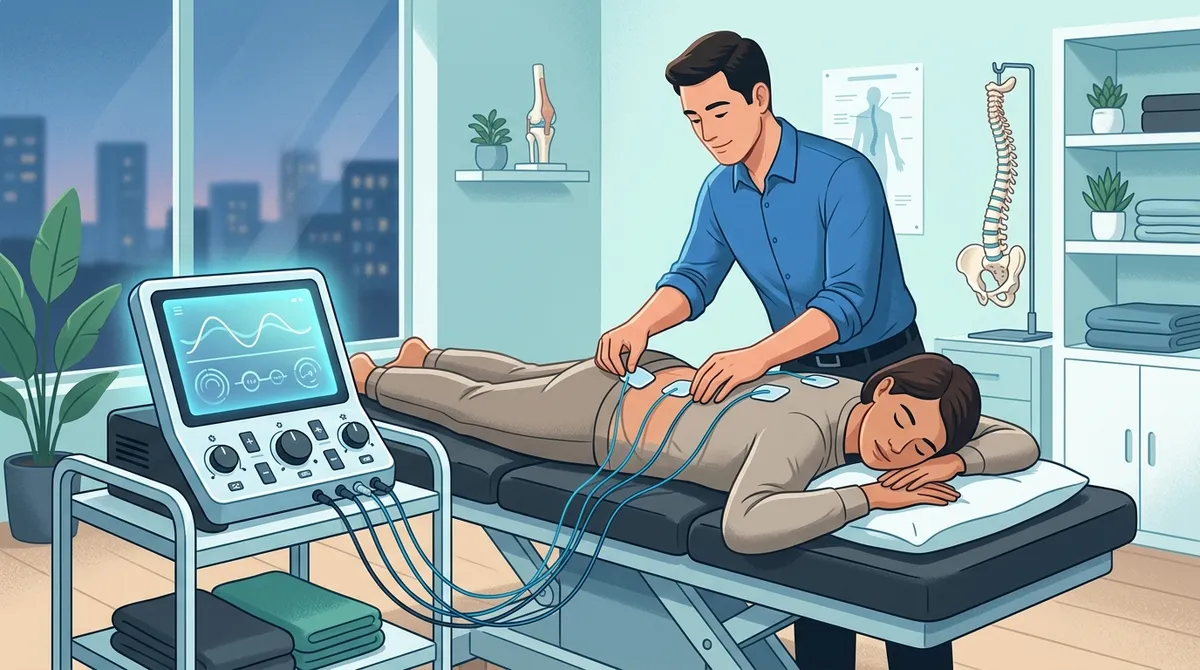
Transcutaneous electrical nerve stimulation (TENS) delivers low-voltage electrical impulses through surface electrodes placed on the skin. These impulses work by activating sensory nerve fibers that block pain signal transmission to the brain — a mechanism supported by the gate control theory of pain. The Cleveland Clinic recognizes TENS as a widely accepted adjunct therapy for musculoskeletal and neuropathic pain management.
For chiropractic offices, TENS therapy complements spinal adjustments by reducing patient discomfort before and after manipulations, relaxing tight musculature, and supporting at-home rehabilitation between appointments. Practices in Yonkers treating workers’ compensation cases, auto accident injuries, and chronic back conditions benefit significantly from incorporating professional-grade TENS devices into their clinical workflow.

Key Technical Specifications to Evaluate
Before selecting a TENS unit for clinical use, chiropractors must understand the core technical parameters that determine therapeutic versatility and patient comfort. The table below summarizes the specifications most relevant to chiropractic applications.
| Parameter | Standard Range | Clinical Relevance |
|---|---|---|
| Pulse Rate (Frequency) | 2 Hz – 120 Hz | Low frequencies stimulate endorphin release; high frequencies block pain signals acutely |
| Pulse Width | 40 μs – 260 μs | Wider pulses penetrate deeper tissue; narrower pulses target superficial nerves |
| Pulse Intensity | 0 mA – 80 mA | Adjustable intensity ensures safe, comfortable treatment for varied patient tolerances |
| Channels | Dual isolated | Simultaneous treatment of two body areas increases session efficiency |
| Timer | 15 – 60 min / continuous | Programmable sessions support standardized in-office and home-use protocols |
Understanding these parameters allows chiropractors to select units that are versatile enough for diverse patient populations, from acute sports injuries to chronic degenerative conditions common in Yonkers’ working-age demographic.
6 TENS Unit Categories Yonkers Chiropractors Need
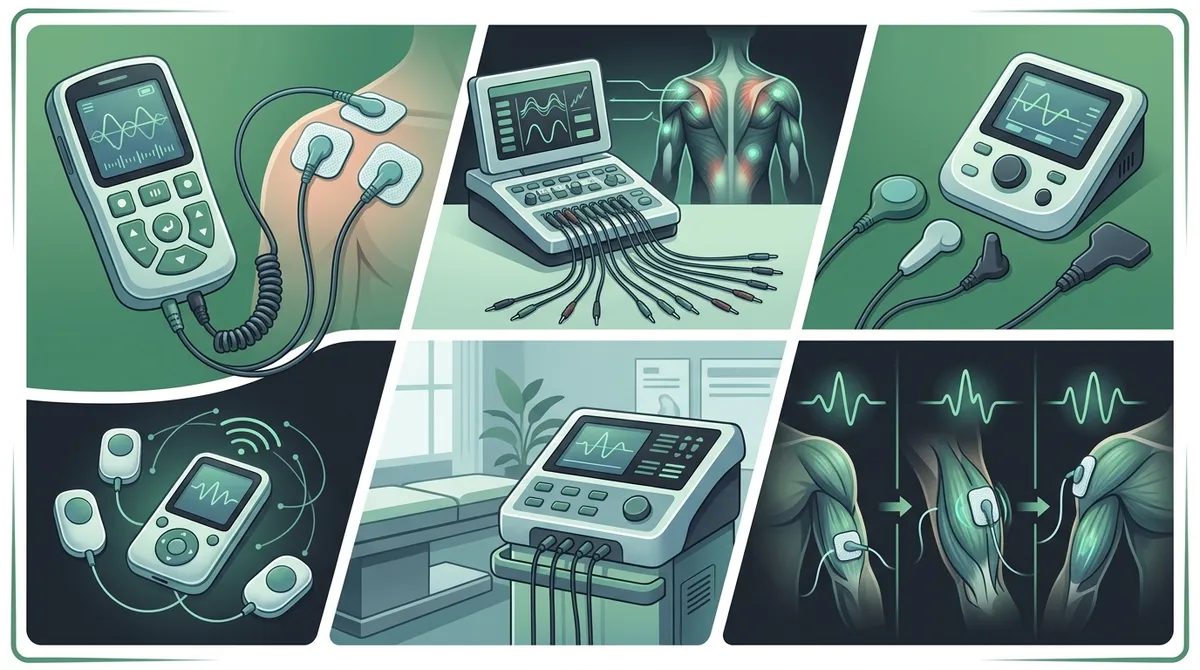
1. Dual-Channel Clinical TENS Units
Dual-channel TENS units allow practitioners to treat two distinct anatomical regions simultaneously, maximizing treatment efficiency during busy clinic hours. Each channel operates independently with isolated output, enabling customized pulse parameters for different treatment sites. For example, a chiropractor managing a patient with concurrent lumbar and cervical pain can address both conditions in a single session.
Units with adjustable pulse intensity from 0 mA to 80 mA peak into a 500-ohm load per channel give clinicians precise control over stimulation depth and patient comfort — a critical feature when treating post-adjustment sensitivity. These are among the most valuable electrotherapy devices for high-volume chiropractic offices.
2. Combination TENS/EMS Units
Combination units that integrate TENS with electrical muscle stimulation (EMS) provide a broader therapeutic toolkit within a single device. While TENS targets pain management through sensory nerve modulation, EMS actively contracts muscle fibers to address atrophy, improve circulation, and accelerate rehabilitation. This dual functionality is particularly valuable for auto accident injury clinics in Yonkers treating patients with whiplash and soft tissue trauma.
Advanced combination devices support TENS/EMS frequencies ranging from 1 Hz to 150 Hz, pulse widths from 50 μs to 300 μs, and output currents from 0 to 100 mA — parameters broad enough to address both acute and chronic presentations. For more guidance on selecting versatile units, review resources on how to choose TENS units for chiropractic practices.
3. Interferential Therapy Combo Units
Interferential current (IFC) therapy uses two medium-frequency currents that intersect within deep tissue to produce a low-frequency therapeutic effect at the target site. This approach reduces skin impedance discomfort compared to conventional TENS while penetrating more deeply into musculoskeletal structures. Combo units combining TENS and interferential therapy are ideal for treating deep-seated lumbar pathologies and hip joint dysfunction — conditions frequently presenting in Yonkers chiropractic offices.
Chiropractic practices specializing in workers’ compensation rehabilitation will find interferential combo units especially effective. The FDA has issued guidance emphasizing the expansion of non-opioid treatment options for chronic pain, and interferential therapy represents a strong clinical case for drug-free pain management billing under applicable insurance codes.
4. Portable TENS Units for Patient Home Use
Sending patients home with professionally prescribed TENS units extends the therapeutic window between chiropractic visits and improves overall patient compliance and satisfaction. Portable units weigh as little as 5.3 oz — comparable to the Digital TENS 7000 — and run on a standard 9V battery, making them practical for daily home use. Patient compliance meters built into select units allow clinicians to monitor adherence and adjust home protocols accordingly.
Providing patients with portable TENS devices also creates an additional revenue stream for chiropractic offices working with commercial insurance PPO/POS plans, workers’ compensation cases, and auto accident claims — all insurance categories supported by specialty electrotherapy suppliers like Liberty Medical Solutions. For additional context on home-use TENS integration, explore how Syracuse chiropractors rely on TENS units for pain relief.
5. Microcurrent Therapy Units
Microcurrent therapy operates at sub-sensory current levels (below 1 mA), closely mimicking the body’s natural bioelectrical currents to promote cellular repair and reduce inflammation. Unlike conventional TENS, patients typically feel no sensation during treatment, making microcurrent an excellent option for highly sensitive patients, post-surgical cases, or those with acute inflammatory conditions requiring gentle tissue therapy.
Multi-modal units that combine microcurrent with TENS and EMS offer Yonkers chiropractors a single device capable of treating the full spectrum of musculoskeletal presentations. These advanced platforms are also compatible with conductive garments, which improve electrode-to-skin contact and broaden the treatment surface area for back and joint rehabilitation.
6. TENS Units with Conductive Garment Compatibility
Conductive garment-compatible TENS units represent the leading edge of electrotherapy for chiropractic applications. Rather than relying on traditional adhesive electrodes, conductive garments — such as back wraps, knee sleeves, and cervical collars — distribute electrical stimulation evenly across larger anatomical surfaces. This is particularly beneficial for patients with widespread myofascial pain or those who are intolerant of adhesive electrode placement.
When paired with TheraKnit garments, these TENS systems provide Yonkers chiropractic patients with consistent therapeutic coverage during both in-office treatment and at-home sessions. The combination of conductive textiles and professionally calibrated TENS output represents a significant advancement in personalized electrotherapy delivery.
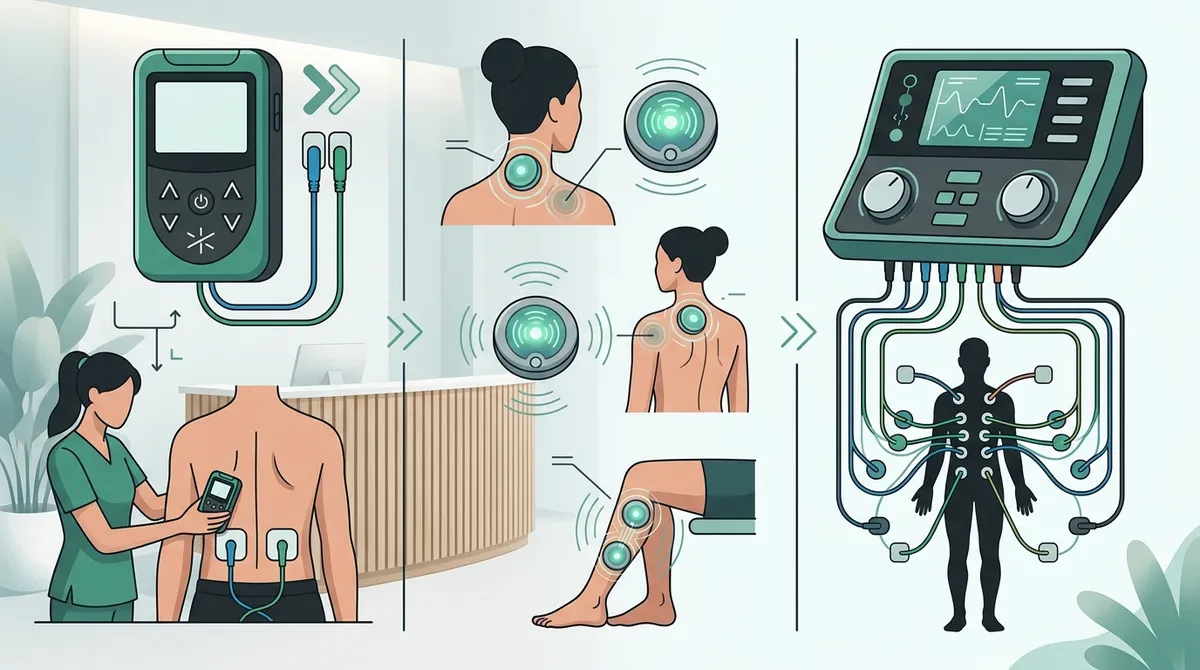
Comparing TENS Unit Configurations for Chiropractic Use
| Unit Type | Best For | Key Features | Ideal Patient Profile |
|---|---|---|---|
| Dual-Channel Clinical TENS | In-office multi-site treatment | Isolated channels, 0–80 mA output | Acute and chronic pain patients |
| TENS/EMS Combo | Rehab and muscle reconditioning | 1–150 Hz, 50–300 μs pulse width | Post-injury, auto accident recovery |
| Interferential Combo | Deep tissue pain management | Medium-frequency crossed currents | Lumbar, hip, and joint dysfunction |
| Portable Home TENS | Patient compliance between visits | Lightweight, 9V battery, compliance meter | Chronic pain, workers’ comp patients |
| Microcurrent Units | Sensitive or acute inflammatory cases | Sub-sensory currents, cellular repair | Post-surgical, acute inflammation |
| Conductive Garment TENS | Broad-surface treatment areas | Garment compatibility, even distribution | Myofascial pain, large treatment zones |
Accessories That Maximize TENS Therapy Outcomes
The effectiveness of any TENS unit is directly influenced by the quality and appropriateness of its accessories. Yonkers chiropractors should ensure their practices are stocked with the following essential components:
- Self-adhesive electrodes: Available in multiple sizes and shapes to accommodate different anatomical treatment sites, from lumbar to cervical regions
- Lead wires: High-quality, durable lead wires ensure consistent signal delivery and reduce the risk of interrupted treatment sessions
- Carrying cases: Protective cases maintain device integrity and facilitate easy transport for mobile practitioners or home delivery programs
- Replacement batteries: Stocking 9V and AA batteries ensures that portable units remain operationally ready for patients using home-based protocols
- Conductive garments: Conductive garments expand treatment surface options and improve patient tolerance for prolonged TENS sessions
Maintaining a well-stocked accessory inventory prevents treatment interruptions and supports the consistent patient experience that builds long-term practice loyalty in competitive markets like Yonkers.
TENS Therapy Treatment Modes Explained
Understanding the available output modes on professional TENS units enables chiropractors to customize treatment protocols for individual patient presentations. The three primary modes include:
- Constant Mode: Delivers a continuous, uninterrupted electrical output at the set parameters — most effective for acute pain management during initial patient presentations
- Burst Mode: Outputs brief trains of pulses at regular intervals, simulating acupuncture-like stimulation and promoting endogenous opioid release for chronic pain conditions
- Modulation Mode: Automatically varies pulse rate, width, or amplitude to prevent nerve accommodation — ideal for prolonged treatment sessions where patient tolerance to a fixed stimulus may diminish over time
Selecting the appropriate mode based on clinical presentation is a key differentiator between basic and advanced TENS therapy outcomes. Research published by the CDC supports non-opioid therapies including electrostimulation as part of a comprehensive chronic pain management strategy.
Insurance Billing Considerations for Yonkers Chiropractic Offices
One often-overlooked advantage of integrating TENS therapy into a Yonkers chiropractic practice is the insurance billing potential. Many patients treated for auto accident injuries, workplace injuries, or chronic musculoskeletal conditions may be eligible for TENS unit coverage under their existing insurance plans.
| Insurance Type | TENS Unit Coverage Potential | Key Documentation Required |
|---|---|---|
| Commercial PPO/POS (Out-of-Network) | High potential with proper coding | Letter of medical necessity, diagnosis codes |
| Workers’ Compensation | Frequently covered for work-related injuries | Injury report, treating physician authorization |
| Auto Accident / PIP | Strong coverage for soft tissue injury treatment | Accident documentation, treatment plan |
| Third-Party Liability | Case-dependent, often covered post-settlement | Legal authorization, medical records |
Working with a specialized electrotherapy supplier that understands the nuances of insurance billing is essential. Liberty Medical Solutions works directly with commercial PPO/POS plans, workers’ compensation cases, and auto accident claims — streamlining the procurement and billing process for chiropractic practices across New York.
Selecting the Right Electrotherapy Partner for Your Yonkers Practice
Beyond device specifications, Yonkers chiropractors benefit most from working with an electrotherapy supplier that offers clinical guidance, insurance support, and a comprehensive product portfolio. Practices should look for suppliers that provide customized equipment recommendations aligned with their specific patient demographics and treatment philosophies.
For practices treating a mix of acute sports injuries, auto accident rehabilitation, and chronic degenerative conditions, having access to a full range of electrotherapy products — including TENS devices, back braces, and cervical traction units — ensures that every patient’s recovery needs can be addressed comprehensively. Chiropractors in neighboring markets have already embraced this integrated approach, as demonstrated by resources on TENS units for Mount Vernon chiropractors and top TENS units for New Rochelle chiropractors.
Conclusion
TENS units for chiropractors in Yonkers have evolved well beyond basic pain management tools — they are now sophisticated, multi-modal clinical instruments capable of addressing the full spectrum of musculoskeletal conditions encountered in modern chiropractic practice. From dual-channel clinical units and interferential combo devices to portable home-use systems and conductive garment-compatible platforms, the right electrotherapy configuration can dramatically improve patient outcomes, increase practice revenue, and support drug-free pain management for Yonkers’ diverse patient population.
Whether your practice focuses on workers’ compensation rehabilitation, auto accident recovery, or chronic spinal care, investing in the right TENS technology is a clinical and business imperative in 2026. Reach out to our electrotherapy specialists at Liberty Medical Solutions to discuss customized TENS unit solutions tailored specifically for your Yonkers chiropractic practice.
FAQs
Q: What are the best TENS units for chiropractors in Yonkers?
A: The most effective TENS units for Yonkers chiropractic practices are dual-channel clinical units, combination TENS/EMS devices, and interferential therapy combo units. The ideal choice depends on your patient population — practices treating auto accident or workers’ compensation cases benefit most from multi-modal combination units that address both pain management and muscle rehabilitation.
Q: How do TENS units complement chiropractic adjustments?
A: TENS therapy reduces muscle tension and pain sensitivity before spinal adjustments, making manipulations more comfortable and effective. Post-adjustment, TENS can minimize soreness, reduce inflammation, and reinforce the neuromuscular benefits of chiropractic treatment, leading to improved patient outcomes and higher satisfaction rates.
Q: Can Yonkers chiropractic patients receive TENS units through insurance?
A: Yes, many patients may qualify for TENS unit coverage under commercial PPO/POS plans with out-of-network benefits, workers’ compensation policies, and auto accident personal injury protection (PIP) plans. Proper documentation including a letter of medical necessity and accurate diagnosis codes is essential for successful reimbursement.
Q: What features should chiropractors look for when purchasing clinical TENS units?
A: Chiropractors should prioritize units with adjustable pulse rate (2–120 Hz), pulse width (40–260 μs), and intensity (0–80 mA), dual isolated channels, multiple output modes (constant, burst, modulation), and compatibility with conductive garments. Portability, patient compliance meters, and multi-modality support (EMS, interferential, microcurrent) further enhance clinical versatility.
Q: Are combination TENS and EMS units effective for back pain treatment in chiropractic settings?
A: Combination TENS/EMS units are highly effective for back pain treatment because they address both pain perception and muscle function simultaneously. TENS disrupts pain signals while EMS actively stimulates muscle contractions, making these units particularly valuable for patients recovering from work-related back injuries, auto accident trauma, or chronic lumbar degeneration.