Key Takeaways
-
Buffalo chiropractors should prioritize TENS units with dual isolated channels, pulse rates of 2-120 Hz, and pulse widths of 40-260 μs to treat multiple body regions independently and accommodate diverse patient conditions like auto accident injuries.
-
TENS units prescribed as durable medical equipment can be covered under commercial PPO/POS plans, workers' compensation, and auto accident claims in Buffalo—requiring proper documentation and working with suppliers who understand these insurance pathways.
-
Clinical-grade TENS units must include established safety protocols: screen for cardiac pacemakers, pregnancy, adhesive allergies, and never place electrodes over the spine, carotid arteries, or open wounds to protect patients and your practice legally.
-
Portable, battery-powered TENS units in the $15-$75 range with intuitive controls, protective electrode caps, and 30-60 minute timers enable effective home-use prescriptions between appointments, extending treatment impact.
-
Combining TENS therapy with complementary modalities like NMES for muscle rehabilitation, cervical traction units for neck conditions, and supportive back braces creates comprehensive treatment programs that accelerate recovery timelines.
-
Quality electrode selection—including conductive garments like TheraKnit and proper placement techniques—is equally critical as device specifications for consistent adhesion, uniform current distribution, and patient comfort in clinical settings.
Buffalo chiropractic practices are increasingly integrating electrotherapy into their clinical workflows, and TENS units have become an essential tool for delivering drug-free, non-invasive pain relief to patients. Whether you manage a high-volume clinic treating auto accident injuries or a specialized practice focused on chronic musculoskeletal conditions, selecting the right TENS unit can significantly elevate patient outcomes and streamline your care protocols. As the demand for non-opioid pain management continues to rise — supported by guidance from the FDA expanding non-opioid treatment options — chiropractic practices in Buffalo are well-positioned to lead with electrotherapy solutions. This guide walks you through everything you need to know to make an informed decision when sourcing TENS units for your practice.
What TENS Units Are and How They Benefit Chiropractic Patients
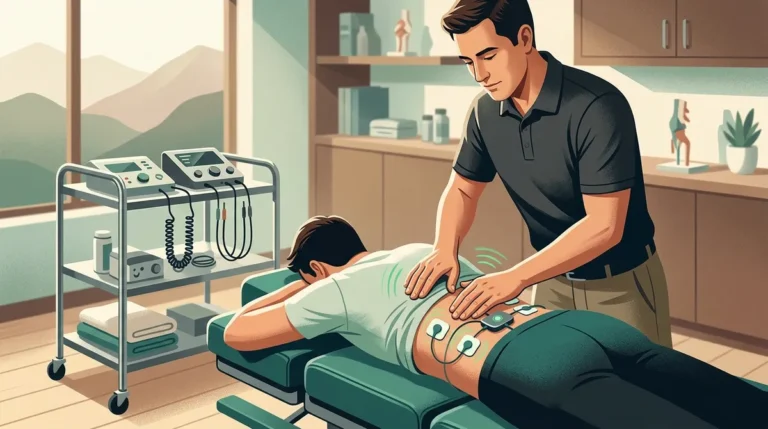
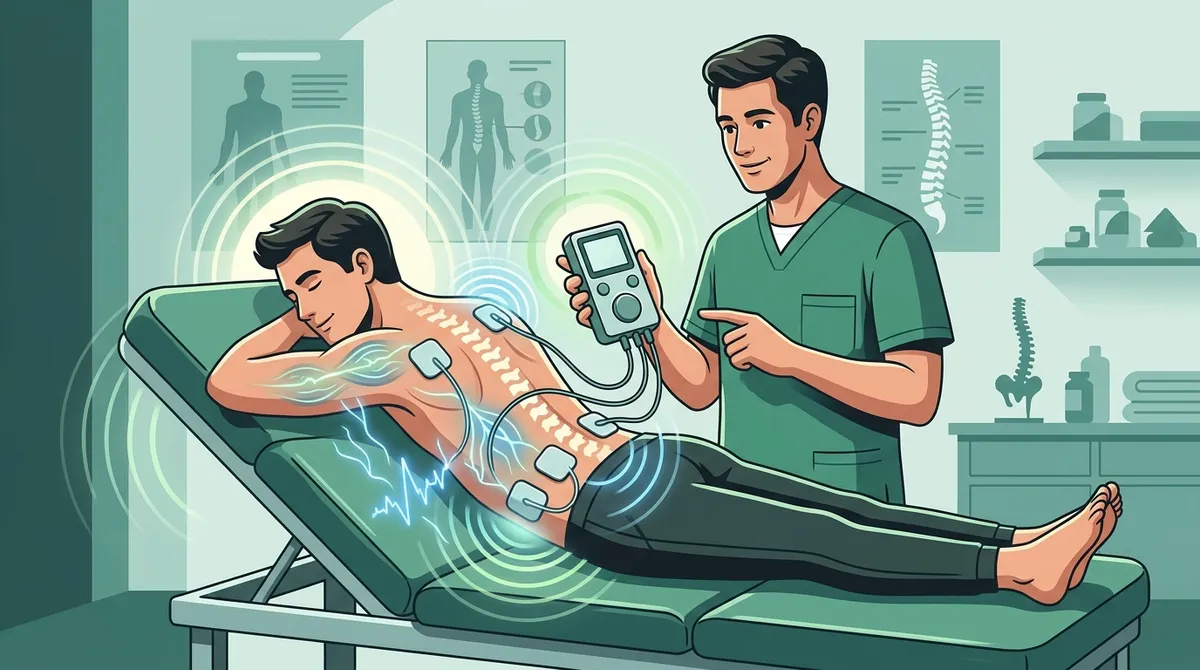
Transcutaneous Electrical Nerve Stimulation (TENS) therapy works by delivering gentle electrical pulses through skin-mounted electrodes to stimulate peripheral nerves. These impulses interrupt pain signal transmission along neural pathways and simultaneously trigger the release of endorphins, the body’s natural analgesic compounds. The result is measurable, non-pharmacological pain relief that complements the structural corrections achieved through chiropractic adjustments.
The Cleveland Clinic recognizes TENS as a clinically supported modality for managing acute and chronic pain, making it a credible addition to any evidence-based chiropractic practice. For Buffalo chiropractors treating patients with back pain, cervical strain, sciatica, or soft tissue injuries from auto accidents, TENS therapy provides an important bridge between in-office visits and at-home recovery.
Practices such as Peak Performance Chiropractic in the Buffalo area have already adopted TENS alongside other electrotherapy modalities like NMES and E-Stim to create comprehensive treatment programs. By understanding how these tools work and what specifications matter most, you can build a stronger clinical offering for your patients. You may also want to review resources like How to Choose TENS Units for Chiropractic Practices in Albany for additional regional context.
Key Technical Specifications to Evaluate
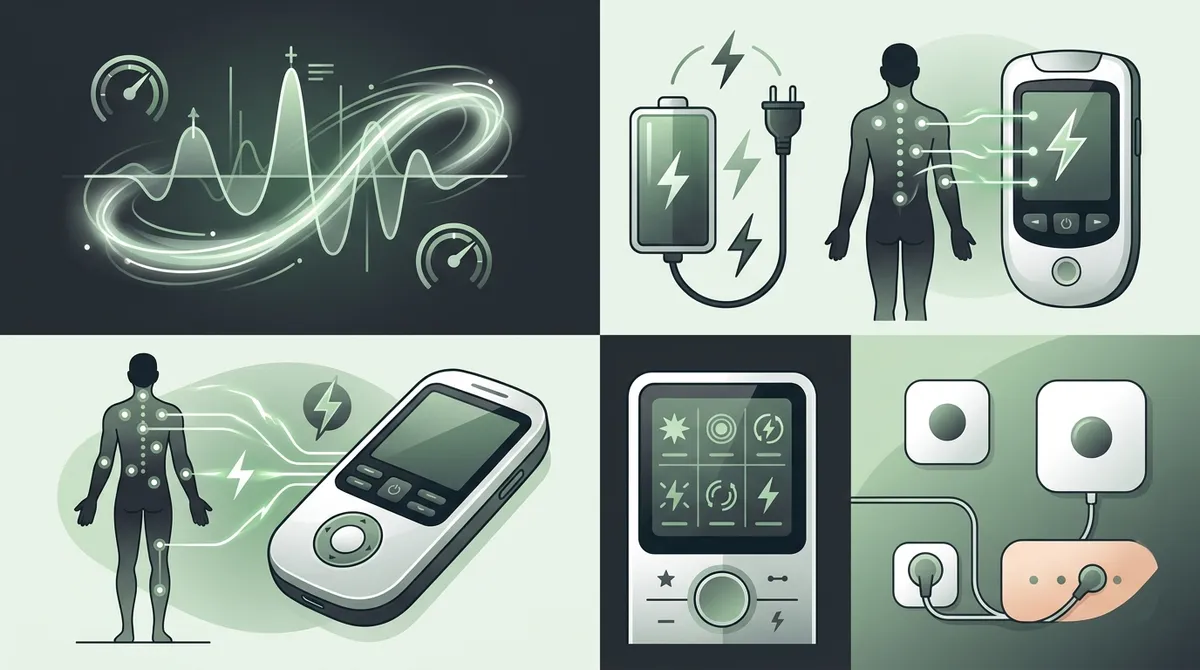
Not all TENS units are built the same. For clinical-grade use in a chiropractic setting, you need devices that offer precise control, reliable performance, and the flexibility to address multiple patient conditions. The following specifications are the most critical to evaluate when sourcing TENS units for chiropractors in Buffalo.
| Specification | Clinical Standard Range | Why It Matters |
|---|---|---|
| Pulse Rate (Frequency) | 2 Hz – 120 Hz | Low frequencies stimulate endorphin release; high frequencies block pain signals acutely |
| Pulse Width | 40 μs – 260 μs | Affects depth and comfort of stimulation; wider pulses reach deeper tissue |
| Pulse Intensity | 0 mA – 80 mA (per channel) | Determines stimulation strength for different patient tolerances and body areas |
| Output Channels | Dual isolated channels | Allows simultaneous treatment of multiple body regions with independent control |
Dual isolated channels are particularly valuable in a busy clinic. They allow your team to treat bilateral conditions — such as symmetric lower back pain or bilateral shoulder tension — within a single session. Units with burst mode (typically delivering 2 bursts per second at 100 Hz with 9 pulses per burst) are effective for patients who do not respond well to constant stimulation, while modulation mode introduces automatic variation across pulse parameters every six seconds to prevent nerve adaptation.
Step-by-Step: How to Select the Right TENS Unit for Your Buffalo Practice
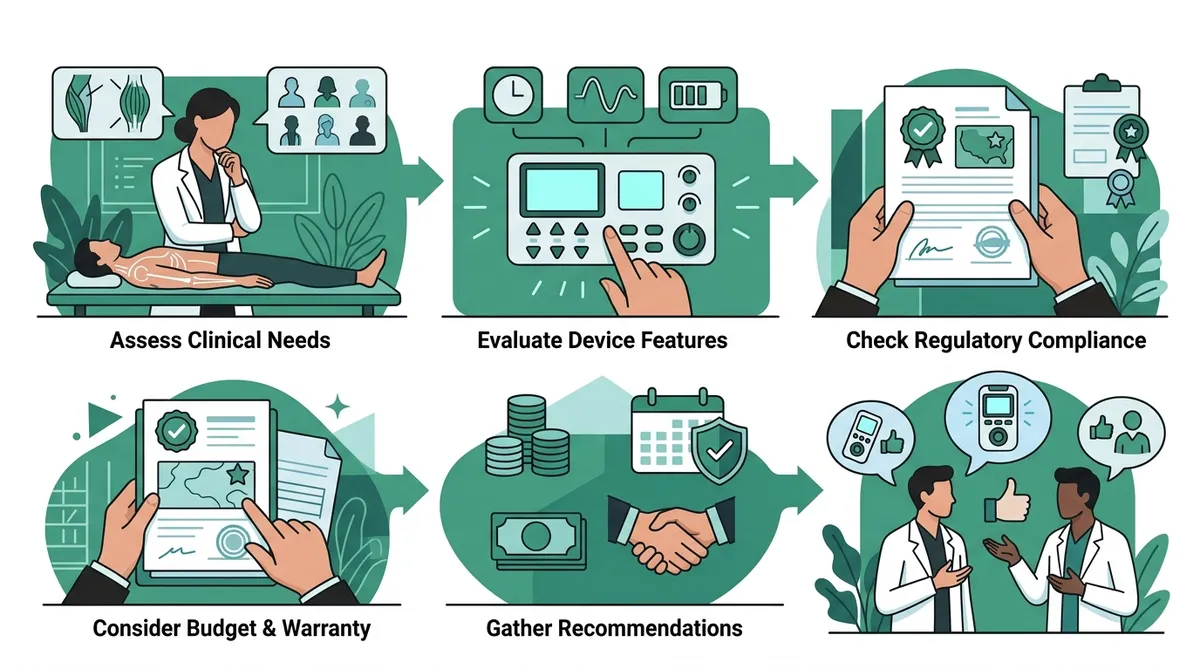
Choosing electrotherapy equipment for a clinical environment requires a structured approach. Follow these steps to ensure you select units that align with your patient population, clinical workflow, and long-term investment goals.
- Assess your patient demographics and conditions. Buffalo practices treating a high volume of workers’ compensation or auto accident cases will benefit from units with broader intensity ranges and multiple stimulation modes. Practices focused on chronic pain management may prioritize modulation and burst capabilities over raw output power.
- Determine in-clinic versus at-home use requirements. If you plan to prescribe TENS units for patients to use between appointments, prioritize portable, battery-powered models with intuitive controls, protective electrode caps, and built-in 30–60 minute therapy timers. Most quality units in the $15–$75 range are suitable for supervised home use.
- Verify channel isolation and output accuracy. Professional-grade units should offer independently isolated dual channels to prevent cross-channel interference, ensuring each electrode set delivers precise, uncontaminated stimulation.
- Review safety certifications and clinical track record. Select devices with documented safety performance. Units like the widely recognized TENS 7000, which has surpassed 2 million units sold since 2008, reflect the reliability that healthcare professionals depend on. Always confirm devices are appropriate for your intended patient population and contraindications.
- Evaluate vendor support, warranty, and insurance compatibility. Work with suppliers who understand how electrotherapy equipment intersects with insurance billing for workers’ compensation, commercial PPO/POS plans, and auto accident claims — all critical billing pathways in Buffalo clinical practice.
Comparing TENS with Related Electrotherapy Modalities
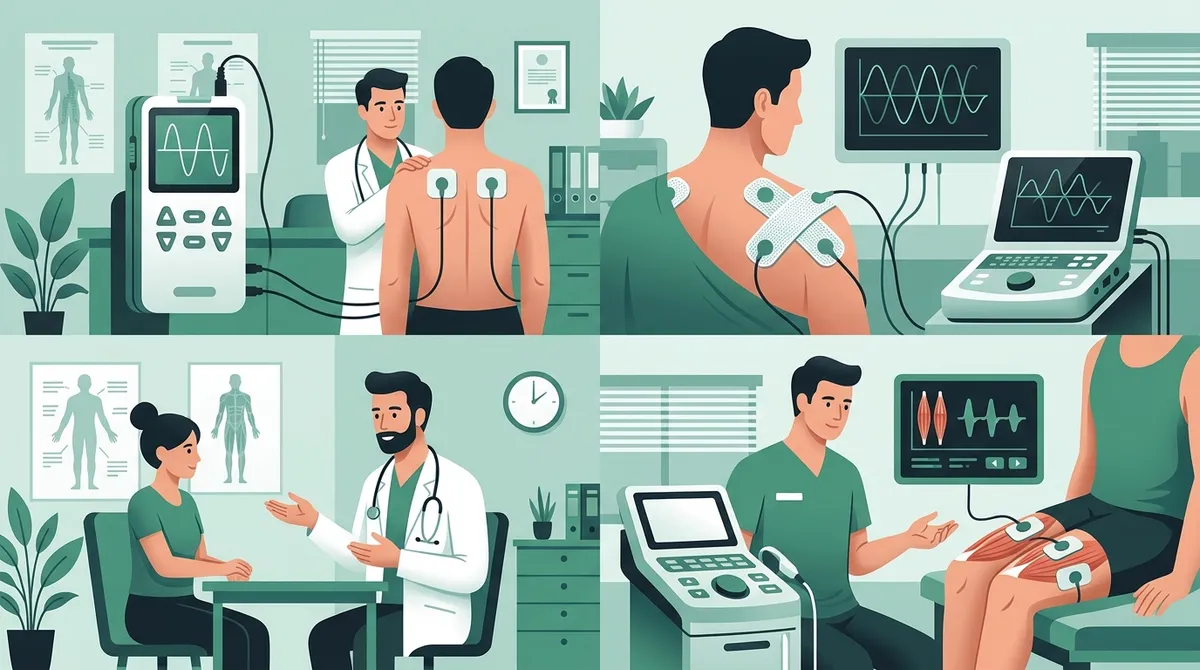
Many Buffalo chiropractors use TENS alongside other electrotherapy modalities. Understanding the differences helps you build a more complete treatment menu and communicate more effectively with patients about their care plans. The CDC supports the use of non-opioid therapies, including electrotherapy, as primary interventions in pain management strategies.
| Modality | Primary Mechanism | Best Clinical Application | Common Buffalo Use Case |
|---|---|---|---|
| TENS | Nerve stimulation, endorphin release | Acute and chronic pain relief | Post-adjustment recovery, home pain management |
| NMES (Neuromuscular Electrical Stimulation) | Muscle contraction via motor nerve activation | Muscle rehabilitation and strengthening | Post-injury muscle re-education |
| EMS (Electrical Muscle Stimulation) | Direct muscle fiber stimulation | Muscle recovery and spasm reduction | Soft tissue injury treatment |
| E-Stim (General Electrical Stimulation) | Variable — encompasses TENS and NMES protocols | Broad pain and muscle applications | Multi-condition clinic environments |
While TENS focuses primarily on sensory nerve stimulation for pain relief, NMES engages motor nerves to produce therapeutic muscle contractions. For chiropractic practices treating complex injuries — particularly those arising from auto accidents or workplace incidents — having access to both TENS and NMES capabilities can dramatically improve patient recovery timelines. Explore the full range of electrotherapy products available to support these clinical needs.
Electrode and Accessory Considerations for Clinical Settings
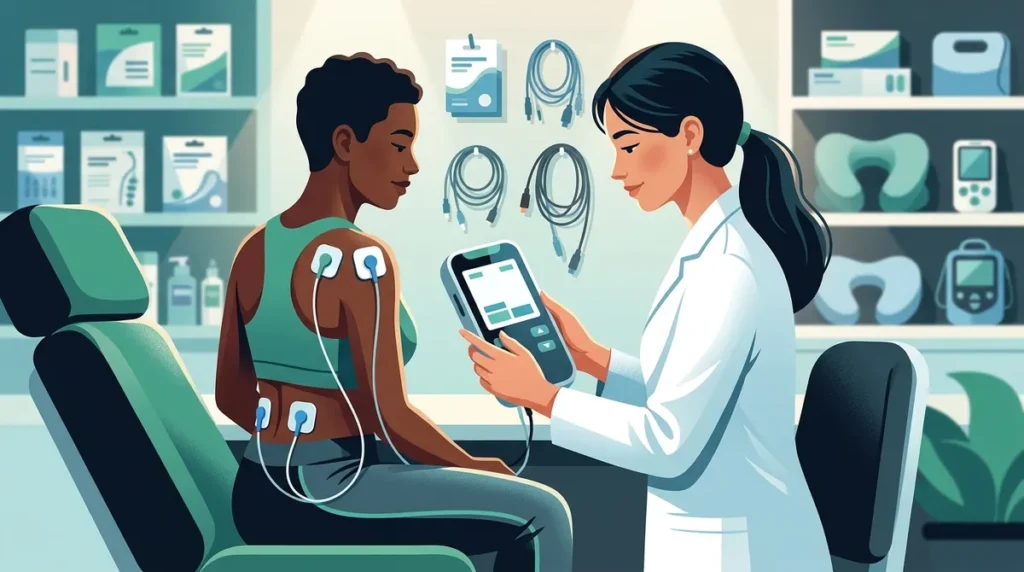
The effectiveness of any TENS unit is directly tied to the quality and placement of its electrodes. For chiropractic practices, selecting the right electrode accessories is as important as the device specifications themselves. Clinical-grade conductive electrodes must maintain consistent adhesion across varied skin types and body locations, deliver uniform current distribution, and be comfortable enough for extended sessions.
- Standard adhesive electrodes: Suitable for most patients and treatment areas; available in multiple sizes for targeted versus broad coverage applications.
- Conductive garments: Designed for consistent full-area contact over larger muscle groups; ideal for back pain protocols and post-adjustment muscle relaxation. Conductive garments from specialized providers integrate seamlessly with clinical TENS protocols.
- TheraKnit garments: Advanced fabric-based electrode solutions that conform to body contours, ensuring uniform stimulation without the repositioning challenges of individual pad electrodes. TheraKnit garments are particularly well-suited for patients with limited mobility.
- Cervical and spinal electrode configurations: For Buffalo practices managing cervical conditions alongside back injuries, dedicated cervical electrode placements paired with cervical traction units can create synergistic treatment protocols.
Always instruct patients on proper electrode placement, skin preparation, and hygiene practices. Electrodes should never be placed over broken skin, directly over the spine, near the carotid arteries, or on patients with known allergies to adhesive materials.
Safety Guidelines Every Buffalo Chiropractor Should Follow
Responsible use of TENS units requires clear clinical protocols that protect both patients and your practice. The National Library of Medicine documents the safety profile of TENS as generally favorable when applied correctly, but contraindications must be taken seriously. Establish consistent intake screening procedures that identify patients for whom TENS may be contraindicated.
- Do not use TENS on patients with implanted cardiac pacemakers or defibrillators due to potential electrical interference.
- Avoid TENS therapy during pregnancy, particularly over the abdominal or lumbar regions.
- Screen patients for known allergies to electrode adhesives before beginning treatment to prevent dermatological reactions.
- Never apply electrodes over active cancer sites, infected tissue, or open wounds.
- Educate patients on safe home use, including proper timer settings (typically 30–60 minutes per session) and the importance of beginning at the lowest effective intensity setting.
Documenting these screening protocols in your patient intake forms protects your practice legally and ensures consistent clinical standards across your team. For practices managing workers’ compensation or auto accident claims, thorough documentation of electrotherapy protocols also supports the insurance billing process.
Insurance and Billing Considerations for Buffalo Practices
One of the most practical considerations for Buffalo chiropractors is how TENS unit dispensing fits within the insurance billing landscape. Electrotherapy equipment, when prescribed as durable medical equipment (DME), can be covered under commercial PPO/POS plans, workers’ compensation cases, and auto accident claims — three billing categories commonly encountered in Western New York chiropractic practices.
| Insurance Type | TENS Unit Coverage Potential | Key Documentation Requirement |
|---|---|---|
| Commercial PPO/POS (Out-of-Network) | Often covered with DME benefit | Prescription, diagnosis code, proof of medical necessity |
| Workers’ Compensation | Frequently approved for injury-related pain | Treating physician authorization, injury documentation |
| Auto Accident Claims | Covered under personal injury protection (PIP) | Accident report, clinical notes linking injury to TENS need |
| Third-Party Liability | Case-dependent, often reimbursable | Attorney coordination and detailed clinical justification |
Working with a knowledgeable electrotherapy equipment supplier who understands these insurance pathways can significantly reduce administrative burden. Liberty Medical Solutions specializes in navigating commercial insurance, workers’ compensation, and auto accident billing for electrotherapy equipment, making it a strong partner for Buffalo chiropractic practices looking to expand their TENS unit dispensing programs. To learn more about how other New York-based practices are approaching this, see Why Do Syracuse Chiropractors Rely on TENS Units for Pain Relief? and 11 TENS Units Rochester Chiropractors Should Know in 2026.
Complementary Equipment to Strengthen Your Electrotherapy Program
TENS units deliver the strongest clinical results when integrated into a broader electrotherapy framework. Buffalo chiropractic practices that combine TENS therapy with supportive equipment can create more comprehensive treatment packages that address both pain relief and structural recovery.
- Back braces: Supportive back braces combined with TENS therapy reinforce spinal stability between adjustments while the electrotherapy continues to manage pain and inflammation.
- Cervical traction units: For patients with cervical disc conditions or chronic neck pain, cervical traction paired with TENS creates a synergistic decompression and pain relief protocol.
- TENS devices with expanded programming: Explore the full catalog of clinical TENS devices to identify units that offer the specific modes, channel configurations, and output parameters your patient population requires.
Practices in cities across New York have adopted multi-modal electrotherapy programs with measurable results. Resources like 4 TENS Units Utica Chiropractors Need for Better Results and How to Choose TENS Units for Chiropractic Practices in Schenectady offer additional perspectives on building a clinical-grade electrotherapy program in the New York market.
Conclusion: Building a Stronger Practice with the Right TENS Units
Choosing TENS units for chiropractors in Buffalo is not simply a matter of picking the least expensive device — it is a clinical and strategic decision that affects patient outcomes, practice revenue, and long-term positioning in an increasingly competitive healthcare environment. By focusing on key technical specifications, matching device capabilities to your patient population, adhering to clinical safety standards, and leveraging insurance billing opportunities, your Buffalo chiropractic practice can deliver a higher standard of care with every patient interaction.
The National Institutes of Health reports high rates of persistent chronic pain among U.S. adults, underscoring the growing need for effective, accessible non-pharmacological interventions like TENS therapy. Buffalo chiropractors who invest in quality electrotherapy equipment today are building clinical programs that meet this demand with evidence-based solutions.
If you are ready to elevate your chiropractic practice with professional-grade electrotherapy solutions tailored to your patient base and insurance billing needs, reach out to the team at Liberty Medical Solutions to discuss customized TENS unit programs designed specifically for clinical providers like you.
FAQs
Q: What is a TENS unit and how does it work for chiropractic patients in Buffalo?
A: A TENS (Transcutaneous Electrical Nerve Stimulation) unit delivers low-voltage electrical pulses through skin-mounted electrodes to stimulate sensory nerves, blocking pain signals and triggering endorphin release. For chiropractic patients in Buffalo, TENS therapy provides drug-free pain relief that complements spinal adjustments and supports recovery between clinic visits.
Q: Can TENS units be used at home between chiropractic appointments?
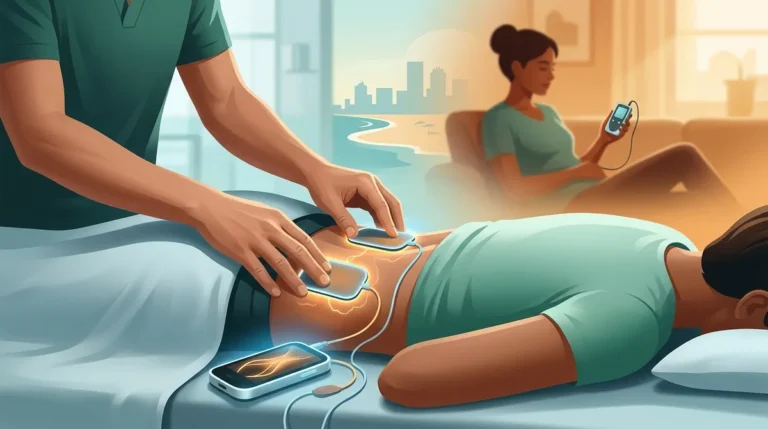
A: Yes, portable TENS units are well-suited for supervised home use, particularly models with built-in therapy timers set for 30–60 minute sessions and protective electrode caps. Chiropractors should provide clear instructions on electrode placement, intensity settings, and contraindications to ensure safe and effective at-home use.
Q: Are TENS units covered by insurance for chiropractic patients in Buffalo?
A: TENS units prescribed as durable medical equipment (DME) can be covered under commercial PPO/POS plans with out-of-network benefits, workers’ compensation cases, and auto accident claims — all common billing pathways in Buffalo chiropractic practices. Proper documentation including a prescription, diagnosis code, and proof of medical necessity is typically required for coverage approval.
Q: What are the key safety considerations for using TENS units in a clinical setting?
A: TENS should not be used on patients with implanted cardiac pacemakers, during pregnancy over the abdominal or lumbar region, or over broken skin, active cancer sites, or infected tissue. Chiropractors should screen patients for electrode adhesive allergies and ensure all staff are trained on proper contraindication protocols before initiating TENS therapy.
Q: What is the difference between TENS and NMES for chiropractic electrotherapy?
A: TENS primarily stimulates sensory nerves to block pain signals and release endorphins, making it ideal for pain management. NMES (Neuromuscular Electrical Stimulation) targets motor nerves to produce therapeutic muscle contractions, supporting muscle rehabilitation and re-education — a distinction that allows Buffalo chiropractors to select the most appropriate modality for each patient condition.