Key Takeaways
-
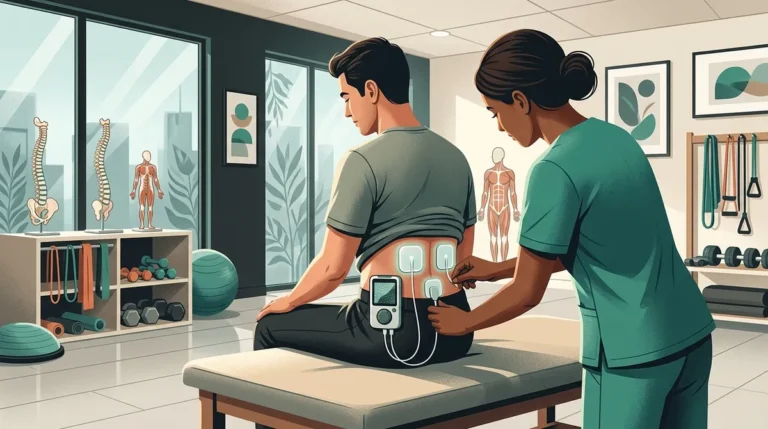
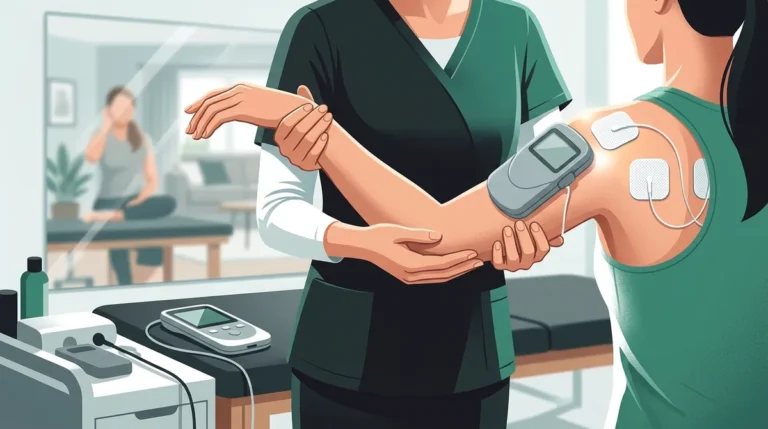
High-frequency TENS (above 50Hz) is the most commonly used type among LA chiropractors for pre-adjustment muscle relaxation, typically administered for 8-10 minutes to improve adjustment effectiveness and patient comfort.
-
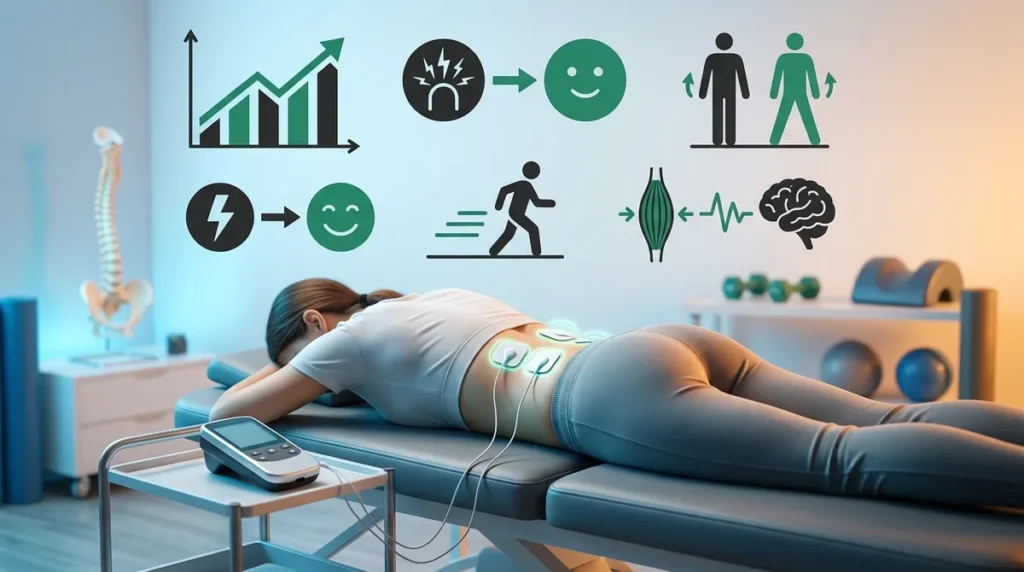
TENS therapy is most effective when integrated into a broader chiropractic treatment plan including spinal manipulation, rehabilitative exercise, and patient education—it provides symptomatic relief but does not address underlying structural causes.
-
Wireless TENS units offer significant advantages over traditional wired models, improving patient mobility, comfort, and compliance during both in-office treatment and take-home care programs.
-
Workers' Compensation and auto accident insurance typically provide high coverage likelihood for prescribed TENS devices when properly documented, making specialized supplier support essential for streamlining insurance claims and billing.
-
Chiropractors must screen for contraindications including pacemakers, implanted electronic devices, pregnancy, varicose veins, and broken skin before prescribing TENS therapy to ensure patient safety.
-
Pairing TENS units with complementary equipment like cervical traction units, back braces, and TheraKnit garments creates a multi-modal treatment approach that enhances patient outcomes and generates additional revenue opportunities.
Los Angeles is home to one of the most competitive and demanding healthcare markets in the country. Chiropractic practices across the city are under constant pressure to deliver exceptional patient outcomes, differentiate their services, and keep pace with evolving treatment technologies. One modality that continues to prove its value across clinics large and small is Transcutaneous Electrical Nerve Stimulation — better known as TENS therapy. For chiropractors seeking to elevate their practice, understanding the role of TENS units is no longer optional — it is essential. Whether you serve patients recovering from auto accidents, workplace injuries, or chronic musculoskeletal conditions, integrating electrotherapy into your treatment protocol can meaningfully improve outcomes and patient satisfaction.
What Are TENS Units and How Do They Work?
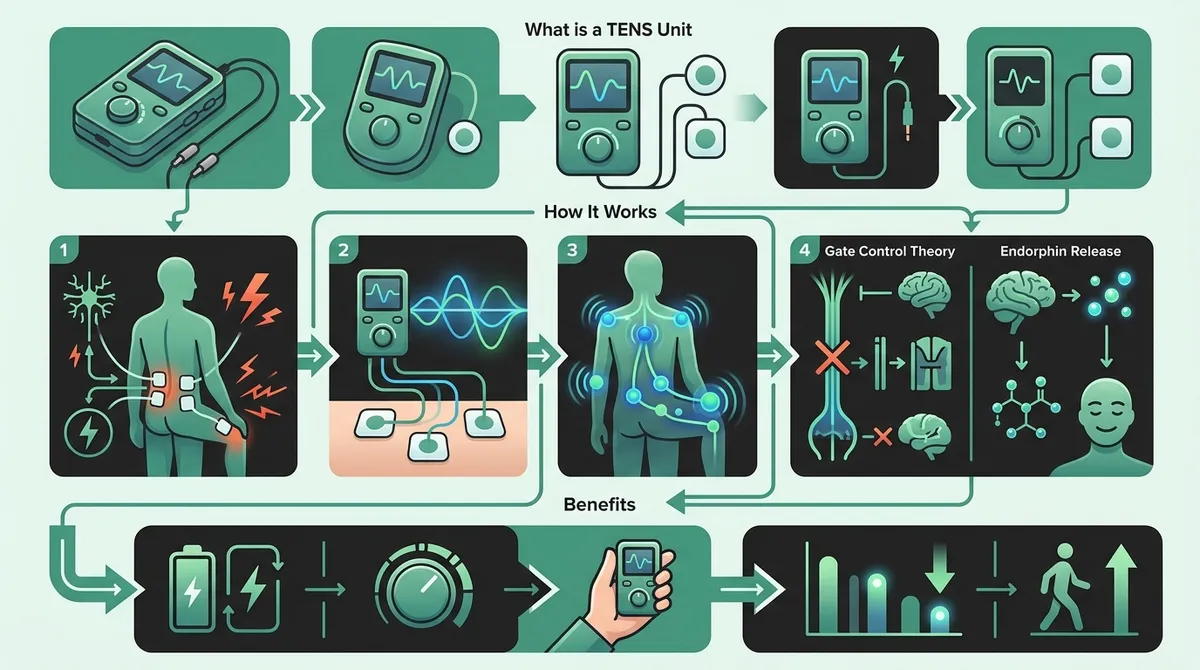
TENS units are compact, battery-powered medical devices that deliver low-level electrical impulses through electrodes placed on the skin. These impulses travel along nerve pathways and work to interrupt or disrupt pain signals before they reach the brain. The result is a tingling or buzzing sensation that many patients describe as soothing, and which provides measurable, temporary relief from both acute and chronic pain conditions.
According to the Cleveland Clinic, TENS therapy is widely used as a non-invasive, drug-free approach to pain management. Devices typically deliver between 1 and 250 pulses per second at approximately 25 milliamps, with adjustable frequency and intensity settings. High-frequency TENS, operating above 50Hz, is particularly effective for muscle stimulation and is commonly administered for 8 to 10 minutes prior to chiropractic adjustments to relax target musculature.
It is important to note that while TENS units provide meaningful symptomatic relief, they do not address the underlying structural causes of pain. This is precisely why they are most effective when integrated into a broader chiropractic treatment plan that includes spinal manipulation, rehabilitative exercise, and patient education.
How Chiropractors in Los Angeles Integrate TENS Therapy
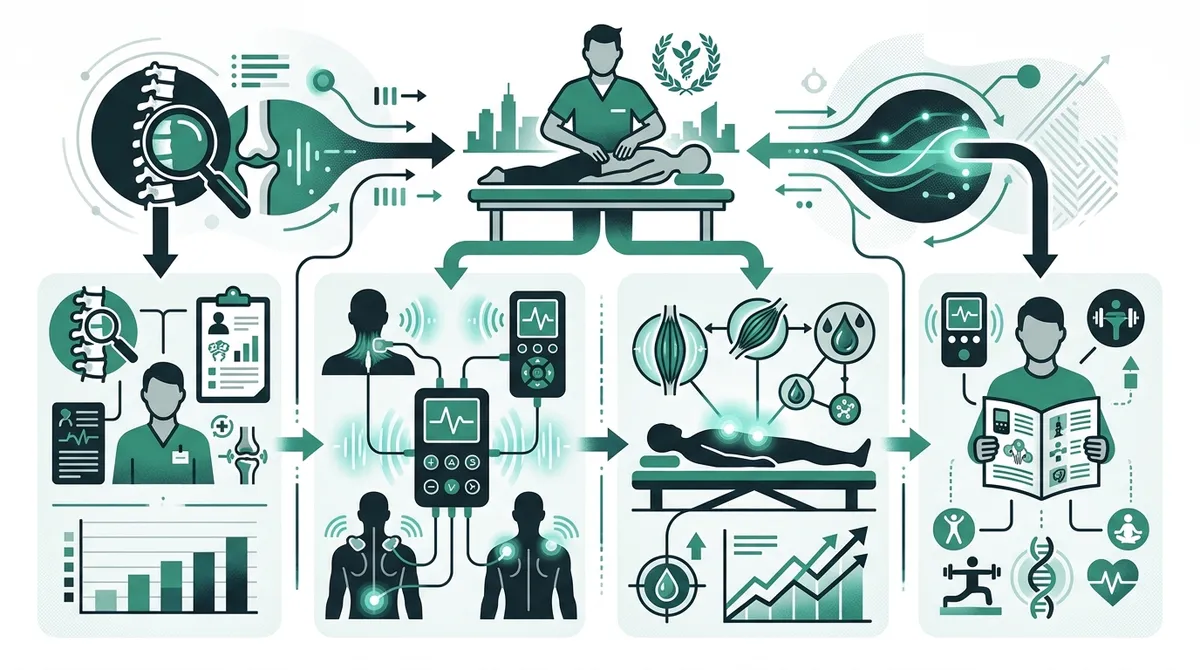
In the Los Angeles chiropractic community, TENS therapy is typically employed in one of two primary contexts: in-office preparation for spinal adjustments, and at-home maintenance between visits. Both applications serve a distinct clinical purpose and together create a more continuous, effective care model.
When used before an adjustment, TENS therapy relaxes tight musculature, reduces localized inflammation, and increases the patient’s comfort threshold — making manual manipulation more effective and less painful. When prescribed for home use, TENS units allow patients to manage discomfort between appointments, improving adherence to care plans and reducing the perceived urgency of emergency visits for pain flares.
Common Conditions Treated with TENS in Chiropractic Settings
- Lower back pain — one of the most prevalent complaints in chiropractic practices, particularly among auto accident and workers’ compensation patients
- Neck and cervical pain — frequently addressed alongside cervical traction units for comprehensive cervical care
- Arthritis and joint pain — TENS therapy helps manage inflammatory discomfort without pharmaceutical intervention
- Fibromyalgia — widespread pain syndromes respond well to consistent TENS application
- Sports injuries and soft tissue damage — particularly relevant in the active LA population
- Post-surgical pain — TENS supports recovery during rehabilitation phases
- Whiplash and auto accident injuries — a critical application for clinics working with auto insurance claims
Types of TENS Treatments Used by Chiropractors
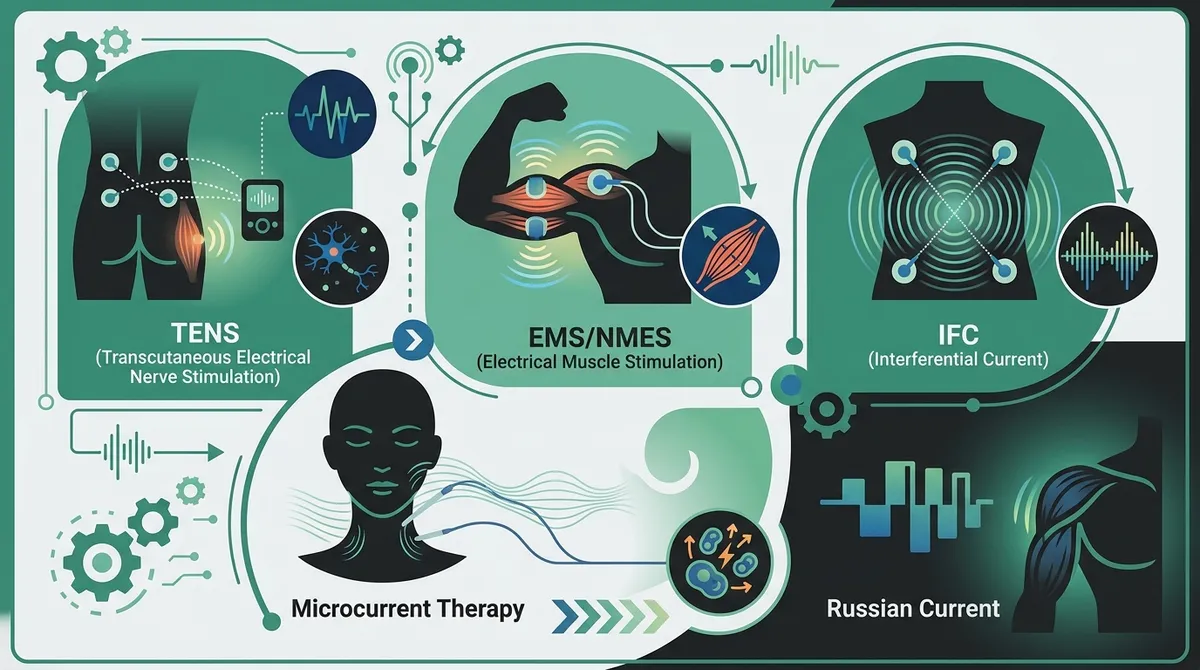
Not all TENS therapy is identical. Chiropractors in Los Angeles use several distinct modes of electrical stimulation depending on the patient’s condition, pain type, and stage of treatment. Understanding these categories helps clinicians select the most appropriate protocol for each individual.
| TENS Type | Frequency Range | Primary Use | Duration |
|---|---|---|---|
| High-Frequency (Conventional) TENS | Above 50Hz | Acute pain, pre-adjustment muscle relaxation | 8–10 minutes |
| Low-Frequency (Acupuncture-like) TENS | 1–10Hz | Chronic pain, endorphin stimulation | 20–45 minutes |
| Burst Mode TENS | Bursts at low frequency | Deep muscle stimulation, complex pain | 15–30 minutes |
| Modulated TENS | Variable | Preventing nerve adaptation, prolonged sessions | 30–60 minutes |
High-frequency TENS is the most commonly used type among chiropractors, particularly for back, hip, neck, and shoulder tension. Low-frequency TENS is favored for chronic conditions where endorphin release and longer-term pain modulation are the goals. The FDA has cleared a broad range of TENS devices for over-the-counter and clinical use, affirming their safety profile when used as directed.
TENS Units for Different Chiropractic Patient Populations
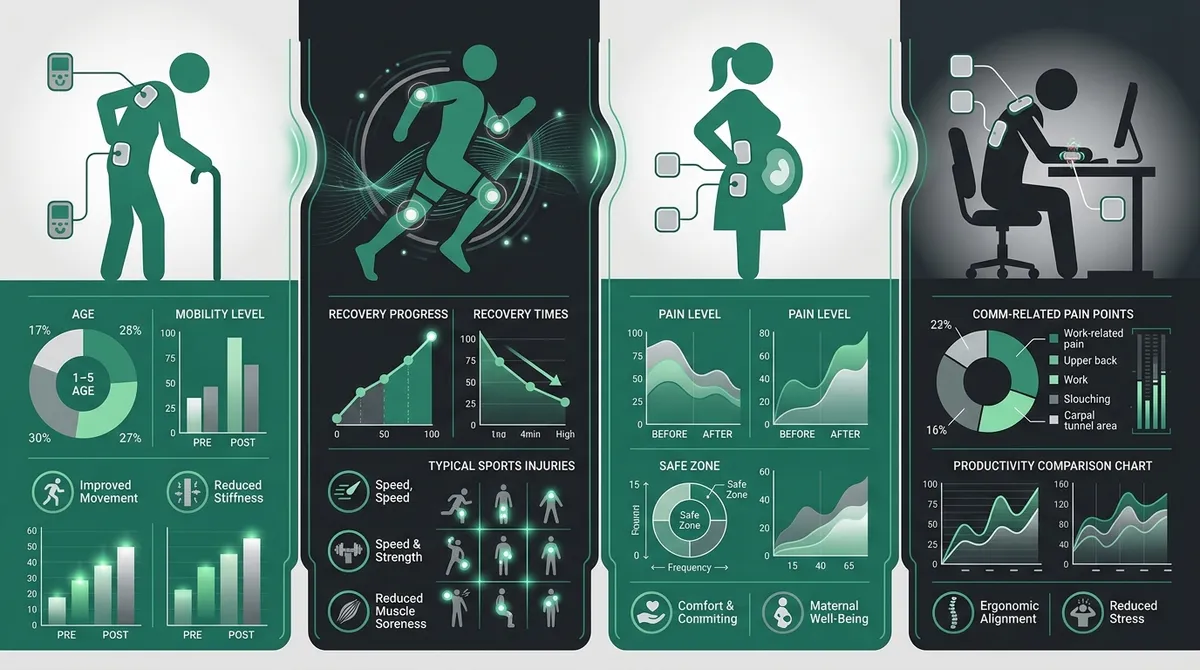
Los Angeles chiropractic practices serve a remarkably diverse patient base. From professional athletes and entertainment industry workers to auto accident victims and aging adults managing chronic pain, the electrotherapy needs of each population differ in meaningful ways. Selecting the right TENS configuration for each patient profile is a core competency for modern LA chiropractors.
| Patient Population | Typical Conditions | Recommended TENS Application | Supplementary Equipment |
|---|---|---|---|
| Auto Accident Patients | Whiplash, back trauma, soft tissue injury | High-frequency, targeted electrode placement | Cervical traction units, back braces |
| Workers’ Compensation Cases | Repetitive strain, lumbar injury | Low-to-high frequency depending on chronicity | Conductive garments, lumbar supports |
| Chronic Pain Patients | Fibromyalgia, arthritis, degenerative disc | Low-frequency, extended sessions | TheraKnit garments for ongoing care |
| Sports Injury Patients | Muscle tears, joint pain, overuse injuries | Burst or modulated TENS | Portable wireless units for athlete use |
Wireless and Advanced TENS Technology for Modern Chiropractic Practices
The evolution of TENS technology has made a significant impact on how chiropractors deliver care. Traditional wired TENS units, while effective, can limit patient mobility and reduce comfort during in-office sessions. Wireless TENS models address these limitations by eliminating lead wires, offering rechargeable receivers, remote controls, and snap electrode connections that allow treatment to be administered virtually anywhere on the body without restricting movement.
For chiropractic practices in Los Angeles aiming to modernize their electrotherapy offerings, wireless TENS systems represent a meaningful upgrade. Patients report greater comfort and compliance with wireless devices, and the flexibility of these systems makes them equally well-suited for clinic use and supervised home care programs. Portable units are particularly valuable for practices that work with auto accident injury patients, who may require take-home devices as part of a structured recovery protocol.
Key Features to Look for in Clinical TENS Units
- Adjustable frequency and intensity controls — enabling practitioners to customize treatment protocols for individual patient presentations
- Multiple channel outputs — allowing simultaneous treatment of multiple body areas for efficiency
- Pre-programmed treatment modes — supporting consistent, repeatable protocols across clinical staff
- Rechargeable battery systems — reducing ongoing supply costs and improving sustainability
- FDA clearance — ensuring compliance with regulatory standards for patient safety
- Compatibility with conductive accessories — including conductive garments and specialty electrodes for targeted or broader area coverage
Safety Guidelines and Contraindications for TENS Use
While TENS therapy is widely regarded as safe, chiropractors must adhere to established clinical guidelines to protect patients from adverse outcomes. The CDC recognizes non-opioid therapies, including electrotherapy, as important components of responsible pain management strategies, particularly in addressing chronic pain without pharmaceutical dependency.
Situations Where TENS Should Be Avoided
- Over broken, irritated, or infected skin
- On or near varicose veins or areas with impaired sensation
- In patients with implanted electronic devices, including pacemakers
- During pregnancy, particularly near the abdomen or lower back
- Directly over the head, throat, or eyes
- In patients with epilepsy without physician clearance
Chiropractors should conduct thorough intake screenings and encourage patients to consult their primary care physicians before initiating take-home TENS programs. This collaborative approach not only protects patients but also strengthens the chiropractic practice’s reputation as a responsible, evidence-based provider.
Pairing TENS Units with Complementary Electrotherapy Equipment
For chiropractic practices seeking to build a comprehensive electrotherapy program, TENS units are most effective when offered alongside a curated selection of complementary devices and supports. A multi-modal approach addresses pain from multiple angles and creates additional revenue opportunities for the clinic through prescribed take-home equipment.
Consider pairing TENS therapy with back braces for lumbar stabilization, cervical traction units for decompression therapy, and TheraKnit garments that deliver targeted compression and electrotherapy simultaneously. These combinations create a layered treatment experience that patients appreciate and that supports faster, more durable recoveries.
Insurance and Billing Considerations for LA Chiropractors
One of the most common barriers chiropractors face when implementing TENS programs is navigating insurance reimbursement. Many patients in Los Angeles present with claims under Commercial PPO/POS plans, Workers’ Compensation, or auto accident insurance — all of which may cover prescribed electrotherapy devices when properly documented.
| Insurance Type | TENS Coverage Likelihood | Key Documentation Required |
|---|---|---|
| Commercial PPO/POS (Out-of-Network) | Moderate to High | Physician or chiropractor prescription, diagnosis codes |
| Workers’ Compensation | High | Work injury documentation, treatment justification |
| Auto Accident / Personal Injury | High | Accident report, clinical necessity notes |
| Third-Party Liability | Moderate | Legal case documentation, clinical records |
Working with a supplier that understands the insurance landscape can dramatically simplify this process. Liberty Medical Solutions is experienced in navigating Commercial PPO/POS plans, Workers’ Compensation, and auto accident claims, making it a practical partner for chiropractic practices that regularly treat injury-related cases. Their team can help ensure that patients receive the devices they need while minimizing administrative burden on clinic staff.
Why Source TENS Units Through a Specialized Electrotherapy Provider
The TENS unit market includes a broad range of products at varying price points and quality levels. For chiropractic practices in Los Angeles, working with a specialized electrotherapy provider rather than a general medical supply distributor offers several distinct advantages. Specialized providers offer clinical-grade equipment, training support, compatible accessories, and the industry knowledge to match each practice’s patient population with the most appropriate devices.
The National Institutes of Health has documented high rates of persistent chronic pain among U.S. adults, underscoring the significant and growing need for accessible, effective pain management modalities in clinical settings. Chiropractors who invest in quality electrotherapy equipment position their practices to meet this demand responsibly and effectively.
When evaluating TENS unit suppliers, consider their ability to provide: customized device configurations, insurance billing support, a full range of complementary electrotherapy products, and responsive customer service. These factors collectively determine whether a supplier is a transactional vendor or a long-term clinical partner.
Building a TENS-Integrated Chiropractic Practice in Los Angeles
Successfully integrating TENS units into a Los Angeles chiropractic practice requires more than simply purchasing equipment. It demands a thoughtful clinical protocol, staff training, patient education, and a reliable supply chain. The following steps outline a practical approach to building an effective TENS program:
- Assess your patient population — identify the predominant conditions and injury types your clinic treats to determine which TENS configurations offer the greatest clinical value
- Develop standardized treatment protocols — establish frequency, intensity, and duration guidelines for each condition category to ensure consistency across clinical staff
- Train all clinical staff — ensure every practitioner and assistant understands proper electrode placement, contraindications, and patient education best practices
- Create a home care program — develop a take-home TENS prescription model that supports patient recovery between visits and integrates with your billing processes
- Partner with a reliable supplier — establish a relationship with a specialized electrotherapy provider who can support device procurement, insurance claims, and ongoing equipment needs
Conclusion
TENS units for chiropractors in Los Angeles represent one of the most accessible, evidence-supported, and patient-friendly tools available in modern chiropractic care. Their ability to reduce pain non-invasively, complement spinal adjustments, and empower patients to manage discomfort between visits makes them an invaluable addition to any clinical electrotherapy program. Whether your practice focuses on sports rehabilitation, auto accident recovery, chronic pain management, or general musculoskeletal care, a well-implemented TENS protocol can meaningfully improve outcomes and patient satisfaction.
Equipping your practice with the right devices, protocols, and supply partnerships is the foundation of a successful electrotherapy program. If you are ready to explore customized TENS solutions tailored to your chiropractic practice, reach out to our team at Liberty Medical Solutions to discuss how we can support your clinic’s electrotherapy goals with clinical-grade equipment and expert guidance.
FAQs
Q: What types of TENS units are best suited for chiropractic use in Los Angeles?
A: Chiropractic practices benefit most from clinical-grade TENS units with adjustable frequency settings, multiple channel outputs, and compatibility with conductive accessories. Wireless models offer added flexibility for both in-office sessions and take-home patient programs, making them particularly valuable for busy LA clinics treating diverse patient populations.
Q: How do TENS units complement spinal adjustment treatments?
A: TENS therapy is commonly administered before spinal adjustments to relax tight musculature, reduce localized discomfort, and improve the patient’s tolerance for manipulation. High-frequency TENS applied for 8 to 10 minutes prior to an adjustment has been shown to enhance the effectiveness of chiropractic care by preparing the neuromuscular system for treatment.
Q: Are TENS units covered by insurance for chiropractic patients in Los Angeles?
A: Many insurance plans, including Workers’ Compensation, Commercial PPO/POS plans, and auto accident policies, cover prescribed TENS units when supported by appropriate clinical documentation. Chiropractors should work with knowledgeable electrotherapy suppliers who understand insurance billing processes to facilitate smooth claim submissions for their patients.
Q: What conditions can TENS therapy treat in a chiropractic setting?
A: TENS therapy is clinically applied for a wide range of conditions commonly seen in chiropractic practices, including lower back pain, cervical pain, arthritis, fibromyalgia, whiplash, sports injuries, and post-surgical discomfort. It is most effective when used as part of a comprehensive care plan that includes spinal manipulation, rehabilitative exercise, and patient education.
Q: Is it safe for chiropractic patients to use TENS units at home between visits?
A: Yes, when properly prescribed and with adequate patient instruction, TENS units are safe for home use between chiropractic visits. Patients should be educated on appropriate electrode placement, contraindications, and intensity guidelines before initiating independent use, and should consult their chiropractor or physician if any unusual reactions occur.