Key Takeaways
-
TENS units provide non-pharmacological pain relief by stimulating sensory nerves to interrupt pain signals, making them essential for Albany clinics managing post-surgical recovery and chronic pain without increasing opioid reliance.
-
Albany PT clinics can generate additional revenue by prescribing TENS devices for home use after in-clinic sessions, extending treatment continuity and improving patient adherence to rehabilitation programs between visits.
-
Clinical-grade TENS units with adjustable frequency (1-150 Hz), multiple channels, and condition-specific presets are necessary for high-volume orthopedic rehab centers, while wireless options improve patient comfort during active exercise-based therapy.
-
TENS is particularly valuable for Albany's auto accident injury and workers' compensation patients, effectively addressing whiplash, cervical strain, and soft tissue injuries with documented insurance coverage pathways.
-
Integrating TENS with complementary electrotherapy modalities such as ultrasound, interferential current, and supporting accessories like back braces creates a comprehensive treatment protocol addressing both pain and functional deficits simultaneously.
-
Working with specialized electrotherapy providers simplifies insurance navigation for commercial PPO/POS, workers' compensation, and auto accident claims, ensuring patients access prescribed devices without administrative delays.
Physical therapy clinics in Albany, New York operate in a competitive and clinically demanding environment. From orthopedic rehabilitation at facilities like OrthoNY to post-surgical recovery programs at Albany Medical Center, therapists need versatile, evidence-based tools that deliver measurable results. TENS units for physical therapy clinics in Albany have emerged as one of the most effective and non-invasive modalities available — offering patients reliable pain relief while supporting broader rehabilitation goals. As the demand for drug-free pain management continues to grow, equipping your clinic with the right electrotherapy devices is no longer optional; it is a clinical imperative.
This guide explores how TENS technology works, why Albany clinics should integrate it into their treatment protocols, what to look for when selecting devices, and how a trusted electrotherapy solutions provider can help streamline procurement and patient outcomes. Whether you manage a high-volume orthopedic rehab center or a specialized chiropractic and physical therapy practice, understanding the full value of TENS units will help you serve patients more effectively in 2026 and beyond.

What Are TENS Units and How Do They Work in Physical Therapy?
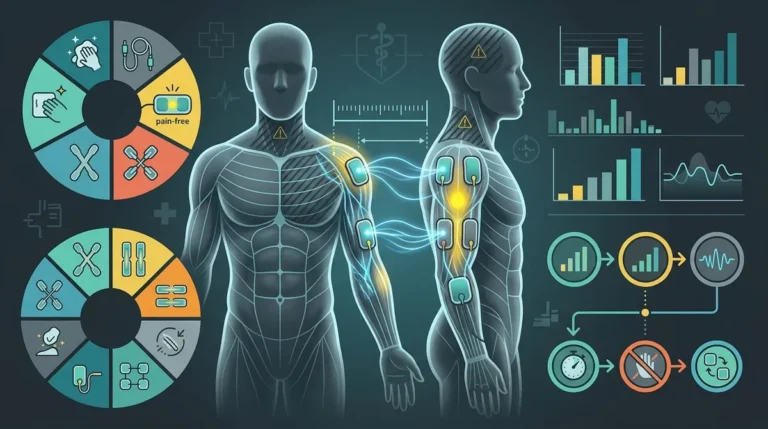
Transcutaneous Electrical Nerve Stimulation (TENS) refers to the therapeutic use of low-voltage electrical currents delivered through electrodes placed on the skin. According to the Cleveland Clinic, TENS units work primarily by stimulating sensory nerves to interrupt pain signals traveling to the brain — a mechanism grounded in the Gate Control Theory of pain. When used at low frequencies, the devices reduce pain perception without inducing muscle contractions, making them ideal for managing both acute injuries and chronic conditions in a clinical PT setting.
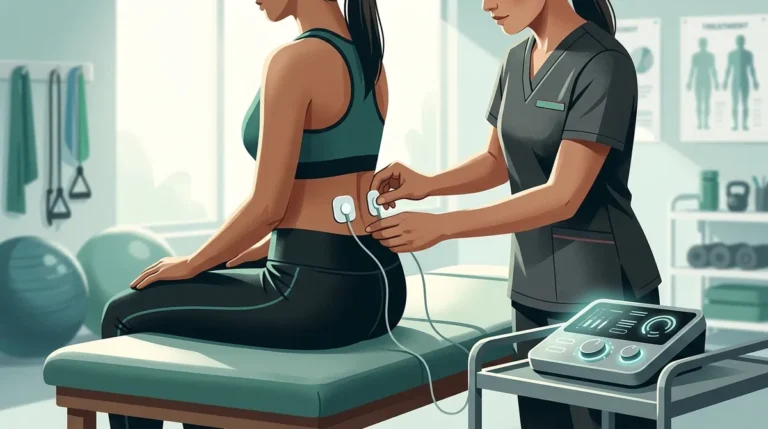
In physical therapy applications, TENS is used alongside manual therapy, therapeutic exercise, and other electrotherapy modalities such as ultrasound and laser therapy. Devices are available in both wired and wireless configurations, many featuring pre-set clinical programs that allow therapists to adjust frequency, intensity, and duration based on the patient’s specific condition. The portability of belt-clip designs also enables patients to continue pain management at home following their clinic sessions — a major advantage for continuity of care.
The Clinical Case for TENS in Albany PT Clinics
Albany’s healthcare landscape includes a wide array of specialized physical therapy facilities. OrthoNY’s Albany location delivers one-on-one sessions in a state-of-the-art facility focused on hip, shoulder, and spine conditions. Albany Memorial Campus Rehabilitation Services operates extended weekday hours — Monday through Thursday from 7am to 6pm, and Friday from 7am to 4pm — to accommodate high-volume orthopedic rehabilitation caseloads. Albany Medical Center’s outpatient physical and occupational therapy programs treat complex post-surgical and chronic pain populations.
In each of these settings, TENS units provide a non-pharmacological complement to standard PT interventions. The National Institutes of Health has documented high rates of persistent chronic pain among U.S. adults, underscoring the urgent need for scalable, accessible pain management tools in outpatient settings. TENS addresses this need by providing pain relief that, in some chronic pain patients, can last several hours following a single session — reducing dependence on analgesic medications and improving patient adherence to rehabilitation programs.
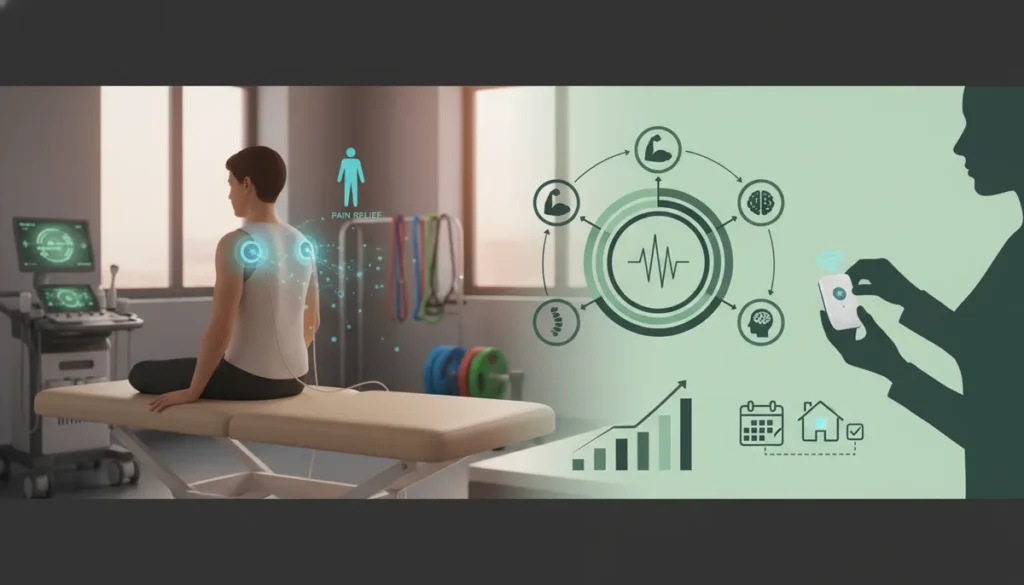
For clinics managing auto accident injury patients or workers’ compensation cases, TENS is particularly valuable. It addresses soft tissue injuries, back pain, and whiplash symptoms efficiently, and the devices can be prescribed for home use to maintain continuity between clinic visits. Providers interested in expanding their electrotherapy offerings can explore the full range of Devices available through Liberty Medical Solutions to find options suited to both clinical and take-home applications.
Key Conditions Treated with TENS at Albany Rehab Centers
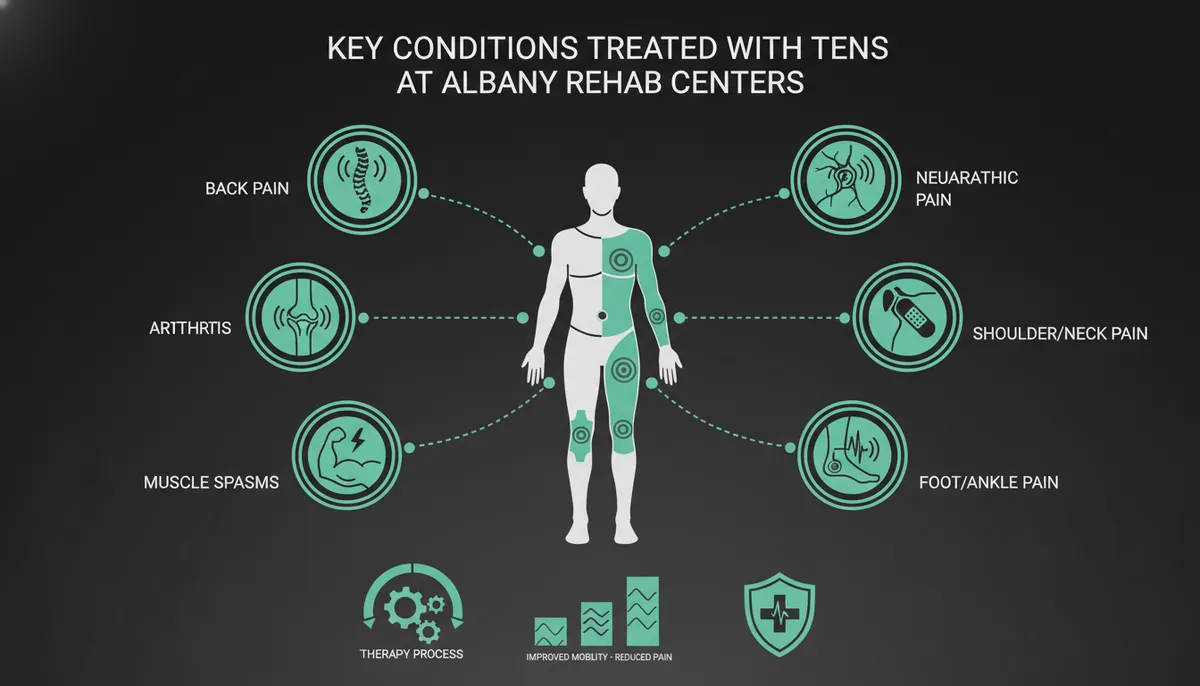
Albany physical therapy clinics encounter a diverse patient population presenting with a broad spectrum of musculoskeletal and neurological conditions. TENS units are clinically applicable across many of these presentations, making them among the most versatile tools in a therapist’s arsenal.
- Chronic low back pain: One of the most common referral diagnoses in outpatient PT, back pain responds well to TENS therapy, particularly when combined with corrective exercise and manual therapy techniques.
- Post-surgical orthopedic recovery: Following hip, knee, or shoulder procedures, TENS helps manage post-operative pain without increasing opioid reliance — consistent with FDA guidance expanding non-opioid treatment options.
- Arthritis and joint pain: TENS reduces inflammatory pain signals in arthritic joints, improving mobility and participation in therapeutic exercise.
- Whiplash and cervical strain: Auto accident injury clinics in Albany rely on TENS to address cervical soft tissue damage alongside cervical traction units.
- Neuropathic pain: Conditions such as sciatica or peripheral neuropathy benefit from targeted TENS application along affected nerve pathways.
- Sports and overuse injuries: Pre- and post-workout use of TENS reduces muscle soreness and accelerates recovery for active rehabilitation patients.
How Albany Clinics Are Currently Using TENS
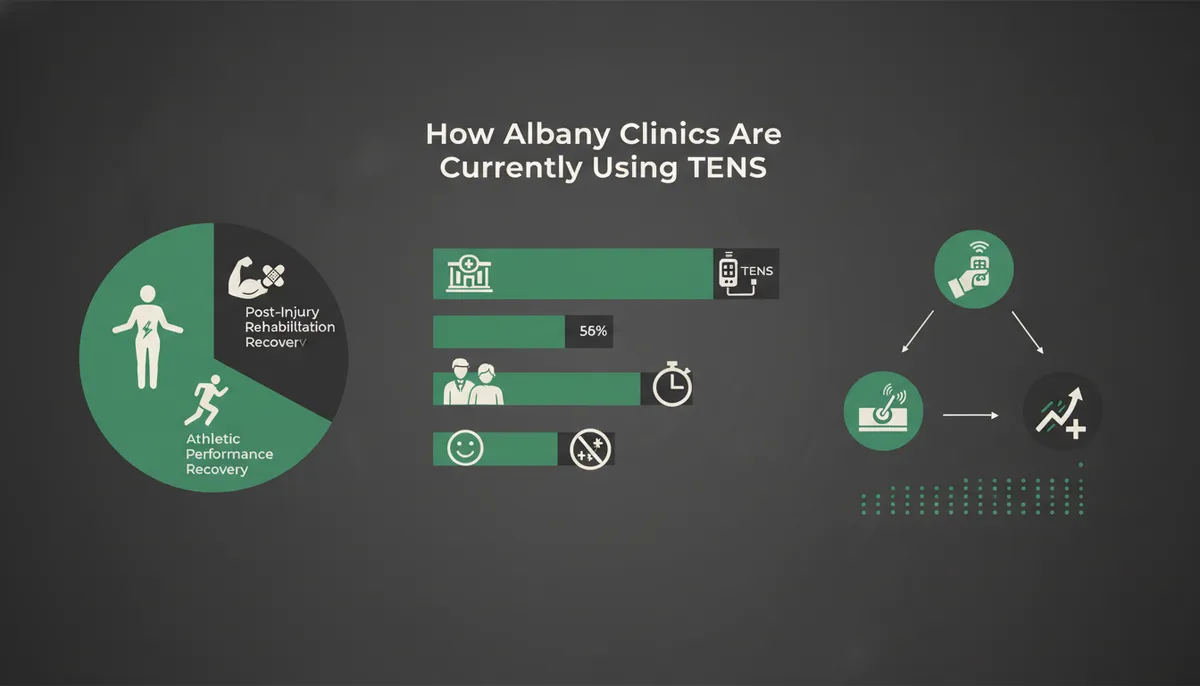
Clinics such as Albany Chiro & PT offer medical supplies including TENS units, replacement electrodes, and leads for patient purchase — demonstrating the integration of retail electrotherapy within a clinical setting. Albany Physiotherapy has incorporated TENS for both short-term hire and direct purchase, with guidance on electrode placement and frequency settings provided as part of the therapeutic process. This hybrid model — where devices are used in-clinic and then prescribed for home use — maximizes patient outcomes and creates an additional revenue stream for the practice.
Physical therapists at these facilities provide individualized instruction on TENS parameters, including electrode placement protocols, appropriate frequency selection (low frequency for sensory nerve modulation, higher frequency for intense acute pain), and treatment duration. This clinical oversight is critical to optimizing outcomes and ensuring patient safety, particularly for individuals with complex presentations such as post-surgical patients or those managing comorbidities.
Comparing TENS and EMS: What Albany Clinics Should Know
A common point of confusion among clinicians and patients alike is the distinction between TENS (Transcutaneous Electrical Nerve Stimulation) and EMS (Electrical Muscle Stimulation). Both are electrotherapy modalities, but they serve distinct clinical purposes. The table below outlines the key differences to help Albany PT clinics determine when each modality is most appropriate.
| Feature | TENS | EMS |
|---|---|---|
| Primary Target | Sensory nerves | Motor nerves / muscles |
| Primary Goal | Pain relief | Muscle activation and strengthening |
| Muscle Contraction | Minimal to none (at low frequencies) | Yes — intentional contraction |
| Best Use Cases | Chronic/acute pain, neuropathic pain | Muscle atrophy, post-surgical re-education |
| Patient Experience | Tingling or buzzing sensation | Visible muscle twitch or contraction |
| Home Use Suitability | Highly portable, ideal for home use | Typically supervised in clinical settings |
Understanding these distinctions allows Albany physical therapists to prescribe the correct device and educate patients effectively, reducing misuse and improving therapeutic outcomes. Many advanced electrotherapy units combine both TENS and EMS functions, offering clinics greater flexibility within a single device platform.
What to Look for When Selecting TENS Units for Your Albany Clinic
Not all TENS devices are created equal. Clinics should evaluate devices based on clinical utility, durability, ease of use, and the availability of compatible accessories and replacement parts. The following criteria provide a practical framework for procurement decisions.
- Adjustable frequency and intensity settings: Clinical TENS units must allow precise control over treatment parameters to accommodate diverse patient presentations — from mild chronic discomfort to severe post-operative pain.
- Pre-set clinical programs: Devices with condition-specific programs (e.g., back pain, knee pain, cervical conditions) reduce setup time and support consistent protocols across clinical staff.
- Wired and wireless options: Wireless TENS units improve patient comfort during treatment and are better suited for active rehabilitation settings where patients are performing exercises simultaneously.
- Electrode and lead compatibility: Ensure devices are compatible with a wide range of electrode types, including Conductive Garments and TheraKnit Garments for broader body coverage and patient-specific applications.
- Battery life and durability: High-volume clinical use requires devices that can withstand multiple daily sessions without performance degradation.
- Regulatory compliance: Devices should be FDA-cleared for clinical use and meet relevant standards for patient safety and efficacy.
Device Selection Comparison: Clinical vs. Home-Use TENS Units
| Specification | Clinical-Grade TENS | Home-Use TENS |
|---|---|---|
| Frequency Range | 1–150 Hz (broad clinical range) | Typically 2–80 Hz |
| Program Options | Multiple condition-specific presets | Limited preset modes |
| Output Channels | 2–4 channels | 1–2 channels |
| Electrode Compatibility | Wide range including conductive garments | Standard electrode pads only |
| Durability | Heavy-duty for daily multi-patient use | Consumer-grade for periodic use |
| Best Setting | Physical therapy and chiropractic clinics | Between-session home management |
Integrating TENS with Other Electrotherapy Modalities
TENS is most effective when integrated within a comprehensive electrotherapy protocol. Albany clinics that complement TENS with other modalities — including ultrasound, interferential current, and neuromuscular electrical stimulation — provide a more complete therapeutic environment that addresses both pain and functional deficits simultaneously. Supporting accessories such as Back Braces further enhance clinical outcomes by providing structural support alongside active electrotherapy treatment.
For chiropractic practices in Albany that incorporate physical therapy services, TENS units bridge the gap between spinal adjustment and ongoing pain management. Clinics seeking guidance on selecting appropriate devices for chiropractic integration can review resources such as How to Choose TENS Units for Chiropractic Practices in Albany to refine their procurement strategy. Similarly, providers in neighboring markets can benefit from related clinical guides such as Why Do New Rochelle PT Clinics Need TENS Units? and How to Choose TENS Units for Physical Therapy Clinics in Mount Vernon.
Insurance Coverage and Procurement Considerations for Albany Clinics
A major barrier to TENS adoption in some outpatient settings is navigating insurance coverage and procurement logistics. Albany clinics serving workers’ compensation patients, auto accident injury victims, and those with commercial PPO/POS plans should work with a supply partner experienced in these billing pathways. Ensuring patients can access prescribed home-use TENS units through their insurance plan improves compliance and extends the clinical benefits of in-clinic therapy.
The table below summarizes common insurance coverage pathways relevant to Albany physical therapy clinics prescribing TENS devices for home use.
| Insurance Type | Coverage Applicability | Notes |
|---|---|---|
| Commercial PPO/POS (Out-of-Network) | Often covers durable medical equipment including TENS | Requires proper documentation and prescription |
| Workers’ Compensation | Typically covers TENS for work-related injuries | Strong coverage for back, neck, and soft tissue conditions |
| Auto Accident (Third-Party Liability) | Covers electrotherapy for crash-related injuries | Whiplash, cervical strain, and lumbar injuries well-supported |
| Individual Health Plans | Varies by plan; often requires prior authorization | Chronic pain documentation strengthens coverage claims |
Working with a specialized provider like Liberty Medical Solutions simplifies this process. As a Tampa-based electrotherapy solutions company with deep expertise in insurance-covered device supply, Liberty Medical Solutions helps Albany clinics navigate commercial PPO/POS, workers’ compensation, and auto accident claim pathways — ensuring that patients receive the devices they need without administrative delays.
Why Albany PT Clinics Should Partner with a Specialized Electrotherapy Provider
Procurement decisions for clinical electrotherapy devices carry significant implications for patient outcomes, staff efficiency, and practice revenue. Partnering with a provider that understands the clinical, logistical, and insurance dimensions of TENS deployment ensures that Albany clinics receive not just devices, but a complete solution. This includes access to a full product catalog — from Products like TENS units and cervical traction equipment to complementary conductive garments — along with expert guidance on device selection and patient education materials.
Research supports the broader value of electrotherapy integration in outpatient care. A peer-reviewed study available through the PubMed database confirms the efficacy of TENS for chronic musculoskeletal pain, validating its role in evidence-based physical therapy practice. Albany clinics that invest in high-quality TENS infrastructure position themselves as leaders in non-invasive, patient-centered care — a distinction that supports both clinical credibility and patient retention.
Conclusion
TENS units for physical therapy clinics in Albany represent a clinically proven, versatile, and cost-effective investment in patient outcomes. From managing post-surgical pain at Albany Medical Center to supporting spine rehabilitation at OrthoNY, TENS technology enables Albany therapists to deliver comprehensive, drug-free pain management that patients value and respond to. The key is selecting the right devices, integrating them within a broader electrotherapy protocol, and working with a supply partner who understands the unique needs of Albany’s physical therapy community.
Liberty Medical Solutions is equipped to support Albany physical therapy clinics, chiropractic practices, and auto accident injury providers with tailored electrotherapy solutions, insurance-covered device supply, and expert procurement guidance. To learn more about how we can support your clinic’s electrotherapy program, reach out to our team today and take the first step toward enhanced patient care.
FAQs
Q: What is a TENS unit and how does it work in physical therapy?
A: A TENS unit is a portable, battery-operated device that delivers low-voltage electrical impulses through electrodes placed on the skin to stimulate sensory nerves and reduce pain perception. In physical therapy, TENS is used to manage both acute and chronic pain conditions by interrupting pain signals before they reach the brain. Therapists adjust frequency, intensity, and electrode placement based on the patient’s specific diagnosis and treatment goals.
Q: Which conditions are most commonly treated with TENS at Albany PT clinics?
A: Albany physical therapy clinics commonly use TENS units to treat chronic low back pain, post-surgical orthopedic recovery, arthritis, cervical strain from whiplash, sciatica, and sports-related overuse injuries. The versatility of TENS makes it applicable across the diverse patient populations seen at facilities like OrthoNY and Albany Medical Center’s outpatient PT program. Proper electrode placement and parameter selection by a licensed therapist are critical to achieving optimal results for each condition.
Q: Can patients use TENS units at home after their Albany PT sessions?
A: Yes, TENS units are well-suited for home use between clinic visits, providing patients with portable, on-demand pain relief that extends the therapeutic benefits of in-clinic treatment. Physical therapists prescribe home TENS units with specific instructions on electrode placement, frequency settings, and session duration to ensure safe and effective use. Home-use devices may be covered under commercial PPO/POS plans, workers’ compensation, or auto accident insurance depending on the patient’s coverage.
Q: How does TENS differ from EMS in a physical therapy setting?
A: TENS primarily targets sensory nerves to reduce pain without causing significant muscle contractions, making it the preferred modality for pain management. EMS, or Electrical Muscle Stimulation, targets motor nerves to produce deliberate muscle contractions, which is more applicable for addressing muscle atrophy or post-surgical muscle re-education. Understanding this distinction helps Albany physical therapists select the correct modality — or a dual-function device — based on the patient’s clinical needs.
Q: How do Albany clinics navigate insurance coverage when prescribing TENS units for patients?
A: Albany physical therapy clinics can prescribe TENS units for home use under several insurance pathways, including commercial PPO/POS plans with out-of-network benefits, workers’ compensation, and auto accident liability claims. Proper clinical documentation, including a formal prescription and diagnosis coding, is essential to support coverage approval. Partnering with a specialized electrotherapy solutions provider experienced in insurance billing can significantly reduce administrative burden and improve patient access to prescribed devices.