Low back pain remains one of the most common reasons patients seek care in physical therapy clinics, chiropractic practices, and auto accident injury centers. Providers frequently turn to back braces as part of a broader treatment strategy, yet questions persist about when bracing is appropriate, how it interacts with electrotherapy modalities, and what the evidence actually supports. According to the National Institutes of Health, chronic pain affects a substantial portion of the adult population, making informed device selection a clinical priority rather than a convenience decision.
This article examines ten essential facts about back braces, their clinical applications, and how they fit alongside TENS units and other electrotherapy solutions. Whether you run a chiropractic office, a physical therapy clinic, or an auto accident injury center, understanding the mechanical role of bracing versus the neurophysiological role of electrical stimulation will help you build more defensible, effective treatment plans. Liberty Medical Solutions works with providers across these settings to supply back braces and complementary devices backed by clinical rationale rather than marketing claims.
1. A Back Brace Is a Mechanical Support, Not a Cure
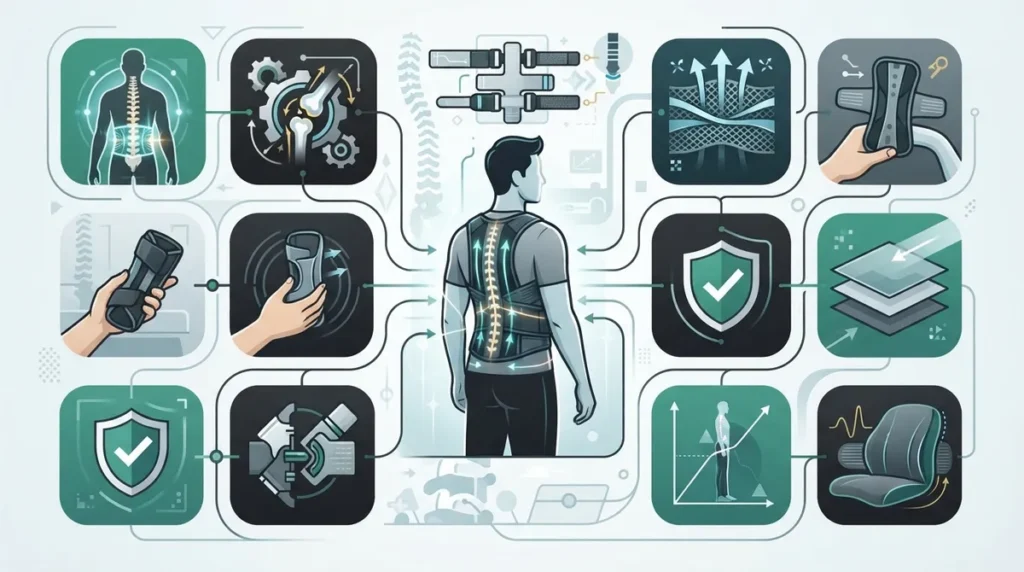
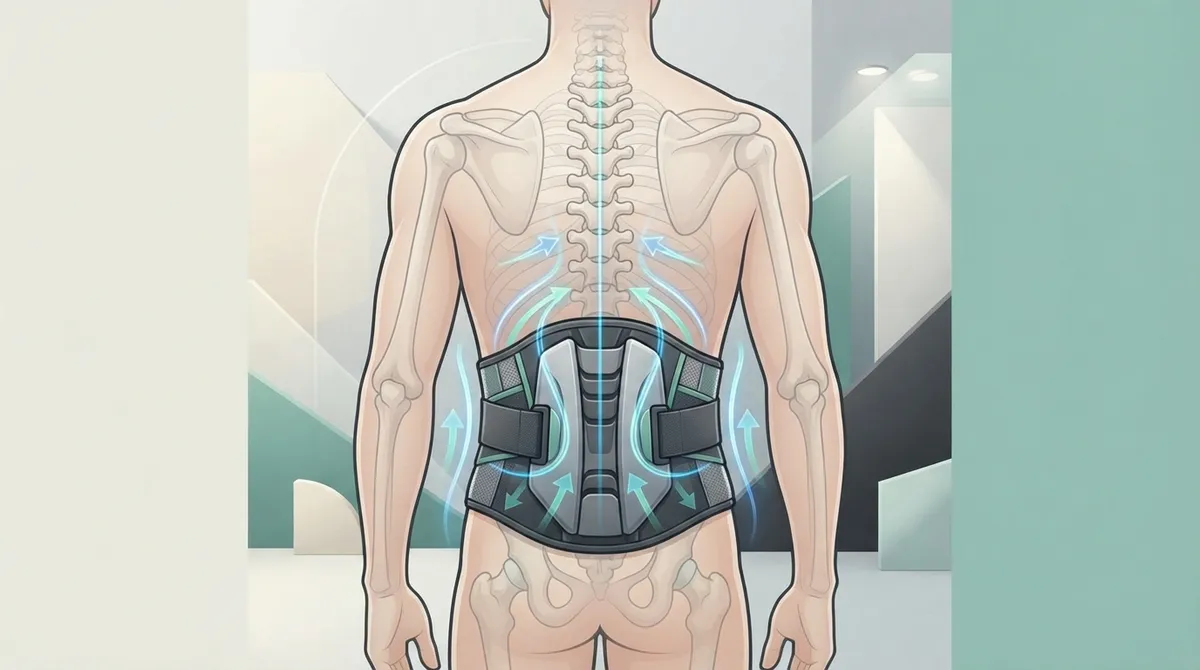
A back brace is an external orthosis designed to support, restrict, or stabilize part of the lumbar or thoracolumbar spine. Common categories include flexible lumbar support belts, rigid lumbosacral orthoses, sacroiliac belts, posture braces, and post-injury or post-surgical braces. Each type serves a distinct biomechanical function, and none should be presented to patients as a guaranteed fix for pain.
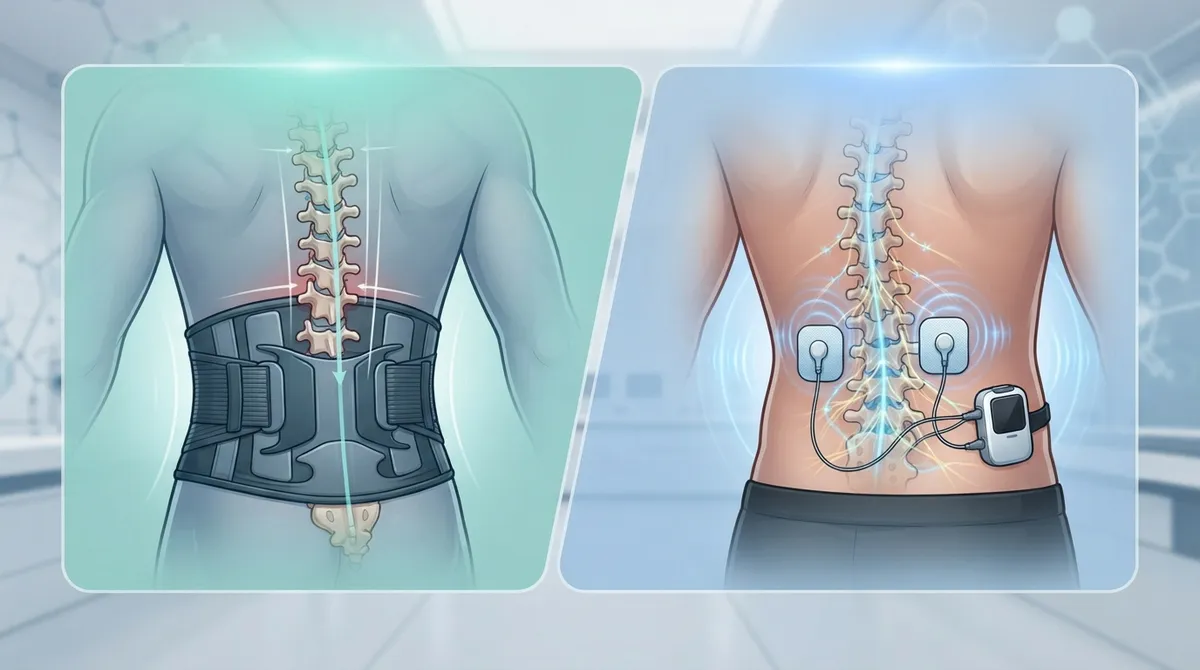
2. Bracing and Electrotherapy Address Different Problems
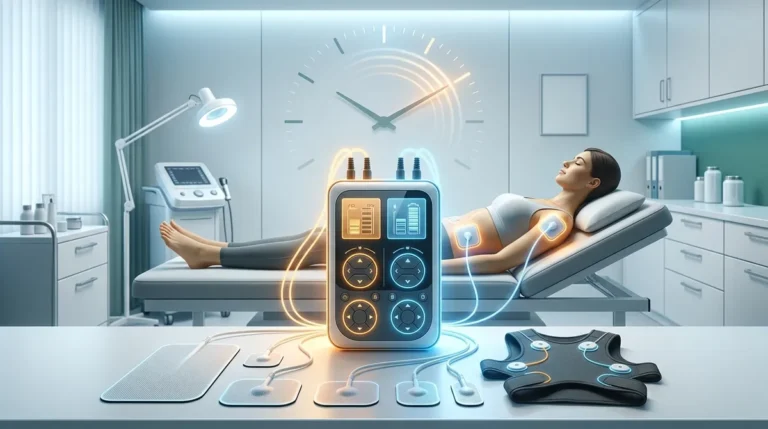
It is important for clinical staff to distinguish between mechanical support and electrical stimulation. A brace limits motion or redistributes load across spinal structures, while TENS and related electrotherapy devices deliver low-voltage current through skin electrodes to influence pain perception at the nervous system level. A brace with integrated electrodes should never be assumed more effective than either approach alone without product-specific clinical evidence supporting that combination.
Why This Distinction Matters for Patient Education
Patients often expect a single device to solve their pain entirely. Clearly explaining that a brace manages mechanical stress while a TENS unit manages symptomatic pain signaling helps set realistic expectations and improves compliance with a multi-modal plan that may also include exercise and manual therapy.
3. Guideline Evidence on Bracing Is Mixed
The North American Spine Society’s 2024 clinical guideline reports conflicting evidence that bracing improves pain or function in subacute low back pain. The same guideline states there is insufficient evidence to recommend for or against lumbar stabilization in chronic low back pain. This means bracing should be positioned as a condition-specific tool rather than a universal treatment, and clinicians should document the specific indication driving the recommendation.
4. TENS Evidence Shows Modest, Short-Term Benefit
A WHO-informed systematic review of 17 randomized controlled trials involving 1,027 adults with chronic primary low back pain found only brief, marginal pain reduction from TENS compared with sham treatment. The mean difference was -0.90 points at approximately two weeks, with a 95% confidence interval of -1.54 to -0.26, characterized as not clinically important and rated very low certainty. This data, detailed in a review available through Pub Med, reinforces why electrotherapy should be framed as one component of pain management rather than a standalone solution.
What Older Research Adds to the Picture
An earlier evidence-based neurology review found conflicting TENS results in chronic low back pain, with higher-quality studies showing no benefit and lower-quality studies reporting modest improvement. A separate meta-analysis of TENS and interferential current for spinal pain reported a significant difference during active treatment sessions but not immediately afterward or at one to three months follow-up, and it noted no demonstrated effect on disability.
5. Appropriate Indications for Back Bracing
Back braces may be appropriate for several specific scenarios rather than as a default recommendation. Clinicians should match the brace type and duration to the diagnosis rather than applying a one-size-fits-all approach.
- Short-term support during painful activity or flare-ups
- Sacroiliac joint dysfunction or certain mechanical instability conditions
- Postoperative protection following spinal surgery
- Spinal deformity management, such as scoliosis bracing protocols
- Fracture stabilization during the healing phase
6. Risks of Prolonged or Unnecessary Bracing
Extended or unwarranted use of a back brace may contribute to dependence, muscular deconditioning, discomfort, or skin irritation. Patients sometimes assume that wearing a brace continuously will accelerate recovery, but prolonged immobilization can reduce core stabilizer engagement over time. Clinics should establish clear wear-time guidelines and reassessment intervals rather than leaving duration open-ended.
Building a Structured Wear-Time Protocol
- Assess the specific indication and expected healing timeline
- Set an initial wear-time recommendation, often limited to specific activities or hours
- Schedule a follow-up to evaluate pain, function, and skin integrity
- Introduce active rehabilitation exercises as tolerated
- Taper brace use as strength and stability improve
7. Safety Considerations When Combining Bracing with Electrical Stimulation
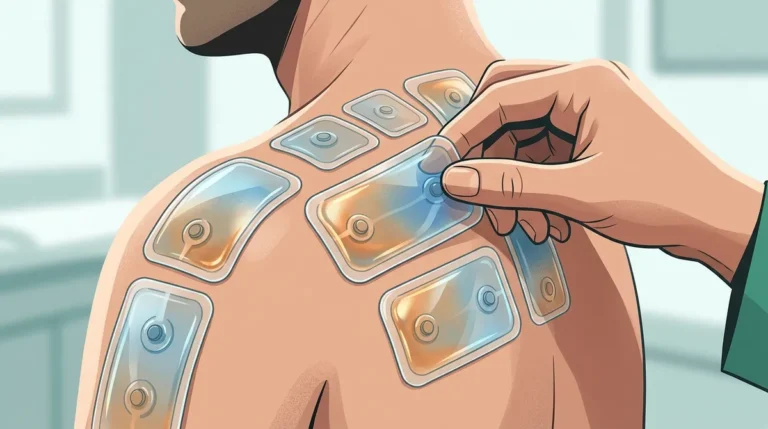
When a patient uses both a lumbar brace and a TENS unit, proper electrode placement and skin contact become critical. Electrodes must not be placed over damaged, infected, numb, or irritated skin, and a brace should never compress electrodes so tightly that contact is compromised or circulation is restricted. According to the Cleveland Clinic, patients should stop stimulation immediately if they experience burning, worsening pain, or unusual skin reactions.
8. Contraindications Every Provider Must Review
FDA-cleared labeling for TENS devices commonly warns against use in patients with pacemakers, implanted defibrillators, or other implanted electronic or metallic devices due to the risk of electrical interference, burns, or shock. The FDA continues to emphasize non-opioid pain management options, which places greater responsibility on providers to screen patients thoroughly before recommending electrotherapy alongside bracing.
| Consideration | Back Brace | TENS Unit |
|---|---|---|
| Primary Function | Mechanical support/restriction | Symptomatic pain modulation |
| Typical Duration of Use | Short-term or activity-specific | Sessions of 20–60 minutes as directed |
| Key Contraindication | Impaired circulation, skin breakdown | Pacemakers, implanted electronic devices |
| Evidence Strength | Conflicting/insufficient per NASS 2024 | Very low certainty, brief benefit |
9. How Auto Accident and Workers’ Compensation Cases Factor In
Auto accident injury clinics frequently manage whiplash, lumbar strain, and soft tissue damage where bracing and electrotherapy are prescribed together as part of a documented recovery plan. Because these cases often involve insurance review, providers benefit from working with a supplier experienced in commercial PPO/POS plans, workers’ compensation, and third-party liability claims. Liberty Medical Solutions supports clinics navigating these insurance pathways while supplying products suited to documented medical necessity.
Documentation Tips for Insurance-Backed Claims
Clear clinical notes linking the brace or TENS unit to a specific diagnosis, expected outcome, and reassessment plan strengthen claims and reduce denials. Providers should also retain product literature demonstrating FDA clearance and labeled indications, since payers frequently request this documentation during claims review.
10. Selecting the Right Supplier for Bracing and Electrotherapy Together
Because back braces and electrotherapy devices serve different but complementary roles, clinics benefit from working with a single, knowledgeable supplier rather than sourcing each category separately. This reduces inconsistencies in product quality, simplifies insurance documentation, and ensures staff receive consistent guidance on fitting and use.
- Verify FDA clearance status for any device recommended to patients
- Confirm the supplier offers both mechanical supports and electrical stimulation devices
- Ask about training resources for proper electrode placement and brace fitting
- Review the supplier’s experience with insurance types relevant to your patient population
- Request access to conductive garments and TheraKnit garments as alternative or complementary options
Providers can also explore related equipment such as cervical traction units for patients presenting with combined cervical and lumbar complaints, which is common in auto accident cases involving whiplash.
Building a Defensible, Multi-Modal Treatment Plan
Neither a back brace nor a TENS unit should be marketed as a guaranteed cure. Instead, the strongest clinical approach combines mechanical support when indicated, electrotherapy for symptomatic relief, and active rehabilitation to address underlying strength and mobility deficits. The CDC continues to recommend non-pharmacologic therapies as part of comprehensive pain management, reinforcing the role of well-selected devices within a broader plan rather than as isolated interventions.
Clinics that document the specific indication, expected duration, and reassessment schedule for each device tend to see better patient adherence and stronger outcomes. This structured approach also supports insurance reimbursement, particularly in workers’ compensation and auto accident claims where medical necessity must be clearly established.
Conclusion
Back braces remain a valuable tool for select spinal conditions, but they work best when integrated thoughtfully alongside electrotherapy and active rehabilitation rather than used as a standalone solution. Providers who understand the evidence, contraindications, and proper fitting protocols are better positioned to deliver measurable results and maintain compliance with insurance documentation requirements. Liberty Medical Solutions has supported chiropractic practices, physical therapy clinics, and auto accident injury centers with clinically grounded electrotherapy and bracing solutions, and our team is ready to help you evaluate the right combination for your patient population. Contact our team today to discuss customized back brace and TENS unit options for your clinic.
FAQs
Q: What is a back brace and what conditions is it used for?
A: A back brace is an external orthosis designed to support, restrict, or stabilize the lumbar or thoracolumbar spine. Common applications include sacroiliac dysfunction, postoperative recovery, spinal deformity management, and short-term support during painful flare-ups, with the specific type and duration determined by a clinician based on the underlying diagnosis.
Q: Do back braces help chronic or acute lower back pain?
A: Evidence remains mixed; the 2024 North American Spine Society guideline reports conflicting results for bracing in subacute low back pain and insufficient evidence for or against lumbar stabilization in chronic cases. This means braces should be used for specific, clinician-identified indications rather than as a universal treatment for all back pain presentations.
Q: Can you wear a back brace while using a TENS unit?
A: Yes, but the brace must not compress the electrodes or interfere with skin contact, and electrodes should never be placed over damaged, irritated, or numb skin. Providers should verify that the brace fits securely without restricting circulation while maintaining proper electrode placement for effective stimulation.
Q: Who should not use a TENS unit or an electrical back brace?
A: Patients with pacemakers, implanted defibrillators, or other implanted electronic or metallic devices should generally avoid TENS due to the risk of electrical interference, burns, or shock, per FDA-cleared labeling. Individuals with active skin infections, numbness, or unhealed wounds in the treatment area should also avoid electrode placement in those regions.
Q: How long should you wear a lumbar back brace each day?
A: Wear time should be determined by a clinician based on the specific indication, since prolonged or unnecessary use may contribute to muscle deconditioning, dependence, or skin irritation. Many protocols recommend limited, activity-specific use with scheduled reassessments rather than continuous all-day wear.