Key Takeaways
-
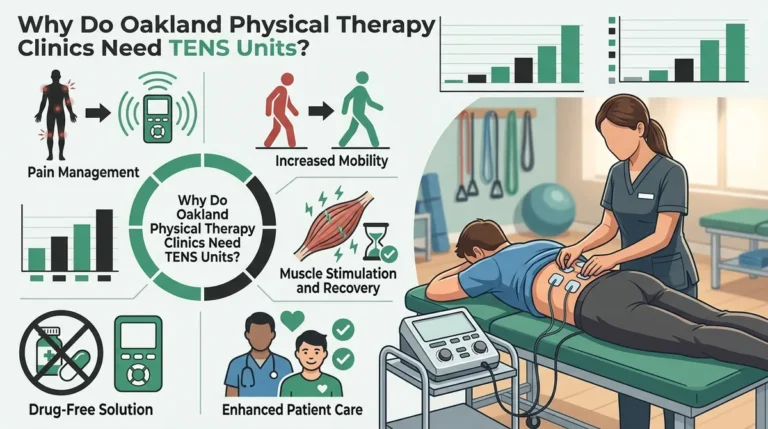
TENS therapy paired with exercise demonstrates 2.3x higher pain reduction rates after four weeks compared to alternative electrotherapy, making it a clinically synergistic tool for active rehabilitation protocols.
-
TENS devices fit efficiently into standard 45-60 minute PT appointments with only 10-15 minute applications, allowing clinics to integrate the modality without disrupting existing treatment schedules.
-
Portable TENS units enable prescription-based home care between sessions, extending therapeutic reach for San Francisco patients with demanding schedules and improving treatment adherence.
-
TENS provides FDA-approved non-opioid pain management aligned with CDC guidelines, positioning clinics as responsible, regulation-compliant providers while addressing CDC's push against pharmacological interventions.
-
TENS effectiveness spans common PT diagnoses (low back pain, osteoarthritis, post-op recovery, neck pain) with pain relief lasting up to 24 hours for some patients, offering flexible short-term pain reduction.
-
California's direct access laws enable PT clinics to treat patients earlier in recovery cycles, making TENS intervention during acute stages particularly effective for preventing chronic pain entrenchment.
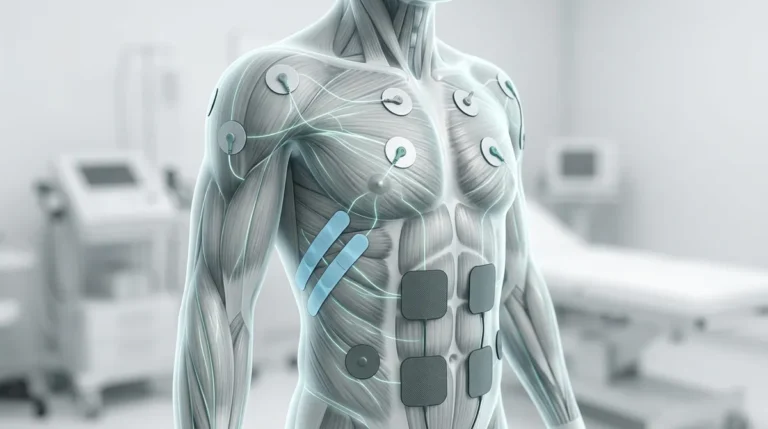
Physical therapy clinics across San Francisco face a common clinical challenge: managing patient pain effectively while supporting active rehabilitation. As the demand for non-opioid pain management strategies continues to rise, TENS units for physical therapy clinics in San Francisco have become an essential tool in the modern therapeutic arsenal. Transcutaneous electrical nerve stimulation (TENS) offers a non-invasive, evidence-backed approach to pain modulation that complements exercise therapy, manual techniques, and patient education programs.
Whether your clinic treats post-operative recovery cases, chronic musculoskeletal conditions, or auto accident injuries, integrating TENS technology into your protocols can meaningfully improve patient outcomes and satisfaction. This article outlines nine compelling reasons why San Francisco physical therapy clinics should prioritize TENS units as a core clinical modality in 2026.
1. Non-Opioid Pain Relief Aligns with Today’s Clinical Standards
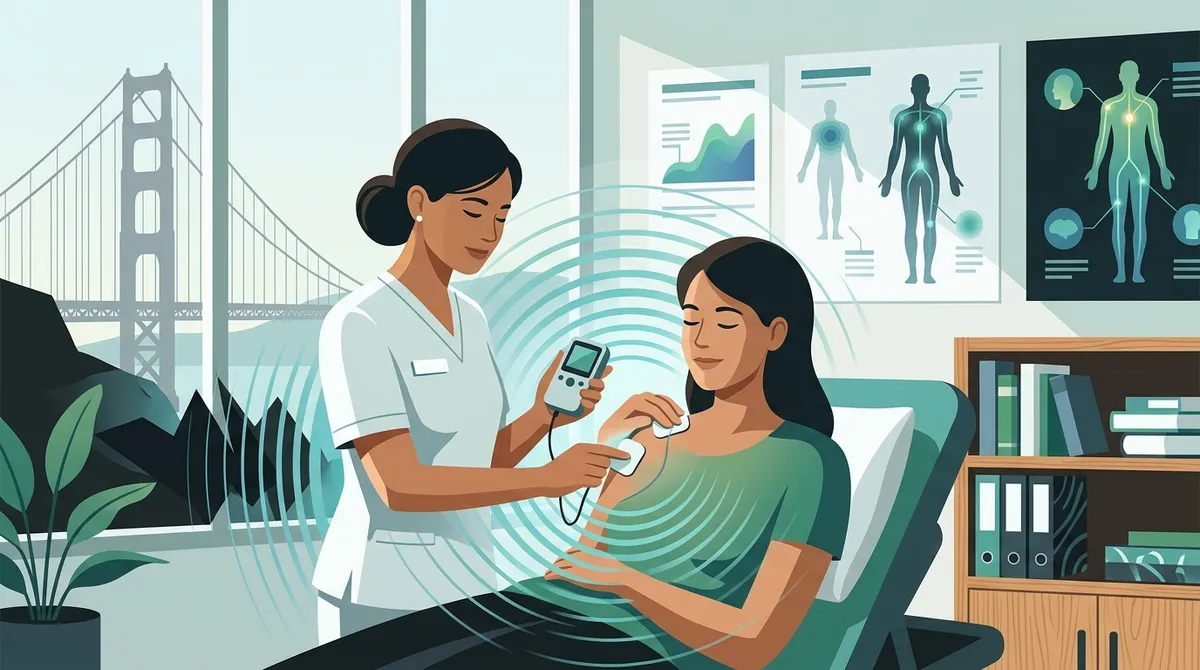
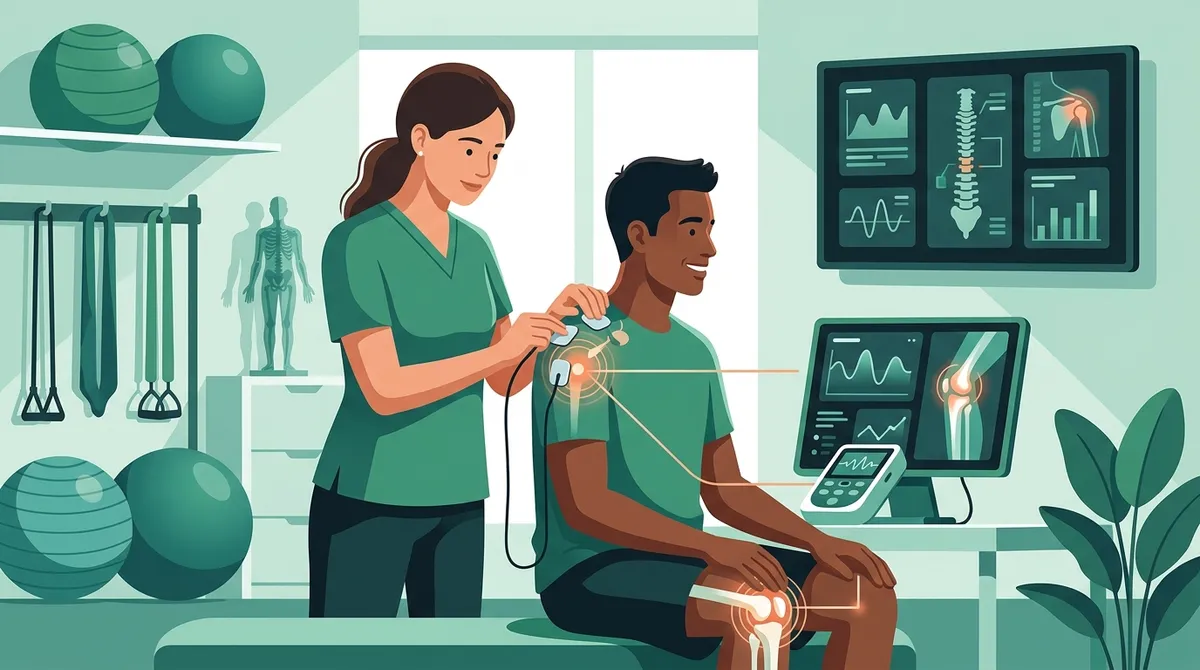
The CDC has consistently encouraged healthcare providers to explore non-opioid therapies for pain management. TENS units deliver low-voltage electrical impulses through skin electrodes to stimulate sensory nerves and modulate pain perception—without the risks associated with pharmacological intervention. For San Francisco clinics serving patients with chronic conditions or post-surgical recovery needs, this positions TENS as a responsible and patient-centered adjunct therapy.
The FDA classifies many TENS devices as medical devices approved for pain relief marketing, reinforcing their legitimacy within clinical practice. Adopting these devices signals a commitment to evidence-based, regulation-compliant care.
2. TENS Is Clinically Effective for Common PT Diagnoses
Physical therapy clinics in San Francisco commonly treat conditions such as low back pain, osteoarthritis, post-operative pain, neck pain, and soft tissue injuries. TENS therapy has demonstrated meaningful clinical utility across all of these diagnoses. According to the Cleveland Clinic, TENS pain relief may last up to 24 hours for some patients, while others experience relief only during active treatment—making it a flexible tool adaptable to patient-specific needs.
For clinics managing high patient volumes, having a reliable modality that provides measurable short-term pain relief allows therapists to progress patients through active rehabilitation with greater compliance and less discomfort.
3. Supports Active Rehabilitation Without Replacing It
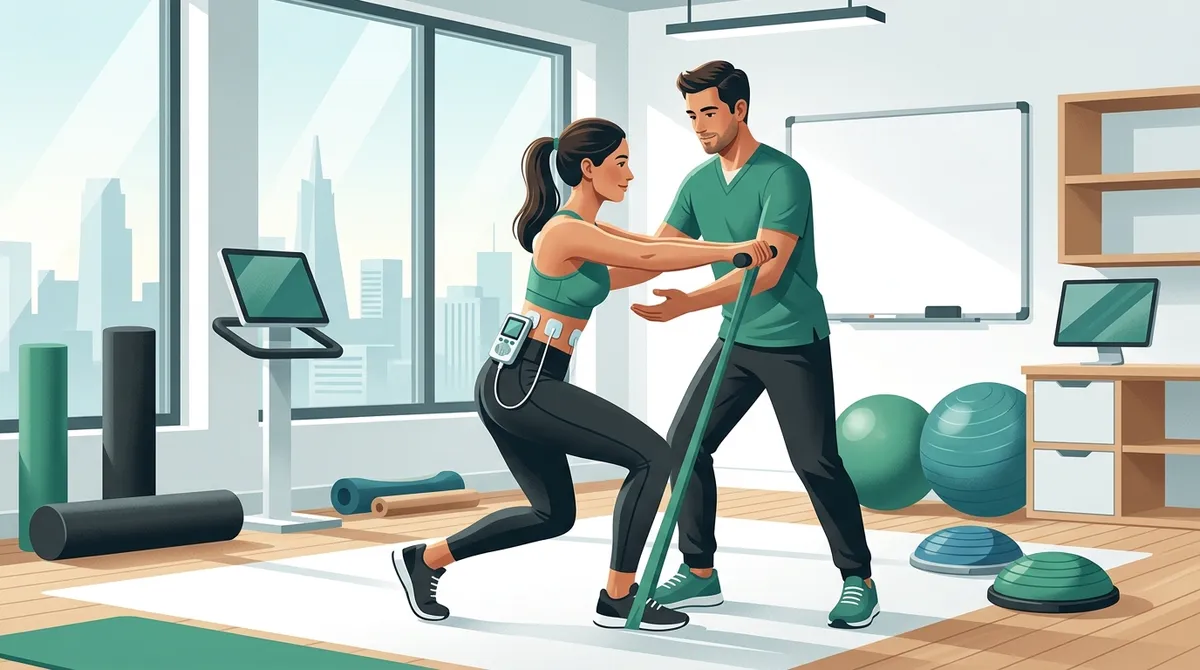
One of the most important distinctions in modern physical therapy is the role of adjunct modalities. TENS is not a standalone cure—it is a supportive tool that enhances the effectiveness of exercise-based rehabilitation and manual therapy. When patients experience pain reduction through TENS, they are better positioned to engage with therapeutic exercise, which drives long-term functional improvement.
A 2022 clinical study cited by Hinge Health found that 325 participants with chronic pain who paired exercise therapy with consistent TENS device use were 2.3 times more likely to report reduced pain after four weeks than users of a different electrotherapy approach. This data underscores the synergistic value of integrating TENS into active rehab programs. You can explore TENS devices purpose-built for clinical environments to support exactly this kind of integrated care model.
4. Practical In-Session Application Within Standard Appointment Times
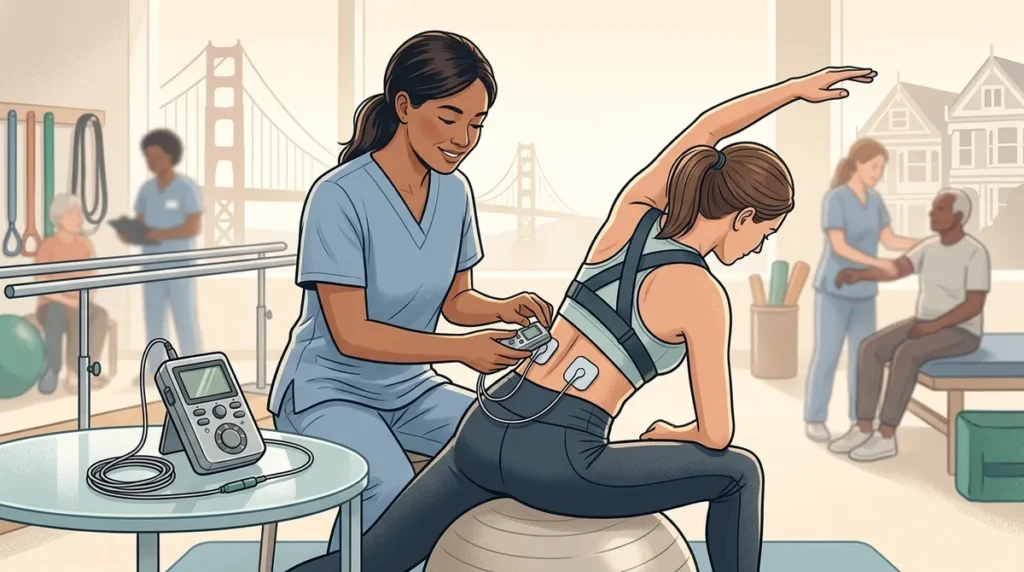
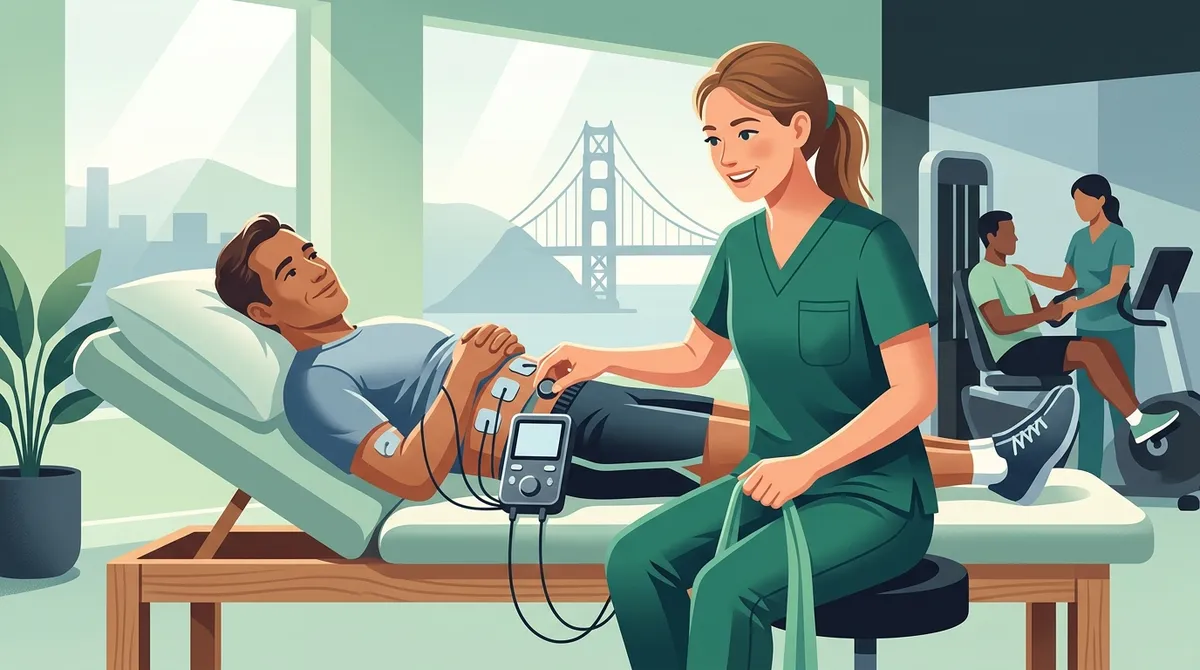
One concern physical therapy providers often raise is how to incorporate additional modalities without extending appointment durations. TENS addresses this efficiently. In supervised physical therapy settings, TENS is commonly applied for approximately 10 to 15 minutes during a session, according to practicing physical therapists. This brief application window fits naturally within a standard 45- to 60-minute appointment without disrupting the overall treatment flow.
Clinics can apply TENS at the beginning of a session to reduce pain prior to active exercise, or at the end as part of a cooldown protocol. This flexibility makes it operationally practical for busy San Francisco clinics managing packed daily schedules.
| TENS Application Timing | Clinical Purpose | Duration |
|---|---|---|
| Pre-exercise (session start) | Reduce pain before active rehab | 10–15 minutes |
| During exercise | Continuous pain modulation support | As tolerated |
| Post-exercise (session end) | Cooldown and residual pain relief | 10–15 minutes |
| Home use (prescribed) | Between-session maintenance | Per provider guidance |
5. Portable Devices Enable Home-Care Extensions
TENS units are inherently portable, which creates an opportunity for physical therapy clinics to extend their therapeutic reach beyond the clinic walls. Prescribing a home-use TENS device allows patients to manage pain between sessions, maintain comfort, and stay engaged with their rehabilitation program. This is especially valuable for San Francisco patients managing demanding schedules who may not be able to attend frequent clinic visits.
Providing patients with access to electrotherapy products designed for home use can differentiate your clinic’s care model and improve patient adherence to prescribed protocols. Liberty Medical Solutions specializes in supplying customized electrotherapy solutions, including portable TENS devices, directly to clinics and their patients—with support for insurance billing through commercial PPO/POS plans, workers’ compensation, and auto accident claims.
6. Safe, Non-Invasive Profile Suits a Wide Patient Population
TENS therapy carries a strong safety profile when applied correctly. It is non-invasive, requires no medications, and can be used by a broad range of patients. Standard contraindications—such as avoiding use over broken skin, near the anterior neck, over the eyes, or in patients with pacemakers—are straightforward to screen for during intake evaluations.
The National Institutes of Health reports high rates of persistent chronic pain among U.S. adults, highlighting the scale of the patient population that could benefit from safe, accessible electrotherapy interventions. San Francisco clinics serving diverse patient demographics—including elderly patients, post-surgical cases, and workers’ compensation claimants—can apply TENS across these groups with appropriate clinical oversight.
| Patient Group | TENS Suitability | Key Consideration |
|---|---|---|
| Chronic low back pain | High | Screen for skin integrity |
| Post-surgical recovery | Moderate–High | Avoid over incision sites |
| Osteoarthritis | High | Joint-appropriate placement |
| Auto accident injuries | High | Coordinate with claim documentation |
| Patients with pacemakers | Contraindicated | Exclude during screening |
7. Complements Cervical Traction and Back Brace Protocols
Physical therapy clinics in San Francisco treating spinal conditions often employ multiple modalities in combination. TENS therapy integrates naturally alongside back braces and cervical traction units, creating a comprehensive pain management framework. For patients with neck pain or lumbar conditions, TENS can be applied during or adjacent to traction sessions to enhance overall comfort and treatment tolerance.
This multi-modal approach reflects best practices in musculoskeletal rehabilitation, where single-modality treatments are generally less effective than integrated care plans. Clinics that can offer this breadth of treatment options are better positioned to retain patients and attract referrals from physicians and specialists across the Bay Area.
8. TENS Supports Auto Accident and Workers’ Compensation Cases
San Francisco’s status as a major metropolitan area means physical therapy clinics frequently manage patients with auto accident injuries and occupational injury claims. These cases often involve complex pain presentations including whiplash, soft tissue injuries, and chronic pain following trauma. TENS therapy is well-suited to these presentations and can be documented as a billable electrotherapy modality within workers’ compensation and auto insurance claim frameworks.
For clinics navigating these billing pathways, working with an experienced electrotherapy equipment supplier can simplify the procurement and documentation process. Liberty Medical Solutions supports clinics by providing TENS devices and related equipment with experience in workers’ compensation and auto accident claim documentation. Explore their full range of electrotherapy products to find solutions that match your clinic’s case mix.
For additional context on how California clinics structure their TENS protocols, the article on TENS units for physical therapy clinics in San Jose provides relevant clinical and operational insights.
9. California’s Direct Access Pathways Accelerate TENS Integration
In California, patients may access physical therapy services through direct access pathways, depending on payer rules and clinical circumstances. The American Physical Therapy Association confirms that direct access laws exist in all 50 states, though specific rules vary by state and insurer. In practical terms, this means San Francisco physical therapy clinics may be treating patients earlier in the injury or recovery cycle—before chronic pain patterns have become entrenched.
Introducing TENS therapy at this earlier stage can be particularly impactful, helping to modulate acute pain, reduce inflammation-related discomfort, and establish a positive treatment trajectory. Clinics that use TENS as part of early intervention protocols may see improved functional outcomes and faster patient progress through rehabilitation milestones.
| Clinical Scenario | TENS Role | Expected Benefit |
|---|---|---|
| Early acute pain (direct access) | Primary pain modulation | Reduced pain intensity, improved compliance |
| Sub-acute rehabilitation | Adjunct to exercise therapy | Better exercise tolerance, faster progression |
| Chronic pain management | Ongoing supportive modality | Sustained pain relief, reduced reliance on medications |
| Post-operative recovery | Pain reduction to enable movement | Improved mobility, adherence to home programs |
Key Considerations When Selecting TENS Units for Your SF Clinic
Not all TENS devices are created equal. Physical therapy clinics in San Francisco should evaluate equipment based on several clinical and operational criteria before making procurement decisions. The following factors represent the most important considerations for clinical-grade device selection.
- Waveform and frequency options: Devices offering multiple waveform settings allow therapists to customize treatment parameters for different patient presentations.
- Dual-channel capability: Dual-channel units allow simultaneous treatment of multiple electrode placements, increasing efficiency during in-session application.
- Portability and battery life: Portable devices with reliable battery performance are essential for both in-clinic and home-care prescriptions.
- Electrode compatibility: Ensure the device is compatible with high-quality conductive garments and standard electrode pads for versatile application.
- Ease of use: Intuitive controls reduce staff training time and support accurate patient instruction for home-use programs.
- Regulatory compliance: Confirm that devices meet FDA classification requirements for medical-grade electrotherapy equipment.
How San Francisco PT Clinics Can Implement TENS Effectively
Successful TENS integration requires more than simply purchasing devices. The following implementation steps help ensure your clinic maximizes clinical and operational value from its electrotherapy investment.
- Conduct a patient population audit: Review your current caseload to identify the diagnoses and patient groups most likely to benefit from TENS therapy.
- Develop standardized protocols: Create evidence-based TENS application protocols for your most common diagnoses, including electrode placement guides, frequency settings, and session durations.
- Train clinical staff: Ensure all treating therapists are trained in proper TENS application technique, contraindication screening, and patient education.
- Establish a home-care prescription pathway: Develop a process for prescribing home TENS units to appropriate patients, including instruction materials and follow-up documentation.
- Track and document outcomes: Integrate TENS use into your clinical outcome tracking to measure its impact on patient progress and satisfaction.
For clinics seeking additional guidance on selecting the right TENS units, the resource on why TENS units are essential for San Diego PT clinics offers relevant clinical and procurement insights applicable to California practices broadly. Similarly, clinics interested in expanding their chiropractic referral network may find value in reviewing why San Francisco chiropractors rely on TENS units.
Complementary Electrotherapy Products for Comprehensive Care
Physical therapy clinics that are serious about electrotherapy should consider building a broader product ecosystem beyond standard TENS units. Complementary products such as TheraKnit garments provide conductive textile solutions that improve electrode contact and patient comfort during treatment—particularly valuable for patients with sensitive skin or complex anatomical treatment sites.
Back braces and cervical traction units can be prescribed alongside TENS therapy to address both pain and structural support needs. This integrated product approach allows clinics to offer patients a more complete solution for pain management and functional recovery, positioning the clinic as a comprehensive rehabilitation resource within the San Francisco healthcare community.
Conclusion
TENS units for physical therapy clinics in San Francisco represent a clinically sound, operationally practical, and patient-centered addition to any rehabilitation program. From supporting non-opioid pain management and active rehabilitation to enabling home-care extensions and streamlining workers’ compensation cases, the benefits are both broad and measurable. As San Francisco’s physical therapy market continues to grow in sophistication, clinics that invest in evidence-based electrotherapy tools will be better equipped to deliver superior outcomes and differentiate their services.
If your clinic is ready to explore customized TENS solutions and related electrotherapy equipment tailored to your patient population and clinical protocols, reach out to our team at Liberty Medical Solutions to discuss your clinic’s specific needs and discover how the right equipment partnership can elevate your standard of care.
FAQs
Q: What are TENS units used for in physical therapy clinics?
A: TENS units are used in physical therapy clinics to modulate pain perception by delivering low-voltage electrical impulses through skin electrodes. They are commonly applied as an adjunct modality to support exercise-based rehabilitation for conditions such as low back pain, osteoarthritis, post-operative pain, and soft tissue injuries.
Q: How long does TENS therapy pain relief typically last?
A: The duration of TENS-related pain relief varies by patient. According to the Cleveland Clinic, some patients experience relief for up to 24 hours following treatment, while others benefit only during active stimulation. Physical therapy providers typically apply TENS for 10 to 15 minutes per session in a supervised clinical setting.
Q: Is TENS therapy safe for most physical therapy patients?
A: TENS therapy is generally considered safe for a broad range of patients when applied by a trained clinical professional. Standard contraindications include use over broken or irritated skin, near the front of the neck, over the eyes, and in patients fitted with pacemakers or other implantable electronic devices. A thorough intake screening process effectively identifies patients for whom TENS is not appropriate.
Q: Can physical therapy clinics in San Francisco prescribe TENS units for home use?
A: Yes, physical therapy clinics can prescribe portable TENS devices for patient home use as part of a broader rehabilitation program. Home TENS use allows patients to manage pain between clinical sessions, which supports adherence to prescribed exercise programs and may improve overall rehabilitation outcomes.
Q: What is the difference between TENS and EMS in a clinical setting?
A: TENS (transcutaneous electrical nerve stimulation) primarily targets sensory nerve fibers to modulate pain perception, whereas EMS (electrical muscle stimulation) delivers electrical impulses intended to cause muscle contractions for strengthening or re-education purposes. In a physical therapy clinic, both modalities serve distinct clinical roles and are often used in complementary rather than interchangeable ways.