Key Takeaways
-
TENS units are most effective as adjunct pain modulation tools that enable patients to engage more effectively in exercise-based rehabilitation, not as standalone treatments for musculoskeletal conditions.
-
San Jose PT clinics should select TENS devices with adjustable frequency (1-150 Hz), multiple waveform modes, rechargeable batteries, and standard electrode compatibility to support diverse patient presentations and high-volume use.
-
Initial TENS therapy must be clinician-supervised with documented baseline pain assessment, contraindication screening (pacemakers, open wounds, pregnancy), and calibrated settings before patients transition to home programs.
-
TENS therapy is well-suited for low back pain, sciatica, neck pain, post-injury pain, muscle spasm, and arthritis-related discomfort, making it particularly valuable for San Jose's high volume of auto accident and workers' compensation patients.
-
Many commercial PPO/POS plans, workers' compensation, and auto accident insurance cover TENS-related services when properly documented with medical necessity, diagnosis codes, and treatment plans.
-
Home TENS programs extend clinic benefits between sessions and improve patient adherence when supported by clear written protocols, electrode placement diagrams, and guidance on session duration (20-60 minutes) and device settings.
Physical therapy clinics in San Jose face a consistent challenge: delivering effective, evidence-based pain management solutions that help patients move better, recover faster, and return to daily life with confidence. Transcutaneous electrical nerve stimulation — commonly known as TENS — has emerged as one of the most reliable adjunct modalities available to outpatient rehabilitation providers. For PT clinics across the Bay Area, integrating TENS units into a broader treatment protocol can meaningfully improve patient comfort, enhance tolerance for therapeutic exercise, and support more productive sessions overall. Whether you are managing a busy orthopedic rehab practice or a specialized post-accident recovery clinic, understanding the clinical value and practical considerations of TENS devices is essential for delivering comprehensive care in 2026.
What Is TENS and How Does It Work in Physical Therapy?
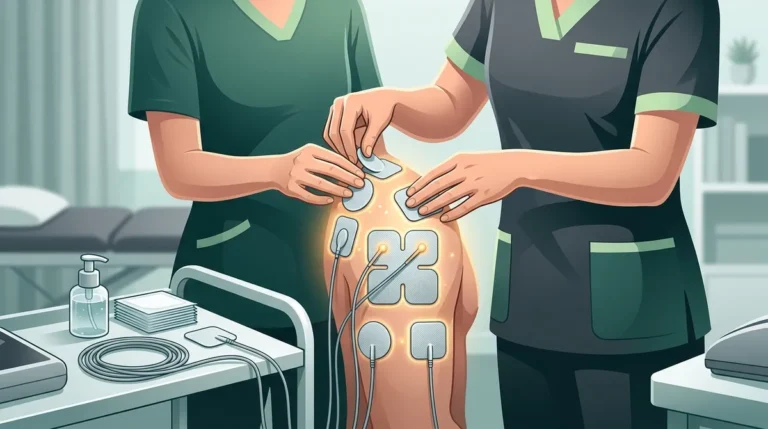
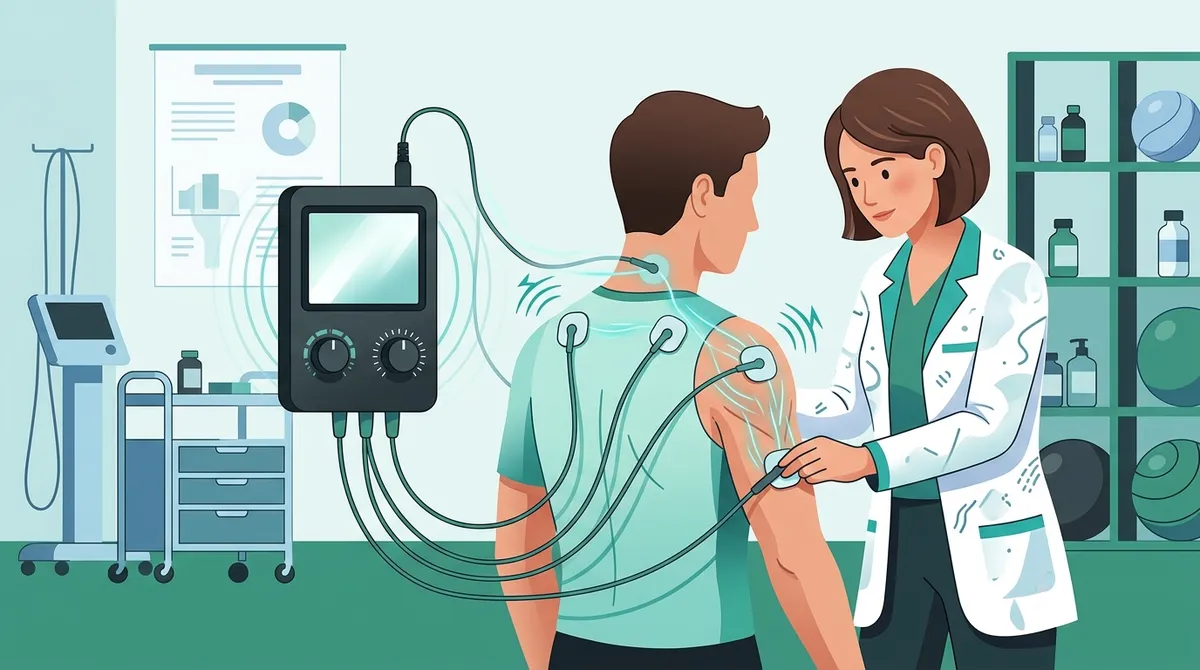
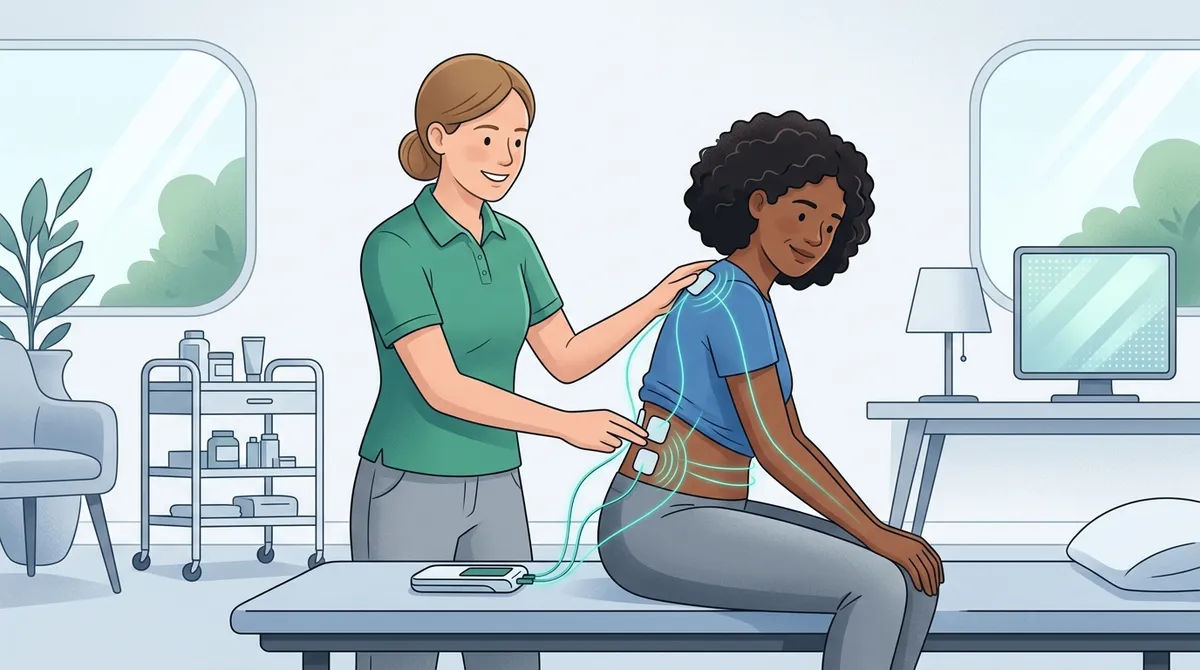
TENS therapy delivers low-voltage electrical impulses through adhesive electrodes placed on the skin near the site of pain or along relevant nerve pathways. The electrical stimulation modulates pain signals transmitted to the brain, often producing immediate relief during or after a session. According to the Cleveland Clinic, TENS is considered a non-invasive, drug-free approach to pain management that can be used alongside other therapeutic interventions.
In a physical therapy context, TENS is primarily used for pain modulation rather than muscle strengthening. It is important to distinguish TENS from neuromuscular electrical stimulation (NMES), which is the related modality used specifically for muscle activation and re-education. TENS helps reduce discomfort so that patients can more effectively engage in exercise-based rehabilitation — making it a valuable adjunct rather than a standalone treatment.
Why San Jose PT Clinics Are Adopting TENS as a Standard Modality
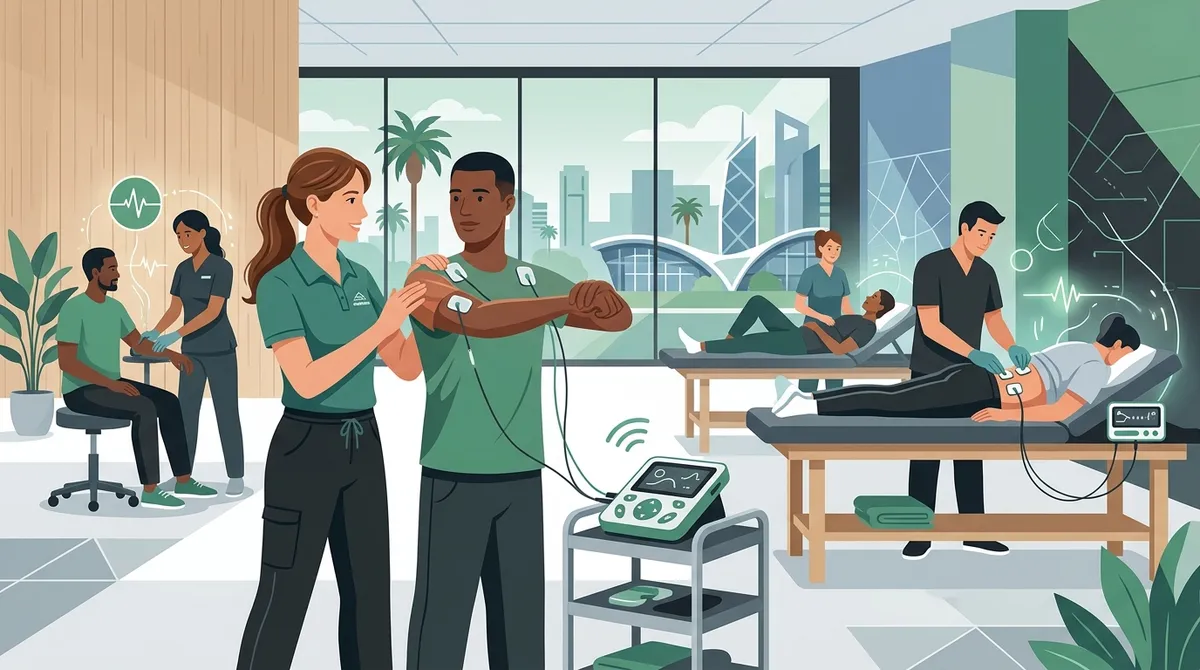
San Jose is home to a large and diverse patient population, many of whom present to physical therapy with chronic musculoskeletal complaints. Approximately 30 million Americans deal with back pain, and the National Institutes of Health has documented high rates of persistent chronic pain among U.S. adults — a reality that drives strong demand for effective, non-opioid pain management options. Local clinic listings across San Jose consistently identify electrical stimulation as a core therapeutic modality, reflecting broad clinical adoption throughout the outpatient rehabilitation sector.
TENS has been in clinical use since the 1960s, and modern devices have evolved considerably — becoming more compact, portable, programmable, and patient-friendly. As the FDA continues to expand guidance supporting non-opioid options for chronic pain, electrotherapy modalities like TENS are well-positioned to play a larger role in outpatient rehab care. San Jose clinics that invest in high-quality TENS equipment are not only meeting current patient needs — they are also aligning with a broader shift in healthcare toward non-pharmacological pain management strategies.
Clinical Applications: Conditions That Respond Well to TENS
Understanding which conditions are most amenable to TENS therapy allows PT clinicians to use the modality strategically and obtain consistent outcomes. The following conditions are among the most commonly addressed with TENS in outpatient physical therapy settings in San Jose:
- Low back pain: One of the most prevalent musculoskeletal complaints, low back pain responds well to TENS as an adjunct to core stabilization and mobility exercises.
- Neck pain and cervical dysfunction: TENS is frequently used alongside manual therapy and cervical traction to help patients manage pain during movement-based rehabilitation.
- Sciatica and nerve-related pain: Placement along relevant nerve pathways can help modulate radiating pain associated with lumbar disc involvement or piriformis irritation.
- Muscle spasm: TENS can reduce the discomfort associated with acute or chronic muscle guarding, allowing improved range of motion during therapy.
- Post-injury pain: For patients recovering from sports injuries, workplace injuries, or auto accidents, TENS provides a non-invasive option for managing pain in the early rehabilitation phases.
- Arthritis-related discomfort: Patients with osteoarthritis of the knee, hip, or spine often report meaningful pain relief from supervised TENS application during rehab sessions.

Key Features to Evaluate When Selecting TENS Units for Your Clinic
Not all TENS devices are created equal. Physical therapy clinics have distinct clinical and operational requirements that should guide equipment selection. The table below outlines the most important features to evaluate when sourcing TENS units for a San Jose PT practice:
| Feature | Why It Matters for PT Clinics | Recommended Specification |
|---|---|---|
| Adjustable frequency and intensity | Allows clinicians to tailor stimulation parameters to individual patient presentations | Wide frequency range (1–150 Hz); multiple intensity levels |
| Waveform options | Different waveforms serve different therapeutic purposes (e.g., conventional, acupuncture-like, burst) | At least 2–3 programmable waveform modes |
| Portability and battery life | Supports in-clinic use and patient home programs | Rechargeable battery; compact form factor |
| Electrode compatibility | Determines versatility across treatment areas and patient body types | Compatible with standard and specialty electrode sizes |
| Durability and warranty | High-use clinic environments require robust, reliable equipment | Manufacturer warranty; reinforced housing |
| Patient ease of use | Simplifies home program transitions and patient self-management | Intuitive controls; clear display |
Clinics that see a high volume of auto accident or workers’ compensation patients — common in San Jose’s busy clinical landscape — may also benefit from devices and accessories designed for consistent, repeatable application across multiple patients per day. Exploring options like conductive garments can expand treatment versatility while simplifying electrode placement for complex body areas.
How to Integrate TENS Units Into Your PT Clinic Workflow
Implementing TENS therapy effectively requires more than simply purchasing equipment. A structured integration process ensures patient safety, optimizes clinical outcomes, and supports seamless transitions from clinic-based to home-based use. The following steps outline a practical approach for San Jose physical therapy clinics:
- Conduct a thorough patient intake assessment: Identify contraindications (e.g., pacemakers, open wounds, pregnancy) and establish baseline pain levels before initiating TENS therapy.
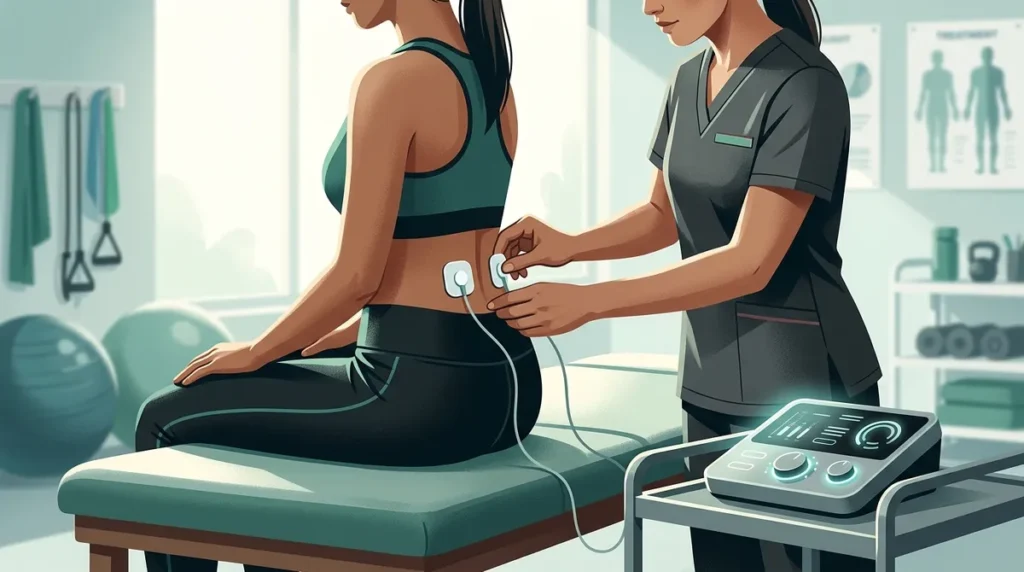
- Perform supervised initial TENS sessions: The first application should always be conducted by a licensed clinician to assess patient response, confirm electrode placement, and calibrate device settings appropriately.
- Document treatment parameters: Record frequency, intensity, pulse width, electrode placement, and session duration for each patient to ensure consistency and enable outcome tracking.
- Educate patients on safe self-use: Once comfortable with the modality, patients can benefit significantly from a prescribed home TENS program — provided they receive clear written and verbal instructions.
- Reassess and adjust regularly: Periodically review patient response to TENS therapy and modify parameters as the rehabilitation program progresses and pain levels change.
TENS in Multi-Modality Rehabilitation: Comparing Electrotherapy Options
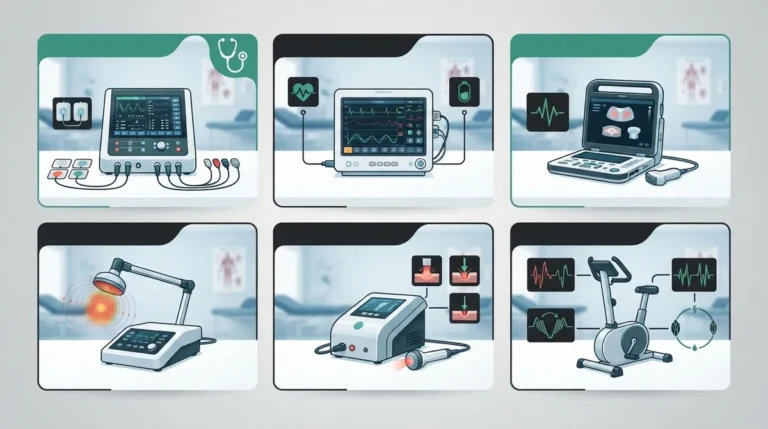
Physical therapy clinics in San Jose often utilize a range of electrotherapy modalities as part of a comprehensive rehabilitation approach. Understanding how TENS compares with related options helps clinicians make informed decisions about which tool to deploy for a given patient presentation.
| Modality | Primary Purpose | Typical Use Case in PT | Invasiveness |
|---|---|---|---|
| TENS | Pain modulation | Back pain, sciatica, neck pain, post-injury pain | Non-invasive |
| NMES | Muscle activation and strengthening | Post-surgical rehab, muscle re-education | Non-invasive |
| Interferential Current (IFC) | Deep tissue pain relief | Joint pain, deeper musculoskeletal conditions | Non-invasive |
| Ultrasound (therapeutic) | Tissue healing and pain relief | Soft tissue injuries, tendinopathy | Non-invasive |
For PT clinics that work with auto accident injury patients or those referred through workers’ compensation, TENS pairs particularly well with supportive back braces and cervical traction units to form a comprehensive, non-invasive treatment package. This multi-modality approach addresses both acute and chronic pain presentations while supporting overall functional recovery. You can learn more about related electrotherapy approaches in resources like how to choose TENS units for chiropractic practices in San Jose and why LA physical therapy clinics rely on TENS units.
Insurance Considerations for TENS Therapy in San Jose PT Clinics
Reimbursement and insurance coverage are practical considerations that can affect how physical therapy clinics in San Jose incorporate TENS into their service offerings. Many patients present through commercial PPO/POS plans, workers’ compensation programs, or auto accident insurance claims — all of which may cover TENS-related services and equipment under appropriate billing codes.
| Insurance Type | TENS Coverage Considerations | Documentation Requirements |
|---|---|---|
| Commercial PPO/POS | Often covers in-clinic electrotherapy; home unit coverage varies by plan | Medical necessity documentation; physician/PT referral |
| Workers’ Compensation | Generally covers TENS for work-related injuries with appropriate diagnosis | Injury report; treatment plan; progress notes |
| Auto Accident Claims | Covers TENS for soft tissue and musculoskeletal injuries from accidents | Accident report; clinical notes; diagnosis codes |
Working with a provider that understands insurance navigation for electrotherapy equipment can streamline the process considerably. Liberty Medical Solutions works directly with commercial PPO/POS plans, workers’ compensation, and auto accident claims — helping PT clinics and their patients access the electrotherapy products they need without unnecessary administrative burden. Clinics interested in exploring TENS options for similar markets may also find value in reading about why Buffalo physical therapy clinics need TENS units and 13 reasons NYC physical therapy clinics need TENS units.
Transitioning Patients to Home TENS Programs
One of the most significant advantages of TENS therapy is its adaptability for home use. Once a patient has been evaluated and trained in the clinic, prescribing a home TENS program can extend the benefits of treatment between sessions, reduce pain interference with daily activities, and support faster functional recovery. Modern TENS devices are compact, battery-powered, and designed with patient usability in mind — making the transition to independent home use straightforward.
Clinicians should provide clear written protocols for home use, including recommended session duration (typically 20–60 minutes), electrode placement diagrams, frequency and intensity guidance, and safety precautions. Patients who understand how to use their device correctly are more likely to adhere to their home program and report meaningful pain relief. Complementary accessories such as TheraKnit garments can simplify electrode application and improve consistency of stimulation for patients managing ongoing musculoskeletal conditions at home.
Why Partnering With the Right Electrotherapy Supplier Matters
The quality and reliability of a clinic’s TENS equipment directly affects patient outcomes and operational efficiency. Physical therapy clinics in San Jose should look for a supplier that offers clinically validated devices, responsive customer support, compatibility with a range of accessories, and experience navigating insurance requirements. This is especially important for high-volume practices that rely on consistent equipment performance across multiple patient encounters each day.
Practices expanding their electrotherapy capabilities can also benefit from reviewing clinical perspectives from other markets, such as 12 reasons TENS units are essential for San Diego PT clinics and why Albany physical therapy clinics need TENS units. These resources provide broader context for how PT practices across the country are successfully integrating electrotherapy into their service models.
Conclusion: Elevating Patient Care With TENS Therapy in San Jose
For physical therapy clinics in San Jose, TENS units represent one of the most accessible, evidence-supported, and patient-friendly tools available for pain management in outpatient rehabilitation. From low back pain and sciatica to post-accident soft tissue injuries, TENS delivers meaningful clinical value as an adjunct to exercise-based therapy — and its versatility supports both in-clinic and at-home treatment programs. As demand for non-opioid pain management continues to grow and insurance coverage for electrotherapy expands, investing in high-quality TENS equipment is a sound clinical and business decision.
If you are ready to enhance your clinic’s electrotherapy capabilities with reliable, insurance-compatible TENS devices and related equipment, we invite you to reach out to our team at Liberty Medical Solutions to explore customized solutions tailored to the specific needs of your San Jose practice.
FAQs
Q: What is a TENS unit used for in physical therapy?
A: In physical therapy, a TENS unit is primarily used for pain modulation. It delivers low-voltage electrical impulses through surface electrodes to help reduce discomfort, enabling patients to participate more effectively in exercise-based rehabilitation and manual therapy interventions.
Q: Do physical therapy clinics in San Jose offer TENS therapy?
A: Yes, many outpatient physical therapy clinics in San Jose list electrical stimulation, including TENS, as a standard therapeutic modality. It is commonly used as part of a multi-modal treatment plan for conditions such as low back pain, neck pain, sciatica, and post-injury rehabilitation.
Q: Is TENS therapy safe for most patients?
A: TENS is generally considered safe and non-invasive for most patients. However, it is contraindicated in individuals with implanted electrical devices such as pacemakers, and should not be applied over open wounds, areas of impaired sensation, or during pregnancy without direct medical supervision. A licensed clinician should always conduct the initial assessment.
Q: Can patients use a TENS unit at home after clinic visits?
A: Yes, many patients transition to a prescribed home TENS program following supervised clinic sessions. Physical therapists provide detailed instructions on electrode placement, device settings, and session duration to ensure safe and effective independent use between appointments.
Q: How long does a typical TENS treatment session last?
A: TENS sessions typically last between 20 and 60 minutes, depending on the condition being treated and the patient’s response to stimulation. Clinicians adjust session duration and device parameters based on individual patient presentations and progress throughout the rehabilitation program.