Key Takeaways
-
TENS units work through dual mechanisms—gate control theory blocking pain signals and endorphin release—making them versatile for treating chronic pain, post-surgical recovery, and musculoskeletal injuries across diverse Buffalo patient populations.
-
Dual-channel TENS devices with adjustable pulse rates (2–120 Hz), pulse width (40–260 μs), and modulation modes enable clinicians to treat multiple body regions simultaneously and prevent nerve adaptation for extended treatment efficacy.
-
Integrating TENS with manual therapy, therapeutic exercise, and home unit prescriptions creates synergistic treatment effects that dramatically improve patient adherence, functional recovery timelines, and satisfaction scores.
-
TENS therapy is reimbursable under commercial PPO/POS plans, workers' compensation, and auto accident PIP coverage when properly documented with physician prescriptions and functional assessments.
-
Partnering with specialized electrotherapy suppliers like Liberty Medical Solutions streamlines insurance coordination, provides clinical education support, and ensures access to clinically validated devices appropriate for professional PT practice.
-
Establishing formal home TENS programs—with patient education on electrode placement, parameter adjustment, and follow-up outcome tracking—extends clinic benefits between sessions and accelerates functional recovery for chronic conditions.
Physical therapy clinics in Buffalo face a demanding challenge: delivering consistent, measurable pain relief to patients dealing with chronic conditions, post-surgical recovery, and musculoskeletal injuries — all while maximizing clinic efficiency and patient throughput. Transcutaneous Electrical Nerve Stimulation (TENS) therapy has emerged as one of the most clinically validated, non-invasive electrotherapy modalities available to Buffalo PT providers today. As healthcare systems increasingly prioritize non-opioid pain management strategies, the TENS units for physical therapy clinics have become indispensable tools for improving patient outcomes and expanding treatment capabilities. This article examines why TENS technology belongs in every Buffalo physical therapy practice, what clinical features matter most, and how leading electrotherapy suppliers can help clinics equip themselves with the right devices.
Understanding How TENS Therapy Works in a Clinical Setting
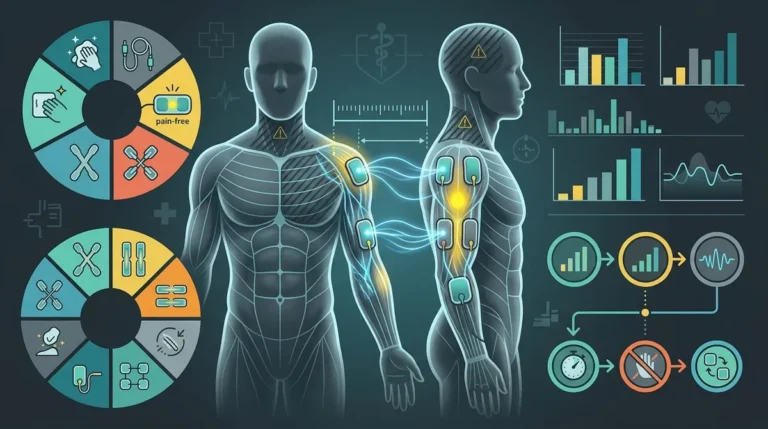
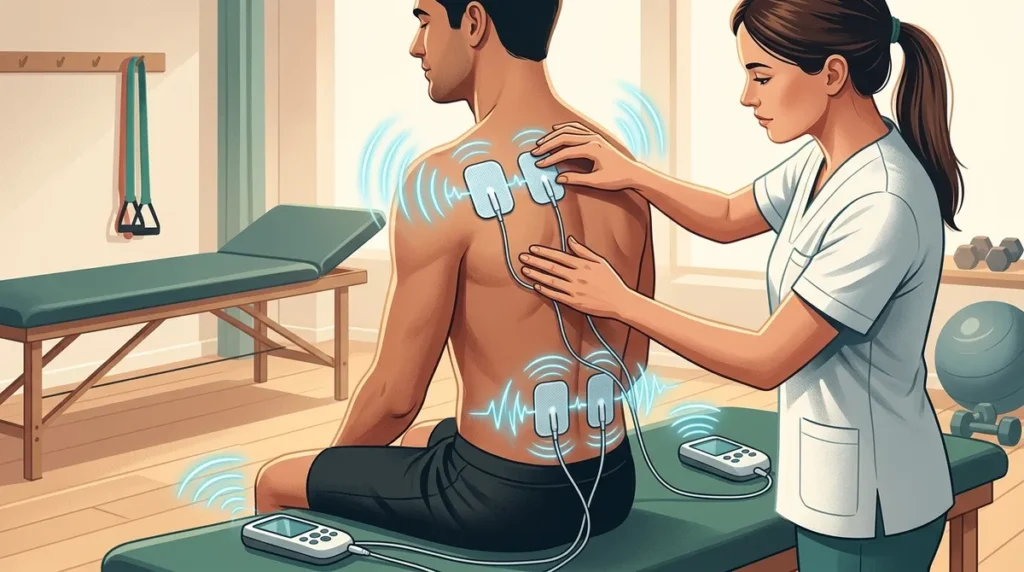
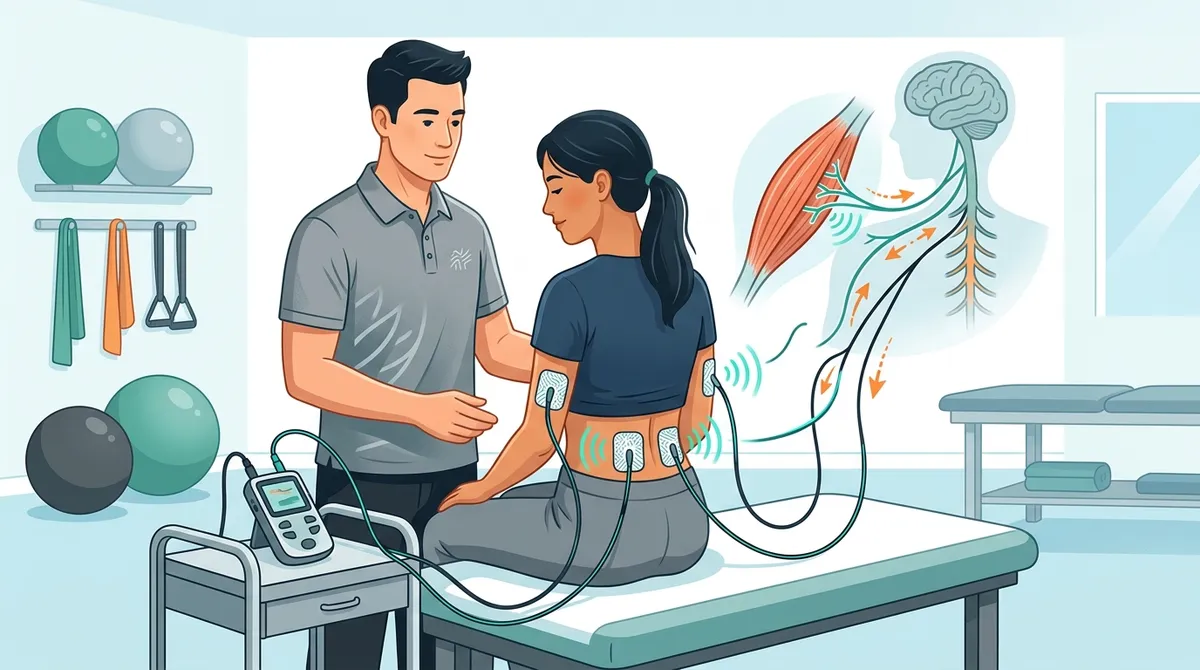
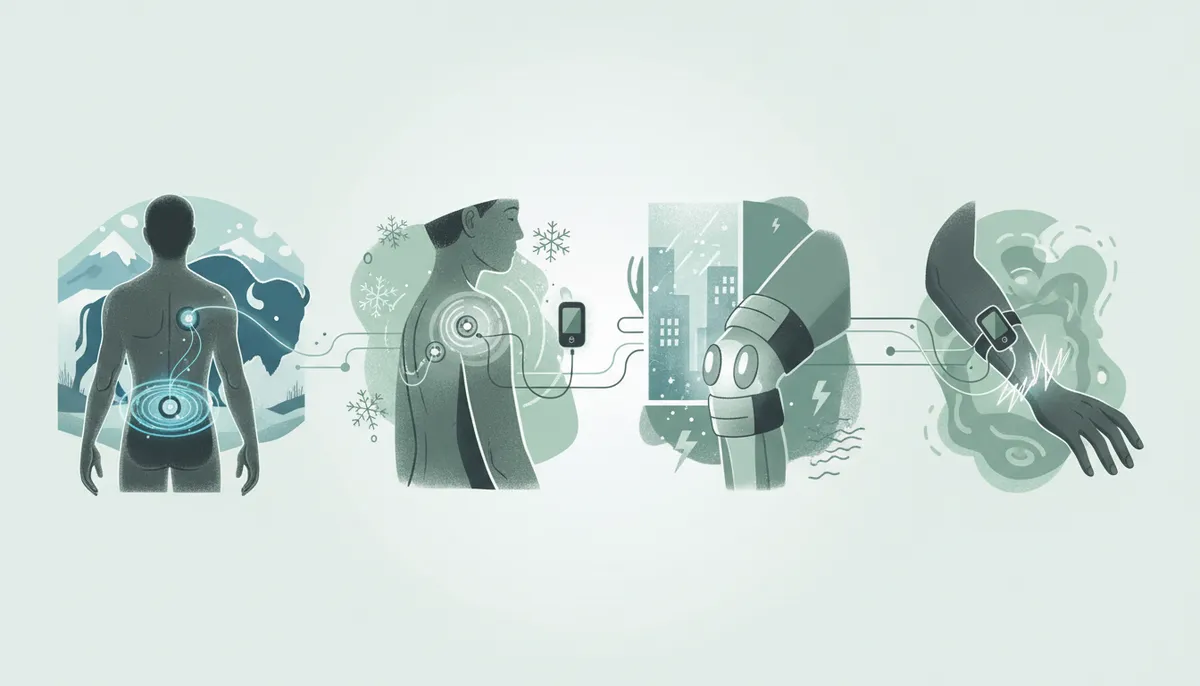
TENS units deliver low-voltage electrical pulses through adhesive electrodes placed on the skin’s surface, targeting specific nerve pathways associated with pain transmission. According to the Cleveland Clinic, TENS therapy works through two primary mechanisms: the gate control theory, which blocks pain signals from reaching the brain, and the endorphin release mechanism, which stimulates the body’s natural analgesic response. These dual mechanisms make TENS uniquely effective across a wide range of conditions treated in Buffalo physical therapy settings.
In a clinical environment, licensed physical therapists control key parameters including pulse rate (typically 2–120 Hz), pulse width (40–260 μs), and intensity (0–80 mA into a 500-ohm load). By adjusting these variables, clinicians can target either sensory-level pain gating at higher frequencies or motor-level endorphin stimulation at lower frequencies. Standard treatment sessions run 15–20 minutes, with minimal side effects and no systemic drug interactions — a significant advantage for patients managing multiple health conditions.
Conditions Treated with TENS Units in Buffalo Physical Therapy Clinics
Buffalo’s patient population presents a broad spectrum of musculoskeletal and neurological conditions that respond favorably to TENS therapy. Physical therapy clinics across the region, from Medical Care of WNY to Peak Performance Chiropractic, routinely integrate TENS into multi-modal treatment programs. The National Institutes of Health reports high rates of persistent chronic pain among U.S. adults, underscoring the clinical urgency of effective, non-opioid modalities like TENS in community practice settings.
The following conditions are among the most commonly addressed with TENS therapy in Buffalo PT clinics:
- Chronic low back pain — one of the most prevalent complaints requiring long-term electrotherapy management
- Osteoarthritis and joint pain — including knee, hip, and shoulder deterioration affecting mobility
- Fibromyalgia — widespread musculoskeletal pain requiring consistent, gentle stimulation protocols
- Tendinitis and bursitis — inflammatory conditions benefiting from localized electrical stimulation
- Post-surgical recovery — particularly following orthopedic procedures where opioid alternatives are critical
- Whiplash and soft tissue injuries — frequently seen in auto accident cases handled by area clinics
- Muscle atrophy and neuromuscular re-education — where electrical stimulation rebuilds motor function
For clinics treating auto accident injury patients, TENS fits seamlessly into electrotherapy programs billed through auto insurance claims. Providers specializing in workers’ compensation cases also find TENS therapy to be a defensible, evidence-based treatment with strong documentation support.
Key Technical Features to Evaluate When Selecting TENS Units
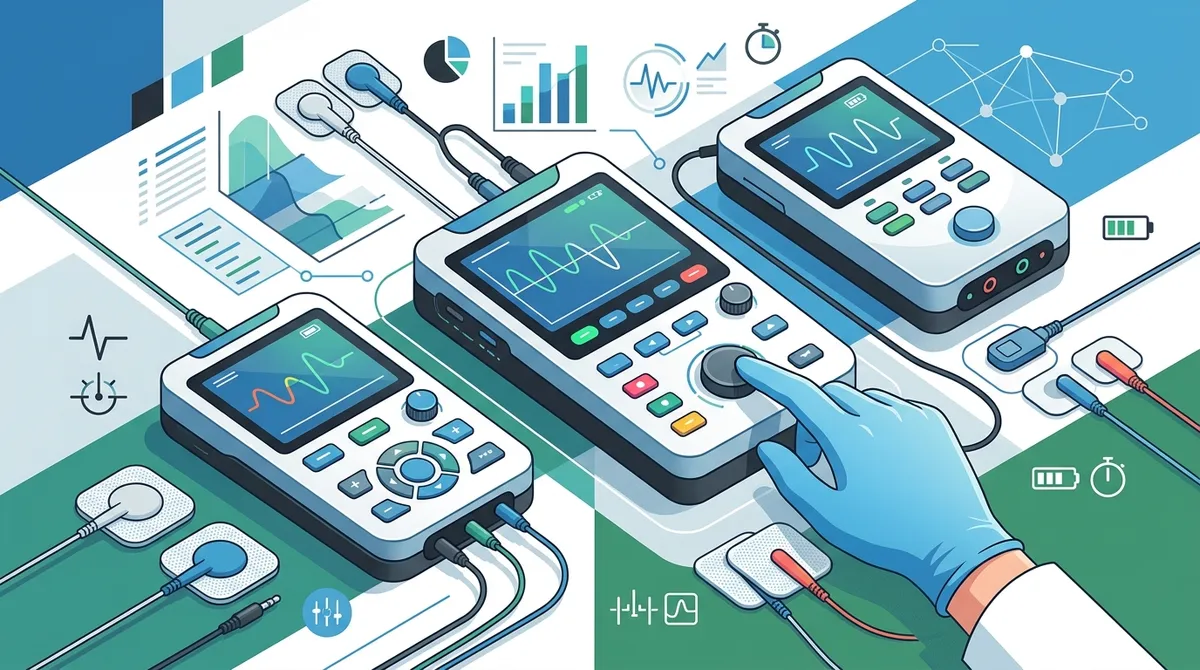
Not all TENS devices are created equal, and physical therapy clinics in Buffalo must evaluate devices against a rigorous set of clinical and operational criteria. The right unit enhances clinician control, improves patient comfort, and supports seamless transition to home therapy when appropriate.
| Feature | Clinical Specification | Why It Matters for PT Clinics |
|---|---|---|
| Pulse Rate | 2–120 Hz adjustable | Enables both sensory and motor-level stimulation protocols |
| Pulse Width | 40–260 μs adjustable | Controls depth and selectivity of nerve fiber activation |
| Peak Intensity | 0–80 mA into 500-ohm load | Accommodates diverse patient sensitivity thresholds |
| Output Channels | Dual channel minimum | Treats multiple body regions simultaneously |
| Treatment Modes | Burst, constant, modulation | Prevents sensory adaptation and extends treatment efficacy |
| Timer Function | 30–60 minute settings | Ensures consistent session duration and clinician efficiency |
| Portability | Compact, battery-operated | Supports home unit prescription for continued patient care |
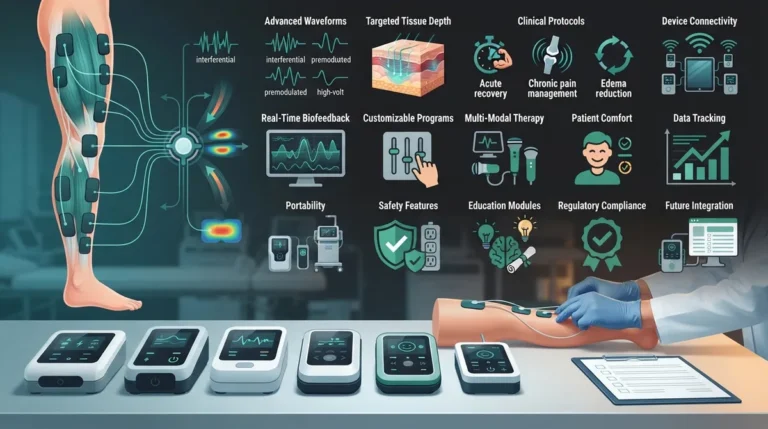
Dual-channel devices are particularly valuable in physical therapy settings because they allow therapists to treat adjacent pain zones — for example, both the lumbar region and the gluteal area — within a single session. Modulation modes rotate stimulation parameters automatically, preventing nerve adaptation and extending analgesic effectiveness across longer treatment courses. For clinics considering how to choose TENS units for physical therapy clinics, prioritizing these technical specifications will directly influence patient satisfaction and clinical outcomes.
Integrating TENS with Other Physical Therapy Modalities
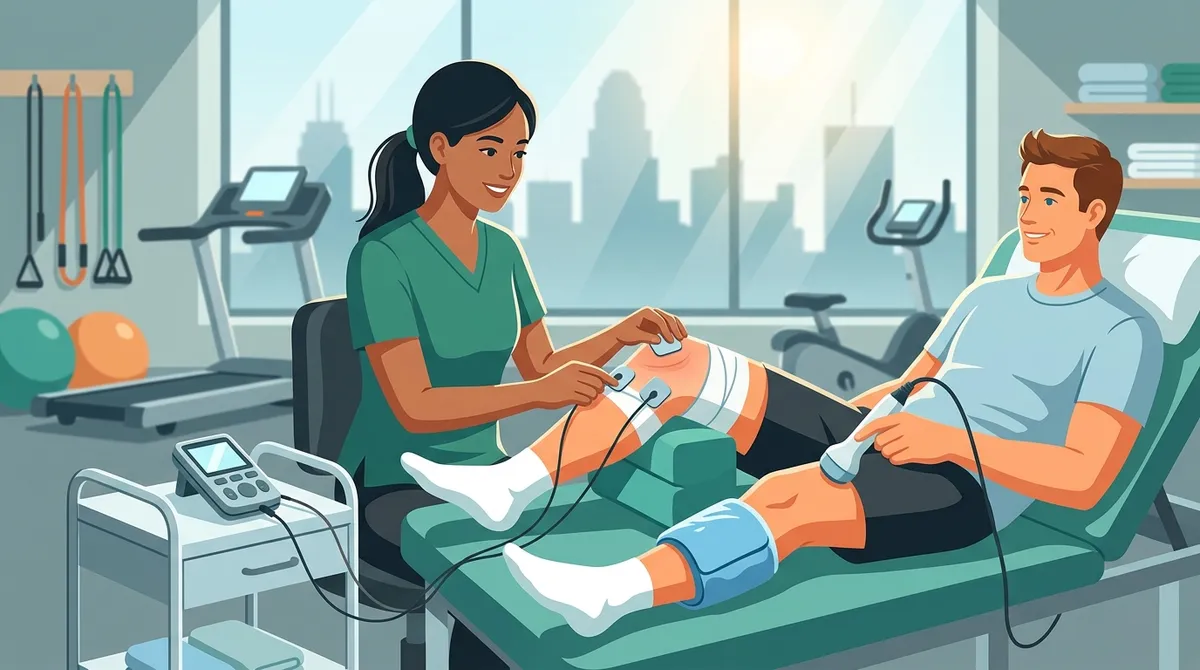
TENS therapy achieves its greatest clinical impact when integrated with a comprehensive physical therapy program rather than used as a standalone intervention. Buffalo providers like Peak Performance Chiropractic and Buffalo Chiropractic combine electrical stimulation with manual therapy, therapeutic exercise, and spinal adjustments to create synergistic treatment effects. The CDC actively promotes non-opioid therapies, including electrical stimulation, as frontline strategies for managing chronic and acute pain — a framework that positions TENS as a core clinical tool rather than an adjunct modality.
Consider a standard integration protocol used in Buffalo PT clinics:
- Initial Evaluation: Physician prescription obtained; patient undergoes functional assessment within 48 hours of referral, with pain mapping and baseline outcome measures recorded.
- TENS Application: Electrodes placed at targeted pain sites; parameters set according to condition (e.g., high-frequency for acute pain, low-frequency for chronic conditions); 15–20 minute session initiated.
- Manual Therapy: Post-TENS application of joint mobilization, soft tissue massage, or spinal manipulation while musculature remains relaxed from electrical stimulation.
- Therapeutic Exercise: Functional strengthening and range-of-motion exercises performed while analgesic effect is active, enabling patients to work through greater movement ranges.
- Home Unit Prescription: Qualifying patients receive a portable TENS unit to extend treatment benefits between clinic visits, accelerating return to normal activities.
This integrated approach is precisely why clinics like Medical Care of WNY send patients home with TENS units after in-clinic therapy — the extension of treatment into the home environment dramatically improves adherence and accelerates functional recovery. Clinics exploring complementary equipment such as back braces and cervical traction units can create comprehensive electrotherapy programs that address the full spectrum of musculoskeletal complaints.
Comparing TENS with Related Electrotherapy Modalities
Physical therapy clinics in Buffalo often use TENS alongside other electrical stimulation modalities. Understanding the distinctions helps clinicians select the most appropriate intervention for each patient presentation.
| Modality | Primary Mechanism | Best Application | Key Difference from TENS |
|---|---|---|---|
| TENS | Pain gating / endorphin release | Chronic and acute pain management | Baseline reference modality |
| NMES (Neuromuscular Electrical Stimulation) | Motor nerve activation / muscle contraction | Muscle atrophy, post-surgical re-education | Targets motor neurons vs. sensory nerves |
| IFC (Interferential Current) | Deep tissue penetration via crossed currents | Deep joint pain, swelling reduction | Greater tissue depth than standard TENS |
| Microcurrent | Cellular repair stimulation | Wound healing, soft tissue repair | Below sensory threshold; sub-milliampere |
While NMES and interferential current serve distinct clinical purposes, TENS remains the most versatile and widely applicable modality for general pain management across the patient populations seen in Buffalo physical therapy clinics. Providers seeking a full suite of electrotherapy solutions can explore the complete range of electrotherapy products available to clinical practices, including conductive garments and TheraKnit garments that enhance electrode contact and patient comfort during treatment.
Home TENS Unit Programs: Extending Clinic Benefits for Buffalo Patients
One of the most impactful services a Buffalo physical therapy clinic can offer is a structured home TENS unit program. When patients receive a properly prescribed portable device with electrode placement guidance and parameter instructions, treatment continuity between sessions dramatically improves. This approach is especially valuable for patients with chronic conditions like osteoarthritis or fibromyalgia, where daily symptom management is essential to quality of life.
Key elements of a successful home TENS program include:
- Physician prescription compliance: Ensuring all home unit prescriptions meet insurance documentation requirements for commercial PPO/POS, workers’ compensation, or auto accident claims
- Patient education: Comprehensive training on electrode placement, parameter adjustment, and contraindication awareness
- Device quality: Prescribing durable, clinically validated units with clear controls appropriate for unsupervised use
- Follow-up integration: Tracking home therapy outcomes at subsequent clinic visits to adjust parameters as needed
Clinics that establish formal home TENS programs often report improved patient satisfaction scores, faster functional recovery timelines, and stronger referral networks as patients share positive outcomes with their physicians and communities. For clinics across New York State looking to implement similar programs, resources like why Albany physical therapy clinics need TENS units and TENS units Syracuse physical therapy clinics need in 2026 offer additional regional context and clinical guidance.
Insurance and Reimbursement Considerations for Buffalo PT Clinics
Navigating insurance reimbursement for TENS therapy is a practical concern for every Buffalo physical therapy clinic administrator. The good news is that TENS units are reimbursable under multiple insurance categories when properly documented.
| Insurance Type | TENS Coverage Applicability | Documentation Requirements |
|---|---|---|
| Commercial PPO/POS Plans | In-clinic and home units often covered | Physician prescription, diagnosis codes, functional assessment |
| Workers’ Compensation | Strong coverage for work-related injuries | Injury causation documentation, treatment plan, progress notes |
| Auto Accident / PIP | Covered for whiplash, back, and soft tissue injuries | Accident report, physician referral, therapy notes |
| Third-Party Liability | Case-by-case basis with attorney coordination | Legal claim documentation, medical necessity justification |
Working with an experienced electrotherapy supplier that understands insurance billing workflows is a significant advantage for Buffalo PT clinics. Liberty Medical Solutions specializes in supporting healthcare providers through the insurance process for TENS units and related electrotherapy equipment, ensuring clinics and their patients have access to the devices they need without unnecessary financial barriers. Clinics interested in optimizing their electrotherapy programs are encouraged to connect with our team to discuss customized solutions.
Why Partner with a Specialized Electrotherapy Supplier
Selecting the right TENS unit supplier goes beyond product quality — it encompasses clinical support, insurance expertise, equipment customization, and long-term service reliability. Physical therapy clinics in Buffalo benefit from working with suppliers who understand the specific demands of clinical electrotherapy practice, from device specifications to electrode accessory sourcing.
Benefits of partnering with a dedicated electrotherapy solutions provider include:
- Access to clinically validated TENS devices with full parameter ranges appropriate for professional practice
- Insurance coordination support for commercial, workers’ compensation, and auto accident billing
- Customized electrode and accessory recommendations, including conductive garments for specialized treatment areas
- Ongoing clinical education resources to support staff training and protocol development
- Efficient device replacement and supply replenishment programs to minimize clinic downtime
For chiropractic practices in the Buffalo area seeking similar guidance, resources covering how to choose TENS units for chiropractic practices in Buffalo provide a useful comparative perspective on electrotherapy device selection across disciplines. Physical therapy and chiropractic providers share many of the same clinical goals, and a specialized supplier like Liberty Medical Solutions is positioned to serve both effectively.
Conclusion
TENS units represent one of the most evidence-backed, clinically versatile, and cost-effective tools available to physical therapy clinics in Buffalo. From chronic pain management and post-surgical recovery to neuromuscular re-education and home therapy extension programs, TENS technology addresses the core treatment challenges faced by Buffalo PT providers and their patients every day. With adjustable pulse parameters, dual-channel output, and multiple stimulation modes, professional-grade TENS devices offer the clinical precision that today’s physical therapy standards demand. As the FDA continues to expand guidance supporting non-opioid pain management options, TENS therapy is positioned to become even more central to rehabilitation practice in 2026 and beyond. Whether your clinic is establishing a new electrotherapy program or upgrading existing equipment, the investment in quality TENS units delivers measurable returns in patient outcomes, satisfaction, and practice growth. Reach out to Liberty Medical Solutions today to explore customized TENS unit solutions tailored specifically for your Buffalo physical therapy practice.
FAQs
Q: What conditions can TENS units treat in Buffalo physical therapy clinics?
A: TENS units are clinically indicated for a broad range of conditions including chronic low back pain, osteoarthritis, fibromyalgia, tendinitis, bursitis, post-surgical pain, and soft tissue injuries from auto accidents or workplace incidents. Buffalo PT clinics routinely integrate TENS therapy into multi-modal programs that address both acute and chronic musculoskeletal presentations.
Q: Do Buffalo physical therapy patients need a prescription to receive TENS therapy?
A: Yes, a physician prescription is typically required before initiating physical therapy involving TENS in Buffalo clinics. Most providers schedule evaluations within 48 hours of receiving a referral, after which a tailored electrotherapy protocol is developed based on the patient’s diagnosis and functional goals.
Q: Can patients take TENS units home from Buffalo physical therapy clinics?
A: Yes, many Buffalo PT providers prescribe portable TENS units for home use following in-clinic treatment sessions. This practice extends the analgesic and rehabilitative benefits between appointments and has been shown to accelerate patient recovery and improve long-term functional outcomes.
Q: What adjustable settings should professional TENS units for physical therapy clinics have?
A: Professional-grade TENS units used in physical therapy settings should feature adjustable pulse rates (2–120 Hz), pulse widths (40–260 μs), peak intensity (0–80 mA), dual output channels, multiple stimulation modes (burst, constant, modulation), and programmable timers for 30–60 minute sessions. These specifications give clinicians the parameter control needed to tailor treatment to each patient’s specific condition.
Q: Does insurance cover TENS units for physical therapy in Buffalo, NY?
A: TENS therapy and home TENS units are reimbursable under multiple insurance categories in Buffalo, including commercial PPO/POS plans, workers’ compensation, and auto accident claims, provided appropriate physician prescriptions and medical necessity documentation are on file. Working with a specialized electrotherapy supplier experienced in insurance coordination streamlines the billing process for both clinics and patients.