Key Takeaways
-
Selecting clinical-grade electrotherapy devices with ISO 13485 certification and adjustable settings directly impacts patient compliance and measurable treatment outcomes across physical therapy, chiropractic, and auto injury clinics.
-
Integrating take-home TENS units and wearable electrotherapy garments into treatment plans supports continuity of care between visits, reducing dependence on oral pain medication and improving patient satisfaction scores.
-
Insurance reimbursement varies significantly by plan type (commercial PPO/POS, workers' compensation, auto liability), requiring proper medical necessity documentation to avoid claim denials and ensure timely patient access to devices.
-
TENS therapy and cervical traction devices provide evidence-based, non-pharmacological alternatives to opioids by interrupting pain signals and stimulating endorphin release, aligning with CDC and FDA recommendations for chronic pain management.
-
Auto accident injury clinics should partner with providers experienced in insurance claim navigation, as reliable documentation of electrotherapy treatments strengthens third-party liability claims while accelerating patient recovery.
-
Staff training on proper electrode placement, intensity calibration, and patient education protocols is essential for maximizing therapeutic value and ensuring clinical-grade devices deliver consistent results across multiple patients.
Selecting the right pain management devices can determine whether a clinic delivers measurable patient outcomes or struggles with inconsistent results and low patient compliance. For physical therapy clinics, chiropractic practices, and auto accident injury clinics alike, electrotherapy equipment has become a cornerstone of non-invasive treatment protocols. With chronic pain affecting a significant portion of American adults according to the National Institutes of Health, providers need reliable, clinically validated tools that address patient pain without relying solely on pharmaceutical intervention.
This growing demand has pushed electrotherapy devices—TENS units, cervical traction equipment, conductive garments, and back braces—into the spotlight as essential components of modern rehabilitation and pain management programs. Understanding which devices fit specific clinical applications, how insurance coverage affects patient access, and what separates quality equipment from inferior alternatives is critical for any provider building a sustainable treatment model. This guide breaks down the pain management devices most relevant to physical therapy, chiropractic, and auto injury settings, along with practical guidance for selecting equipment that supports both clinical outcomes and practice growth.
Understanding Pain Management Devices in Electrotherapy
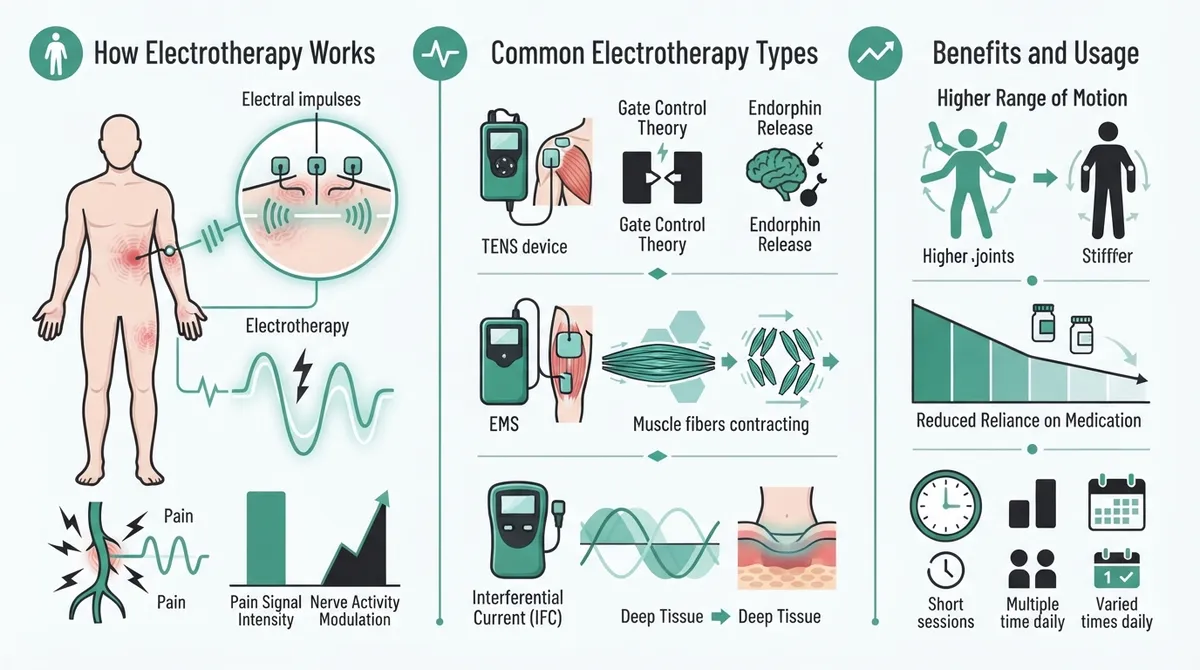
Pain management devices in the electrotherapy space use electrical stimulation, mechanical traction, or conductive materials to interrupt pain signals, reduce inflammation, and support tissue healing. Unlike opioid-based approaches, these devices offer a non-pharmacological pathway to pain relief, aligning with recommendations from the CDC and the FDA, both of which have emphasized expanding non-opioid treatment options for chronic pain.
For clinics evaluating their equipment inventory, it helps to understand the primary categories of devices available and how each addresses different clinical presentations.
Core Categories of Electrotherapy Pain Management Devices
- TENS (Transcutaneous Electrical Nerve Stimulation) units for blocking pain signals and stimulating endorphin release
- Cervical traction units for decompressing spinal discs and relieving neck-related pain
- Conductive garments that deliver electrical stimulation across larger treatment areas
- Back braces designed to stabilize the spine and reduce mechanical strain
- TheraKnit garments offering wearable, comfortable electrotherapy application
Each of these tools serves a distinct clinical purpose, and many providers find that combining multiple modalities yields stronger patient outcomes than relying on a single device type.
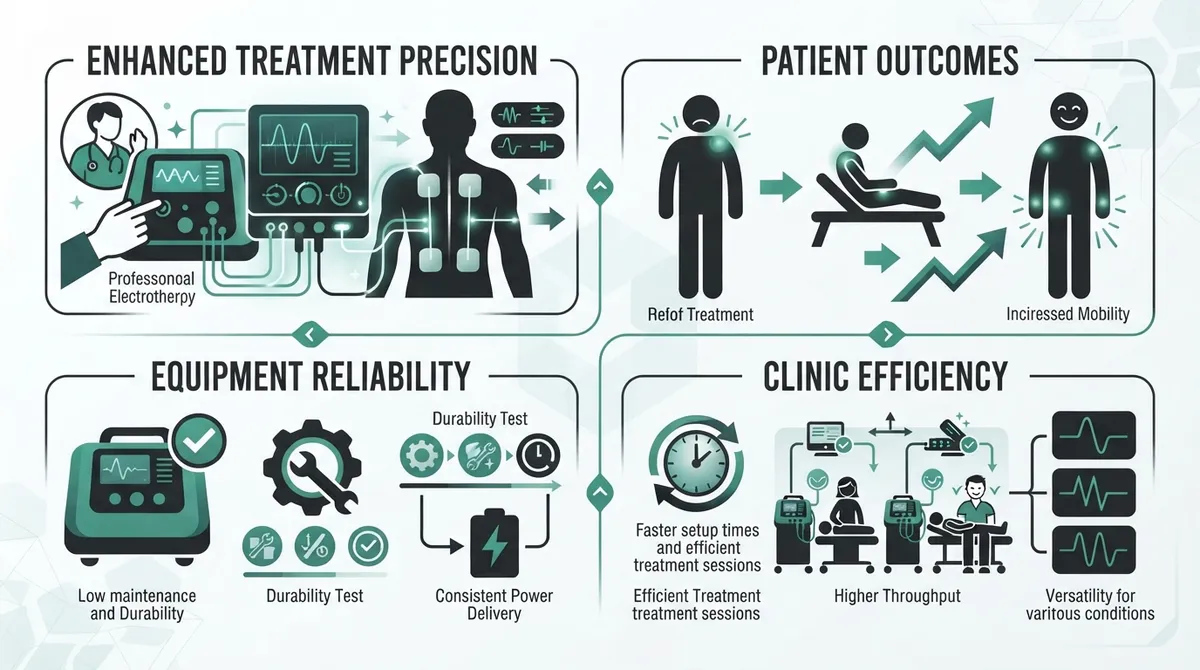
Why Physical Therapy Clinics Need Reliable Electrotherapy Equipment
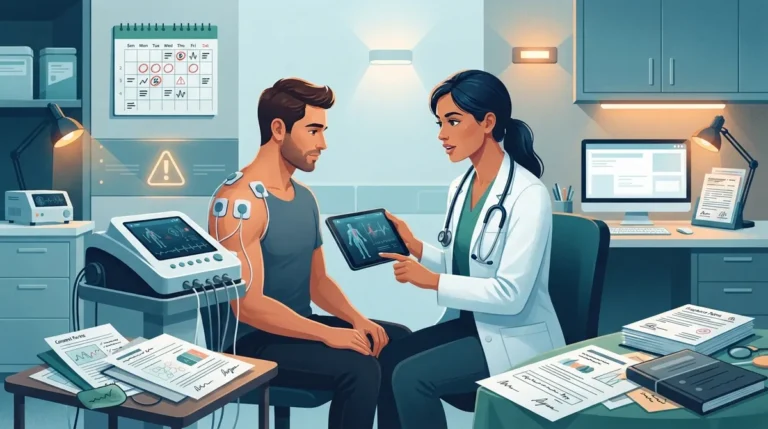
Physical therapists routinely treat patients recovering from surgery, sports injuries, and chronic musculoskeletal conditions. Incorporating electrotherapy into a treatment plan allows therapists to address pain during active rehabilitation, rather than pausing therapeutic exercise due to discomfort. The Cleveland Clinic notes that TENS therapy can be an effective adjunct for managing pain associated with rehabilitation exercises.
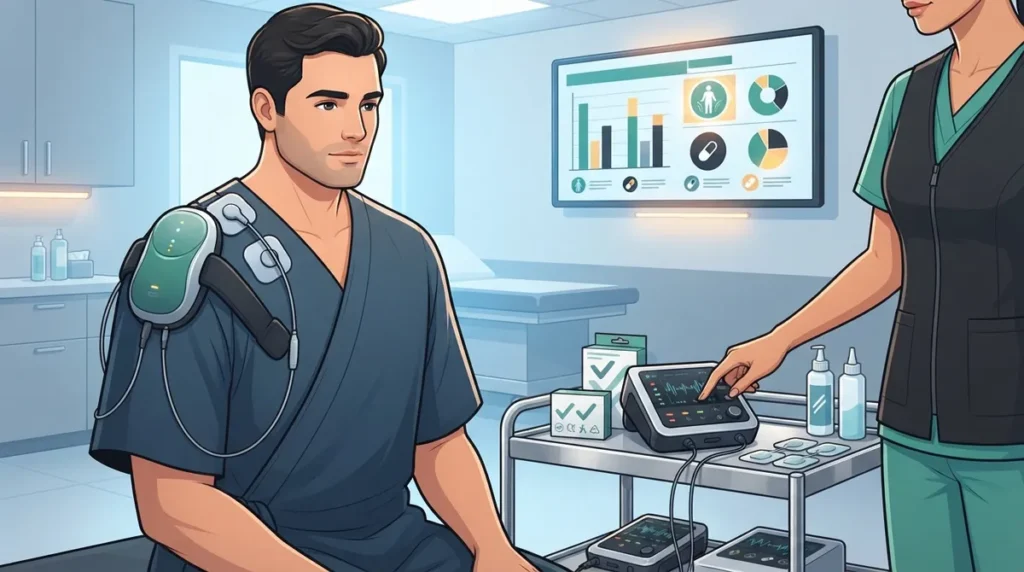
Clinics that integrate TENS devices into their treatment offerings often report improved patient satisfaction scores, particularly when patients are given take-home units to continue therapy between visits. This continuity of care supports faster functional recovery and reduces dependence on oral pain medication.
Key Considerations for PT Clinic Equipment Selection
- Portability and ease of use for both in-clinic and home-based treatment
- Adjustable intensity settings to accommodate varying patient tolerance levels
- Durability for high-frequency clinical use across multiple patients
- Compatibility with insurance billing codes for reimbursement
- Manufacturer support for training staff on proper electrode placement
Clinics researching device options for specific patient populations can review detailed guidance such as TENS Units for Physical Therapy Clinics in Denver or 13 Reasons NYC Physical Therapy Clinics Need TENS Units to understand regional clinical applications and patient demand patterns.
How Chiropractic Practices Benefit from Customized Electrotherapy Solutions
Chiropractic care focuses heavily on spinal alignment and musculoskeletal function, making electrotherapy a natural complement to manual adjustments. Many chiropractors incorporate TENS therapy pre- or post-adjustment to relax musculature, reduce guarding, and improve patient comfort during treatment. Back braces and cervical traction units further support spinal stability between visits, giving patients an active role in their recovery.
Practices that provide patients with take-home devices often see improved adherence to treatment plans, since patients can manage flare-ups independently rather than waiting for their next appointment. This approach also strengthens the perceived value of the practice, positioning the chiropractor as a comprehensive pain management resource rather than a single-service provider.
Comparing Electrotherapy Devices for Chiropractic Use
| Device Type | Primary Use | Typical Setting | Patient Benefit |
|---|---|---|---|
| TENS Unit | Pain signal interruption | In-clinic and home use | Reduced acute and chronic pain |
| Cervical Traction Unit | Spinal decompression | Home use with clinical guidance | Relief from neck and radicular pain |
| Back Brace | Spinal stabilization | Daily wear during recovery | Reduced mechanical strain |
| Conductive Garment | Broad-area stimulation | In-clinic and home use | Improved circulation and pain relief |
Chiropractors seeking guidance on outfitting their practice with the right combination of tools can explore resources like How to Select TENS Units for Your Denver Chiropractic Practice or Back Braces designed specifically for spinal support needs.
Electrotherapy for Auto Accident Injury Clinics
Auto accident injury clinics face unique challenges, including treating whiplash, soft tissue damage, and lower back injuries while navigating complex insurance claim processes. Electrotherapy devices offer a documented, non-invasive treatment pathway that supports both patient recovery and insurance claim substantiation. Research published through the Pub Med database has examined electrical stimulation’s role in reducing musculoskeletal pain, providing clinical evidence that supports its use in accident recovery protocols.
Because auto accident claims often involve third-party liability and extended treatment timelines, having a reliable equipment partner who understands insurance documentation requirements is essential. Liberty Medical Solutions works directly with auto accident claims, workers’ compensation cases, and commercial PPO/POS plans, helping clinics reduce administrative friction while ensuring patients receive timely access to devices.
Common Auto Injury Applications for Electrotherapy
- Whiplash-associated neck pain treated with cervical traction and TENS therapy
- Lower back strain managed through back braces and conductive garments
- Soft tissue injuries supported by targeted electrical stimulation protocols
- Post-collision muscle spasms addressed through wearable electrotherapy garments
Clinics can review how electrotherapy integrates into accident recovery through How to Use Electrotherapy for Auto Accident Treatment, which outlines documentation practices alongside clinical protocols.
Insurance Coverage and Reimbursement Considerations
One of the most significant barriers to widespread electrotherapy adoption is navigating insurance reimbursement. Clinics must understand how different plan types—commercial PPO/POS, workers’ compensation, and auto liability—handle coverage for pain management devices.
Insurance Pathways for Electrotherapy Devices
| Insurance Type | Common Coverage Scope | Documentation Needs |
|---|---|---|
| Commercial PPO/POS | Out-of-network benefits often apply | Medical necessity documentation |
| Workers’ Compensation | Coverage tied to work-related injury claims | Employer and physician authorization |
| Auto Accident/Third-Party Liability | Coverage through claim settlement process | Accident report and treatment records |
Understanding these distinctions helps clinics avoid claim denials and ensures patients receive devices without unnecessary delays. For a deeper look at how specific plan types affect coverage, providers can reference PPO Insurance and Electrotherapy Coverage: What Providers Need to Know and 7 Ways POS Insurance Impacts Electrotherapy Coverage in 2026.
What Makes a High-Quality Pain Management Device
Not all electrotherapy equipment is manufactured to the same clinical standard. Providers should evaluate devices based on regulatory compliance, durability, and evidence-based design rather than price alone. Devices manufactured under ISO 13485 certified electrotherapy devices standards reflect a manufacturing process aligned with international medical device quality systems, which matters significantly when equipment is used across dozens or hundreds of patients monthly.
Evaluation Criteria for Clinical-Grade Devices
- Regulatory certification and quality manufacturing standards
- Adjustable waveform and intensity settings for varied patient needs
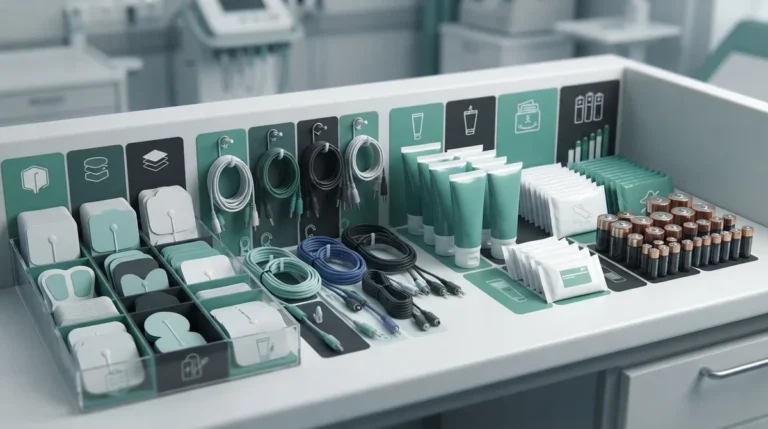
- Battery life and portability for home-use compliance
- Warranty terms and manufacturer responsiveness
- Availability of clinical training resources for staff
Clinics can review foundational guidance on device selection in How to Choose the Best TENS Unit for Your Clinical Practice, which outlines the technical specifications that separate consumer-grade units from clinical-grade equipment.
Clinical Evidence Supporting Electrotherapy Pain Management
Electrotherapy’s role in pain management is supported by a growing body of clinical literature. Studies indexed through the National Library of Medicine have examined the physiological mechanisms behind TENS therapy, including the gate control theory of pain and endorphin release triggered by electrical stimulation. Additionally, resources like WebMD and the Mayo Clinic provide accessible patient-facing explanations that clinics can share to improve treatment buy-in.
This evidence base gives providers confidence when recommending electrotherapy as part of a comprehensive pain management strategy, particularly for patients seeking alternatives to long-term medication use.
Building a Sustainable Electrotherapy Program
Successfully integrating pain management devices into a practice requires more than purchasing equipment—it demands a strategic approach to patient education, staff training, and ongoing supply management. Clinics should establish clear protocols for device fitting, patient instruction, and follow-up assessment to maximize therapeutic value.
Steps for Implementing an Electrotherapy Program
- Assess patient population needs and common presenting conditions
- Select devices that match clinical objectives and insurance reimbursement patterns
- Train clinical staff on proper electrode placement and intensity calibration
- Establish patient education materials explaining device use and expected outcomes
- Monitor patient compliance and adjust protocols based on outcomes data
Clinics looking to expand their equipment offerings can browse the full range of Products available, including Conductive Garments and TheraKnit Garments, both of which offer expanded treatment options beyond standard TENS units.
Choosing a Trusted Electrotherapy Partner
The reliability of a pain management device is only as strong as the company standing behind it. Providers need a partner who understands not just the technology, but the insurance landscape, clinical training requirements, and ongoing support that keeps devices functioning properly for years. Liberty Medical Solutions has built its reputation on customizing electrotherapy solutions for physical therapy clinics, chiropractic practices, and auto accident injury clinics, while navigating the complexities of commercial PPO/POS plans, workers’ compensation, and third-party liability claims.
This level of specialized support reduces the administrative burden on clinical staff, allowing providers to focus on patient care rather than insurance paperwork. Clinics that partner with an experienced electrotherapy provider often find that patient compliance improves, since devices arrive properly fitted and patients receive clear usage instructions from day one.
Conclusion
Pain management devices have become indispensable tools for physical therapy clinics, chiropractic practices, and auto accident injury clinics seeking non-pharmacological treatment options that deliver measurable results. From TENS units and cervical traction equipment to back braces and conductive garments, the right combination of devices—paired with proper insurance navigation—can transform patient outcomes while strengthening practice reputation. As demand for evidence-based, non-opioid pain solutions continues to grow, providers who invest in quality electrotherapy equipment position themselves at the forefront of modern rehabilitative care. To explore customized electrotherapy solutions tailored to your practice’s specific patient population and insurance requirements, Contact Our Team today.
FAQs
Q: What are the most common pain management devices used in electrotherapy clinics?
A: The most common devices include TENS units, cervical traction units, conductive garments, and back braces. Each device targets specific clinical needs, from interrupting pain signals to providing spinal decompression and stabilization.
Q: Are electrotherapy pain management devices covered by insurance?
A: Coverage varies depending on the plan type, including commercial PPO/POS, workers’ compensation, and auto accident claims. Proper documentation of medical necessity is typically required to secure reimbursement for these devices.
Q: How do TENS units help with pain management in clinical settings?
A: TENS units deliver low-voltage electrical currents that interrupt pain signals and stimulate endorphin release. This non-invasive approach is often used alongside manual therapy or chiropractic adjustments to enhance patient comfort during treatment.
Q: Can auto accident injury clinics use electrotherapy devices for whiplash treatment?
A: Yes, cervical traction units and TENS therapy are commonly used to treat whiplash-related neck pain and muscle spasms following auto collisions. These devices support recovery while providing documented treatment records for insurance claims.
Q: What should clinics look for when selecting a pain management device provider?
A: Clinics should prioritize providers offering ISO-certified devices, insurance navigation support, and clinical training resources. A reliable partner ensures proper device fitting, patient education, and ongoing support throughout the treatment lifecycle.