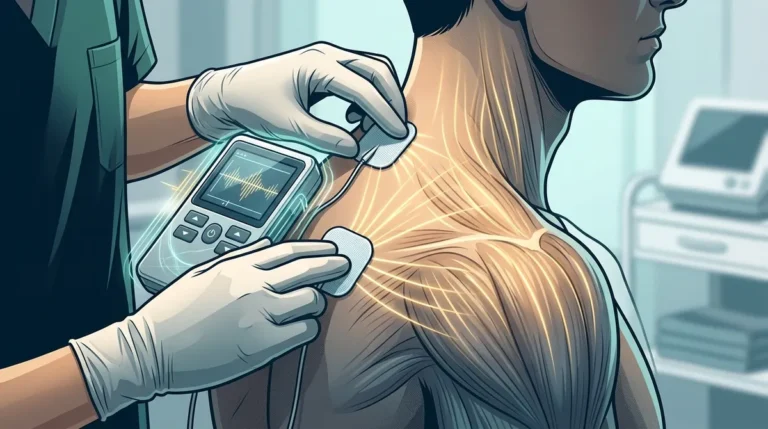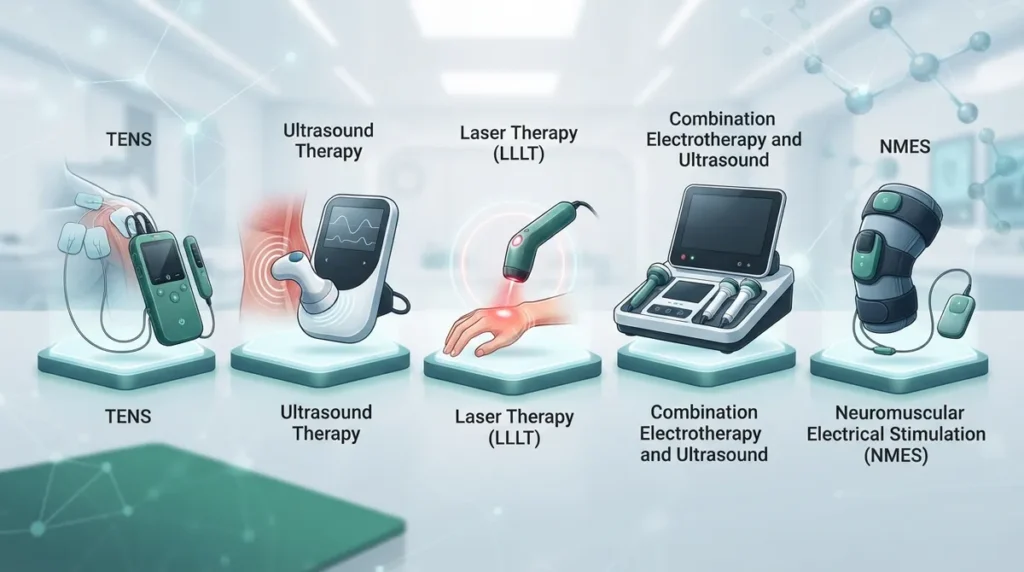
Selecting the right pain relief devices can determine whether a clinic delivers measurable outcomes or struggles to retain patients seeking non-opioid solutions. As the CDC continues to advocate for non-pharmacological pain management strategies, physical therapy clinics, chiropractic practices, and auto accident injury centers are increasingly turning to electrotherapy equipment to fill this critical gap. The demand is not surprising: the National Institutes of Health reports that persistent chronic pain affects a substantial percentage of U.S. adults, creating an ongoing need for effective, evidence-based treatment modalities.
For providers evaluating equipment purchases, understanding which pain relief devices deliver clinical value—and how insurance reimbursement works for each—is essential to building a sustainable treatment program. This guide examines five categories of electrotherapy pain relief devices that clinics rely on most, along with practical guidance on selection, insurance considerations, and integration into existing treatment protocols. Liberty Medical Solutions has worked extensively with physical therapy clinics, chiropractic practices, and auto injury centers to match the right technology to each patient population.
Why Electrotherapy Pain Relief Devices Matter for Modern Clinics
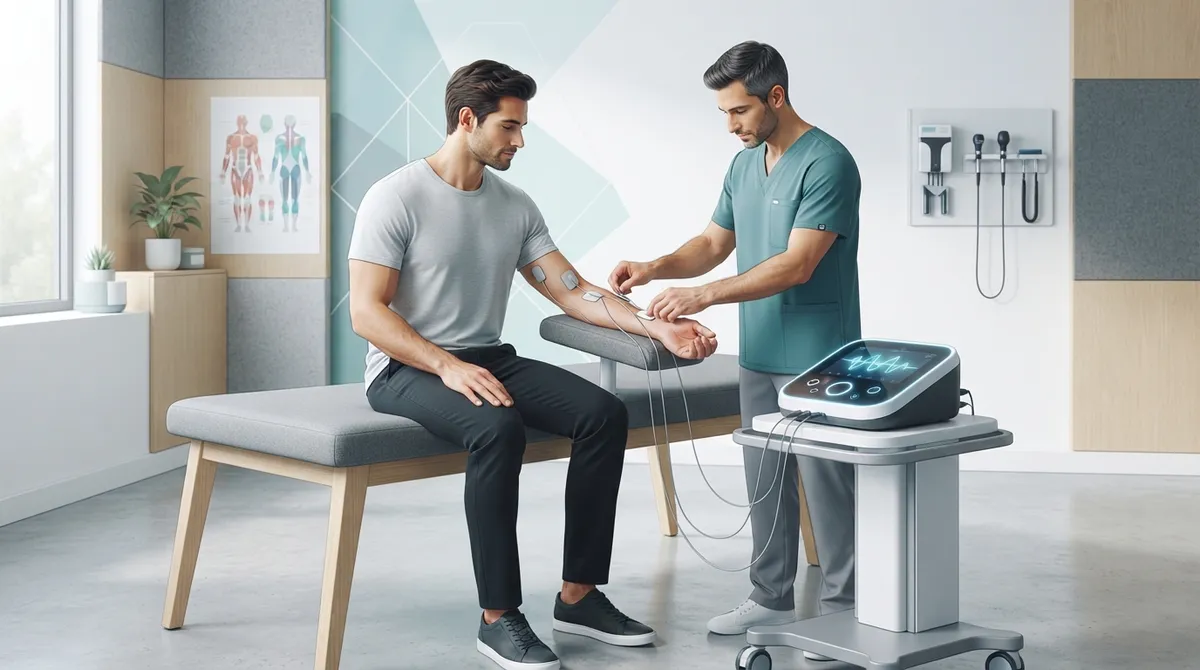
The shift away from opioid-first pain management has accelerated demand for devices that provide measurable relief without the risks associated with long-term medication use. The FDA has specifically encouraged the expansion of non-opioid treatment options, positioning electrotherapy devices as a frontline consideration for clinics treating musculoskeletal pain, post-surgical recovery, and chronic conditions.
Clinics that integrate electrotherapy products into their treatment plans typically see improvements in three key areas:
- Reduced dependency on oral pain medication among patients with chronic or recurring pain
- Improved patient compliance through take-home devices that extend in-clinic treatment benefits
- Expanded billable services that support practice revenue while improving documented outcomes
- Faster recovery timelines for auto accident and workers’ compensation cases requiring objective progress markers
1. TENS Units: The Foundation of Clinical Pain Management
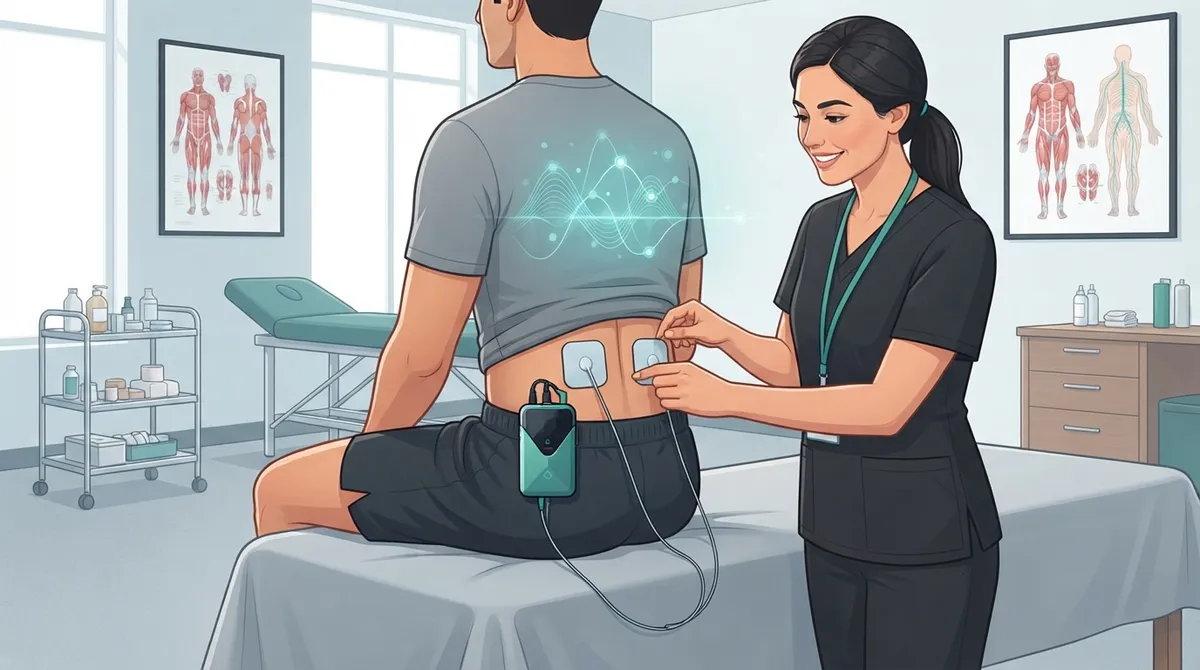
Transcutaneous Electrical Nerve Stimulation units remain the most widely prescribed pain relief devices across physical therapy, chiropractic, and injury rehabilitation settings. According to the Cleveland Clinic, TENS therapy works by delivering low-voltage electrical currents that interrupt pain signals traveling to the brain while simultaneously stimulating endorphin production.
For clinics, the appeal of TENS technology lies in its versatility. A single device can address lower back pain, cervical strain, sciatica, and post-surgical discomfort, making it a practical investment for practices treating diverse patient populations. Physical therapy clinics often use TENS units as an adjunct to manual therapy, while chiropractors frequently prescribe them for at-home use between adjustments.
Clinics evaluating options should review resources like What Makes the Best TENS Machine for Clinical Use? to understand the technical specifications that distinguish clinical-grade units from consumer devices. Key features to prioritize include:
- Multiple waveform settings to target different pain presentations
- Adjustable intensity and frequency controls for personalized dosing
- Durable construction suitable for repeated clinic and home use
- Compatibility with insurance billing codes for streamlined reimbursement
Auto accident injury clinics in particular benefit from TENS units when treating whiplash and soft tissue injuries, as documented improvement in pain scores supports the medical necessity documentation required for insurance claims. For guidance on proper placement, clinics can reference 10 TENS Unit Pads Placement Tips for Clinical Results.
2. Cervical Traction Units for Neck Pain and Whiplash Recovery
Cervical traction devices address a specific but common need: decompressing the cervical spine to relieve pressure on nerve roots and reduce muscle tension. This makes them particularly valuable for auto accident injury clinics treating whiplash-associated disorders, as well as chiropractic practices managing chronic neck pain and radiculopathy.
Unlike general-purpose TENS units, cervical traction equipment serves a narrower but critical function. Research published through the Pub Med database has examined mechanical traction’s role in reducing cervical nerve compression symptoms, supporting its inclusion in evidence-based treatment protocols.
| Clinical Consideration | Why It Matters |
|---|---|
| Adjustable tension settings | Allows customization for patient tolerance and injury severity |
| Portability for home use | Supports continued care between clinic visits |
| Documentation compatibility | Essential for auto accident and workers’ comp claim support |
| Ease of patient self-application | Reduces clinic time burden while maintaining compliance |
Clinics working with auto accident cases should note that cervical traction units, when paired with proper documentation, often qualify for reimbursement through auto insurance claims and third-party liability cases—an area where Liberty Medical Solutions has extensive experience supporting provider billing needs.
3. Conductive Garments for Extended Wear Therapy
Conductive garments represent an evolution in electrotherapy delivery, embedding conductive fibers directly into wearable fabric to distribute electrical stimulation across larger treatment areas than traditional electrode pads allow. These garments are especially useful for patients with widespread pain patterns, such as those recovering from significant soft tissue trauma following an auto accident.
The primary advantage of conductive garments is comfort and compliance. Patients who struggle with traditional adhesive electrode placement—due to skin sensitivity, treatment area size, or the need for extended wear—often find garment-based systems easier to tolerate for longer treatment sessions.
Physical therapy clinics treating patients with:
- Widespread lower back or hip pain requiring broad coverage
- Sensitive skin that reacts poorly to repeated adhesive electrode application
- Need for extended at-home treatment sessions beyond typical pad-based limits
- Post-surgical recovery requiring consistent, low-level stimulation over larger areas
often find conductive garments bridge a gap that standard TENS electrodes cannot fill. The TheraKnit Garments line exemplifies this category, offering a practical option for clinics seeking to diversify their treatment offerings without adding complexity to patient education.
4. Back Braces Paired with Electrotherapy Integration
While not an electrotherapy device in the traditional sense, back braces play a complementary role in comprehensive pain management programs, particularly when combined with TENS therapy. Chiropractic practices frequently pair back braces with electrotherapy prescriptions to provide both structural support and active pain relief in a single treatment plan.
This combination approach addresses two distinct clinical needs simultaneously: the brace stabilizes the lumbar or thoracic region to prevent aggravating movements, while electrotherapy addresses the underlying muscle tension and nerve irritation contributing to the patient’s pain. For auto accident injury clinics, this dual approach often supports stronger documentation for insurance claims, as it demonstrates a comprehensive treatment strategy addressing multiple aspects of the injury.
According to the WebMD overview of TENS therapy for back pain, combining supportive bracing with electrical stimulation can improve functional outcomes compared to either intervention alone, particularly during the acute recovery phase following a motor vehicle collision.
5. Interferential Current Therapy Devices for Deeper Tissue Penetration
Interferential current (IFC) therapy devices use two medium-frequency currents that intersect within tissue, creating a therapeutic effect at deeper levels than standard TENS can typically reach. This makes IFC particularly valuable for physical therapy clinics treating deeper musculoskeletal injuries, including lumbar strains, deep tissue trauma from auto accidents, and chronic conditions affecting larger muscle groups.
Clinics considering IFC technology should review 15 Facts on Interferential Current Therapy for Clinics to understand the clinical distinctions between IFC and standard TENS applications. The National Library of Medicine has published findings supporting interferential therapy’s role in reducing pain intensity and improving function among patients with chronic musculoskeletal conditions.
Comparing the Five Device Categories
| Device Type | Primary Use Case | Best-Fit Setting |
|---|---|---|
| TENS Units | General pain management, versatile applications | All clinic types |
| Cervical Traction Units | Neck pain, whiplash, radiculopathy | Auto injury clinics, chiropractic |
| Conductive Garments | Widespread pain, extended wear therapy | Physical therapy clinics |
| Back Braces + Electrotherapy | Structural support with active pain relief | Chiropractic practices |
| Interferential Current Devices | Deep tissue penetration, chronic conditions | Physical therapy clinics |
Navigating Insurance Reimbursement for Pain Relief Devices
One of the most significant barriers clinics face when introducing new pain relief devices is understanding how insurance coverage applies. Liberty Medical Solutions works directly with commercial PPO and POS plans, workers’ compensation programs, and auto accident claims to simplify this process for providers.
Clinics new to electrotherapy billing should understand these general principles:
- Commercial PPO/POS plans often cover electrotherapy devices when supported by proper documentation of medical necessity
- Workers’ compensation cases typically require detailed treatment plans linking the device to the specific workplace injury
- Auto accident and third-party liability claims often have distinct documentation requirements compared to standard health insurance
- Out-of-network benefits may still provide reimbursement pathways even when a plan isn’t in-network
For a deeper understanding of specific coverage types, clinics can review PPO Insurance and Electrotherapy Coverage: What Providers Need to Know and How Do Out-of-Network Benefits Work for Electrotherapy? Auto accident injury clinics specifically should consult How to Use Electrotherapy for Auto Accident Treatment for guidance on documentation that supports claims processing.
How to Choose the Right Devices for Your Practice
Selecting appropriate pain relief devices requires evaluating your patient population, treatment goals, and operational capacity. Consider the following steps when building or expanding your electrotherapy program:
- Assess your primary patient conditions — Determine whether your practice predominantly treats acute injuries, chronic pain, or a mix requiring diverse device options.
- Evaluate insurance mix — Understand which insurance types your patients carry most frequently to prioritize devices with strong reimbursement pathways.
- Review clinical evidence — Prioritize devices backed by published research, such as those referenced by the Mayo Clinic in its patient education materials on electrical stimulation therapy.
- Consider staff training requirements — Choose devices your clinical team can confidently explain and demonstrate to patients.
- Plan for patient compliance — Select equipment that patients will actually use consistently at home, as adherence directly impacts outcomes.
Clinics can browse the full range of available options through Liberty Medical Solutions’ Devices and Products pages to compare specifications side by side.
Building a Sustainable Electrotherapy Program
Introducing pain relief devices is not simply a matter of purchasing equipment—it requires integrating these tools into a broader clinical workflow that includes patient education, documentation practices, and ongoing outcome tracking. Clinics that succeed with electrotherapy programs typically establish clear protocols for when to prescribe TENS units versus cervical traction versus conductive garments, ensuring consistency across providers within the practice.
Physical therapy clinics and chiropractic practices alike benefit from partnering with a supplier that understands both the clinical and administrative sides of electrotherapy. Liberty Medical Solutions supports providers not only with device selection but also with the insurance navigation that often determines whether a treatment plan is financially viable for the patient.
Conclusion
Pain relief devices have become indispensable tools for physical therapy clinics, chiropractic practices, and auto accident injury centers seeking to offer evidence-based, non-opioid treatment options. From versatile TENS units to specialized cervical traction equipment, conductive garments, supportive back braces, and interferential current therapy, each device category serves a distinct clinical purpose that can be matched to specific patient needs and insurance requirements.
Choosing the right combination of devices—and understanding how to navigate insurance reimbursement for each—positions your practice to deliver stronger outcomes while expanding treatment capabilities. If your clinic is ready to explore customized electrotherapy solutions tailored to your patient population and insurance mix, Get in Touch with Our Team at Liberty Medical Solutions to discuss which devices align best with your practice’s goals.
FAQs
Q: What are the most common pain relief devices used in clinics?
A: The most widely used pain relief devices in clinical settings include TENS units, cervical traction units, conductive garments, and interferential current therapy devices. Each serves a distinct purpose, from general pain management to targeted treatment of neck injuries and deep tissue conditions.
Q: Are pain relief devices covered by insurance?
A: Many pain relief devices are covered under commercial PPO/POS plans, workers’ compensation, and auto accident claims when supported by proper documentation of medical necessity. Coverage details vary by plan, which is why working with a provider experienced in insurance navigation is valuable for clinics.
Q: How do TENS units differ from interferential current therapy devices?
A: TENS units deliver low-voltage current primarily to interrupt pain signals near the skin’s surface, while interferential current devices use intersecting medium-frequency currents to reach deeper tissue layers. Clinics often choose between the two based on the depth and severity of the patient’s condition.
Q: Can pain relief devices be used for auto accident injuries?
A: Yes, electrotherapy devices such as TENS units and cervical traction equipment are commonly prescribed for whiplash, soft tissue damage, and other injuries resulting from auto accidents. Proper documentation of device use also supports insurance claims and third-party liability cases.
Q: How should a clinic choose the right pain relief device for its patients?
A: Clinics should evaluate their primary patient conditions, insurance mix, and staff training capacity before selecting devices. Prioritizing equipment backed by clinical evidence and strong patient compliance potential typically yields the best long-term outcomes.