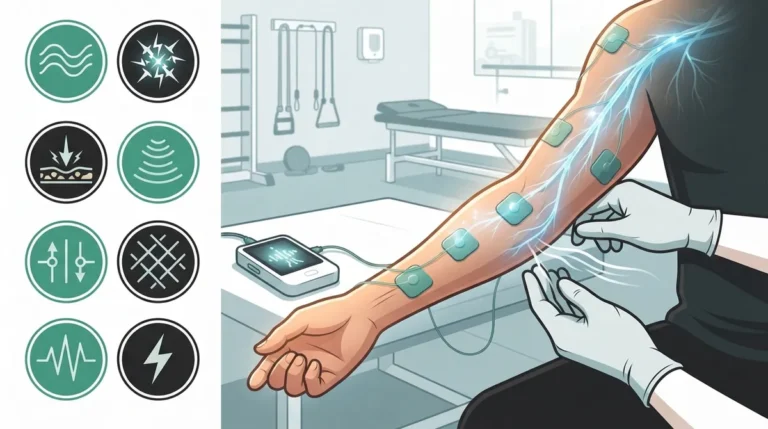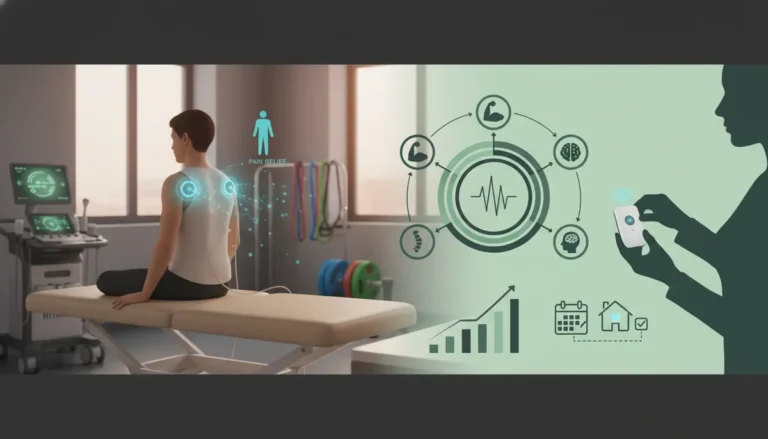
Patients recovering from spinal adjustments, whiplash injuries, or post-surgical rehabilitation frequently ask the same question during their visit: what can I do between appointments to manage pain? For physical therapy clinics, chiropractic practices, and auto accident injury centers, recommending clinically appropriate TENS units for home use extends treatment beyond the clinic walls and reinforces patient compliance. With chronic pain affecting a substantial share of American adults according to the National Institutes of Health, providers are under increasing pressure to offer non-opioid pain management solutions that patients can safely use outside of scheduled appointments.
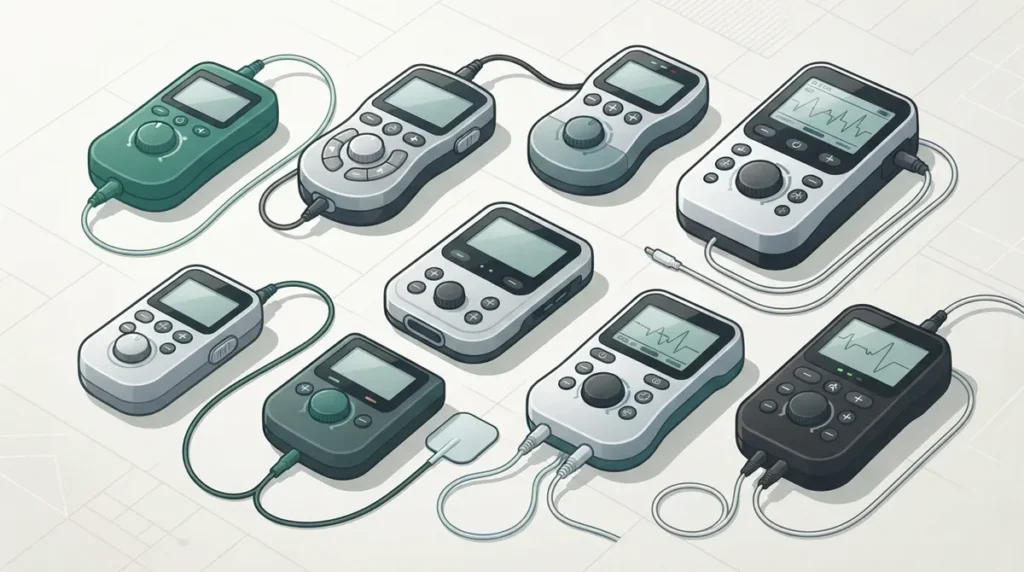
This article outlines seven categories of TENS devices and considerations that healthcare providers should evaluate when recommending home-use electrotherapy equipment to patients. Each option addresses specific clinical scenarios common to physical therapy, chiropractic, and auto injury settings, helping practices select devices that align with patient needs while supporting insurance reimbursement pathways.
Why Home-Use TENS Units Matter for Clinical Practices
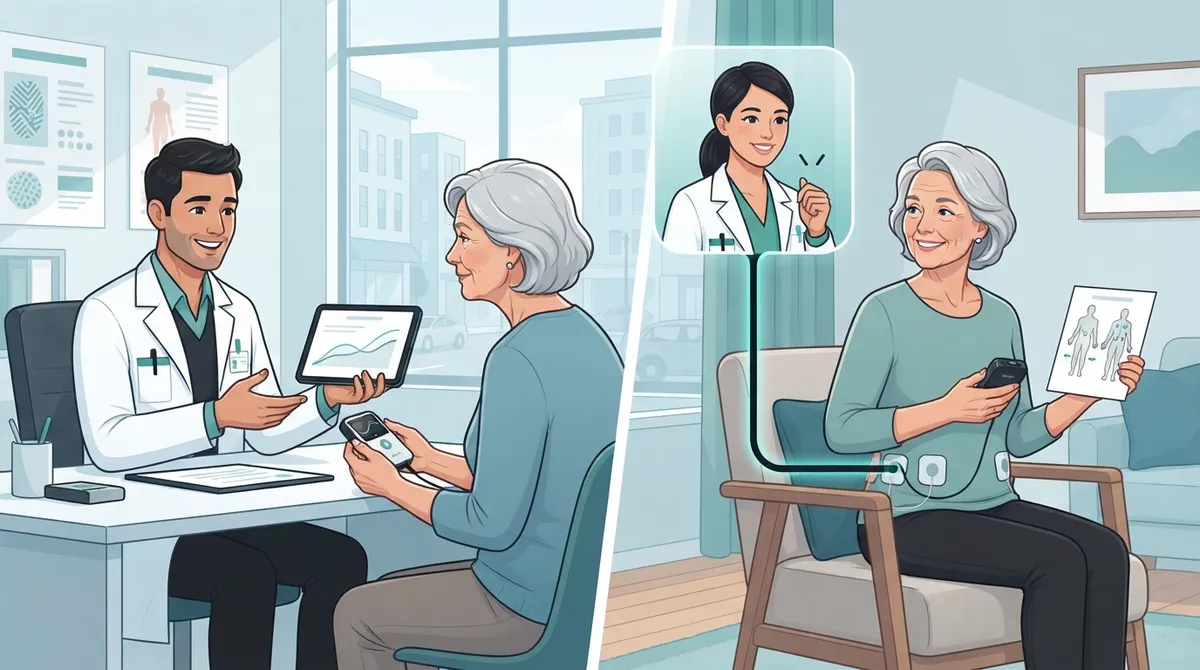
Prescribing home-use electrotherapy devices allows providers to maintain therapeutic continuity between in-office visits. Patients managing chronic back pain, cervical strain, or soft tissue injuries from auto accidents often require consistent stimulation therapy that cannot be limited to weekly or biweekly clinic appointments.
The FDA has actively encouraged expanded access to non-opioid pain management options, and TENS therapy fits squarely within this initiative. Additionally, the CDC lists electrical nerve stimulation among recommended non-pharmacological interventions for chronic pain conditions, making it a defensible clinical recommendation for documentation purposes.
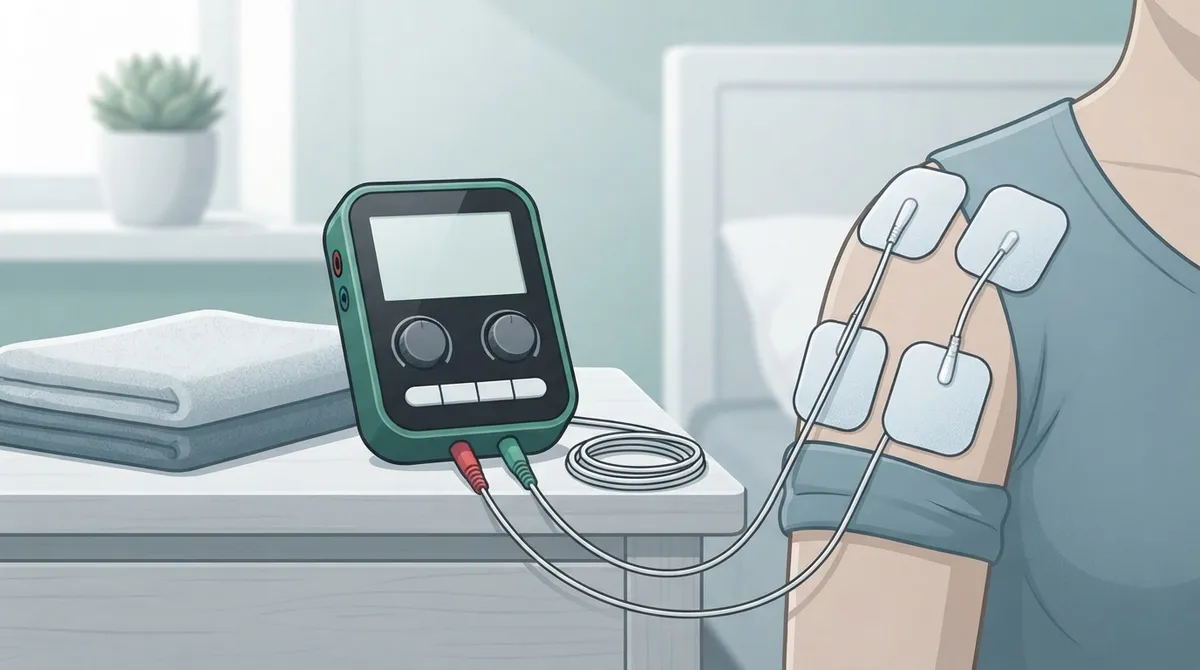
1. Standard Dual-Channel TENS Units for General Pain Management
Dual-channel devices remain the workhorse recommendation for most physical therapy and chiropractic patients. These units allow simultaneous treatment of two body regions, such as the lower back and hip, or bilateral cervical treatment following whiplash injury.
- Adjustable pulse width and frequency settings for customized treatment protocols
- Multiple pre-programmed modes for acute versus chronic pain presentations
- Compact design suitable for patient portability between work and home
- Compatible with standard electrode placements taught during in-clinic sessions
Clinics can review the full range of dual-channel Devices available for patient prescription, ensuring compatibility with treatment plans established during initial evaluations.
2. Interferential Current (IFC) Home Units for Deeper Tissue Penetration
Interferential current therapy delivers deeper tissue penetration than conventional TENS, making it particularly useful for patients with musculoskeletal injuries stemming from motor vehicle accidents. Research compiled in National Library of Medicine publications supports the use of interferential current for reducing pain intensity in soft tissue injuries.
Auto accident injury clinics frequently recommend IFC-capable home units for patients with deep muscle spasm or fascial involvement that surface-level TENS may not adequately address. These units typically carry higher upfront costs but demonstrate strong outcomes for whiplash-associated disorders. For a deeper clinical understanding of this modality, providers can consult 15 Facts on Interferential Current Therapy for Clinics (2026).
3. Cervical-Specific TENS Units for Whiplash and Neck Injury Patients
Whiplash remains one of the most commonly treated conditions at auto accident injury clinics. Cervical-specific TENS units, often paired with traction accessories, address both the muscular tension and nerve irritation associated with rear-end collision injuries.
| Feature | Standard TENS Unit | Cervical-Specific TENS Unit |
|---|---|---|
| Electrode Placement Guide | General body regions | Cervical spine mapping |
| Pulse Programs | Standard modes | Whiplash-specific protocols |
| Compatibility with Traction | Limited | Often paired with cervical traction units |
| Typical Clinical Use | Lower back, extremities | Neck, shoulder, upper trapezius |
According to the Cleveland Clinic, TENS therapy can interrupt pain signal transmission to the brain, offering meaningful relief for patients with nerve-related neck pain following trauma.
4. Portable Compact Units for Active Patients and Return-to-Work Cases
Workers’ compensation patients often need to return to modified duty while continuing rehabilitation. Portable, compact TENS units designed for discreet wear under clothing allow patients to manage pain during work hours without disrupting job performance.
- Select units with clip-on designs for easy attachment to waistbands or pockets
- Verify battery life supports full workday usage without recharging
- Confirm electrode lead lengths accommodate movement-intensive job duties
- Provide clear documentation for workers’ compensation claim adjusters regarding medical necessity
Guidance on selecting a portable TENS machine for your clinic can help practices standardize their recommendations for patients balancing recovery with occupational demands.
5. Multi-Program Rehabilitation Units for Post-Surgical Recovery
Physical therapy clinics treating post-surgical patients require devices offering greater programming flexibility. Multi-program units allow therapists to adjust settings as patients progress through rehabilitation phases, from acute post-operative pain control to later-stage muscle re-education.
These units often include EMS (electrical muscle stimulation) functionality alongside TENS, supporting both pain relief and muscle strengthening objectives. The Pub Med database includes numerous studies examining combined TENS/EMS protocols for post-surgical rehabilitation outcomes, reinforcing the clinical rationale for multi-modal home devices.
6. Auto-Adjusting Smart TENS Units for Patient Compliance
Patient compliance remains a persistent challenge in home-based electrotherapy programs. Auto-adjusting units that modulate intensity automatically based on skin impedance reduce the learning curve for patients unfamiliar with manual settings adjustment.
- Reduces risk of improper intensity settings causing discomfort or reduced efficacy
- Simplifies at-home use for elderly patients or those with limited technical familiarity
- Includes safety shutoffs to prevent overuse or skin irritation
- Often includes companion instructions mirroring in-clinic electrode placement protocols
The WebMD resource on TENS therapy for back pain notes that proper device use significantly influences treatment outcomes, underscoring why simplified, patient-friendly units matter for compliance-dependent recovery plans.
7. Combination TENS and Conductive Garment Systems
For patients requiring targeted, hands-free electrotherapy delivery, combination systems using conductive garments paired with TENS units offer an increasingly popular home-use solution. These garments distribute electrical stimulation evenly across larger muscle groups without requiring precise electrode placement each session.
Chiropractic practices treating chronic lower back pain patients often recommend these systems alongside Back Braces for comprehensive at-home support. Liberty Medical Solutions offers Conductive Garments and TheraKnit Garments designed specifically for consistent, hands-free stimulation delivery that patients can wear during daily activities.
Comparing Home-Use TENS Options at a Glance
| Unit Type | Best For | Typical Clinical Setting |
|---|---|---|
| Standard Dual-Channel | General pain management | Chiropractic, PT |
| Interferential Current | Deep tissue, soft tissue trauma | Auto accident clinics |
| Cervical-Specific | Whiplash, neck injury | Auto accident clinics, chiropractic |
| Portable Compact | Active/working patients | Workers’ compensation cases |
| Multi-Program Rehab | Post-surgical recovery | Physical therapy |
| Auto-Adjusting Smart | Compliance-challenged patients | All settings |
| Garment Combination | Hands-free, broad coverage | Chiropractic, PT |
Insurance Considerations for Home-Use Device Prescriptions
Providers navigating insurance reimbursement for home-use TENS units must understand the distinctions between commercial PPO/POS plans, workers’ compensation coverage, and auto accident third-party liability claims. Documentation requirements vary significantly across these payer categories, and proper coding at the point of prescription can substantially reduce claim denials.
Practices working with out-of-network benefits should review how out-of-network benefits work for electrotherapy equipment before finalizing patient recommendations. Similarly, understanding PPO insurance and electrotherapy coverage requirements helps front-office staff streamline the authorization process, reducing delays that might otherwise interrupt patient treatment continuity.
Clinical Best Practices for Recommending Home-Use TENS Units
Providers should follow a structured evaluation process before prescribing any home-use electrotherapy device to ensure appropriate patient selection and maximize therapeutic benefit.
- Assess the patient’s specific pain condition and injury mechanism to determine appropriate device category
- Review contraindications, including pacemakers, pregnancy, and certain cardiac conditions
- Provide hands-on training for electrode placement and intensity adjustment during the clinic visit
- Document medical necessity clearly to support insurance claim processing
- Schedule follow-up evaluation to assess home-use compliance and therapeutic progress
The Mayo Clinic emphasizes that proper patient education significantly improves outcomes for home-based TENS therapy, reinforcing the importance of thorough in-office instruction before device dispensing.
Selecting a Reliable Electrotherapy Equipment Partner
Physical therapy clinics, chiropractic practices, and auto accident injury centers benefit from working with an established equipment supplier familiar with insurance billing complexities across commercial, workers’ compensation, and third-party liability claims. Liberty Medical Solutions has built its reputation on customizing electrotherapy solutions to match specific clinical protocols while managing the administrative burden of insurance verification and claims processing.
Beyond home-use TENS units, clinics can explore the complete range of Products available, including cervical traction units and orthopedic supports that complement electrotherapy treatment plans. Providers evaluating device options for their practice may also find value in reviewing what makes the best TENS machine for clinical use to inform their prescribing decisions.
Conclusion
Selecting the right home-use TENS unit requires careful consideration of patient condition, clinical setting, and insurance pathway. Whether treating whiplash injuries at an auto accident clinic, supporting post-surgical rehabilitation at a physical therapy practice, or complementing spinal adjustments at a chiropractic office, the seven device categories outlined above provide a framework for making informed prescribing decisions. Providers who partner with experienced electrotherapy suppliers gain access to both quality equipment and streamlined insurance processing support. To discuss customized electrotherapy solutions for your practice, Contact Our Team at Liberty Medical Solutions today.
FAQs
Q: Are TENS units for home use as effective as in-clinic electrotherapy treatments?
A: Home-use TENS units can effectively extend the benefits of in-clinic treatment when properly prescribed and patients receive thorough training on electrode placement and settings. Clinical supervision ensures appropriate device selection and monitoring of progress, making the combination of in-office and home-based therapy more effective than either approach alone.
Q: What conditions warrant a home-use TENS unit prescription from a chiropractor or physical therapist?
A: Common conditions include chronic lower back pain, whiplash-associated disorders, post-surgical rehabilitation, and soft tissue injuries from auto accidents. Providers typically assess pain chronicity, patient compliance capability, and insurance coverage before recommending a specific device category.
Q: Does insurance cover TENS units for home use prescribed by a clinic?
A: Coverage varies by payer type, including commercial PPO/POS plans, workers’ compensation, and auto accident third-party liability claims. Proper documentation of medical necessity and correct billing codes significantly improve reimbursement outcomes across these different insurance categories.
Q: How do interferential current units differ from standard TENS units for home use?
A: Interferential current units use two overlapping electrical currents to penetrate deeper into tissue compared to standard TENS, making them particularly suitable for deep muscle spasm or soft tissue trauma. Standard TENS units primarily target surface-level nerve pathways for general pain relief.
Q: How often should patients use a home-use TENS unit prescribed by their provider?
A: undefined