Key Takeaways
-
Electrotherapy market is growing from $1.45 billion (2026) to $1.99 billion (2034), and clinics investing in evidence-based devices position themselves for improved patient outcomes and insurance reimbursement success.
-
Different electrotherapy modalities serve specific clinical purposes: TENS for chronic pain, EMS for muscle strengthening, NMES for nerve damage recovery, and interferential current for deep tissue pain—selecting the right modality directly impacts treatment effectiveness.
-
Portable home-use electrotherapy devices and conductive garments enable patients to maintain treatment consistency between clinic visits, improving compliance and supporting the shift toward non-opioid pain management endorsed by the FDA and CDC.
-
Multi-modality combination units and insurance-compatible devices reduce equipment costs while streamlining billing processes for PPO/POS plans and workers' compensation claims, improving clinic efficiency and cash flow.
Physical therapists, chiropractors, and auto accident injury clinics face constant pressure to deliver measurable pain relief while controlling costs and navigating complex insurance requirements. Selecting the right electrotherapy devices directly affects patient outcomes, clinic efficiency, and reimbursement success. With the global electrotherapy devices market projected to grow from $1.45 billion in 2026 to nearly $1.99 billion by 2034, according to Fortune Business Insights, providers who invest wisely in this technology position their practices for long-term clinical and financial success.
This guide breaks down 14 essential electrotherapy devices and categories that physical therapy clinics, chiropractic practices, and auto accident injury clinics should evaluate in 2026. Each recommendation reflects current clinical evidence, insurance reimbursement trends, and the growing shift toward non-opioid pain management strategies endorsed by the CDC. Liberty Medical Solutions works directly with providers to customize these solutions for commercial PPO/POS plans, workers’ compensation, and auto accident claims, making advanced electrotherapy accessible to more patients.
Why Electrotherapy Devices Matter for Modern Clinical Practice
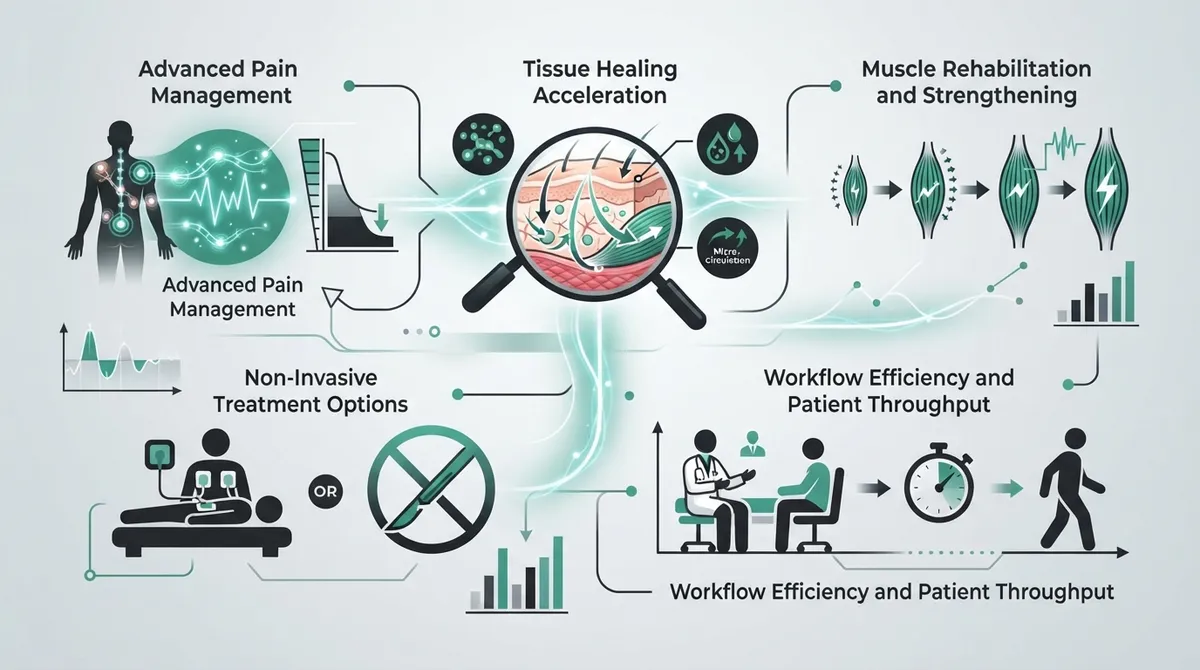
Electrotherapy devices use controlled electrical impulses to stimulate nerves and muscles, achieving clinical goals such as pain relief, muscle strengthening, edema reduction, and tissue healing. As concerns over opioid dependency continue to shape treatment protocols, the FDA has actively encouraged expanded use of non-opioid pain management options, positioning electrotherapy as a clinically validated alternative.
Research published in the National Library of Medicine confirms that electrical stimulation therapies effectively reduce chronic pain symptoms while improving functional mobility. For clinics treating musculoskeletal disorders, sports injuries, or post-accident trauma, these devices offer a practical, evidence-based tool that complements manual therapy and manipulation techniques.
1. TENS Units for Chronic Pain Management
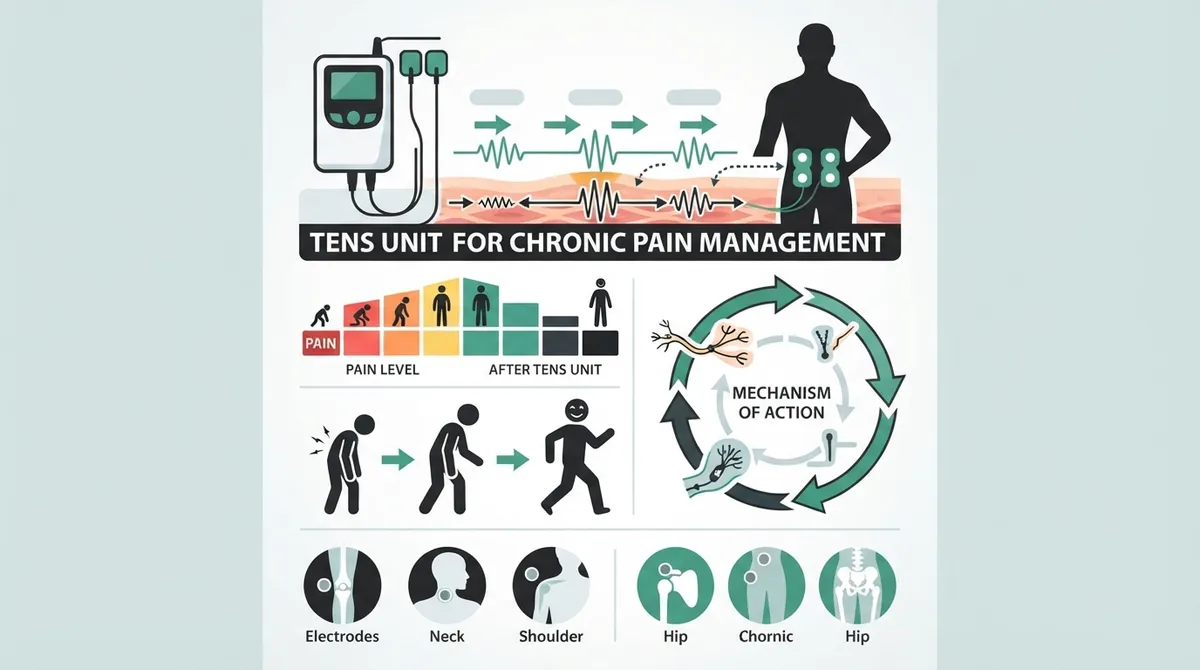
Transcutaneous Electrical Nerve Stimulation remains the largest segment within the electrotherapy market, particularly for chronic pain applications. TENS units deliver low-voltage currents that stimulate sensory nerves, interrupting pain signals before they reach the brain. The Cleveland Clinic notes that TENS therapy is widely used for arthritis, back pain, and post-surgical recovery.
Chiropractic practices frequently pair TENS therapy with spinal adjustments to manage residual discomfort between sessions. Clinics interested in exploring device options can review our guide on how to choose the best TENS unit for your clinical practice to align device selection with patient needs.
2. EMS Devices for Muscle Strengthening
Electrical Muscle Stimulation targets healthy muscle fibers to build strength and endurance, making it valuable for rehabilitation following orthopedic injury or surgery. Unlike TENS, EMS produces visible muscle contractions rather than solely blocking pain signals. Clinics focused on post-injury recovery should review our breakdown of EMS devices that improve patient outcomes to identify the right fit for their caseload.
3. NMES Systems for Neuromuscular Rehabilitation
Neuromuscular Electrical Stimulation addresses muscle atrophy and weakness resulting from nerve damage, stroke, or prolonged immobilization. NMES is especially valuable for auto accident injury clinics treating patients with soft tissue damage or nerve impingement following collision trauma. This modality helps restore voluntary muscle control during extended recovery timelines.
4. Interferential Current Therapy Devices
Interferential current therapy uses two medium-frequency currents that intersect within tissue, producing a lower-frequency therapeutic effect with deeper penetration than standard TENS. This approach reduces skin resistance discomfort while targeting deeper musculature. Clinics can learn more from our detailed resource on interferential current therapy facts for clinics.
Comparing Core Electrotherapy Modalities
| Modality | Primary Use | Best Suited For |
|---|---|---|
| TENS | Pain signal interruption | Chronic pain, arthritis, post-surgical discomfort |
| EMS | Muscle strengthening | Post-injury rehabilitation, deconditioning |
| NMES | Neuromuscular re-education | Nerve damage, muscle atrophy |
| Interferential Current | Deep tissue pain relief | Deep musculoskeletal pain, edema reduction |
5. Cervical Traction Units
Cervical traction units gently stretch the neck to relieve pressure on spinal discs and nerve roots, making them essential for whiplash treatment following auto accidents. Chiropractors and physical therapists frequently combine cervical traction with electrotherapy to address both mechanical and neurological components of neck pain. This combination therapy approach has become standard practice for clinics managing whiplash-associated disorders.
6. Conductive Garments for Extended Wear Therapy
Conductive garments deliver electrical stimulation across larger body areas without requiring individual electrode placement, improving patient comfort during extended treatment sessions. These garments are particularly useful for patients requiring consistent stimulation across the back, shoulders, or legs. Clinics can explore Liberty Medical Solutions’ conductive garments line to expand treatment versatility.
7. TheraKnit Garments for Targeted Support
TheraKnit garments combine fabric-based conductive technology with ergonomic design, allowing patients to receive stimulation therapy while maintaining mobility. This innovation supports the market-wide shift toward home-care and remote treatment options, as noted in recent market analysis. Providers can review the full TheraKnit garments collection to determine fit for specific patient populations.
8. Portable TENS Units for Home Use Programs
Portable, user-friendly devices have become increasingly important as patients seek continued therapy between clinic visits. Home-use TENS units allow patients to manage pain independently while maintaining consistency with in-clinic treatment protocols. For guidance on selecting appropriate models, review our resource on TENS units for home use that clinics should prescribe.
9. Back Braces with Integrated Electrotherapy Support
Combining structural support with electrotherapy delivery, modern back braces provide mechanical stabilization alongside pain-relieving stimulation. This dual-function approach benefits patients recovering from lumbar strain, herniated discs, or post-accident spinal injuries. Chiropractic practices can review Liberty Medical Solutions’ back braces selection to find options compatible with their treatment protocols.
Selecting Devices Based on Clinic Type
- Physical Therapy Clinics: Prioritize versatile systems supporting TENS, EMS, and NMES modalities for comprehensive rehabilitation programs.
- Chiropractic Practices: Focus on portable units and back braces that complement spinal adjustment work and support at-home patient compliance.
- Auto Accident Injury Clinics: Select devices with strong clinical documentation to support insurance claims and workers’ compensation cases.
- Multi-Specialty Practices: Consider combination therapy systems that reduce equipment costs while expanding treatment options.
10. Wound Care and Tissue Repair Electrotherapy Systems
Electrical stimulation supports tissue repair by promoting cellular activity and improving circulation at the wound site. This application benefits patients with slow-healing injuries, including those recovering from surgical procedures or severe soft tissue trauma common in auto accident cases. Clinical studies referenced by PubMed support the efficacy of electrical stimulation in accelerating wound healing timelines.
11. AI-Enabled Personalized Therapy Devices
Technological advancements are reshaping the electrotherapy landscape through AI-enabled personalization, allowing devices to adjust intensity and frequency based on patient response data. These smart systems represent the next generation of electrotherapy devices, offering clinics improved treatment precision and patient-specific protocols.
12. Nerve Stimulators for Targeted Pain Pathways
Nerve stimulators provide focused stimulation to specific peripheral nerves, offering a more targeted alternative to broader TENS applications. This precision makes nerve stimulators valuable for patients with localized neuropathic pain following injury. Clinics can learn more through our clinical guide on nerve stimulators in electrotherapy.
13. Multi-Modality Combination Units
Combination units integrating TENS, EMS, and interferential current into a single device reduce equipment costs while expanding clinical flexibility. These systems allow providers to switch modalities based on patient presentation without purchasing separate machines for each therapy type, improving return on investment for growing practices.
14. Insurance-Compatible Devices for Streamlined Billing
Selecting devices with established reimbursement pathways simplifies billing for commercial PPO/POS plans, workers’ compensation, and auto accident claims. Clinics that prioritize insurance-compatible equipment reduce administrative burden and improve cash flow. Understanding how PPO insurance affects electrotherapy coverage helps practices select equipment that aligns with patient benefit structures.
Market Growth and Clinical Adoption Trends
The electrotherapy devices market continues expanding steadily, driven by rising musculoskeletal disorders, an aging population, and growing preference for non-invasive pain management. North America held a 36.69% market share in 2025, reflecting strong clinical adoption across physical therapy and chiropractic settings. The pain relief segment holds the largest share within the broader market, underscoring TENS therapy’s continued clinical relevance.
| Market Metric | Value | Source Period |
|---|---|---|
| Global Market Size (2026) | $1.45 billion | Projected |
| Projected Market Size (2034) | $1.99 billion | Forecast |
| CAGR | 4.1% | 2026-2034 |
| North America Market Share | 36.69% | 2025 |
This growth trajectory reflects increasing clinical confidence in electrotherapy’s effectiveness. Research from the National Institutes of Health highlights the high prevalence of persistent chronic pain among U.S. adults, reinforcing sustained demand for accessible, non-pharmacological treatment options within clinical settings.
Choosing the Right Electrotherapy Partner for Your Practice
Selecting electrotherapy devices requires evaluating clinical efficacy, patient comfort, insurance compatibility, and long-term durability. Physical therapy clinics, chiropractic practices, and auto accident injury clinics each face distinct operational demands, from managing high patient volumes to navigating complex claims processes. Working with a provider experienced in Liberty Medical Solutions‘ customized approach ensures practices receive devices tailored to their specific patient populations and billing requirements.
Clinics should also consider ongoing support, warranty coverage, and supply replenishment when selecting an electrotherapy partner. Reviewing the full range of available products allows providers to compare device categories side-by-side before making procurement decisions that will affect patient care for years to come.
Final Considerations for Clinical Procurement
Electrotherapy devices have moved beyond simple pain relief tools to become integral components of comprehensive rehabilitation and injury recovery programs. As highlighted by WebMD, TENS and related modalities offer patients a drug-free option for managing persistent discomfort, aligning with broader public health goals around reducing opioid reliance.
Practices that invest strategically in diverse electrotherapy modalities, from TENS and EMS to conductive garments and cervical traction units, position themselves to deliver superior patient outcomes while maintaining efficient insurance reimbursement processes. Ready to explore customized electrotherapy solutions for your clinic? Contact Our Team today to discuss device options tailored to your patient population and insurance requirements.
FAQs
Q: What are the main types of electrotherapy devices used for pain relief?
A: The primary types include TENS units for chronic pain management, EMS devices for muscle strengthening, NMES systems for neuromuscular rehabilitation, and interferential current therapy for deep tissue pain relief. Each modality serves distinct clinical purposes depending on patient presentation and treatment goals.
Q: How does TENS therapy work to reduce pain in clinical settings?
A: TENS units deliver low-voltage electrical currents through skin electrodes to stimulate sensory nerves, which interrupts pain signal transmission to the brain. This non-invasive approach is widely used by physical therapy and chiropractic practices to manage chronic pain without pharmaceutical intervention.
Q: Are electrotherapy devices safe for home use between clinic visits?
A: Yes, portable TENS units and similar devices are designed for safe home use when prescribed and properly instructed by a healthcare provider. Clinics typically provide patients with usage guidelines to ensure appropriate intensity levels and electrode placement for continued therapeutic benefit.
Q: What is the difference between EMS and NMES electrotherapy?
A: EMS targets healthy muscle fibers to build strength and endurance, commonly used for athletic conditioning and post-injury recovery. NMES focuses on neuromuscular re-education for patients with nerve damage or significant muscle atrophy, helping restore voluntary muscle control during rehabilitation.
Q: Can electrotherapy devices be used for auto accident injury treatment?
A: Electrotherapy devices are highly effective for treating whiplash, soft tissue damage, and musculoskeletal injuries common in auto accidents. Many clinics combine TENS or interferential current therapy with cervical traction units to address both pain and mechanical dysfunction following collision trauma.