Key Takeaways
-
Combine cervical traction with electrotherapy to address both mechanical decompression and neuromuscular pain pathways simultaneously, improving patient outcomes for cervical radiculopathy and chronic neck pain.
-
Screen patients thoroughly for contraindications like vertebral artery spondylopathy and sympathetic spondylosis before recommending traction; always start with low force and increase gradually based on patient tolerance.
-
Choose clinical-grade computerized units ($1,950+, 5-50 kg force range) for multi-patient office use or pneumatic home units ($399, fixed increments) for patient self-care between visits based on your practice volume and treatment goals.
-
Document treatment protocols and patient tolerance carefully to support insurance reimbursement claims, especially for auto accident and workers' compensation cases where evidence-based, non-opioid interventions are increasingly required.
Neck pain remains one of the most common complaints treated in physical therapy clinics, chiropractic offices, and auto accident injury centers. Selecting the right cervical traction equipment can significantly influence patient outcomes, treatment adherence, and even insurance reimbursement rates. With the growing integration of electrotherapy into traction protocols, providers now have access to devices that combine mechanical decompression with heat and TENS-style stimulation for more comprehensive care.
Choosing between clinical-grade computerized units and home-use pneumatic devices requires understanding force ranges, patient contraindications, and how these tools fit into a broader electrotherapy program. This guide breaks down the equipment types, specifications, and clinical considerations that physical therapists, chiropractors, and auto injury specialists need to make an informed purchasing decision in 2026.
What Is Cervical Traction Equipment and How Does It Work?
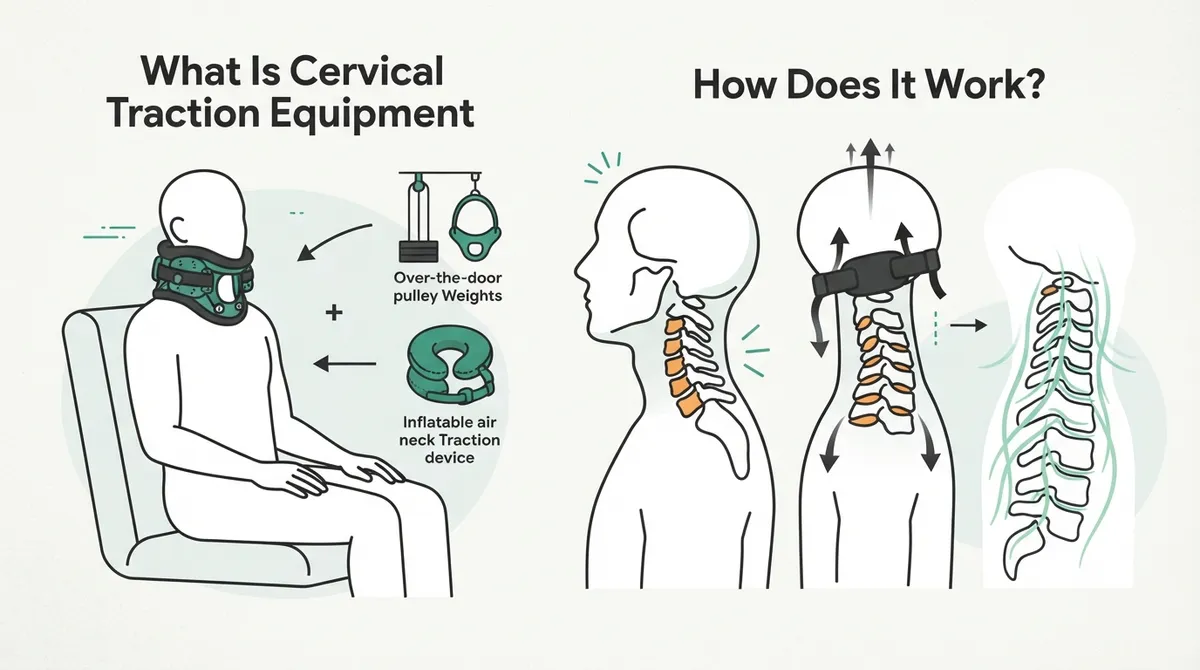
Cervical traction equipment applies a controlled pulling force to the neck to create separation between the cervical vertebrae. This decompression reduces pressure on intervertebral discs and nerve roots, which helps alleviate pain, muscle spasms, and radiculopathy symptoms. According to research published on Pub Med, mechanical traction has demonstrated measurable benefits for patients with cervical radiculopathy and degenerative disc conditions.
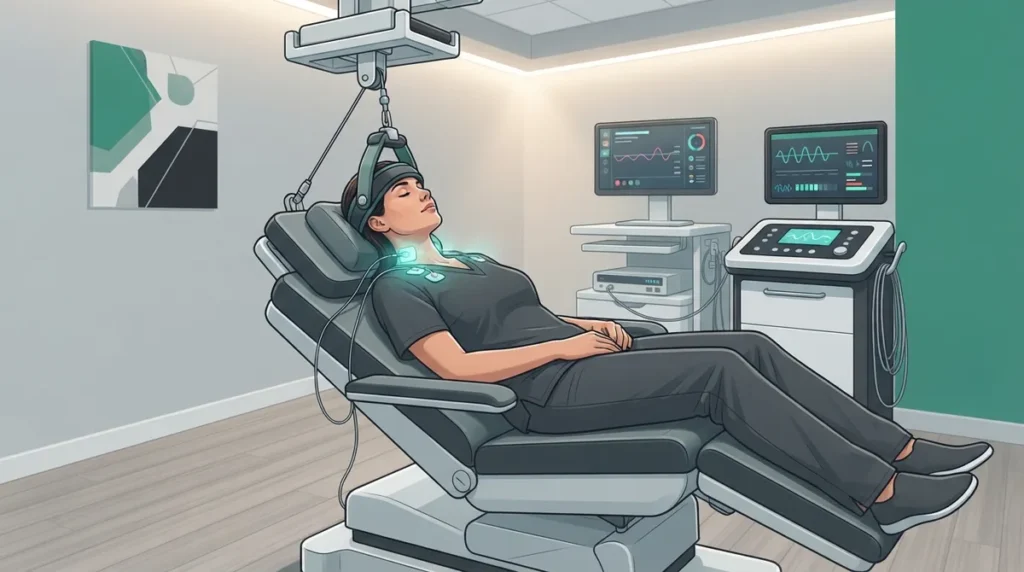
Modern devices go beyond simple stretching. Many integrate electrotherapy devices with 12-level stimulation settings, along with heat therapy, to enhance blood circulation and relax surrounding musculature during the traction session. This multi-modal approach is increasingly common in clinics seeking to maximize treatment value per patient visit.
The Clinical Rationale for Combining Traction with Electrotherapy
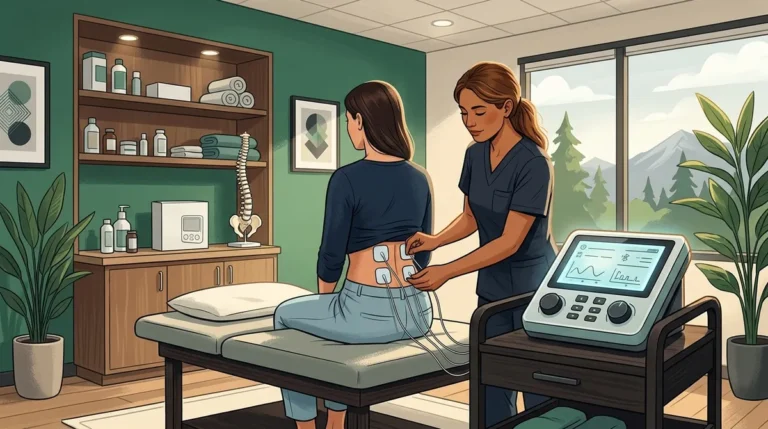
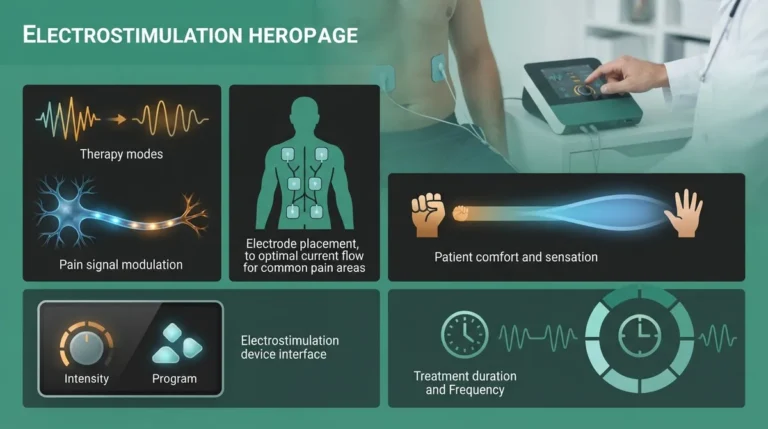
Pairing cervical traction with electrical stimulation addresses both the mechanical and neuromuscular components of neck pain. While traction decompresses the spine, electrotherapy helps interrupt pain signals and reduce muscle guarding. The CDC recognizes non-opioid modalities like these as important tools for chronic pain management, making combination units especially relevant for clinics working with auto accident and workers’ compensation cases.
Types of Cervical Traction Devices for Clinical and Home Use
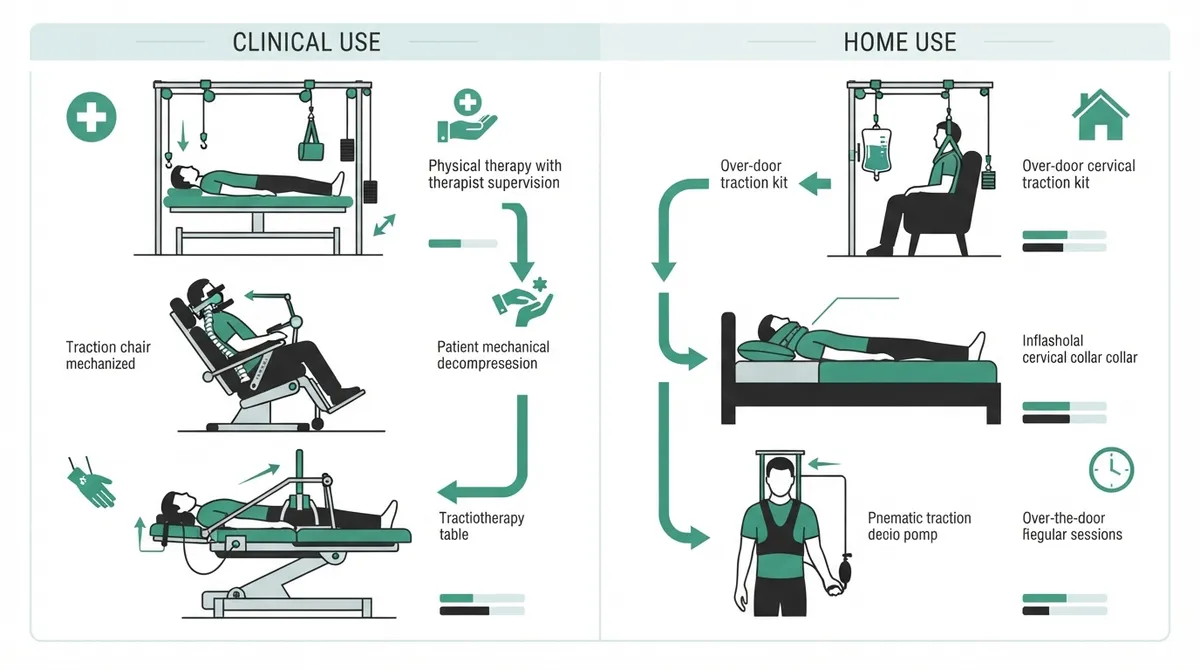
Providers generally choose between three categories of equipment, each suited to different practice settings and patient needs.
- Computerized traction units – Fully automated systems with LCD displays, patient memory storage, and auto-lock/release features. Models such as the CRG 901 offer both static and intermittent traction modes for precise clinical control.
- Mechanical/incremental units – Devices like the Autotrac 500 provide gradual force increases, allowing therapists to fine-tune treatment intensity for lumbar and cervical applications alike.
- Pneumatic home units – Hand-pump systems, such as the CV-900, allow patients to self-administer traction in a supine position, making them ideal for at-home continuation of clinical protocols.
Comparing Clinical vs. Home-Use Cervical Traction Units
The decision between clinical and home equipment often comes down to force capacity, automation, and budget. Clinical units are designed for daily multi-patient use and typically offer a wider force range, while home units prioritize simplicity and affordability for patient self-care between visits.
| Feature | Clinical Unit (e.g., ET800) | Home Unit (e.g., WeTrac) |
|---|---|---|
| Typical Price | $1,950 | $399 |
| Force Range | 5–50 kg (11–110 lbs) | Lower, fixed increments |
| Automation | Computerized, programmable | Manual or pneumatic pump |
| Best Use Case | In-office, multi-patient use | Home continuation therapy |
| Electrotherapy Integration | Often built-in or combinable | Rarely integrated |
Key Specifications to Evaluate Before Purchasing
When comparing cervical traction equipment, providers should assess technical specifications alongside patient safety features. Understanding these parameters helps match equipment to your clinic’s patient population and treatment protocols.
- Traction force range (typically 5–50 kg, or up to 50 pounds for units like the Theratrac Glide)
- Treatment time settings, often adjustable from 0–99 minutes
- Hold and rest time cycles for intermittent traction, generally 0–99 seconds each
- Auto-lock and auto-release safety mechanisms
- Compatibility with heat therapy and electrotherapy add-ons
- Patient memory storage for repeat treatment settings
Force Settings and Session Duration Guidelines
Traction force should always be individualized based on patient tolerance, diagnosis, and prior response to treatment. Most clinical protocols begin conservatively and increase force incrementally across sessions, using intermittent cycles rather than sustained static pulls for initial visits.
| Parameter | Typical Range | Clinical Notes |
|---|---|---|
| Traction Force | 5–50 kg (11–110 lbs) | Start low; increase gradually per tolerance |
| Treatment Time | 0–99 minutes | Most sessions run 10–20 minutes |
| Hold Time | 0–99 seconds | Used in intermittent traction cycles |
| Rest Time | 0–99 seconds | Allows muscle relaxation between pulls |
Contraindications and Safety Considerations
Not every patient is a suitable candidate for cervical traction. Providers must screen carefully before recommending this modality, particularly for home use where supervision is limited.
Documented contraindications include vertebral artery type cervical spondylopathy, sympathetic cervical spondylosis, and cervical spondylotic myelopathy. Patients with acute inflammation, instability, or heightened neck sensitivity should be evaluated thoroughly before initiating treatment. The Mayo Clinic emphasizes the importance of a proper diagnostic workup before beginning any spinal decompression therapy.
Screening Steps Before Recommending Home Traction
- Confirm diagnosis through imaging or clinical exam to rule out contraindicated conditions.
- Assess patient response to in-clinic traction before prescribing home use.
- Educate patients on proper force settings and session limits.
- Establish a follow-up schedule to monitor progress and adjust protocols.
- Document tolerance and outcomes for insurance reporting purposes.
Why Physical Therapy Clinics Benefit from Integrated Traction Systems
Physical therapy providers increasingly seek equipment that expands treatment modalities without requiring separate devices for each therapy type. Combining cervical traction with electrotherapy for clinics allows PTs to address both mechanical and neurological pain pathways in a single session, improving efficiency and patient satisfaction.
Clinics that offer combination therapy often report improved outcomes for patients with chronic cervical radiculopathy, as supported by findings summarized in the National Library of Medicine. This dual approach also supports better documentation for insurance claims, since providers can demonstrate a comprehensive, evidence-based treatment plan.
Why Chiropractic Practices Should Consider Cervical Traction Equipment
Chiropractors already emphasize spinal alignment and mechanical correction, making cervical traction a natural extension of adjustment-based care. Offering patients take-home traction devices alongside back braces and electrotherapy units creates a continuum of care between office visits.
Practices that provide customized home equipment often see improved patient compliance and satisfaction, since patients feel empowered to manage symptoms proactively. Pairing traction units with conductive garments can further extend the therapeutic benefits of in-office adjustments into daily life.
Why Auto Accident Injury Clinics Rely on Cervical Traction Devices
Whiplash and cervical strain are among the most frequent injuries treated in auto accident clinics. Cervical traction equipment offers a non-invasive, evidence-supported option for reducing pain and restoring range of motion following collision-related trauma. The National Institutes of Health reports that persistent chronic pain affects a substantial share of U.S. adults, underscoring the need for effective, non-pharmacological interventions like traction therapy.
Because these clinics frequently navigate auto insurance claims and third-party liability cases, working with a provider experienced in insurance documentation is essential. Liberty Medical Solutions supports clinics by coordinating with commercial PPO/POS plans, workers’ compensation, and auto accident claims to streamline equipment procurement and billing. To learn more about outfitting your clinic, you can get in touch with our team for guidance tailored to your patient population.
Integrating Electrotherapy with Cervical Traction Protocols
Many modern cervical traction units now include built-in electrotherapy settings, allowing simultaneous stimulation during decompression. This combination is particularly effective for patients presenting with both mechanical dysfunction and muscle guarding. The FDA has actively encouraged expanded use of non-opioid pain management technologies, which supports the clinical case for adopting integrated traction-electrotherapy systems.
Providers interested in standalone electrotherapy options should also explore what makes the best TENS machine for clinical use to complement traction protocols with targeted nerve stimulation. For a broader overview of available equipment, the full product catalog outlines options suited to various clinical settings.
How to Choose the Right Cervical Traction Equipment for Your Practice
Selecting the appropriate device requires balancing patient volume, budget, and treatment goals. Follow these steps to guide your decision-making process.
- Determine whether your practice needs a clinical-grade computerized unit or a home-use pneumatic device for patient take-home programs.
- Evaluate the traction force range required for your typical patient population, keeping in mind most treatments fall between 5–50 kg.
- Confirm whether integrated electrotherapy or heat therapy features align with your existing treatment protocols.
- Review insurance compatibility, particularly if your clinic serves workers’ compensation or auto accident claim patients.
- Request a consultation with a supplier experienced in customizing equipment to match your specialty, whether physical therapy, chiropractic, or injury rehabilitation.
Working with an established supplier like Liberty Medical Solutions gives clinics access to devices vetted for clinical accuracy and insurance compatibility, reducing administrative friction when onboarding new equipment.
Conclusion: Building a More Effective Neck Pain Treatment Program
Cervical traction equipment, when selected thoughtfully and paired with complementary electrotherapy tools, gives physical therapy clinics, chiropractic practices, and auto accident injury centers a powerful option for treating neck pain, radiculopathy, and whiplash-related conditions. Understanding force ranges, contraindications, and integration possibilities ensures your practice invests in equipment that delivers measurable, documentable results for patients and payers alike.
If you’re ready to explore cervical traction and electrotherapy solutions tailored to your clinic’s needs, reach out to our team today to discuss customized equipment options and insurance support.
FAQs
Q: What is cervical traction and how does it work for neck pain?
A: Cervical traction applies a controlled pulling force to the neck, creating separation between vertebrae that reduces pressure on discs and nerve roots. This decompression helps alleviate pain, muscle spasms, and radicular symptoms, particularly when combined with electrotherapy or heat therapy for enhanced muscle relaxation.
Q: What are the differences between pneumatic and mechanical cervical traction devices?
A: Pneumatic units use hand pumps to apply force and are typically designed for simple, one-size-fits-all home use, while mechanical or computerized units offer programmable force increments, timed cycles, and automated safety features better suited for clinical settings with varied patient needs.
Q: Can cervical traction equipment be used with electrotherapy and heat therapy?
A: Yes, many modern devices integrate electrotherapy settings and heat therapy directly into the traction unit, allowing simultaneous treatment that addresses both mechanical decompression and neuromuscular pain relief in a single session.
Q: What are the contraindications for using cervical traction at home?
A: Contraindications include vertebral artery type cervical spondylopathy, sympathetic cervical spondylosis, and cervical spondylotic myelopathy. Patients should be screened by a qualified provider before starting home traction to rule out these and other conditions that could worsen with treatment.
Q: What is the difference between clinical and home-use cervical traction units?
A: Clinical units, such as computerized systems priced around $1,950, offer higher force ranges and programmable automation for daily multi-patient use, while home units, often priced near $399, provide simpler, lower-force options designed for patient self-administration between clinic visits.