Key Takeaways
-
TENS units target sensory nerves to block pain signals and are FDA-cleared for acute and chronic pain management, while EMS/NMES devices target motor nerves for muscle strengthening—clinics should integrate both modalities for comprehensive pain relief and functional recovery.
-
Interferential current therapy penetrates deeper tissue layers than standard TENS, making it particularly effective for lower back, hip, and shoulder conditions that traditional electrodes cannot adequately treat.
-
Conductive garments with integrated electrode technology improve patient compliance for home-based therapy by providing hands-free, full-coverage stimulation across larger body areas while reducing setup time compared to traditional electrode placement.
-
Verify FDA 510(k) clearance and ISO 13485 certification before purchasing electrotherapy devices, and coordinate with insurance providers early to clarify coverage pathways for PPO/POS and workers' compensation claims to avoid treatment delays.
Physical therapy clinics, chiropractic practices, and auto accident injury centers are under constant pressure to deliver measurable results while managing tight schedules and complex insurance requirements. Selecting the right physical therapy devices can mean the difference between patients who plateau and patients who return to full function ahead of schedule. As electrotherapy technology advances, providers now have access to more precise, data-driven tools than ever before.
The global electrotherapy devices market is projected to grow from $6.8 billion in 2023 to approximately $10.3 billion by 2028, reflecting a compound annual growth rate of 8.1%, according to Fortune Business Insights. This growth is driven by rising musculoskeletal disorders, an aging population, and a documented shift toward non-pharmacological pain management supported by the FDA. This article outlines five essential categories of physical therapy devices every clinic should evaluate, along with practical guidance on selecting equipment that fits your patient population and reimbursement structure.
Why Physical Therapy Devices Matter More Than Ever
Chronic pain affects a substantial portion of the adult population, with the National Institutes of Health reporting persistently high rates among U.S. adults. This reality has pushed physical therapy clinics, chiropractic offices, and auto accident injury centers to seek drug-free modalities that reduce dependency on opioids while still delivering effective relief. The CDC has specifically recommended electrotherapy and related non-opioid therapies as first-line interventions for many pain conditions.
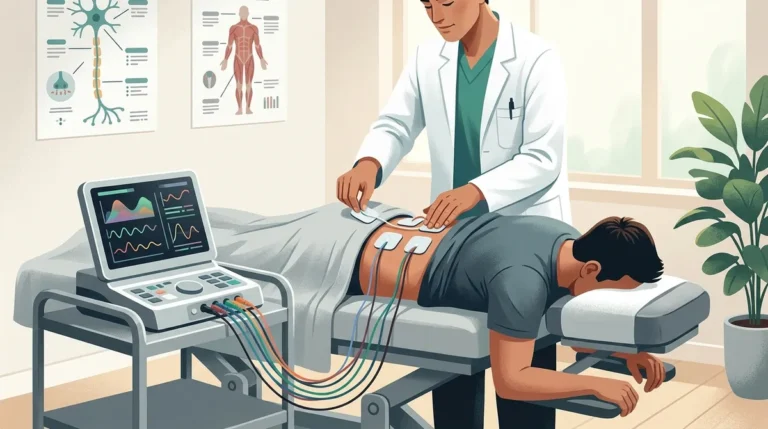
Electrotherapy devices utilize electrical impulses to target sensory nerves for pain relief through TENS, or motor nerves to induce muscle contractions for strengthening through EMS and NMES. Clinics that integrate these tools into their treatment plans often report improved patient satisfaction, faster recovery timelines, and stronger differentiation from competitors in their local markets.
1. TENS Units for Pain Modulation
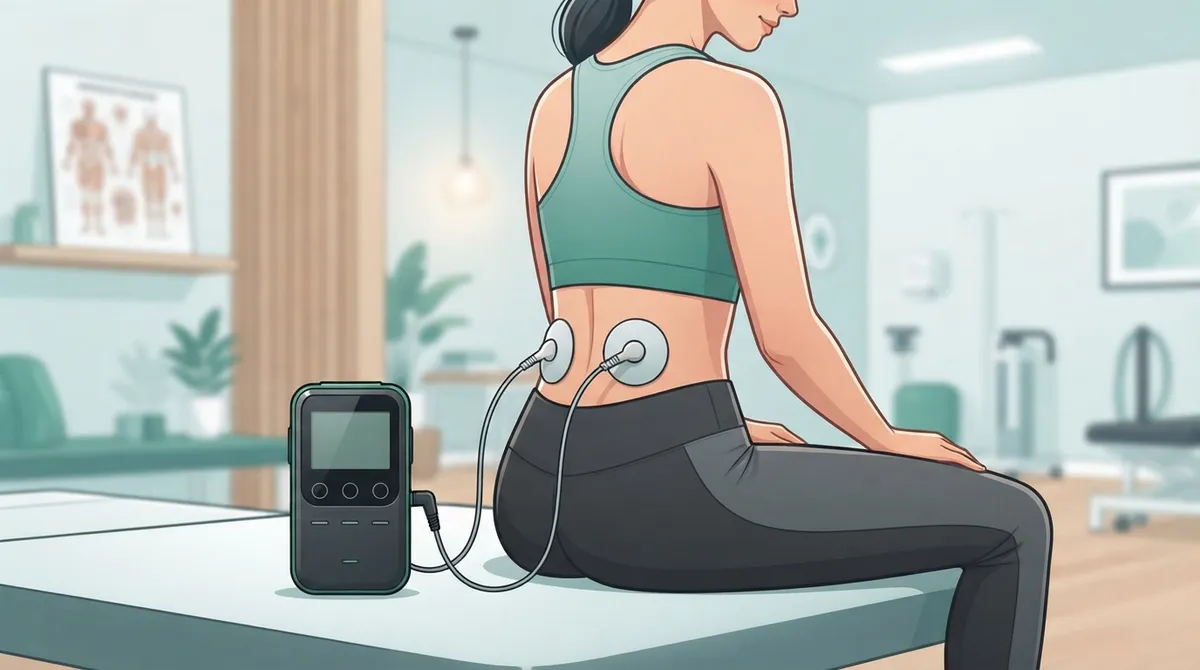
Transcutaneous Electrical Nerve Stimulation remains the foundation of most electrotherapy programs. These devices deliver low-voltage electrical currents through the skin to interrupt pain signals before they reach the brain, offering relief for conditions ranging from lower back pain to post-surgical discomfort.
Clinical Applications for TENS
- Acute and chronic lower back pain management
- Post-operative pain control following orthopedic procedures
- Whiplash and soft tissue injury recovery in auto accident cases
- Osteoarthritis pain relief for aging patient populations
- Neuropathic pain associated with diabetic or post-surgical conditions
According to the Cleveland Clinic, TENS therapy works by stimulating sensory nerves at or near the site of pain, which can block pain signals and trigger the release of endorphins. Clinics interested in expanding their offerings can review detailed guidance on what TENS units actually do for clinical pain management before making a purchasing decision.
2. EMS and NMES Devices for Muscle Rehabilitation
While TENS focuses on sensory nerves, Electrical Muscle Stimulation and Neuromuscular Electrical Stimulation target motor nerves to produce visible muscle contractions. This distinction is critical for physical therapy clinics working with patients recovering from surgery, stroke, or prolonged immobilization.
| Feature | TENS Devices | EMS/NMES Devices |
|---|---|---|
| Primary Target | Sensory nerves | Motor nerves |
| Main Purpose | Pain relief | Muscle strengthening and re-education |
| Typical Use Case | Chronic pain, acute injury | Post-surgical atrophy, neurological rehab |
| Sensation | Tingling, numbing | Visible muscle contraction |
| Common Settings | Home and clinical use | Primarily clinical supervision |
NMES therapy has become a standard tool for preventing muscle atrophy in patients with limited mobility. Providers can explore why NMES therapy belongs in every clinic to understand its role in comprehensive rehabilitation protocols, and clinics building out a device inventory may benefit from reviewing seven EMS devices clinics need for better patient outcomes.
3. Cervical Traction Units for Neck and Spine Conditions
Cervical traction devices are indispensable for chiropractic practices and auto accident injury clinics treating whiplash, herniated discs, and cervical radiculopathy. These units gently decompress the cervical spine, reducing nerve compression and relieving associated pain and stiffness.
Key Benefits for Clinical Practice
- Reduces pressure on cervical discs and nerve roots
- Improves range of motion in patients with chronic neck pain
- Supports recovery from motor vehicle accident injuries
- Complements manual chiropractic adjustments
- Can be prescribed for supervised home use to extend treatment benefits
For auto accident injury clinics specifically, cervical traction has become a standard component of whiplash treatment protocols. Providers can learn more about how to use electrotherapy for auto accident treatment to build comprehensive care pathways that satisfy both clinical needs and insurance documentation requirements.
4. Interferential Current Therapy Devices
Interferential Current Therapy uses two medium-frequency currents that intersect within tissue, producing a therapeutic effect at a depth that traditional TENS cannot reach. This makes IFC particularly valuable for treating deeper musculoskeletal structures common in chiropractic and physical therapy settings.
- Penetrates deeper tissue layers than standard TENS therapy
- Reduces muscle spasm and swelling more effectively for deep injuries
- Often preferred for lower back, hip, and shoulder conditions
- Well tolerated by patients due to reduced surface discomfort
Clinics seeking a deeper understanding of this modality should review the detailed clinical breakdown available in 15 facts on interferential current therapy for clinics. Research published via the Pub Med database continues to support the use of interferential and combined electrotherapy modalities for musculoskeletal pain management.
5. Conductive Garments and Wearable Electrotherapy Systems
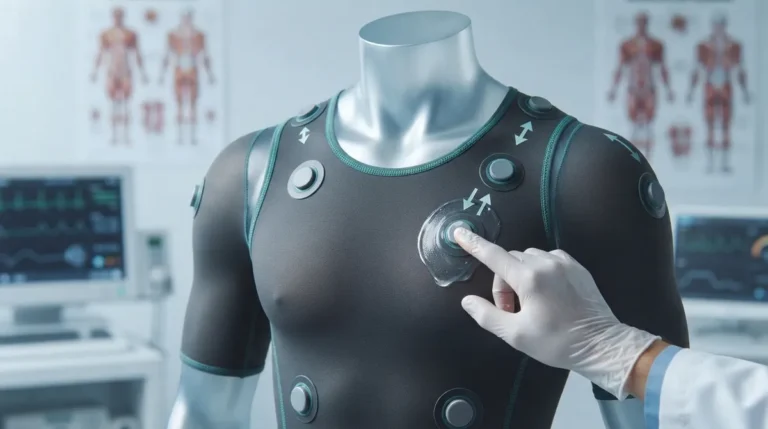
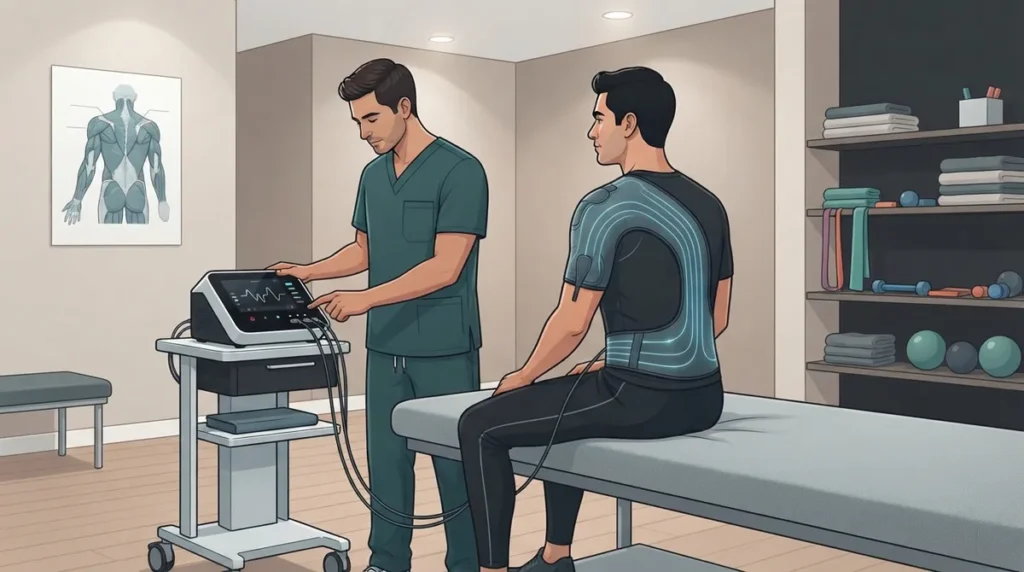
The newest generation of physical therapy devices includes conductive garments that integrate electrode technology directly into fabric, allowing for hands-free, full-coverage treatment. These garments are particularly useful for patients who need consistent, low-level stimulation over larger body areas such as the back, shoulders, or knees.
Advantages of Conductive Garment Technology
- Even distribution of electrical stimulation across larger treatment areas
- Reduced setup time compared to traditional electrode placement
- Improved patient compliance for home-based treatment plans
- Reusable and washable for long-term cost efficiency
Liberty Medical Solutions offers a dedicated line of conductive garments and the innovative TheraKnit garments, designed to extend clinical-grade therapy into the patient’s home environment. When paired with a supportive back brace, these garments create a comprehensive at-home recovery system that reinforces in-clinic treatment.
Regulatory Standards and Manufacturer Reliability
Regulatory compliance is critical when selecting physical therapy devices for clinical use. In the United States, devices typically require FDA 510(k) clearance, while European markets require CE Class IIa certification to ensure safety and efficacy. Clinics should verify that any equipment under consideration meets these standards, and should review sourcing options such as ISO 13485 certified electrotherapy devices to ensure quality manufacturing processes.
Leading manufacturers in this sector include established names offering integrated systems for multichannel electrotherapy and ultrasound. Modern devices increasingly feature AI integration for personalized treatment plans, Bluetooth connectivity for app-based control, and EHR integration via HL7/FHIR protocols, positioning electrotherapy as a technologically advanced complement to manual therapy techniques. The Mayo Clinic notes that patient education on proper device use remains essential regardless of technological sophistication.
Comparing Device Categories by Clinical Priority
| Device Category | Best For | Typical Setting |
|---|---|---|
| TENS Units | Pain relief, home use | Clinic and home |
| EMS/NMES | Muscle strengthening, atrophy prevention | Clinical supervision |
| Cervical Traction | Neck pain, whiplash, disc issues | Clinic and prescribed home use |
| Interferential Current | Deep tissue pain, swelling reduction | Clinical setting |
| Conductive Garments | Full-coverage, hands-free therapy | Home use |
Insurance Considerations for Clinics and Patients
One of the most significant barriers to widespread electrotherapy adoption is navigating insurance reimbursement. Liberty Medical Solutions works with commercial PPO/POS plans, workers’ compensation claims, and auto accident cases to simplify this process for both providers and patients. Clinics unfamiliar with these pathways can review PPO insurance and electrotherapy coverage guidance or explore how POS insurance impacts electrotherapy coverage to better understand patient billing expectations.
For patients treated under auto accident or third-party liability claims, understanding how out-of-network benefits work for electrotherapy can prevent unexpected costs and delays in treatment approval. Clear communication about coverage upfront helps clinics maintain steady patient flow while avoiding administrative bottlenecks.
Building a Complete Electrotherapy Program
Selecting individual devices is only part of building an effective electrotherapy program. Clinics should also consider supporting equipment such as medical electrodes and general essential medical supplies that ensure consistent, hygienic treatment delivery. A well-rounded inventory reduces treatment interruptions and supports higher patient throughput.
Practices looking to expand their full product offerings should also consider how these devices integrate with existing rehabilitation protocols. Research published in the National Library of Medicine continues to reinforce electrotherapy’s role as an effective, evidence-based complement to manual and exercise-based therapy.
Making the Right Investment for Your Practice
Physical therapy clinics, chiropractic offices, and auto accident injury centers each have distinct patient populations and treatment goals, but all share a common need: reliable, clinically validated equipment backed by strong support and clear insurance pathways. As detailed by WebMD, TENS and related electrotherapy modalities continue to demonstrate measurable benefits for back pain and related musculoskeletal conditions when used correctly and consistently.
Liberty Medical Solutions has built its reputation on customizing electrotherapy solutions to match the specific needs of each practice, rather than offering one-size-fits-all equipment. This approach allows clinics to select devices that align precisely with their patient volume, specialty focus, and insurance billing structure.
Take the Next Step Toward Better Patient Outcomes
Choosing the right physical therapy devices requires balancing clinical effectiveness, regulatory compliance, and insurance compatibility. Whether your practice needs TENS units for daily pain management, cervical traction for whiplash recovery, or conductive garments for extended home care, the right partner makes all the difference in long-term success. To explore customized electrotherapy solutions tailored to your practice’s needs, reach out to the Liberty Medical Solutions team today and discover how the right equipment can transform your patient outcomes.
FAQs
Q: What are the differences between TENS and EMS devices for physical therapy?
A: TENS units target sensory nerves to interrupt pain signals and provide relief, while EMS and NMES devices target motor nerves to produce muscle contractions for strengthening and rehabilitation. Clinics often use both modalities together to address pain and functional recovery simultaneously.
Q: Which electrotherapy devices are best for muscle rehabilitation and pain relief?
A: For pain relief, TENS units remain the clinical standard, while NMES devices are preferred for muscle rehabilitation following surgery or injury. Interferential current therapy offers a hybrid benefit, addressing both deep tissue pain and swelling reduction.
Q: Are home-use electrotherapy machines as effective as clinical-grade devices?
A: Home-use devices can effectively extend clinical treatment plans when prescribed and monitored by a provider, though clinical-grade units typically offer higher intensity settings and multichannel capabilities. Combining supervised clinical sessions with prescribed home use often produces the best long-term outcomes.
Q: What is the role of therapeutic ultrasound in modern physical therapy?
A: Therapeutic ultrasound uses sound waves to generate deep tissue heat, promoting circulation and accelerating soft tissue healing. It is commonly used alongside electrotherapy modalities to enhance recovery in musculoskeletal and sports-related injuries.
Q: What FDA and regulatory requirements apply to electrotherapy devices?
A: In the United States, electrotherapy devices generally require FDA 510(k) clearance to confirm safety and efficacy before clinical use. Providers should verify certification status and manufacturing standards, such as ISO 13485 compliance, before purchasing equipment for patient care.