Key Takeaways
-
TENS and EMS/NMES serve distinct clinical purposes: TENS targets sensory nerves for pain relief (15-30 min sessions), while EMS stimulates motor nerves for muscle strengthening and atrophy prevention (20-30 min sessions) in post-surgical rehabilitation.
-
The electrotherapy market is growing from $4.94B (2024) to $9.24B (2031) at 9.4% CAGR, driven by demand for non-opioid pain management alternatives; early-adopting clinics gain competitive advantage in meeting this patient demand.
-
Insurance reimbursement requires clear documentation of medical necessity, particularly for auto accident claims; partnering with experienced suppliers reduces claim denials and improves cash flow while simplifying administrative burden.
-
Proper patient screening is essential—avoid electrode placement over carotid sinus, eyes, and open wounds; screen patients with pacemakers before treatment initiation to ensure safety.
Physical therapy clinics, chiropractic practices, and auto accident injury centers face mounting pressure to deliver measurable pain relief and faster rehabilitation without over-relying on pharmaceuticals. Electrostimulation therapy has emerged as a clinically validated answer to this challenge, offering providers a non-invasive method to reduce pain, restore muscle function, and accelerate tissue healing. As the global electrotherapy systems market grows from US$4.94 billion in 2024 toward a projected US$9.24 billion by 2031, at a compound annual growth rate of 9.4%, clinics that adopt this technology position themselves at the forefront of modern rehabilitative care.
For providers evaluating electrotherapy equipment, understanding how electrostimulation works, which modalities apply to specific patient populations, and how insurance reimbursement functions is essential to building a sustainable, results-driven practice. This article examines the clinical foundations of electrostimulation therapy, its primary applications, and what physical therapy clinics, chiropractic offices, and auto accident injury providers should consider when selecting devices for patient care.
What Is Electrostimulation Therapy?
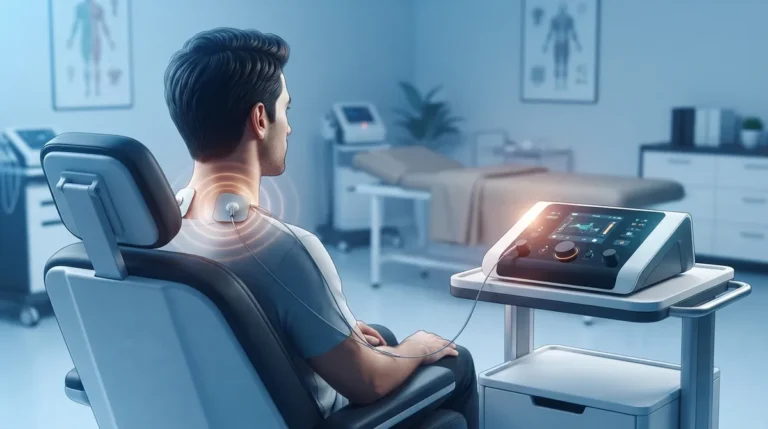
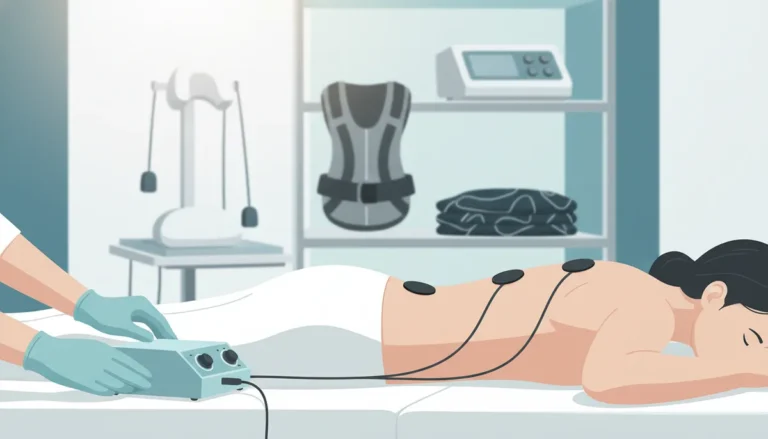
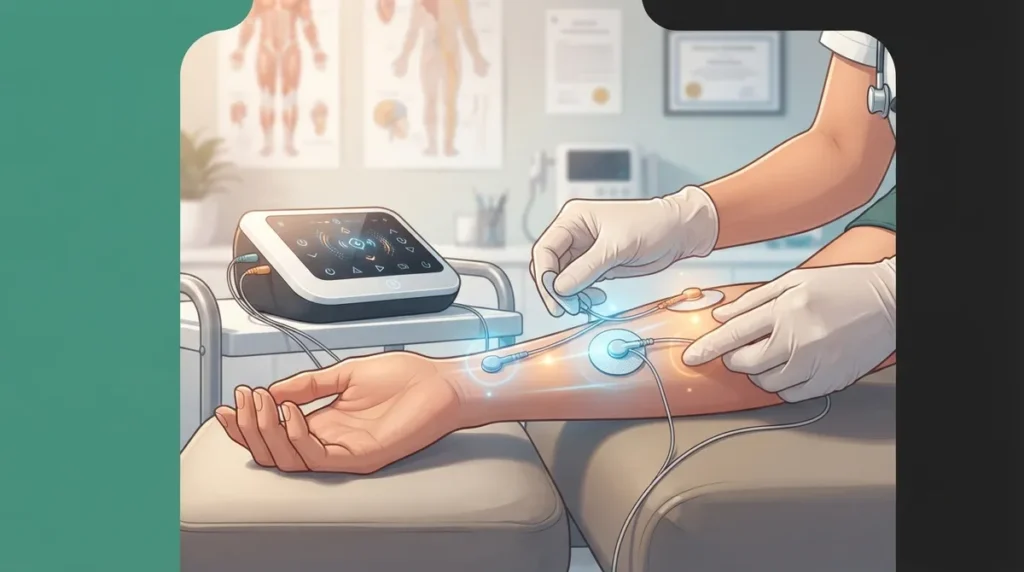
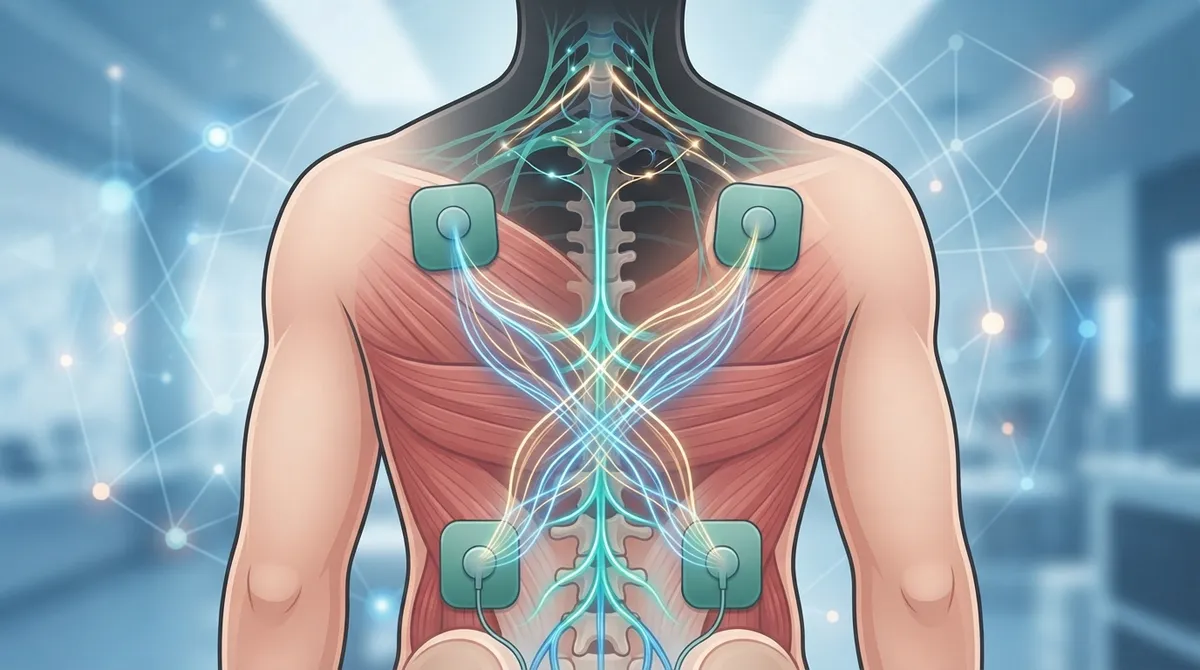
Electrostimulation therapy refers to the clinical application of controlled electrical currents delivered through adhesive electrode pads to modulate pain signals, stimulate muscle contraction, and support tissue repair. The electrical impulses interact directly with nerve fibers and muscle tissue, interrupting pain transmission pathways while simultaneously improving local blood circulation. This dual mechanism makes it a cornerstone modality across physical therapy, chiropractic care, and post-accident rehabilitation.
Clinicians rely on electrostimulation for a wide range of conditions, including post-stroke motor recovery, muscle weakness following ACL repair, knee osteoarthritis, and peripheral nerve injuries, according to clinical research compiled by the National Library of Medicine. Because the therapy is non-invasive and carries minimal side effects, it has become a preferred first-line intervention for providers seeking alternatives to opioid-based pain management, a priority reinforced by the FDA in its recent guidance expanding non-opioid treatment options.
Core Modalities Used in Clinical Practice
Understanding the distinctions between electrostimulation modalities allows clinics to match the right technology to each patient’s diagnosis. The two most widely used categories are TENS and NMES/EMS, though specialized applications like Functional Electrical Stimulation serve neurological patient populations.
- Transcutaneous Electrical Nerve Stimulation (TENS): Primarily used for pain relief by disrupting pain signal transmission to the brain and stimulating endorphin release.
- Neuromuscular Electrical Stimulation (NMES/EMS): Focused on muscle re-education, strengthening, and preventing atrophy after surgery or immobilization.
- Functional Electrical Stimulation (FES): Targets neurological patients to restore motor function following stroke, spinal cord injury, or nerve damage.
- Interferential Current Therapy (IFC): Uses crossed electrical currents to penetrate deeper tissue for chronic pain management.
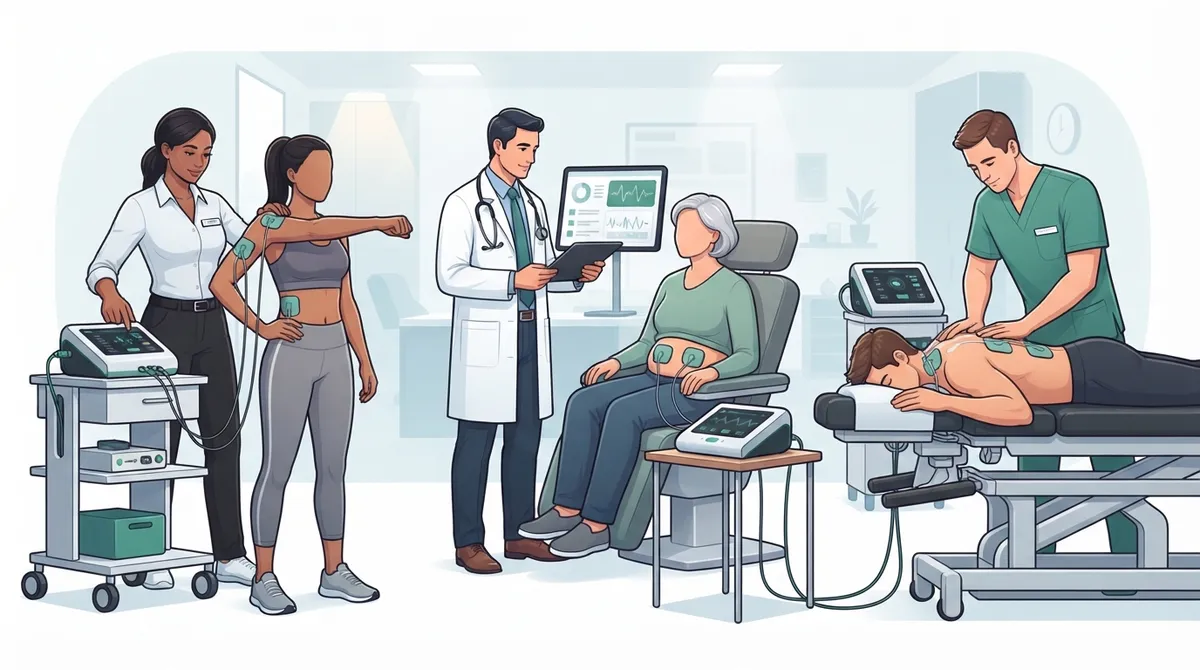
Clinical Applications Across Provider Types
Different provider settings apply electrostimulation therapy in distinct ways depending on their patient population and treatment goals. Recognizing these applications helps clinics select devices that align with their scope of practice.
Physical Therapy Clinics and Rehabilitation
Physical therapy clinics frequently integrate electrostimulation into post-surgical recovery protocols, particularly for patients recovering from orthopedic procedures. NMES devices help prevent muscle atrophy during periods of immobilization, while TENS units address acute and chronic pain that limits participation in active rehabilitation exercises. Clinics exploring device options can review guidance such as Physical Therapy Equipment: Electrotherapy Guide for Clinics to understand which units best support their treatment protocols.
Chiropractic Practices and Spinal Care
Chiropractors commonly pair spinal adjustments with electrostimulation to reduce muscle spasm, inflammation, and residual soreness following manipulation. Portable TENS units also give patients a take-home tool for managing pain between visits, reinforcing the value of care outside the clinic. Practices seeking device recommendations can consult resources like How to Choose the Best TENS Unit for Your Clinical Practice to align equipment choices with patient needs.
Auto Accident Injury Clinics
Providers treating whiplash, soft tissue damage, and back injuries from motor vehicle collisions rely heavily on electrostimulation to manage acute pain while supporting the insurance documentation process. Because auto accident claims often require clear evidence of medical necessity, clinics benefit from working with an electrotherapy partner experienced in claims coordination. For detailed guidance, clinics can review How to Use Electrotherapy for Auto Accident Treatment.
Clinical Evidence and Market Growth
The expansion of electrostimulation therapy is backed by both clinical outcomes data and market momentum. The following table summarizes key statistics shaping the industry.
| Metric | Data Point |
|---|---|
| Global market value (2024) | US$4.94 billion |
| Projected market value (2031) | US$9.24 billion |
| Compound annual growth rate | 9.4% |
| TENS segment projected value (analysis period end) | US$2.5 billion at 7.9% CAGR |
| China market growth rate | 11.5% CAGR |
| U.S. market estimate | US$1.6 billion |
These figures reflect a broader shift toward non-pharmaceutical pain management, a trend supported by findings from the National Institutes of Health, which reports persistently high rates of chronic pain among U.S. adults. Clinics that adopt electrostimulation therapy early are well-positioned to meet growing patient demand for evidence-based, non-opioid treatment options.
Comparing TENS and EMS for Clinical Decision-Making
One of the most common questions providers face when building an electrotherapy program is distinguishing between TENS and EMS applications. The table below clarifies their primary differences.
| Feature | TENS | EMS/NMES |
|---|---|---|
| Primary purpose | Pain relief via nerve stimulation | Muscle contraction and strengthening |
| Target tissue | Sensory nerves | Motor nerves and muscle fibers |
| Common use cases | Chronic pain, acute soreness, post-injury discomfort | Muscle atrophy prevention, post-surgical rehab, strength recovery |
| Typical session length | 15-30 minutes | 20-30 minutes |
| Best suited for | Chiropractic and pain management settings | Physical therapy and post-operative rehabilitation |
Wound Healing and Tissue Regeneration Applications
Beyond pain relief and muscle rehabilitation, electrostimulation therapy plays a significant role in wound care. Controlled electrical currents accelerate tissue regeneration by improving circulation and stimulating cellular activity, making the therapy valuable for chronic wounds, pressure ulcers, and skin ulcers. Clinics treating patients with slow-healing injuries, particularly those recovering from trauma or surgery, may incorporate electrostimulation as part of a broader wound management protocol, complementing conductive garment therapy such as Conductive Garments or TheraKnit Garments designed for targeted tissue support.
Selecting the Right Electrostimulation Equipment
Choosing appropriate devices requires evaluating patient population, treatment goals, and reimbursement pathways. The following steps outline a practical selection process for clinics.
- Assess patient diagnosis patterns: Determine whether your practice primarily treats acute pain, post-surgical recovery, or neurological conditions to identify the dominant modality needed.
- Evaluate device portability: Consider whether patients will need take-home units for continued care between clinic visits.
- Review insurance compatibility: Confirm that devices align with documentation requirements for Commercial PPO/POS plans, workers’ compensation, and auto accident claims.
- Verify manufacturer support: Select a supplier that provides warranty registration, supply replenishment, and responsive customer service.
- Confirm regulatory compliance: Prioritize devices that meet recognized quality standards, such as ISO 13485 Certified Electrotherapy Devices, to ensure patient safety and long-term reliability.
Insurance Coverage and Practice Sustainability
A significant barrier for many clinics is navigating insurance reimbursement for electrostimulation therapy. Liberty Medical Solutions works directly with Commercial/Group/Individual PPO/POS plans with out-of-network benefits, Workers’ Compensation, and auto accident claims, helping providers reduce administrative burden while expanding patient access to care. Clinics interested in understanding how these benefit structures function can review PPO Insurance and Electrotherapy Coverage: What Providers Need to Know or How Do Out-of-Network Benefits Work for Electrotherapy? for detailed guidance on claims processing.
Reliable insurance navigation is particularly critical for auto accident injury clinics, where documentation must clearly link electrostimulation treatment to injury causation and medical necessity. Providers who partner with an experienced electrotherapy supplier reduce claim denials and improve cash flow predictability, allowing greater focus on patient outcomes rather than billing complications.
Safety Considerations and Best Practices
While electrostimulation therapy carries minimal risk when administered correctly, clinics should educate patients on proper use, particularly for home-based devices. Common considerations include:
- Avoiding electrode placement over the carotid sinus, eyes, or open wounds without clinical guidance.
- Monitoring skin reactions at electrode sites, especially with prolonged or repeated use.
- Screening patients with pacemakers or implanted electronic devices before initiating therapy.
- Adjusting intensity levels gradually to avoid discomfort or muscle overstimulation.
- Ensuring proper hydration and skin preparation to maintain electrode conductivity.
The Cleveland Clinic and WebMD both provide accessible clinical overviews that reinforce the importance of proper device selection and patient screening prior to treatment initiation.
Why Providers Trust Liberty Medical Solutions
Clinics seeking a dependable partner for electrostimulation therapy equipment benefit from working with a provider that understands both clinical needs and insurance complexity. Liberty Medical Solutions offers customized electrotherapy devices, including TENS units, cervical traction equipment, back braces, and conductive garments, tailored to the specific demands of physical therapy clinics, chiropractic practices, and auto accident injury centers. Providers can explore the full range of available equipment through the Products catalog to identify solutions suited to their patient population.
Moving Forward with Evidence-Based Electrotherapy
Electrostimulation therapy has firmly established itself as a clinically validated, cost-effective modality for pain management, muscle rehabilitation, and tissue healing. As market growth continues and patient demand for non-opioid solutions rises, clinics that invest in quality equipment and reliable insurance support will strengthen both patient outcomes and practice sustainability. Providers ready to expand their electrotherapy offerings can Get in Touch with Our Team to discuss customized device solutions and insurance coordination support tailored to their practice’s needs.
FAQs
Q: What are the main differences between TENS and EMS for electrostimulation therapy?
A: TENS targets sensory nerves to interrupt pain signals, making it ideal for chronic and acute pain management. EMS, by contrast, stimulates motor nerves to produce muscle contractions, supporting strength recovery and preventing atrophy after surgery or immobilization.
Q: Is electrostimulation therapy effective for chronic lower back pain?
A: Clinical evidence supports electrostimulation as an effective adjunct treatment for chronic lower back pain, particularly when combined with active rehabilitation and chiropractic care. Many patients experience reduced pain intensity and improved mobility with consistent use.
Q: Can electrostimulation therapy prevent muscle atrophy after surgery?
A: Yes, NMES is specifically used in post-surgical rehabilitation to maintain muscle mass and strength when patients cannot perform active exercise. This application is particularly valuable following ACL repair and other orthopedic procedures.
Q: How long should a typical electrostimulation therapy session last?
A: Most TENS sessions last between 15 and 30 minutes, while EMS sessions typically range from 20 to 30 minutes depending on treatment goals. Session duration and frequency should be determined by a clinician based on the patient’s specific condition.
Q: Is electrostimulation therapy covered by insurance for rehabilitation?
A: Coverage varies by plan, but many Commercial PPO/POS plans, workers’ compensation cases, and auto accident claims include benefits for electrostimulation therapy when medically necessary. Working with a supplier experienced in insurance coordination helps streamline approval and reimbursement.