Key Takeaways
-
Electrotherapy now accounts for 42% of the U.S. electrotherapy market and is shifting from niche therapy to first-line treatment due to FDA guidance and CDC recommendations prioritizing non-opioid pain management options.
-
H-Wave devices demonstrate stronger clinical outcomes than standard TENS for chronic, refractory pain, making them valuable alternatives for patients unresponsive to conventional stimulation therapy.
-
Integrating electrotherapy into multimodal protocols alongside physical therapy, chiropractic care, and exercise reduces opioid dependency while addressing pain from multiple angles simultaneously.
-
At-home electrotherapy devices extend therapeutic benefits between clinic visits, improving patient compliance, reducing emergency visits, and supporting documented protocols for insurance reimbursement.
-
Proper electrode placement and modality selection (TENS for acute pain, NMES for muscle atrophy, IFC for deep tissue) are critical to maximizing efficacy while minimizing skin irritation and treatment failure.
-
Clinics should screen for contraindications including pacemakers, active cancer, pregnancy, and avoid electrode placement over carotid sinus or heart to ensure patient safety during electrotherapy treatment.
Pain management has become the defining application within the electrotherapy industry, and for good reason. As clinics search for non-invasive, drug-free ways to help patients recover from acute injuries and chronic conditions, electrical stimulation has moved from a niche adjunct therapy to a first-line treatment option. In fact, pain management now accounts for over 42% of the entire U.S. electrotherapy market, reflecting a broad shift among providers toward evidence-supported, opioid-sparing care. For physical therapy clinics, chiropractic practices, and auto accident injury centers, understanding exactly how electrotherapy achieves these outcomes is essential to selecting the right equipment and communicating value to patients and insurers alike. This article breaks down seven measurable ways electrotherapy is reshaping pain management protocols in 2026, backed by clinical data and market research. Whether you are outfitting a new rehabilitation suite or replacing aging TENS units, these insights will help you make informed purchasing decisions that improve patient outcomes and practice efficiency.
Why Pain Management Dominates the Electrotherapy Market
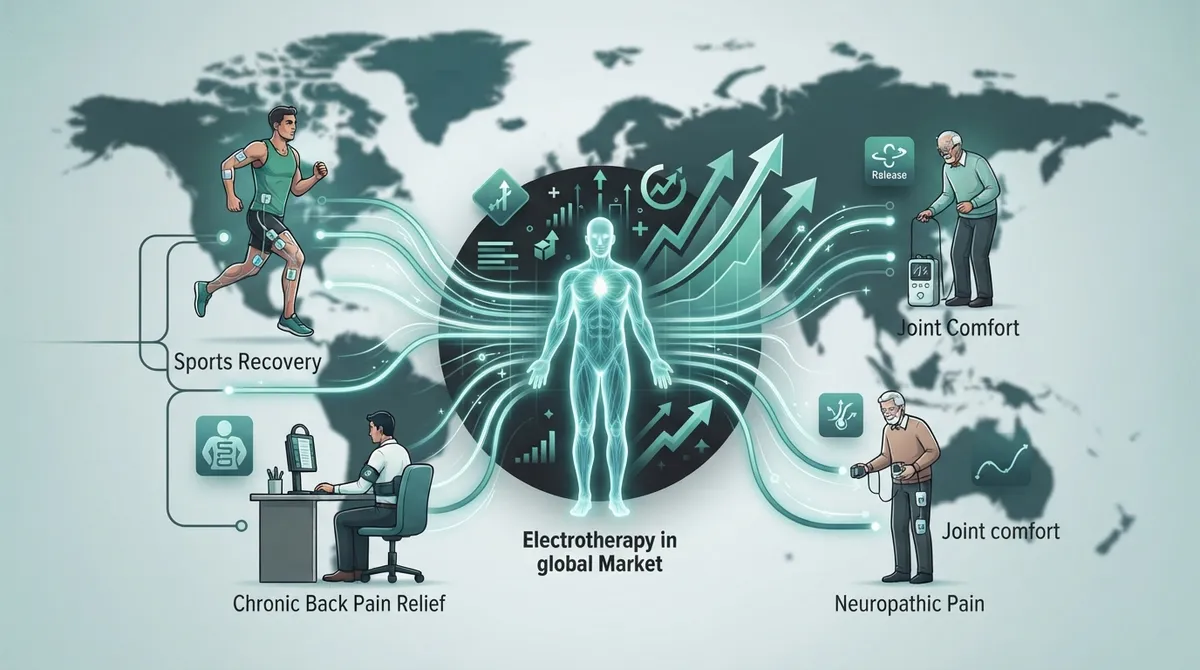
Electrotherapy devices work by delivering low-level electrical currents through the skin to stimulate nerve fibers, either blocking pain signals before they reach the brain or triggering the release of the body’s natural endorphins. This dual mechanism explains why the modality has proven so versatile across acute injuries, post-surgical recovery, and chronic pain conditions. According to recent market analysis, pain management represented 42.88% of the U.S. electrotherapy application mix in 2025, and the global electrotherapy pain relief system market is projected to grow from $2.5 billion in 2024 to $4.8 billion by 2033, a compound annual growth rate of 7.5%.
This growth is not occurring in isolation. Public health data from the National Institutes of Health shows persistent chronic pain affects a substantial share of U.S. adults, fueling demand for non-pharmacological interventions. At the same time, regulatory momentum is shifting prescribing patterns: the FDA has issued guidance specifically aimed at expanding non-opioid treatment options, while the CDC now recommends non-opioid therapies as a preferred first step in clinical pain management protocols. For clinics, this creates both an opportunity and a responsibility to integrate reliable electrotherapy devices into standard care pathways.
1. Non-Invasive Relief Without Pharmaceutical Side Effects
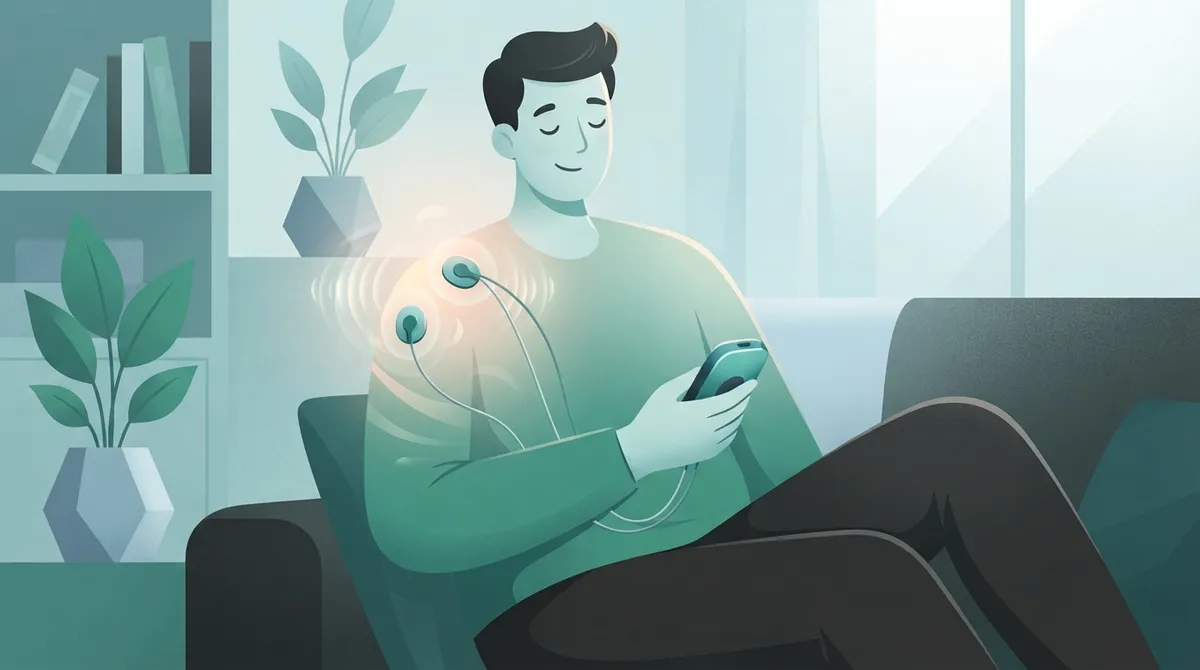
The most immediate gain electrotherapy offers is pain relief without the systemic side effects associated with oral medications. TENS (Transcutaneous Electrical Nerve Stimulation) remains the most widely used technique, applying low-voltage currents through surface electrodes to interrupt pain signaling. For chiropractic practices treating patients wary of long-term medication use, offering a TENS device as part of an at-home recovery plan builds trust and extends care beyond in-office adjustments.
Clinics that have integrated TENS into standard protocols report patients experience fewer gastrointestinal, cognitive, or dependency-related complications compared to those relying solely on analgesics. The Cleveland Clinic confirms TENS therapy is generally well-tolerated, making it suitable for a wide range of patients, including those managing multiple comorbidities.
Key Advantages for Clinical Practice
- Reduced reliance on oral pain medication for post-treatment recovery
- Lower risk profile compared to long-term pharmaceutical regimens
- Patient-controlled intensity settings for personalized comfort
- Portability allows use both in-clinic and at home
2. Faster Recovery for Auto Accident and Soft Tissue Injuries
Auto accident injury clinics frequently treat whiplash, lumbar strain, and soft tissue damage where inflammation and muscle guarding complicate recovery. Electrotherapy addresses these issues directly by improving local circulation and reducing muscle spasm, which in turn accelerates healing timelines. Learn more about how to use electrotherapy for auto accident treatment to structure recovery protocols that align with insurance documentation requirements.
Because auto accident cases often involve third-party liability claims, having devices with clear clinical documentation and treatment logs supports both patient outcomes and the claims process. Liberty Medical Solutions works directly with commercial PPO/POS plans, workers’ compensation, and auto accident claims, simplifying equipment procurement for clinics managing complex billing scenarios.
3. Postoperative and Rehabilitation Support
Electrotherapy is widely used for postoperative rehabilitation to reduce pain, improve circulation, and accelerate healing without the side effects associated with medication. Physical therapy clinics managing post-surgical patients benefit from combining electrical stimulation with manual therapy to reduce swelling and restore range of motion faster than passive recovery alone.
Neuromuscular electrical stimulation (NMES) plays a particular role here, helping prevent muscle atrophy in patients who are temporarily limited in mobility. Understanding why NMES therapy belongs in every clinic can help practices expand their rehabilitation offerings beyond standard TENS applications.
4. Evidence Supporting the H-Wave Device for Chronic Pain
Among the various electrotherapy modalities, the H-Wave® device (HWDS) has demonstrated moderate to strong supportive evidence for reducing both acute and refractory chronic pain. Several studies have shown H-Wave producing more clinically significant outcomes than standard TENS in specific chronic pain populations, making it a valuable option for patients who have not responded to conventional stimulation therapy.
| Modality | Primary Mechanism | Best Suited For |
|---|---|---|
| TENS | Blocks pain signal transmission via gate control theory | Acute pain, general musculoskeletal discomfort |
| NMES | Stimulates muscle contraction to prevent atrophy | Post-surgical rehabilitation, muscle re-education |
| H-Wave (HWDS) | Low-frequency waveform promoting circulation and endorphin release | Chronic, refractory pain conditions |
| Interferential Current (IFC) | Combines two medium-frequency currents for deeper tissue penetration | Deep tissue pain, larger muscle groups |
Clinics interested in expanding beyond standard TENS units should review the clinical evidence and consider stocking multiple modalities to address varied patient presentations. A detailed comparison of interferential current therapy facts for clinics can help determine which devices best complement an existing treatment lineup.
5. Reducing Opioid Dependency Through Multimodal Protocols
One of the most significant shifts in pain management over the past several years has been the integration of electrotherapy into multimodal treatment protocols designed to reduce opioid dependency. Rather than serving as a standalone solution, electrical stimulation is increasingly prescribed alongside physical therapy, chiropractic adjustment, and targeted exercise to address pain from multiple angles simultaneously.
Peer-reviewed research indexed on Pub Med continues to evaluate electrotherapy’s role within these combined protocols, with findings generally supporting its use as a safe adjunct therapy. The National Library of Medicine has also published reviews examining long-term outcomes, noting that while evidence remains mixed for some modalities, electrotherapy consistently shows value when combined with evidence-based rehabilitation practices.
Building a Multimodal Protocol
- Assess the patient’s pain source and classify as acute, subacute, or chronic
- Select the appropriate electrotherapy modality (TENS, NMES, IFC, or H-Wave)
- Integrate manual therapy or chiropractic adjustment as clinically indicated
- Establish a home-use device plan for continuity of care between visits
- Document outcomes for insurance reporting and treatment plan adjustments
6. Supporting At-Home Continuity of Care
Patients rarely achieve lasting pain relief from in-clinic sessions alone. Sending patients home with a properly fitted electrotherapy device extends the therapeutic window and reinforces gains made during in-office treatment. Chiropractic practices in particular benefit from pairing spinal adjustments with take-home TENS units and supportive back braces, giving patients tools to manage discomfort between visits.
For patients dealing with cervical spine issues, combining at-home stimulation with proper cervical support equipment addresses both the muscular and mechanical components of neck pain. Clinics should review guidance on how to select cervical traction equipment that delivers results when building comprehensive home-care packages.
- Improves patient compliance through convenient, portable devices
- Reinforces clinical treatment gains between scheduled visits
- Reduces frequency of emergency or urgent care visits for flare-ups
- Supports documented home-use protocols for insurance reimbursement
7. Streamlined Insurance and Reimbursement Pathways
A recurring challenge for clinics is navigating insurance reimbursement for electrotherapy equipment. Liberty Medical Solutions simplifies this process by working directly with commercial PPO/POS plans, workers’ compensation carriers, and auto accident claims, allowing providers to focus on patient care rather than administrative burden. Understanding how PPO insurance and electrotherapy coverage works, alongside how POS insurance impacts electrotherapy coverage, helps clinics set realistic expectations for patients regarding out-of-pocket costs.
| Insurance Type | Common Use Case | Key Consideration |
|---|---|---|
| Commercial PPO/POS | General chronic pain and rehabilitation | Out-of-network benefits often apply |
| Workers’ Compensation | Work-related musculoskeletal injuries | Requires detailed treatment documentation |
| Auto Accident Claims | Whiplash, soft tissue, and spinal injuries | Coordinated with third-party liability cases |
Safety Considerations Every Clinic Should Know
While electrotherapy is broadly considered safe, certain contraindications must be respected. Devices should not be used on patients with pacemakers, active bloodborne cancer, or during pregnancy, and electrodes should never be placed over the carotid sinus or directly over the heart. Reviewing TENS machine side effects clinicians must know ensures your staff can screen patients appropriately before initiating treatment.
Proper electrode placement also plays a significant role in treatment efficacy. Clinics should reference established guidance on TENS unit pad placement for clinical results to maximize therapeutic benefit while minimizing skin irritation or reduced efficacy from improper positioning. Additional consumer-facing information from WebMD and Mayo Clinic can also help patients understand what to expect during treatment.
Choosing the Right Equipment Partner
With the electrotherapy market projected to reach $7.73 billion by 2029, growing at a 9.2% compound annual rate, clinics have more device options than ever before. However, not all equipment is created equal, and sourcing from a provider with clinical expertise and insurance coordination experience matters significantly. Liberty Medical Solutions offers customized electrotherapy solutions including devices, conductive garments, and TheraKnit garments designed to fit seamlessly into physical therapy, chiropractic, and auto injury treatment protocols.
Clinics evaluating new equipment should also consider device certification standards. Reviewing information on ISO 13485 certified electrotherapy devices ensures your practice meets quality benchmarks expected by both patients and insurance auditors.
Final Thoughts on Building a Pain Management Program
Electrotherapy has firmly established itself as a cornerstone of modern pain management, offering measurable benefits across acute injury recovery, chronic pain relief, and postoperative rehabilitation. As the industry continues its shift toward non-opioid, evidence-based care, clinics that invest in the right combination of devices, patient education, and insurance coordination will be best positioned to serve their patient populations effectively. Whether your practice specializes in chiropractic care, physical therapy, or auto accident injury treatment, integrating the right electrotherapy tools can measurably improve outcomes and patient satisfaction. To explore customized device options tailored to your clinic’s needs, reach out to our team today and discover how the right electrotherapy partnership can strengthen your pain management protocols in 2026 and beyond.
FAQs
Q: How does TENS therapy work for pain management?
A: TENS therapy delivers low-voltage electrical currents through surface electrodes to stimulate nerve fibers, which blocks pain signals from reaching the brain and encourages the release of natural endorphins. This dual mechanism makes it effective for both acute and chronic musculoskeletal pain when used as part of a structured treatment plan.
Q: Is electrotherapy effective for chronic pain relief?
A: Electrotherapy has shown moderate to strong supportive evidence for chronic pain relief, particularly with modalities like the H-Wave device, which has outperformed standard TENS in several clinical studies. While results vary by patient and condition, electrotherapy remains a valuable adjunct within multimodal chronic pain management protocols.
Q: What are the side effects of electrical stimulation therapy?
A: Electrical stimulation therapy is generally well-tolerated, with most side effects limited to mild skin irritation at the electrode site. Clinicians should screen for contraindications such as pacemakers, active bloodborne cancer, or pregnancy before initiating treatment.
Q: What is the difference between TENS and NMES for pain?
A: TENS primarily targets pain signal interruption and endorphin release for pain relief, while NMES stimulates muscle contraction to prevent atrophy and support rehabilitation. Many clinics use both modalities together depending on whether the treatment goal is pain reduction or muscle re-education.
Q: What is the H-Wave device and how does it compare to TENS?
A: The H-Wave device (HWDS) uses a distinct low-frequency waveform designed to improve circulation and stimulate endorphin release, and it has demonstrated more clinically significant outcomes than standard TENS in some studies involving chronic, refractory pain. It is often considered for patients who have not achieved adequate relief from conventional TENS therapy.