Key Takeaways
-
Premium Japanese Sekisui gel pads are the clinical gold standard, maintaining conductivity longer and reducing skin irritation compared to lower-grade alternatives, with reusability up to 150 times for significant cost savings.
-
Correct pad placement is a clinical safety requirement: maintain 1-2 inches spacing between pads, never place directly on spine/neck/heart, and ensure skin is clean and dry to prevent electrical shorting and patient injury.
-
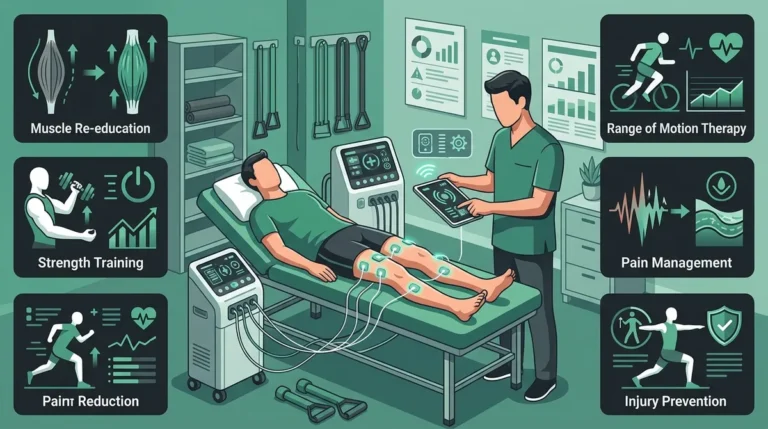
TENS and EMS pads serve different clinical purposes—TENS blocks pain signals and triggers endorphin release for chronic pain management, while EMS induces muscle contractions for rehabilitation and strengthening.
-
Hypoallergenic, latex-free pads with proper maintenance (storing with protective liners, rotating placement zones, avoiding direct sunlight) significantly reduce skin reactions and extend usable pad life.
-
Insurance coverage varies by plan type: commercial PPO/POS plans often cover electrode pads as durable medical equipment, while workers' compensation and auto accident claims require detailed documentation linking pad use to injury treatment protocols.
-
Clinics should educate patients on pad placement at each follow-up visit to prevent technique drift, and discontinue use if redness or itching persists beyond normal application to maintain compliance and safety.
For physical therapy clinics, chiropractic practices, and auto accident injury centers, the electrode pad is where clinical electrotherapy meets patient outcomes. A high-performing TENS unit or EMS device is only as effective as the pain relief pads delivering current to the patient’s skin. Poor adhesion, uneven gel distribution, or skin irritation can undermine treatment protocols and erode patient trust. With chronic pain now affecting a substantial share of U.S. adults, clinics are under increasing pressure to offer reliable, non-pharmacological pain management tools that patients can also use confidently at home.
This guide reviews the eight categories of pain relief pads every provider should understand before stocking supplies or recommending home-use devices. We cover conductivity technology, placement protocols, reusability standards, and insurance considerations relevant to commercial PPO/POS plans, workers’ compensation, and auto accident claims. Whether you run a chiropractic office, a physical therapy clinic, or an auto injury practice, this breakdown will help you select pads that maximize both clinical results and patient compliance.
Understanding How Pain Relief Pads Work in Electrotherapy
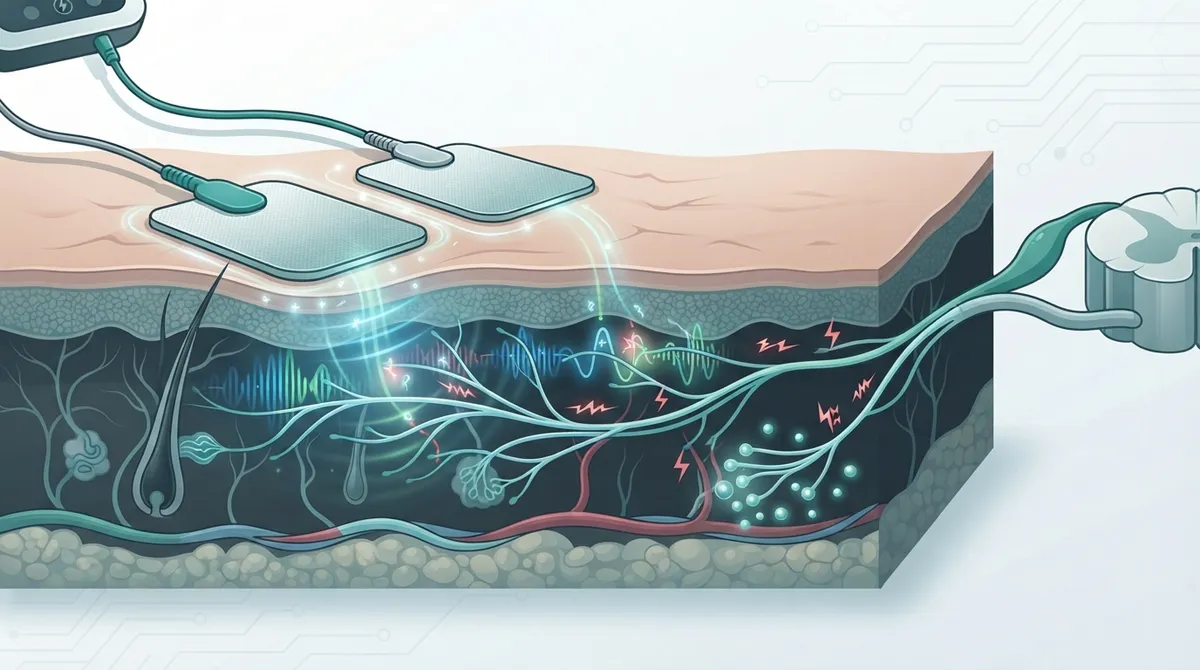
Pain relief pads are the self-adhesive electrode interface that transmits electrical current from a TENS or EMS unit into the patient’s tissue. The pads deliver gentle electrical pulses that block pain signals from reaching the brain while simultaneously stimulating the body’s production of natural endorphins, the body’s own pain-relieving chemicals. This dual mechanism, sometimes called the “gate control theory” of pain, has been studied extensively and is recognized by the Cleveland Clinic as a legitimate non-opioid pain management option.
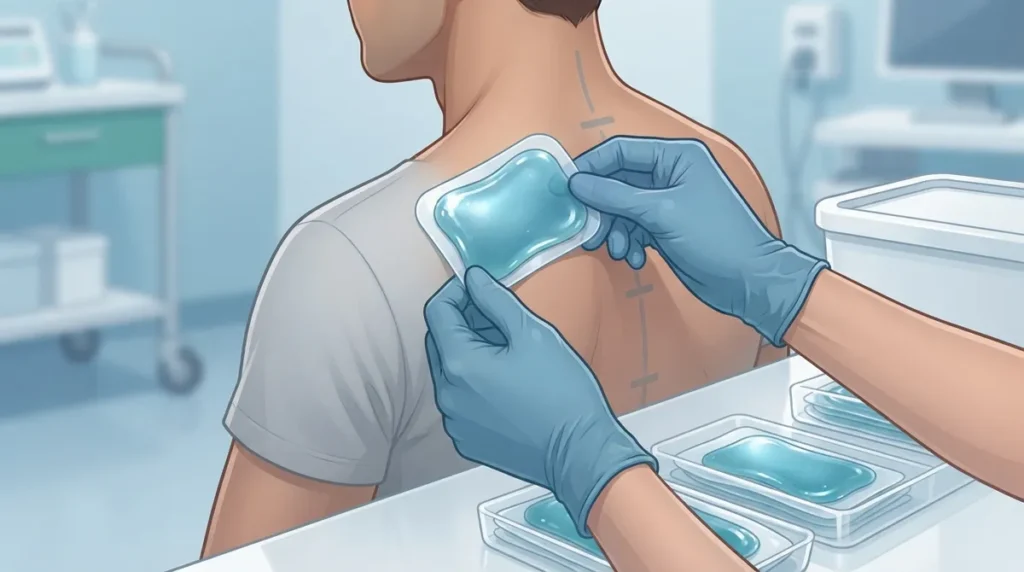
For providers evaluating devices and consumables together, it’s worth noting that pad quality directly affects therapeutic consistency. Pads using 100% Japanese Sekisui gel are considered the clinical gold standard because they maintain conductivity longer, resist drying out, and reduce the risk of skin irritation compared to lower-grade adhesive gels.
The Science Behind Endorphin Release
Electrical stimulation at specific frequencies triggers the central nervous system to release endorphins, which act similarly to natural opioids but without the associated risks of dependency. This is precisely why the FDA has emphasized expanding non-opioid pain management options, and why the CDC lists electrical nerve stimulation among recommended non-opioid therapies for chronic pain patients.
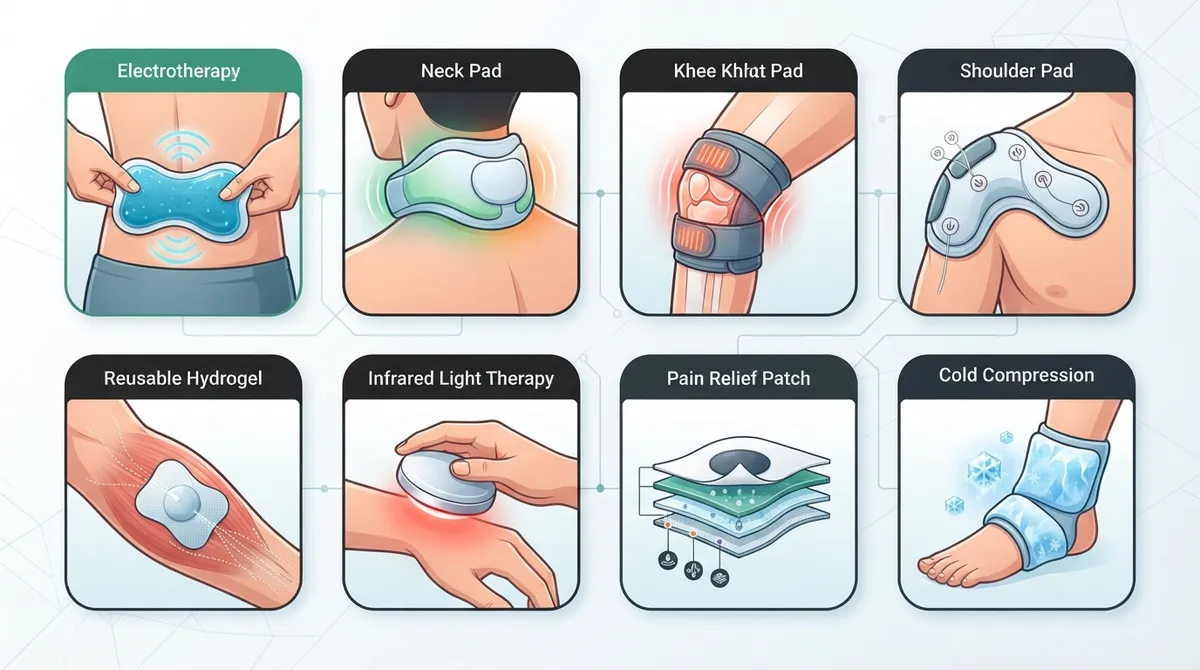
8 Categories of Pain Relief Pads Every Clinic Should Know
Selecting the right electrode pad depends on treatment area, patient sensitivity, and frequency of use. Below are the eight core pad categories clinics and home-care patients rely on most.
- Standard square electrode pads (2″x2″) – Ideal for smaller treatment zones such as elbows, wrists, and localized trigger points.
- Large rectangular pads (2″x4″) – Best suited for broader muscle groups like the lower back, shoulders, and thighs.
- Vertical/angulated pads – Designed to conform to the natural curvature of the spine and lumbar region without crossing the spinal column itself.
- Butterfly or figure-eight pads – Frequently used for knee, shoulder, and sciatic pain patterns requiring wraparound coverage.
- Long-life premium gel pads – Reusable up to 150 times, offering significant cost savings for high-volume clinics.
- Standard reusable pads – Typically rated for around 30 uses, suitable for lower-frequency home-use prescriptions.
- Sensitive-skin hypoallergenic pads – Formulated with milder adhesives for elderly patients or those with compromised skin integrity.
- Cervical-specific pads – Smaller, contoured pads designed for careful placement around (never directly on) the cervical spine, often paired with cervical traction equipment for whiplash recovery.
Pad Placement Guidelines Every Provider Must Follow
Correct pad placement is not optional; it is a clinical safety requirement. Manufacturers and physical therapy protocols consistently recommend the following rules, which align with guidance found in device manuals such as Omron’s low back pad placement guide:
- Pads must be placed at least 1 to 2 inches apart to prevent electrical shorting between electrodes.
- Skin must be clean, dry, and free of lotions, oils, or broken skin before application.
- Pads should never be placed directly on the spine, neck, throat, head, or near the heart.
- Placement should follow the specific treatment protocol for the condition being addressed, whether lower back pain, sciatica, or post-surgical rehabilitation.
- Patients using at-home units should be re-educated on placement at each follow-up visit to prevent drift from proper technique.
For chiropractic offices refining their patient education materials, our TENS unit pad placement guide offers a deeper walkthrough of condition-specific application points.
Placement Considerations for Auto Accident and Whiplash Patients
Auto accident injury clinics face unique placement challenges, particularly with whiplash and cervical strain cases. Because the neck region requires extreme caution, providers should pair pain relief pads with structured protocols, often integrating electrotherapy for auto accident treatment alongside manual therapy and bracing support. Proper documentation of pad placement and treatment frequency also supports insurance claim substantiation for auto accident and third-party liability cases.
Comparing Pad Reusability and Cost-Effectiveness
One of the most common questions from clinics and patients alike concerns how long pads can be reused before replacement is necessary. Reusability directly affects the cost-per-treatment calculation for both clinical inventory and home-care patient supplies.
| Pad Type | Typical Reuse Count | Best Use Case |
|---|---|---|
| Premium Sekisui gel pads | Up to 150 uses | High-frequency clinic and long-term home use |
| Standard replacement pads | Up to 30 uses | Occasional home use or lower-budget protocols |
| Hypoallergenic sensitive-skin pads | 15–25 uses | Elderly patients, sensitive or fragile skin |
| Cervical-specific pads | 20–40 uses | Neck and upper cervical treatment protocols |
Washable premium pads can typically withstand up to 10 gentle rinses before gel degradation affects conductivity. Clinics that track pad lifespan accurately can significantly reduce recurring supply costs while maintaining consistent treatment quality across patient visits.
TENS vs. EMS Pads: What’s the Clinical Difference
While TENS and EMS pads may look identical, their intended physiological effects differ substantially, and providers should understand these distinctions when building treatment plans.
| Feature | TENS Pads | EMS Pads |
|---|---|---|
| Primary Purpose | Pain signal blocking, endorphin release | Muscle contraction and strengthening |
| Frequency Range | Higher frequency, lower intensity | Lower frequency, higher intensity |
| Common Use Cases | Chronic pain, arthritis, post-injury discomfort | Muscle re-education, atrophy prevention, rehab strengthening |
| Typical Prescribers | Chiropractors, pain management providers | Physical therapists, sports rehab specialists |
Research published via the National Institutes of Health’s PubMed database continues to support the efficacy of both modalities when applied with correct pad placement and appropriate patient selection criteria.
Skin Safety and Sensitive-Skin Considerations
Skin reactions remain one of the most common complaints associated with electrode pad use, particularly among patients undergoing extended treatment courses. According to findings summarized by the National Library of Medicine, adhesive gel composition and hydration levels significantly influence skin tolerance during repeated electrotherapy sessions.
Clinics should consider the following when selecting pads for sensitive populations:
- Prioritize pads with hypoallergenic, latex-free adhesive backing.
- Rotate pad placement slightly within the treatment zone to avoid repeated irritation at a single skin site.
- Educate patients to discontinue use and consult their provider if redness or itching persists beyond normal application.
- Store pads in their protective liner between uses to preserve gel moisture and adhesive quality.
Why Sourcing Quality Pads Matters for Clinical Outcomes
Not all electrode pads are manufactured to the same standard, and inconsistent gel quality can lead to unreliable current delivery, patient discomfort, and premature pad failure. Clinics that build long-term relationships with electrotherapy suppliers benefit from consistent product quality, streamlined reordering, and support navigating insurance documentation for supply reimbursement.
Liberty Medical Solutions works directly with physical therapy clinics, chiropractic practices, and auto accident injury providers to supply customized electrotherapy solutions, including pain relief pads compatible with a wide range of devices and treatment protocols. The company also supports providers navigating commercial PPO/POS plans, workers’ compensation claims, and auto accident insurance documentation, helping ensure patients receive consistent access to the supplies their treatment plans require.
Integrating Pads with Broader Treatment Plans
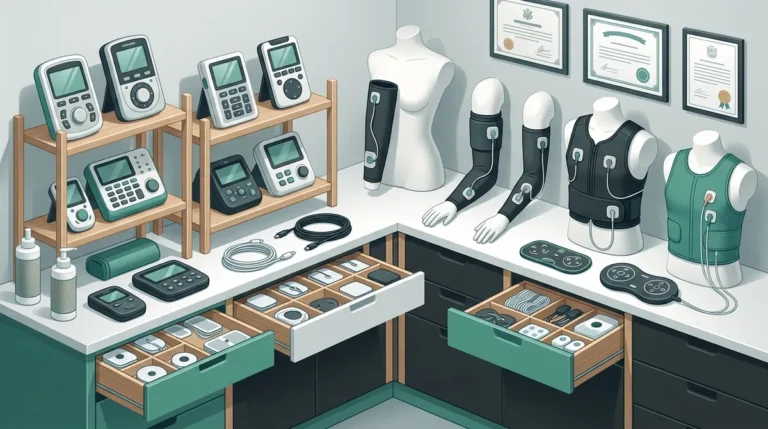
Pain relief pads rarely function in isolation within a comprehensive treatment plan. Many providers pair electrode-based therapy with back braces for structural support or conductive garments for broader-surface muscle stimulation. This layered approach allows clinicians to address both the neurological pain-blocking component and the mechanical support component of a patient’s recovery simultaneously.
Insurance and Reimbursement Considerations for Pad Supplies
For clinics managing high patient volumes, understanding how pain relief pads are covered under various insurance structures is essential to maintaining a sustainable supply chain. Coverage often varies based on plan type:
- Commercial PPO/POS plans frequently cover durable medical equipment and consumable supplies when prescribed as part of an active treatment plan, though out-of-network benefits may apply.
- Workers’ compensation claims typically require documentation linking pad use directly to an occupational injury treatment protocol.
- Auto accident and third-party liability cases often involve extended treatment courses where consistent pad supply and documentation become critical to claim substantiation.
Clinics unfamiliar with navigating these distinctions may benefit from reviewing how PPO insurance coverage works for electrotherapy or how POS insurance impacts electrotherapy coverage before finalizing supply agreements with patients.
Maintaining and Cleaning Reusable Pads
Proper pad maintenance extends usable life and preserves conductivity for consistent clinical results. Providers should instruct patients and clinical staff to follow these steps:
- After each use, gently reapply the protective plastic liner to the adhesive gel surface.
- Store pads in a cool, dry location away from direct sunlight and excessive heat.
- If gel becomes visibly dirty, rinse the adhesive surface briefly under cool water and allow it to air dry completely before reapplying the liner.
- Replace pads immediately if adhesion weakens, edges lift during use, or the gel surface appears cracked or discolored.
- Avoid folding pads or storing them adhesive-side against fabric, as this can strip gel material prematurely.
Clinics that build these maintenance steps into patient education materials typically see fewer complaints about pad performance and reduced unnecessary replacement costs.
Choosing the Right Supplier for Long-Term Success
Given the volume of consumable supplies a busy chiropractic or physical therapy practice uses annually, partnering with a supplier that understands both the clinical and administrative sides of electrotherapy is critical. Reliable pad quality protects patient comfort and treatment consistency, while streamlined insurance support protects your practice’s revenue cycle and reduces administrative burden on staff.
Providers exploring device and supply options can also review TheraKnit garments as an additional conductive therapy option for patients requiring broader treatment coverage beyond standard pad placement.
Final Thoughts on Selecting Pain Relief Pads
Pain relief pads may seem like a minor consumable in the broader electrotherapy equation, but their quality, placement, and maintenance directly influence patient outcomes and satisfaction. Clinics that invest in premium gel pads, proper placement education, and reliable supply partnerships position themselves to deliver more consistent, effective non-pharmacological pain management, an increasingly important priority as providers across the country look for alternatives supported by organizations like the WebMD and the Mayo Clinic.
Whether you manage a busy physical therapy clinic, a chiropractic practice, or an auto accident injury center, Liberty Medical Solutions offers customized electrotherapy pad options alongside compatible devices, back braces, and conductive garments designed to support your patients’ full recovery journey. To discuss supply options, insurance documentation support, or device compatibility for your practice, get in touch with our team today.
FAQs
Q: How do TENS pain relief pads work to block pain signals?
A: TENS pads deliver mild electrical pulses through the skin that interrupt pain signals traveling to the brain while simultaneously stimulating the release of natural endorphins. This dual action provides both immediate discomfort relief and longer-term pain management support without pharmacological intervention.
Q: How many times can I reuse electrotherapy pain relief pads?
A: Premium gel pads using high-quality adhesive can typically be reused up to 150 times, while standard replacement pads generally last around 30 uses. Reusability depends on gel quality, storage practices, and how consistently the protective liner is reapplied after each session.
Q: Where should I place pain relief pads for lower back pain?
A: Pads should be placed on either side of the affected lower back area, spaced at least 1 to 2 inches apart, and never directly over the spinal column itself. Following manufacturer placement guides ensures safe, effective current distribution across the targeted muscle group.
Q: Can I use pain relief pads on my neck or spine?
A: Pads should never be placed directly on the spine, neck, throat, or head due to safety risks associated with those regions. Cervical-specific pads are designed to be placed carefully around, not on, these sensitive areas under proper clinical guidance.
Q: What is the difference between TENS and EMS pads?
A: TENS pads are designed primarily for pain signal blocking and endorphin stimulation, making them ideal for chronic pain and arthritis management. EMS pads, by contrast, focus on inducing muscle contractions for strengthening and rehabilitation purposes, often used in structured physical therapy protocols.