Key Takeaways
-
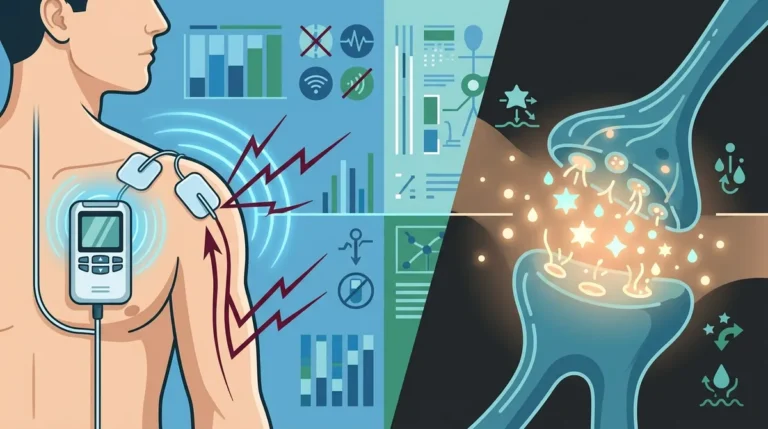
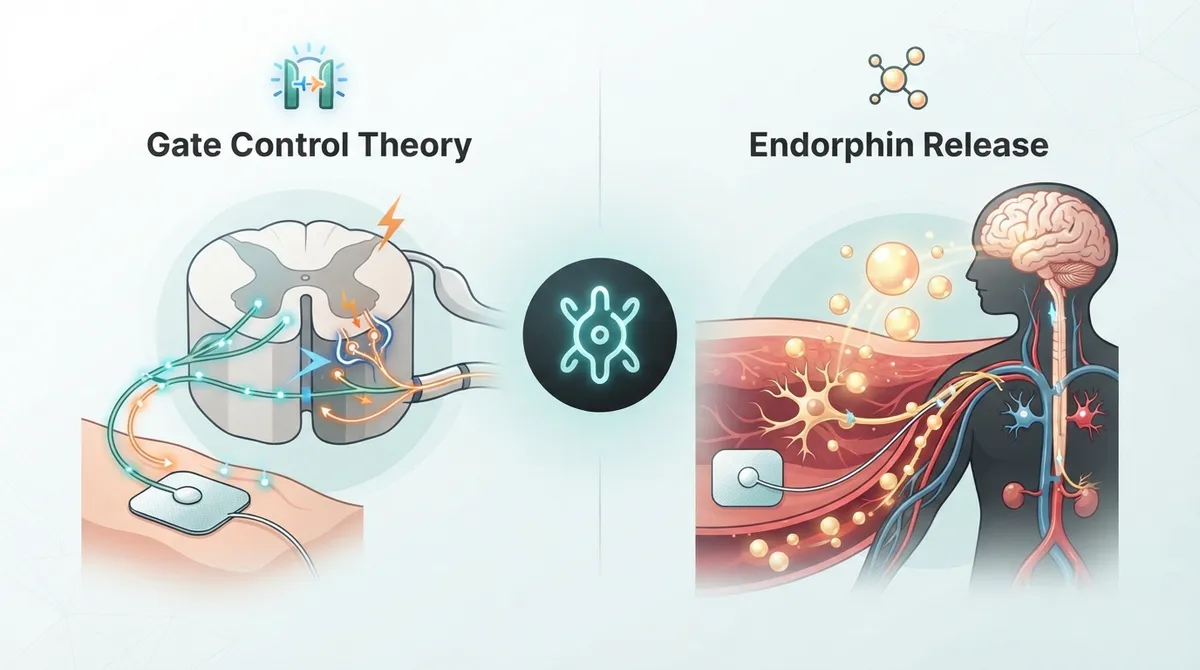
TENS therapy works through two mechanisms—gate control theory (blocking pain signals) and endorphin stimulation—making it effective for acute and chronic pain, but it functions as a complementary tool, not a standalone cure for underlying conditions.
-
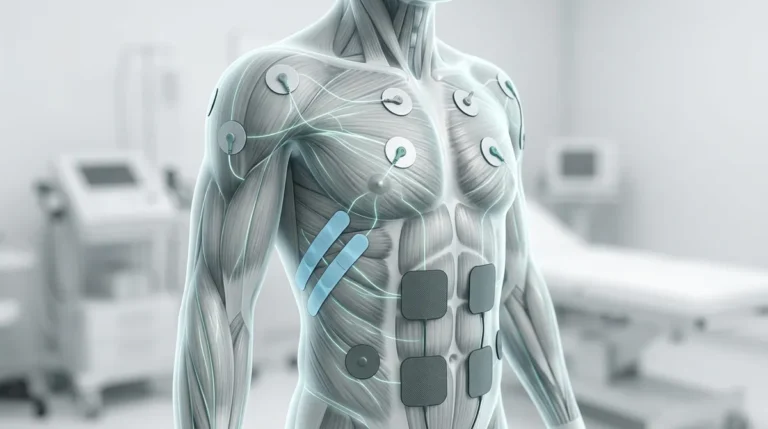
Proper electrode placement is critical for clinical results; improper positioning significantly reduces treatment efficacy, requiring staff training on placement along pain sites or nerve pathways for optimal patient outcomes.
-
Common contraindications include pregnancy, epilepsy, pacemakers, active skin infections, and bleeding disorders; providers must review full patient history before treatment to ensure safety.
-
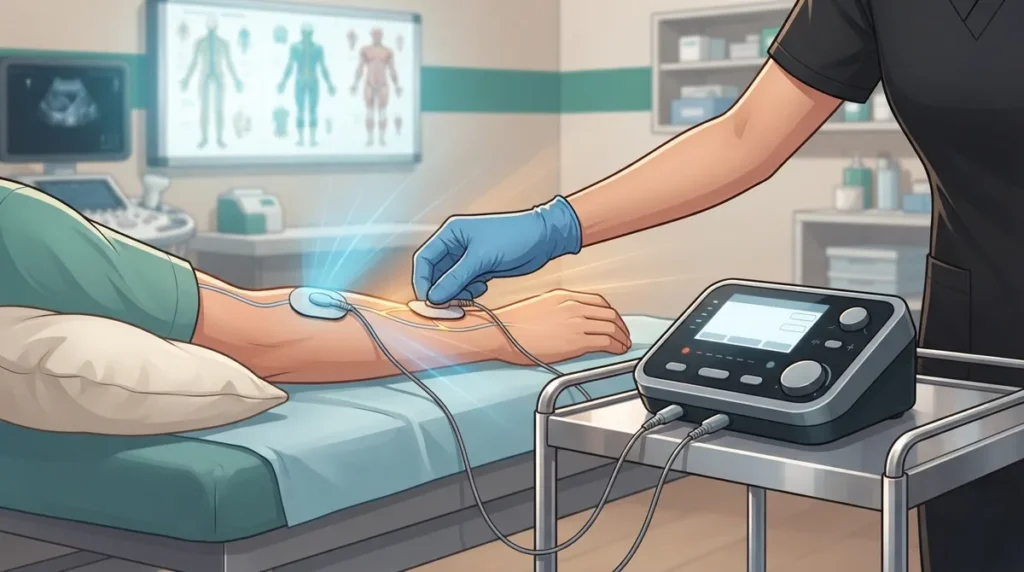
Clinical-grade multi-channel TENS systems integrate with other modalities (NMES, IFC, ultrasound) for comprehensive rehabilitation, while portable units improve patient compliance by enabling home-based therapy between clinic visits.
Selecting the right TENS machine can determine whether a clinic delivers consistent pain relief outcomes or struggles with inconsistent patient results. Physical therapy clinics, chiropractic practices, and auto accident injury centers all rely on this technology daily, yet many providers still have questions about how these devices actually work, which contraindications matter, and how to differentiate clinical-grade units from consumer versions. Understanding the mechanics and clinical applications of transcutaneous electrical nerve stimulation is essential for making informed purchasing decisions that protect both patient safety and practice reputation.
According to the National Institutes of Health, chronic pain affects a substantial portion of American adults, making non-pharmaceutical interventions like TENS therapy increasingly relevant to modern rehabilitation protocols. This article breaks down 15 essential facts that physical therapy clinics, chiropractic practices, and auto injury providers need to know when evaluating TENS machine technology for their treatment plans.
1. What TENS Actually Stands For and How It Functions
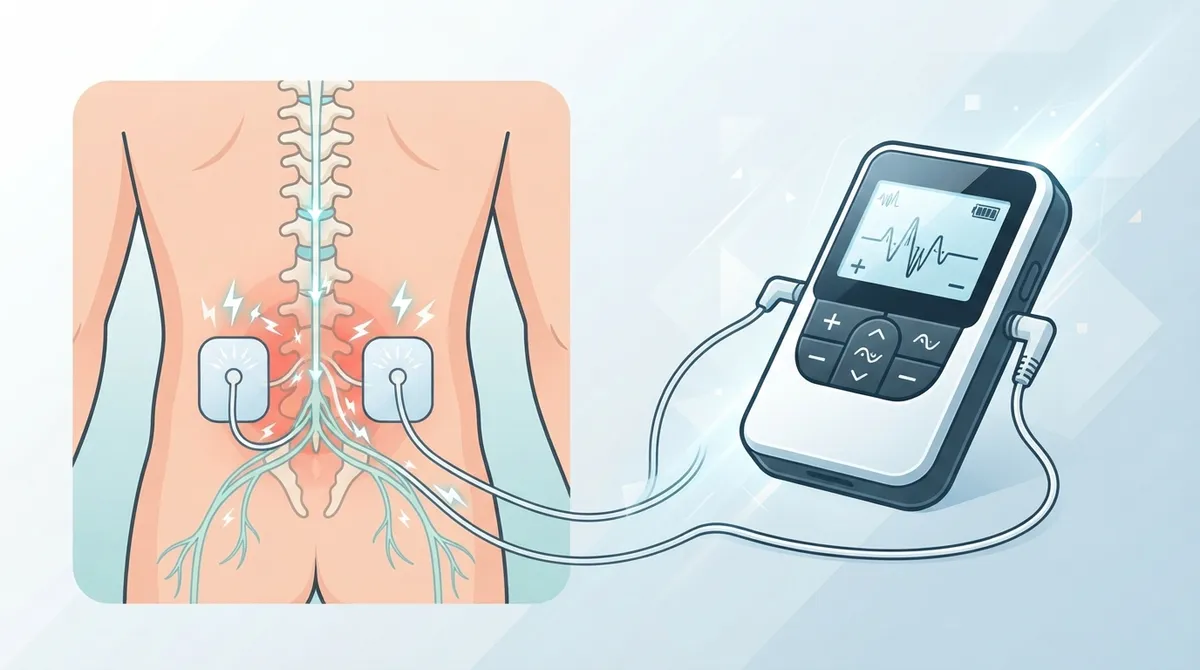
TENS stands for Transcutaneous Electrical Nerve Stimulation, a modality that delivers pulsed electrical current through skin-applied electrodes. The pulse phase duration is typically very short, often up to 1 millisecond, which allows the device to relieve pain and support muscle function without invasive procedures. Clinics that understand this foundational mechanism can better educate patients on why the therapy feels the way it does and what outcomes to expect.
2. The Two Core Pain-Relief Mechanisms
TENS therapy works primarily through two physiological pathways. The first is the gate control theory, where electrical stimulation interferes with pain signals traveling to the brain. The second involves stimulating the body’s natural endorphin production, which provides a more sustained analgesic effect. Both mechanisms make TENS a valuable tool for clinics treating acute flare-ups as well as chronic conditions.
3. Conditions Best Suited for TENS Therapy
TENS is commonly used to manage osteoarthritis, tendinitis, fibromyalgia, postoperative pain, low back pain, and diabetic peripheral neuropathy. Chiropractic practices frequently pair TENS with spinal adjustments to extend pain relief between visits, while physical therapy clinics use it as part of broader rehabilitation programs. Reviewing our guide on what TENS units actually do for clinical pain management can help staff better explain therapy goals to patients.
4. TENS Is Not a Cure for Underlying Conditions
It is important for providers to set realistic expectations. TENS is clinically proven to reduce chronic and acute pain, but it does not treat or cure the root causes of a patient’s condition. The CDC recognizes TENS as a supportive, non-opioid therapy rather than a standalone cure, which reinforces its role as a complementary tool within a comprehensive treatment plan.
5. How TENS Differs From NMES/EMS Units
One of the most common points of confusion among new clinicians is the distinction between TENS and NMES (Neuromuscular Electrical Stimulation) units. TENS is designed specifically to block pain signals, while NMES causes muscle contractions to help retrain weakened or atrophied muscles. Clinics that offer both modalities can address a wider range of patient needs, from pain control to functional muscle recovery.
| Feature | TENS Unit | NMES/EMS Unit |
|---|---|---|
| Primary Purpose | Pain signal blocking | Muscle contraction and retraining |
| Typical Use Case | Chronic and acute pain management | Muscle atrophy, post-surgical rehab |
| Electrode Placement | Pain site or nerve pathway | Muscle belly or motor points |
| Sensation | Tingling, numbing | Visible muscle contraction |
6. Electrode Placement Matters for Clinical Results
TENS machines typically use two to four electrodes placed at the pain site or along associated nerve pathways to effectively stimulate the targeted nerves. Improper placement can significantly reduce treatment efficacy, which is why clinical training on electrode positioning is essential for physical therapy and chiropractic staff. Our resource on TENS unit pads placement tips for clinical results offers detailed guidance for practitioners.
7. Safety Contraindications Every Provider Should Know
While TENS is generally safe, certain patient populations require caution. Common contraindications include:
- Pregnancy, particularly stimulation near the abdomen or lower back
- Epilepsy or seizure disorders
- Presence of a pacemaker or implanted electronic device
- Active skin infections or open wounds at the electrode site
- Deep vein thrombosis or active bleeding disorders
Providers should always review patient history before initiating therapy. The Cleveland Clinic outlines these precautions in detail, making it a valuable reference for clinical staff training.
8. Clinical vs. Portable TENS Units
Clinics must decide between multi-channel clinical systems and portable, patient-take-home units. Clinical systems often integrate TENS with other modalities such as NMES, interferential current (IFC), microcurrent, and ultrasound for comprehensive rehabilitation sessions. Portable units, by contrast, are designed for patient convenience and continued therapy between clinic visits.
| Unit Type | Best For | Key Features |
|---|---|---|
| Clinical Multi-Channel System | In-office rehabilitation | Multiple modalities, higher output control |
| Portable/Take-Home Unit | Home-based pain management | Pocket-sized, simple interface, battery-powered |
9. Why Portable Units Extend Patient Compliance
Modern TENS devices feature user-friendly interfaces, enhanced portability, and customizable settings for pulse amplitude, frequency, and duration. When physical therapy clinics prescribe portable units for home use, patients often experience reduced dependency on medication and improved adherence to their overall treatment plan. Explore our selection of devices designed for both clinical and home applications.
10. TENS Therapy and Auto Accident Rehabilitation
Auto accident injury clinics frequently encounter whiplash, soft tissue damage, and lower back injuries that respond well to TENS therapy as part of a broader recovery protocol. Because these cases often involve insurance claims, providers benefit from working with a supplier experienced in navigating auto accident and third-party liability claims. Learn more about how to use electrotherapy for auto accident treatment to strengthen your clinic’s rehabilitation offerings.
11. Insurance Considerations for TENS Equipment
Reimbursement pathways vary significantly depending on the payer. Liberty Medical Solutions works with commercial PPO/POS plans, workers’ compensation, and auto accident claims, helping clinics reduce administrative friction when equipping patients with take-home devices. Understanding these pathways in advance allows practices to avoid delays in patient care and equipment delivery.
Common Insurance Pathways
- Commercial/Group/Individual PPO and POS plans with out-of-network benefits
- Workers’ compensation claims for work-related injuries
- Auto accident and third-party liability claims
12. Complementary Modalities Within Electrotherapy Systems
Many clinics now integrate TENS with cervical traction, conductive garments, and back braces to address multiple aspects of a patient’s recovery simultaneously. This layered approach supports both pain management and structural stabilization. Chiropractic practices in particular benefit from pairing back braces with TENS therapy to reinforce spinal support between adjustments.
13. The Role of Conductive Garments in Extended Therapy
For patients requiring more consistent, hands-free electrode contact, conductive garments offer an alternative to traditional adhesive pads. These garments distribute current evenly across larger treatment areas, which can be especially useful for chronic low back or cervical conditions. Reviewing our conductive garments and TheraKnit garments collections can help clinics expand their treatment offerings beyond standard electrode placement.
14. Minimal Side Effects When Used Correctly
Side effects from TENS therapy are minimal when devices are used within manufacturer parameters. Some patients report mild skin irritation at the electrode site, but this is typically resolved by adjusting electrode placement or using hypoallergenic conductive gel. A review published in the National Library of Medicine confirms that TENS maintains a favorable safety profile across a wide range of patient populations when applied according to clinical guidelines.
15. Evidence Supports TENS as a Complementary, Not Standalone, Therapy
Clinical research consistently frames TENS as a “helper” therapy that provides short-term pain relief rather than a complete treatment plan on its own. Findings from Pub Med reinforce that combining TENS with other rehabilitation modalities produces more consistent long-term outcomes than relying on electrical stimulation alone. The FDA has also encouraged expanded access to non-opioid pain management options, positioning TENS as a meaningful part of that broader strategy.
Choosing the Right Supplier for Your Practice
Selecting a TENS machine supplier involves more than comparing price points. Clinics should evaluate device quality, insurance billing support, warranty terms, and ongoing clinical education resources. Providers looking to expand their rehabilitation offerings can review our detailed guide on how to choose the best TENS unit for your clinical practice before making a purchasing decision.
Key Factors When Evaluating a Supplier
- Experience working with commercial PPO/POS insurance plans
- Support for workers’ compensation and auto accident claims
- Range of products, including back braces and conductive garments
- Warranty registration and ongoing patient support services
- Clinical education resources for staff training
Liberty Medical Solutions has built its reputation by supporting physical therapy clinics, chiropractic practices, and auto accident injury centers with customized electrotherapy solutions. Our full range of products is designed to help providers deliver measurable pain management outcomes while simplifying insurance navigation for their patients.
Final Thoughts on TENS Machine Selection
TENS therapy remains one of the most accessible, evidence-supported non-pharmaceutical options available to modern rehabilitation practices. Whether your clinic focuses on chiropractic care, physical therapy, or auto accident recovery, understanding the clinical fundamentals outlined above will help you select equipment that genuinely improves patient outcomes. For clinics ready to explore customized electrotherapy solutions backed by insurance expertise, Get in Touch with Our Team to discuss which TENS machine options best fit your practice’s needs.
FAQs
Q: What conditions are TENS machines best used for?
A: TENS machines are commonly used for osteoarthritis, tendinitis, fibromyalgia, postoperative pain, low back pain, and diabetic peripheral neuropathy. Chiropractic and physical therapy clinics often integrate TENS into broader treatment plans rather than using it as a standalone solution.
Q: How does a TENS machine differ from an EMS or NMES unit?
A: TENS units are designed to block pain signals through gate control theory and endorphin release, while NMES/EMS units cause muscle contractions to retrain weakened muscles. The two modalities serve different clinical purposes, though many clinics use both to address pain and muscle rehabilitation simultaneously.
Q: Is TENS therapy effective for long-term pain relief or curing underlying conditions?
A: TENS therapy is clinically proven to reduce chronic and acute pain, but it does not cure the root cause of a patient’s condition. It functions best as a complementary therapy alongside other rehabilitation modalities rather than a standalone treatment.
Q: What are the safety contraindications for using a TENS machine?
A: Common contraindications include pregnancy, epilepsy, presence of a pacemaker, active skin infections, and bleeding disorders. Providers should always review a patient’s full medical history before beginning TENS therapy to ensure safe application.
Q: Can TENS machines be used at home without a prescription?
A: Many TENS units are available over-the-counter, but clinical-grade devices prescribed by physical therapists or chiropractors often provide more precise control and better outcomes for specific conditions. Home use is typically most effective when guided by initial clinical instruction on electrode placement and settings.