Key Takeaways
-
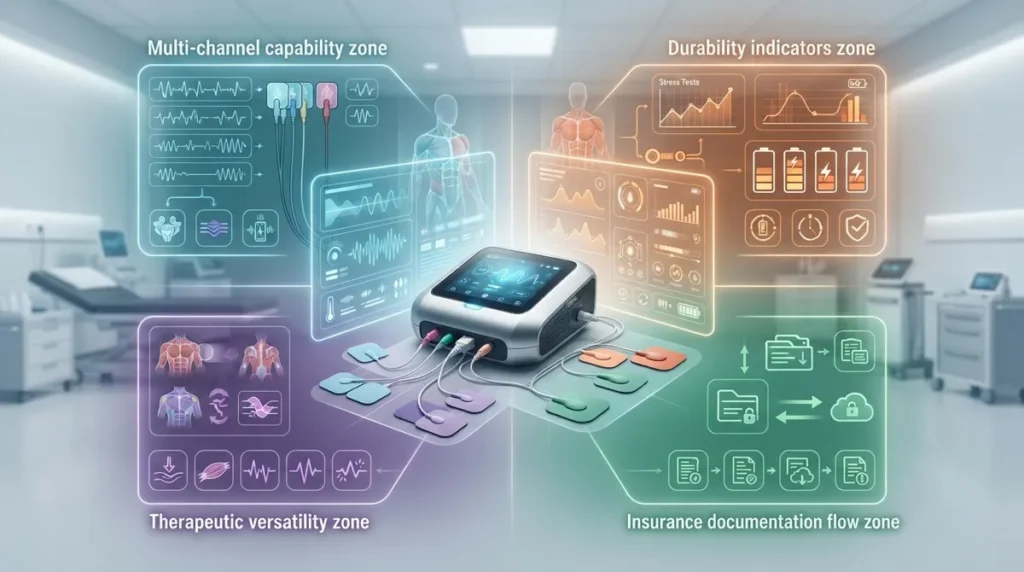
Professional TENS units must support multiple channels (2-4+), 40-73+ customizable programs, and 25-40+ intensity levels to handle diverse patient cases and ensure individualized treatment in busy clinical settings.
-
Insurance compatibility and vendor expertise in billing/documentation are critical differentiators for professional suppliers, directly affecting reimbursement for commercial PPO/POS, workers' compensation, and auto accident claims.
-
Durable construction, reliable battery life, and multi-electrode support (up to 8) enable clinics to treat multiple body areas simultaneously and reduce equipment downtime that disrupts scheduling and patient outcomes.
-
Combination TENS/EMS functionality allows rehabilitation-focused practices to deliver both pain relief and muscle re-education in one device, supporting post-surgical and post-injury recovery more comprehensively than TENS-only units.
Choosing the best professional TENS unit is one of the most consequential equipment decisions a healthcare practice will make this year. Physical therapy clinics, chiropractic offices, and auto accident injury centers all rely on transcutaneous electrical nerve stimulation to deliver consistent, non-invasive pain relief without adding to the nation’s reliance on opioid medications. According to the National Institutes of Health, chronic pain affects a substantial share of American adults, making effective, drug-free treatment options more important than ever.
Unlike consumer-grade devices sold for occasional home use, a professional-grade unit must withstand daily clinical demands, support multiple treatment protocols, and integrate smoothly into insurance-based care models. This guide breaks down the 15 factors, features, and considerations that separate a truly professional TENS unit from a basic pain-relief gadget, with practical guidance for physical therapists, chiropractors, and auto accident injury providers evaluating new equipment in 2026.
What Makes a TENS Unit “Professional-Grade”?
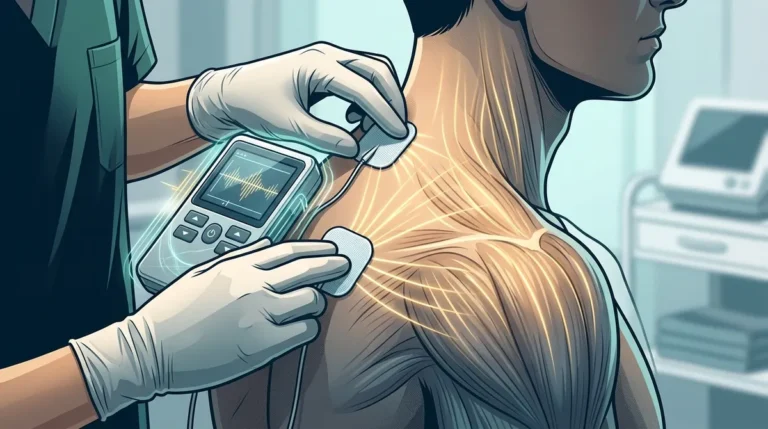
TENS stands for Transcutaneous Electrical Nerve Stimulation, a non-invasive electrotherapy technique that delivers low-voltage electrical impulses through skin electrodes to help modulate pain perception. The Cleveland Clinic explains that these impulses work by stimulating sensory nerves, which can interrupt pain signals traveling to the brain and encourage the release of natural pain-relieving endorphins.
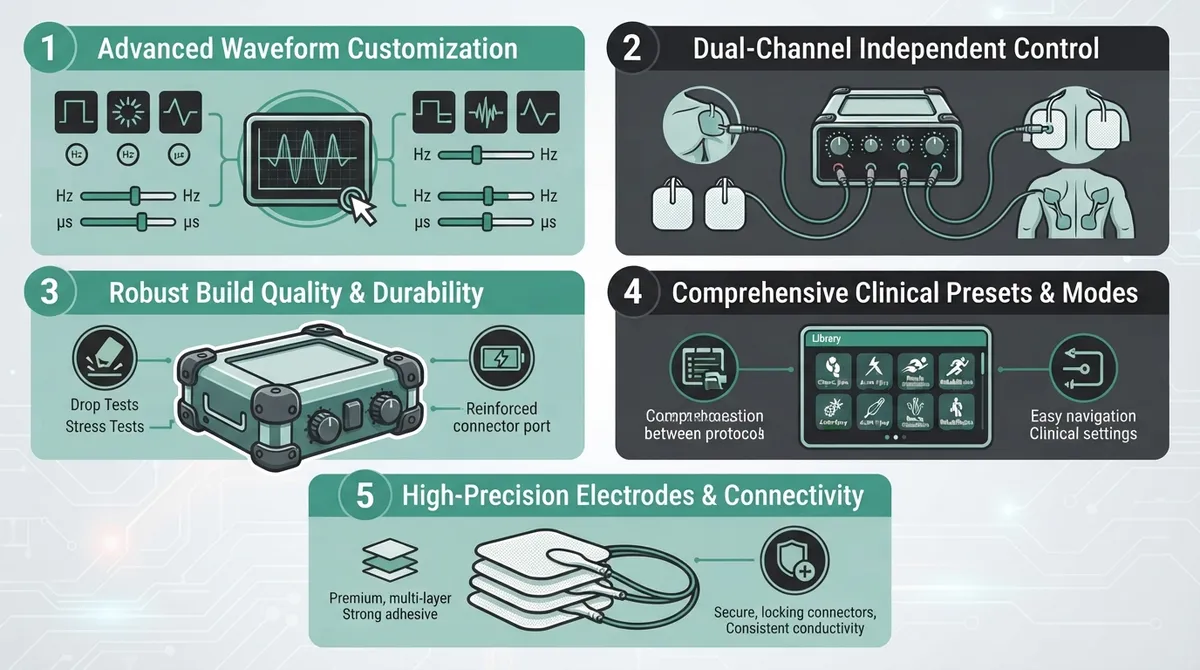
For a device to qualify as professional-grade rather than a basic consumer model, it needs several defining characteristics that support consistent clinical outcomes:
- Multiple treatment programs tailored to different pain conditions and patient needs
- Adjustable intensity and frequency settings for precise, individualized therapy
- Durable construction built to withstand repeated daily use across many patients
- Reliable battery life or power options for extended clinic hours
- Compatibility with various electrode configurations and treatment areas
These factors matter because clinics cannot afford equipment downtime or inconsistent output when patient outcomes and scheduling efficiency are on the line.
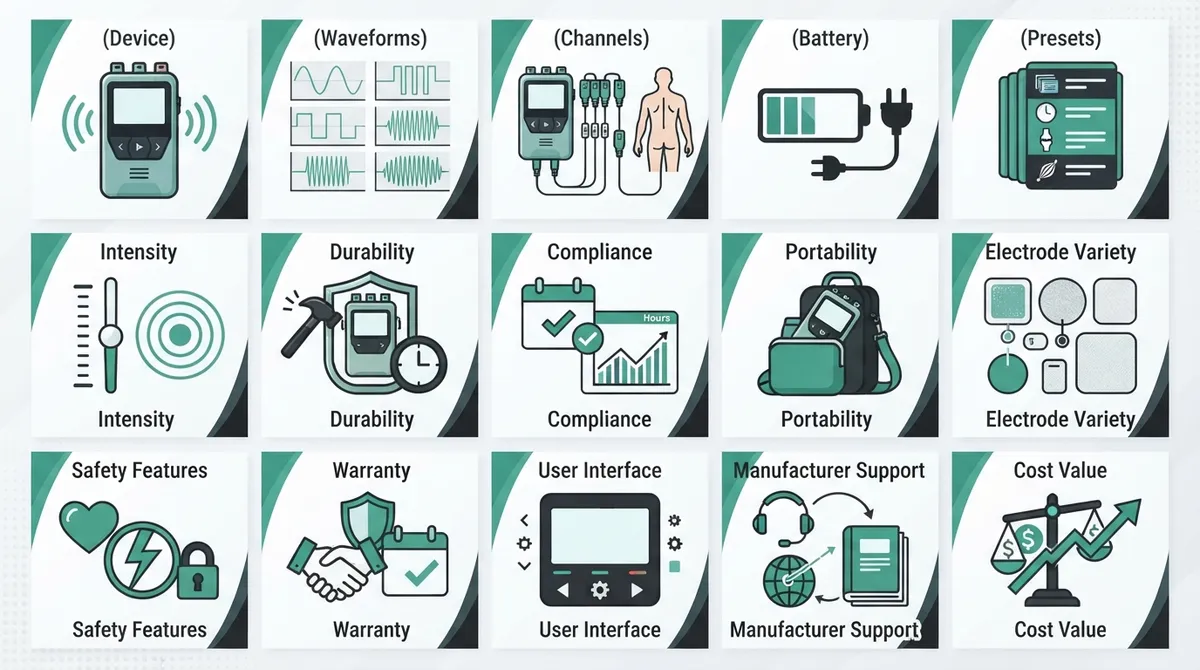
15 Key Considerations for Selecting the Best Professional TENS Unit
1. Channel Count and Treatment Coverage
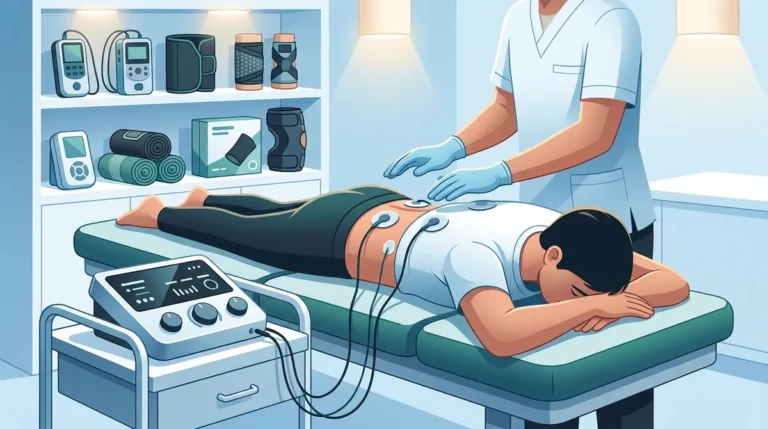
The number of channels directly affects how many body areas a clinician can treat simultaneously. Dual-channel units allow treatment of two separate zones at once, while advanced models offer four or more channels for broader coverage. This is particularly valuable for auto accident injury clinics treating whiplash alongside lower back or shoulder complaints in the same session.
2. Number of Programmed Modes
Professional units typically include dozens of pre-set programs designed for different pain profiles, from acute post-injury discomfort to chronic musculoskeletal conditions. Some 2026 comparison guides highlight models offering more than 70 programs, including customizable settings that let clinicians fine-tune therapy for each patient’s presentation.
3. Intensity Level Granularity
A wide range of intensity levels, often 25 to 40 increments, allows for gradual, comfortable escalation. This matters for new patients who may be apprehensive about electrical stimulation and for sensitive treatment areas following a soft tissue injury.
4. Electrode Capacity
Advanced professional units support multiple electrodes simultaneously, sometimes up to eight, enabling clinicians to address several muscle groups or pain sites in a single treatment session. This is especially useful in busy practices managing high patient volumes.
5. Portability and Battery Performance
Clinics increasingly prescribe take-home devices to extend care between visits. A unit’s battery life and portability determine whether patients can realistically use it daily without frustration, which directly influences compliance and outcomes.
6. Build Quality and Durability
Devices used across dozens of patients per week need rugged housings, reliable connectors, and consistent electrode contact. Durability reduces replacement costs and prevents treatment interruptions that can affect scheduling.
7. Ease of Use for Staff and Patients
Intuitive interfaces reduce training time for clinical staff and minimize patient error when units are sent home. Clear displays and simple controls are especially important for older patients or those recovering from injury.
8. FDA Clearance and Regulatory Compliance
Any professional device should carry appropriate regulatory clearance. The FDA has actively promoted non-opioid pain management options, and TENS therapy is frequently cited as a compliant, evidence-supported modality for clinics seeking to reduce reliance on medication-based pain control.
9. Insurance and Reimbursement Compatibility
For clinics working with commercial PPO/POS plans, workers’ compensation, or auto accident claims, equipment sourcing matters. Providers need suppliers experienced in insurance documentation and billing support to ensure devices are properly covered and reimbursed.
10. Combination TENS/EMS Functionality
Some professional units combine TENS with electrical muscle stimulation (EMS), offering both pain relief and muscle re-education in one device. This dual functionality can be valuable for rehabilitation-focused practices treating post-surgical or post-injury patients.
11. Customization for Specific Pain Conditions
Look for units that allow protocol customization based on diagnosis, whether that’s lower back pain, cervical strain, or extremity injuries. Customizable programs help clinicians standardize care while still individualizing treatment.
12. Support for Complementary Modalities
The best professional TENS units often work well alongside other electrotherapy tools, such as back braces and conductive garments, creating a more comprehensive treatment plan for patients dealing with chronic or acute pain.
13. Manufacturer Support and Warranty
Clinical equipment requires dependable manufacturer or distributor support, including warranty registration, replacement parts, and troubleshooting assistance to minimize downtime.
14. Cost-Effectiveness Over Time
While upfront cost matters, clinics should evaluate total value, factoring in durability, warranty coverage, and how well the device supports reimbursable treatment codes over its lifespan.
15. Vendor Expertise in Electrotherapy Solutions
Working with a knowledgeable supplier who understands both the clinical and administrative sides of electrotherapy, including insurance processing, can significantly streamline equipment acquisition and patient onboarding.
Comparing Popular Professional TENS Unit Features
The table below summarizes commonly cited specifications from 2026 comparison guides to illustrate the range of features found in professional and semi-professional TENS devices currently on the market.
| Feature | Entry-Level Range | Professional-Grade Range |
|---|---|---|
| Number of Programs | 7–10 programs | 40–73+ programs |
| Channels | 2 channels | 2–4+ channels |
| Intensity Levels | 15–25 levels | 25–40+ levels |
| Electrode Support | 2–4 electrodes | Up to 8 electrodes |
| Combination Functions | TENS only | TENS, EMS, and massage options |
How Different Practices Should Approach TENS Selection
Physical Therapy Clinics
Rehabilitation-focused practices often need units that support both pain relief and neuromuscular re-education, particularly for patients recovering from surgery, sports injuries, or long-term immobility. A clinic evaluating what makes the best TENS machine for clinical use should prioritize multi-channel devices with customizable programs that can be adapted across a diverse caseload.
Chiropractic Practices
Chiropractors typically pair TENS therapy with spinal adjustments to manage muscle tension and post-adjustment soreness. Practices exploring how to choose the best TENS unit for their clinical practice often benefit from devices that can be prescribed for at-home use between visits, extending the therapeutic effect of in-office treatment and improving patient satisfaction.
Auto Accident Injury Clinics
Providers treating whiplash, soft tissue damage, and post-collision musculoskeletal injuries need equipment that documents well for insurance purposes and delivers measurable pain relief quickly. According to WebMD, TENS therapy has shown particular promise for back pain management, a common complaint following motor vehicle accidents. Clinics in this space should also understand how to use electrotherapy for auto accident treatment within the framework of insurance claims and liability documentation.
Insurance Considerations for Professional TENS Equipment
One factor that distinguishes a truly professional supplier from a basic retailer is the ability to navigate insurance complexities. Liberty Medical Solutions works with commercial PPO/POS plans, workers’ compensation cases, and auto accident claims, helping practices provide patients with electrotherapy solutions without unnecessary administrative burden. Understanding PPO insurance and electrotherapy coverage requirements, as well as how out-of-network benefits work for electrotherapy, can significantly affect which devices a practice chooses to stock and prescribe.
| Insurance Type | Common Use Case | Key Consideration |
|---|---|---|
| Commercial PPO/POS | General pain management referrals | Out-of-network benefit verification |
| Workers’ Compensation | Workplace injury rehabilitation | Documentation for claim approval |
| Auto Accident Claims | Whiplash and soft tissue injury | Third-party liability coordination |
Clinical Evidence Supporting TENS Therapy
Research continues to support electrotherapy as a viable non-pharmacological pain management tool. A review published via Pub Med examines the physiological mechanisms behind TENS therapy, while the CDC lists electrical nerve stimulation among recommended non-opioid therapies for pain management. Additional analysis from the National Library of Medicine further explores clinical applications across various pain conditions, reinforcing why so many practices are expanding their electrotherapy offerings in 2026.
Building a Complete Electrotherapy Program
Selecting the best professional TENS unit is only one part of building a comprehensive electrotherapy program. Many practices also incorporate TheraKnit garments and cervical traction equipment to address a wider range of musculoskeletal complaints. Reviewing the full range of available products can help clinics identify complementary tools that enhance patient outcomes across multiple treatment modalities.
Clinics should also consider ongoing education around device selection. Resources covering what clinicians must know about TENS units in 2026 and essential TENS machine facts every clinic must know can support staff training and improve consistency in how devices are prescribed and monitored across a patient population.
Final Recommendations for Practices in 2026
When evaluating the best professional TENS unit for your practice, prioritize devices that balance clinical versatility with practical durability. The Mayo Clinic notes that patient response to electrical stimulation therapy can vary, which underscores the importance of selecting equipment with flexible, adjustable settings rather than a one-size-fits-all approach.
Practices should also weigh vendor relationships carefully. A supplier experienced in both clinical equipment and insurance navigation, such as Liberty Medical Solutions, can simplify procurement while ensuring devices meet the documentation standards required by commercial insurers, workers’ compensation programs, and auto accident claims.
Ready to upgrade your clinic’s electrotherapy equipment with a professional-grade TENS solution tailored to your patient population and insurance requirements? Get in Touch with Our Team to discuss customized options for your practice.
FAQs
Q: What is the best professional TENS unit for pain relief?
A: The best professional TENS unit depends on clinical needs, but top options typically offer multiple channels, 25 or more intensity levels, and dozens of customizable programs. Practices should prioritize durability and insurance compatibility alongside core electrotherapy features to ensure long-term clinical value.
Q: What features should a professional TENS unit have?
A: A professional-grade unit should include multiple treatment programs, adjustable intensity and frequency controls, multi-channel output, and durable construction for daily clinical use. FDA clearance and manufacturer support are also essential considerations for practices seeking reliable, compliant equipment.
Q: How many channels does a good TENS machine need?
A: Most clinical settings benefit from at least two channels, allowing treatment of two body areas simultaneously. Practices treating complex cases, such as auto accident injuries, may prefer four-channel units for broader coverage during a single session.
Q: What is the difference between TENS and EMS devices?
A: TENS units target sensory nerves to reduce pain perception, while EMS devices stimulate motor nerves to contract muscles for strengthening or re-education. Some professional units combine both functions, offering pain relief alongside muscle rehabilitation in a single device.
Q: Are professional TENS units safe for daily use?
A: When used according to manufacturer guidelines and clinical protocols, professional TENS units are generally considered safe for regular use in pain management. Patients should always follow their provider’s instructions regarding electrode placement, intensity settings, and session duration.