Key Takeaways
-
H-Wave therapy demonstrates stronger clinical evidence than most electrotherapy modalities, with systematic reviews showing consistent improvements in pain, function, and reduced medication reliance for both acute and chronic pain conditions.
-
Integrate electrotherapy as part of comprehensive treatment plans—combine TENS with manual therapy, prescribe take-home devices for chronic conditions, and layer devices with exercises or traction rather than using electrotherapy as a standalone intervention.
-
Assess your specific patient population and clinical goals before selecting devices: identify primary conditions treated, determine insurance mix (PPO, workers' comp, auto claims), and establish measurable outcomes like reduced medication dependency or faster return-to-work timelines.
-
Only 3 of 13 electrical stimulation modalities reviewed in 2023 had strong evidence; verify clinical evidence quality for specific conditions and choose selective, informed protocols rather than assuming all electrotherapy devices are equally effective.
-
Educate patients on safe home use by demonstrating electrode placement, explaining intensity adjustment, reviewing contraindications like pacemakers or pregnancy, and setting clear expectations for frequency and duration to improve adherence and outcomes.
-
Navigate insurance barriers by understanding coverage differences across commercial PPO/POS, workers' compensation, and auto accident claims, and document medical necessity clearly to reduce administrative delays and improve claims approval rates.
Patients arrive at physical therapy clinics, chiropractic offices, and auto accident injury centers every day searching for relief that lasts longer than a prescription refill. Building a strong medical pain management program means combining clinical expertise with the right technology, and electrotherapy has become a cornerstone of that approach. According to the National Institutes of Health, chronic pain affects a substantial portion of U.S. adults, making non-pharmacological interventions more important than ever for providers seeking sustainable outcomes.
For chiropractors, physical therapists, and auto accident injury specialists, integrating electrotherapy devices into a medical pain management program is not just about adding equipment to a treatment room. It requires understanding which modalities work best for specific conditions, how to select devices that meet clinical and insurance requirements, and how to educate patients on safe, effective use. This guide walks through the practical steps to build a program that improves patient outcomes while supporting the operational and reimbursement needs of your practice.
Understanding Medical Pain Management Through Electrotherapy
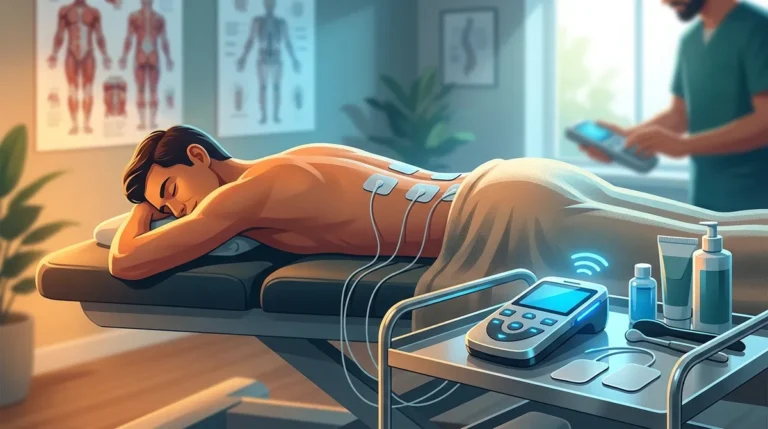
Medical pain management using electrotherapy relies on low-level electrical currents to modulate pain signals, stimulate nerves or muscles, and in some cases encourage the release of endorphins. This approach offers clinicians a non-invasive, drug-free option that can be layered into a broader treatment plan alongside manual therapy, exercise, heat, or cold applications.
Transcutaneous electrical nerve stimulation, commonly known as TENS, remains one of the most recognized and widely used electrotherapy options for pain relief. The Cleveland Clinic describes TENS as a generally safe, noninvasive method that works by delivering electrical impulses through electrodes placed on the skin, interrupting pain signals before they reach the brain. A widely cited review published on PubMed found that approximately half of patients with moderate, predictable pain experienced significant analgesia from TENS therapy.
Why Evidence Quality Varies Across Devices
Not all electrotherapy modalities carry the same weight of clinical evidence. A 2023 review found that 10 of 13 reviewed electrical stimulation forms had only limited-quality evidence supporting meaningful pain or function improvement. This does not mean these modalities are ineffective, but it does mean providers should be selective and informed when building their protocols.
H-Wave device stimulation stands out with comparatively stronger supportive evidence for certain acute and refractory chronic pain conditions. A 2021 systematic review of H-Wave trials reported consistent, clinically significant improvements in pain, function, and reduced reliance on pain medication across both acute and chronic disorders. Meanwhile, neuromuscular electrical stimulation and functional electrical stimulation have demonstrated their strongest effectiveness in targeted rehabilitation contexts rather than as broad-spectrum pain treatments.
Step 1: Assess Patient Needs and Clinical Goals
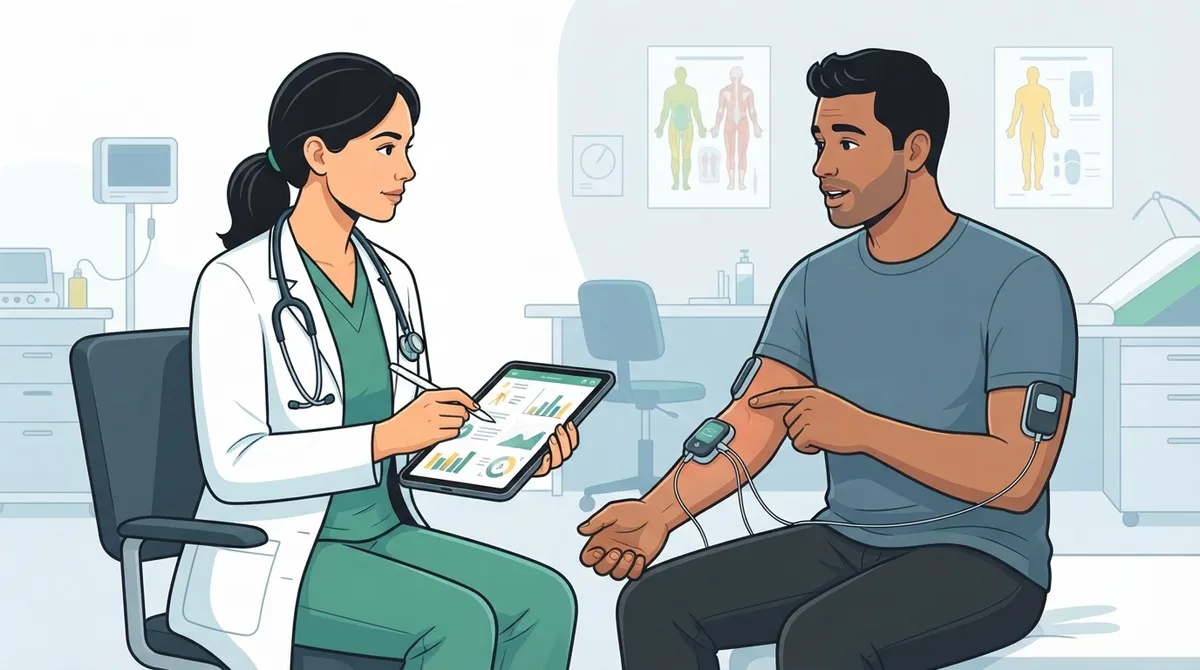
Before selecting any device, clinics should evaluate the specific patient populations they serve. A chiropractic practice treating chronic lower back pain has different equipment priorities than an auto accident injury clinic managing acute whiplash and soft tissue trauma.
- Identify the primary conditions treated most frequently in your practice, such as post-surgical pain, whiplash, disc herniation, or myofascial pain syndrome.
- Determine whether patients need in-clinic treatment only, take-home devices, or both.
- Review the insurance mix of your patient base, including commercial PPO/POS plans, workers’ compensation, and auto accident claims.
- Establish measurable clinical goals, such as reduced medication dependency, improved range of motion, or faster return-to-work timelines.
This assessment forms the foundation for selecting appropriate electrotherapy products that align with both clinical objectives and reimbursement realities.
Step 2: Choose the Right Electrotherapy Modalities
Once clinical needs are mapped out, the next step is matching those needs to the appropriate technology. The table below summarizes common electrotherapy modalities and their typical clinical applications.
| Modality | Primary Use Cases | Evidence Strength | Typical Setting |
|---|---|---|---|
| TENS | Acute and chronic pain, post-op discomfort, general analgesia | Moderate; well-established safety profile | Clinic and home use |
| H-Wave | Refractory chronic pain, diabetic neuropathy, post-surgical recovery | Stronger; consistent improvements reported in reviews | Clinic and home use |
| NMES | Muscle re-education, atrophy prevention, rehabilitation | Strong for rehab-specific goals | Clinic-supervised |
| Interferential Current (IFC) | Deep tissue pain, muscle spasm, edema reduction | Limited to moderate | Clinic use |
Clinics looking to expand their treatment offerings often start with versatile TENS devices before layering in more specialized equipment. For a deeper look at selecting the right unit for your practice, review our guide on how to choose the best TENS unit for your clinical practice.
Step 3: Integrate Devices Into Treatment Protocols
Electrotherapy works best as part of an integrated care plan rather than a standalone intervention. Chiropractors frequently combine spinal adjustments with take-home TENS units and supportive back braces to extend pain relief between visits. Physical therapy clinics often pair NMES with active rehabilitation exercises to accelerate muscle recovery.
Consider the following integration strategies:
- Use TENS during initial visits to reduce acute pain and improve patient comfort during manual therapy or adjustments.
- Prescribe take-home devices for patients with chronic conditions who need ongoing symptom management between appointments.
- Combine electrotherapy with conductive garments for patients requiring broader coverage areas, such as those with widespread myofascial pain.
- Layer cervical traction units into protocols for patients presenting with neck pain, whiplash, or cervical radiculopathy following auto accidents.
Special Considerations for Auto Accident Injury Clinics
Auto accident injury clinics face unique challenges, including documenting medical necessity for insurance claims and treating complex, multi-region trauma. Electrotherapy can play a significant role in managing whiplash-associated disorders and soft tissue injuries. For practical guidance, see our article on how to use electrotherapy for auto accident treatment, which outlines documentation practices and treatment sequencing that support both patient recovery and claims processing.
Step 4: Navigate Insurance and Reimbursement
One of the most significant barriers to expanding electrotherapy access is navigating the insurance landscape. Liberty Medical Solutions works with a range of coverage types, including commercial PPO/POS plans, workers’ compensation, and auto accident and third-party liability claims, helping clinics reduce administrative friction.
| Insurance Type | Common Considerations |
|---|---|
| Commercial PPO/POS | Out-of-network benefits often apply; pre-authorization may be required for certain devices |
| Workers’ Compensation | Requires clear documentation linking injury to workplace incident |
| Auto Accident Claims | Involves coordination with third-party liability and medical necessity documentation |
Understanding how PPO insurance impacts electrotherapy coverage and how POS insurance affects reimbursement can help front-office staff streamline the approval process and reduce delays in patient care.
Step 5: Educate Patients on Safe Home Use
Many electrotherapy devices, particularly TENS units, are approved for home use, extending pain management beyond the clinic walls. The FDA has emphasized expanding non-opioid options for chronic pain management, and home-use electrotherapy devices align directly with this initiative.
When prescribing take-home devices, providers should walk patients through the following steps:
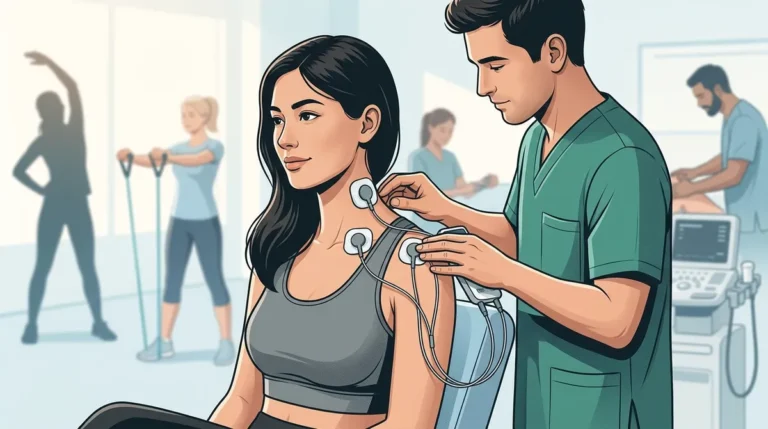
- Demonstrate correct electrode pad placement for the targeted pain area.
- Explain how to adjust intensity levels safely, starting low and increasing gradually.
- Review contraindications, including pacemakers, pregnancy, and areas with impaired sensation.
- Set clear expectations for session frequency and duration based on the clinical protocol.
- Provide contact information for questions or concerns that arise during home use.
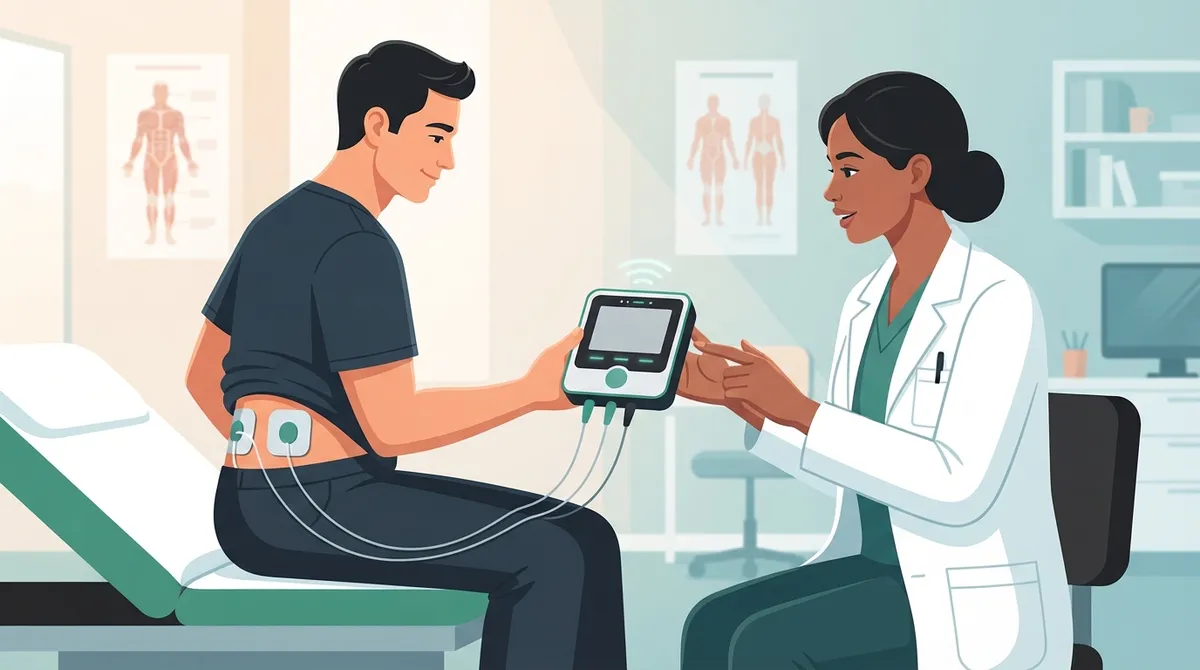
Clear patient education reduces misuse and improves adherence, which directly supports better outcomes. For clinics wanting to refine their patient instructions, our resource on how to set your TENS unit to the right intensity level offers practical, patient-friendly guidance.
Comparing Electrotherapy to Medication-Based Approaches
The CDC has highlighted nonopioid therapies, including electrical stimulation, as important components of comprehensive pain management strategies. Unlike medication, electrotherapy carries minimal systemic side effects and does not present risks of dependency, making it an attractive complement or alternative for many patients.
However, electrotherapy is not positioned as a universal replacement for medication in every case. Severe intractable pain may still require pharmacological intervention or, in select cases, implanted stimulation devices, though these carry procedural risks such as infection and device failure. A balanced program uses electrotherapy to reduce medication reliance where clinically appropriate while recognizing its limitations for the most severe presentations.
Selecting a Trusted Electrotherapy Partner
The effectiveness of any medical pain management program depends heavily on the quality and appropriateness of the equipment used. Liberty Medical Solutions specializes in customized electrotherapy devices and solutions, including TENS units, cervical traction equipment, and TheraKnit garments, designed to meet the specific needs of chiropractic, physical therapy, and auto accident injury practices.
Working with a knowledgeable supplier also simplifies the insurance verification process, since providers experienced with commercial PPO/POS plans, workers’ compensation, and auto accident claims can help clinics avoid common billing pitfalls. This support allows clinical staff to focus on patient care rather than administrative troubleshooting.
Key Factors When Evaluating a Supplier
- Range of product offerings, including devices for both in-clinic and take-home use
- Experience working with insurance types relevant to your patient population
- Quality certifications and manufacturing standards for medical devices
- Availability of clinical education resources and ongoing provider support
- Responsiveness for warranty registration, supply requests, and patient billing questions
A supplier who understands both the clinical and administrative sides of electrotherapy can significantly reduce the friction involved in expanding a pain management program, according to research summarized in the National Library of Medicine.
Measuring Success and Adjusting Your Program
Once electrotherapy is integrated into your practice, ongoing measurement ensures the program continues delivering value. Track outcomes such as patient-reported pain scores, functional improvement metrics, medication usage changes, and patient adherence to home-use protocols.
Regularly review which devices and protocols yield the strongest results for specific conditions, and be willing to adjust based on emerging evidence. As research from sources like Mayo Clinic continues to refine best practices in electrotherapy application, staying current allows your practice to maintain a competitive, evidence-based approach to pain management.
Conclusion
Building an effective medical pain management program around electrotherapy requires thoughtful assessment, careful device selection, integrated treatment protocols, and clear patient education. Chiropractors, physical therapists, and auto accident injury clinics that invest in the right technology and insurance support can offer patients meaningful, non-opioid relief while strengthening clinical outcomes and practice reputation. If you are ready to expand your pain management capabilities with reliable, clinically supported electrotherapy solutions, reach out to our team today to discuss the right equipment and insurance support for your practice.
FAQs
Q: What is medical pain management using electrotherapy?
A: Medical pain management using electrotherapy involves applying controlled electrical currents through devices like TENS units to modulate pain signals, stimulate nerves and muscles, and support recovery. It is typically used alongside other treatments such as manual therapy, exercise, and traction rather than as a standalone solution.
Q: How does electrotherapy reduce pain?
A: Electrotherapy delivers low-level electrical impulses that interrupt pain signal transmission to the brain and may stimulate the release of endorphins, the body’s natural pain-relieving chemicals. This mechanism allows patients to experience reduced pain perception without relying solely on medication.
Q: What is the difference between TENS and H-Wave therapy?
A: TENS primarily targets pain signal interruption for general acute and chronic pain relief and has a long-established safety profile. H-Wave therapy uses a different electrical waveform and has shown comparatively stronger evidence for refractory chronic pain conditions, including improved function and reduced medication use.
Q: Is electrotherapy safe for home use?
A: Many electrotherapy devices, particularly TENS units, are designed and approved for home use when patients receive proper instruction on electrode placement and intensity settings. Clinics should still review contraindications, such as pacemakers or impaired skin sensation, before prescribing take-home devices.
Q: How does electrotherapy compare with medication-based pain management?
A: Electrotherapy offers a non-invasive option with minimal systemic side effects and no risk of dependency, making it a valuable complement to or substitute for medication in appropriate cases. However, severe intractable pain may still require pharmacological treatment, so electrotherapy is best used within a broader, individualized pain management plan.