Key Takeaways
-
Electrotherapy devices like TENS, EMS, and IFC offer drug-free pain management alternatives; clinics treating specific conditions should match the right modality (TENS for pain blocking, EMS for muscle re-education, IFC for deep tissue) to maximize patient outcomes.
-
The electrotherapy market is projected to grow from USD 2.08 billion in 2024 to nearly USD 5 billion by 2035, driven by aging populations and public health initiatives promoting non-opioid alternatives, creating increased demand for informed device selection.
-
Before purchasing pain control devices, clinics must evaluate patient population needs, device programmability, insurance billing compatibility (PPO/POS, workers' compensation, auto claims), and home-use options to ensure clinical effectiveness and workflow efficiency.
-
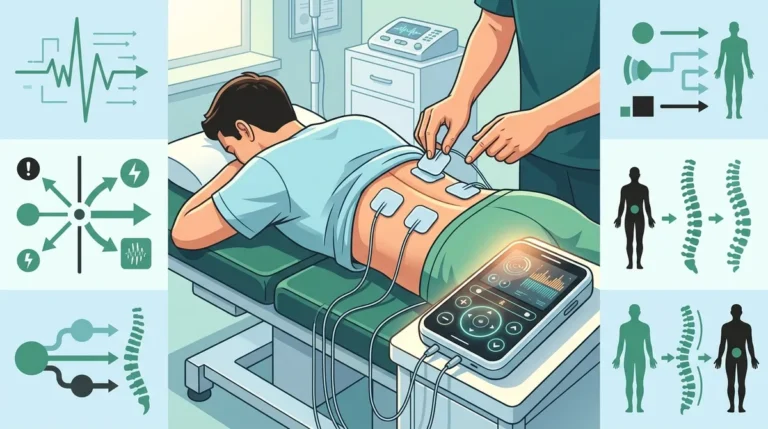
TENS units work by sending low-voltage electrical currents through skin electrodes to stimulate sensory nerves, block pain signals, and trigger endorphin release—a mechanism called gate control theory that's extensively studied and safe for both clinical and home use.
-
Integrating electrotherapy devices alongside manual therapy, exercise, and thermal therapy improves patient adherence and satisfaction because early relief encourages continued treatment engagement throughout the rehabilitation cycle.
-
Home electrotherapy devices require clear patient instructions on electrode placement, session duration, and contraindications (pacemakers, certain skin conditions); providers should source from suppliers offering reliable support, warranty registration, and ongoing supply replenishment.
Choosing the right pain control devices can determine whether a patient progresses steadily through rehabilitation or struggles with recurring discomfort that limits function. For physical therapy clinics, chiropractic practices, and auto accident injury centers, electrotherapy has become a cornerstone of non-invasive pain management, offering a drug-free path to recovery that complements manual therapy and exercise. With the electrotherapy devices market projected to grow from USD 2.08 billion in 2024 to nearly USD 5 billion by 2035, providers have more options than ever, but also more complexity to navigate when equipping their practices.
This guide breaks down the categories of pain control devices available today, explains how each technology works, and outlines the practical factors clinics should weigh before purchasing. Whether you are outfitting a new rehabilitation suite or replacing outdated equipment, understanding these distinctions will help you select devices that deliver measurable clinical results while supporting efficient, insurance-friendly workflows.
What Are Pain Control Devices in Electrotherapy?
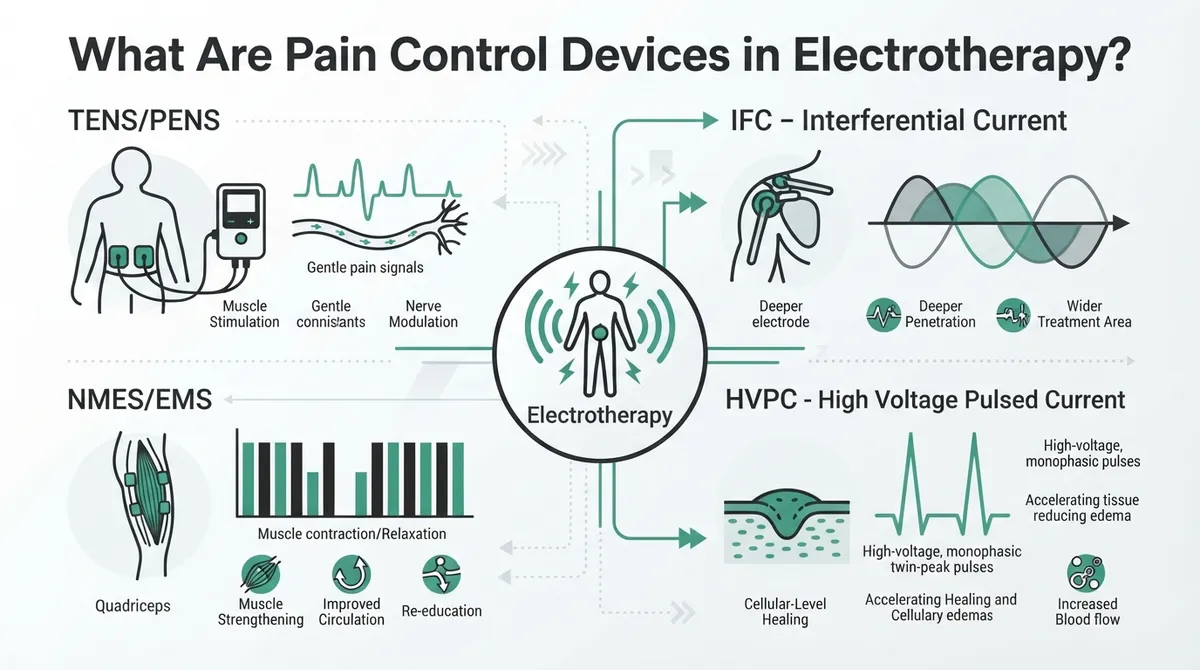
Pain control devices in the electrotherapy space use controlled electrical impulses to stimulate nerves and muscles, interrupting pain signals and promoting the body’s natural healing response. Unlike pharmaceutical interventions, these devices work externally through electrodes placed on the skin, making them safe for both clinical supervision and home use. According to the National Institutes of Health, chronic pain affects a substantial portion of U.S. adults, underscoring the need for accessible, non-opioid management options.
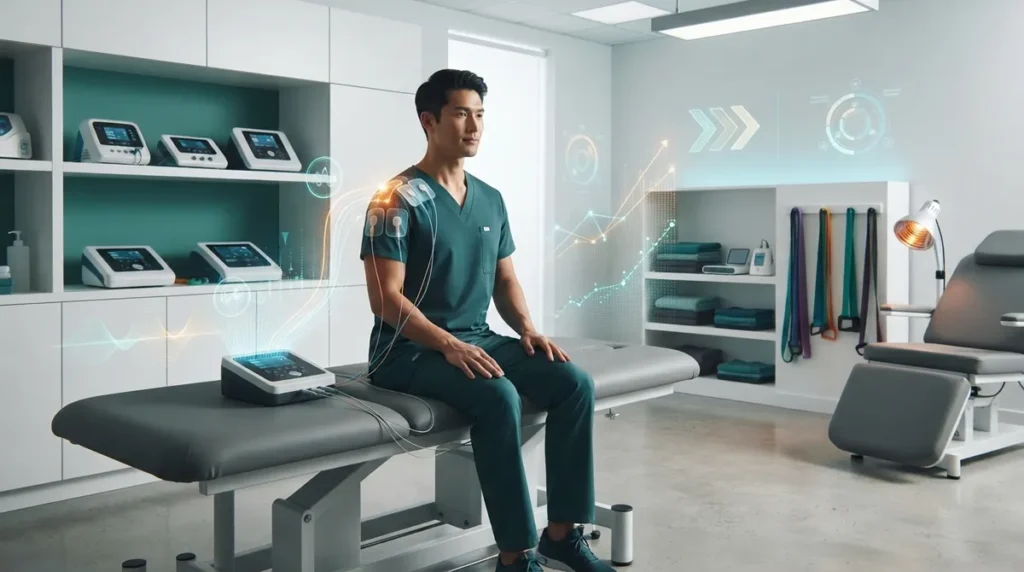
These systems are increasingly positioned within broader treatment plans rather than as standalone solutions. Clinics that integrate electrotherapy products alongside exercise, manual adjustment, and thermal therapy often report better patient adherence and satisfaction because patients feel relief early in the treatment cycle.
Core Categories of Pain Control Devices
Understanding the distinctions between device types helps clinics match the right technology to specific patient needs. Below is a breakdown of the primary categories used in clinical and home settings.
| Device Type | Primary Function | Common Clinical Use |
|---|---|---|
| TENS (Transcutaneous Electrical Nerve Stimulation) | Blocks pain signals via sensory nerve stimulation | Chronic pain, post-op recovery, back pain |
| EMS/NMES (Neuromuscular Electrical Stimulation) | Stimulates muscle contraction for re-education | Muscle atrophy, spasm relief, rehabilitation |
| Interferential Current (IFC) | Delivers deeper tissue penetration with reduced discomfort | Musculoskeletal injuries, deep tissue pain |
| Iontophoresis | Delivers medication through the skin via electrical current | Localized inflammation, tendonitis |
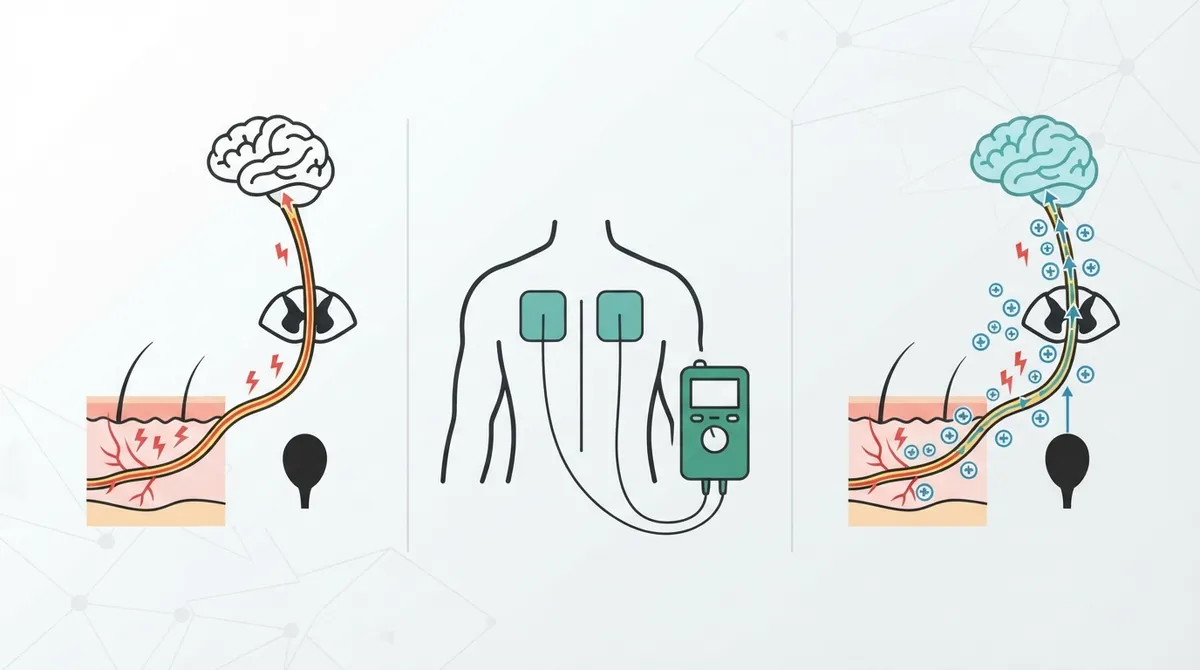
How TENS Units Work for Pain Relief
TENS units send low-voltage electrical currents through electrodes placed near the site of pain, stimulating sensory nerves and triggering the release of endorphins while blocking pain signals from reaching the brain. This mechanism, often referred to as the “gate control theory” of pain, has been studied extensively and is detailed by the Cleveland Clinic as a safe, adjustable therapy for various pain conditions.
For physical therapy clinics, TENS devices offer a versatile tool that can be used during in-office sessions or prescribed for home use between visits. Clinics researching device options can review detailed guidance on what TENS units actually do for clinical pain management to better align device selection with patient diagnoses.
Distinguishing TENS, EMS, and IFC Devices
While these three modalities are often grouped together, each serves a distinct clinical purpose. Selecting the wrong device for a patient’s condition can delay recovery or produce suboptimal results.
- TENS targets pain perception directly and is ideal for patients seeking symptomatic relief without muscle activation.
- EMS/NMES causes visible muscle contractions, making it suitable for strengthening weakened muscles or preventing atrophy after injury or surgery.
- IFC combines two medium-frequency currents to reach deeper tissues with less surface discomfort, often preferred for larger muscle groups or chronic musculoskeletal conditions.
- Iontophoresis is reserved for cases requiring targeted anti-inflammatory delivery, such as tendonitis or bursitis.
Clinics can explore comparative clinical insights in this guide on interferential current therapy facts for clinics to determine which modality best complements existing treatment protocols.
Steps to Selecting the Right Pain Control Devices for Your Practice
Choosing equipment requires more than comparing price tags. Clinics should follow a structured evaluation process to ensure devices align with patient populations, staff workflows, and reimbursement realities.
- Assess your patient population. Physical therapy clinics treating post-surgical patients may prioritize EMS for muscle re-education, while chiropractic practices focused on spinal pain often lean toward TENS and IFC combinations.
- Evaluate device portability and programmability. Devices that offer multiple preset programs and adjustable intensity levels allow clinicians to customize treatment without purchasing separate units for each modality.
- Review insurance compatibility. Confirm that selected devices are billable under commercial PPO/POS plans, workers’ compensation, and auto accident claims, which is especially relevant for injury clinics managing diverse payer mixes.
- Consider home-use options. Providing patients with take-home devices supports continuity of care between appointments and can improve long-term outcomes.
- Verify manufacturer support and warranty terms. Reliable technical support and clear warranty registration processes reduce downtime and administrative burden.
Considerations for Chiropractic Practices
Chiropractors frequently pair spinal adjustments with electrotherapy to manage inflammation and muscle tension before and after manipulation. Adding back braces alongside TENS therapy provides patients with structural support during the healing process, particularly for lumbar and cervical conditions. Clinics can review specialized guidance on what makes the best TENS machine for clinical use to ensure equipment matches the demands of a high-volume adjustment practice.
Considerations for Physical Therapy Clinics
Physical therapists often require devices that support both pain relief and active rehabilitation. NMES units are particularly valuable for patients recovering from orthopedic surgery or dealing with muscle weakness following immobilization. For clinics building comprehensive rehabilitation programs, reviewing physical therapy equipment and electrotherapy guidance can clarify which combination of devices best supports diverse caseloads.
Considerations for Auto Accident Injury Clinics
Whiplash, soft tissue damage, and lumbar strain are common after motor vehicle collisions, and electrotherapy plays a central role in early-stage pain management. Clinics treating these cases benefit from devices that address both acute inflammation and longer-term muscle re-education. Understanding the claims process is equally important; providers can learn more about how to use electrotherapy for auto accident treatment and how billing aligns with auto insurance requirements.
Market Growth and Clinical Demand
The expansion of pain control devices reflects broader shifts in healthcare toward non-invasive, drug-free interventions. The following table summarizes recent market data illustrating this trend.
| Market Segment | 2024/2025 Value | Projected Value | CAGR |
|---|---|---|---|
| Electrotherapy Devices Market | USD 2.08B (2024) | USD 4.99B by 2035 | 8.28% |
| Global Electrotherapy Systems | USD 5.9B (2024) | USD 9.0B by 2030 | 7.3% |
| Pain Management Devices & Therapies | USD 5.34B (2025) | USD 7.38B by 2030 | 6.4% |
| Electrotherapy System Outlook | USD 7.63B (2026) | USD 12.73B by 2034 | 7.1% |
This sustained growth is driven by an aging population, rising chronic pain prevalence, and public health initiatives encouraging alternatives to opioid-based treatment. The FDA has actively promoted non-opioid pain management options, while the CDC has published clinical guidance supporting electrotherapy and similar modalities as part of comprehensive pain management strategies.
Are Electrotherapy Pain Control Devices Effective for Chronic Pain?
Clinical research supports the use of electrotherapy for a range of chronic pain conditions, including lower back pain, osteoarthritis, and fibromyalgia. A review published in Pub Med highlights consistent evidence for TENS as an adjunct therapy, particularly when combined with active rehabilitation programs. Similarly, findings summarized by the National Library of Medicine reinforce the value of electrical stimulation in reducing reliance on pharmaceutical pain management.
Additional resources from WebMD and the Mayo Clinic reiterate that while individual results vary, electrotherapy remains a low-risk, evidence-supported option for chronic pain populations when applied correctly and monitored by trained clinicians.
Home Use Safety Considerations
Many patients benefit from continuing therapy at home between clinical visits. Devices designed for home use typically feature simplified controls, preset programs, and safety mechanisms that prevent excessive intensity. Clinics prescribing home units should provide clear instructions on electrode placement, session duration, and contraindications, particularly for patients with pacemakers or certain skin conditions. Clinics can reference this resource on TENS units for home use clinics should prescribe to guide patient selection.
Building a Sustainable Equipment Strategy
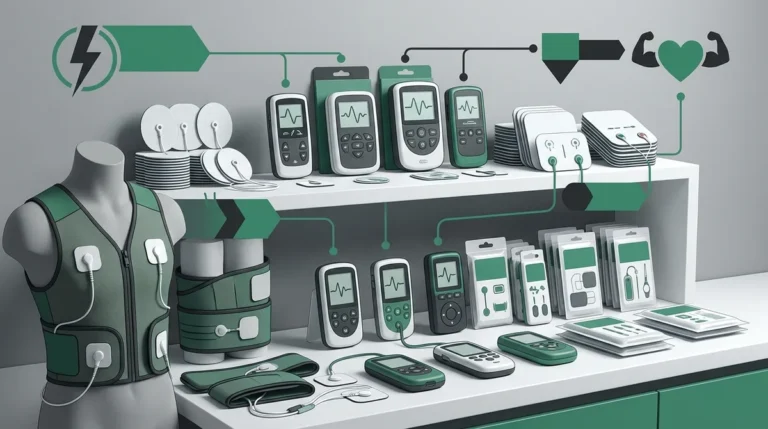
Clinics that invest in reliable, clinically validated pain control devices position themselves for long-term success. Beyond initial purchase decisions, ongoing considerations include electrode replacement, device calibration, and staff training on updated protocols. Sourcing from a knowledgeable supplier ensures clinics receive not only quality equipment but also guidance on insurance billing, warranty registration, and supply replenishment.
Liberty Medical Solutions has supported clinics, chiropractors, and injury treatment centers with customized electrotherapy solutions, including TENS devices, conductive garments, and TheraKnit garments. The company’s experience working with commercial PPO/POS plans, workers’ compensation, and auto accident claims makes it a practical resource for practices navigating both clinical and administrative complexities of pain management equipment procurement.
Conclusion
Selecting the right pain control devices requires balancing clinical effectiveness, patient safety, and practical considerations like insurance compatibility and ease of use. As the electrotherapy market continues its steady growth toward a projected USD 12.73 billion by 2034, clinics that stay informed about device capabilities and emerging technology will be better positioned to deliver measurable patient outcomes. Whether you operate a physical therapy clinic, chiropractic practice, or auto injury treatment center, choosing equipment backed by clinical evidence and reliable support ensures your patients receive consistent, effective care.
Ready to explore customized electrotherapy solutions tailored to your practice’s needs? Get in Touch with Our Team to discuss device options, insurance compatibility, and ongoing support for your clinic.
FAQs
Q: What are pain control devices in electrotherapy?
A: Pain control devices in electrotherapy use controlled electrical impulses delivered through skin electrodes to stimulate nerves and muscles, reducing pain perception and supporting recovery. Common examples include TENS units, EMS/NMES devices, and interferential current systems used in clinical and home settings.
Q: How do TENS units work for pain relief?
A: TENS units send low-voltage electrical currents through electrodes to stimulate sensory nerves, which helps block pain signals and trigger the release of natural endorphins. This non-invasive approach is commonly used for chronic pain, post-operative recovery, and musculoskeletal conditions.
Q: What is the difference between TENS, EMS, and IFC devices?
A: TENS primarily targets pain signal blocking without causing muscle contraction, while EMS/NMES stimulates muscles directly to support strengthening and re-education. Interferential current (IFC) devices combine two currents to reach deeper tissues with less surface discomfort, making them suitable for larger muscle groups.
Q: Are electrotherapy pain control devices effective for chronic pain?
A: Clinical research supports electrotherapy as an effective adjunct therapy for chronic pain conditions such as lower back pain and osteoarthritis, particularly when combined with active rehabilitation. Results vary by patient, but these devices are widely regarded as a low-risk, evidence-supported option.
Q: Can electrotherapy devices be used at home safely?
A: Yes, many devices are designed specifically for home use with simplified controls and preset safety programs. Patients should receive clear instructions from their provider on electrode placement, session duration, and any contraindications before beginning home therapy.