
Key Takeaways
-
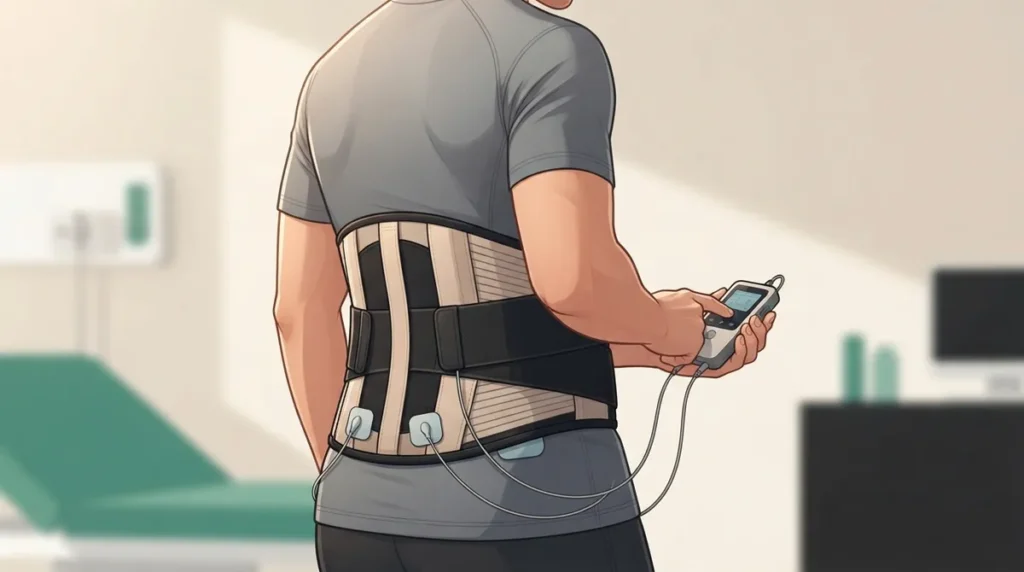
Combine back braces with TENS therapy as complementary adjunctive tools rather than standalone treatments; braces improve electrode positioning, encourage postural awareness, and provide portable home-use options between clinical visits.
-
Position back braces and TENS as short-term comfort aids, not long-term cures; a 2023 WHO review found only marginal pain reduction from TENS with very low certainty, so honest patient communication builds trust and improves rehabilitation adherence.
-
Use brace-specific fitting protocols: assess patient diagnosis, verify electrode sites remain accessible and unobstructed, test TENS at low intensity with the brace worn, and review session duration and skin-check routines at follow-up visits.
-
Screen patients for TENS contraindications before combining bracing and electrotherapy, including pregnancy, epilepsy, implanted electrical devices like pacemakers, neurological deficits, or red-flag symptoms such as unexplained weight loss or bowel/bladder changes.
-
Select brace types based on support level needed: elastic compression for light support with easy electrode access, semi-rigid orthoses for moderate-to-high support post-injury, and electrode-access wraps or conductive garments for patients requiring daily wear with scheduled TENS sessions.
-
Train clinical staff consistently on both brace fitting and electrode placement, document brace type and TENS parameters at each visit, and reassess the need for continued bracing at regular intervals to prevent prolonged immobilization without professional oversight.
Patients recovering from lumbar strain, disc irritation, or whiplash-related back pain often ask providers the same question: should I wear a back brace, use electrotherapy, or both? For chiropractic practices, physical therapy clinics, and auto accident injury clinics, the answer increasingly involves combining both approaches. Back brace solutions, when integrated thoughtfully with TENS therapy, may support electrode positioning, encourage postural awareness, and give patients a portable option for home use between office visits. This article reviews five practical back brace solutions for use alongside electrotherapy, explains the evidence behind bracing and TENS, and outlines fitting, safety, and contraindication guidance every clinical team should know.
According to the National Institutes of Health, chronic pain affects a substantial share of American adults, and low back pain remains among the most common presentations in chiropractic, physical therapy, and auto injury settings. Understanding how bracing and electrical stimulation can be responsibly combined helps clinics offer patients a more complete, evidence-informed recovery pathway.
Why Back Brace Solutions Matter for Electrotherapy Providers
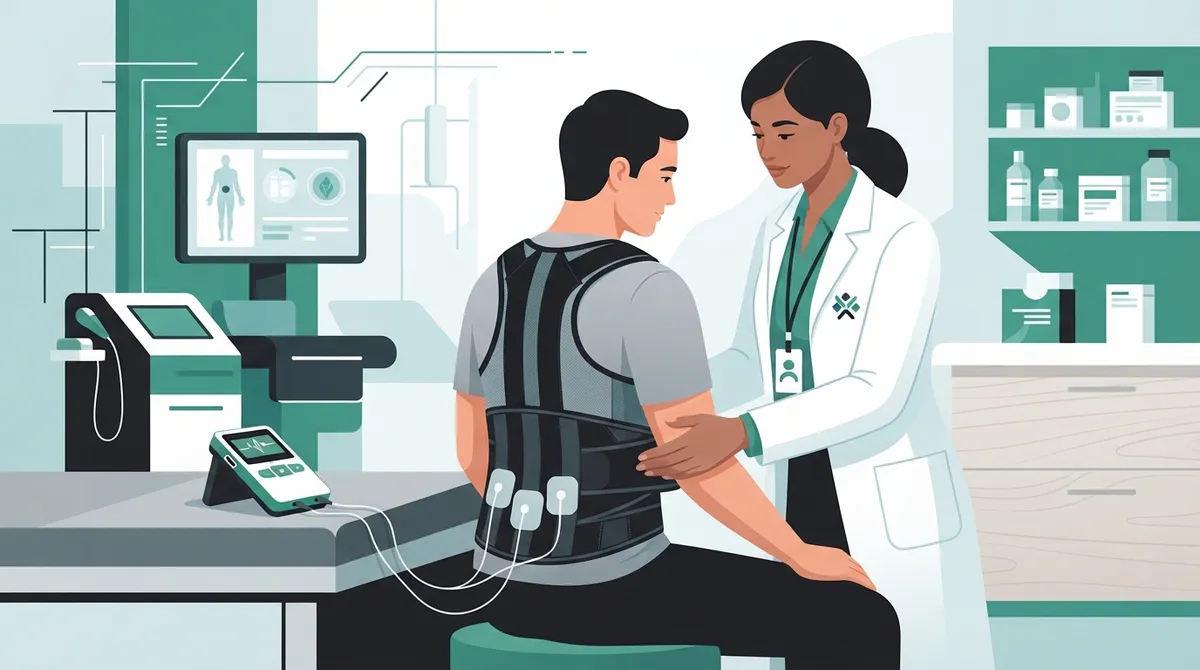
A back brace is not a substitute for diagnosis or active rehabilitation, and it is not a replacement for electrical stimulation. Instead, it functions as an adjunct: a tool that can improve comfort, stabilize electrode placement, and support patients as they transition from clinical treatment to home-based care. For clinics that already provide TENS devices, offering compatible bracing options creates a more cohesive treatment package.
Evidence on lumbar supports for nonspecific low back pain remains mixed. Clinical guideline material does not support routine use of lumbar supports to prevent back pain, and braces are generally best presented to patients as short-term comfort or functional aids rather than a long-term cure. This distinction matters for provider credibility and for setting realistic patient expectations.
The Role of TENS in a Combined Approach
Transcutaneous electrical nerve stimulation delivers low-voltage current through skin electrodes to modulate pain perception. A 2022 systematic review and meta-analysis of 91 randomized controlled trials involving 4,841 participants found a standardized mean difference of −0.96 in pain intensity favoring TENS over placebo, with moderate certainty of evidence, as reported in National Library of Medicine research summaries. The same review found no statistically significant difference in adverse events between TENS and comparator groups across 18 trials and 1,587 participants.
However, a 2023 systematic review prepared to inform a World Health Organization guideline on chronic primary low back pain found only a marginal immediate-term pain reduction from TENS, with very low certainty of evidence. This underscores why back brace solutions and TENS should be framed as complementary tools within a broader treatment plan rather than standalone cures.
5 Back Brace Solutions to Pair With Electrotherapy Devices
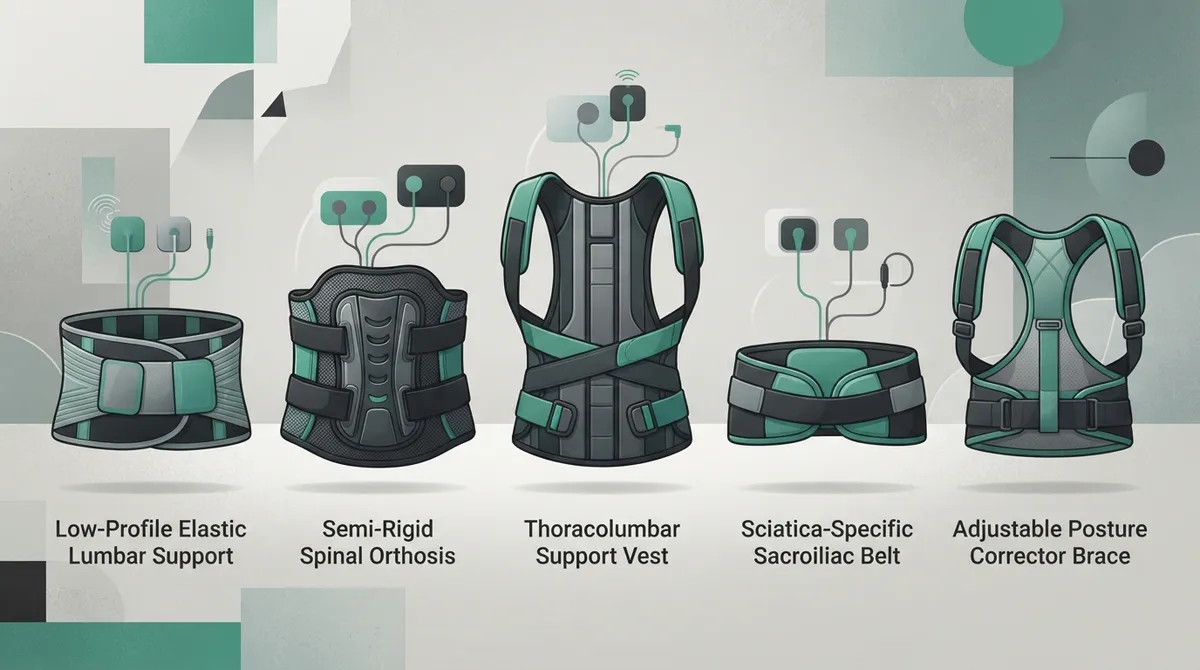
1. Elastic Compression Lumbar Support
Soft, elastic lumbar braces provide gentle compression and proprioceptive feedback, reminding patients to maintain posture during daily activities. These braces are lightweight and often compatible with electrode placement on the lower back, making them a common starting point for patients using home TENS units after a chiropractic adjustment or physical therapy session.
2. Semi-Rigid Thoracolumbosacral Orthosis
For patients requiring greater motion restriction, such as those recovering from moderate strain or post-accident injury, semi-rigid orthoses offer more structured support. These braces typically incorporate rigid panels or stays alongside flexible material, and clinicians should verify that electrode sites remain accessible and unobstructed when fitting the device.
3. Adjustable Compression Wraps With Electrode Access Panels
Some brace designs now include openings or adjustable panels specifically intended to accommodate electrode leads. This style is particularly useful for auto accident injury clinics treating whiplash-associated back pain, where patients may need to wear a brace throughout the day while also running scheduled TENS sessions at home.
4. Conductive Garment Integration
Rather than layering a separate brace over electrode pads, some patients benefit from conductive garments that combine support with built-in conductive fabric zones. These garments can simplify electrode application and improve consistency of contact, which is especially helpful for patients who struggle with traditional adhesive electrodes due to skin sensitivity.
5. TheraKnit Style Wearable Support
Knit-based wearable supports, such as those in the TheraKnit Garments line, offer breathable, form-fitting compression designed for extended daily wear. These are often favored by patients who need discreet support under clothing while continuing intermittent electrotherapy sessions prescribed by their provider.
| Brace Type | Support Level | Best Paired Use | Typical Duration |
|---|---|---|---|
| Elastic Compression Support | Light | Home TENS after adjustment | Short-term, daytime use |
| Semi-Rigid TLSO | Moderate to High | Post-injury stabilization | Several weeks under supervision |
| Electrode-Access Wrap | Light to Moderate | Combined brace and TENS sessions | Daily, adjustable |
| Conductive Garment | Light | Simplified electrode application | Session-based or extended wear |
| Knit Wearable Support | Light | Discreet daily support | Extended daily wear |
Fitting and Skin-Safety Practices for Combined Use
When a brace and a TENS device are used together, proper fitting and electrode placement are essential to avoid skin irritation and ensure effective stimulation. Clinical teams should follow a consistent process when introducing patients to combined bracing and electrotherapy.
Step-by-Step Fitting Process
- Assess the patient’s diagnosis, pain location, and required support level before selecting a brace type.
- Identify electrode placement sites according to the device manufacturer’s instructions, avoiding areas of broken, infected, or irritated skin.
- Fit the brace so that it does not compress electrodes excessively or shift their position during movement.
- Test the TENS unit at a low intensity setting while the brace is worn to confirm stimulation reaches the intended area comfortably.
- Review session duration and skin-check routines with the patient, and document tolerance at follow-up visits.
Common issues associated with TENS use include skin irritation, tenderness, and unpleasant stimulation sensations, most of which are preventable with correct electrode placement and adherence to session guidelines. For a deeper look at proper pad positioning, providers can reference this guide on TENS unit pad placement tips for clinical results.
Contraindications and When to Refer for Assessment
Not every patient is a candidate for combined bracing and electrotherapy. Providers should screen for specific conditions before recommending either intervention.
- TENS should not be applied over the eyes, broken or infected skin, or directly over known malignant sites.
- Patients who are pregnant, have epilepsy, or use implanted electrical devices such as pacemakers, implantable cardioverter-defibrillators, or spinal cord stimulators require additional medical guidance before starting electrotherapy.
- Back pain accompanied by neurological deficits, changes in bowel or bladder function, fever, major trauma, or unexplained weight loss warrants prompt medical evaluation rather than self-managed bracing or stimulation.
- Rigid or semi-rigid braces should be reassessed periodically, since prolonged rigid immobilization without professional oversight may affect muscle conditioning.
The FDA has emphasized expanding access to non-opioid pain management tools, and electrotherapy devices cleared for over-the-counter or clinical use, such as those referenced in FDA 510(k) summaries for TENS devices, typically specify maximum electrode power density limits to maintain safety during extended wear.
Evidence Snapshot: What the Research Shows
| Study or Source | Population/Sample | Key Finding |
|---|---|---|
| 2022 Systematic Review (BMJ Open) | 91 RCTs, 4,841 participants | SMD −0.96 pain reduction vs. placebo; moderate certainty |
| 2023 WHO Guideline Review | 9 RCTs, chronic primary LBP | Marginal pain reduction (−0.90); very low certainty |
| 2019 Elastic Brace Trial | 36 participants, acute LBP | No significant pain effect at 1 or 3 weeks |
| 2014 Brace Comparison Study | 60 participants, compression fractures | No significant differences between rigid, soft, or no brace |
These findings, drawn from sources including Pub Med and peer-reviewed guideline reviews, reinforce that back brace solutions and TENS should be positioned as adjunctive comfort and support measures rather than guaranteed cures. Clinics that communicate this honestly tend to build stronger patient trust and better long-term adherence to full rehabilitation plans.
Integrating Bracing and Electrotherapy Into a Rehabilitation Plan
For chiropractic practices, back braces can complement spinal adjustments by giving patients a take-home tool that reinforces postural habits between visits. Physical therapy clinics often use bracing during the early phase of a rehabilitation program, gradually reducing reliance on the brace as strength and mobility improve through supervised exercise. Auto accident injury clinics frequently combine bracing with electrotherapy to manage whiplash and soft tissue injuries while documentation supports insurance claims processes, including workers’ compensation and auto accident claims.
Liberty Medical Solutions works with clinics across these settings to provide customized electrotherapy devices and back brace options that integrate smoothly into existing treatment protocols. Because the company works with commercial PPO/POS plans, workers’ compensation, and auto accident claims, clinics can offer patients accessible options without unnecessary administrative friction. Browsing the full range of products available can help providers identify the right combination of bracing and stimulation equipment for their patient population.
Practical Considerations for Clinic Staff
- Train staff on both brace fitting and electrode placement to avoid inconsistent patient instructions.
- Document brace type, TENS parameters, and patient tolerance at each visit to track outcomes over time.
- Reassess the need for continued bracing at regular intervals rather than allowing indefinite use without review.
- Coordinate with referring physicians when patients present with red-flag symptoms requiring further diagnostic workup.
Resources such as the Cleveland Clinic overview of TENS therapy and the WebMD summary of TENS for back pain can serve as useful patient education handouts when explaining how bracing and stimulation work together.
Choosing the Right Supplier for Combined Solutions
Not all suppliers offer equipment designed to work well together. Clinics should look for providers who understand both orthopedic bracing and electrotherapy device specifications, and who can advise on compatibility between brace materials and electrode adhesion. A supplier familiar with insurance billing nuances, including commercial PPO/POS plans, workers’ compensation, and third-party liability claims, can also reduce administrative delays that might otherwise interrupt patient care.
Providers evaluating new equipment should also consider device certifications and manufacturing standards. Clinics can review guidance on ISO 13485 certified electrotherapy devices to understand what quality benchmarks to expect from a reputable supplier.
Conclusion
Back brace solutions, when paired responsibly with TENS therapy, can offer chiropractic practices, physical therapy clinics, and auto accident injury clinics a practical way to support patient comfort, improve electrode consistency, and bridge the gap between in-office treatment and home care. The evidence base for both bracing and electrotherapy remains mixed, which means clear patient communication, proper fitting, and ongoing clinical assessment are essential to responsible use. Clinics that combine these tools thoughtfully, while screening for contraindications and red-flag symptoms, are better positioned to deliver measurable, trustworthy outcomes. To explore customized back brace and electrotherapy device options for your practice, get in touch with our team at Liberty Medical Solutions today.
FAQs
Q: What is the best back brace to use with a TENS or electrotherapy device?
A: The best choice depends on the patient’s diagnosis and required support level. Elastic compression braces work well for light support and easy electrode access, while semi-rigid orthoses suit patients needing greater motion restriction; both should allow unobstructed electrode placement.
Q: Can you wear a back brace while using TENS?
A: Yes, many patients wear a back brace while using TENS, provided the brace does not compress electrodes excessively or cover damaged skin. Electrode placement should follow device instructions, and fit should be checked to ensure consistent skin contact.
Q: Does a back brace help chronic low back pain or only provide temporary support?
A: Current evidence suggests back braces generally offer short-term comfort and functional support rather than a long-term cure for chronic low back pain. Guideline material does not support routine bracing for prevention, so braces are best used as an adjunct alongside exercise and clinical care.
Q: Is TENS effective for sciatica, slipped discs, or nonspecific low back pain?
A: Research shows TENS may provide short-term pain relief for some patients, though evidence for chronic primary low back pain is rated very low certainty with only marginal benefit. Individual response varies, so TENS should be used as part of a broader treatment plan rather than a standalone solution.
Q: Who should not use a TENS device with a back brace?
A: Patients who are pregnant, have epilepsy, or use implanted electrical devices such as pacemakers should seek medical guidance before starting TENS. Additionally, anyone with broken or infected skin, neurological deficits, or unexplained symptoms like fever or weight loss should be medically assessed before combining bracing and electrotherapy.