Key Takeaways
-
Implement comprehensive safety screening before home use, including checks for contraindications like pacemakers, pregnancy, skin integrity issues, and cognitive limitations, with re-screening at follow-up visits as patient conditions change.
-
Provide hands-on device training and electrode placement demonstrations to patients, as verbal instructions alone rarely translate to confident home use and proper technique is critical for treatment effectiveness.
-
Establish adherence monitoring through structured home treatment logs tracking pain levels, settings used, session duration, and functional changes, as individual adherence ranges from 55% to 99% and ongoing monitoring remains essential.
-
Create clear written safety guidance on when electrotherapy cannot be used (driving, bathing, machinery operation) and warning signs requiring immediate discontinuation (persistent skin irritation, unexpected pain, burning sensations).
-
Provide dedicated troubleshooting support through clinic staff or manufacturer customer service to prevent minor technical issues from causing patients to abandon therapy entirely.
-
Develop insurance navigation resources to help patients understand coverage requirements and documentation needs, reducing treatment interruptions caused by reimbursement uncertainty.
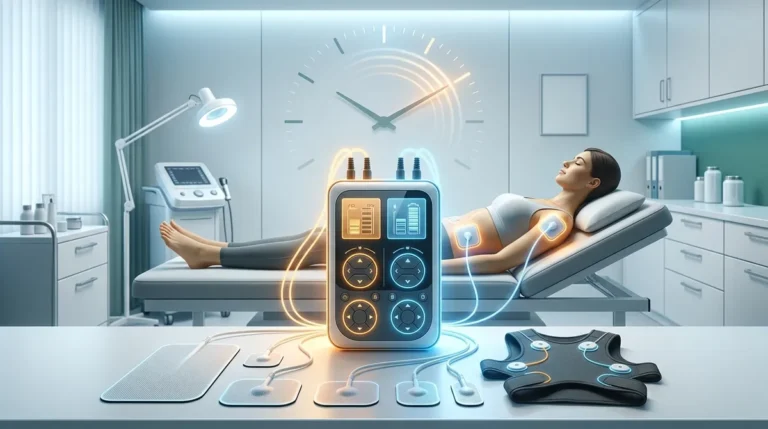
Prescribing a TENS unit, NMES device, or cervical traction system is only the beginning of a patient’s electrotherapy journey. Without structured patient support resources, even the most advanced equipment can go unused, be misapplied, or fail to deliver measurable outcomes. For physical therapy clinics, chiropractic practices, and auto accident injury clinics, building a reliable support infrastructure around electrotherapy devices is what separates a one-time device handoff from a sustained clinical success story.
Patients who receive proper education, safety screening, and ongoing troubleshooting are far more likely to adhere to home treatment plans and report meaningful improvements in pain, mobility, and function. This article outlines eleven essential patient support resources that clinics should implement when integrating electrotherapy into their treatment protocols, along with practical guidance on safety, documentation, and insurance coordination that providers working with Liberty Medical Solutions can put into practice immediately.
1. Individualized Treatment Education at the Point of Prescription
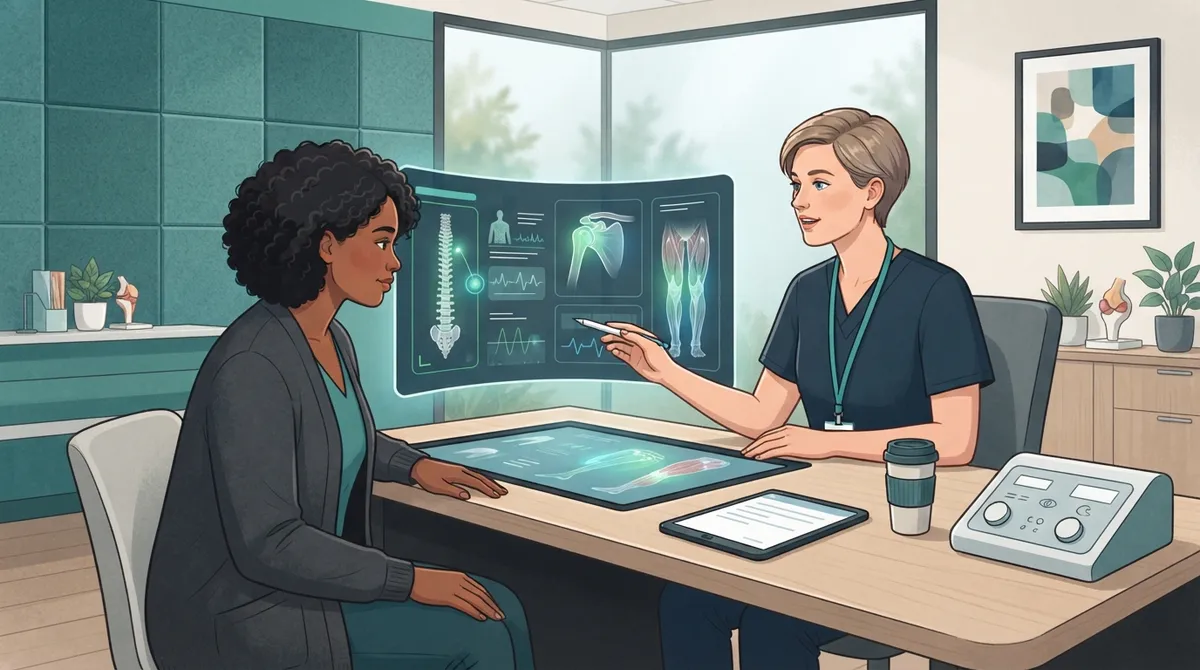
Every patient support program should begin with a clear, individualized conversation about the treatment goal. Whether a chiropractor is prescribing a TENS unit for symptomatic pain relief or a physical therapy clinic is using NMES to address muscle weakness following an injury, patients need to understand why this specific therapy was chosen for their condition. Clear expectations at this stage reduce confusion later and improve long-term adherence to devices used at home.
Clinics should explain expected sensations, realistic timelines for symptom improvement, and how the device fits within a broader rehabilitation or pain management plan. This is especially important for auto accident injury clinics, where patients may be anxious about new equipment following a traumatic event such as whiplash or soft tissue injury.
2. Comprehensive Safety Screening Before Home Use
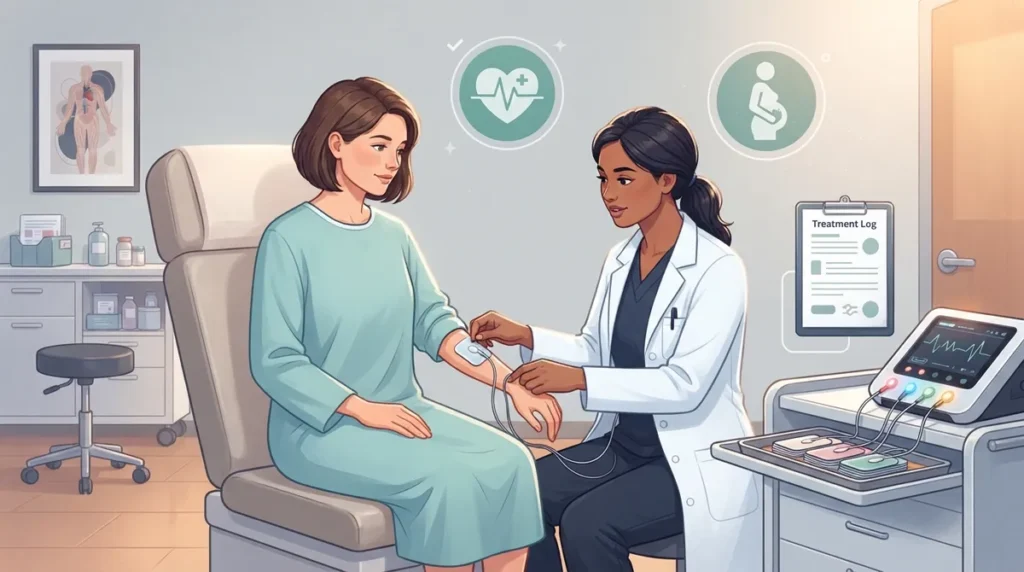
Before any electrotherapy device leaves the clinic, patients must be screened for contraindications. According to clinical guidance summarized in a review published by the National Library of Medicine, screening should assess impaired sensation, compromised skin integrity, circulation issues, cognitive or communication limitations, pregnancy, recent surgery or fracture, cardiac conditions, and the presence of implanted electronic devices such as pacemakers or defibrillators.
This screening step is not a one-time formality. Patients’ conditions can change over time, particularly in workers’ compensation or auto accident cases where healing progresses in stages. Clinics should build re-screening checkpoints into follow-up visits to confirm continued suitability for home electrotherapy.
Key Contraindications to Document
- Implanted pacemakers, defibrillators, or neurostimulators
- Pregnancy, particularly for abdominal or lower back placement
- Active skin infections, open wounds, or irritated skin
- Recent fractures or unstable joints near the treatment area
- Severe cognitive or communication impairments limiting self-reporting
3. Device-Specific Training and Hands-On Demonstration
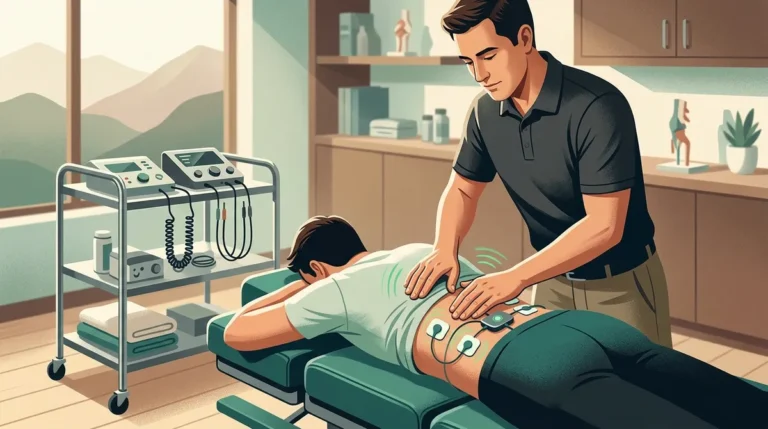
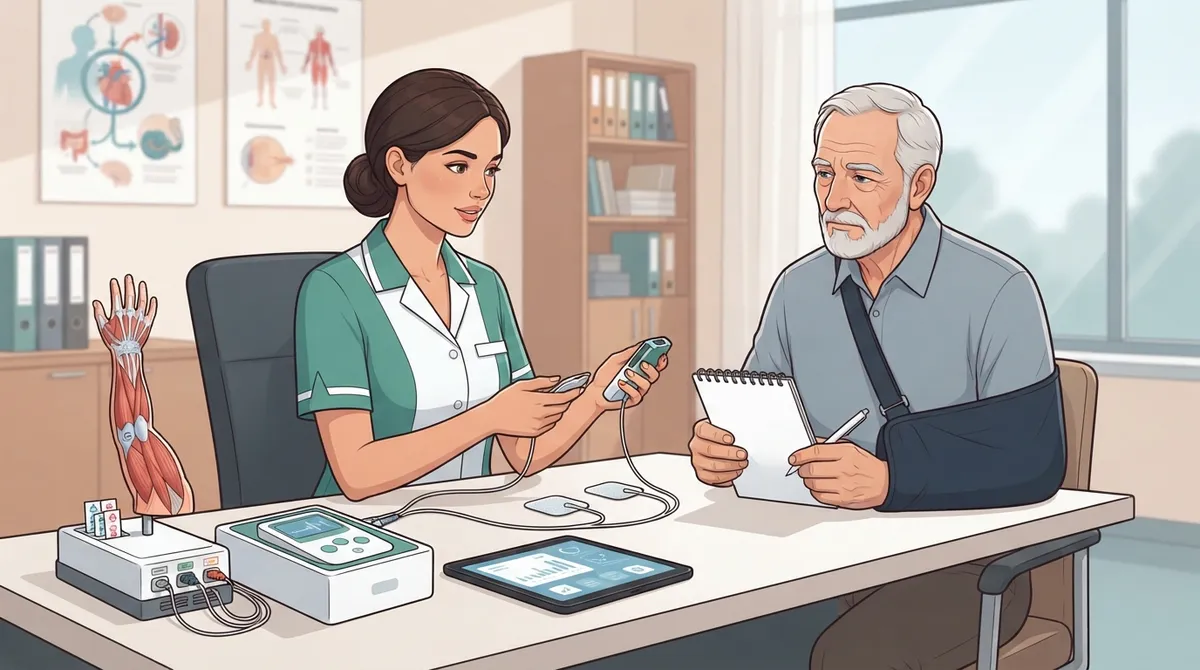
Verbal instructions alone rarely translate into confident home use. Patients should receive hands-on demonstration of their specific device, including how to power it on and off, adjust intensity, select programs, and interpret indicator lights or error messages. This is particularly critical for chiropractic practices that may prescribe a range of back braces and stimulation devices depending on the patient’s presenting complaint.
Clinics that reference structured guides, such as those found in a clinical guide for chiropractic TENS unit selection, often find it easier to standardize training across their staff, ensuring every patient receives consistent, accurate instruction regardless of which provider handles the fitting.
4. Electrode Placement Guidance and Skin Care Instructions
Correct electrode placement is one of the most common sources of patient error and one of the easiest to correct with proper education. Electrodes should only be applied to clean, dry, intact skin with preserved sensation. Commonly avoided areas include the anterior neck, the eyes, open or infected wounds, irritated skin, areas with transdermal medication patches, and any location near an implanted electronic device.
Patients should also be taught proper skin care between sessions, including cleaning the treatment area, rotating electrode placement slightly to avoid irritation, and replacing pads that no longer adhere well. Clinics working with conductive garments should reference fitting resources such as guidance on how to fit conductive garments for better TENS results to ensure even contact and consistent stimulation delivery.
Common Electrode Placement Errors to Correct
- Placing electrodes on broken, irritated, or infected skin
- Positioning pads too close to the anterior neck or carotid sinus
- Failing to clean the skin before application, reducing adhesion and conductivity
- Leaving worn or poorly adhering pads in place instead of replacing them
- Overlapping electrode leads in a way that creates unintended current paths
5. Clear Guidance on Treatment Timing and Restricted Activities
Patients need explicit instructions about when electrotherapy should not be used. Home devices should never be operated while driving, operating heavy machinery, bathing, showering, or swimming. The device should always be switched off before electrodes are applied or removed, reducing the risk of unexpected stimulation spikes.
This guidance is especially relevant for auto accident injury clinics, where patients may be managing multiple medications or recovering from injuries that affect coordination and alertness. Clear written instructions, not just verbal reminders, help reinforce these safety boundaries at home.
6. Troubleshooting Support and Responsive Customer Service
Even well-trained patients will encounter questions once they begin independent home use. A dedicated troubleshooting resource, whether through a clinic’s own staff or a manufacturer’s customer service line, prevents minor issues from becoming reasons to abandon therapy altogether. Common troubleshooting needs include weak or inconsistent stimulation, device error codes, battery or charging issues, and questions about replacement electrodes or lead wires.
Clinics that partner with an established supplier benefit from having a reliable escalation path for complex technical issues. Providers can reach out to our support team for troubleshooting assistance, replacement parts, or clarification on device settings whenever a patient’s needs exceed in-house resources.
7. Adherence Monitoring and Home Treatment Logs
Structured tracking tools help both patients and clinicians understand whether a treatment plan is working. Patients can record pain or function levels before and after each session, stimulation settings used, session duration, any skin reactions, and changes in sleep, mobility, or daily activities. This data becomes valuable during follow-up visits and, in workers’ compensation or auto accident cases, can support documentation required for continued authorization.
Research on adherence patterns offers useful context. A 2021 systematic review of NMES interventions for hip and knee osteoarthritis found mean adherence of 85% ± 12% for NMES compared with 84% ± 9% for exercise or education control groups, a difference that was not statistically significant. However, the same review noted individual adherence ranges as wide as 55% to 99%, underscoring why ongoing monitoring and encouragement remain essential rather than optional.
8. Outcome Tracking Aligned with Clinical Goals
Beyond adherence, clinics should track meaningful outcomes tied to each patient’s treatment goals. This might include standardized pain scales, functional mobility assessments, medication usage changes, or progress toward specific rehabilitation milestones. Physical therapy clinics integrating TENS or NMES into broader rehabilitation programs often find that outcome tracking strengthens the clinical narrative needed for insurance reauthorization.
The National Institutes of Health has highlighted the widespread prevalence of chronic pain among U.S. adults, reinforcing why structured, non-opioid pain management tools deserve rigorous outcome documentation. Clear records help demonstrate value not only to patients but also to referring physicians and insurance reviewers.
9. Specialized Support for Spinal Cord Stimulation Patients
Patients being evaluated for spinal cord stimulation require a distinctly more intensive support pathway than those using standard TENS or NMES devices. This includes specialist evaluation, a formal trial period before permanent implantation, detailed implantation education, programming support after the device is placed, and long-term follow-up to adjust settings as needed.
While most physical therapy clinics and chiropractic practices will not manage spinal cord stimulation directly, understanding this escalation pathway helps providers refer patients appropriately when conservative electrotherapy options have been exhausted. Coordination with a specialist team ensures continuity of care and appropriate expectation-setting for patients considering this more invasive option.
10. Recognizing Warning Signs and Knowing When to Stop Treatment
Patient education must include clear criteria for discontinuing treatment and contacting a clinician. According to a clinical evidence review summarized by StatPearls, no serious adverse events were associated with TENS in a large systematic review and meta-analysis of adults with acute or chronic pain, though the most commonly reported problems involved local skin reactions such as redness, itching, burning, or contact dermatitis.
The Cleveland Clinic and other clinical resources advise patients to stop treatment and contact their provider if they experience persistent skin irritation, unexpected pain during stimulation, burning sensations, or any signs of an allergic reaction to electrode adhesive. Clinics should provide this guidance in writing, not just verbally, so patients have a reference available at home.
| Warning Sign | Recommended Action |
|---|---|
| Persistent redness or itching at electrode site | Discontinue use, switch electrode placement, contact clinic if it does not resolve |
| Burning or sharp pain during stimulation | Turn off device immediately and reassess intensity settings with clinician |
| Numbness or tingling beyond treatment area | Stop treatment and contact provider to rule out placement or nerve issues |
| Signs of adhesive allergy (rash, blistering) | Discontinue electrode brand, consult clinic for hypoallergenic alternatives |
| Device malfunction or inconsistent output | Stop use and contact customer support for troubleshooting or replacement |
11. Insurance Navigation and Reimbursement Assistance
For many patients, the biggest barrier to consistent electrotherapy use is uncertainty about coverage. Clinics benefit from having dedicated resources to help patients understand documentation requirements, whether their care falls under commercial PPO/POS plans, workers’ compensation, or auto accident and third-party liability claims. Clear communication about what is covered, what documentation is needed, and how out-of-network benefits apply reduces patient anxiety and prevents treatment interruptions.
Clinics working with auto accident injury cases in particular benefit from providers experienced in navigating claims processes. Liberty Medical Solutions supports clinics across these insurance categories, helping ensure that patients receive the electrotherapy products they need without unnecessary administrative delays. The FDA has emphasized the importance of expanding access to non-opioid pain management options, and structured insurance support is a practical way clinics can act on that guidance.
Building a Sustainable Patient Support Framework
Taken together, these eleven resources form a complete patient support ecosystem rather than a checklist of isolated tasks. Clinics that invest in structured education, safety screening, device training, adherence tracking, and insurance navigation consistently report better patient satisfaction and stronger clinical outcomes. The CDC continues to recommend non-pharmacological pain management strategies, and electrotherapy, when properly supported, fits squarely within that recommendation.
Clinics interested in strengthening their electrotherapy patient support programs, whether through updated conductive garments, refreshed training materials, or improved insurance coordination, can connect with our team to discuss customized solutions tailored to their patient population and specialty. Sustained support does not end at the point of device delivery; it continues through every follow-up visit, every troubleshooting call, and every documented outcome.
Conclusion
Patient support resources are the foundation that transforms electrotherapy devices from simple equipment into effective, sustained treatment tools. From initial education and safety screening through electrode placement guidance, adherence monitoring, and insurance assistance, each element plays a distinct role in patient success. Physical therapy clinics, chiropractic practices, and auto accident injury clinics that prioritize these eleven support pillars position themselves to deliver measurable, defensible clinical outcomes while building lasting patient trust. To explore customized electrotherapy solutions backed by responsive patient support, get in touch with Liberty Medical Solutions today.
FAQs
Q: What patient support resources should an electrotherapy company provide?
A: A complete program includes treatment education, device-specific training, safety screening, electrode-placement guidance, troubleshooting support, adherence and outcome tracking, and reimbursement assistance. These resources ensure patients use devices correctly and clinics can document meaningful clinical outcomes.
Q: Is electrotherapy safe for people with pacemakers or other implanted devices?
A: Patients with pacemakers, defibrillators, or other implanted electronic devices require careful clinical evaluation before starting electrotherapy, as stimulation may interfere with device function. This screening should occur before any home device is issued, and placement must avoid areas near the implant.
Q: Where should TENS or NMES electrodes be placed, and which areas should be avoided?
A: Electrodes should be placed on clean, dry, intact skin with normal sensation, avoiding the anterior neck, eyes, open wounds, irritated skin, and areas near implanted electronic devices. Proper placement, confirmed through hands-on training, significantly reduces skin irritation and improves treatment effectiveness.
Q: What side effects or warning signs should cause a patient to stop electrotherapy?
A: Patients should discontinue use and contact their clinician if they experience persistent skin redness, burning pain during stimulation, numbness beyond the treatment area, or signs of an adhesive allergy. While serious adverse events are rare, prompt reporting of these symptoms helps prevent complications.
Q: Does insurance cover TENS, NMES, or spinal cord stimulation, and what documentation is required?
A: Coverage varies by plan type, including commercial PPO/POS, workers’ compensation, and auto accident claims, and typically requires documented medical necessity along with a prescribing clinician’s treatment plan. Working with a provider experienced in insurance navigation helps reduce delays and clarify out-of-network benefit options.