Key Takeaways
-
TENS units are most effective as short-term pain relief tools within multimodal treatment plans combining manual therapy, exercise, and posture correction—not as standalone solutions for chronic low-back pain.
-
A 2024 systematic review found no significant TENS advantage over active controls for chronic low-back pain, while 2022 meta-analysis evidence supports moderate benefit for acute pain and conditions like osteoarthritis with strong, comfortable stimulation.
-
Chiropractors should screen patients for contraindications including pacemakers, cardiac conditions, epilepsy, and pregnancy before recommending TENS, and document baseline pain scores with reassessment intervals.
-
Proper electrode placement avoiding the anterior neck, eyes, and open wounds, combined with correct intensity settings, is essential; patients showing burning sensations, worsening pain, or cardiac symptoms should discontinue immediately.
-
TENS differs from EMS (muscle contraction/strengthening) and interferential current (deeper tissue penetration), so condition-specific recommendations matter more than universal application across all back and neck pain cases.
-
Practices that frame TENS as a pain-perception management tool enabling better exercise participation—not a disease cure—build stronger patient trust and achieve better long-term satisfaction and documented outcomes.
Patients frequently ask their chiropractor whether a TENS unit belongs in their treatment plan, and the answer is more nuanced than a simple yes or no. Transcutaneous electrical nerve stimulation has earned a place in many chiropractic practices as a short-term, noninvasive tool for pain modulation, but it is rarely presented as a standalone solution. Understanding when and how chiropractors recommend TENS units helps clinics set realistic patient expectations while helping patients get genuine value from the modality.
For chiropractic practices, physical therapy clinics, and auto accident injury centers, the decision to recommend a TENS device involves clinical screening, condition-specific evidence, and a clear understanding of how electrotherapy fits into a broader care plan. This article examines the current research, the practical reasoning behind chiropractic recommendations, and what providers should consider before adding TENS to a patient’s home-care regimen. It also addresses safety considerations and the distinction between TENS and other electrical stimulation modalities that clinics commonly use.
Why Chiropractors Consider TENS Units for Patient Care
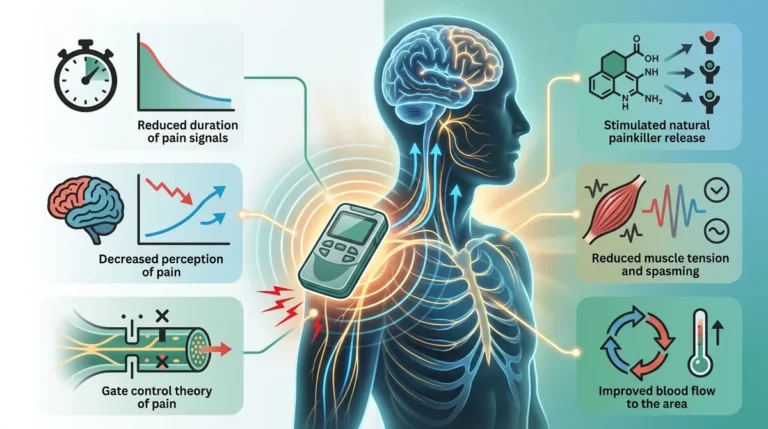
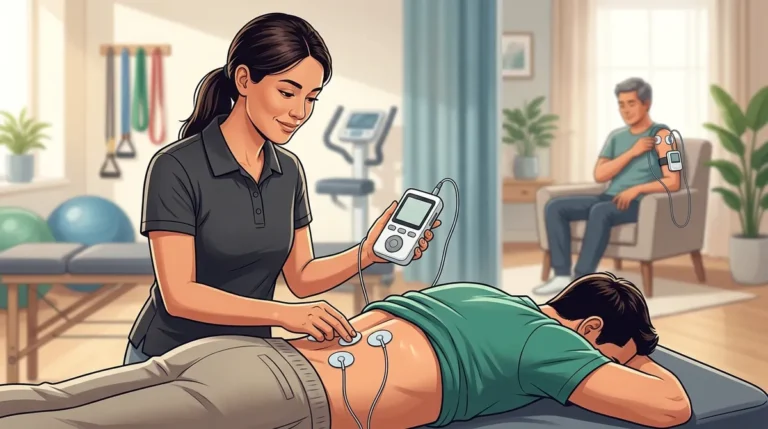
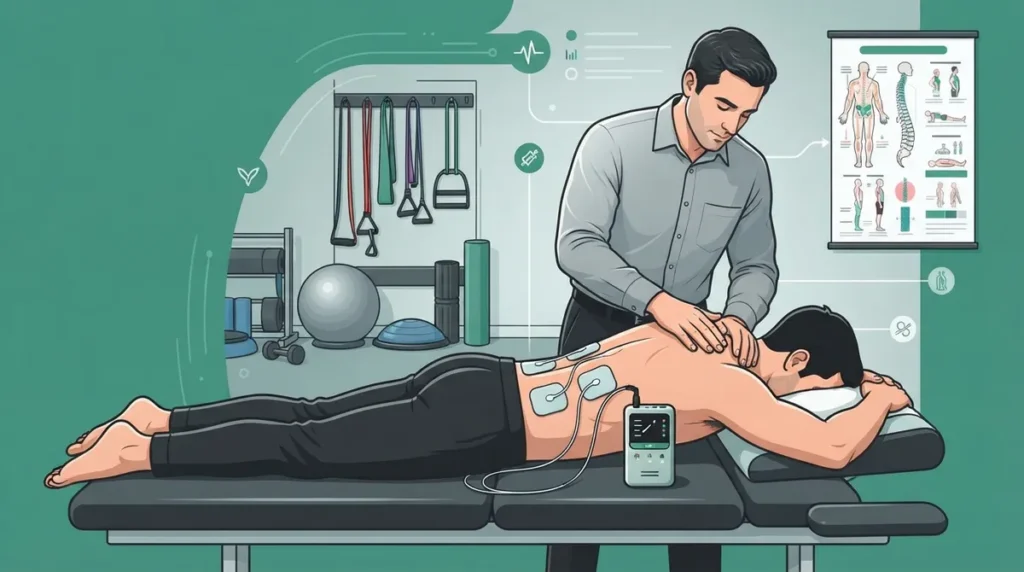
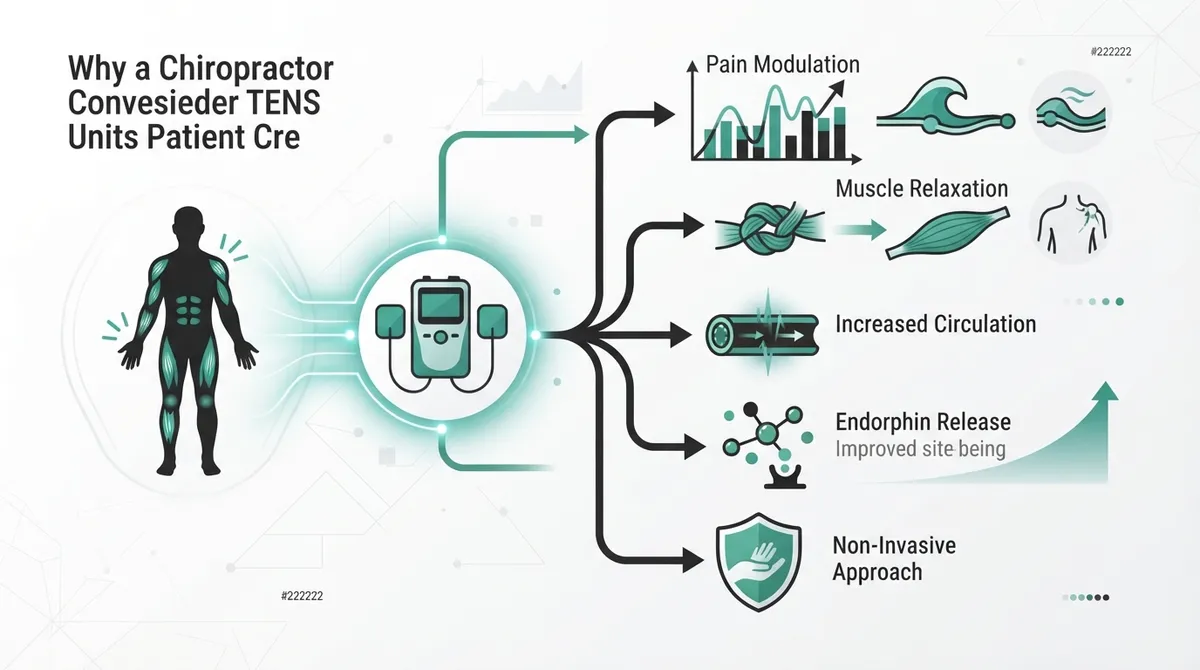
Chiropractors who recommend TENS typically do so as an adjunct to manual therapy, exercise, and postural correction rather than as a replacement for spinal adjustment. The rationale is straightforward: TENS delivers low-voltage electrical impulses through adhesive electrodes to modulate pain perception, which can help patients tolerate movement, participate in rehabilitation exercises, and manage discomfort between office visits. This makes it particularly useful for muscular pain, neck and back discomfort, and joint-related conditions that limit a patient’s ability to engage in active care.
Recommendation patterns vary significantly by practitioner training, patient presentation, and local scope-of-practice regulations. Some chiropractors integrate TENS units into nearly every treatment plan involving soft tissue pain, while others reserve it for specific cases such as post-adjustment soreness or chronic cervical-thoracic discomfort. According to a href=”https://my.clevelandclinic.org/health/treatments/15840-transcutaneous-electrical-nerve-stimulation-tens”>Cleveland Clinic, TENS is generally considered safe and well tolerated when used correctly, which supports its role as a conservative, low-risk option within multimodal care.
The Multimodal Care Rationale
The strongest clinical justification for chiropractic TENS recommendations rests on the concept of layered treatment. Rather than functioning as an isolated cure, TENS works best when combined with:
- Manual spinal adjustments and manipulation
- Therapeutic exercise and stretching protocols
- Patient education on posture and activity modification
- Complementary supports such as back braces for structural stability
- Heat, ice, or other conservative pain-management techniques
Chiropractors who present TENS honestly as one piece of a larger strategy tend to see better patient satisfaction and more realistic outcome expectations. Framing the device as a symptom-management tool, rather than a disease-modifying treatment, protects both the patient relationship and the clinic’s credibility.
What the Research Actually Shows
Evidence for TENS effectiveness varies considerably depending on the condition being treated and the timeframe being measured. Clinics that recommend TENS units should be familiar with this research so they can set accurate expectations with patients.
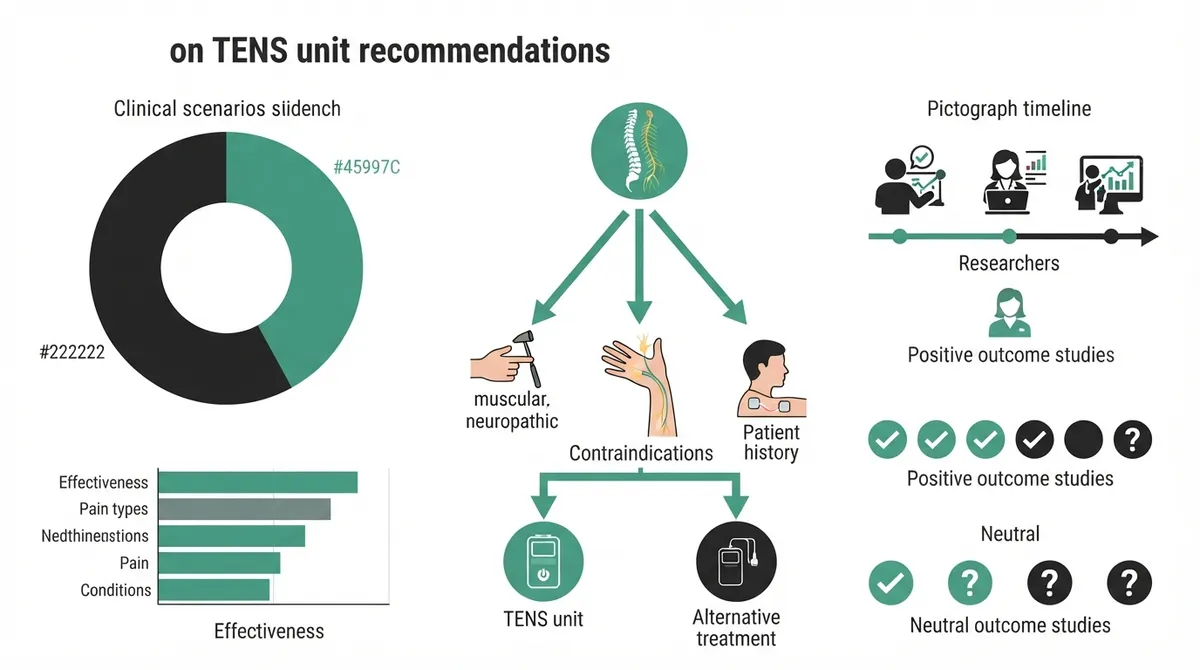
A 2022 meta-analysis published in BMJ Open and referenced by the National Library of Medicine reviewed 381 studies examining TENS for acute and chronic pain in adults. The analysis found moderate-certainty evidence that strong, comfortable stimulation could produce clinically meaningful pain reduction during or immediately after treatment, with no serious adverse events reported across the included studies. This supports short-term use for symptom relief, particularly during flare-ups or immediately following manual therapy sessions.
However, the picture becomes more complicated for chronic low-back pain specifically. A 2024 systematic review and meta-analysis examining electrical muscle stimulation, interferential current, and TENS reviewed 89 full texts and included 14 studies, with 6 contributing to formal meta-analyses. The findings showed no significant TENS advantage over active or passive controls for pain or disability, whether measured immediately after treatment or at one-month follow-up. Similarly, a Cochrane review cited by Pub Med found consistent evidence from two trials involving 410 participants that TENS did not improve disability outcomes for chronic low-back pain, and the review did not support routine use for this condition.
Condition-Specific Guidance Matters
These mixed findings underscore why blanket recommendations are inappropriate. Clinical guidelines summarized in a 2022 evidence review indicate that some professional bodies support TENS as an adjunct for conditions such as osteoarthritis, rheumatoid arthritis, and chronic cervical-thoracic pain, while others explicitly recommend against routine use for nonspecific chronic low-back pain. This means a chiropractor’s decision to recommend TENS should be condition-specific rather than applied universally across every patient with back or neck complaints.
Interestingly, the 2024 systematic review found that interferential current therapy showed benefit over active control in two studies, while EMS results varied depending on the comparison group. This suggests that clinics evaluating interferential current therapy alongside TENS may find complementary applications depending on the patient’s specific presentation and treatment goals.
| Modality | Primary Mechanism | Best-Supported Use Cases |
|---|---|---|
| TENS | Nerve stimulation for pain gate modulation | Acute pain, short-term symptom relief, osteoarthritis |
| EMS | Direct muscle contraction stimulation | Muscle re-education, disuse atrophy prevention |
| Interferential Current | Deeper tissue penetration via crossed currents | Deeper musculoskeletal pain, some chronic conditions |
How Chiropractors Screen Patients Before Recommending TENS
Responsible use of TENS units begins with clinical screening rather than automatic prescription. Chiropractors and physical therapists should evaluate several factors before recommending home use of an electrotherapy device.
- Confirm the treatment goal. Is the objective short-term symptom relief, improved participation in exercise, or management of pain between office visits?
- Review contraindications. Patients with pacemakers, certain cardiac conditions, epilepsy, or pregnancy require additional caution or physician clearance.
- Assess the pain pattern. Localized muscular pain generally responds better to TENS than diffuse or neuropathic pain patterns.
- Explain proper electrode placement. Correct pad positioning around the affected area, avoiding the anterior neck, eyes, and open wounds, is essential for both safety and efficacy.
- Set intensity and duration parameters. Patients should understand how to set their TENS unit to the right intensity level to achieve strong, comfortable stimulation without discomfort or skin irritation.
- Schedule reassessment. A follow-up visit should confirm whether the device is producing meaningful pain or functional improvement, or whether the treatment plan needs adjustment.
This structured approach distinguishes a clinically sound recommendation from a generic suggestion to “try a TENS unit at home.” Clinics that build this screening process into their intake workflow tend to see higher patient compliance and better documented outcomes, which matters for both patient satisfaction and insurance justification.
Safety Considerations and When to Stop Use
TENS is generally well tolerated, but chiropractors should educate patients on warning signs that warrant discontinuation and clinical review. Common minor issues include skin irritation at the electrode site or unpleasant stimulation sensations. More serious symptoms that require immediate medical review include burning sensations, worsening pain, dizziness, heart palpitations, unexpected muscle contractions, or neurologic symptoms such as numbness or tingling that persists after treatment.
Patients with implanted pacemakers or defibrillators, those who are pregnant, and individuals with epilepsy should not use TENS without explicit clearance from their physician. Placement over the carotid sinus, directly over the eyes, or across the chest in patients with cardiac devices is contraindicated. Clinics should document this screening as part of standard intake procedures, particularly for auto accident treatment cases where injury patterns and patient histories vary widely.
Integrating TENS Into Chiropractic and Physical Therapy Workflows
For practices considering how to formally incorporate TENS recommendations into their treatment protocols, the process typically follows a few practical steps:
- Establish clear clinical criteria for which conditions warrant a TENS recommendation
- Train staff on proper electrode placement and device settings for common presentations
- Select clinical-grade devices designed for both in-office and take-home use
- Document baseline pain scores and functional limitations before initiating TENS therapy
- Reassess at scheduled intervals to confirm the device is contributing measurable benefit
- Combine TENS with complementary supports such as conductive garments or TheraKnit garments for patients needing broader coverage or convenience
Practices treating auto accident injuries, in particular, often see value in electrotherapy for whiplash and soft tissue damage, where TENS can help manage acute discomfort while the patient progresses through structured rehabilitation. WebMD notes that TENS is commonly used as part of a broader pain-management approach rather than a sole intervention, which aligns with how most chiropractic and physical therapy clinics currently apply the technology.
Choosing the Right Device for Clinical Use
Not all TENS units are built for the demands of a busy clinical practice. Chiropractors and physical therapists evaluating equipment should look for devices offering adjustable intensity ranges, multiple channel outputs for treating several areas simultaneously, and durable construction suited to frequent use. Liberty Medical Solutions works directly with clinics to identify devices that match specific patient populations, whether that means compact units for take-home use or higher-capacity systems for in-office treatment.
Insurance considerations also play a meaningful role in device selection and patient access. Practices working with commercial PPO/POS plans, workers’ compensation cases, or auto accident claims benefit from partnering with a supplier experienced in navigating these processes. This reduces administrative burden and helps ensure patients receive appropriate equipment without unnecessary delays.
Comparing TENS to Other Electrotherapy Modalities
Chiropractors evaluating electrotherapy options often need to distinguish between TENS, EMS, and interferential current therapy, since each serves a different clinical purpose despite superficial similarities in equipment and application.
| Feature | TENS | EMS |
|---|---|---|
| Primary Goal | Pain relief via nerve stimulation | Muscle contraction and strengthening |
| Sensation | Tingling, buzzing | Visible muscle twitch or contraction |
| Typical Use | Acute or chronic pain management | Muscle re-education, atrophy prevention |
| Home Use Suitability | High, with proper screening | Moderate, often clinic-supervised |
Understanding these distinctions helps chiropractors make more precise recommendations and helps patients understand why their provider might suggest one modality over another. Some clinics choose to offer both, using EMS for muscle-focused rehabilitation goals and TENS for pain modulation during the same treatment plan.
Setting Realistic Patient Expectations
Perhaps the most important aspect of a responsible TENS recommendation is honest communication about what the device can and cannot achieve. TENS does not correct spinal misalignment, heal structural damage, or replace the need for manual adjustment and rehabilitation. It is a tool for managing pain perception, which can create a valuable window for patients to engage more fully in active recovery.
The National Institutes of Health has highlighted the high prevalence of persistent chronic pain among U.S. adults, reinforcing the need for accessible, non-pharmacological pain-management tools within conservative care settings. Chiropractors who frame TENS accurately, as a complementary aid rather than a cure, build stronger trust with patients and set the stage for better long-term outcomes.
Conclusion
Chiropractors do recommend TENS units, but the decision is grounded in clinical judgment rather than routine prescription. The strongest evidence supports short-term pain relief for select conditions, while chronic low-back pain outcomes remain inconsistent across studies. Practices that screen patients carefully, set realistic expectations, and integrate TENS within a broader multimodal plan tend to see the best results for both patient satisfaction and measurable outcomes.
Liberty Medical Solutions has supported chiropractic practices, physical therapy clinics, and auto accident injury centers with customized electrotherapy solutions designed to meet these clinical demands. Whether your practice needs guidance on device selection, insurance navigation, or complementary products like back braces and conductive garments, our team can help you build a program that serves your patients well. Get in touch with our team to discuss which electrotherapy solutions fit your practice’s specific patient needs.
FAQs
Q: Do chiropractors commonly recommend TENS units for back pain?
A: Many chiropractors recommend TENS units as a short-term adjunct for muscular and localized back pain, particularly to support participation in exercise and manual therapy. Recommendation frequency varies by practitioner and patient presentation, and evidence for chronic low-back pain specifically remains inconsistent across clinical studies.
Q: Can a TENS unit be used alongside chiropractic adjustments?
A: Yes, TENS units are commonly used alongside spinal adjustments, exercise, and other conservative therapies as part of a multimodal treatment plan. The device is intended to manage pain perception rather than replace manual chiropractic care.
Q: Does TENS actually work for chronic lower-back pain?
A: Evidence is mixed. A 2024 systematic review found no significant TENS advantage over active or passive controls for chronic low-back pain, and a Cochrane review similarly found no improvement in disability outcomes, so clinicians should apply TENS selectively for this condition.
Q: Who should not use a TENS unit?
A: Individuals with implanted pacemakers or defibrillators, those who are pregnant, and patients with epilepsy should avoid TENS use without physician clearance. Use should also be avoided over broken skin, the anterior neck, or directly over the eyes.
Q: What is the difference between TENS, EMS, and interferential current therapy?
A: TENS targets nerve pathways to modulate pain perception, while EMS stimulates muscle fibers directly to produce contraction for strengthening or re-education. Interferential current therapy uses crossed electrical currents to penetrate deeper tissue, and clinical evidence suggests it may offer additional benefit for certain chronic pain presentations.