Key Takeaways
-
Screen all patients for implanted electronic devices like pacemakers and ICDs before any TENS/EMS use, as electrical stimulation can interfere with device function and sensing.
-
Never place electrodes across the chest, neck, head, or over broken/numb skin, as improper placement can affect heart rhythm, blood pressure, and neurological function.
-
TENS and EMS have different risk profiles: TENS causes mainly localized skin reactions, while EMS carries additional risks of muscle strain and complications near fractures or recent surgical sites.
-
Provide thorough patient education on correct device use, starting at lowest intensity, inspecting skin before/after treatment, and discontinuing if experiencing pain, dizziness, or breathing difficulty.
Physical therapy clinics, chiropractic practices, and auto accident injury centers increasingly rely on electrotherapy to help patients manage pain without escalating to opioids. But before recommending a device for in-clinic or at-home use, providers must be able to answer a fundamental question with confidence: are TENS/EMS devices generally safe? The short answer is yes, for most patients, when the correct device, settings, electrode placement, and treatment duration are followed. However, safety is not automatic or universal, and clinicians who prescribe or dispense these tools carry a responsibility to screen patients properly.
With chronic pain affecting a substantial share of American adults according to the National Institutes of Health, demand for non-pharmacological pain management continues to grow. This article breaks down six essential safety facts every clinic should verify before recommending TENS or EMS therapy, along with practical screening steps, contraindications, and best practices that protect patients and support strong clinical outcomes.
1. TENS and EMS Serve Different Purposes and Carry Different Risk Profiles
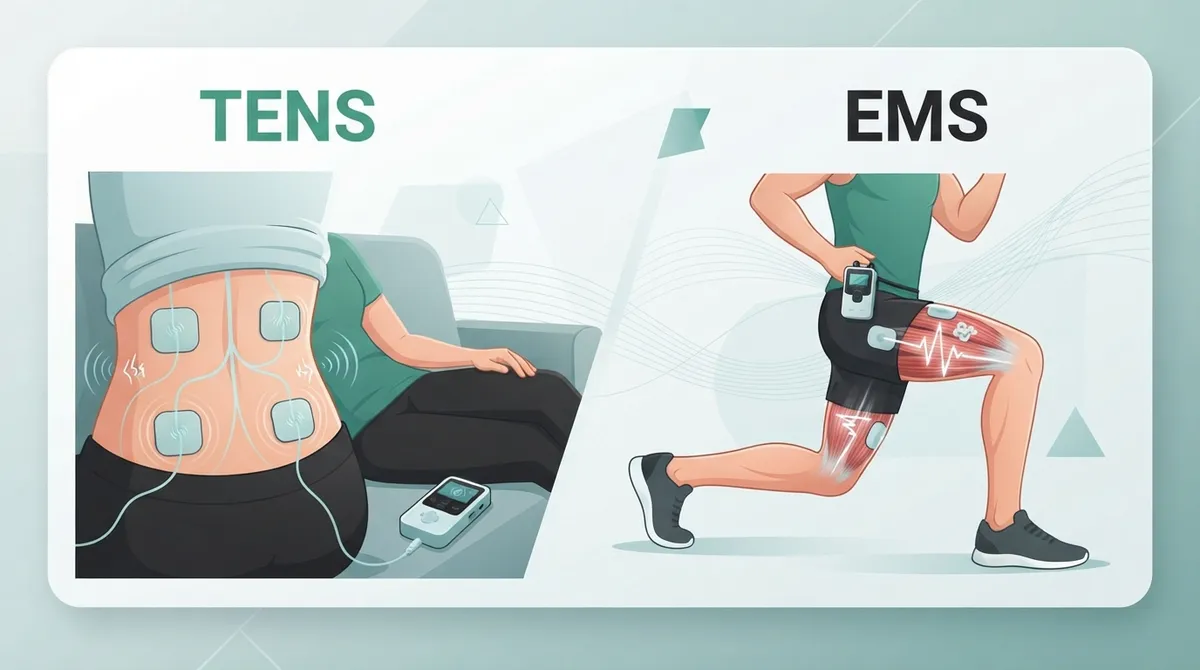
Transcutaneous electrical nerve stimulation (TENS) targets pain signals by stimulating sensory nerves, and it is generally well tolerated when used according to device instructions. Electrical muscle stimulation (EMS), also called neuromuscular electrical stimulation (NMES), instead triggers muscle contraction and is widely used in rehabilitation and muscle re-education following injury or surgery.
Because these modalities work through different mechanisms, their risk profiles differ as well. TENS complications tend to be limited to localized skin reactions, while EMS carries additional precautions related to muscle strain, unstable fractures, and recent surgical sites. Clinics offering both modalities through TENS and EMS devices should train staff to distinguish between these applications when building patient treatment plans.
Common Minor Side Effects
According to a StatPearls clinical review published on the National Library of Medicine platform, TENS is characterized as generally well tolerated, with few expected adverse effects when used appropriately. The most frequently reported issues include:
- Skin irritation, redness, or itching at the electrode site
- Mild discomfort from excessive stimulation intensity
- Electrode-related burns if pads are misused or left in place too long
- Temporary muscle soreness following EMS sessions, particularly with unfamiliar settings
- Localized allergic reactions to electrode adhesive in sensitive patients
These effects are typically preventable through proper patient education, correct electrode sizing, and adherence to manufacturer-recommended intensity levels.
2. Implanted Electronic Devices Require Screening Before Any Electrotherapy Use
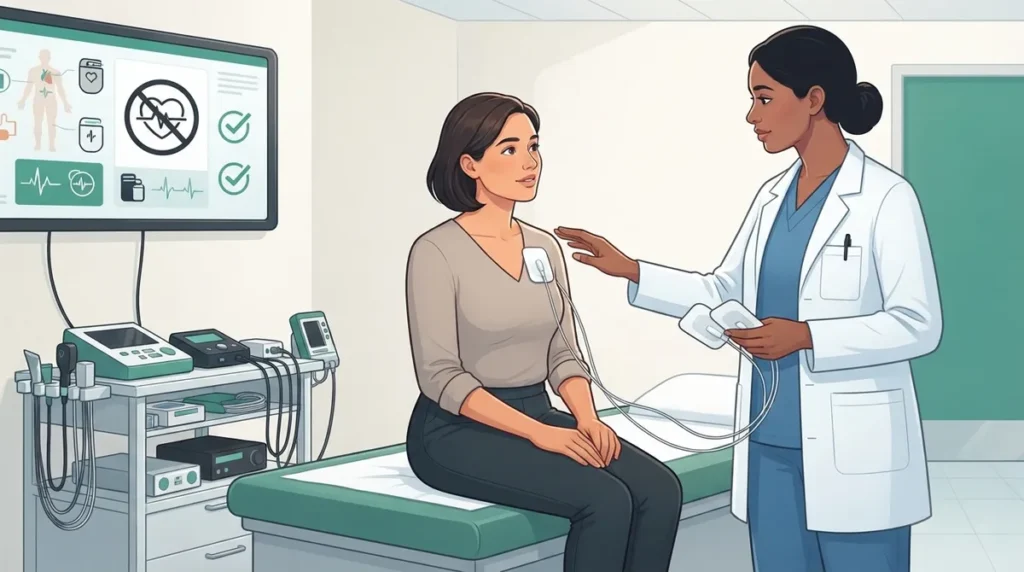
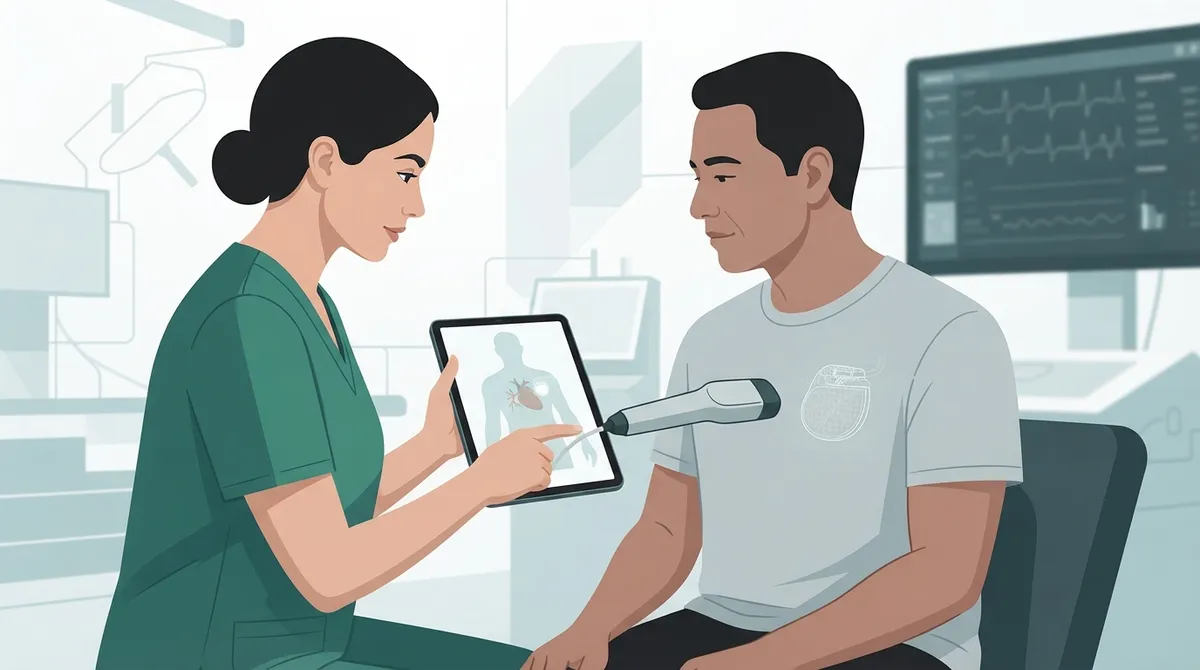
One of the most critical safety checkpoints in any intake process involves identifying patients with implanted electronic medical devices. Pacemakers, implantable cardioverter-defibrillators (ICDs), and implanted neurostimulators can potentially be affected by external electrical stimulation, which may interfere with sensing, pacing, or overall device function.
FDA 510(k) safety summaries for cleared TENS and EMS devices consistently list these implants as contraindications. Clinics should never apply electrical stimulation to a patient with a cardiac implant unless that patient’s cardiologist or specialist has explicitly approved supervised use. This single screening question can prevent serious complications and should be a standard part of every new patient intake form, whether the clinic is a physical therapy practice, chiropractic office, or auto injury center.
3. Certain Anatomical Locations Are Never Appropriate for Electrode Placement
Correct electrode placement is one of the most important safety variables clinicians control directly. Improper placement can affect heart rhythm, blood pressure, breathing, or neurological function, making this an area where clinical training and clear patient instructions matter enormously.
Electrodes should never be placed in the following locations:
- Across the chest or directly over the heart
- On the front of the neck, near the carotid sinus
- Across the head or near the eyes
- Inside the mouth or throat
- In any configuration that sends current through the head
- Over broken, infected, inflamed, or bleeding skin
Clinics using conductive garments or wearable electrode systems should ensure garments are properly fitted so current pathways remain within approved treatment zones. Reviewing proper fitting techniques for conductive garments can help staff avoid placement errors during at-home patient use.
4. Impaired Sensation and Certain Medical Conditions Demand Extra Caution
Patients with reduced sensation in the treatment area present a unique risk because they may not notice excessive heat, pain, or tissue damage during stimulation. This makes proper screening essential before initiating any electrotherapy protocol, particularly for auto accident injury clinics treating patients with nerve involvement from whiplash or spinal trauma.
The following conditions generally require professional evaluation or avoidance of TENS/EMS therapy:
| Condition | Recommendation |
|---|---|
| Epilepsy | Avoid unless cleared by treating physician |
| Pregnancy | Avoid unless recommended by doctor or midwife |
| Pacemaker/ICD | Avoid unless cardiologist approves supervised use |
| Suspected thrombosis or active bleeding | Seek professional advice before use |
| Cancer in treatment area | Seek professional advice before use |
| Recent surgery or unstable fracture | Avoid stimulation over the affected site |
| Severely numb or impaired-sensation skin | Avoid or use only under supervision |
The NHS identifies epilepsy, pacemaker use, and pregnancy as three major situations requiring medical advice before TENS use, a standard that translates directly into U.S. clinical practice. For pregnant patients specifically, electrode placement over the abdomen, pelvis, or lower back should never occur without obstetric guidance, and EMS use during pregnancy should always be discussed with a qualified clinician first.
5. Manufacturer Instructions and Supervised Use Protocols Reduce Risk Significantly
Much of the variability in TENS/EMS safety outcomes comes down to whether patients follow correct usage protocols. Clinics that dispense take-home devices bear responsibility for thorough patient education, since improper use at home is a leading cause of preventable adverse events.
Recommended patient guidance should include the following steps:
- Begin every session at the lowest intensity setting and increase gradually
- Inspect skin before and after each treatment for redness, irritation, or breakdown
- Keep the device and electrodes dry; never use during bathing or showering
- Avoid driving or operating machinery while the device is active
- Do not sleep with a unit switched on unless it is specifically designed and approved for overnight use
- Discontinue immediately if experiencing significant pain, dizziness, palpitations, breathing difficulty, or blistering
Children, patients with cognitive or communication difficulties, and anyone unable to reliably feel or report stimulation intensity should only use these devices under direct clinical or caregiver supervision. Providers offering back braces paired with electrotherapy, or TheraKnit garments for at-home rehabilitation, should include written instructions matching these safety benchmarks with every device dispensed.
6. Working With a Trusted Electrotherapy Provider Improves Safety Outcomes
Device quality, clinical training, and ongoing support all influence how safely TENS and EMS therapy performs in real-world settings. Clinics that partner with an established electrotherapy provider gain access to properly calibrated equipment, clear documentation, and support navigating insurance requirements for commercial PPO/POS plans, workers’ compensation, and auto accident claims.
Liberty Medical Solutions works directly with physical therapy clinics, chiropractic practices, and auto accident injury centers to supply customized electrotherapy products, including cervical traction units, back braces, and conductive garments, while helping providers navigate the insurance landscape that makes these treatments accessible to more patients. This kind of partnership reduces administrative burden while ensuring patients receive devices matched to their specific clinical needs.
Building a Safety-First Screening Process
Clinics that want to formalize their safety protocols should consider a standardized intake checklist covering implanted devices, pregnancy status, seizure history, skin integrity, and circulatory conditions. Resources such as the Cleveland Clinic’s TENS overview and peer-reviewed guidance available through PubMed offer additional clinical detail that can inform staff training materials. The FDA has also emphasized expanding access to non-opioid pain management tools, reinforcing the clinical value of well-administered electrotherapy programs.
Practical Takeaways for Clinical Practice
Are TENS/EMS devices generally safe? For the vast majority of patients without contraindications, the answer remains yes, provided that clinics maintain rigorous screening, correct electrode placement, and thorough patient education. The risks associated with these modalities are well understood and largely preventable, which is precisely why they remain a cornerstone of modern pain management and rehabilitation programs.
Chiropractic practices, physical therapy clinics, and auto accident injury centers all benefit from standardizing their safety protocols and sourcing equipment from a provider that understands both the clinical and administrative sides of electrotherapy delivery. Ready to review your clinic’s device options and safety documentation with a knowledgeable team? Get in Touch with Our Team at Liberty Medical Solutions to discuss customized electrotherapy solutions built around your patients’ safety and recovery needs.
FAQs
Q: Are TENS and EMS machines safe to use every day?
A: For most patients without contraindications, daily use is generally considered safe when following manufacturer guidelines on session length and intensity. However, clinics should periodically reassess skin condition and treatment response to ensure the protocol remains appropriate over time.
Q: Can you use a TENS or EMS device if you have a pacemaker or ICD?
A: Patients with pacemakers, ICDs, or other implanted electronic devices should generally avoid TENS/EMS unless their cardiologist or specialist has specifically approved supervised use. Electrical stimulation can potentially interfere with device sensing, pacing, or overall function.
Q: Where should TENS or EMS pads never be placed?
A: Electrodes should never be placed across the chest or heart, on the front of the neck near the carotid sinus, across the head or near the eyes, inside the mouth or throat, or over broken, infected, or numb skin. These placements risk affecting heart rhythm, blood pressure, or neurological function.
Q: Is TENS safe during pregnancy?
A: TENS should generally be avoided during pregnancy unless a doctor or midwife specifically recommends it, and electrode placement over the abdomen, pelvis, or lower back requires obstetric guidance. EMS use during pregnancy should also be discussed with a qualified clinician before starting treatment.
Q: What side effects can TENS and EMS devices cause?
A: Common effects include mild skin irritation, redness, itching, or electrode-related burns if intensity is too high or pads are misused. EMS may additionally cause temporary muscle soreness, particularly when settings are unfamiliar or session duration is excessive.