Key Takeaways
-
TENS therapy delivers controlled electrical impulses that interrupt pain signals and trigger endorphin release, providing non-opioid pain management that complements spinal adjustments and is essential for modern chiropractic practices in Utica.
-
Clinical-grade TENS units for chiropractic use require at least 80-100mA output intensity, dual-channel capability, adjustable frequency (1-150 Hz), and programmable timers to effectively treat multiple patient conditions and high-volume practices.
-
Multi-modality combination units integrating TENS, EMS, interferential, and microcurrent therapies expand treatment capabilities for complex conditions like chronic lower back pain without requiring separate device investments.
-
Wireless TENS systems eliminate lead wires, improving patient comfort and clinical efficiency while allowing remote control adjustments without disturbing patient positioning—justifying higher upfront costs for practices prioritizing patient experience.
-
TENS therapy integration requires structured implementation including patient screening for contraindications, standardized treatment protocols, staff training on electrode placement, and thorough outcome documentation to support insurance claims.
-
Insurance coverage for TENS devices through PPO/POS plans, workers' compensation, and auto accident claims makes electrotherapy financially accessible when properly documented, particularly benefiting injury-focused chiropractic practices.
Chiropractic care in Utica, New York, has evolved significantly, and electrotherapy is now a central component of effective patient treatment. TENS units for chiropractors in Utica represent one of the most clinically valuable tools available for managing pain, accelerating recovery, and improving patient outcomes without reliance on pharmaceuticals. As non-opioid pain management strategies gain greater emphasis across the healthcare industry, integrating TENS therapy into a chiropractic practice is not just beneficial—it is increasingly essential.
According to the National Institutes of Health, chronic pain affects a significant portion of U.S. adults, making effective, non-invasive treatment options a clinical and public health priority. TENS therapy directly addresses this need. This article examines four high-performing TENS unit options suited to chiropractic practices in Utica, along with key selection criteria, feature comparisons, and practical guidance for integrating these devices into a clinical setting.

What Is TENS Therapy and Why Does It Matter for Chiropractic Care
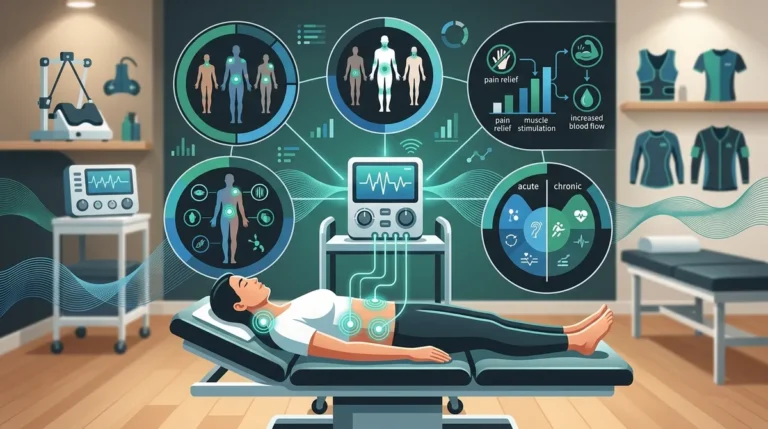
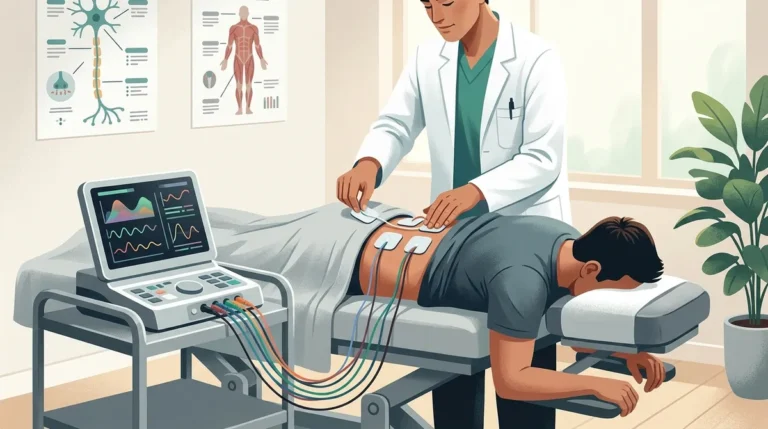
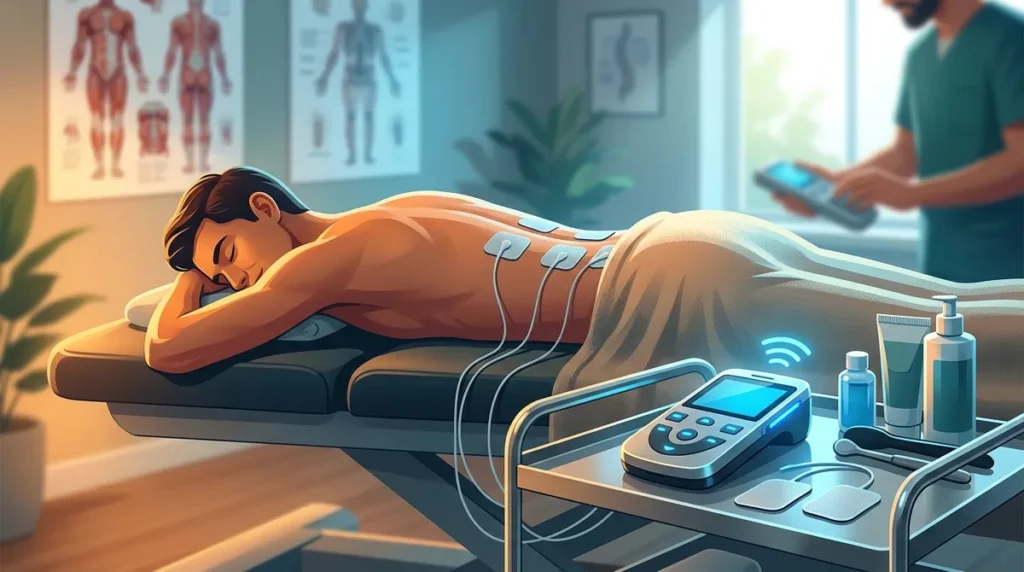
Transcutaneous Electrical Nerve Stimulation (TENS) therapy works by delivering controlled electrical impulses through electrode pads placed on the skin. These impulses stimulate nerve pathways that interrupt pain signals traveling to the brain, while simultaneously encouraging the release of endorphins—the body’s natural pain-relieving compounds. The result is a non-invasive, drug-free method of pain management that complements spinal adjustments and manual therapy exceptionally well.
For Utica chiropractors treating patients with back pain, neck injuries, muscle spasms, and post-accident soft tissue damage, TENS therapy provides measurable relief. According to the Cleveland Clinic, TENS therapy is recognized for its ability to reduce pain perception and improve functional mobility in musculoskeletal conditions—precisely the type of outcomes chiropractic patients seek. The FDA has also issued guidance supporting the expansion of non-opioid treatment options, reinforcing the clinical relevance of electrotherapy in modern practice.
Chiropractic practices treating auto accident injury patients or workers’ compensation cases will also find TENS therapy particularly advantageous, as it integrates well with documentation requirements and insurance billing processes. Providers like Liberty Medical Solutions support this integration by working with commercial PPO/POS plans, workers’ compensation, and auto accident claims to make electrotherapy devices accessible to both clinics and patients.
Key Features to Evaluate When Selecting TENS Units for Chiropractic Use
Before reviewing specific units, it is important to understand the criteria that differentiate clinical-grade TENS devices from basic consumer models. Utica chiropractors should evaluate the following attributes carefully to ensure the device meets the demands of a professional clinical environment.
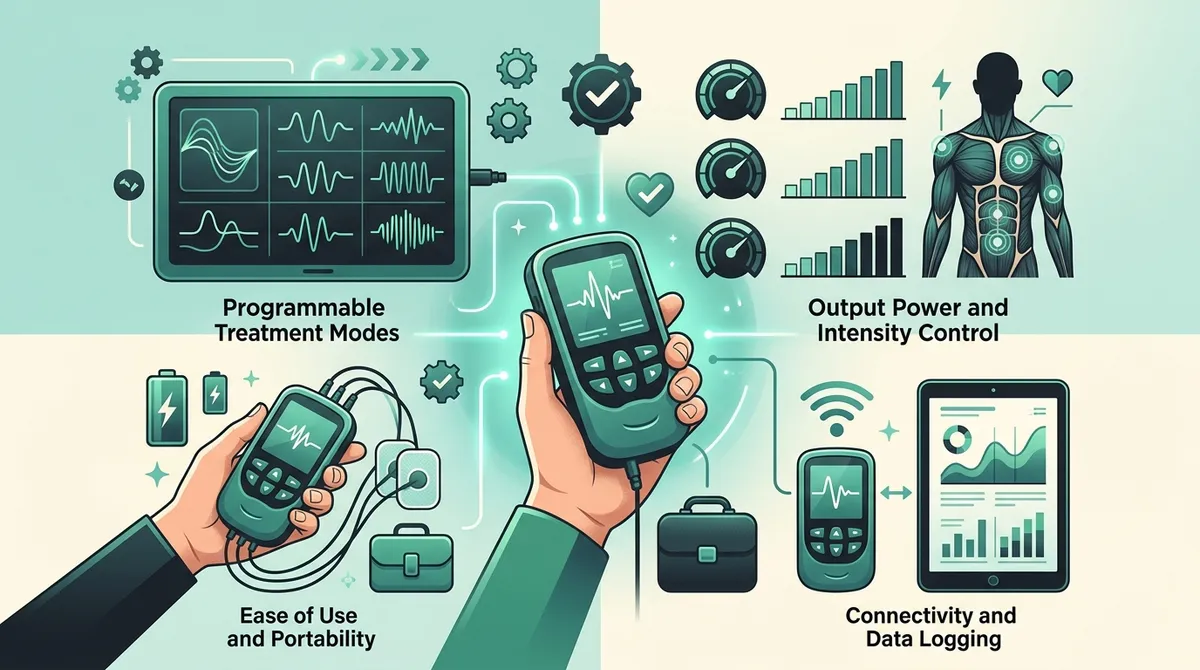
- Output Intensity: Clinical environments require devices capable of delivering at least 80–100mA to accommodate a range of patient sensitivities and treatment depths.
- Channel Configuration: Dual-channel units allow simultaneous treatment of multiple muscle groups or bilateral areas, improving efficiency during patient sessions.
- Frequency and Pulse Width Range: A broader range (1–150 Hz frequency; 50–300 microsecond pulse width) enables customized treatment protocols for different pain types.
- Modality Combination: Devices that integrate EMS, interferential (IF), and microcurrent (MC) alongside TENS expand the range of conditions a practice can treat.
- Timer and Programmability: Adjustable session timers (1–60 minutes) and preset programs reduce setup time and ensure consistent treatment delivery.
- Power Options: Battery-powered units offer portability, while AC-powered units are better suited for in-office use with continuous patient flow.
Understanding these parameters allows chiropractic providers to make informed purchasing decisions aligned with their patient population and treatment philosophy. For additional guidance on device selection by region, the resource on How to Choose TENS Units for Chiropractic Practices in Albany offers comparable regional insight that applies to Utica-area practices as well.
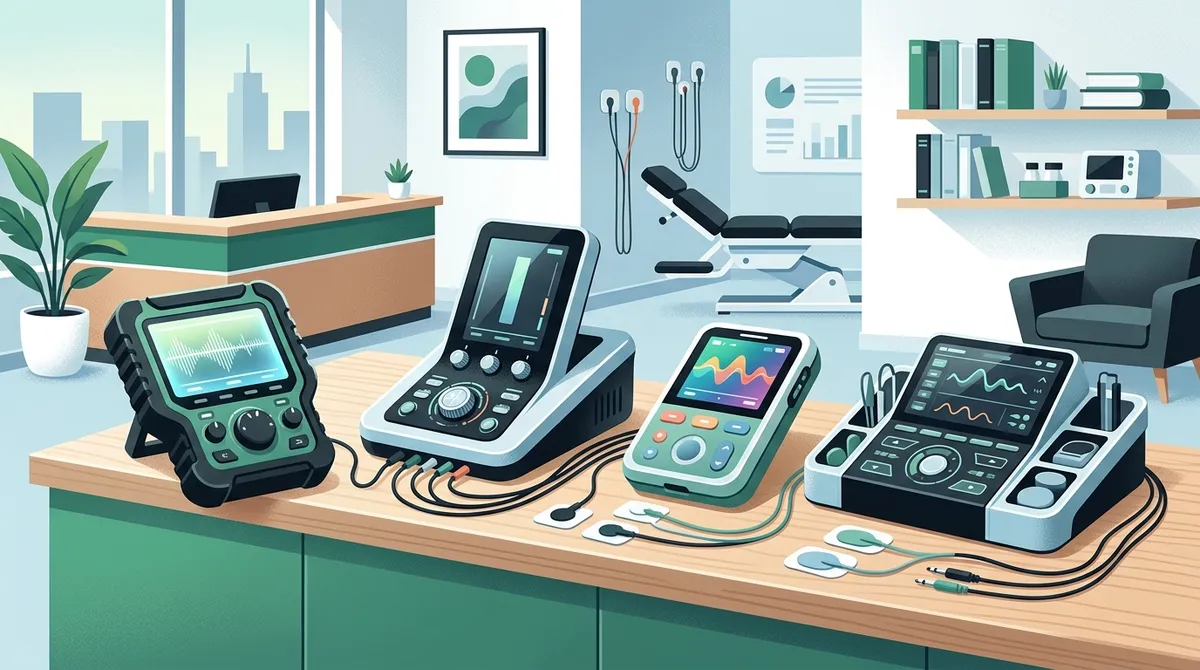
4 TENS Units Best Suited for Chiropractors in Utica
1. Dual-Channel Digital TENS Unit with Adjustable Intensity
The dual-channel digital TENS unit is the workhorse of most chiropractic offices. With dual-channel capability, it allows clinicians to control up to four electrode pads simultaneously, targeting multiple pain areas in a single session. The TENS 7000—one of the most established devices in this category with over 2 million units sold since 2008—exemplifies this class of device. It delivers up to 100mA of output intensity and features eight adjustable intensity levels with multiple modes, making it adaptable to a broad patient spectrum.
For Utica chiropractors managing high patient volumes, this type of unit offers reliable performance and straightforward operation. Its digital display provides clear feedback on mode, intensity, and timer settings, reducing the margin for clinical error. Explore the full range of available electrotherapy devices suitable for professional chiropractic environments.
2. Multi-Modality Combination Unit (TENS + EMS + IF + MC)
For chiropractic practices seeking to expand their electrotherapy capabilities without investing in multiple separate devices, a combination unit that integrates TENS, EMS, interferential (IF), and microcurrent (MC) therapies is an outstanding investment. The InTENSity Select Combo is a representative example in this category, offering all four modalities in a single portable unit. The distinction between TENS and EMS is clinically significant: while TENS targets nerve pain perception, EMS (Electrical Muscle Stimulation) stimulates muscle contractions to support muscle re-education and prevent atrophy.
Interferential therapy, operating at higher carrier frequencies, penetrates deeper tissue layers—making it particularly effective for chronic lower back conditions common among chiropractic patients. Microcurrent therapy, delivered at extremely low amperage, supports cellular repair processes and is beneficial in post-injury rehabilitation. Together, these modalities make combination units a compelling choice for practices treating complex or multifaceted conditions. Practices in similar markets can review how this approach is applied by reading the TENS Units for Chiropractors in Greeley: A Clinical Guide.
3. Wireless TENS/EMS System with Remote Control
Wireless TENS units represent a significant leap forward in clinical convenience and patient comfort. By eliminating lead wires, these systems allow patients to maintain comfortable positioning during treatment without the restriction of cords. Wireless units typically feature LCD displays showing mode, channel activity, battery life, and intensity levels, and they are controlled via remote—enabling clinicians to adjust settings without disturbing patient positioning.
These systems are particularly well-suited for Utica chiropractic offices that prioritize a premium patient experience or that frequently treat elderly or mobility-limited patients who may find wired setups cumbersome. While wireless units tend to carry a higher price point, the operational efficiency and patient satisfaction gains often justify the investment. Those interested in how wireless systems compare with wired models in clinical settings can also review TENS Units for Chiropractors in Fort Collins for comparable practice-based analysis.
4. TENS Unit with Preset Body Area Programs
For chiropractic practices that see a high volume of patients with similar presenting complaints—such as lower back pain, cervical strain, or shoulder tension—a TENS unit with preset body area programs offers unmatched efficiency. Devices like the Current Solutions InTENSity 10 feature ten preset treatment programs designed for specific anatomical regions, paired with a programmable 1–60 minute timer. This removes the need for clinicians to manually configure frequency and pulse width settings for each patient, reducing treatment setup time and ensuring repeatable results.
Preset programs are especially valuable in high-throughput clinical environments and for training support staff to administer consistent electrotherapy treatments under clinical supervision. These units are also well-suited for patient at-home use when prescribed by a chiropractor, extending the therapeutic benefits of in-office treatment. Learn more about complementary orthopedic support tools such as back braces and conductive garments that pair effectively with TENS therapy in chiropractic protocols.

TENS Unit Feature Comparison Table
| Feature | Dual-Channel Digital | Multi-Modality Combo | Wireless System | Preset Program Unit |
|---|---|---|---|---|
| Max Intensity | Up to 100mA | Up to 100mA | Up to 80mA | Up to 80mA |
| Channels | 2 (4 pads) | 2 (4 pads) | 2 (wireless) | 1–2 |
| Modalities | TENS | TENS, EMS, IF, MC | TENS, EMS | TENS |
| Preset Programs | Multiple modes | Multiple modes | Varies | 10 presets |
| Timer | 1–60 min | 1–60 min | 1–60 min | 1–60 min |
| Best Use Case | General clinical use | Complex conditions | Patient comfort focus | High-volume practices |
Clinical Benefits of TENS Therapy for Chiropractic Patients in Utica
The therapeutic benefits of TENS extend well beyond simple pain reduction. When integrated into a comprehensive chiropractic treatment plan, TENS therapy delivers a broad spectrum of clinical outcomes that directly address the needs of Utica-area patients. These benefits include:
- Muscle Spasm Relief: Electrical impulses help relax involuntary muscle contractions, reducing tension and improving range of motion following spinal adjustments.
- Increased Blood Circulation: Stimulation promotes local blood flow, supporting tissue healing and reducing inflammation in injured areas.
- Prevention of Muscle Atrophy: EMS-enhanced TENS units actively contract muscle fibers, maintaining tone in patients with limited mobility.
- Muscle Re-education: Following injury or surgery, TENS and EMS therapy can help retrain neuromuscular pathways critical to functional recovery.
- Non-Pharmacological Pain Management: For patients seeking drug-free alternatives—particularly those recovering from auto accidents or workplace injuries—TENS provides a clinically validated option supported by both the CDC’s guidance on non-opioid therapies for pain management and current chiropractic best practices.
TENS Unit Specifications Reference Table
| Specification | Entry-Level | Mid-Range | Clinical-Grade |
|---|---|---|---|
| Frequency Range | 2–80 Hz | 1–100 Hz | 1–150 Hz |
| Pulse Width | 50–150 µs | 50–250 µs | 50–300 µs |
| Output Intensity | Up to 60mA | Up to 80mA | Up to 100mA |
| Channels | 1 | 2 | 2–4 |
| Power Source | Battery only | Battery/AC | Battery/AC |
| Ideal For | Home use | Small clinics | High-volume chiropractic offices |
Integrating TENS Units into Your Utica Chiropractic Practice
Successful TENS unit integration requires more than selecting the right device—it demands a structured approach to clinical implementation. The following steps outline a reliable process for incorporating electrotherapy into your chiropractic workflow:
- Conduct a Patient Assessment: Identify which patients are appropriate candidates for TENS therapy, screening for contraindications such as pacemakers, active cancer sites, or open wounds.
- Define Treatment Protocols: Establish standardized settings for common presenting complaints (e.g., lumbar pain, cervical strain) to ensure consistency across treatment sessions.
- Train Clinical Staff: Ensure all personnel administering TENS therapy understand proper electrode placement, parameter adjustment, and patient monitoring procedures.
- Document and Evaluate Outcomes: Maintain thorough treatment records to track efficacy, support insurance claims, and refine protocols over time.
- Prescribe At-Home Units When Appropriate: For eligible patients with workers’ compensation or auto accident claims, prescribing a home TENS unit extends therapeutic benefits between office visits. Complementary products such as TheraKnit Garments can further enhance at-home electrotherapy outcomes.
Practices in comparable markets have found this structured approach to be highly effective. For additional regional implementation insights, the guide on TENS Units for Chiropractors in Thornton: A Clinical Guide provides a thorough operational framework applicable to Utica chiropractic offices.
Insurance and Billing Considerations for TENS Therapy in Utica
A critical factor for Utica chiropractors is ensuring that TENS unit procurement and patient prescriptions align with applicable insurance coverage requirements. Many patients treated in chiropractic settings carry commercial PPO/POS plans, workers’ compensation benefits, or auto accident claims—all of which may cover electrotherapy devices when properly documented and billed.
Liberty Medical Solutions specializes in navigating these insurance pathways, working directly with providers to ensure patients receive the electrotherapy equipment they need while minimizing out-of-pocket expenses. This support structure is particularly valuable for auto accident injury clinics and workers’ compensation-focused practices, where documentation and compliance are paramount. To discuss how electrotherapy solutions can be integrated into your billing and clinical framework, reach out to our team of electrotherapy specialists for personalized guidance.
Conclusion
TENS units for chiropractors in Utica are not a luxury—they are a clinically proven, financially sound investment in patient care. Whether your practice focuses on acute injury management, chronic pain treatment, or post-accident rehabilitation, the right TENS device elevates your capacity to deliver measurable results. From dual-channel digital units to advanced multi-modality systems, the options available in 2026 offer unprecedented precision, versatility, and patient comfort.
By selecting a device that aligns with your patient population and clinical objectives—and by leveraging insurance partnerships that make electrotherapy accessible—Utica chiropractic practices can significantly differentiate their care model and improve patient retention. For more information on available devices and how to get started, connect with the Liberty Medical Solutions team today.
FAQs
Q: What are the primary benefits of TENS therapy for chiropractic patients in Utica?
A: TENS therapy delivers several key clinical benefits for chiropractic patients, including pain signal interruption, endorphin release, muscle spasm relief, improved circulation, and support for muscle re-education. These outcomes complement spinal adjustments and make TENS an integral part of comprehensive chiropractic treatment plans, particularly for patients managing chronic pain or recovering from injuries.
Q: How do TENS units differ from EMS devices, and can a chiropractic office use both?
A: TENS (Transcutaneous Electrical Nerve Stimulation) targets nerve pathways to reduce pain perception, while EMS (Electrical Muscle Stimulation) focuses on stimulating muscle contractions to maintain tone and support rehabilitation. Many clinical-grade combination units integrate both modalities, allowing chiropractic offices to address both pain management and muscular recovery within a single device—significantly expanding the scope of treatable conditions.
Q: What intensity level is appropriate for clinical TENS units used in chiropractic settings?
A: Clinical-grade TENS units used in chiropractic offices should ideally deliver up to 100mA of output intensity to accommodate the full range of patient sensitivities and treatment depths. Standard consumer-grade units typically max out at 60–80mA, which may be insufficient for patients with higher pain thresholds or deeper musculoskeletal conditions requiring greater stimulation.
Q: Can TENS units prescribed to patients be covered by insurance in Utica?
A: Yes, in many cases TENS units prescribed by chiropractors for home use can be covered under commercial PPO/POS plans, workers’ compensation benefits, or auto accident insurance claims, provided proper clinical documentation and billing procedures are followed. Working with a specialized electrotherapy supplier like Liberty Medical Solutions can help streamline the insurance authorization and fulfillment process for both clinics and patients.
Q: Are wireless TENS units clinically equivalent to wired models for chiropractic use?
A: Wireless TENS units deliver comparable therapeutic outcomes to wired models while offering superior patient comfort and clinical convenience by eliminating lead wires. They are particularly advantageous for patients with limited mobility or those who find wired setups restrictive during treatment. The primary trade-off is typically a higher unit cost, though the operational and patient satisfaction benefits often justify the investment for established chiropractic practices.