Key Takeaways
-
TENS units with dual channels, adjustable frequency (2-120 Hz), and 80+ mA intensity are clinical standards for New Rochelle chiropractors treating musculoskeletal pain, auto accidents, and workers' compensation cases.
-
Combo TENS/EMS/Interferential units address multiple conditions—from nerve pain to muscle atrophy—without purchasing separate devices, making them ideal for practices treating diverse injury types.
-
Portable TENS units prescribed for at-home use extend therapeutic benefits between office visits, improving patient compliance and accelerating recovery for whiplash, strain, and compensation injury cases.
-
Partner with insurance-experienced suppliers like Liberty Medical Solutions to streamline billing for commercial PPO/POS, workers' compensation, and auto accident claims, reducing patient out-of-pocket costs.
-
Pair TENS devices with conductive garments and cervical traction accessories to create comprehensive home care protocols that improve patient tolerance and treatment consistency.
-
Select TENS units based on your specific patient mix—acute versus chronic conditions—and determine whether in-office only or at-home prescribing will drive your equipment and accessory choices.
Chiropractic practices in New Rochelle are increasingly integrating electrotherapy into their clinical protocols — and for good reason. Transcutaneous electrical nerve stimulation (TENS) has emerged as one of the most effective, non-invasive tools available for pain management, muscle relaxation, and post-adjustment recovery. Whether you are running a high-volume spinal care clinic, treating auto accident injury patients, or expanding your physical therapy offerings, the right TENS unit can make a measurable difference in patient outcomes.
According to the National Institutes of Health, persistent chronic pain affects a significant portion of U.S. adults, making non-pharmacological interventions like TENS therapy more critical than ever. For New Rochelle chiropractors managing diverse caseloads — from workers’ compensation patients to auto accident injury cases — selecting the right electrotherapy device is a strategic clinical decision. This article highlights five standout TENS units and what chiropractors should look for when equipping their practices in 2026.
Why TENS Therapy Matters in Chiropractic Practice
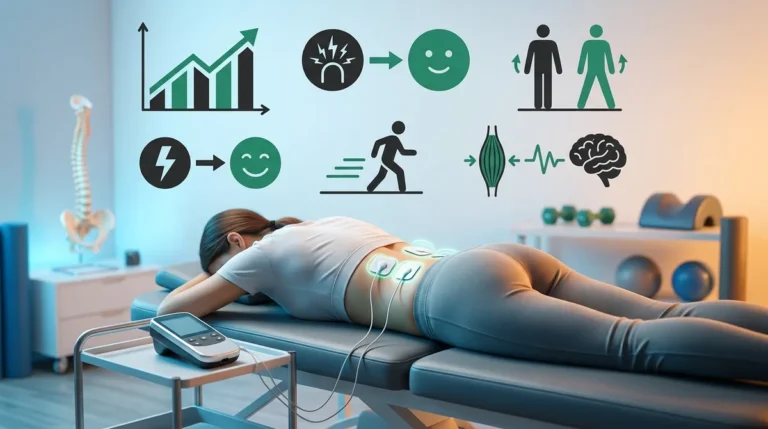
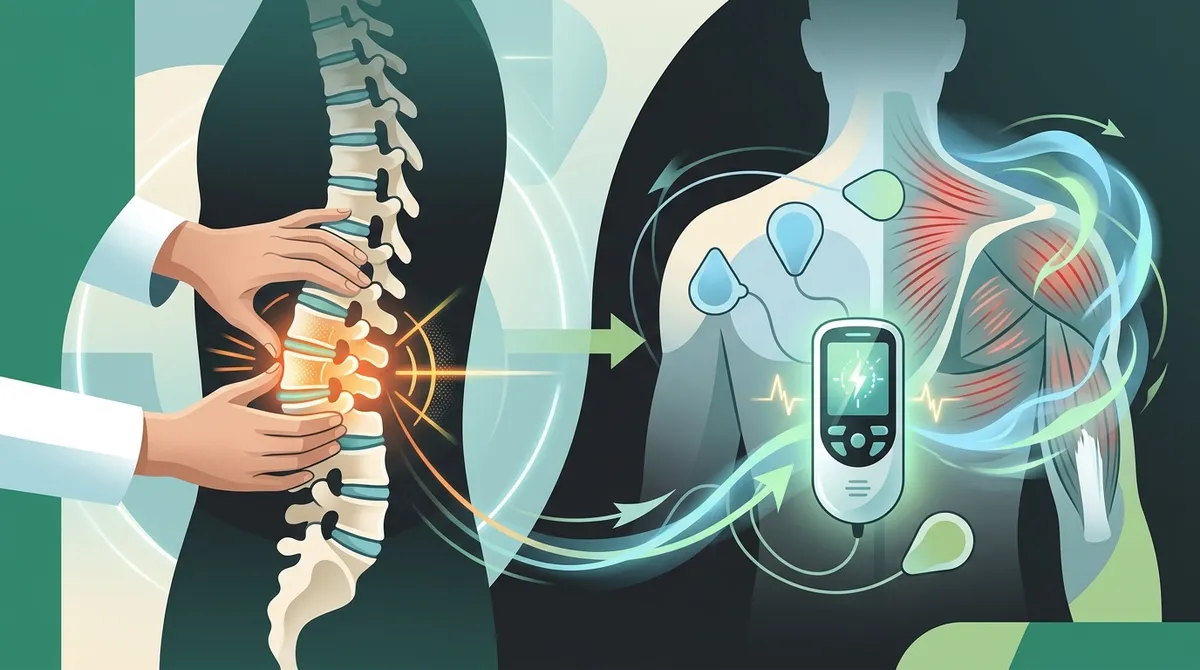
TENS therapy works by delivering low-voltage electrical impulses through electrodes placed on the skin, disrupting pain signals before they reach the brain and stimulating the release of endorphins. The Cleveland Clinic recognizes TENS as a safe, evidence-based approach for managing musculoskeletal pain — a category that forms the core of most chiropractic caseloads.
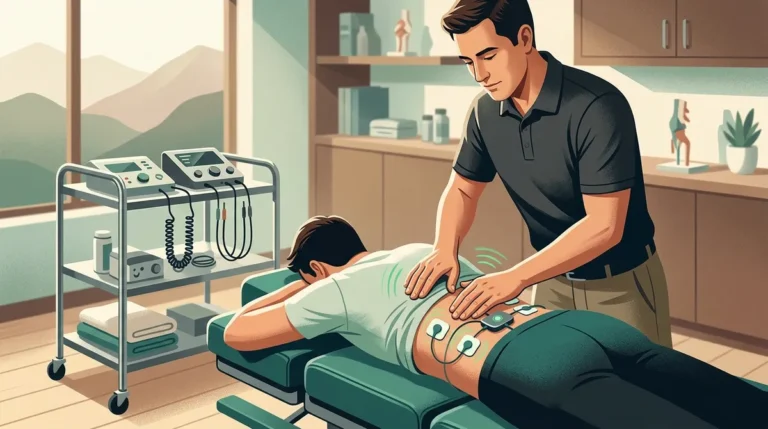
For chiropractors in New Rochelle, TENS units serve as a powerful complement to spinal adjustments. They can be used in-office to relax muscles before or after an adjustment, or prescribed for at-home use to extend the benefits of treatment between appointments. This dual-use capability makes them one of the most versatile tools in a chiropractic clinic’s electrotherapy arsenal.
Beyond spinal care, practitioners treating auto accident injuries and soft tissue trauma can significantly benefit from integrating TENS into their protocols. The CDC actively encourages non-opioid pain management strategies, and TENS therapy stands out as a clinically supported, drug-free option that aligns with modern pain care guidelines.
Key Features Chiropractors Should Evaluate
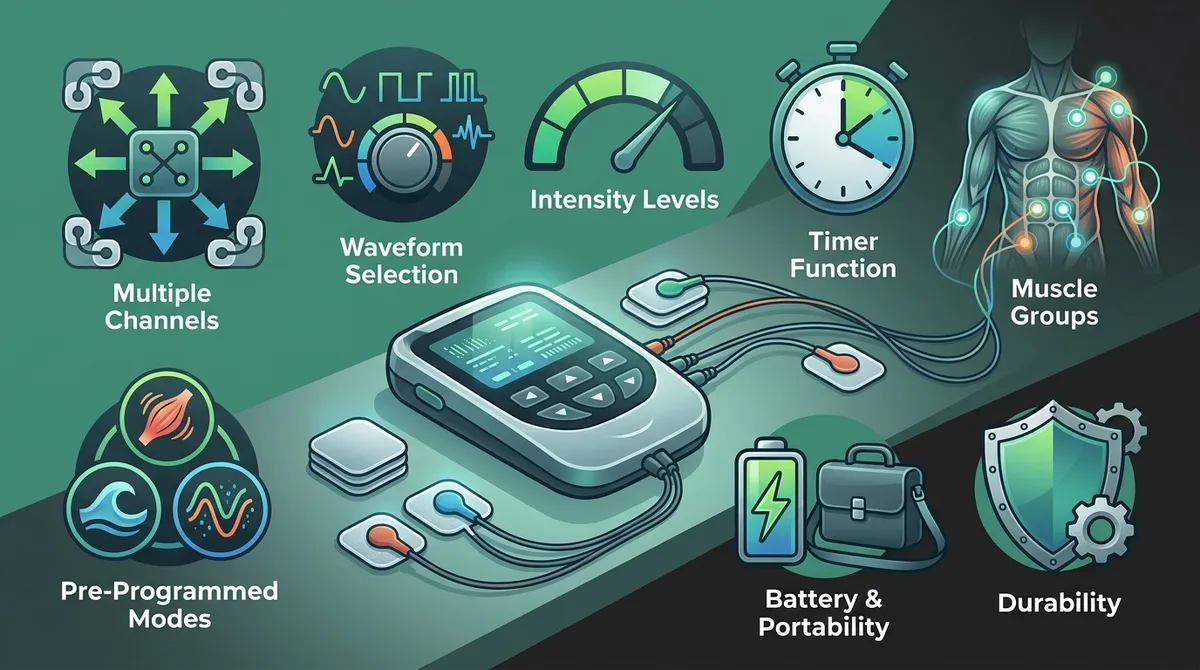
Not all TENS units are created equal. Clinical-grade devices used in chiropractic settings require specific technical specifications to deliver consistent, effective therapy. Before selecting a unit for your New Rochelle practice, consider the following criteria:
- Waveform type: Asymmetrical biphasic square pulse waveforms are the clinical standard, reducing skin irritation while ensuring effective nerve stimulation.
- Pulse rate range: Adjustable frequency from 2 Hz to 120 Hz allows practitioners to target different therapeutic goals, from pain blocking at higher frequencies to endorphin release at lower settings.
- Pulse width range: A range of 40 μs to 260 μs provides flexibility for treating superficial and deep tissue conditions.
- Output intensity: Devices should deliver adequate intensity — up to 80 mA or higher per channel — to address a broad patient population.
- Dual channels: Dual isolated channels allow simultaneous treatment of multiple areas, maximizing clinic efficiency.
- Therapy modes: Burst, modulation, and continuous modes cater to varying patient tolerances and treatment objectives.
- Timer settings: Devices with 30 to 60-minute session timers and continuous use options offer the flexibility clinical environments require.
Chiropractors working with a full range of electrotherapy products can pair their TENS units with accessories like conductive garments and back braces to create a more comprehensive, patient-centered care protocol.
5 Top TENS Units for Chiropractic Practices
The following list presents five clinical-grade TENS devices well-suited for chiropractic offices in New Rochelle. Each has been selected based on technical specifications, clinical applicability, and suitability for the patient populations commonly seen in Westchester County practices.
1. Dual-Channel Clinical TENS Unit with Asymmetrical Biphasic Waveform
This category of device represents the workhorse of clinical chiropractic care. Featuring dual isolated channels with asymmetrical biphasic square pulse waveforms, adjustable pulse rates from 2 Hz to 120 Hz, and pulse widths ranging from 40 μs to 260 μs, these units are engineered for precision. Output intensity reaches up to 80 mA per channel (peak into a 500-ohm load), making them suitable for a wide range of musculoskeletal conditions. Protective amplitude knob caps and programmable timers for 30 to 60-minute sessions add a layer of patient safety that clinical environments demand.
2. TENS 7000-Class High-Intensity Digital Unit
Devices in this class have earned widespread trust among chiropractic professionals since 2008, with over two million units sold worldwide. Delivering up to 100 mA intensity — exceeding the 80 mA threshold of most standard devices — these units offer eight intensity levels and dual channels for versatile in-office application. They are particularly effective for patients with chronic back pain and post-adjustment muscle soreness. For New Rochelle chiropractors managing high patient volumes, the reliability and proven track record of this class of device makes it a dependable choice. You can explore clinical TENS devices tailored for chiropractic use at Liberty Medical Solutions.
3. Combo TENS/EMS/Interferential Unit
Combination therapy units integrate TENS with interferential (IF), neuromuscular electrical stimulation (NMES), and Russian stimulation modalities into a single device. This multi-modality approach allows chiropractors to address a broader spectrum of conditions — from nerve-based pain and muscle atrophy to sports injuries and post-surgical recovery — without investing in multiple separate units. Practices treating auto accident injury patients, in particular, will find the interferential stimulation mode valuable for addressing deep tissue inflammation and edema.
| Modality | Primary Use | Ideal Patient Profile |
|---|---|---|
| TENS | Pain blocking and endorphin release | Chronic back pain, post-adjustment soreness |
| Interferential (IF) | Deep tissue stimulation, edema reduction | Auto accident injuries, soft tissue trauma |
| NMES | Muscle re-education and strengthening | Post-surgical patients, muscle atrophy cases |
| Russian Stimulation | Muscle strengthening and endurance | Sports injury rehabilitation |
4. Portable Compact TENS Unit for Clinical and At-Home Use
Compact, portable TENS units — such as devices in the Ultima series — offer an affordable entry point without sacrificing clinical utility. These units are ideal for chiropractors who want to prescribe at-home therapy for their patients, extending the therapeutic window beyond in-office visits. Patients recovering from whiplash, lumbar strain, or workers’ compensation injuries can use these devices safely at home under practitioner guidance, enhancing compliance and accelerating recovery timelines. For practices that also offer back braces and orthopedic supports, pairing portable TENS units with supportive bracing creates a well-rounded home care program.
5. TENS Unit with Conductive Garment Compatibility
A growing segment of the electrotherapy market involves TENS units designed for use with conductive garments — specialized wearable electrodes integrated into fabric. These garments provide full-contact stimulation across broader anatomical areas, making them particularly effective for patients with widespread back pain, cervical dysfunction, or lower extremity issues. Chiropractors in New Rochelle who work with conductive garments and TheraKnit garments can offer patients a more comfortable, consistent electrotherapy experience compared to traditional adhesive electrode placement.
Comparing TENS Unit Specifications for Clinical Use
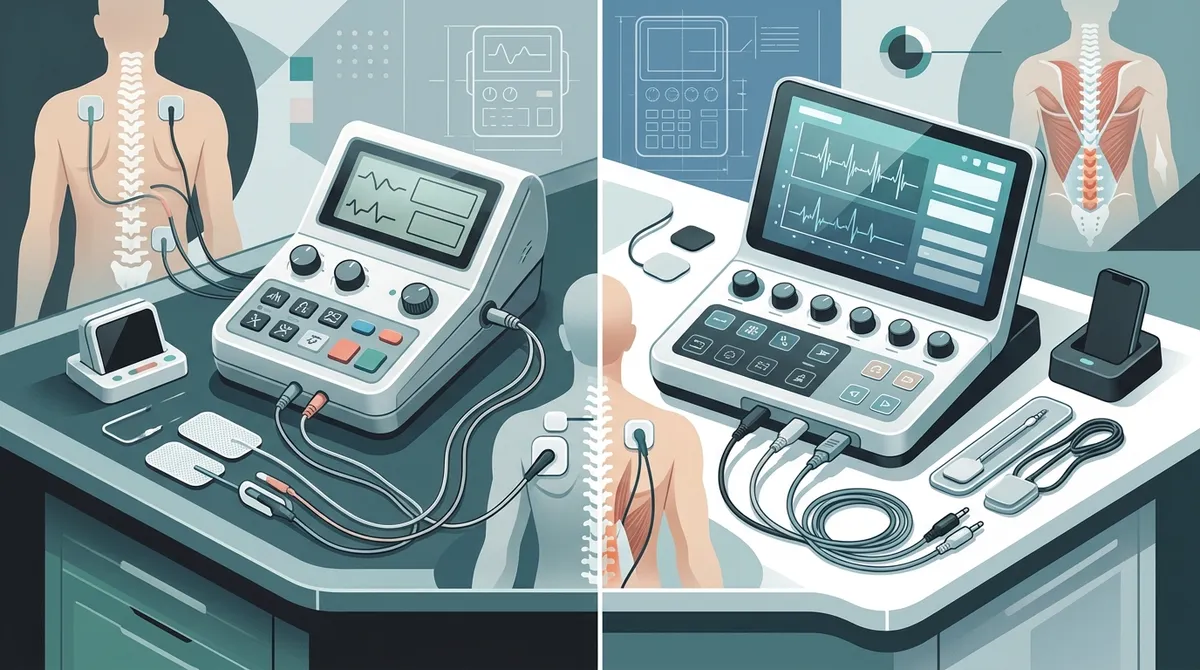
| Feature | Standard Clinical Unit | High-Intensity Unit | Combo Unit | Portable Unit |
|---|---|---|---|---|
| Max Output Intensity | 80 mA | 100 mA | 80–100 mA | 40–60 mA |
| Channels | Dual | Dual | Dual–Quad | Single–Dual |
| Pulse Rate Range | 2–120 Hz | 2–150 Hz | 1–150 Hz | 2–80 Hz |
| Pulse Width Range | 40–260 μs | 50–250 μs | 40–300 μs | 50–200 μs |
| Therapy Modes | Burst, Mod, Continuous | Burst, Mod, Continuous | TENS, IF, NMES, Russian | Burst, Continuous |
| Best For | General clinical use | High-volume practices | Multi-condition practices | At-home prescriptions |
Insurance and Billing Considerations for New Rochelle Practices
One of the most practical considerations for chiropractors in New Rochelle is how electrotherapy equipment integrates with their billing and insurance workflows. Many patients presenting with auto accident injuries, workers’ compensation claims, or group health coverage may be eligible for TENS unit coverage. Understanding the insurance landscape helps practices maximize patient access while reducing out-of-pocket barriers.
Liberty Medical Solutions works with commercial PPO/POS plans, workers’ compensation cases, auto accident claims, and third-party liability cases — making it a practical partner for New Rochelle chiropractic offices that serve these patient populations. By sourcing electrotherapy devices through a supplier experienced in insurance processes, practices can streamline the equipment procurement and patient supply workflow simultaneously.
For further guidance on selecting the right TENS configuration for your specific practice environment, reviewing how other chiropractic markets approach this decision can be instructive. Resources such as How to Choose TENS Units for Chiropractic Practices in Albany and 8 TENS Units Mount Vernon Chiropractors Should Use in 2026 offer additional regional context relevant to New York-area practitioners.
Accessories That Enhance Clinical TENS Therapy
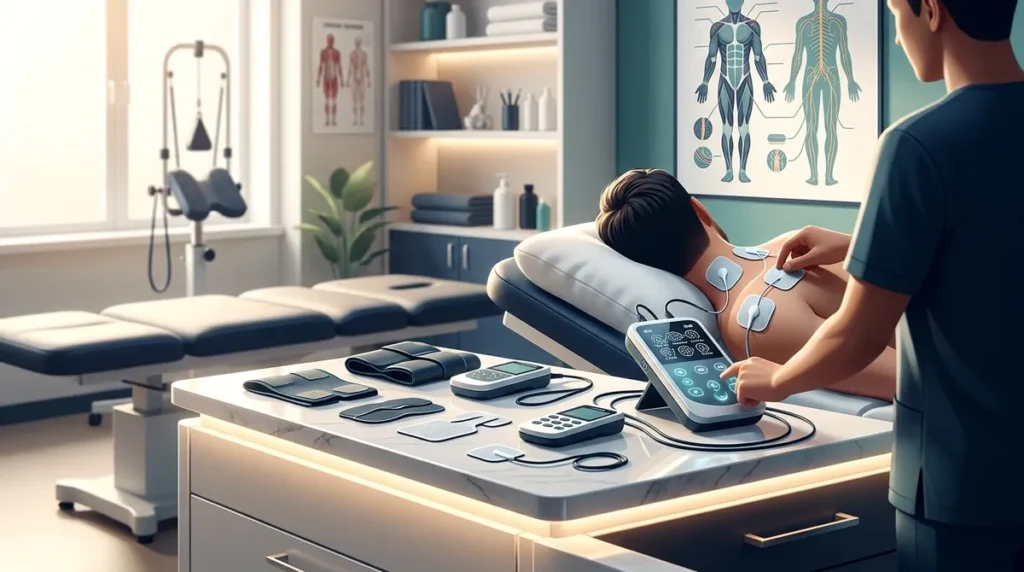
A TENS unit is only as effective as the accessories used alongside it. For chiropractic practices aiming to deliver consistent, professional-grade electrotherapy, the following accessories are essential:
- Self-adhesive electrodes: Available in multiple sizes for targeted placement on cervical, lumbar, and extremity regions.
- Conductive gel: Enhances electrical conductivity between electrodes and skin, improving stimulation quality and reducing skin irritation.
- Lead wires: High-quality, durable lead wires ensure consistent signal delivery and withstand the demands of daily clinical use.
- Cervical traction units: When paired with TENS therapy, cervical traction addresses both joint restriction and the associated muscle tension and pain, offering a comprehensive approach for neck conditions.
- Conductive garments: For patients who require broader coverage or have difficulty tolerating adhesive electrodes, garment-based delivery systems offer a superior alternative.
How to Select the Right TENS Unit for Your New Rochelle Practice
Selecting the right TENS unit requires a structured approach that considers your patient demographics, treatment protocols, and practice volume. Follow this process to make an informed decision:
- Assess your patient mix: Determine the proportion of patients with acute versus chronic conditions, and whether your practice handles auto accident or workers’ compensation cases that may benefit from combo units.
- Define your treatment settings: Decide whether devices will be used exclusively in-office or also prescribed for home use, as this influences the specifications and form factor you require.
- Evaluate technical specifications: Prioritize devices with the pulse rate, pulse width, and output intensity ranges that match your clinical protocols.
- Consider accessory compatibility: Ensure your chosen device is compatible with the electrodes, garments, and lead wires you intend to use.
- Review supplier support: Partner with a supplier who understands insurance billing processes and can provide ongoing equipment support and patient supply replenishment.
Practices in similar markets have navigated these decisions successfully. For example, insights from 4 TENS Units Utica Chiropractors Need for Better Results and How to Choose TENS Units for Chiropractic Practices in Schenectady provide relevant frameworks applicable to New York-based chiropractors.
TENS Therapy Outcomes: What the Evidence Supports
| Condition | TENS Application | Expected Outcome |
|---|---|---|
| Acute low back pain | High-frequency continuous mode | Reduced pain intensity, improved mobility |
| Chronic cervical pain | Burst mode with conductive garments | Sustained pain relief, muscle relaxation |
| Whiplash (auto accident) | Interferential or modulation mode | Edema reduction, accelerated tissue recovery |
| Post-adjustment soreness | Low-frequency burst mode | Endorphin release, reduced post-treatment discomfort |
| Muscle spasm | Continuous mode at mid-range frequency | Muscle fatigue and spasm resolution |
The body of research supporting TENS therapy continues to grow. New Rochelle chiropractors seeking evidence-based justification for integrating electrotherapy into their practice can reference peer-reviewed literature available through resources like PubMed, which documents the clinical efficacy of TENS across a range of musculoskeletal conditions. The FDA has also issued guidance expanding non-opioid options for chronic pain, further validating the role of electrotherapy in modern clinical practice.
Conclusion: Equipping Your New Rochelle Chiropractic Practice for Success
Integrating the right TENS units for chiropractors in New Rochelle is not simply a purchasing decision — it is a clinical investment that directly impacts patient outcomes, practice efficiency, and long-term growth. From dual-channel clinical devices to combination therapy units and conductive garment-compatible systems, the range of available options in 2026 gives New Rochelle practitioners the tools to address virtually every musculoskeletal condition they encounter.
Partnering with a specialized electrotherapy supplier who understands both the clinical and insurance dimensions of TENS therapy is essential. Whether you are building out your practice’s electrotherapy program from the ground up or upgrading existing equipment, working with experienced professionals ensures you make decisions aligned with your clinical goals and patient population needs.
Ready to explore the right electrotherapy solutions for your New Rochelle chiropractic practice? Reach out to our team at Liberty Medical Solutions to discuss your specific clinical needs and discover how our customized electrotherapy devices and insurance-supported supply programs can help you deliver exceptional patient care.
FAQs
Q: What features should chiropractors in New Rochelle prioritize in a TENS unit?
A: Chiropractors should prioritize devices with dual isolated channels, adjustable pulse rates from 2 Hz to 120 Hz, pulse widths from 40 μs to 260 μs, and output intensity of at least 80 mA per channel. Multiple therapy modes — including burst, modulation, and continuous — provide the clinical flexibility needed to treat a broad range of musculoskeletal conditions.
Q: How do TENS units complement chiropractic adjustments?
A: TENS units relax muscles prior to spinal adjustments, making manipulations more effective, and reduce post-adjustment soreness by stimulating endorphin release. They can also be prescribed for at-home use, extending therapeutic benefits between clinic visits and improving overall patient compliance and recovery outcomes.
Q: Are combination TENS and EMS units effective for auto accident injury patients?
A: Yes, combination units that integrate TENS with interferential stimulation and NMES are particularly well-suited for auto accident injury patients. Interferential mode penetrates deep tissue to reduce inflammation and edema associated with whiplash and soft tissue trauma, while TENS addresses surface-level pain — making combo devices a highly versatile option for these cases.
Q: Can TENS unit costs be covered by insurance for chiropractic patients in New Rochelle?
A: Many patients may be eligible for TENS unit coverage through commercial PPO/POS plans with out-of-network benefits, workers’ compensation, or auto accident insurance claims. Working with a supplier experienced in navigating these insurance processes — such as Liberty Medical Solutions — can help practices streamline equipment provision and reduce patient financial barriers.
Q: What is the difference between a standard TENS unit and a high-intensity clinical model?
A: Standard clinical TENS units typically deliver up to 80 mA of output intensity per channel, while high-intensity models can reach 100 mA or more, providing stronger stimulation for patients with higher pain thresholds or deeper tissue involvement. High-intensity units are particularly valued in high-volume chiropractic practices where consistent, reliable performance across a diverse patient population is essential.