Key Takeaways
-
Professional-grade TENS units (100mA, 8+ modes, adjustable pulse rates 2-120 Hz) deliver superior clinical outcomes compared to consumer models and should be prioritized for Syracuse chiropractic practices treating complex musculoskeletal conditions.
-
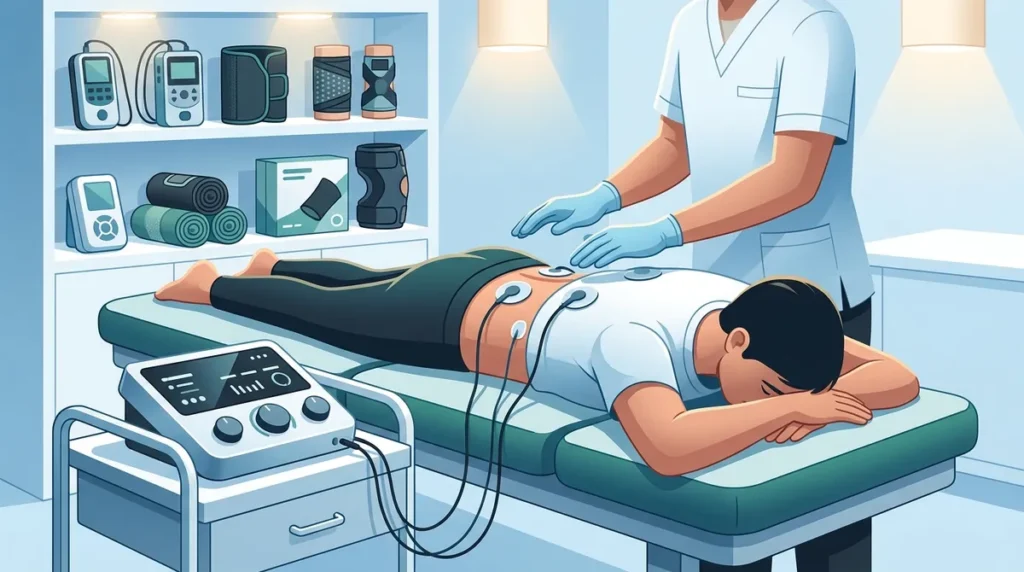
Applying TENS for 8-10 minutes before spinal adjustments relaxes muscles, improves tissue pliability, and enhances patient comfort during manipulation, making it an essential pre-adjustment protocol.
-
TENS therapy is recognized by commercial insurance, workers' compensation, and auto accident liability plans as a reimbursable treatment modality, improving practice profitability and patient accessibility.
-
Prescribing portable TENS units for home use between clinic visits extends therapeutic benefits, improves patient compliance, and supports faster recovery without increasing opioid or NSAID reliance.
-
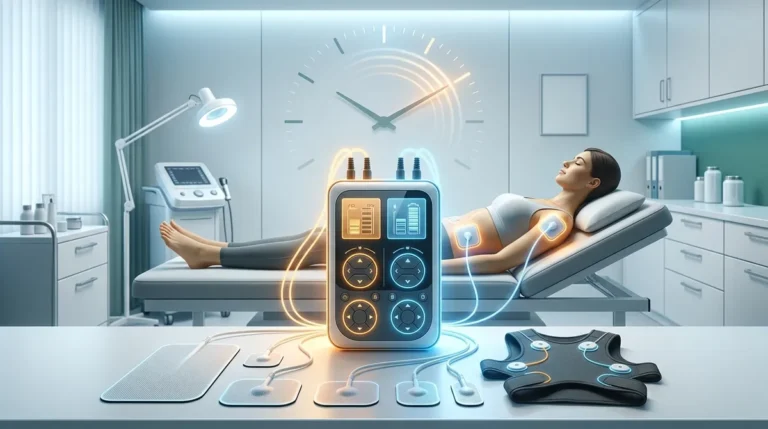
Building a complete electrotherapy ecosystem with TENS units, conductive garments, back braces, and cervical traction addresses diverse patient conditions more effectively than standalone devices.
-
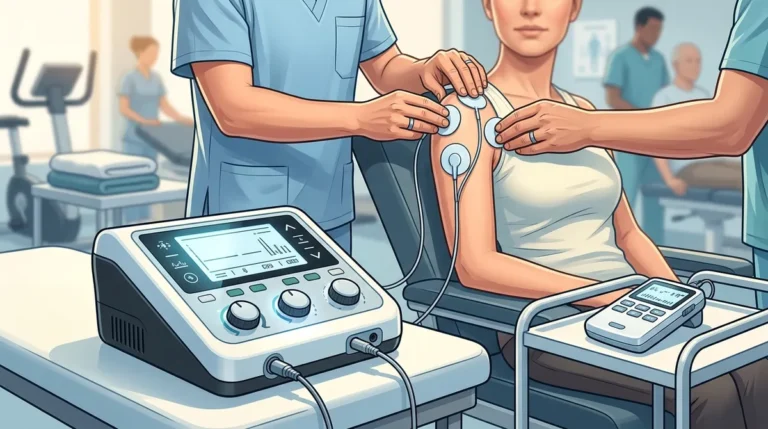
Proper electrode placement at pain sites, along dermatomes, or at motor points is essential for achieving optimal therapeutic outcomes and requires individualized patient assessment before treatment initiation.
Pain management in chiropractic care has evolved significantly, and TENS units for chiropractors in Syracuse have become an essential clinical tool for delivering non-invasive, drug-free relief to patients. Transcutaneous Electrical Nerve Stimulation (TENS) therapy works by delivering low-level electrical pulses through electrodes placed on the skin, stimulating nerve fibers to interrupt pain signals and encourage the body’s natural healing responses. According to the Cleveland Clinic, TENS therapy is a well-established, safe modality commonly used across a wide range of musculoskeletal conditions.
For chiropractic practices in Syracuse treating patients with back pain, sciatica, whiplash, or chronic musculoskeletal discomfort, integrating professional-grade TENS units into the clinical workflow can measurably improve patient outcomes. Whether applied in-clinic before spinal adjustments or prescribed for at-home use during recovery, TENS technology supports a comprehensive, patient-centered care model. This article explores how Syracuse chiropractors can select, use, and source the right electrotherapy solutions to elevate their practice.
What Is TENS Therapy and How Does It Work in Chiropractic Care?
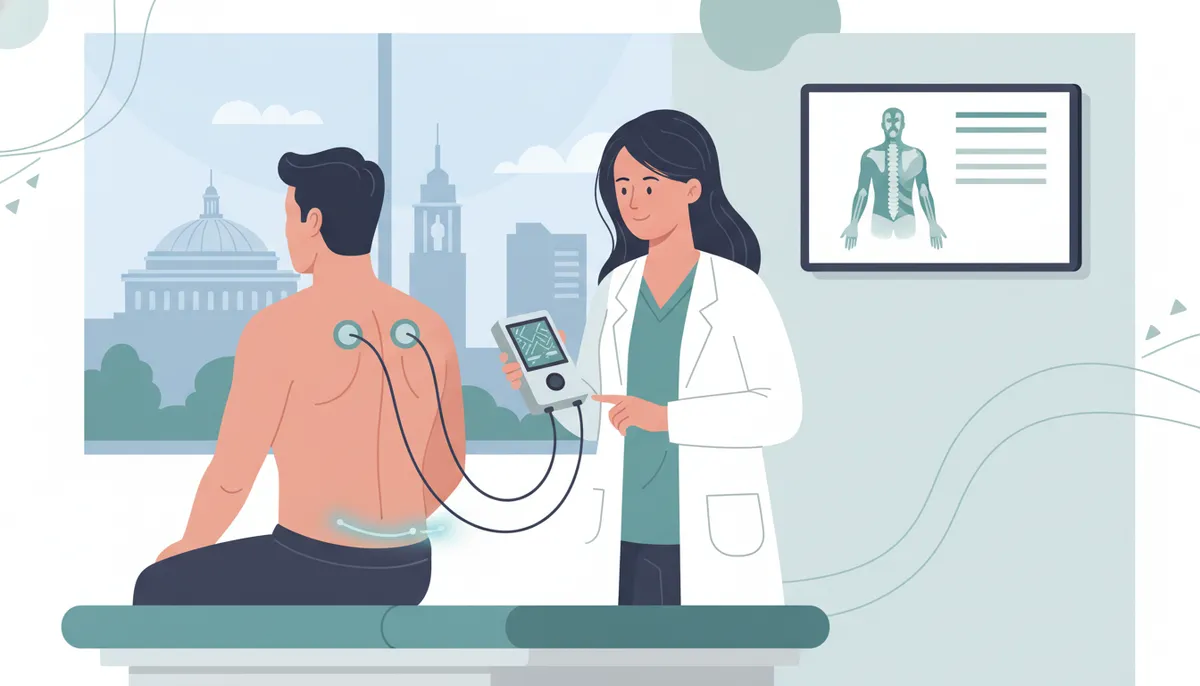
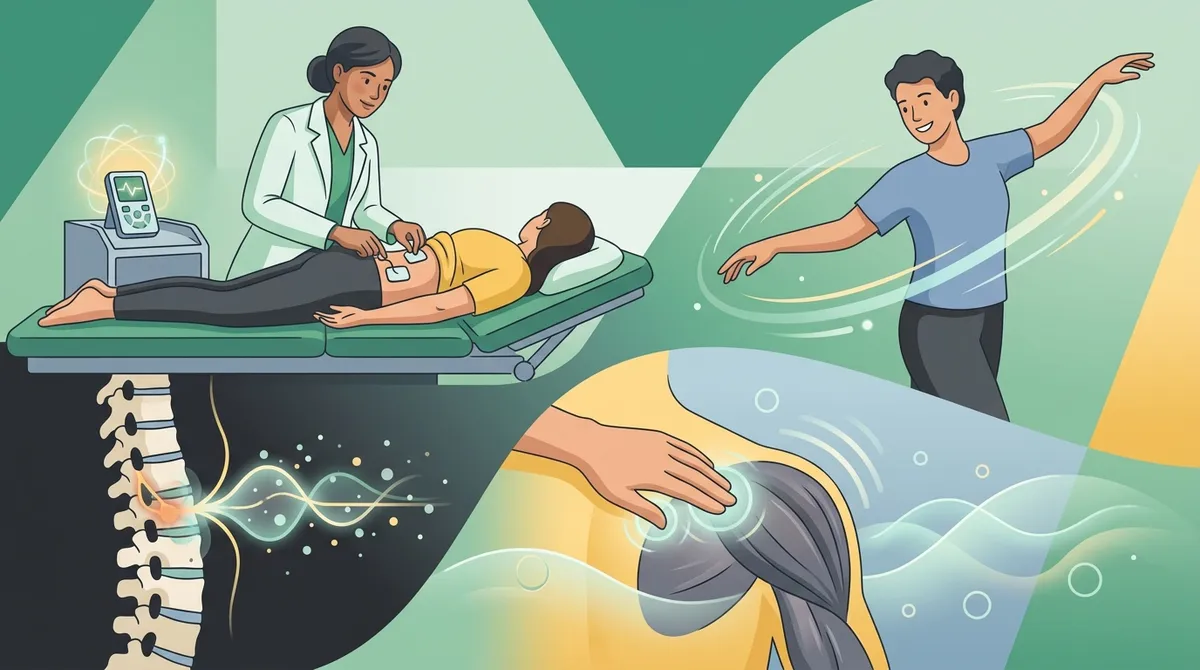
TENS therapy delivers adjustable electrical pulses through skin-surface electrodes connected to a compact, portable device. These pulses stimulate sensory nerves, triggering the release of endorphins and blocking pain transmission along neural pathways — a mechanism supported by the gate control theory of pain. The FDA has recognized TENS as an approved non-opioid intervention, making it particularly valuable as healthcare providers seek alternatives to pharmacological pain management.
Within a chiropractic setting, TENS therapy is typically applied for 8 to 10 minutes before spinal adjustments to reduce muscle tension, improve local blood flow, and prepare soft tissues for manipulation. Full therapeutic sessions typically last between 15 and 30 minutes, depending on the patient’s condition and the device settings selected by the clinician. The result is a more comfortable, effective adjustment experience and faster recovery for the patient.
Key Clinical Benefits of TENS Units for Syracuse Chiropractic Practices
Integrating TENS therapy into a Syracuse chiropractic practice delivers measurable benefits for both clinicians and patients. From enhanced treatment outcomes to improved patient retention, the advantages span clinical, operational, and financial dimensions. Chiropractors seeking to understand why TENS has become a standard modality can also explore resources such as why TENS units are essential for chiropractors in Arvada and 11 reasons TENS units are essential for Westminster chiropractors for additional context.
- Drug-free pain relief: TENS units provide non-pharmacological analgesia, reducing reliance on opioids and NSAIDs for chronic pain conditions.
- Pre-adjustment tissue preparation: Applying TENS before spinal manipulation relaxes muscles and improves joint mobility, leading to more effective adjustments.
- Versatile treatment applications: TENS can address back pain, neck pain, hip discomfort, sciatica, and shoulder tension across diverse patient populations.
- Patient empowerment through home use: Prescribing home-use TENS devices extends the therapeutic window between clinic visits and supports patient compliance.
- Practice differentiation: Offering professional-grade electrotherapy positions a Syracuse chiropractic clinic as a comprehensive pain management provider.
The National Institutes of Health reports high rates of persistent chronic pain among U.S. adults, underscoring the growing demand for effective, non-invasive modalities like TENS therapy in outpatient settings.
Essential Features to Look for in Professional TENS Units
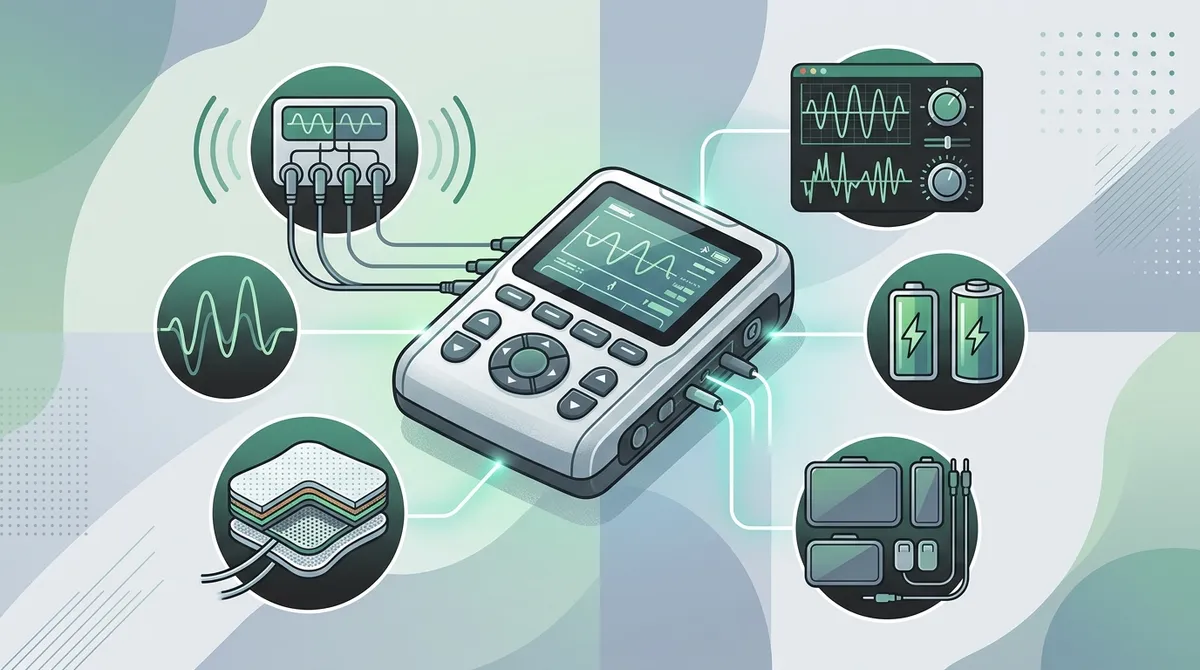
Not all TENS units are designed for clinical use, and chiropractors in Syracuse should prioritize devices that offer the precision, power, and durability required for professional-grade treatment. Consumer-grade devices typically deliver up to 80mA of intensity, while professional models offer up to 100mA — providing a broader therapeutic range for more complex patient cases. Selecting the right unit requires understanding the key specifications that directly impact clinical performance.
| Feature | Consumer-Grade TENS | Professional-Grade TENS |
|---|---|---|
| Maximum Intensity | Up to 80mA | Up to 100mA |
| Pulse Rate Range | Limited (fixed or minimal) | 2 Hz – 120 Hz (adjustable) |
| Pulse Width Range | Fixed or narrow range | 40 μs – 260 μs (adjustable) |
| Therapy Modes | 1–3 modes | 8+ modes (burst, constant, modulation) |
| Channels | Single channel | Dual channel or more |
| Session Timer | Basic or none | 15–60 minute programmable timer |
| Intended Use | Home/personal use | Clinical and home use |
For chiropractors comparing device categories, resources like how to choose TENS units for chiropractic practices in Albany and how to choose TENS units for chiropractic practices in Aurora offer additional clinical guidance on making an informed purchase decision.
Top TENS Unit Models Recommended for Chiropractic Use
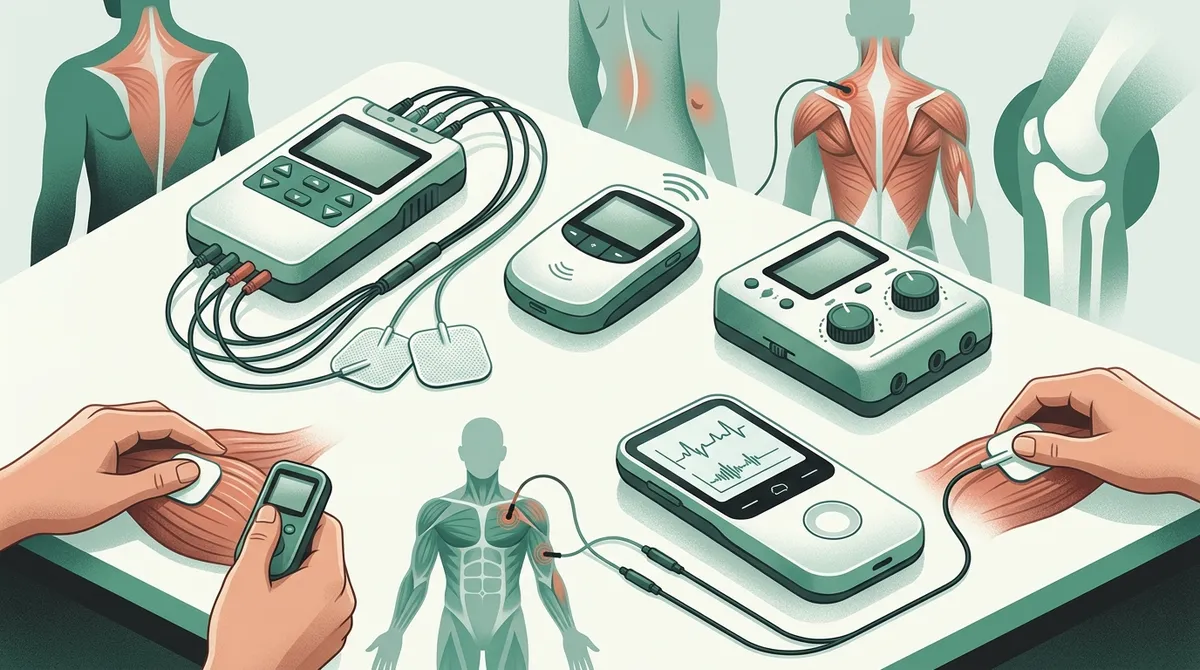
Several professional-grade TENS models have demonstrated consistent clinical performance and are trusted by chiropractors and physical therapists nationwide. The TENS 7000, for example, has sold over 2 million units worldwide since 2008 and remains a benchmark for dual-channel, high-intensity electrotherapy. Understanding the available options allows Syracuse chiropractors to match device capabilities to their patient population’s specific needs.
| Model Type | Key Capabilities | Ideal Clinical Use |
|---|---|---|
| Dual-Channel TENS (e.g., TENS 7000) | 100mA, 8 modes, adjustable pulse rate and width | Back pain, sciatica, neck and shoulder conditions |
| Combination TENS/EMS Units | TENS + EMS + interferential + microcurrent, 100mA | Multi-modal therapy, muscle stimulation and pain relief |
| Portable Clinical TENS | Compact, rechargeable, clinical-grade output | In-clinic and patient home-use prescription programs |
| TENS with Conductive Garments | Compatible with garment electrodes for broader coverage | Lumbar, cervical, and extremity conditions |
Combination units that integrate TENS, EMS, interferential, and microcurrent therapies offer exceptional versatility for chiropractic clinics seeking to treat a broader range of conditions without purchasing multiple separate devices. Liberty Medical Solutions offers a curated selection of professional TENS unit devices and complementary electrotherapy equipment designed specifically for clinical applications in practices like those throughout Syracuse.
Complementary Electrotherapy Products for Chiropractic Clinics
TENS units deliver the greatest clinical value when integrated with supporting electrotherapy accessories and complementary devices. Syracuse chiropractic practices should consider building a complete electrotherapy ecosystem rather than relying on standalone TENS devices alone. This approach allows clinicians to address a wider spectrum of patient conditions and create personalized treatment protocols.
- Conductive garments: Conductive garments serve as wearable electrode solutions that distribute electrical stimulation evenly across larger body regions, ideal for lumbar and cervical treatment.
- TheraKnit garments: TheraKnit garments provide consistent electrode contact for active or mobile patients, improving treatment consistency and comfort.
- Back braces: Back braces complement TENS therapy by providing structural lumbar support during and between electrotherapy sessions.
- Cervical traction units: Pairing cervical traction with TENS therapy addresses complex neck conditions including disc herniation and post-whiplash syndrome more comprehensively.
For practices treating auto accident injury patients — a significant segment of Syracuse’s chiropractic caseload — having a full suite of electrotherapy tools is especially important. Whiplash, soft tissue injuries, and spinal trauma frequently require multi-modal electrotherapy protocols combining TENS, back support, and cervical traction in a coordinated treatment plan.
How to Implement TENS Therapy Protocols in a Syracuse Chiropractic Practice
Successfully integrating TENS units into a chiropractic workflow requires a structured approach that balances clinical effectiveness with patient safety and comfort. The following steps outline a recommended implementation framework for Syracuse chiropractic clinics introducing or expanding their electrotherapy services.
- Conduct a thorough patient assessment: Identify contraindications such as pacemakers, implanted devices, or pregnancy before initiating TENS therapy. Screen each patient individually to ensure eligibility for electrotherapy treatment.
- Select appropriate device settings: Choose pulse rate, width, and mode based on the patient’s condition. Low-frequency settings (2–10 Hz) promote endorphin release for chronic pain, while high-frequency settings (80–120 Hz) block acute pain signals more rapidly.
- Position electrodes with precision: Place electrodes at or near the site of pain, along dermatomes, or at motor points for targeted muscle stimulation. Proper electrode placement is essential for achieving optimal therapeutic outcomes.
- Apply pre-adjustment TENS sessions: Run TENS for 8–10 minutes before performing spinal adjustments to reduce muscle guarding, improve tissue pliability, and enhance patient comfort during manipulation.
- Prescribe home-use programs: Equip appropriate patients with portable TENS units for use between clinic visits. Provide clear instructions on settings, session duration, and electrode placement to ensure safe and effective home application.
- Monitor and adjust treatment plans: Reassess patient response to TENS therapy at each visit and modify device parameters accordingly. Document outcomes systematically to track progress and demonstrate clinical value.
For chiropractic practices in neighboring regions seeking comparable guidance, TENS units for chiropractors in Fort Collins and TENS units for chiropractors in Lakewood provide additional clinical protocol insights applicable to the broader chiropractic community.
Insurance Coverage and Reimbursement for TENS Therapy in Syracuse
A practical concern for any chiropractic practice expanding into electrotherapy is whether TENS services and related equipment will be covered by patients’ insurance plans. The good news is that TENS therapy is recognized by many commercial insurance carriers, workers’ compensation programs, and auto accident liability plans as a reimbursable treatment modality.
| Insurance Type | TENS Coverage Potential | Notes |
|---|---|---|
| Commercial PPO/POS Plans | Frequently covered with out-of-network benefits | Verify policy specifics prior to treatment |
| Workers’ Compensation | Commonly covered for work-related injuries | Documentation of medical necessity is critical |
| Auto Accident/PIP Claims | Often covered for soft tissue and spinal injuries | Strong alignment with injury rehabilitation protocols |
| Third-Party Liability | Case-dependent, often covered | Coordinate with legal and billing teams |
Liberty Medical Solutions works with commercial PPO/POS plans with out-of-network benefits, workers’ compensation carriers, auto accident claims, and third-party liability cases — making it straightforward for Syracuse chiropractic practices to access professional-grade electrotherapy products while supporting their patients through the insurance process.
Sourcing TENS Units and Supplies for Your Syracuse Chiropractic Practice
The quality of the equipment supplier matters as much as the quality of the device itself. Syracuse chiropractors should partner with electrotherapy specialists who understand the clinical demands of chiropractic practice, offer a broad product selection, and provide ongoing support for equipment, supplies, and patient education materials. Practices in the New York region can also benefit from reviewing how neighboring clinics source their equipment, such as those explored in 4 TENS units Utica chiropractors need for better results and how to choose TENS units for chiropractic practices in Schenectady.
When evaluating suppliers, consider the following criteria to ensure a reliable, long-term partnership:
- Clinical-grade product inventory with professional TENS units, EMS devices, and combination therapy systems
- Complementary product lines including conductive garments, back braces, and cervical traction units
- Insurance coordination support for workers’ compensation and auto accident claims
- Responsive customer service and technical support for device troubleshooting
- Patient supply request and warranty registration capabilities
Why TENS Therapy Supports the Future of Chiropractic in Syracuse
The broader healthcare landscape is increasingly shifting toward non-opioid, non-invasive pain management strategies. The CDC actively promotes non-opioid therapies for pain management as part of a national effort to reduce opioid dependency. TENS therapy sits squarely within this strategic direction, offering chiropractors a clinically validated, patient-preferred, and insurer-recognized modality to anchor their practices around.
For Syracuse chiropractic clinics serving patients across a range of conditions — from everyday back pain and sports injuries to post-accident rehabilitation — TENS units represent both a clinical investment and a competitive differentiator. As practices continue to evolve in 2026, those equipped with professional-grade electrotherapy tools and knowledgeable supplier partnerships will be best positioned to deliver superior patient care and build sustainable practices.
Conclusion
TENS units for chiropractors in Syracuse offer a proven, versatile, and insurance-supported pathway to better patient outcomes. From pre-adjustment muscle preparation to chronic pain management and home-use recovery programs, electrotherapy is no longer optional for forward-thinking chiropractic practices — it is essential. Selecting the right devices, understanding clinical protocols, and partnering with a knowledgeable supplier are the three pillars of a successful electrotherapy integration strategy.
Liberty Medical Solutions is dedicated to helping chiropractic practices, physical therapy clinics, and auto accident injury providers across the region access the highest-quality electrotherapy solutions. Whether you are outfitting a new clinic or expanding an existing practice, our team is ready to help you find the right tools for your patients. Reach out to our electrotherapy specialists today to discuss customized solutions for your Syracuse chiropractic practice.
FAQs
Q: What conditions can TENS units treat in a Syracuse chiropractic practice?
A: Professional TENS units are effective for managing a broad range of musculoskeletal conditions, including low back pain, sciatica, neck pain, shoulder tension, hip discomfort, and soft tissue injuries from auto accidents. Chiropractors in Syracuse regularly use TENS therapy as part of multi-modal treatment protocols for both acute and chronic pain presentations.
Q: Are TENS units safe for all chiropractic patients?
A: TENS therapy is safe for most patients but carries specific contraindications that chiropractors must assess prior to treatment. Patients with implanted pacemakers, active cancer in the treatment area, or who are pregnant should not undergo TENS therapy. A thorough intake evaluation ensures that electrotherapy is applied only where it is clinically appropriate and safe.
Q: Can Syracuse chiropractors prescribe TENS units for patient home use?
A: Yes, chiropractors can recommend or prescribe portable TENS units for patients to use at home between clinic visits, extending the therapeutic benefit of in-office treatment. Home-use devices empower patients to manage pain independently, improve compliance with treatment plans, and accelerate recovery, particularly for chronic pain conditions.
Q: How does TENS therapy differ from EMS in a chiropractic setting?
A: TENS (Transcutaneous Electrical Nerve Stimulation) primarily targets sensory nerves to block pain signals and stimulate endorphin release, while EMS (Electrical Muscle Stimulation) focuses on activating muscle contractions to strengthen or rehabilitate muscle tissue. Many professional combination units available through suppliers like Liberty Medical Solutions integrate both modalities, allowing chiropractors to address both pain management and muscle rehabilitation in a single device.
Q: Does insurance cover TENS units for chiropractic patients in Syracuse?
A: Many commercial PPO/POS insurance plans, workers’ compensation policies, and auto accident personal injury protection (PIP) plans provide coverage for TENS therapy and related electrotherapy equipment when medically indicated. Documentation of medical necessity and proper coding are essential for successful reimbursement claims, and working with an experienced electrotherapy supplier can help streamline the insurance process.