Key Takeaways
-
Aurora PT clinics should select TENS units with 2-4 channels, adjustable pulse frequency (1-150 Hz), and 50-300 µs pulse width to effectively treat the full range of musculoskeletal, orthopedic, sports, and neurological pain conditions in their patient population.
-
Insurance verification and billing documentation are critical; Aurora clinics must confirm TENS devices qualify for reimbursement under commercial insurance, workers' compensation, and auto accident claims before purchase to avoid revenue loss.
-
Clinical-grade multi-channel units for in-office use paired with prescribed portable home-use devices create a continuum of care that significantly improves patient outcomes, compliance, and clinic revenue across acute and chronic pain cases.
-
Staff training standardization and comprehensive patient education on electrode placement, session duration, and contraindication screening are essential to ensure safe, effective TENS delivery and maximize treatment outcomes.
-
Aurora clinics treating auto accident and workers' compensation patients should partner with suppliers like Liberty Medical Solutions that manage insurance coordination, delivery logistics, and billing documentation to streamline administrative workflows.
-
Complementary electrotherapy products—including conductive garments, cervical traction units, and back braces—enhance TENS effectiveness; clinics adopting a comprehensive electrotherapy approach report stronger patient satisfaction and retention rates.
Physical therapy clinics in Aurora face a growing demand for effective, non-invasive pain management solutions. As chronic pain continues to affect millions of Americans — with the National Institutes of Health reporting persistently high rates among U.S. adults — the need for reliable electrotherapy tools has never been more pressing. TENS units for physical therapy clinics in Aurora represent one of the most versatile and clinically supported modalities available today, helping practitioners manage musculoskeletal, orthopedic, sports, and chronic pain conditions with precision and safety. Selecting the right device, however, requires a clear understanding of clinical specifications, patient populations, insurance workflows, and equipment logistics. This guide walks Aurora-area physical therapy professionals through every critical consideration, ensuring they make informed, outcomes-driven decisions when integrating TENS technology into their practice.
What Is a TENS Unit and Why Does It Matter for PT Clinics
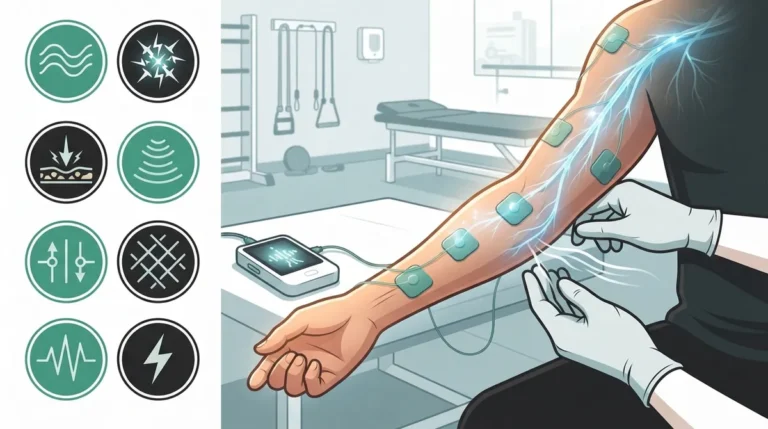
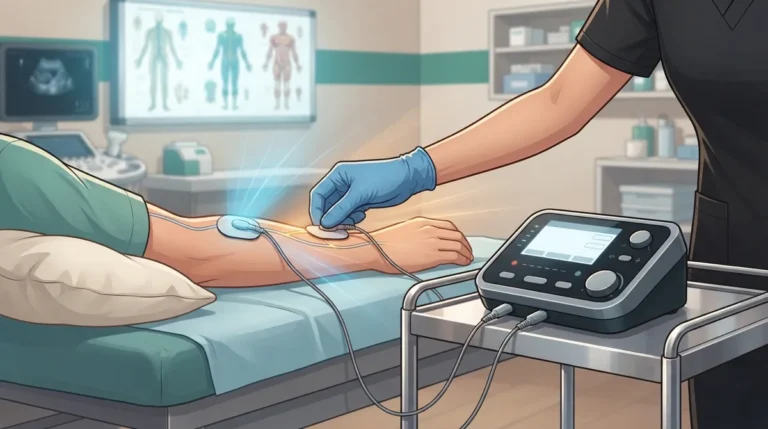
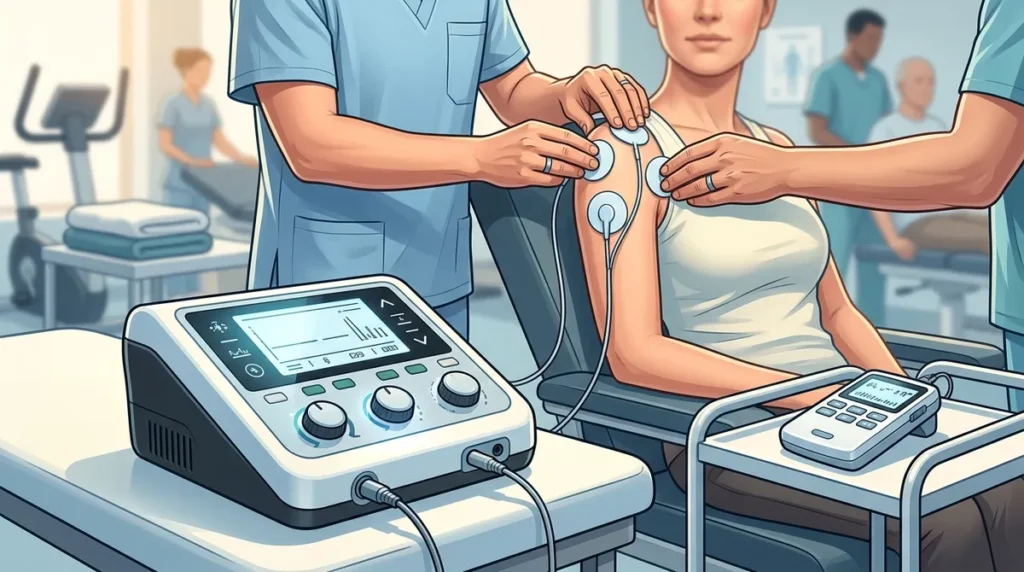
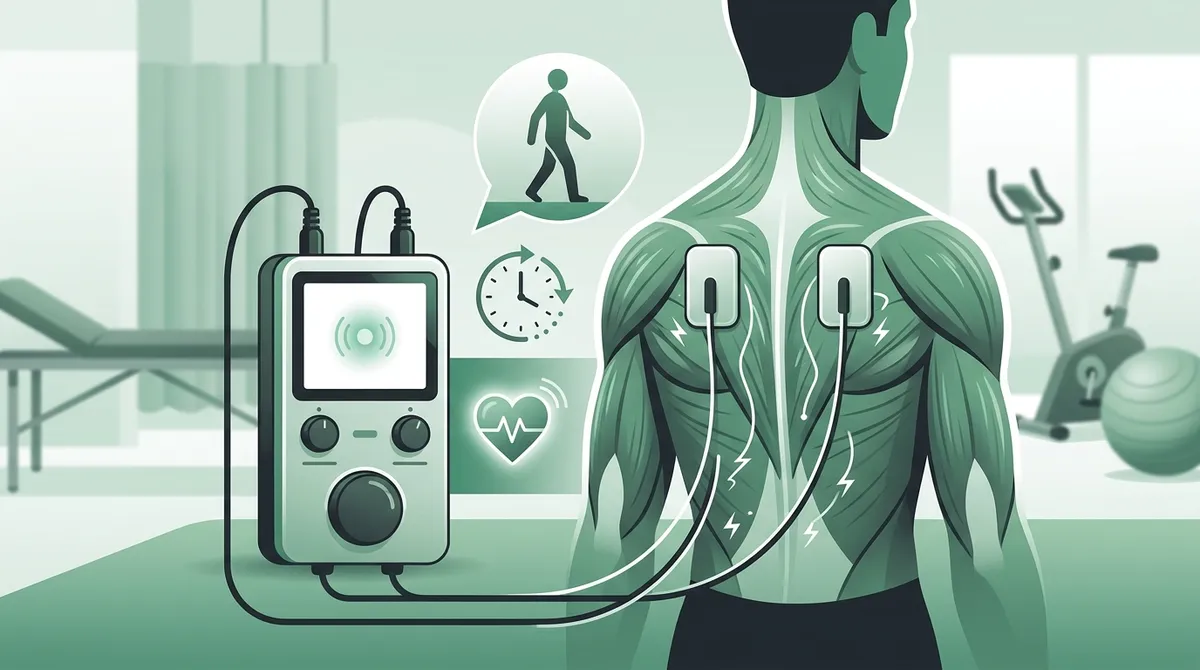
Transcutaneous electrical nerve stimulation (TENS) is a non-invasive therapy that delivers low-voltage electrical impulses through surface electrodes placed on the skin. According to the Cleveland Clinic, TENS works by modulating pain signals through nerve pathways, providing both immediate and cumulative relief. For physical therapy clinics, this means a powerful tool that complements exercise therapy, manual techniques, and rehabilitation protocols without the risks associated with pharmacological interventions.
Aurora-area providers treating post-surgical patients, sports injuries, auto accident victims, and individuals with chronic pain can use TENS as a front-line or adjunctive modality. When paired with mobility work, therapeutic exercise, and patient education, TENS significantly enhances overall treatment outcomes and patient satisfaction. Clinics seeking to expand their treatment menu should view TENS units as an essential, evidence-supported investment.
Clinical Conditions Treated with TENS in Aurora Physical Therapy
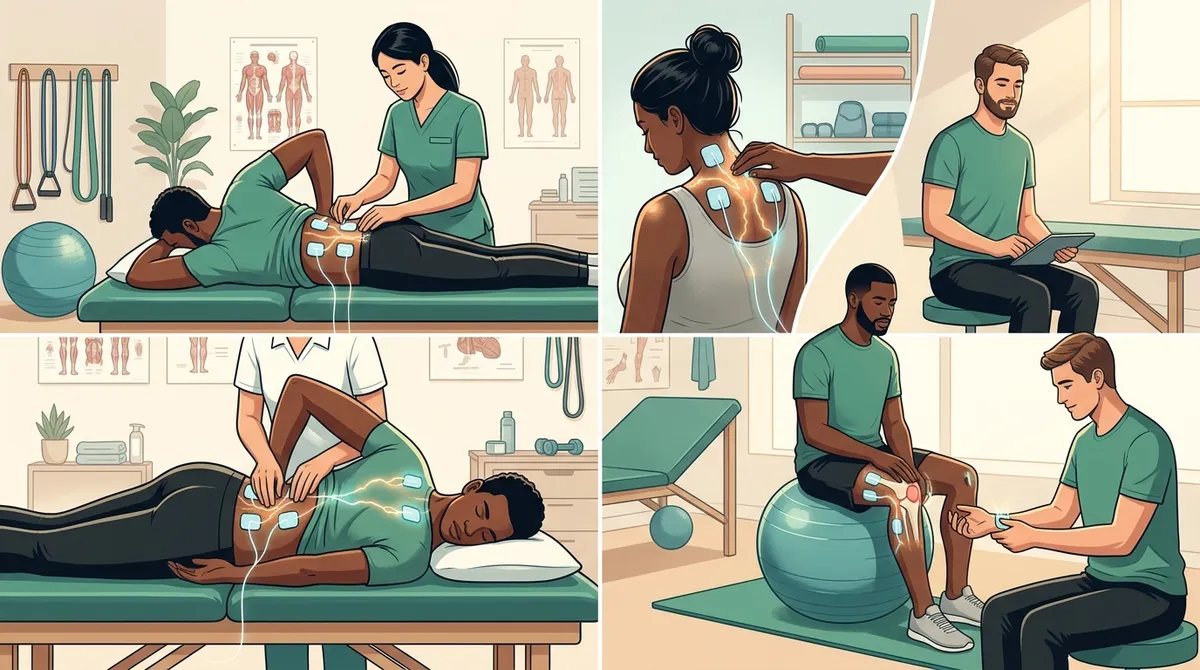
Before selecting a TENS unit, Aurora PT clinics should inventory the conditions they most commonly treat. The right device must support the full range of patient presentations in the clinic’s caseload. Physical therapy providers in the Aurora region serve patients across a broad spectrum of diagnoses, and the following conditions are among those most frequently addressed using TENS therapy:
- Musculoskeletal pain: Low back pain, neck pain, shoulder impingement, and joint dysfunction respond well to targeted TENS application.
- Neurological pain: Peripheral neuropathy, sciatica, and post-surgical nerve pain benefit from frequency-adjusted TENS protocols.
- Orthopedic rehabilitation: Post-fracture recovery, knee replacement, and rotator cuff repair often incorporate TENS to manage pain during active rehabilitation.
- Sports injuries: Muscle strains, ligament sprains, and overuse injuries are commonly treated using TENS alongside functional exercise protocols.
- Auto accident injuries: Whiplash, soft tissue trauma, and cervical strain — conditions prevalent in Aurora’s auto accident injury clinic population — respond favorably to early electrotherapy intervention.
Understanding the breadth of conditions in your caseload helps determine what waveform types, channel configurations, and intensity ranges your clinic requires. Not all TENS units are created equal, and matching device capabilities to patient needs is the foundation of effective equipment selection. For additional clinical guidance, the How to Choose TENS Units for Physical Therapy Clinics in Thornton resource offers parallel insights for Colorado-area providers.

Key Specifications to Evaluate When Selecting a TENS Unit
Not every TENS device on the market meets the demands of a busy physical therapy clinic. Aurora PT professionals should evaluate devices based on clinical performance metrics, durability, and patient usability. The table below outlines the primary specifications to assess during the selection process.
| Specification | Clinical Relevance | Recommended Range |
|---|---|---|
| Output Channels | Allows simultaneous treatment of multiple body regions | 2–4 channels minimum |
| Pulse Frequency (Hz) | Controls pain gate vs. endorphin-release mechanisms | 1–150 Hz adjustable |
| Pulse Width (µs) | Determines depth of stimulation and nerve fiber recruitment | 50–300 µs adjustable |
| Intensity Range (mA) | Accommodates varied patient sensitivity thresholds | 0–80 mA |
| Waveform Options | Symmetric/asymmetric biphasic for balanced stimulation | Multiple waveform modes |
| Timer Function | Ensures consistent treatment duration and billing accuracy | 5–60 minutes programmable |
| Battery/Power Source | Clinic vs. home-use practicality | Rechargeable or dual-power |
Clinics that serve both in-office and home-care patients should prioritize devices with intuitive controls and durable construction. The Devices available through Liberty Medical Solutions are specifically designed to meet these clinical and logistical requirements, making them a dependable choice for Aurora physical therapy providers.
How to Evaluate TENS Units: A Step-by-Step Process for PT Clinics
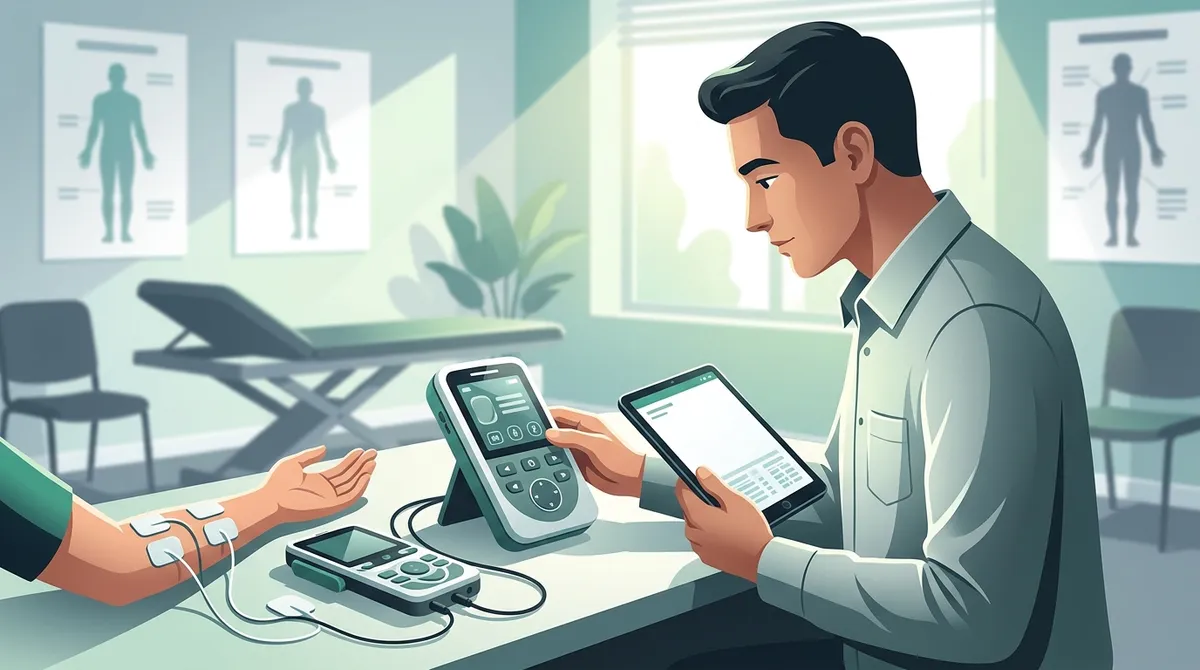
Choosing the right TENS unit is a systematic process. Aurora clinic directors and lead therapists should follow a structured evaluation pathway to ensure the selected device aligns with clinical protocols, budget constraints, and patient population needs.
- Define your patient population: Document the top five to ten diagnoses treated in your clinic. This immediately narrows the waveform, frequency, and channel requirements your TENS unit must meet.
- Assess clinic volume and workflow: High-volume clinics treating multiple patients simultaneously need multi-channel units with fast setup times. Consider how quickly therapists can transition between patients while managing device setup.
- Establish a home-program pathway: Determine whether your clinic intends to prescribe TENS units for home use. If so, partner with a supplier that handles insurance billing, delivery, and patient education — streamlining administrative workflows significantly.
- Review insurance and billing compatibility: Confirm that the devices you select qualify for reimbursement under the insurance plans your clinic accepts. Aurora-area clinics working with workers’ compensation and auto accident claims must ensure equipment is properly documented and eligible for coverage.
- Request clinical demonstrations: Before finalizing any purchase, arrange for in-clinic demonstrations. Allow your therapists to evaluate electrode placement options, interface usability, and output consistency during actual patient simulations.
- Verify supplier support and lead times: Equipment availability matters. For context, some health system workflows — such as those documented by Aurora Health Care — indicate TENS units can be ordered with two to three days notice, which is an important logistical benchmark for clinics planning patient care timelines.
Comparing TENS Unit Categories for Physical Therapy Use
Physical therapy clinics in Aurora typically work with two primary categories of TENS units: clinical-grade units for in-clinic use and portable units designed for home prescription programs. Understanding the differences between these categories ensures your clinic equips both the treatment room and the patient’s home appropriately.
| Category | Best Use Case | Key Features | Patient Population |
|---|---|---|---|
| Clinical-Grade TENS | In-office treatment sessions | Multi-channel, high-intensity, programmable modes | Acute rehab, post-surgical, high-complexity cases |
| Portable Home-Use TENS | Prescribed for ongoing home pain management | Lightweight, rechargeable, simple interface | Chronic pain, maintenance-phase patients |
| Combination Units (TENS + EMS) | Dual-purpose therapy: pain relief + muscle re-education | Switchable modes, dual output | Sports rehab, neurological recovery |
| Wireless TENS Systems | Mobility-friendly in-clinic use | No lead wires, Bluetooth-enabled | Active rehab, pediatric or elderly patients |
For Aurora clinics that also treat patients from auto accident or workers’ compensation cases, the full product range at Liberty Medical Solutions includes solutions tailored to these specific billing and documentation requirements. Combining clinical-grade in-office units with prescribed home-use devices creates a continuum of care that maximizes patient outcomes and clinic revenue.
Insurance and Billing Considerations for Aurora PT Clinics
One of the most overlooked aspects of TENS unit integration is the insurance and billing infrastructure required to support it. Aurora physical therapy clinics treating patients under commercial PPO/POS plans, workers’ compensation, or auto accident claims must ensure their electrotherapy equipment qualifies for coverage and that proper documentation supports each claim. The FDA has issued guidance expanding non-opioid treatment options, further reinforcing the clinical and regulatory legitimacy of TENS as a covered modality.
Liberty Medical Solutions specializes in navigating this landscape on behalf of clinics and patients, managing insurance verification, equipment billing, and documentation workflows across commercial insurance, workers’ compensation, and auto accident claims. This support removes a significant administrative burden from clinic staff while ensuring patients receive their prescribed electrotherapy devices with minimal friction.
Complementary Electrotherapy Products That Enhance TENS Outcomes
TENS units deliver the most clinical value when integrated within a broader electrotherapy ecosystem. Aurora PT clinics should consider pairing TENS therapy with complementary products that address the full spectrum of patient needs.
- Conductive Garments: Conductive Garments improve electrode contact across larger treatment areas, particularly for patients with widespread pain or complex anatomy.
- TheraKnit Garments: TheraKnit Garments provide a wearable electrotherapy solution ideal for patients who require consistent stimulation throughout daily activities.
- Back Braces: Back Braces complement TENS treatment by providing structural support during the recovery phase, particularly for lumbar pain patients.
- Cervical Traction Units: For patients with cervical disc issues, neck pain, or whiplash, cervical traction combined with TENS creates a synergistic treatment approach that accelerates recovery.
Clinics that adopt a comprehensive electrotherapy approach — rather than relying on a single modality — consistently report improved patient satisfaction and stronger retention rates. For reference on how Colorado-area clinics are implementing these strategies, the TENS Units for Physical Therapy Clinics in Arvada and TENS Units for Physical Therapy Clinics in Lakewood resources offer relevant regional context.
Staff Training and Patient Education Best Practices
The clinical effectiveness of TENS units for physical therapy clinics in Aurora depends not only on device quality but also on proper staff training and patient education. Therapists should be proficient in electrode placement protocols for various anatomical regions, waveform selection based on diagnosis, and contraindication screening. Standardizing training across all clinical staff ensures consistent, safe, and effective TENS delivery.
Patient education is equally critical. Patients prescribed home-use TENS units must understand proper electrode placement, hygiene, session duration, and when to contact their provider. Written instructions, demonstration sessions during clinic visits, and follow-up check-ins significantly improve home compliance and treatment outcomes. The CDC actively supports non-opioid pain management strategies like TENS as part of its clinical care recommendations, underscoring the importance of educating both staff and patients on these evidence-based alternatives.
Comparing Aurora-Area Clinic Needs: A Summary Matrix
| Clinic Type | Primary TENS Need | Key Device Feature | Recommended Accessory |
|---|---|---|---|
| General PT Clinic | Broad pain management across diagnoses | Multi-channel, adjustable frequency | Conductive garments for electrode coverage |
| Sports Rehabilitation | Acute injury and performance recovery | Combination TENS/EMS modes | Portable units for athlete compliance |
| Auto Accident Injury Clinic | Whiplash, cervical, and soft tissue trauma | Cervical-compatible electrode placement | Cervical traction + back brace bundle |
| Orthopedic Rehab | Post-surgical pain control | Programmable sessions, precise intensity | TheraKnit garments for wearable therapy |
| Chronic Pain Specialty | Long-term maintenance and self-management | Patient-friendly home-use design | Home TENS kit with patient education materials |
Aurora clinics treating patients from chiropractic referrals should also explore how How to Choose TENS Units for Chiropractic Practices in Aurora can inform cross-disciplinary collaboration. Additionally, clinics expanding services across neighboring Colorado regions may find value in the How to Choose TENS Units for Physical Therapy Clinics in Westminster and TENS Units for Physical Therapy Clinics in Greeley guides for regional benchmarking.
Conclusion: Building a Stronger Clinic with the Right TENS Solutions
Selecting the right TENS units for physical therapy clinics in Aurora is a strategic clinical and business decision. From understanding device specifications and patient indications to navigating insurance workflows and building comprehensive home-program protocols, each step directly impacts patient outcomes and clinic performance. Aurora PT providers who take a systematic, informed approach to TENS unit selection will be well-positioned to deliver superior care across the full spectrum of pain and rehabilitation diagnoses.
Liberty Medical Solutions brings deep expertise in electrotherapy equipment, insurance coordination, and customized solutions for physical therapy clinics, chiropractors, and auto accident injury providers. Whether your clinic is building out its first electrotherapy program or upgrading existing equipment, our team is ready to help. Reach out to our team today to explore the right TENS solutions for your Aurora practice and begin delivering more effective, evidence-based pain relief to your patients.
FAQs
Q: What is a TENS unit used for in physical therapy clinics in Aurora?
A: A TENS unit delivers low-voltage electrical impulses through skin electrodes to help manage pain by modulating nerve signal transmission. In Aurora physical therapy clinics, TENS is used to treat musculoskeletal pain, post-surgical recovery, sports injuries, and neurological pain conditions as part of a comprehensive rehabilitation program.
Q: Do physical therapy clinics in Aurora need a prescription to provide TENS units?
A: For clinical in-office use, TENS units are administered under the direction of a licensed physical therapist and do not require a separate prescription. However, when prescribing a TENS unit for a patient’s home use — particularly for insurance billing purposes — proper documentation and a physician or therapist order are typically required to support the claim.
Q: Can Aurora PT clinics bill insurance for TENS unit use?
A: Yes, TENS therapy and related equipment can be billed through many insurance plans, including commercial PPO/POS plans, workers’ compensation, and auto accident claims. Clinics should verify device eligibility and maintain thorough documentation of medical necessity to support successful reimbursement.
Q: How does TENS compare to other electrotherapy modalities available in physical therapy?
A: TENS is specifically designed for pain modulation through sensory nerve stimulation, while other modalities such as electrical muscle stimulation (EMS) target motor nerve fibers for muscle re-education and strengthening. Many Aurora PT clinics use combination units or complement TENS with cervical traction, back braces, and conductive garments to address a broader range of patient needs.
Q: What should Aurora physical therapy clinics look for in a TENS unit supplier?
A: Clinics should seek a supplier with expertise in electrotherapy equipment, insurance billing support, and access to a comprehensive product range including TENS devices, conductive garments, and related accessories. Suppliers like Liberty Medical Solutions that specialize in working with workers’ compensation and auto accident claims provide significant administrative value alongside their clinical equipment offerings.