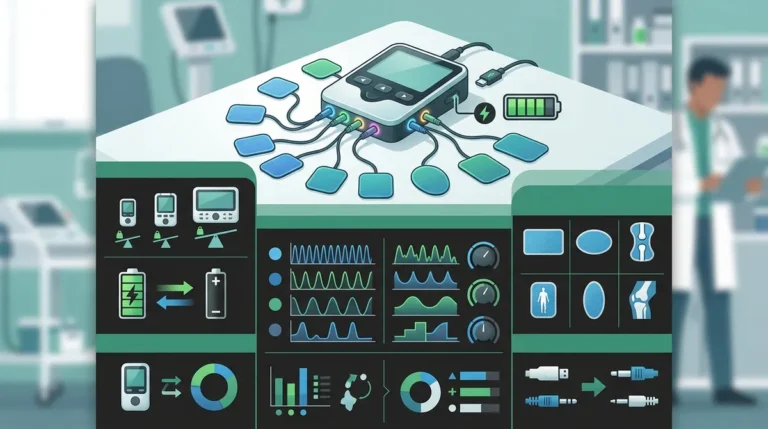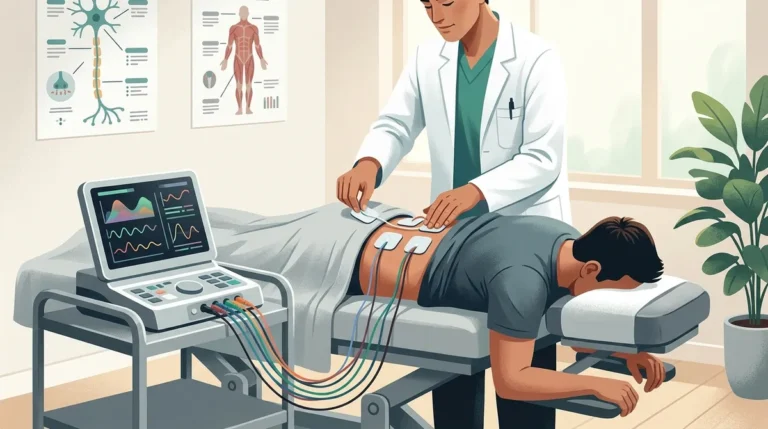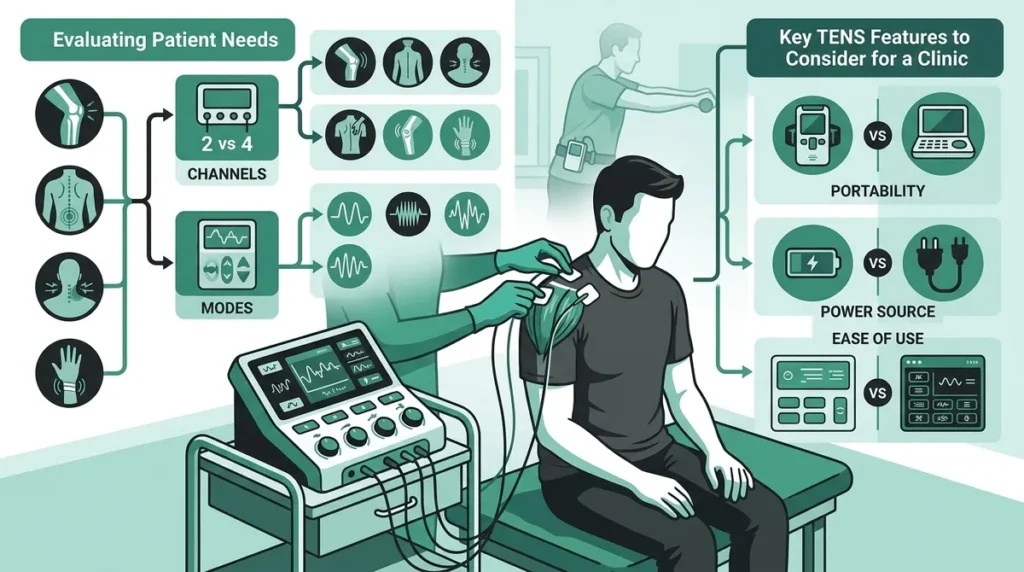
Key Takeaways
-
TENS units serve as adjunct therapy to reduce pain during sessions, allowing patients to engage more fully in therapeutic exercise and mobility work—the true drivers of long-term rehabilitation success.
-
Clinical-grade TENS devices differ significantly from consumer options in waveform customization, channel capacity, and durability; prioritize adjustable pulse width (50–250 microseconds), frequency range (1–150 Hz), and multi-channel capabilities for varied patient needs.
-
Establish standardized treatment protocols for each condition, train all staff formally on device operation and electrode placement, and document outcomes systematically using pain scales to ensure consistent results and insurance billing support.
-
Screen patients for contraindications before TENS use, avoiding treatment for those with pacemakers, during pregnancy, or over compromised skin; monitor first-time patients throughout initial sessions and set realistic expectations about pain relief duration (typically diminishes within one hour).
-
Develop a home-use dispensing program with portable TENS devices and written instructions to extend therapeutic effect between clinic visits; partner with suppliers accepting commercial PPO/POS, workers' compensation, and auto accident claims to reduce patient financial burden.
-
TENS research shows mixed efficacy—some studies demonstrate meaningful benefit while others suggest results may approach placebo levels for certain conditions, making patient-specific assessment and clinical judgment central to determining appropriate use.
Physical therapy clinics in Westminster face a consistent challenge: delivering effective, evidence-based pain management without relying solely on medication. As patient demand for drug-free treatment options continues to grow, TENS units for physical therapy clinics in Westminster have emerged as one of the most practical and clinically valuable tools in a therapist’s arsenal. Transcutaneous Electrical Nerve Stimulation (TENS) technology offers a non-invasive, low-risk approach to pain relief that integrates seamlessly into rehabilitation protocols. Whether your clinic treats post-operative recovery, chronic musculoskeletal pain, or acute soft tissue injuries, selecting the right TENS device can significantly influence patient outcomes and overall practice efficiency. This guide walks Westminster-based physical therapy providers through what to look for when choosing, deploying, and managing TENS units — from device specifications to insurance considerations and home-use programs.
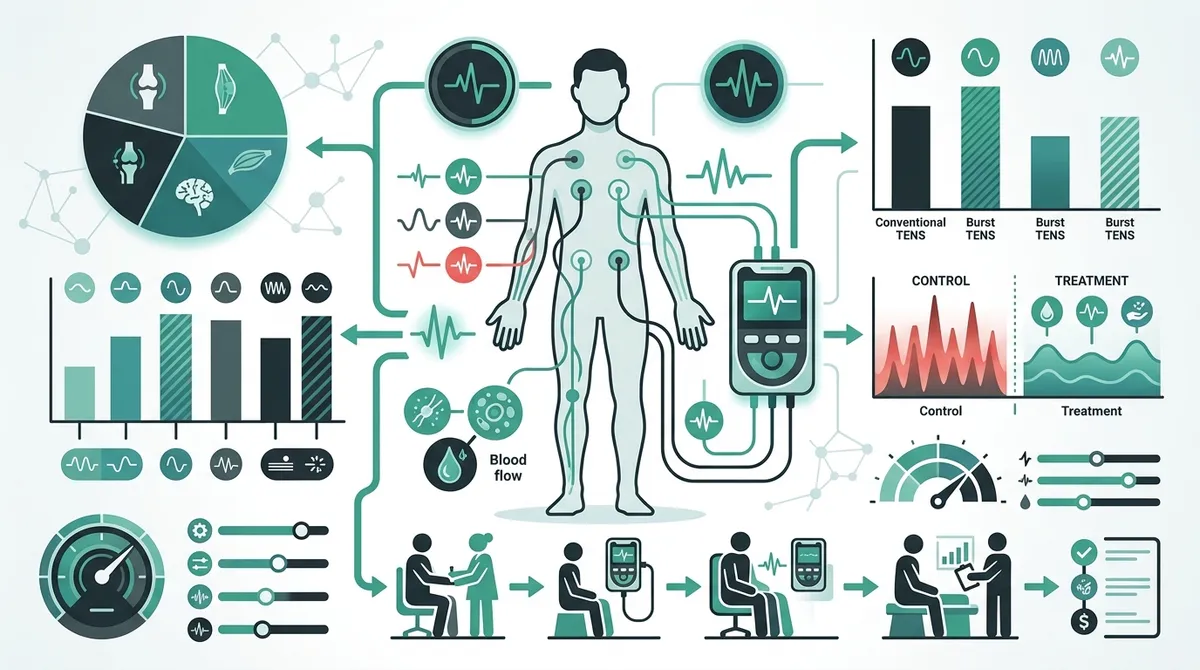
Understanding TENS Technology in a Clinical Context
A TENS unit is a battery-powered device that delivers low-voltage electrical impulses through adhesive electrodes placed on the skin near a painful area or trigger points. These impulses are thought to interfere with pain signal transmission through a mechanism known as the pain-gate theory, and may also stimulate endorphin release. According to the Cleveland Clinic, TENS is used to address a broad spectrum of conditions including back pain, osteoarthritis, fibromyalgia, tendinitis, bursitis, neuropathic pain, and peripheral artery disease.
For physical therapy clinics specifically, TENS is most valuable as an adjunct therapy rather than a standalone treatment. By reducing pain perception during a session, TENS allows patients to engage more fully with therapeutic exercise, manual therapy, and mobility work — which are the true drivers of long-term rehabilitation success. This complementary role makes TENS a powerful clinical tool when used with intention and proper patient screening.

Key Conditions Treated with TENS in Westminster PT Clinics
Understanding which patient populations benefit most from TENS therapy helps clinics allocate devices strategically and build appropriate protocols. The following table outlines the most common conditions treated using TENS in outpatient physical therapy settings:
| Condition | Primary Benefit of TENS | Typical Session Length |
|---|---|---|
| Chronic Low Back Pain | Reduces pain to improve movement tolerance | 15–30 minutes |
| Osteoarthritis (Knee/Hip) | Short-term pain relief for exercise participation | 20–30 minutes |
| Post-Injury Soft Tissue Pain | Acute pain modulation during early rehab | 15–20 minutes |
| Tendinitis/Bursitis | Localized pain reduction at treatment site | 15–25 minutes |
| Fibromyalgia | Widespread pain management support | 20–30 minutes |
| Neuropathic Pain / Diabetic Neuropathy | Nerve-related discomfort relief | 20–30 minutes |
It is worth noting that research findings on TENS efficacy are mixed — some studies demonstrate meaningful benefit while others suggest results may approach placebo levels for certain conditions. For this reason, patient-specific assessment and clinical judgment remain central to determining when TENS is appropriate. The CDC recognizes non-opioid therapies, including electrotherapy, as important components of comprehensive pain management strategies.
How to Evaluate TENS Devices for Clinical Use
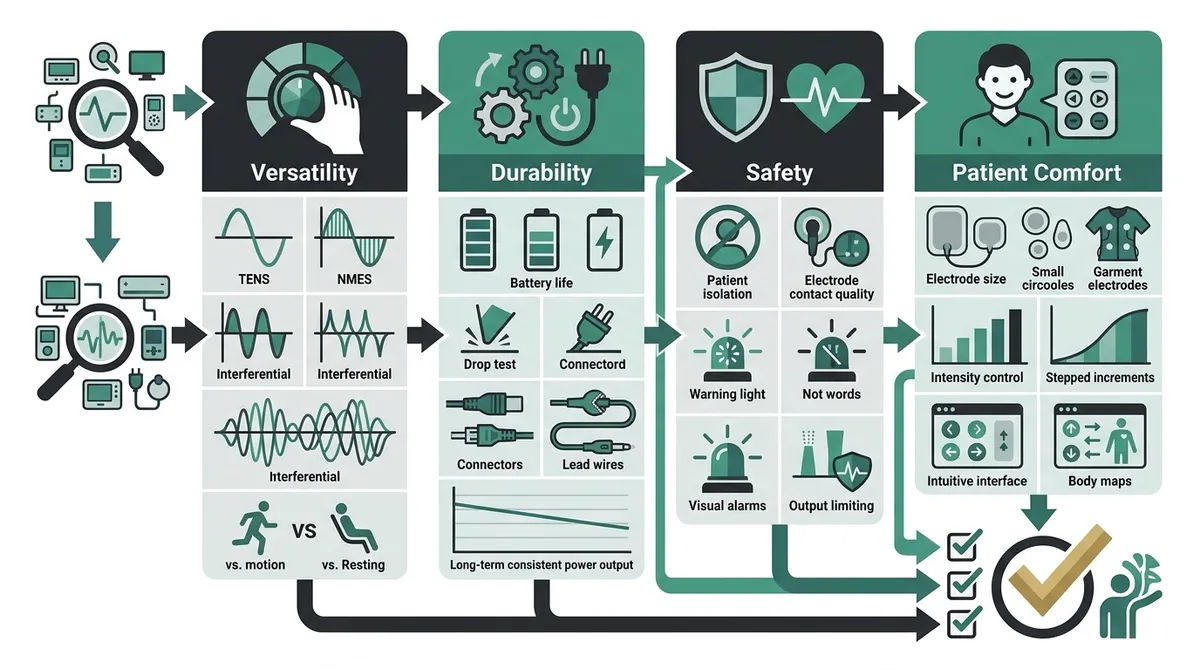
Not all TENS units are created equal. Clinical-grade devices differ substantially from consumer-level options in terms of waveform customization, channel capacity, durability, and compliance with regulatory standards. When selecting TENS units for physical therapy clinics in Westminster, providers should evaluate the following criteria carefully.
1. Device Specifications to Prioritize
Clinical TENS devices should offer a range of adjustable parameters to allow therapists to tailor treatment to individual patient needs. Key specifications include:
- Pulse Width: Adjustable range (typically 50–250 microseconds) for targeting different nerve fiber types
- Pulse Rate/Frequency: Low (2–10 Hz) and high (80–150 Hz) modes for varied pain modulation approaches
- Intensity Range: Adequate output to address both superficial and deeper tissue pain
- Number of Channels: Dual-channel or multi-channel units allow treatment of multiple sites simultaneously
- Mode Options: Continuous, burst, and modulated modes to prevent neural adaptation
- Battery Life and Charging: Rechargeable units minimize consumable costs in high-volume clinical settings
2. Durability and Build Quality
In a busy Westminster physical therapy clinic, devices are handled frequently by multiple staff members and patients. Clinical-grade construction with durable housings, secure electrode connections, and reliable digital interfaces reduces device downtime and replacement costs. Evaluate warranties and manufacturer support options before committing to a device line.
3. Electrode Compatibility and Accessory Range
Electrode quality directly affects treatment consistency. Standard self-adhesive electrodes work well for most applications, but clinics treating patients with varied anatomical needs may benefit from conductive garments and TheraKnit garments, which provide broader surface coverage and improved electrode-to-skin contact for conditions affecting larger muscle groups or joints.

TENS Unit Feature Comparison for Physical Therapy Settings
The table below provides a structured comparison of key device features relevant to clinical physical therapy environments:
| Feature | Basic Clinical Unit | Advanced Clinical Unit |
|---|---|---|
| Channels | 1–2 | 2–4 |
| Frequency Range | Fixed or limited | Fully adjustable (1–150 Hz) |
| Modes Available | Continuous only | Continuous, burst, modulated |
| Power Source | Disposable batteries | Rechargeable lithium-ion |
| Electrode Compatibility | Standard adhesive only | Standard + specialty garments |
| Durability Rating | Consumer-grade | Clinical-grade |
| Best For | Low-volume or home use | High-volume clinical settings |
Step-by-Step Guide to Implementing TENS in Your Westminster Clinic
Integrating TENS therapy into an existing physical therapy workflow requires thoughtful planning. Following a structured implementation process ensures consistent outcomes, patient safety, and regulatory compliance.
- Conduct Patient Screening: Assess each patient for contraindications before initiating TENS therapy. TENS is not appropriate for patients with pacemakers, during pregnancy, or over areas of active infection, compromised skin, or malignancy. A thorough intake evaluation protects both patients and your clinic.
- Define Treatment Protocols: Establish standardized protocols for each condition type your clinic treats. Define frequency, pulse width, intensity range, session duration (typically 15–30 minutes), and electrode placement guidelines. Consistency improves outcomes and supports documentation requirements.
- Train Clinical Staff Thoroughly: All therapists and support staff who operate TENS devices should receive formal training on device settings, electrode placement, patient monitoring, and emergency procedures. Documented training records contribute to compliance and quality assurance programs.
- Integrate with Broader Rehab Plans: Schedule TENS sessions immediately before or during therapeutic exercise to maximize the window of pain relief. This approach allows patients to perform movements that would otherwise be limited by discomfort, accelerating functional recovery.
- Document Outcomes Systematically: Record pain scores (e.g., VAS or NRS) before and after each TENS session. Tracking clinical outcomes helps therapists adjust protocols, demonstrates treatment value to patients, and supports insurance billing documentation.
- Develop a Home-Use Dispensing Program: Many patients benefit from continuing TENS therapy between clinic visits. Establishing a home-use program — in which patients receive portable TENS devices with written instructions — extends the therapeutic effect and improves patient compliance with overall rehab protocols.
Insurance Coverage and Procurement Considerations
For Westminster physical therapy clinics, understanding how TENS units are covered — and how to procure them cost-effectively — is essential for sustainable program management. The FDA has issued guidance to expand non-opioid treatment options for chronic pain, and TENS falls squarely within this framework, which has supported broader insurance recognition of electrotherapy modalities.
Liberty Medical Solutions works directly with physical therapy clinics, chiropractic practices, and auto accident injury providers to supply customized electrotherapy solutions including TENS units, back braces, cervical traction units, and specialty conductive garments. The company accepts commercial PPO/POS plans, workers’ compensation, and auto accident claims — making it easier for clinics to equip patients with take-home devices without placing financial burden on the patient. This type of partnership can significantly streamline a clinic’s home-use program while expanding access to electrotherapy for patients across Westminster.
Insurance Coverage Overview for TENS Devices
| Coverage Type | Applicability to TENS | Key Considerations |
|---|---|---|
| Commercial PPO/POS (Out-of-Network) | Often covered for home-use devices | Requires diagnosis and documented medical necessity |
| Workers’ Compensation | Frequently approved for work-related injuries | Must link to work injury diagnosis; adjuster approval often required |
| Auto Accident / Third-Party Liability | Applicable for whiplash, back, and soft tissue injuries | Documentation of accident-related injury is essential |
Safety Guidelines and Patient Eligibility
Maintaining rigorous safety standards is non-negotiable when incorporating electrotherapy into clinical practice. The following bullet points summarize core safety considerations for TENS therapy in a Westminster PT clinic environment:
- Do not apply electrodes over the carotid sinuses, throat, or across the chest in patients with cardiac conditions
- Avoid placement over open wounds, irritated or broken skin, or areas of reduced sensation
- TENS is contraindicated in patients with implanted electrical devices such as pacemakers or defibrillators
- Use with caution in patients with epilepsy, and avoid electrode placement near the head or neck in these cases
- Do not use during pregnancy, particularly over the abdomen or lower back
- Monitor first-time patients throughout their initial session and reassess electrode placement if they report discomfort
According to Cleveland Clinic guidance (accessed in 2026), many patients report that pain relief begins during the TENS session itself, though relief typically diminishes within approximately one hour after treatment ends. Setting realistic patient expectations from the outset helps improve satisfaction and adherence to prescribed therapy schedules.
Expanding Your Clinic’s Electrotherapy Capabilities
TENS units represent only one component of a comprehensive electrotherapy program. Westminster physical therapy clinics looking to broaden their treatment offerings should consider how TENS integrates with other modalities. For practices that also provide or refer to chiropractic care, resources such as why TENS units are essential for Westminster chiropractors offer additional clinical context that supports a multidisciplinary approach to patient care.
Similarly, clinics serving auto accident injury patients can benefit from reviewing guidance on why physical therapy clinics need TENS units for soft tissue and whiplash recovery protocols. Expanding electrotherapy capabilities not only improves clinical outcomes but also positions your Westminster practice as a comprehensive rehabilitation destination for patients with complex pain presentations.
Conclusion
Selecting and implementing the right TENS units for physical therapy clinics in Westminster is a decision that directly affects patient outcomes, clinic efficiency, and the breadth of services your practice can provide. By prioritizing clinical-grade device specifications, establishing clear protocols, training staff thoroughly, and developing a home-use dispensing program, Westminster PT clinics can maximize the therapeutic value of TENS technology. When paired with appropriate insurance navigation and a reliable equipment supplier, TENS therapy becomes a sustainable, scalable component of your pain management and rehabilitation services. If you are ready to upgrade your clinic’s electrotherapy capabilities with tailored solutions and expert support, reach out to our team at Liberty Medical Solutions to explore customized options designed specifically for physical therapy providers.
FAQs
Q: What makes TENS units beneficial for physical therapy clinics in Westminster?
A: TENS units provide a non-invasive, drug-free method of pain modulation that helps patients tolerate therapeutic movement more effectively during rehabilitation sessions. For Westminster PT clinics, this means patients can participate more fully in exercise-based treatment, which accelerates functional recovery and improves overall outcomes.
Q: How long does a typical TENS therapy session last in a clinical setting?
A: Clinical TENS sessions are generally administered for approximately 15 to 30 minutes per treatment, though the specific duration varies based on the condition being treated, patient tolerance, and the therapist’s established protocol. Session timing is typically coordinated with other rehabilitative activities to maximize the window of pain relief.
Q: Are TENS units safe for all physical therapy patients?
A: TENS therapy is considered low risk when properly administered, but it is not appropriate for all patients. Individuals with implanted electrical devices such as pacemakers, those who are pregnant, or patients with certain skin sensitivities or neurological conditions may not be suitable candidates. A thorough clinical screening must be conducted prior to initiating treatment.
Q: Can patients use TENS units at home between physical therapy visits?
A: Yes, portable TENS devices are frequently dispensed for home use to allow patients to manage pain symptoms between clinic visits. A well-structured home-use program, supported by written instructions and appropriate device selection, helps maintain therapeutic continuity and improves patient adherence to rehabilitation plans.
Q: Does insurance cover TENS units for patients of Westminster physical therapy clinics?
A: Coverage for TENS units varies by plan type, but many commercial PPO/POS plans, workers’ compensation carriers, and auto accident claims do cover electrotherapy devices when medical necessity is properly documented. Working with a specialized supplier like Liberty Medical Solutions can streamline the insurance process for both clinics and their patients.