Key Takeaways
-
Schenectady PT clinics should prioritize battery-operated, portable TENS units with dual/multi-channel output and adjustable frequency (1-150 Hz) to support both in-clinic treatment and supervised home use programs that improve patient adherence and outcomes.
-
TENS is most effective when integrated into comprehensive rehabilitation plans for back pain, neck pain, post-surgical recovery, and auto accident injuries—not as standalone treatment—requiring clinicians to pair it with manual therapy and therapeutic exercise.
-
Follow a structured procurement process: assess your patient population, define treatment protocols, verify FDA clearance and clinical-grade specifications, evaluate electrode compatibility, and confirm insurance billing alignment before deploying devices at volume.
-
Proper electrode placement training and thorough patient intake screening are essential; clinics must screen for contraindications including pacemakers, skin infections, anterior neck placement, pregnancy, and seizure disorders to ensure safety and efficacy.
-
TENS is the most cost-effective and broadly applicable electrotherapy modality for outpatient PT settings compared to EMS, IFC, and NMES, with a strong safety profile suitable for diverse patient demographics from elderly arthritis patients to athletes.
-
For clinics serving workers' compensation and auto accident cases, home TENS prescriptions may qualify for insurance coverage; partner with equipment suppliers experienced in navigating commercial insurance documentation to simplify procurement and billing.
Physical therapy clinics in Schenectady are increasingly integrating electrotherapy into their rehabilitation protocols, and TENS units have become one of the most versatile tools available for pain management. Whether your clinic serves patients recovering from auto accidents, orthopedic injuries, or chronic musculoskeletal conditions, selecting the right TENS unit can meaningfully improve patient outcomes and clinic efficiency. With multiple outpatient therapy providers operating across the Capital Region — including Access Physical Therapy locations on Union Street and Carman Road, and OrthoNY’s Schenectady clinic — competition for patient satisfaction and clinical results is real. This guide walks physical therapy professionals through the key considerations for sourcing, evaluating, and deploying TENS units for Physical Therapy Clinics in Schenectady, with practical steps to match device specifications to your patient population and practice goals. The FDA continues to support non-opioid pain management modalities, making TENS an increasingly relevant clinical investment in 2026.
Understanding TENS Technology in a Clinical Context
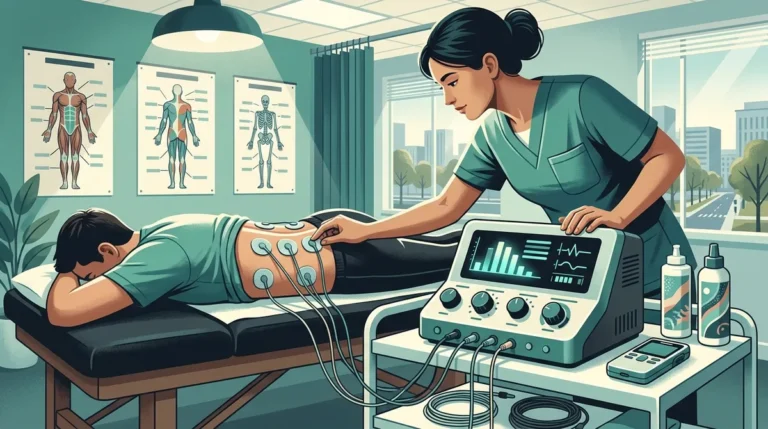
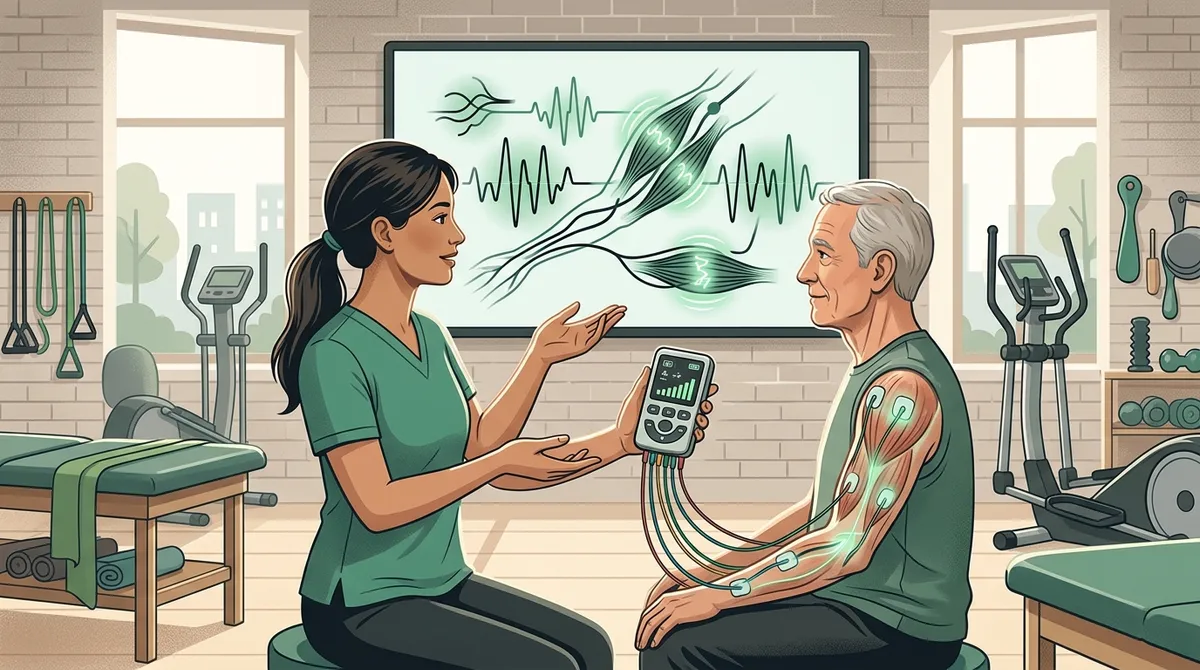
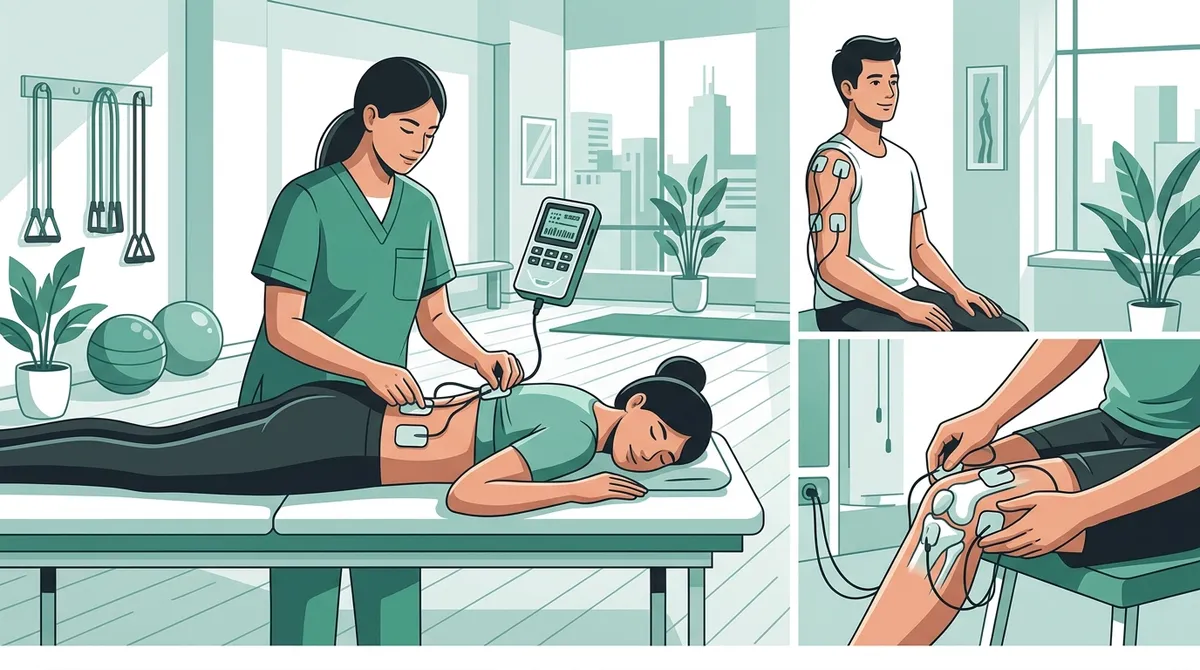
TENS — transcutaneous electrical nerve stimulation — works by delivering low-voltage electrical impulses through skin-surface electrodes placed near the painful area. These impulses help modulate pain signals traveling to the brain, offering temporary but often meaningful relief for a variety of conditions. According to the Cleveland Clinic, TENS is used to manage both acute and chronic pain, and works best when integrated into a broader rehabilitation plan rather than used as a standalone treatment.
In physical therapy settings, TENS is typically applied as an adjunct to manual therapy, therapeutic exercise, and other modalities. Clinicians use it to reduce pain perception before or after active treatment, enabling patients to participate more fully in their rehabilitation programs. For Schenectady PT clinics treating hip, shoulder, spine, foot, and ankle injuries — as noted by OrthoNY’s local rehabilitation services — TENS can play a consistent supporting role across a wide range of diagnoses.
Common Clinical Applications for TENS in Schenectady PT Clinics
Understanding which patient presentations benefit most from TENS therapy helps clinicians prioritize device acquisition and training. The following conditions are among the most frequently treated with TENS in outpatient physical therapy environments:
- Back and neck pain: Both acute and chronic lumbar or cervical pain respond well to TENS as part of a multimodal approach.
- Tendinitis and bursitis: Localized electrode placement can reduce inflammation-related pain in affected joints.
- Arthritis: Patients with osteoarthritis often report reduced pain and improved mobility with consistent TENS application.
- Fibromyalgia: TENS may help modulate widespread pain sensitivity in fibromyalgia patients when used regularly.
- Post-surgical and post-injury pain: TENS is particularly useful during early rehabilitation phases when active exercise tolerance is limited.
- Auto accident injuries: Whiplash, soft tissue damage, and cervical strain — common in auto accident referrals — respond to TENS as part of a structured recovery plan.
Clinics working with auto accident injury referrals or workers’ compensation cases will find that TENS units also support documentation of active pain management protocols, which can be important for insurance claim processes. For a broader perspective on how TENS units serve chiropractic and PT practices in the region, see How to Choose TENS Units for Chiropractic Practices in Schenectady.
Key Specifications to Evaluate When Selecting TENS Units
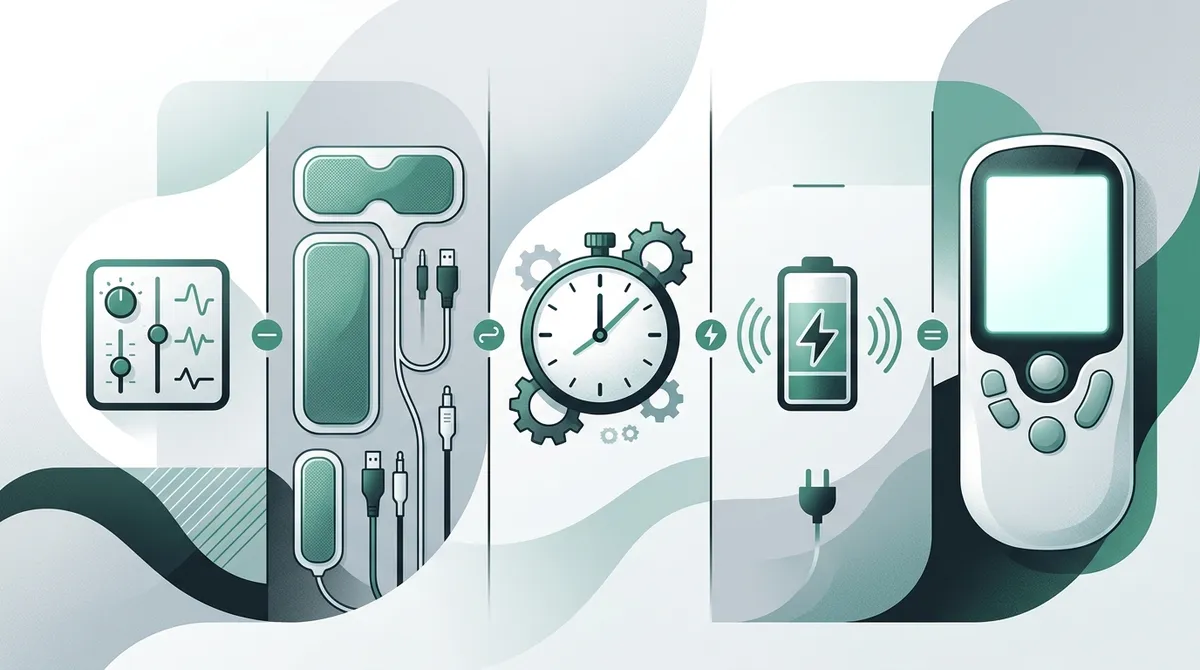
Not all TENS devices are created equal, and the specifications that matter most depend on your clinic’s patient volume, treatment protocols, and budget. Use the table below as a reference when comparing devices for clinical procurement.
| Specification | What to Look For | Why It Matters for PT Clinics |
|---|---|---|
| Output Channels | Dual or multi-channel options | Enables simultaneous treatment of multiple pain sites |
| Frequency Range | 1–150 Hz adjustable | Allows clinician to customize for acute vs. chronic pain |
| Pulse Width | 50–350 microseconds | Broader range supports diverse patient sensitivities |
| Waveform Types | Asymmetric biphasic, burst, modulated | Reduces accommodation effect for sustained relief |
| Portability | Battery-operated, compact design | Supports home use programs between clinic visits |
| Timer Function | Programmable session duration | Ensures consistent treatment time for clinical protocols |
| Electrode Compatibility | Standard snap or pin connectors | Enables use with conductive garments and specialty electrodes |
Clinics offering home use programs should prioritize battery-operated, portable devices that patients can comfortably use between sessions. This approach supports continuity of care and can improve patient-reported outcomes. Explore compatible Devices and Conductive Garments to understand how electrode systems interact with different unit types.

Step-by-Step Process for Selecting the Right TENS Units
Choosing TENS units for a physical therapy clinic involves more than picking a device off a catalog. A structured selection process ensures clinical fit, patient safety, and long-term value. Follow these steps to make an informed procurement decision:
- Assess your patient population: Identify the most common diagnoses and pain presentations in your clinic. A practice treating predominantly post-surgical orthopedic patients will have different TENS requirements than one focused on auto accident injury rehabilitation.
- Define your treatment protocols: Determine how TENS will be integrated into your existing workflows — whether as a pre-exercise modality, post-treatment pain relief, or home use supplement. This shapes the specifications you prioritize.
- Set a procurement budget: Account for initial device costs, electrode and lead wire replacements, and any training or support costs associated with a new equipment supplier relationship.
- Request clinical-grade device specifications: Ensure the units you consider meet FDA clearance requirements and are appropriate for professional clinical use, not just over-the-counter consumer applications.
- Evaluate electrode and accessory compatibility: Consider whether the devices support TheraKnit Garments or other specialty conductive garments that can enhance treatment delivery and patient comfort.
- Confirm insurance and billing compatibility: For clinics billing through workers’ compensation or auto accident insurance, verify that the TENS units you prescribe or dispense align with applicable coverage and documentation requirements.
- Test with clinical staff before full deployment: Have your physical therapists trial the units on clinical scenarios before purchasing at volume to ensure usability, comfort, and output quality meet your standards.
TENS vs. Other Electrotherapy Modalities
Physical therapy clinics often operate multiple electrotherapy modalities, and understanding how TENS compares to alternatives helps with equipment planning and patient education. The table below outlines key differences.
| Modality | Primary Mechanism | Best Clinical Use | Typical Frequency Range |
|---|---|---|---|
| TENS | Nerve stimulation for pain modulation | Acute and chronic pain management | 1–150 Hz |
| EMS (Electrical Muscle Stimulation) | Motor nerve stimulation for muscle contraction | Muscle re-education, atrophy prevention | 20–50 Hz |
| IFC (Interferential Current) | Deeper tissue stimulation via carrier frequency | Deep tissue pain, edema reduction | 4,000–4,150 Hz carrier |
| NMES (Neuromuscular Electrical Stimulation) | Combined nerve and muscle activation | Post-surgical muscle recovery | 25–75 Hz |
TENS remains the most broadly applicable and cost-effective starting point for pain management in outpatient PT settings. Its non-invasive nature and strong safety profile make it appropriate for a wide patient demographic, from elderly arthritis patients to younger athletes recovering from sports injuries. The CDC actively promotes non-opioid therapies like electrotherapy as part of responsible pain management guidelines.
Electrode Placement and Patient Safety Considerations
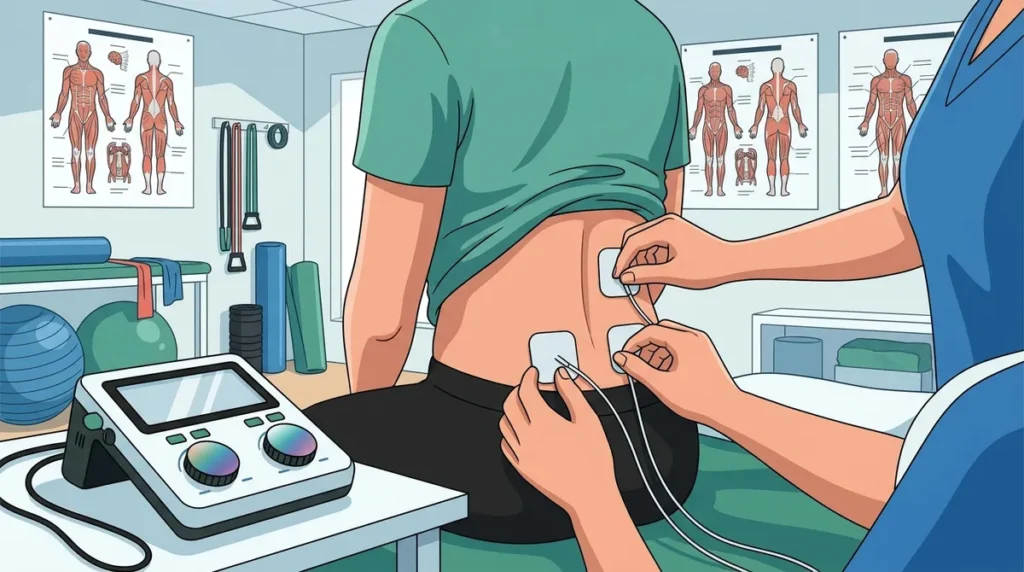
Correct electrode placement is essential to both the safety and efficacy of TENS therapy. Physical therapists should be trained in anatomically appropriate placement based on the target pain area, dermatome patterns, and individual patient sensitivity. Improper placement can reduce treatment effectiveness or, in rare cases, cause skin irritation or discomfort.
Key contraindications to be aware of include:
- Patients with implanted pacemakers or cardiac devices
- Placement over areas of active skin infection, open wounds, or rashes
- Application near the anterior neck or carotid sinuses
- Use during pregnancy without physician clearance
- Patients with epilepsy or known seizure disorders
A thorough patient intake screening process should be part of any clinic’s TENS protocol. Pairing TENS units with appropriate Back Braces or cervical support devices can further enhance patient comfort and postural support during treatment sessions.
Supporting Home Use Programs with TENS Equipment
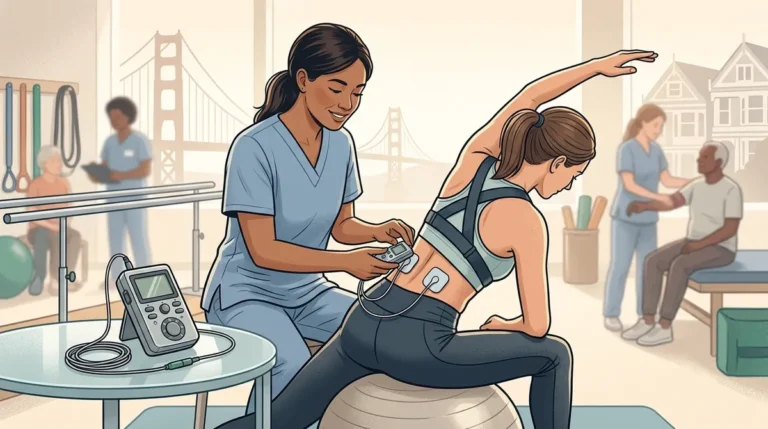
One of the most clinically valuable applications of TENS in a PT clinic is establishing a supervised home use program. Portable, battery-operated TENS units allow patients to continue pain management between scheduled therapy visits, which can improve adherence, reduce pain-related absenteeism, and support faster functional recovery.
To run an effective home TENS program, Schenectady PT clinics should:
- Provide written instructions for electrode placement, session duration, and intensity adjustment
- Educate patients on contraindications and signs that treatment should be paused
- Document the home use recommendation in the patient’s clinical record
- Follow up during subsequent clinic visits to assess patient response and adjust parameters
For clinics working with patients on workers’ compensation or auto accident insurance, TENS units prescribed for home use may be covered under applicable plans. Liberty Medical Solutions works with commercial PPO/POS plans, workers’ compensation cases, and auto accident claims to help ensure patients and providers can access the right electrotherapy equipment without financial barriers.
Clinics interested in expanding their physical therapy electrotherapy programs across New York can also reference regional guides such as Why Do Albany Physical Therapy Clinics Need TENS Units? and 8 TENS Units Syracuse Physical Therapy Clinics Need in 2026 for additional perspective on regional clinical practices.
Evaluating Evidence and Setting Patient Expectations
It is important for physical therapists to communicate transparently with patients about what TENS therapy can and cannot achieve. Research on TENS shows that many patients experience meaningful short-term pain relief, though the evidence base is mixed for specific conditions and patient groups. The National Institutes of Health notes that chronic pain affects a significant proportion of U.S. adults, underscoring the need for accessible, evidence-informed non-pharmacological options like TENS.
Realistic goal-setting — focused on functional improvement, reduced pain interference, and improved participation in active rehabilitation — leads to better patient satisfaction than promising complete pain elimination. When TENS is presented as one component of a comprehensive rehabilitation plan, patients are more likely to engage consistently and achieve measurable progress.
Partnering with the Right Electrotherapy Equipment Provider
Choosing a reliable equipment supplier is as important as choosing the right device. Physical therapy clinics in Schenectady benefit from working with providers who understand clinical requirements, insurance documentation, and the specific needs of healthcare professionals — not just retail consumers.
Liberty Medical Solutions specializes in customized electrotherapy solutions for clinics, chiropractors, and patients. Their product portfolio — including a full range of TENS units and related electrotherapy products — is designed to support clinical-grade treatment delivery. With expertise in navigating commercial insurance, workers’ compensation, and auto accident claims, they simplify the procurement and billing process for busy PT practices.
For clinics that also see chiropractic referrals or co-treat with chiropractic providers, resources like How to Choose TENS Units for Chiropractic Practices in Albany and 14 Reasons TENS Units Transform Physical Therapy Clinics in Utica offer complementary clinical insights.
Conclusion
Selecting and deploying TENS units for Physical Therapy Clinics in Schenectady requires a deliberate approach that balances clinical evidence, patient demographics, device specifications, and operational logistics. By following a structured selection process, training clinical staff in proper electrode placement, and building out a home use program, PT clinics can meaningfully extend the impact of their pain management services. As the Capital Region’s rehabilitation landscape continues to grow — with expanding clinic networks and increasing demand for non-opioid pain solutions — investing in quality TENS equipment is both a clinical and strategic priority.
Ready to upgrade your clinic’s electrotherapy capabilities? Reach out to our team at Liberty Medical Solutions to discuss customized electrotherapy solutions, device options, and insurance-compatible procurement pathways for your Schenectady physical therapy practice.
FAQs
Q: What conditions are TENS units most commonly used for in physical therapy clinics?
A: TENS units are most frequently used in physical therapy settings for back pain, neck pain, tendinitis, bursitis, arthritis, fibromyalgia, and post-surgical or post-injury pain management. They are typically applied as an adjunct to other rehabilitation methods such as manual therapy and therapeutic exercise, rather than as a standalone treatment.
Q: Do physical therapy clinics in Schenectady need a prescription to use or dispense TENS units?
A: In New York, higher-powered clinical-grade TENS units generally require a physician’s prescription or must be used under the supervision of a licensed clinician such as a physical therapist. Over-the-counter consumer TENS devices are available without a prescription, but clinical settings typically utilize professional-grade equipment that falls under different regulatory requirements.
Q: How is TENS different from EMS or other electrical stimulation therapies used in PT?
A: TENS (transcutaneous electrical nerve stimulation) targets sensory nerves to modulate pain signals, while EMS (electrical muscle stimulation) targets motor nerves to produce muscle contractions for rehabilitation purposes. Each modality has a distinct clinical application, and many physical therapy clinics use both depending on the patient’s diagnosis and treatment goals.
Q: Can patients use a TENS unit at home after receiving treatment at a Schenectady PT clinic?
A: Yes, portable battery-operated TENS units are well-suited for home use programs supervised by a physical therapist. Clinicians provide instruction on electrode placement, intensity settings, and session duration, allowing patients to continue pain management between clinic visits and support their overall rehabilitation progress.
Q: Are TENS units covered by insurance for physical therapy patients in Schenectady?
A: Coverage for TENS units varies depending on the insurance plan. Commercial PPO/POS plans with out-of-network benefits, workers’ compensation policies, and auto accident insurance claims may cover TENS devices when medically indicated and properly documented. Working with an electrotherapy equipment provider experienced in insurance billing, such as Liberty Medical Solutions, can streamline the authorization and procurement process.