Key Takeaways
-
TENS units are FDA-recognized, non-opioid electrotherapy modalities that physical therapy clinics in Los Angeles should integrate into pain management protocols to comply with updated FDA guidance and meet growing patient demand for drug-free alternatives.
-
Clinical-grade TENS devices with adjustable frequency (high-frequency for acute pain, low-frequency for chronic pain), dual-channel output, and programmable modes deliver superior outcomes in high-volume LA practices and support home-use prescription programs.
-
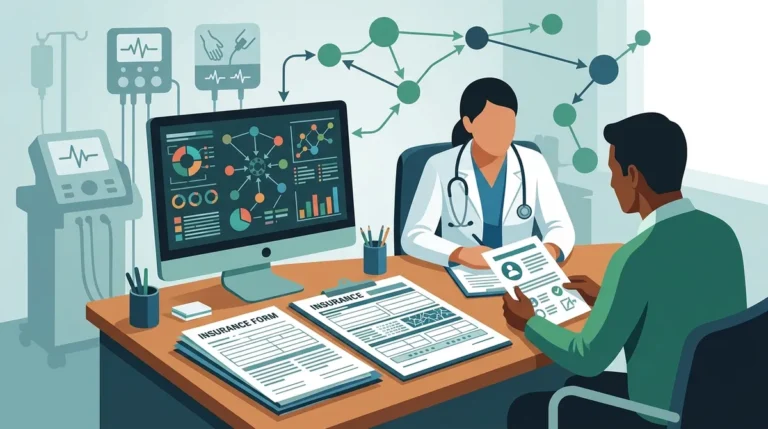
Los Angeles clinics treating workers' compensation and auto accident injury cases should partner with suppliers offering insurance billing support and third-party liability claim coordination to streamline revenue cycles and patient access to equipment.
-
TENS therapy is most effective when integrated into multi-modal rehabilitation protocols combining electrical stimulation with therapeutic exercise, manual therapy, and patient education, with progress monitored at regular intervals and parameters adjusted based on response.
-
Common conditions treated with TENS in LA clinics include low back pain, cervical/whiplash injuries, post-operative pain, chronic musculoskeletal conditions, sports injuries, and neuropathic pain—representing the clinical foundation of most outpatient practices.
-
Home TENS programs prescribed between clinic visits reinforce treatment gains, improve patient compliance, and provide valuable documentation for workers' compensation and auto accident claims common in the Los Angeles rehabilitation market.
Physical therapy clinics across Los Angeles operate in one of the most competitive and demanding rehabilitation markets in the country. From Beverly Hills to Burbank, Encino to Long Beach, clinicians are constantly seeking evidence-based, drug-free tools that deliver measurable results for their patients. TENS units for physical therapy clinics in Los Angeles have emerged as a cornerstone electrotherapy modality — one that supports pain management, enhances patient tolerance during exercise, and complements manual therapy techniques in a meaningful clinical setting.
As patient expectations rise and the pressure to reduce opioid dependency intensifies, electrotherapy solutions like Transcutaneous Electrical Nerve Stimulation (TENS) offer a compelling, non-invasive path forward. Understanding how TENS technology works, which conditions it addresses, and how to source the right equipment can meaningfully improve outcomes — and the efficiency of your practice. This guide is designed for LA-area physical therapists, chiropractic providers, and auto accident injury clinics looking to optimize their electrotherapy protocols in 2026.
What Is a TENS Unit and How Does It Work?
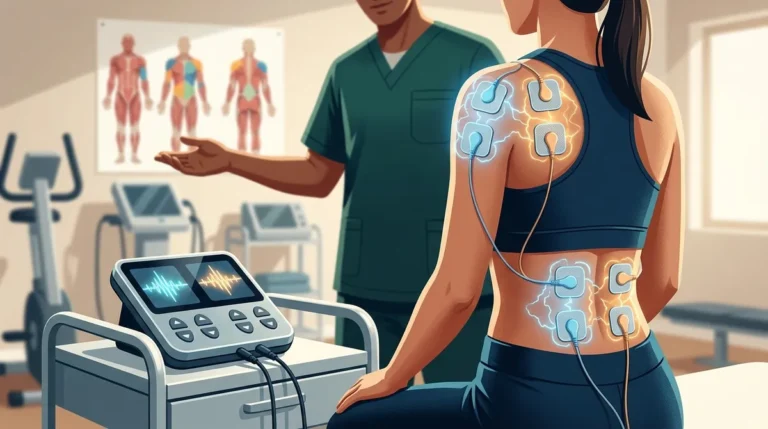
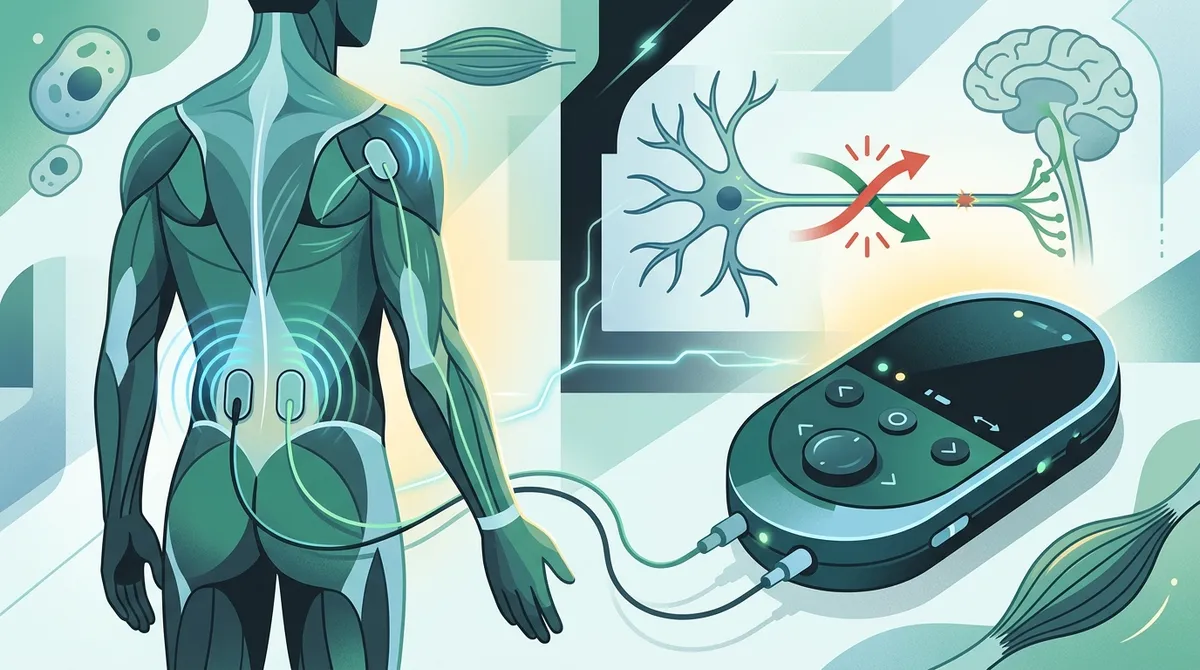
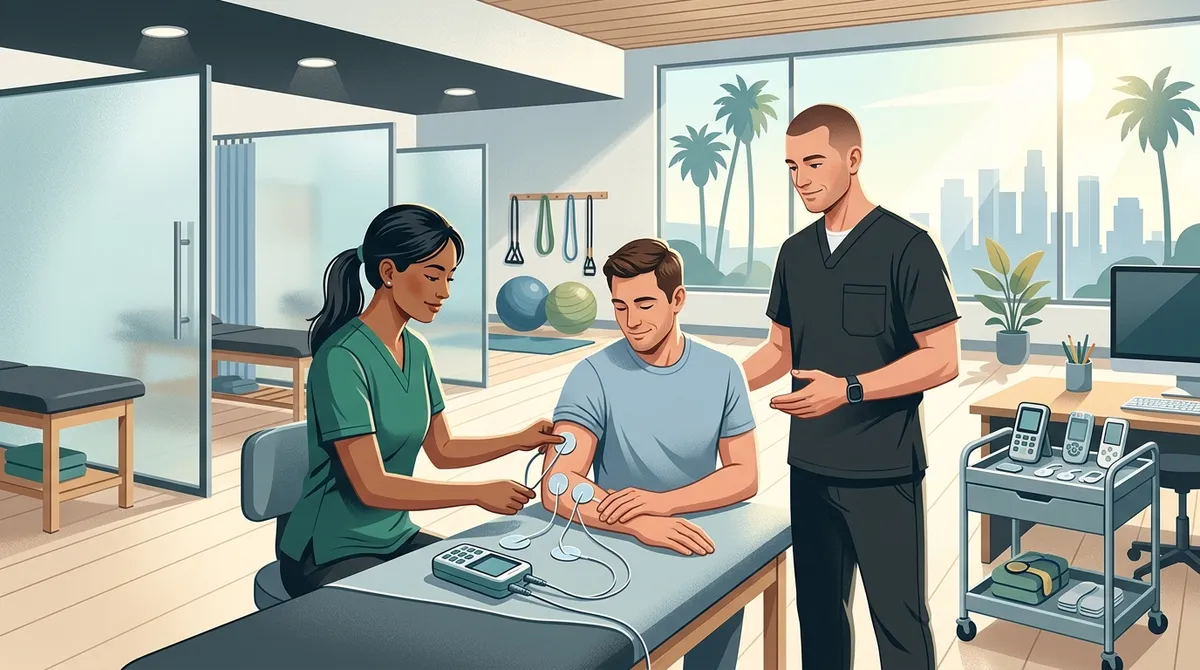
Transcutaneous Electrical Nerve Stimulation is a non-invasive electrotherapy modality that delivers low-voltage electrical impulses to targeted areas of the body through electrodes placed on the skin. These electrical signals interact with peripheral sensory nerves to modulate pain perception — a mechanism supported by the gate control theory of pain and endorphin release pathways. The Cleveland Clinic describes TENS as a well-established conservative option for both acute and chronic pain management.
In clinical settings, TENS devices are programmable, allowing therapists to adjust frequency, pulse width, and intensity based on the patient’s presentation and treatment goals. High-frequency TENS (above 50 Hz) is typically used for acute pain relief, while low-frequency TENS (below 10 Hz) is associated with endorphin-mediated analgesia for more persistent or chronic conditions. Understanding these parameters is essential for any LA physical therapy clinic looking to deliver precision electrotherapy care.
Why Los Angeles Clinics Are Prioritizing Electrotherapy in 2026
Los Angeles is home to a diverse patient population dealing with a wide spectrum of musculoskeletal conditions — from sports injuries sustained by athletes in training to chronic neck and back pain from sedentary office work and long commutes. The demand for conservative, non-pharmacological treatment options has never been higher. According to the National Institutes of Health, persistent chronic pain affects a significant portion of the U.S. adult population, making effective pain management strategies a clinical priority across all rehabilitation disciplines.
Additionally, the FDA has issued updated guidance encouraging the expansion of non-opioid options for chronic pain, directly reinforcing the clinical and regulatory value of modalities like TENS. For Los Angeles clinics navigating workers’ compensation cases, auto accident injury claims, and standard outpatient rehabilitation, having a reliable electrotherapy protocol positions your practice as both modern and medically sound.
Common Conditions Treated With TENS in LA Physical Therapy Settings
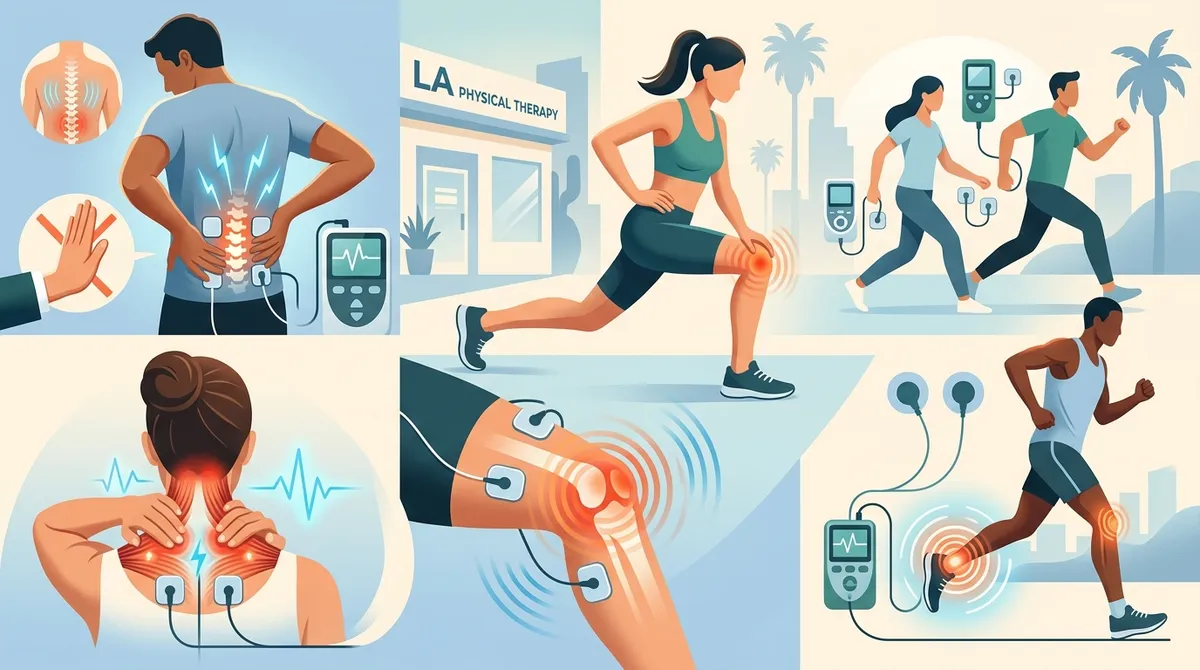
TENS therapy is versatile and applicable across a wide range of musculoskeletal and neurological pain presentations. Physical therapy clinics throughout the Los Angeles area regularly use TENS as part of integrated treatment plans for the following conditions:
- Low back pain and lumbar strain — one of the most prevalent complaints in outpatient rehabilitation clinics across LA
- Cervical pain and whiplash injuries — particularly common in auto accident injury cases handled by clinics in high-traffic corridors
- Post-operative pain management — supporting recovery after orthopedic procedures including knee replacements and shoulder repairs
- Chronic musculoskeletal conditions — such as fibromyalgia, osteoarthritis, and degenerative disc disease
- Sports and soft tissue injuries — sprains, strains, and tendinopathies in active populations
- Neuropathic pain — helping manage nerve-related discomfort in patients with radiculopathy or peripheral neuropathy
These conditions represent the clinical bread and butter of most LA outpatient rehabilitation practices. Integrating TENS units for physical therapy clinics in Los Angeles into these treatment protocols allows providers to offer patients a meaningful adjunct to exercise, manual therapy, and patient education.
TENS vs. Other Electrotherapy Modalities: A Clinical Comparison
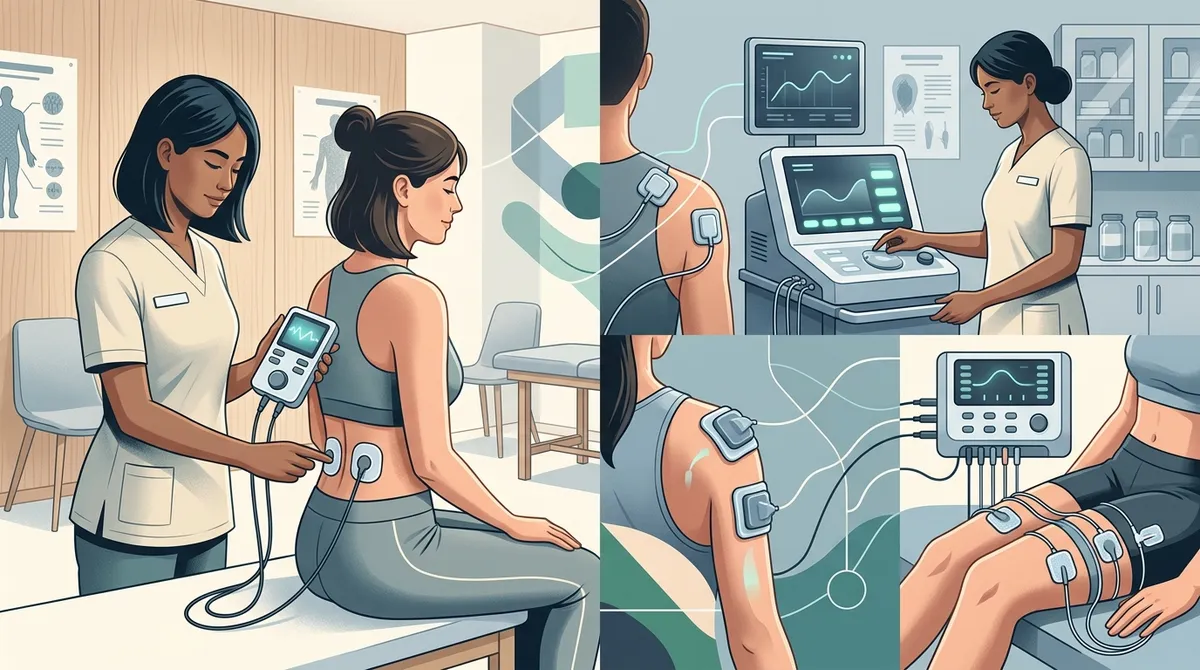
While TENS is the most commonly used electrical stimulation device in physical therapy settings, it is important to understand how it differs from other electrotherapy options that LA clinics may also offer. The right modality depends on the patient’s diagnosis, pain type, and rehabilitation stage.
| Modality | Mechanism | Primary Use | Best For |
|---|---|---|---|
| TENS | Sensory nerve stimulation | Pain relief | Acute and chronic pain management |
| NMES | Motor nerve/muscle stimulation | Muscle re-education and strengthening | Post-surgical muscle atrophy |
| Interferential Current (IFC) | Crossed medium-frequency currents | Deeper tissue pain relief | Joint and deep musculoskeletal pain |
| Microcurrent (MENS) | Sub-sensory electrical stimulation | Cellular tissue healing | Soft tissue repair and chronic wounds |
| H-Wave | Unique waveform stimulation | Pain and circulation | Complex regional pain, swelling |
TENS remains the most accessible and broadly applicable modality, making it the logical starting point for any clinic building or expanding an electrotherapy program. Clinicians interested in exploring how electrotherapy fits into chiropractic care may also find value in reviewing resources like why LA chiropractors rely on TENS units for pain relief for perspective on cross-disciplinary applications.
Key Features to Look for in Clinical-Grade TENS Units
Not all TENS devices are created equal. For physical therapy clinics in Los Angeles operating in high-volume, multi-patient environments, selecting a clinical-grade device with the right specifications is essential. Below are the most important features to evaluate when sourcing TENS units for your practice:
- Adjustable frequency and pulse width — Ensures clinicians can customize treatment parameters for each patient’s unique pain profile and treatment goals.
- Dual or multi-channel output — Allows simultaneous treatment of multiple pain areas, improving session efficiency and throughput in busy LA clinics.
- Programmable treatment modes — Preset programs for burst, modulated, and constant modes give therapists clinical flexibility without excessive setup time.
- Durability and portability — Clinical devices should withstand daily use; lightweight and portable options also support home-use prescriptions for patients between sessions.
- Compatibility with conductive garments — Integration with accessories like conductive garments and TheraKnit garments enhances electrode contact and treatment comfort, particularly for larger treatment areas.
TENS Units and Patient Home Use Programs
One of the most effective ways physical therapy clinics in Los Angeles can extend the value of TENS therapy is by prescribing home-use devices for patients to continue treatment between clinic visits. Home TENS programs reinforce in-clinic gains, maintain pain control, and improve patient compliance with rehabilitation protocols.
| Setting | Device Type | Supervision Level | Frequency of Use |
|---|---|---|---|
| Physical Therapy Clinic | Clinical-grade multi-channel TENS | Full therapist supervision | Per appointment schedule |
| Home Use | Portable single or dual-channel TENS | Self-administered with guidance | Daily as prescribed |
| Post-Operative Recovery | Physician/PT-prescribed TENS | Periodic clinical check-in | Multiple daily sessions |
When prescribing home TENS units, clinicians should provide thorough patient education on electrode placement, intensity settings, session duration, and contraindications. This continuity of care model is particularly beneficial for workers’ compensation and auto accident injury cases common in the Los Angeles market, where consistent documentation of treatment compliance supports claim management.
Insurance Coverage for TENS Therapy in California
A frequent concern among both clinicians and patients in Los Angeles is whether TENS therapy and related equipment are covered by insurance. The good news is that TENS units are recognized by many major insurance plans as medically necessary for qualifying diagnoses. Coverage pathways typically include:
- Commercial PPO and POS plans with out-of-network benefits
- Workers’ compensation claims — highly relevant for clinics treating occupational injuries throughout the LA metro area
- Auto accident and third-party liability claims — particularly important for clinics in LA serving patients recovering from vehicle-related injuries
- Medicare and Medi-Cal — coverage may apply under specific diagnostic criteria and documentation requirements
Liberty Medical Solutions works directly with commercial PPO/POS plans, workers’ compensation carriers, and auto accident claims to help clinics and patients access electrotherapy equipment with minimal financial burden. This insurance coordination service is especially valuable for LA-area practices managing complex multi-payer caseloads.
How to Integrate TENS Into a Comprehensive Rehab Protocol
TENS therapy delivers its greatest clinical value when incorporated into a broader, multi-modal rehabilitation program. The following framework illustrates how leading physical therapy clinics in Los Angeles structure TENS within their care protocols:
- Initial evaluation and pain assessment — Establish baseline pain scores, identify the nature of the pain (nociceptive vs. neuropathic), and confirm TENS appropriateness.
- TENS parameter selection — Choose frequency, pulse width, and mode based on clinical presentation; acute conditions typically warrant high-frequency settings while chronic pain may respond better to low-frequency burst modes.
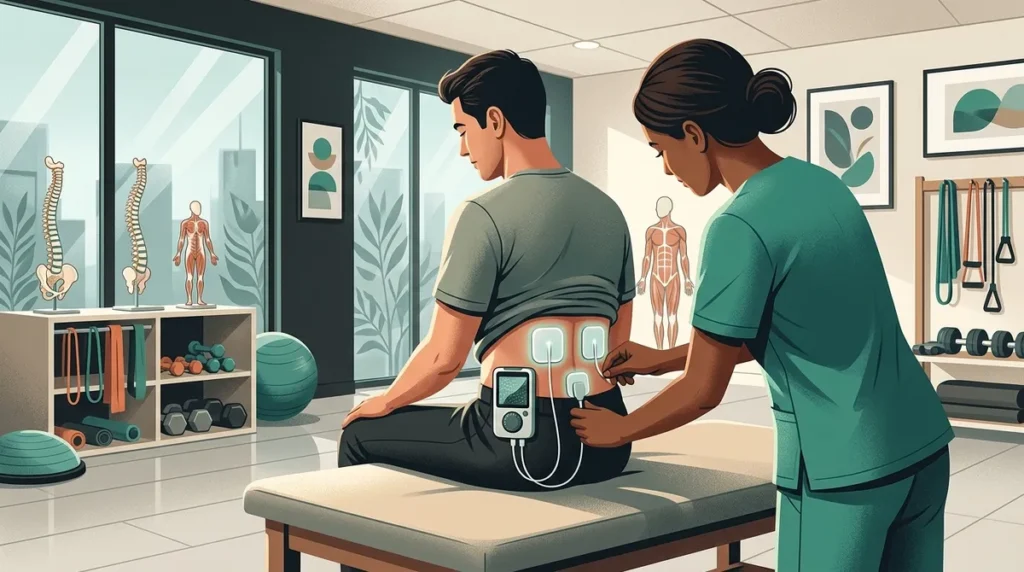
- Electrode placement — Apply electrodes at or near the site of pain, along nerve pathways, or at acupuncture-adjacent points depending on the treatment approach. Pairing devices with conductive garments can streamline this process for larger treatment areas.
- Integration with other modalities — Combine TENS with therapeutic exercise, manual therapy, ultrasound, or traction as clinically indicated. For spinal conditions, pairing TENS with cervical traction units or back braces can enhance overall patient outcomes.
- Progress monitoring and adjustment — Reassess pain levels and functional outcomes at regular intervals, adjusting TENS parameters or modifying the protocol based on patient response.
- Home program prescription — Transition appropriate patients to a home TENS program with clear written instructions to maintain gains between sessions.
Sourcing TENS Units: What Los Angeles Clinics Should Know
Selecting a reliable supplier for TENS units and electrotherapy equipment is as important as choosing the right device. Los Angeles clinics should prioritize vendors who offer clinical-grade equipment, insurance billing support, responsive customer service, and a proven track record in the rehabilitation space. For clinics treating auto accident injury patients, working with a supplier experienced in third-party liability claims and insurance coordination is a significant operational advantage.
| Evaluation Criteria | Why It Matters for LA Clinics |
|---|---|
| Clinical-grade device quality | Ensures reliability in high-volume, multi-patient environments |
| Insurance billing support | Critical for workers’ comp and auto accident claim management |
| Product range and accessories | Access to conductive garments, back braces, and cervical traction units |
| Patient home-use programs | Extends clinical value and improves compliance between sessions |
| Regulatory compliance | Devices should meet FDA standards for safety and efficacy |
Providers looking to explore available clinical TENS devices and the full range of electrotherapy solutions can review the complete product catalog to identify equipment that aligns with their specific clinical and patient population needs. For clinics with spinal rehabilitation programs, the combination of TENS units with back braces and cervical traction units offers a comprehensive approach to musculoskeletal care. The CDC continues to support expanded use of non-opioid pain management strategies, reinforcing the clinical case for electrotherapy in rehabilitation settings.
Physical therapy clinics in adjacent Southern California markets may also benefit from reviewing resources such as TENS units for chiropractic practices in Anaheim and TENS units for chiropractors in Long Beach to understand how electrotherapy is being applied across the broader Southern California rehabilitation landscape.
Conclusion: Elevating Patient Care With the Right Electrotherapy Partner
TENS units for physical therapy clinics in Los Angeles represent far more than a supplemental treatment option. They are a clinically validated, insurance-recognized, and patient-preferred modality that enhances pain management, supports rehabilitation outcomes, and differentiates practices in a highly competitive market. As the demand for drug-free pain relief continues to grow across LA’s diverse patient population, integrating high-quality TENS therapy into your clinical protocol is both a sound clinical and business decision.
Whether you are building a new electrotherapy program, upgrading aging equipment, or seeking a supplier with proven insurance coordination expertise, partnering with the right provider is essential. Liberty Medical Solutions offers clinical-grade TENS devices, a full range of complementary electrotherapy products, and dedicated support for insurance billing across commercial, workers’ compensation, and auto accident claims. To learn more about how Liberty Medical Solutions can support your Los Angeles physical therapy clinic, reach out to our team today and take the first step toward a stronger, more effective electrotherapy program.
FAQs
Q: What is a TENS unit used for in physical therapy?
A: A TENS unit delivers low-voltage electrical impulses through skin electrodes to modulate pain signals in the nervous system. In physical therapy, it is used to reduce acute and chronic pain, improve patient tolerance during therapeutic exercise, and support recovery from musculoskeletal injuries as part of a broader rehabilitation program.
Q: Do physical therapy clinics in Los Angeles offer TENS treatments?
A: Yes, TENS therapy is a standard electrotherapy modality offered at many outpatient physical therapy clinics throughout the Los Angeles area, including practices in Beverly Hills, Burbank, Encino, and surrounding communities. It is typically integrated into comprehensive care plans alongside exercise, manual therapy, and other rehabilitation interventions.
Q: Are TENS units covered by insurance in California?
A: TENS units and related electrotherapy treatments are covered by many insurance plans in California, including commercial PPO/POS plans, workers’ compensation, and auto accident liability claims for qualifying diagnoses. Coverage specifics vary by plan and diagnostic criteria, so clinicians should verify eligibility with each patient’s insurer or work with a supplier experienced in insurance coordination.
Q: What is the difference between TENS and NMES?
A: TENS (Transcutaneous Electrical Nerve Stimulation) targets sensory nerves to provide pain relief without producing muscle contractions, making it ideal for pain management. NMES (Neuromuscular Electrical Stimulation) delivers stronger currents designed to elicit muscle contractions for the purpose of muscle re-education, strengthening, or preventing atrophy — typically used post-surgery or in neurological rehabilitation.
Q: Can patients use a TENS unit at home after physical therapy?
A: Yes, many physical therapists prescribe portable TENS units for home use to help patients maintain pain control between clinical sessions. Home-use programs should include detailed instruction on electrode placement, device settings, session duration, and safety precautions to ensure effective and safe self-administration.