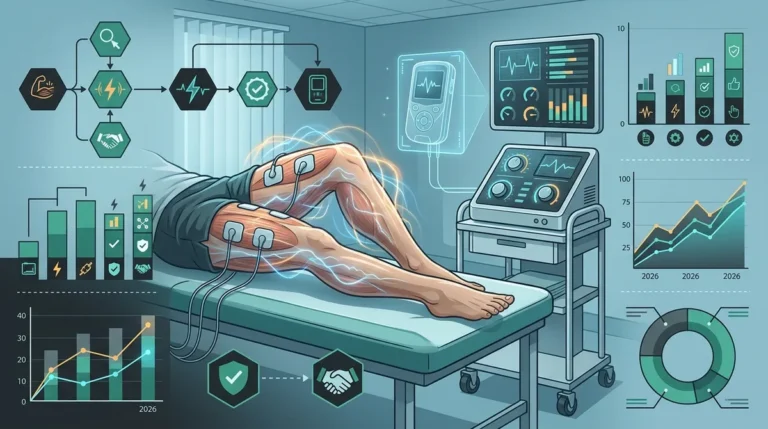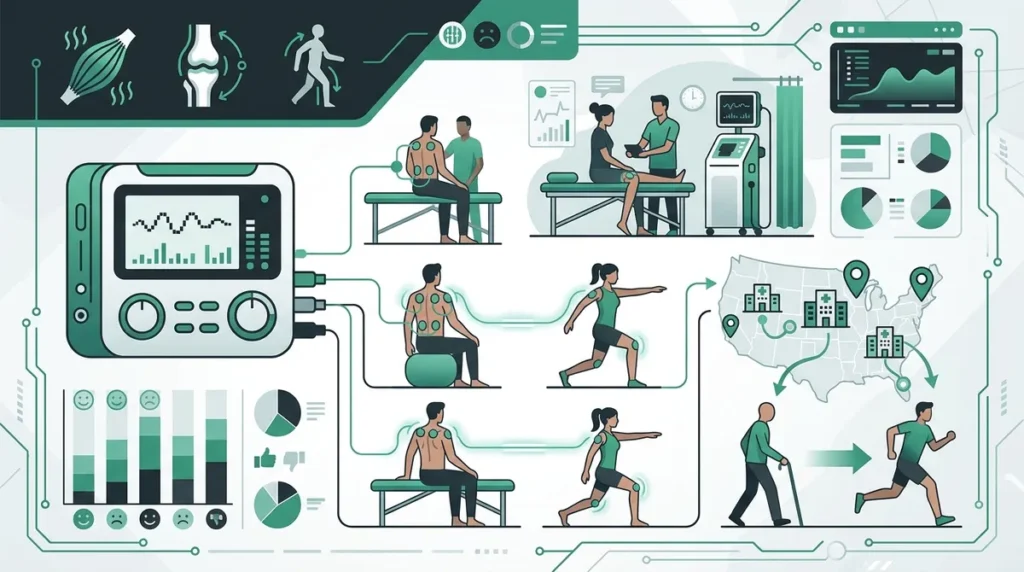
Physical therapy clinics in Lakewood are increasingly turning to transcutaneous electrical nerve stimulation (TENS) as a frontline, drug-free modality for managing patient pain. As the demand for non-opioid pain management solutions continues to grow, the CDC has highlighted electrotherapy among the recommended non-opioid approaches for pain management in clinical settings. TENS units offer physical therapy providers a versatile, evidence-informed tool that complements manual therapy, therapeutic exercise, and other rehabilitation modalities. Whether your clinic is treating post-surgical recovery, chronic musculoskeletal conditions, or acute soft tissue injuries, integrating TENS therapy into your practice can meaningfully improve patient outcomes and expand your treatment capabilities. This guide covers everything Lakewood physical therapy clinics need to know about selecting, using, and sourcing TENS units for their practices in 2026.
What Is a TENS Unit and How Does It Work?
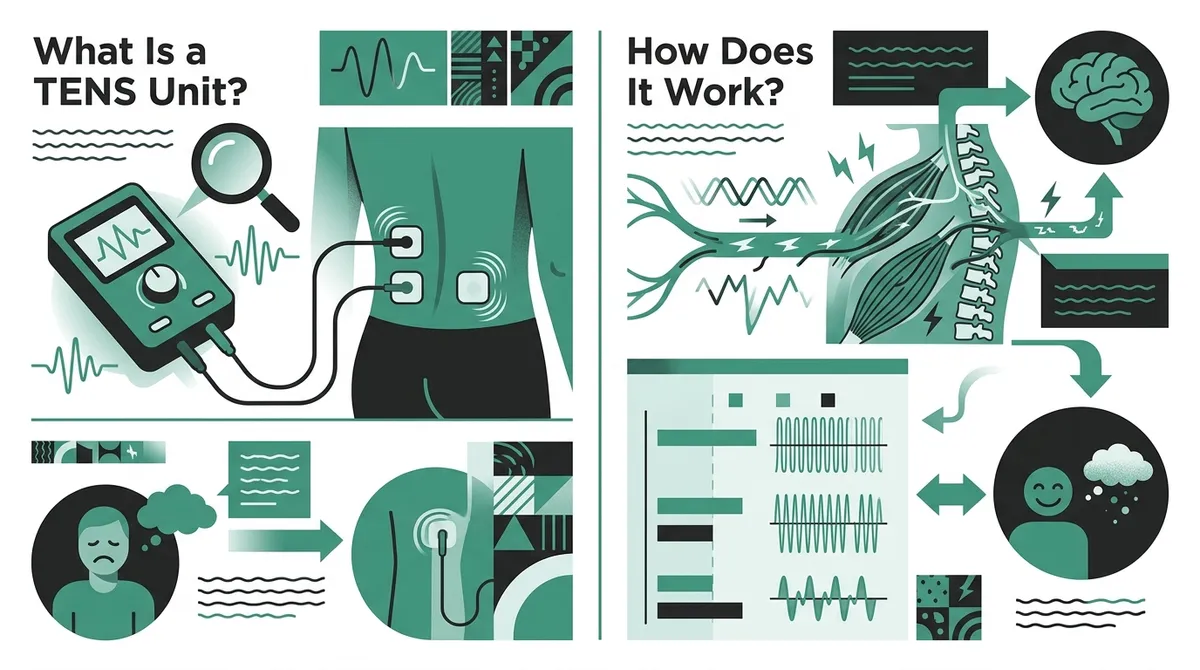
TENS stands for transcutaneous electrical nerve stimulation. A TENS unit is a small, battery-powered device that delivers low-voltage electrical impulses through electrodes placed on the skin near a painful area or trigger point. These electrical signals interfere with or alter the way pain signals travel along nerve pathways to the brain, providing temporary relief without medication. According to the Cleveland Clinic, TENS is used for a broad range of clinical conditions including osteoarthritis, tendinitis, fibromyalgia, and general musculoskeletal pain.
The mechanism behind TENS therapy aligns with the gate control theory of pain, which suggests that electrical stimulation can effectively “close the gate” on pain signals before they reach conscious perception. Additionally, TENS may stimulate the release of endorphins, the body’s natural pain-relieving compounds. For physical therapy clinics in Lakewood, this means TENS can serve as both an in-clinic treatment modality and a take-home solution that extends care beyond the clinic walls. Explore the full range of Devices available for clinical use.

Clinical Applications in Physical Therapy Settings
TENS units are not a one-size-fits-all solution, but their versatility makes them applicable across a wide range of diagnoses commonly seen in outpatient physical therapy. Lakewood PT clinics treating diverse patient populations will find TENS particularly effective for the following conditions:
- Chronic low back pain — one of the most prevalent referral diagnoses in outpatient rehabilitation
- Post-surgical pain management — reducing reliance on opioid analgesics during the early recovery phase
- Osteoarthritis and joint pain — improving function and comfort in patients with degenerative joint disease
- Tendinitis and overuse injuries — addressing pain in the shoulder, elbow, knee, and Achilles tendon
- Fibromyalgia — providing localized relief as part of a multimodal treatment plan
- Post-injury soft tissue pain — supporting recovery from sprains, strains, and contusions
Physical therapists commonly pair TENS with other modalities such as therapeutic ultrasound, manual therapy, therapeutic exercise, heat, and ice to create a comprehensive treatment approach. For clinics that also treat auto accident injury patients, integrating TENS is especially valuable given the high incidence of whiplash and soft tissue injuries in that population. For additional perspective on electrotherapy applications, see how other clinics approach this — TENS Units for Physical Therapy Clinics in Arvada offers relevant clinical insights.
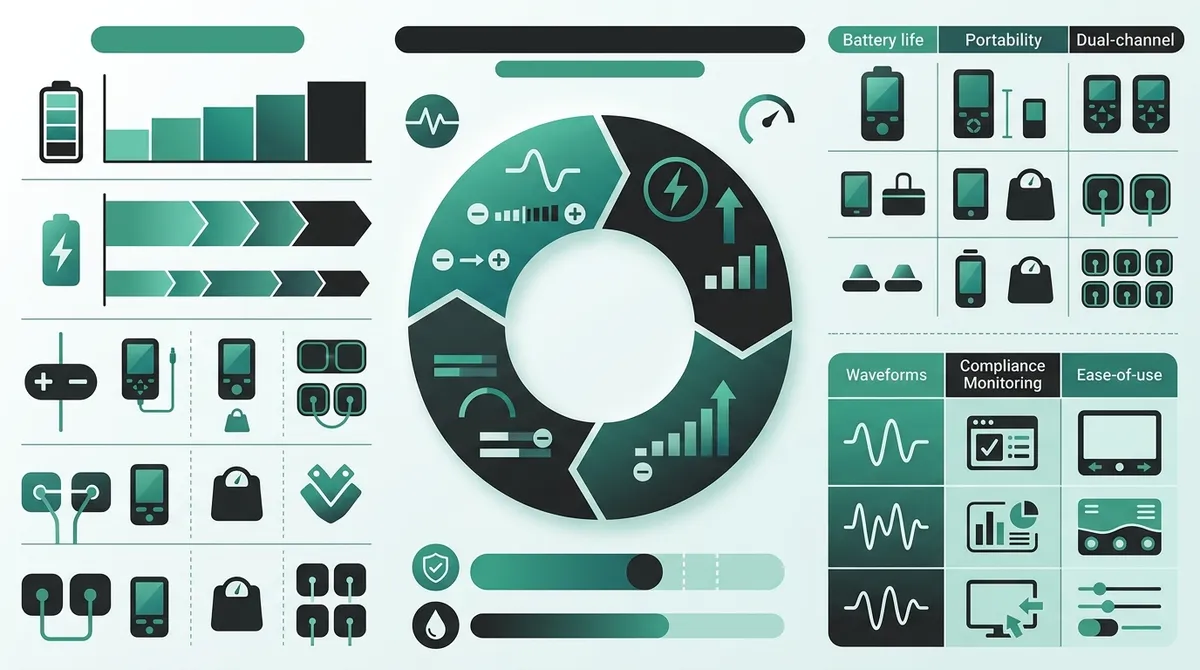
Key Specifications to Evaluate When Selecting TENS Units for Your Clinic
Not all TENS devices are designed with clinical-grade use in mind. Lakewood physical therapy providers should evaluate equipment based on both technical specifications and practical clinical requirements. The following table outlines the most important device parameters to consider:
| Specification | Clinical Recommendation | Why It Matters |
|---|---|---|
| Output Channels | Dual or quad channel | Allows simultaneous treatment of multiple pain sites |
| Pulse Width Range | 50–400 microseconds | Broader range enables customized treatment for different conditions |
| Frequency Range | 1–150 Hz | Low frequency supports endorphin release; high frequency targets gate control |
| Intensity Output | Up to 80 mA or higher | Sufficient power for deeper tissue penetration and sensory-level stimulation |
| Timer Function | 10–60 minute programmable timer | Ensures consistent session lengths aligned with clinical protocols |
| Waveform Options | Burst, continuous, modulated | Allows therapists to adapt stimulation patterns for each patient |
Clinics serving a high volume of patients should also prioritize devices with durable construction, easy electrode connectivity, and intuitive controls that allow efficient setup between patient sessions. For clinics that also manage spinal conditions, pairing TENS units with Back Braces can provide comprehensive support for patients managing chronic back pain.
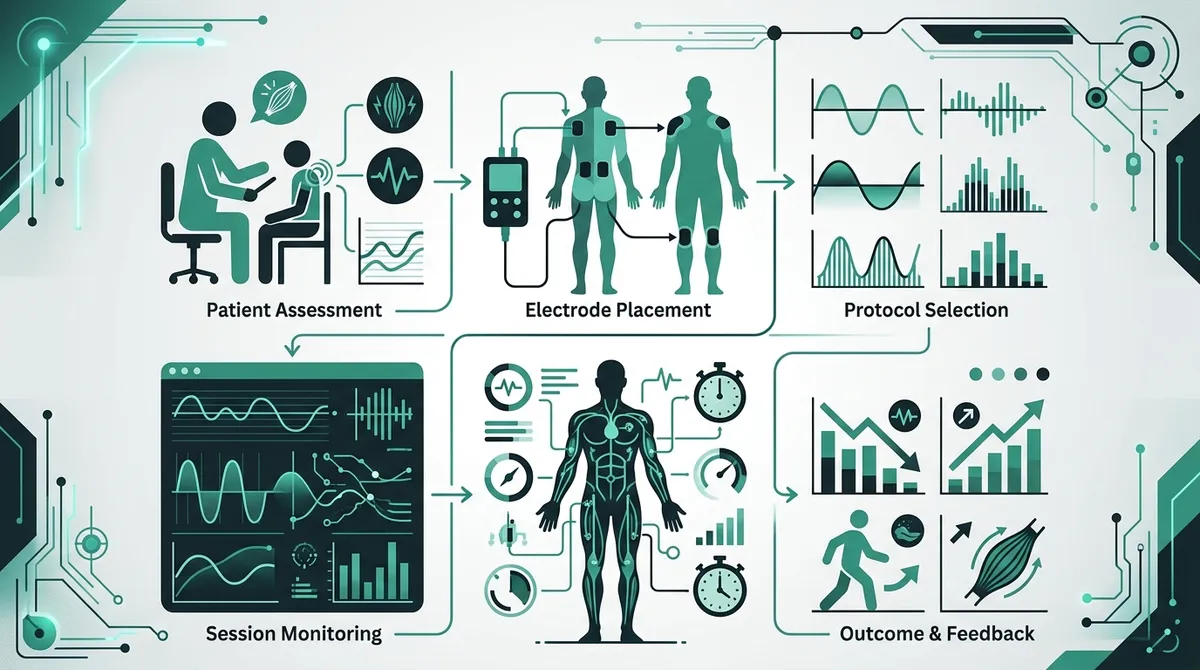
TENS Session Protocols for Physical Therapy Clinics
Proper protocol is essential to both the safety and effectiveness of TENS therapy. Physical therapists in Lakewood should establish standardized clinic protocols that define session duration, intensity parameters, and electrode placement guidelines for common diagnoses. The following numbered protocol framework provides a practical starting point:
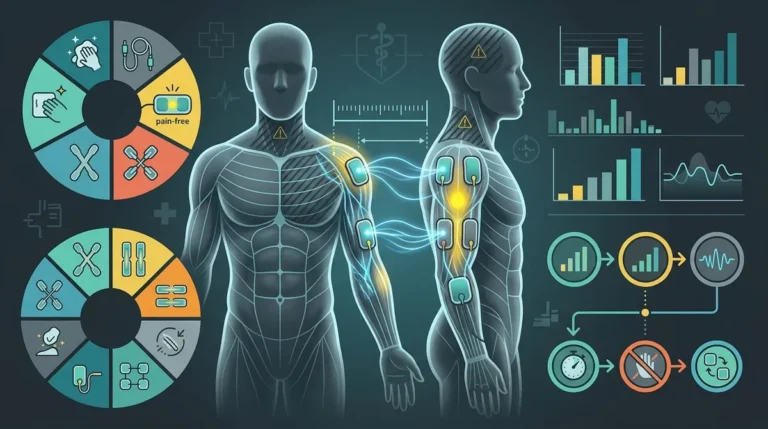
- Patient screening: Before initiating TENS, screen for contraindications including cardiac pacemakers or other electrical implants, active malignancy over treatment area, pregnancy (particularly lumbar or abdominal placement), and open wounds or skin irritation at electrode sites.
- Electrode placement: Position electrodes near the painful area, along dermatomes associated with the pain referral pattern, or at trigger points. Avoid placement over the carotid sinus, eyes, or anterior neck.
- Parameter setting: Begin at a comfortable sensory level without motor contraction. Adjust frequency and pulse width based on the targeted mechanism — high-frequency (80–150 Hz) for gate control, low-frequency (1–10 Hz) for endorphin-mediated relief.
- Session duration: Standard clinical sessions typically run 15–30 minutes. For home use, patients may use TENS up to 2–3 times per day for 10–30 minutes per session, as guided by their therapist.
- Post-session assessment: Document pain levels before and after each session using a validated scale (e.g., Numeric Rating Scale). Adjust parameters for subsequent sessions based on patient response.
Consistent documentation and protocol adherence are especially important for clinics working with workers’ compensation or auto accident patients, where treatment records must support billing and claims processes. See also How to Choose TENS Units for Physical Therapy Clinics in Westminster for a complementary protocol perspective.
Safety Considerations Every Lakewood PT Clinic Must Know
While TENS is widely regarded as a safe, non-invasive modality, responsible clinical use requires thorough patient screening and therapist education. The FDA has issued guidance supporting the expansion of non-opioid pain management options, and TENS figures prominently in that category — but device selection and patient safety protocols must remain a priority.
| Contraindication / Precaution | Reason | Clinical Action |
|---|---|---|
| Implanted cardiac pacemaker | Electrical interference risk | Do not use TENS; consult cardiologist |
| Pregnancy (lumbar/abdominal area) | Potential uterine stimulation | Avoid placement in those regions |
| Impaired skin sensation | Risk of undetected electrode burns | Monitor closely; use lower intensities |
| Active malignancy | Risk of promoting cell growth | Avoid TENS over tumor sites |
| Adhesive or skin allergy | Electrode adhesive may cause irritation | Use hypoallergenic electrode options |
Minor adverse effects such as skin irritation at electrode sites, uncomfortable tingling, or mild adhesive reactions are the most commonly reported issues. These can often be minimized through proper electrode placement, regular skin assessment, and patient education. Clinics working with neurologically compromised patients or elderly populations should exercise additional caution and consider using Conductive Garments as an alternative electrode delivery system for improved comfort and consistent contact.
Extending TENS Therapy Beyond the Clinic: Patient Home Programs
One of the most powerful aspects of TENS therapy is its scalability — patients can continue treatment between clinic visits using properly prescribed home-use devices. For Lakewood physical therapy clinics, establishing a home TENS program allows providers to extend the therapeutic effect of in-clinic sessions, improve patient adherence, and differentiate the practice from those that rely solely on passive in-clinic modalities.
When transitioning patients to home TENS programs, therapists should provide clear written instructions for device use, electrode placement, and session parameters. Clinics that work with commercial insurance, workers’ compensation, or auto accident claims can coordinate with Liberty Medical Solutions to ensure patients receive properly prescribed devices covered under applicable insurance plans. This eliminates the burden on clinics of managing inventory while ensuring patients receive the correct equipment for their specific diagnosis and treatment protocol.
Comparing TENS, EMS, and NMES: What Lakewood Clinics Should Know
Physical therapy clinics in Lakewood frequently encounter questions about the differences between TENS and related electrotherapy modalities. Understanding these distinctions allows clinicians to match the correct modality to each patient’s rehabilitation goals.
| Modality | Primary Purpose | Mechanism | Best Clinical Use |
|---|---|---|---|
| TENS | Pain relief | Gate control & endorphin release | Acute and chronic pain management |
| EMS (Electrical Muscle Stimulation) | Muscle conditioning | Induces involuntary muscle contraction | Muscle re-education, atrophy prevention |
| NMES (Neuromuscular Electrical Stimulation) | Functional muscle activation | Targeted motor nerve stimulation | Post-surgical rehab, neurological conditions |
| IFC (Interferential Current) | Deep tissue pain relief | Crossed medium-frequency currents | Deep joint and soft tissue conditions |
While TENS remains the most widely used and accessible electrotherapy modality, clinics that treat a diverse patient population may benefit from devices or systems that support multiple electrotherapy modes. Providers interested in a complete electrotherapy toolkit should review the full Products catalog to identify solutions that align with their clinical scope of practice. For clinics that also serve chiropractic patients, the TENS Units for Chiropractors in Lakewood: A Clinical Guide provides additional context on integrating electrotherapy across disciplines.
Why Physical Therapy Clinics in Lakewood Choose Liberty Medical Solutions
Sourcing the right TENS equipment for a physical therapy clinic requires a partner that understands both the clinical and administrative demands of a busy practice. Liberty Medical Solutions specializes in customized electrotherapy solutions for healthcare providers, offering clinical-grade TENS units, TheraKnit Garments, cervical traction units, and conductive garment systems tailored to the needs of physical therapy clinics, chiropractic practices, and auto accident injury centers.
The company works directly with commercial PPO/POS plans, workers’ compensation carriers, and auto accident claims, making it significantly easier for clinics to equip their patients with the right devices at no direct out-of-pocket cost. This approach eliminates the administrative burden of device procurement while ensuring that patients receive high-quality, properly prescribed electrotherapy equipment aligned with their treatment plans. Clinics interested in learning how other providers have approached this can reference TENS Units for Physical Therapy Clinics in Greeley or Why Do Pueblo Physical Therapy Clinics Need TENS Units? for additional regional context.
Research published by the National Institutes of Health underscores the high prevalence of persistent chronic pain among U.S. adults — reinforcing the need for accessible, effective non-pharmacological treatment options like TENS in physical therapy clinics across the country.
Getting Started: Steps for Lakewood PT Clinics to Integrate TENS Therapy
For clinics that are new to electrotherapy or looking to expand their current capabilities, the following steps provide a clear path to implementing a successful TENS program:
- Assess your patient population: Identify the most common diagnoses in your caseload to determine which TENS device specifications and electrode configurations will be most frequently used.
- Select appropriate devices: Choose clinical-grade TENS units with adjustable parameters, multiple channels, and durable construction suited for high-volume clinic use.
- Develop clinical protocols: Create standardized protocols for electrode placement, session duration, frequency settings, and contraindication screening for your most common diagnoses.
- Train clinical staff: Ensure all therapists and therapy assistants are trained on proper device use, patient screening, and documentation requirements.
- Establish a home program process: Partner with a qualified electrotherapy supplier to streamline the prescription and insurance coordination process for patient home units.
Conclusion
TENS units represent one of the most clinically valuable and operationally efficient investments a physical therapy clinic in Lakewood can make in 2026. As a drug-free, non-invasive modality with broad diagnostic applicability, TENS supports better pain management outcomes, enhances patient satisfaction, and complements the full spectrum of physical therapy interventions. Whether you are treating chronic low back pain, post-surgical recovery, or sports-related soft tissue injuries, integrating TENS therapy into your clinic’s service offering positions your practice as a comprehensive, patient-centered rehabilitation provider. To explore clinical-grade TENS units and customized electrotherapy solutions designed specifically for physical therapy clinics, reach out to our team at Liberty Medical Solutions and discover how we can support your clinic’s growth and patient care goals.
FAQs
Q: What conditions do physical therapists commonly treat with TENS units in Lakewood clinics?
A: Physical therapists in Lakewood use TENS units to manage a broad range of conditions including chronic low back pain, osteoarthritis, tendinitis, fibromyalgia, post-surgical pain, and soft tissue injuries. TENS is typically used as part of a multimodal treatment plan alongside therapeutic exercise, manual therapy, and other rehabilitation modalities.
Q: How long should a TENS therapy session last in a physical therapy clinic?
A: Standard in-clinic TENS sessions typically run between 15 and 30 minutes, depending on the patient’s condition and the therapist’s protocol. For home use, patients are generally advised to use their device up to 2–3 times per day for 10–30 minutes per session as directed by their physical therapist.
Q: Are TENS units safe for all patients in a physical therapy setting?
A: TENS is contraindicated for patients with implanted cardiac pacemakers or other electrical devices due to the risk of electrical interference. Clinicians must also screen for pregnancy, active malignancy over the treatment area, impaired skin sensation, and known adhesive allergies before initiating TENS therapy.
Q: What is the difference between TENS and EMS, and which should a PT clinic use?
A: TENS (transcutaneous electrical nerve stimulation) is primarily used for pain relief by modulating nerve signal transmission, while EMS (electrical muscle stimulation) is designed to induce muscle contractions for conditioning or re-education purposes. Physical therapy clinics often use both modalities, selecting the appropriate one based on each patient’s specific rehabilitation goals.
Q: Can Lakewood physical therapy clinics provide TENS units to patients for home use?
A: Yes, physical therapy clinics can coordinate the prescription of home TENS units for patients as part of their ongoing treatment plan. Working with a qualified electrotherapy supplier like Liberty Medical Solutions simplifies the process, as the company works with commercial insurance, workers’ compensation, and auto accident claims to cover the cost of properly prescribed devices.