Key Takeaways
-
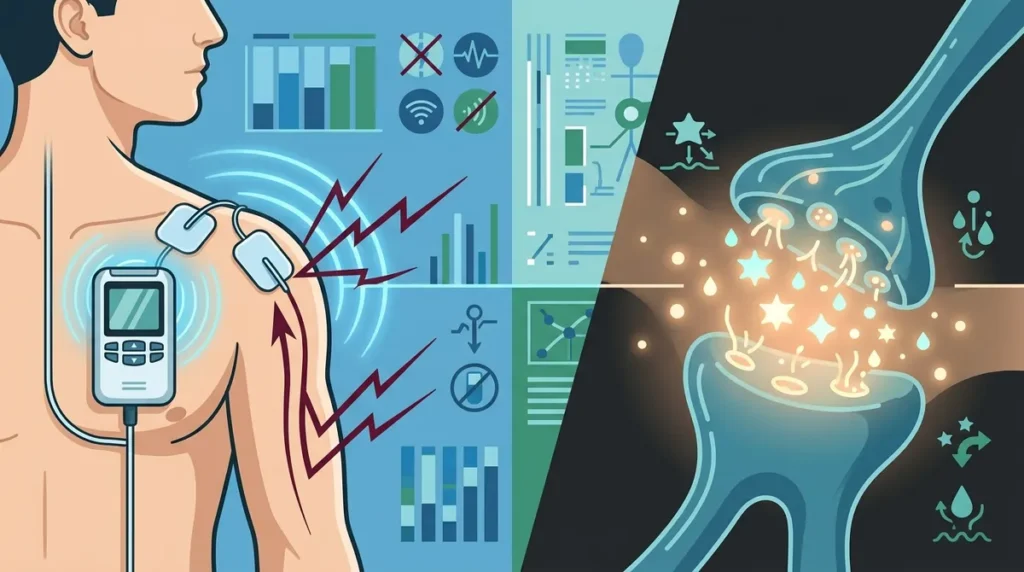
TENS units work through two mechanisms: gate control theory (blocking pain signals) and endorphin stimulation, making them effective drug-free options for both acute and chronic pain in clinical settings.
-
Pain relief duration varies from during-session only to up to 24 hours post-treatment depending on condition severity and settings; chronic conditions benefit from consistent home-use prescription between clinic visits.
-
TENS differs fundamentally from EMS: TENS targets nerve fibers for pain management while EMS stimulates muscles for strengthening, requiring providers to select the appropriate modality based on clinical presentation.
-
Critical safety contraindications include avoiding placement on anterior neck, near eyes, over pacemakers/implanted devices, and over broken or irritated skin to prevent cardiovascular or tissue damage.
-
Clinical evidence for TENS is inconclusive despite widespread patient-reported relief; it should be positioned as part of comprehensive multimodal pain management rather than a standalone treatment.
-
Clinical-grade TENS devices should feature multi-channel capability, wide frequency ranges, multiple waveforms, and standardized electrode compatibility for diverse patient conditions and insurance billing requirements.
Pain management remains one of the most pressing challenges in modern clinical practice. According to the National Institutes of Health, chronic pain affects a significant portion of the adult population in the United States, creating sustained demand for effective, noninvasive treatment options. For physical therapy clinics, chiropractic practices, and auto accident injury centers, finding reliable modalities that complement hands-on care is essential to delivering comprehensive patient outcomes. TENS units have emerged as one of the most practical and widely adopted electrotherapy tools in these settings. Compact, versatile, and noninvasive, they offer clinicians a drug-free mechanism for addressing both acute and chronic pain conditions. This article examines how TENS units work, what conditions they address, and why healthcare providers across multiple disciplines continue to integrate them into their clinical protocols in 2026.
Understanding What TENS Units Are and How They Work
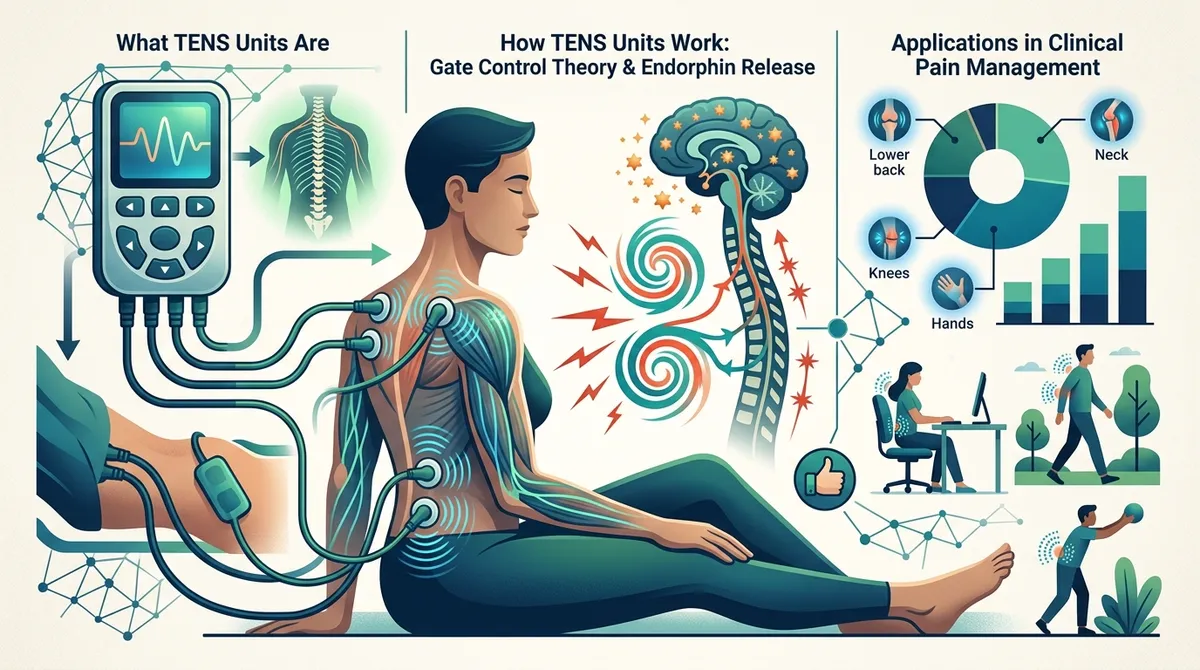
TENS stands for Transcutaneous Electrical Nerve Stimulation. A TENS unit is a battery-powered device that delivers low-voltage electrical impulses through adhesive electrodes placed on the patient’s skin. These impulses travel through the skin to the underlying nerves, where they interfere with the body’s pain signaling pathways. The result is a reduction in the perception of pain — either during the session or for a variable period afterward.
There are two primary mechanisms commonly cited to explain how TENS units reduce pain. The first is the gate control theory, which suggests that electrical impulses generated by the device effectively “close the gate” on pain signals traveling to the brain. The second involves the stimulation of endorphin release, the body’s natural pain-relieving compounds. Both mechanisms support TENS as a legitimate pain management modality, particularly for providers seeking noninvasive adjunct therapies. For a deeper dive into device selection and specifications, providers can explore available Devices from Liberty Medical Solutions.

Clinical Conditions That Respond to TENS Therapy
TENS units are valued in clinical settings for their broad applicability across pain conditions. Whether a provider is treating a post-surgical patient, a worker’s compensation case, or an auto accident injury, TENS therapy can be adapted to a wide spectrum of presentations.
Common conditions that respond to TENS treatment include:
- Chronic low back pain — one of the most frequent indications in both chiropractic and physical therapy contexts
- Neck pain and whiplash — particularly relevant for auto accident injury clinics treating cervical soft tissue damage
- Arthritis and joint inflammation — including osteoarthritis of the knee, hip, and shoulder
- Neuropathic pain — such as diabetic peripheral neuropathy or post-herpetic neuralgia
- Fibromyalgia — where widespread musculoskeletal pain benefits from consistent electrotherapy application
- Tendinitis and sports injuries — aiding recovery during the rehabilitation phase
- Postoperative pain — used as a complement to pharmacological approaches in post-surgical care
The Cleveland Clinic classifies TENS as a low-voltage therapy effective for both acute and chronic conditions, underscoring its clinical versatility. Providers looking to expand their treatment offerings should also consider pairing TENS therapy with complementary solutions such as Back Braces and Conductive Garments for more comprehensive patient care protocols.
TENS vs. EMS: Key Differences Clinicians Should Know
A common point of confusion among both patients and newer clinicians involves the distinction between TENS and EMS (Electrical Muscle Stimulation). While both modalities use electrical current delivered through electrodes, they serve fundamentally different therapeutic purposes.
| Feature | TENS Units | EMS Units |
|---|---|---|
| Primary Purpose | Pain management and relief | Muscle stimulation and strengthening |
| Target Tissue | Nerve fibers | Muscle fibers |
| Mechanism | Blocks pain signals or triggers endorphins | Causes muscle contractions |
| Clinical Application | Chronic and acute pain conditions | Rehabilitation, muscle atrophy prevention |
| Patient Sensation | Tingling or buzzing | Visible muscle twitching or contraction |
Understanding this distinction allows providers to select the most appropriate modality for each patient’s clinical presentation. Chiropractors, for example, may find TENS units more directly applicable for the neurological pain components of spinal conditions, while EMS may be incorporated later in a rehabilitation timeline. Resources like the guide on selecting the best TENS unit for your clinical practice can help providers make informed procurement decisions.
How Long Does Pain Relief from TENS Therapy Last?
One of the most practical questions clinicians and patients ask about TENS units concerns the duration of pain relief. The honest answer is that it varies considerably based on several factors, including the type and severity of the condition being treated, the frequency and intensity settings used, and the individual patient’s neurological response.
| Pain Relief Duration | Factors Influencing Outcome |
|---|---|
| During session only | Mild or acute pain; lower intensity settings |
| Up to 1 hour post-session | Typical for moderate pain; standard electrode placement |
| 5 minutes to 24 hours | Varies with pain type and treatment intensity (Richmar) |
| Extended relief with regular use | Chronic conditions treated consistently over time |
For chronic pain patients, consistent use over a longer period tends to produce cumulative benefits. This is why many physical therapy and chiropractic providers prescribe home-use TENS units as part of a broader treatment plan, extending the therapeutic benefit beyond clinic visits. The Physical Therapy Equipment: Electrotherapy Guide for Clinics provides additional context on integrating TENS into structured rehabilitation programs.
Electrode Placement and Safety Considerations
Proper electrode placement is critical to both the efficacy and safety of TENS therapy. Clinicians should position electrodes on or near the area of pain, flanking the affected region to allow current to pass through the targeted tissue. Placement over motor points can also enhance the therapeutic effect for certain conditions.
Standard safety guidelines for TENS unit use include the following recommendations:
- Avoid placement on the anterior neck — stimulation near the carotid artery or throat poses cardiovascular risk.
- Do not place electrodes near the eyes or over the temples — risk of electrical current affecting ocular structures.
- Screen for implanted devices — patients with pacemakers or implanted defibrillators should not use TENS without physician clearance.
- Exercise caution with cardiac conditions — consult a physician before initiating TENS therapy in patients with known heart conditions.
- Avoid broken or irritated skin — electrodes should not be placed over wounds, rashes, or areas with compromised skin integrity.
For practices that frequently treat auto accident injury patients, it is particularly important to conduct thorough intake assessments to identify any contraindications before initiating electrotherapy. The Electrotherapy Electrodes: A Clinical Guide for Providers offers detailed guidance on proper placement protocols. Additionally, providers using specialized garment-based delivery systems should review options like TheraKnit Garments for targeted electrode-integrated applications.
TENS Units in Chiropractic and Physical Therapy Settings
The adoption of TENS units across chiropractic and physical therapy practices reflects a growing recognition that multimodal care produces superior patient outcomes. Chiropractors often use TENS therapy before or after spinal manipulation to reduce muscular guarding and enhance patient comfort during adjustments. Physical therapists incorporate TENS into rehabilitation protocols for post-surgical patients, athletes recovering from injury, and elderly patients managing degenerative conditions.
For chiropractic providers, TENS units also serve as a valuable home-care tool. Prescribing a take-home TENS unit extends the therapeutic relationship between visits and empowers patients to manage pain between sessions. This approach is particularly effective for conditions such as cervicogenic headaches, lumbar radiculopathy, and sacroiliac joint dysfunction. Providers in various markets can explore region-specific clinical guidance through resources such as Why Do LA Chiropractors Rely on TENS Units for Pain Relief? and How to Select TENS Units for Your Denver Chiropractic Practice.
Physical therapy clinics in particular benefit from integrating TENS units within structured treatment programs because the therapy is noninvasive, easy to administer, and well-tolerated by patients across age groups. The FDA has increasingly emphasized nonopioid pain management approaches, positioning TENS therapy as a clinically and regulatorily aligned option for providers. Clinics seeking to understand multi-clinic implementation strategies can also reference the 14 Reasons TENS Units Transform Physical Therapy Clinics resource.
Comparing TENS Unit Options for Clinical Practice
When selecting TENS units for clinical or home-use prescription, providers should evaluate devices based on several clinical and practical criteria. The following table outlines key factors to assess during procurement.
| Selection Criteria | Clinical Setting Priority | Home Use Priority |
|---|---|---|
| Number of channels | Multi-channel (4+) preferred for broader coverage | Dual-channel typically sufficient |
| Frequency range | Wide adjustable range for diverse conditions | Standard preset modes acceptable |
| Waveform options | Multiple waveforms for tailored therapy | Simplified waveform selection |
| Portability | Tabletop units may be appropriate for in-clinic use | Compact, lightweight, and rechargeable |
| Electrode compatibility | Standardized connectors for broad electrode selection | Compatible with replacement electrodes (~$10–$15 per set) |
| Insurance compatibility | Billing-code-supported prescription devices | Covered under applicable insurance plans |
Consumer-grade TENS units typically range from $20 to $200, while clinical-grade devices used in professional settings can carry higher specifications and pricing to match. For providers who work with workers’ compensation or auto accident claims, selecting devices that align with coverage requirements is an important procurement consideration. The PPO Insurance and Electrotherapy Coverage guide and information on how POS insurance impacts electrotherapy coverage in 2026 provide essential reading for clinical administrators navigating reimbursement.
The Role of Evidence and Realistic Expectations
Providers and patients alike should approach TENS therapy with calibrated expectations. While many patients report meaningful pain reduction during and after sessions, the overall body of clinical evidence remains inconclusive due to a relative lack of large-scale, high-quality randomized controlled trials. Medical News Today notes that while active-device use frequently correlates with pain relief, the evidence base requires further development to definitively quantify long-term outcomes.
This does not diminish TENS therapy’s clinical value — it simply underscores the importance of positioning it as a component of a comprehensive pain management strategy rather than a standalone cure. The CDC actively promotes nonopioid pain management strategies, and TENS is recognized among these approaches. When integrated thoughtfully alongside manual therapies, therapeutic exercise, and appropriate orthopedic supports, TENS units contribute meaningfully to patient recovery trajectories. For further clinical insight, providers can also consult the guide on what makes the best TENS machine for clinical use.
Why Liberty Medical Solutions Is a Trusted Partner for Clinical TENS Needs
Liberty Medical Solutions is a Tampa-based electrotherapy provider specializing in customized solutions for physical therapy clinics, chiropractic practices, and auto accident injury centers. The company supplies a comprehensive range of electrotherapy equipment — including TENS units, back braces, cervical traction units, and conductive garments — and works with commercial PPO/POS plans, workers’ compensation, and auto accident insurance claims to ensure patients and providers have access to appropriate equipment without prohibitive out-of-pocket costs.
For providers seeking a reliable supply partner with deep expertise in clinical electrotherapy, Liberty Medical Solutions offers both product quality and insurance navigation support that many practices find valuable. Explore the full range of available Products or review the curated selection of 15 Essential Medical Supplies Every Electrotherapy Clinic Needs to identify gaps in your current clinical toolkit.
Conclusion
TENS units occupy a well-established and practical role in the modern clinical toolkit for pain management. Their noninvasive nature, broad applicability across acute and chronic conditions, and compatibility with the multimodal treatment models employed by chiropractors and physical therapists make them an indispensable modality in 2026. For auto accident injury clinics, the ability to provide effective, documentable electrotherapy aligns naturally with the demands of insurance-based care. As regulatory bodies and health institutions continue to encourage nonopioid approaches to pain, TENS therapy will only grow in clinical relevance. Whether you are equipping a new clinic or expanding an existing practice’s treatment capabilities, selecting the right TENS devices and delivery systems is a decision worth making carefully and confidently. Reach out to our team at Liberty Medical Solutions to discuss customized electrotherapy solutions tailored to your practice’s specific needs and patient population.
FAQs
Q: What is a TENS unit used for in a clinical setting?
A: In clinical settings, TENS units are used to manage both acute and chronic pain conditions, including back pain, neck pain, arthritis, neuropathic pain, fibromyalgia, and postoperative discomfort. They function as a noninvasive adjunct therapy that complements manual treatments, rehabilitation protocols, and other electrotherapy modalities. Providers in physical therapy, chiropractic, and auto injury practices all incorporate TENS therapy to improve patient comfort and treatment outcomes.
Q: How long does pain relief from a TENS unit typically last?
A: Pain relief duration varies depending on the condition being treated, the device settings used, and the individual patient’s response. Relief may begin during the session and last anywhere from a few minutes to up to 24 hours following treatment, according to clinical data from electrotherapy specialists. Patients with chronic conditions often experience cumulative benefits with consistent, regular use over time.
Q: Is a TENS unit the same as an EMS unit?
A: No, TENS and EMS are distinct electrotherapy modalities with different clinical applications. TENS targets nerve fibers to interrupt pain signal transmission and is primarily used for pain management, while EMS targets muscle fibers to produce contractions and is used for muscle rehabilitation and strengthening. Clinicians should select the appropriate modality based on the patient’s specific therapeutic goals.
Q: Are TENS units safe for patients to use at home?
A: TENS units are generally considered safe for supervised home use when patients have been properly instructed by a qualified healthcare provider. Key safety precautions include avoiding electrode placement on the anterior neck, near the eyes, or over areas of compromised skin integrity. Patients with pacemakers, implanted cardiac devices, or significant heart conditions should consult their physician before using a TENS unit independently.
Q: Can TENS unit costs be covered by insurance?
A: Yes, in many cases TENS units prescribed for documented medical conditions can be covered under commercial PPO/POS plans, workers’ compensation policies, and auto accident insurance claims, depending on the insurer and the specifics of the claim. Healthcare providers should work with a knowledgeable electrotherapy supplier familiar with insurance billing requirements to ensure appropriate documentation and coverage for their patients.