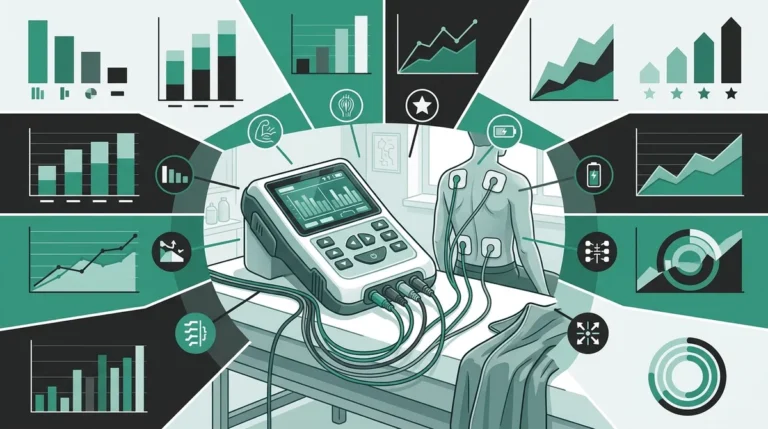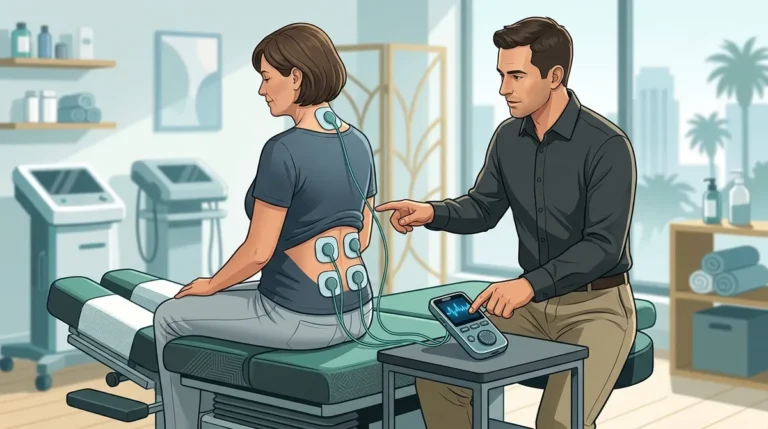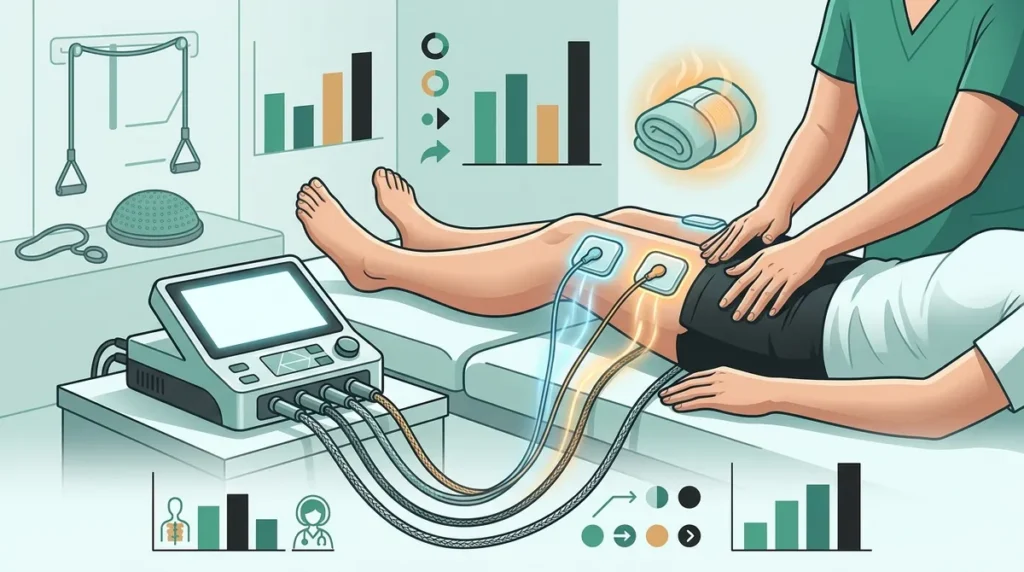
Key Takeaways
-
H-Wave Device Stimulation (HWDS) demonstrated the most clinically significant outcomes for pain relief, functional improvement, and reduced medication use compared to 13 other electrical stimulation forms in recent systematic reviews.
-
Electrotherapy is most effective when combined with manual therapy, exercise, heat, or cold therapy rather than used as a standalone treatment, producing substantially stronger patient outcomes.
-
TENS units and electrotherapy devices work through two mechanisms: blocking pain signals from reaching the brain or triggering endorphin release, making them applicable across post-surgical rehabilitation and workplace injury recovery.
-
Electrotherapy devices must have ISO 13485 certification, multi-waveform options, and multi-channel capacity to provide clinical flexibility and efficiency across diverse patient diagnoses and anatomical regions.
-
PPO insurance, workers' compensation, and auto accident claims provide high coverage potential for electrotherapy devices, making them financially accessible when providers understand insurance reimbursement pathways.
-
Precise electrode placement following validated protocols for each anatomical region is critical; conductive garments like TheraKnit provide consistent contact across larger body areas compared to standard adhesive pads.
Chronic and acute pain affects millions of patients across the United States, placing mounting pressure on physical therapy clinics, chiropractic practices, and auto accident injury centers to deliver effective, evidence-based treatments. According to the National Institutes of Health, high rates of persistent chronic pain remain a significant public health concern among U.S. adults. The challenge for healthcare providers is offering pain relief solutions that are both clinically effective and financially accessible to patients. Electrotherapy has emerged as one of the most versatile, drug-free modalities available to clinical providers in 2026. By using low-level electrical currents to stimulate nerve fibers, electrotherapy devices can either trigger the body’s natural endorphin release or interrupt pain signals before they reach the brain. For clinics seeking to expand their treatment capabilities while reducing reliance on opioid-based protocols, understanding the full spectrum of electrotherapy options is essential.
How Electrotherapy Works as a Pain Relief Solution
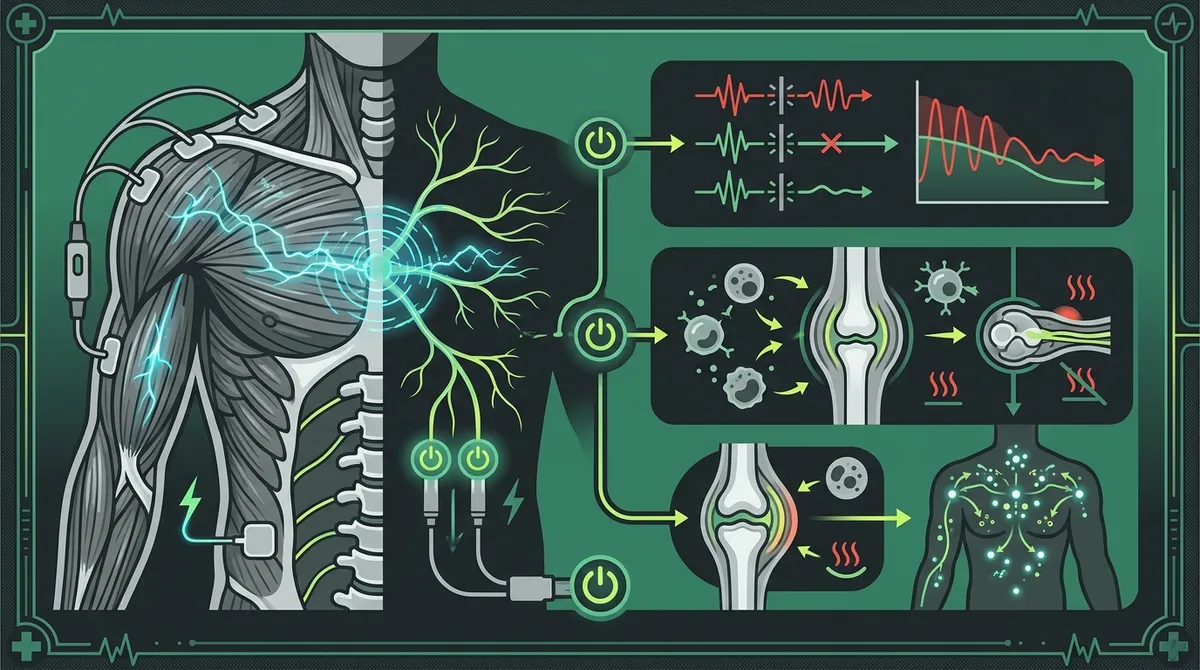
Electrotherapy operates on a straightforward but powerful physiological principle. Electrical impulses delivered through adhesive electrode pads or conductive garments stimulate targeted nerve fibers beneath the skin. Depending on the frequency and intensity settings selected, the stimulation either activates the body’s pain-gating mechanism — blocking pain signals from traveling to the brain — or prompts the release of endorphins, the body’s naturally occurring analgesic compounds. This dual mechanism makes electrotherapy applicable across a wide range of clinical presentations, from post-surgical rehabilitation to workplace injury recovery.
The FDA has issued guidance specifically to expand non-opioid treatment options for chronic pain, a move that directly validates electrotherapy’s growing role in clinical pain management. The CDC also endorses non-opioid therapies as a frontline strategy for managing pain, making electrotherapy one of the most strategically sound investments for modern healthcare providers. For clinics already offering manual therapy or spinal adjustments, adding electrotherapy modalities creates a more comprehensive and competitive treatment offering.
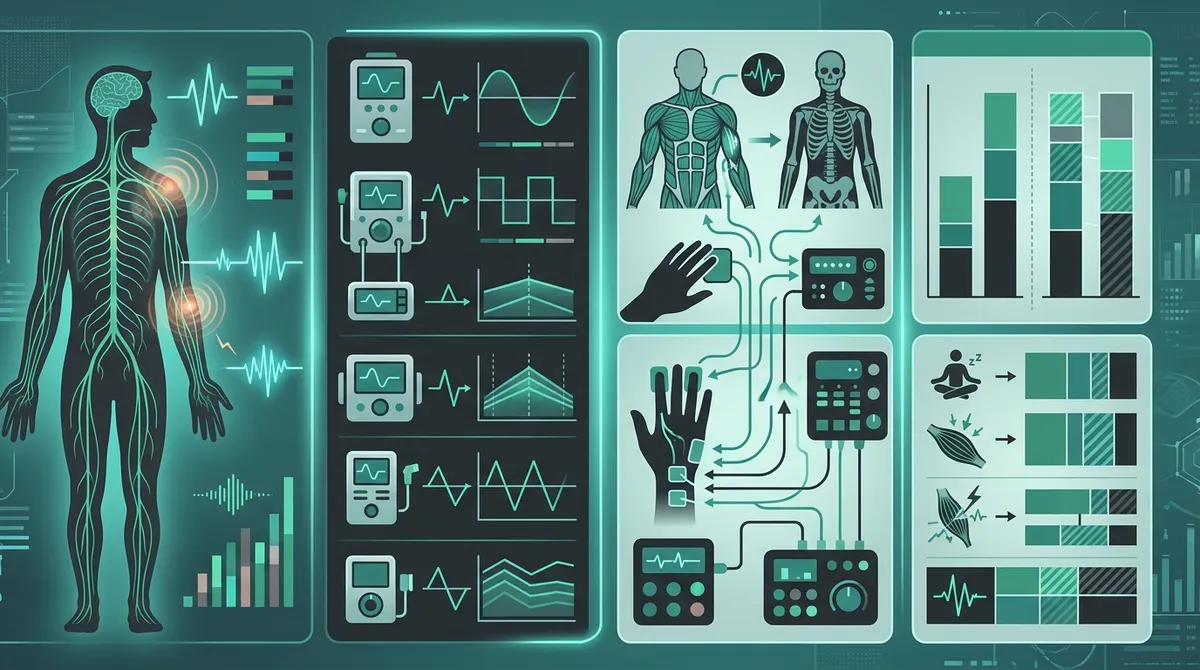
Types of Electrotherapy Pain Relief Solutions
Not all electrotherapy modalities are identical. Each type uses a different current waveform, delivery mechanism, and clinical application. Understanding these distinctions allows providers to match the right technology to the right patient population. Below is a structured comparison of the most widely used electrotherapy modalities available to clinical providers in 2026.
| Modality | Current Type | Primary Application | Duration of Relief | Delivery Method |
|---|---|---|---|---|
| TENS (Transcutaneous Electrical Nerve Stimulation) | Alternating (AC) | Chronic & acute pain management | Temporary to short-term | Adhesive electrode pads |
| PENS (Percutaneous Electrical Nerve Stimulation) | Alternating (AC) | Refractory chronic pain | Longer-lasting than TENS | Acupuncture-like needles |
| IFC (Interferential Current) | Medium frequency AC | Deep tissue pain & edema | Moderate | Surface electrodes |
| Galvanic Stimulation (GS) | Direct current (DC) | Acute injuries, swelling, trauma | Session-dependent | Electrode pads |
| H-Wave Device Stimulation (HWDS) | Exponential waveform | Acute & refractory chronic pain | Clinically significant | Surface electrodes |
TENS remains the most widely adopted form of electrical stimulation due to its non-invasive design, ease of use, and suitability for both clinical and home settings. Providers looking for guidance on clinical-grade TENS devices will find a broad range of options tailored to different practice types. For a deeper clinical overview, the Electrotherapy for Clinics: A Complete Clinical Guide for 2026 is an excellent resource.
Clinical Evidence Supporting Electrotherapy for Pain Relief
Evidence-based practice is the cornerstone of effective clinical care. A 2021 systematic review found that low-to-moderate quality studies of H-Wave device stimulation (HWDS) consistently reported clinically significant improvements in pain, function, and reduced pain medication use across diverse patient populations. Of the thirteen reviewed forms of electrical stimulation, HWDS demonstrated the most clinically significant outcomes, combining measurable functional improvement with pain reduction and decreased reliance on medication.
It is worth noting, however, that standard TENS demonstrated insignificant or very low levels of pain and functional improvement in recent reviews when used as a standalone intervention. This underscores the importance of integrating electrotherapy within a broader multimodal treatment protocol. When combined with manual therapy, exercise, heat, or cold therapy, electrotherapy pain relief solutions produce substantially stronger patient outcomes. Clinics can learn more about the mechanisms behind these effects by reviewing what TENS units actually do for clinical pain management.
Electrotherapy Pain Relief Solutions by Clinical Setting
Physical Therapy Clinics
Physical therapy providers are among the most frequent adopters of electrotherapy technology. TENS units, interferential current devices, and conductive garments allow therapists to address musculoskeletal pain across the entire body while maintaining a drug-free, non-invasive treatment approach. Electrotherapy is particularly valuable during the early stages of post-injury rehabilitation, when patients are most sensitive to pain and movement is restricted. Incorporating physical therapy electrotherapy equipment into daily protocols enables therapists to accelerate recovery timelines and improve patient satisfaction scores.
Chiropractic Practices
Chiropractors frequently use TENS units and related electrotherapy devices to complement spinal adjustments and soft tissue work. By applying electrotherapy before or after an adjustment, practitioners can reduce muscle guarding, minimize post-treatment soreness, and extend the therapeutic effects of manual intervention. Patients receiving at-home TENS units between clinical visits report higher compliance and improved overall outcomes. For chiropractors seeking to equip their practice with the right devices, resources such as how to choose the best TENS unit for your clinical practice provide structured, clinically relevant guidance. Additionally, back braces paired with electrotherapy devices can deliver continuous support and pain modulation for patients managing lumbar conditions.
Auto Accident Injury Clinics
Auto accident injuries frequently involve whiplash, soft tissue damage, and cervical spine trauma — conditions where electrotherapy is particularly effective during acute-phase treatment. Galvanic Stimulation (GS), which uses direct current to influence blood flow and reduce swelling, is especially well-suited for patients presenting with acute trauma and edema following a collision. Providers working within auto insurance claim frameworks can benefit from understanding how to use electrotherapy for auto accident treatment to optimize both clinical outcomes and billing processes. Liberty Medical Solutions specializes in supporting auto accident injury clinics with customized electrotherapy solutions that align with insurance workflows.
Key Features to Evaluate When Selecting Electrotherapy Devices
Selecting the right electrotherapy equipment requires a thorough evaluation of clinical needs, patient population, and practice infrastructure. The following criteria represent the most important factors providers should assess before investing in new electrotherapy pain relief solutions.
- Waveform options: Devices offering multiple waveform settings (TENS, IFC, EMS) provide greater clinical flexibility across patient diagnoses.
- Channel capacity: Multi-channel units allow simultaneous treatment of multiple body regions, improving session efficiency for high-volume clinics.
- Portability: Compact, battery-operated units can be prescribed for at-home use, extending the therapeutic window beyond clinic hours.
- Electrode compatibility: Devices should be compatible with a wide range of electrode sizes and conductive garments to accommodate diverse anatomical treatment areas.
- Insurance and billing alignment: Equipment selected for clinical use should be supported by clear documentation for insurance reimbursement through PPO, POS, workers’ compensation, or auto accident claims.
- ISO certification: Prioritizing ISO 13485 certified electrotherapy devices ensures devices meet rigorous medical quality and safety standards.
Combining Electrotherapy with Other Pain Relief Modalities
Clinical outcomes improve significantly when electrotherapy is integrated into a multimodal pain management strategy. Research consistently shows that electrotherapy combined with exercise therapy, manual mobilization, or thermal modalities produces greater reductions in pain intensity than electrotherapy used in isolation. For example, applying TENS therapy prior to mobilization exercises reduces the pain barrier, enabling patients to engage more fully in therapeutic movement.
| Combination Therapy | Benefit | Best Application |
|---|---|---|
| TENS + Heat Therapy | Enhanced muscle relaxation and circulation | Chronic musculoskeletal pain |
| TENS + Cold Therapy | Reduced inflammation and acute pain relief | Acute injury management |
| TENS + Manual Therapy | Reduced muscle guarding before adjustment | Chiropractic and PT settings |
| GS + Cervical Traction | Decompression with concurrent pain modulation | Cervical spine injuries |
| IFC + Exercise Therapy | Improved movement tolerance during rehabilitation | Post-surgical recovery |
Providers managing cervical spine injuries can find particular value in pairing electrotherapy with cervical traction units. Resources on how electrotherapy works for muscle soreness treatment offer additional clinical context for designing these integrated treatment programs.
Insurance Coverage and Accessibility for Electrotherapy Solutions
One of the most significant barriers to electrotherapy adoption is patient financial accessibility. Understanding insurance coverage pathways is critical for clinics seeking to prescribe electrotherapy devices as part of a long-term pain management plan. PPO insurance and electrotherapy coverage can provide substantial reimbursement for qualifying patients, as can workers’ compensation and auto accident claim coverage.
| Insurance Type | Coverage Potential | Common Electrotherapy Devices Covered |
|---|---|---|
| Commercial PPO/POS | High — with out-of-network benefits | TENS units, conductive garments, back braces |
| Workers’ Compensation | High — injury-specific coverage | TENS units, cervical traction, back braces |
| Auto Accident Claims | High — trauma-related coverage | TENS units, GS devices, conductive garments |
| Third-Party Liability | Moderate — case-dependent | TENS units, supportive bracing |
Providers can also explore how out-of-network benefits work for electrotherapy to maximize patient access regardless of plan type. Liberty Medical Solutions works directly with healthcare providers to navigate insurance processes and ensure patients receive the electrotherapy equipment they need with minimal administrative burden.
Electrode Placement and Safe Clinical Application
Effective electrotherapy delivery depends not only on device selection but also on precise electrode placement. Incorrect pad positioning can reduce therapeutic effectiveness or cause patient discomfort. Clinicians should follow validated placement protocols for each anatomical region, adjusting intensity progressively to patient tolerance. The electrotherapy electrodes clinical guide for providers offers detailed placement recommendations for common clinical presentations.
In addition to standard adhesive electrode pads, TheraKnit garments provide a conductive wearable alternative that ensures consistent electrode contact across larger body surface areas. This is particularly valuable for patients with mobility limitations or those requiring extended treatment sessions. Providers should also review TENS unit pad placement tips for optimal clinical results to maximize therapeutic outcomes across all treatment areas.
Conclusion: Building a Stronger Pain Relief Practice with Electrotherapy
Electrotherapy pain relief solutions represent one of the most clinically sound, financially viable, and patient-friendly treatment investments available to physical therapy clinics, chiropractic practices, and auto accident injury centers in 2026. From TENS units and interferential current devices to galvanic stimulation and conductive garments, the range of available modalities allows providers to customize treatment protocols with precision and confidence. The growing body of evidence supporting electrotherapy — validated by organizations such as the FDA and CDC — reinforces its place at the forefront of non-opioid pain management.
By partnering with a knowledgeable electrotherapy supplier, clinics gain access not only to quality-certified equipment but also to the clinical and insurance support needed to make these solutions accessible to every patient. To learn more about the full range of electrotherapy devices and pain relief solutions available for your practice, connect with the Liberty Medical Solutions team today and discover how customized electrotherapy equipment can elevate your clinical outcomes.
FAQs
Q: What is electrotherapy and how does it work as a pain relief solution?
A: Electrotherapy is a non-invasive, drug-free treatment that uses low-level electrical currents delivered through electrode pads or conductive garments to stimulate nerve fibers. Depending on the settings used, it either triggers the release of endorphins — the body’s natural painkillers — or blocks pain signals from reaching the brain, providing clinically meaningful pain relief for both acute and chronic conditions.
Q: Is electrotherapy safe for long-term chronic pain management in a clinical setting?
A: Yes, electrotherapy is generally considered safe for long-term use when administered according to established clinical protocols. Most patients experience only mild tingling during or after treatment, and the non-pharmacological nature of electrotherapy makes it a particularly appropriate option for chronic pain management where reducing opioid dependency is a clinical priority.
Q: Which type of electrotherapy provides the most clinically significant pain relief?
A: According to a 2021 systematic review, H-Wave Device Stimulation (HWDS) demonstrated the most clinically significant outcomes in terms of functional improvement, pain reduction, and decreased pain medication use across diverse patient populations. Standard TENS, while widely used and effective in multimodal protocols, showed more limited standalone results in recent evidence reviews.
Q: Can electrotherapy devices be prescribed for patient home use between clinic visits?
A: Yes, portable TENS units and certain other electrotherapy devices are well-suited for at-home patient use as a complement to in-clinic treatment. Prescribing home-use devices extends the therapeutic window, improves patient compliance, and can be covered through PPO, workers’ compensation, or auto accident insurance plans depending on the patient’s coverage.
Q: What conditions are best treated with galvanic stimulation electrotherapy?
A: Galvanic Stimulation (GS) uses direct electrical current to influence blood flow and is particularly effective for acute injuries involving trauma, internal bleeding, or significant swelling. It is commonly indicated for post-accident soft tissue injuries, acute musculoskeletal trauma, and conditions where edema management is a primary clinical objective.