Key Takeaways
-
Place electrodes to bracket or surround the painful area rather than directly on a single tender point, allowing current to pass through the target region for consistent stimulation based on gate control theory.
-
Maintain at least one electrode-width spacing between pads—they must never touch or overlap, as overlapping currents cause uncomfortable stimulation and reduce therapeutic effectiveness.
-
Avoid high-risk anatomical zones including the front/sides of neck, eyes, mouth, heart/chest, and areas with broken or numb skin; patients with pacemakers or who are pregnant require physician clearance.
-
Clean skin thoroughly before placement, start with the device powered off, attach all leads first, then gradually increase intensity until the patient reports strong but comfortable tingling—never pain or burning.
-
Rotate pad positions periodically during frequent use to minimize skin irritation, and reposition slightly if reduced sensation develops rather than drastically changing placement or increasing intensity.
-
Use condition-specific placement guidelines (e.g., lower back vertically above/below affected area, knee above/below kneecap) as starting points, then adjust based on individual anatomy and specific pain generator location.
Correct electrode placement is the single most influential factor separating an effective TENS treatment session from a disappointing one. For physical therapy clinics, chiropractic practices, and auto accident injury clinics, mastering pad positioning directly impacts patient outcomes, treatment compliance, and clinical credibility. Understanding where to put a TENS unit for best results requires more than guesswork—it demands knowledge of anatomy, pain physiology, and device-specific protocols that guide safe, effective stimulation.
According to the National Institutes of Health, chronic pain affects a substantial percentage of American adults, making non-pharmacological interventions like TENS increasingly important in clinical practice. As the FDA continues to encourage non-opioid pain management strategies, providers who understand precise electrode placement position themselves as trusted resources for patients seeking drug-free relief. This guide breaks down evidence-based placement principles that clinics can confidently apply and teach to patients for home use.
Core Principles of TENS Electrode Placement
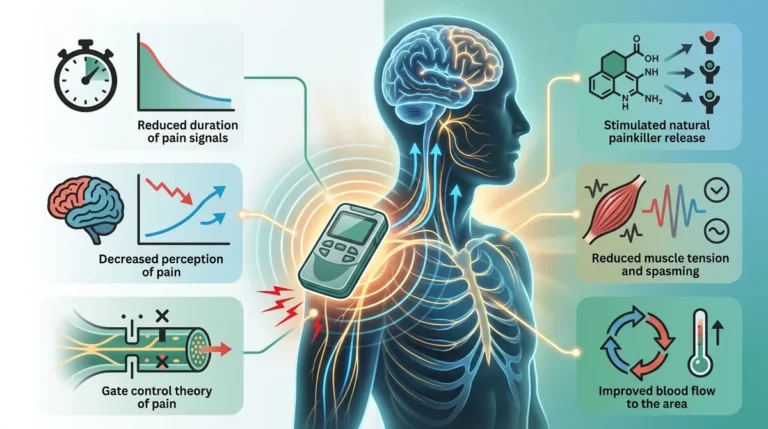
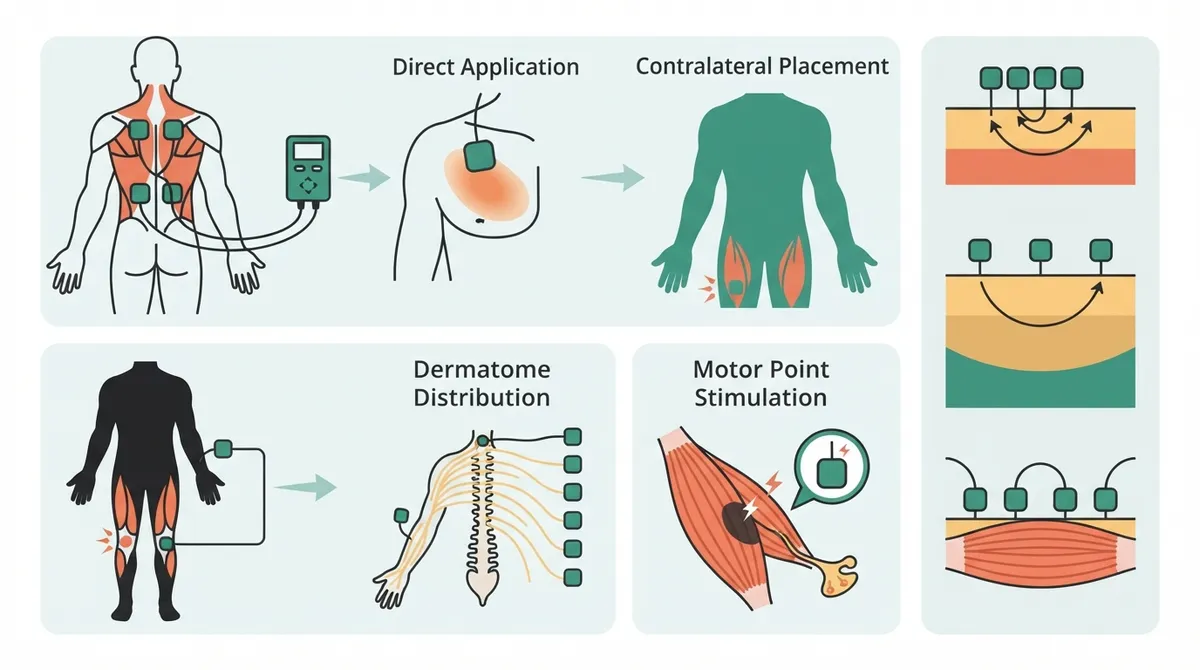
For most localized pain conditions, electrodes should be placed on clean, dry, intact skin so they surround or bracket the painful area. The goal is for the electrical current to pass through or around the target region rather than concentrating on a single tender point. This bracketing technique allows the nerve fibers in and around the pain source to receive consistent stimulation, which is foundational to the gate control theory of pain modulation described in clinical literature published on Pub Med.
Clinics using TENS devices should train staff and patients on a few non-negotiable spacing rules. Electrodes must remain separated by at least one electrode-width and should never touch each other, as overlapping currents can cause uncomfortable stimulation or reduce therapeutic effectiveness. When using multi-channel devices, pads may be arranged in parallel or crossed patterns around the painful region, depending on the specific device instructions and clinician judgment.
Step-by-Step Placement Process
- Identify the pain source: Palpate the area to determine the precise location and boundaries of discomfort before positioning any pads.
- Clean the skin: Ensure the treatment area is free of lotions, oils, or excessive hair that could interfere with adhesion and conductivity.
- Position pads symmetrically: Place electrodes on opposite sides of the pain site, maintaining adequate spacing between pads.
- Start with the device off: Attach all leads and pads before powering on the unit to avoid unexpected stimulation.
- Gradually increase intensity: Raise the output slowly until the patient reports a strong but comfortable tingling sensation, never pain or burning.
- Monitor the session: Check skin response and patient comfort periodically, especially during initial treatments.
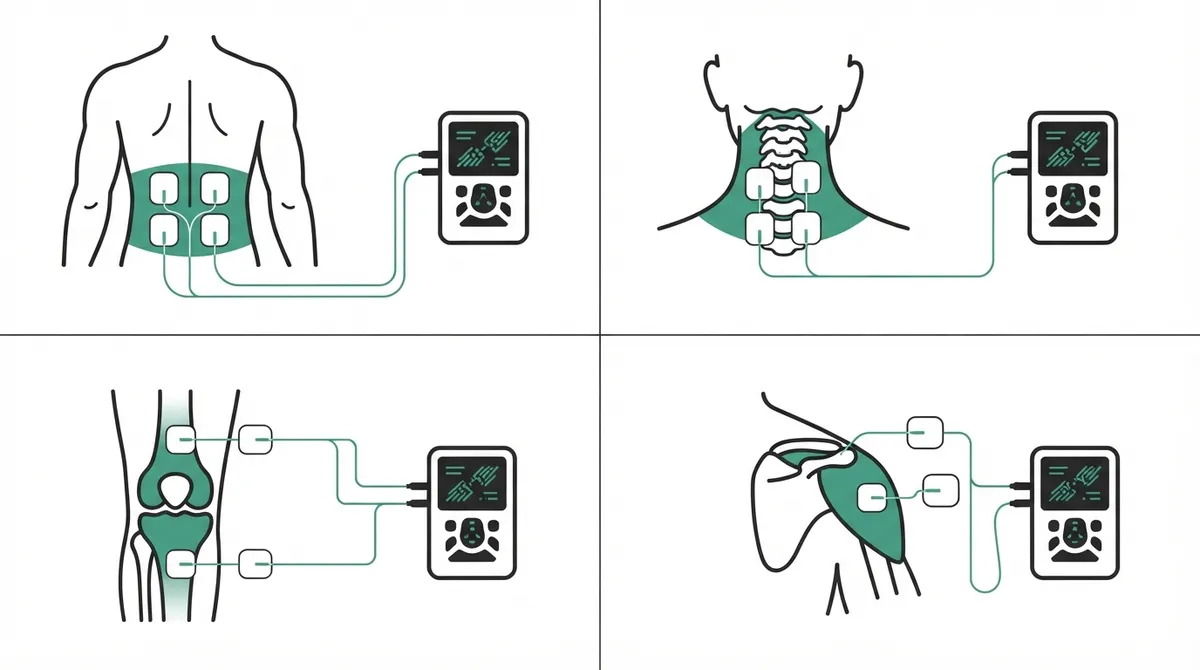
Placement Guidelines by Common Pain Condition
Clinics treating diverse patient populations—from sports injuries to whiplash following auto collisions—benefit from standardized placement references. Chiropractic practices integrating back braces alongside electrotherapy often find that consistent electrode mapping improves both immediate relief and patient confidence in home-use programs.
| Pain Location | Recommended Electrode Placement |
|---|---|
| Lower back pain | Vertically above and below the affected area, avoiding direct spinal contact |
| Knee pain | Above and below the kneecap, bracketing the joint |
| Shoulder pain | On opposite sides of the joint, avoiding bony prominences |
| Hip pain | Around, not directly over, the hip joint |
| Sciatica | Along the lower back and posterior thigh, following the nerve pathway |
| Calf or ankle pain | Surrounding the muscle belly or joint, avoiding bony areas |
| Elbow pain | On opposite sides of the joint, bracketing the painful region |
These placements are general starting points. Exact positioning always varies based on individual anatomy, the specific pain generator, and the device manufacturer’s instructions. Clinics should consult detailed protocols such as those outlined in the TENS Protocols guidelines when developing standardized treatment plans.
Areas Where TENS Electrodes Should Never Be Placed
Patient safety depends heavily on avoiding high-risk anatomical zones. Providers must clearly communicate these restrictions to patients using take-home devices, particularly those recovering from auto accident injuries who may be managing multiple pain sites simultaneously.
- Front or sides of the neck, due to proximity to the carotid sinus and airway structures
- Directly over the eyes or across the head
- Inside the mouth or throat
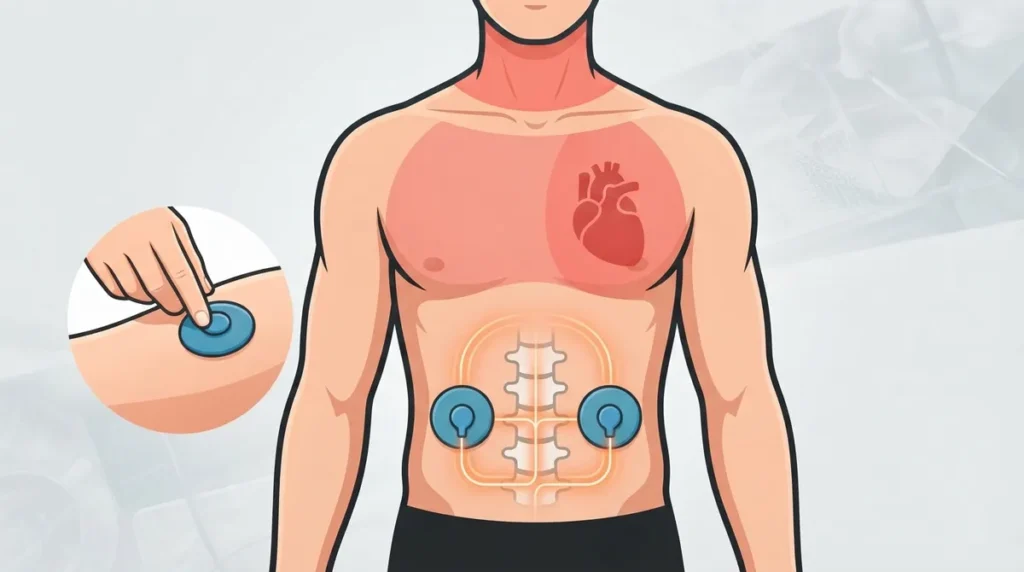
- Directly over the heart or across the chest and upper back simultaneously
- Broken, infected, inflamed, or numb skin
- Over areas with significantly reduced sensation
The Cleveland Clinic emphasizes that patients with pacemakers, implantable cardioverter-defibrillators, or other implanted electronic devices should consult a physician before using TENS therapy. Similarly, individuals with epilepsy, those who are pregnant, or patients experiencing undiagnosed pain require medical clearance prior to treatment. Pregnancy-related use—especially involving the abdomen, pelvis, or lower back—should only proceed under direction from an obstetric clinician.
Special Considerations for Auto Accident and Whiplash Patients
Auto accident injury clinics frequently treat whiplash, cervical strain, and soft tissue damage where careful placement near the neck and upper back is critical. Providers should avoid the anterior and lateral neck entirely and instead focus on the trapezius, upper back, or paraspinal muscles surrounding the injury site. Pairing TENS therapy with cervical traction equipment can further support recovery when clinically appropriate, offering a comprehensive approach to neck-related injuries common in collision cases.
Session Duration and Intensity Best Practices
Proper placement works hand-in-hand with appropriate session length and intensity settings. NHS patient guidance from the Royal Wolverhampton Trust recommends a minimum of 30 minutes per session, with some patients using devices for up to two hours depending on clinical need and device specifications. Chelsea and Westminster NHS guidance further advises rotating pad positions periodically during frequent or prolonged use to minimize skin irritation.
The ideal stimulation should feel like a strong but comfortable tingling sensation—never sharp pain, burning, or excessive involuntary muscle contraction. Clinics should train patients to start at the lowest intensity setting and gradually increase output, adjusting based on comfort and tolerance rather than following a fixed protocol for every individual.
Why Proper Placement Matters for Clinical Credibility
Physical therapy clinics and chiropractic practices that consistently apply evidence-based placement techniques build stronger patient trust and better documented outcomes. Research published through the National Library of Medicine supports TENS as a valuable adjunct therapy when applied correctly, reinforcing its role in comprehensive pain management programs. The CDC also recognizes electrotherapy modalities as part of a broader non-opioid pain management strategy, which strengthens the case for clinics to invest in quality equipment and staff training.
Providers who source reliable, well-calibrated equipment reduce the risk of placement errors caused by inconsistent electrode quality or unclear device instructions. Liberty Medical Solutions supplies clinics with dependable electrotherapy products, including devices designed with clear guidance for accurate pad placement, helping providers standardize protocols across their patient base.
Complementary Equipment for Enhanced Results
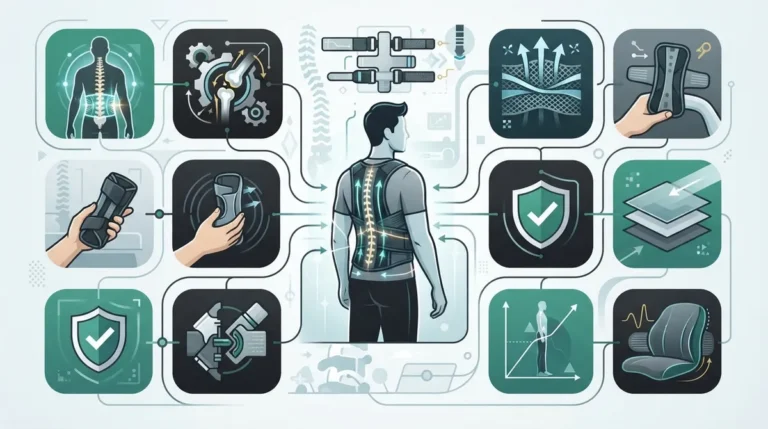
Many clinics pair TENS therapy with additional support equipment to maximize treatment outcomes. Conductive garments, for example, offer an alternative to traditional pad placement by distributing stimulation across larger muscle groups or difficult-to-reach areas.
- Conductive garments for full-body or large-area muscle stimulation without repositioning individual pads
- TheraKnit garments for patients requiring consistent, hands-free electrode contact during daily activities
- Back braces integrated with electrotherapy access points for lumbar support combined with stimulation
These complementary tools are particularly valuable for chiropractic practices managing chronic lower back patients or auto accident clinics treating patients with limited mobility who struggle with traditional pad application.
Troubleshooting Common Placement Issues
Even experienced clinicians encounter placement challenges that require adjustment. Recognizing these issues early prevents patient frustration and improves treatment adherence.
- Skin irritation: Rotate pad positions slightly with each session and ensure pads are not overused beyond their recommended lifespan.
- Reduced sensation over time: This may indicate the need to reposition pads slightly or increase intensity gradually rather than repositioning drastically.
- Muscle spasms or discomfort: Lower the intensity immediately and reassess pad spacing, as pads placed too close together can cause unwanted contraction.
- Inconsistent relief: Confirm that pads are bracketing the actual pain generator rather than a referred pain pattern, which may require clinical reassessment.
The WebMD resource on TENS for back pain notes that individualized placement based on the specific pain distribution consistently outperforms generic, one-size-fits-all approaches. This reinforces the importance of clinical assessment before every new treatment plan, especially for complex cases involving multiple pain sites common in auto accident recovery.
Building a Standardized Protocol for Your Practice
Clinics benefit from documenting placement protocols for the most common conditions they treat, ensuring consistency across providers and shifts. This is particularly valuable for practices managing high patient volumes, such as auto accident injury clinics working through insurance-driven treatment plans with defined session limits.
Staff training should cover not only correct anatomical placement but also documentation practices that support insurance claims. Since Liberty Medical Solutions works with commercial PPO/POS plans, workers’ compensation, and auto accident claims, clinics can streamline both clinical delivery and billing accuracy by maintaining clear, repeatable placement protocols tied to diagnosis codes and treatment goals.
Partnering with a Trusted Electrotherapy Provider
Selecting the right equipment supplier directly influences how consistently your clinic can achieve reliable placement outcomes. Devices with clear labeling, quality leads, and manufacturer guidance reduce placement errors and support better patient education. Liberty Medical Solutions has worked extensively with physical therapy clinics, chiropractic practices, and auto accident injury centers to supply customized electrotherapy solutions tailored to each practice’s patient population and insurance requirements.
Whether your clinic is expanding its pain management offerings or refining existing protocols, precise electrode placement remains central to achieving measurable, repeatable results for patients. Combining sound clinical judgment with dependable equipment ensures that every treatment session delivers maximum therapeutic value while minimizing risk.
If your practice is ready to strengthen its electrotherapy program with reliable devices, clear clinical guidance, and insurance-friendly solutions, reach out to our team today to discuss how customized TENS solutions can support your patients’ recovery goals.
FAQs
Q: Where should TENS pads be placed for lower-back pain?
A: For lower-back pain, electrodes are typically placed vertically above and below the affected area, bracketing the painful region rather than sitting directly over the spine. Exact positioning depends on whether the pain is muscular, nerve-related, or joint-based, so clinical assessment should guide final placement.
Q: Can I put TENS pads directly over the painful area?
A: Generally, pads should surround or bracket the painful area rather than being placed on a single exact tender spot, allowing the electrical current to pass through or around the target region. This approach typically provides more consistent and comfortable stimulation than concentrating current on one precise point.
Q: How far apart should TENS electrodes be placed?
A: Electrodes should be separated by at least one electrode-width and should never touch each other during use. Proper spacing ensures the electrical current distributes appropriately across the treatment area without causing uncomfortable overlapping sensations.
Q: Can TENS pads be placed on the neck or across the chest?
A: Standard TENS pads should never be placed on the front or sides of the neck due to proximity to sensitive vascular and airway structures, nor across the chest and upper back simultaneously. Patients recovering from whiplash or neck injuries should have electrodes positioned on surrounding muscles like the trapezius rather than the anterior neck.
Q: Can I use a TENS unit if I have a pacemaker or if I am pregnant?
A: Individuals with pacemakers, implantable cardioverter-defibrillators, or other implanted electronic devices should consult a physician before using TENS therapy due to potential interference risks. Pregnant patients should also seek guidance from an obstetric clinician, particularly for any placement involving the abdomen, pelvis, or lower back.